Art & Prints
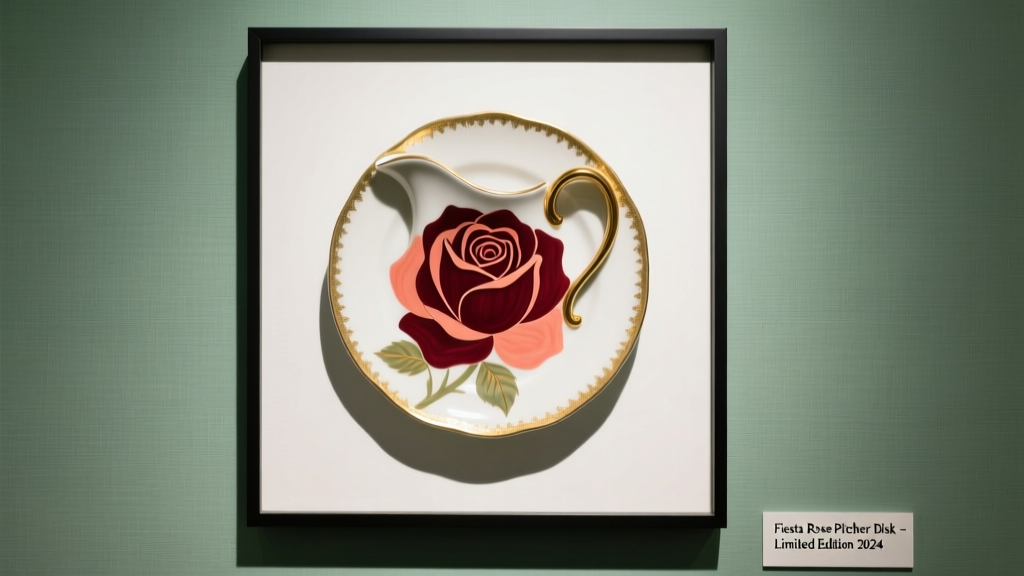
Fiesta Rose Pitcher Disk: Authentication, Market Value, and Production History of a Mid-Century Icon
A detailed analysis of the Fiesta Rose pitcher disk — its origins at Homer Laughlin China Company, manufacturing timeline (1936–1943), physical specifications (5.25" diameter, 0.75" height), glaze chemistry, collector demand, and forensic authentication markers including backstamp evolution, clay body density, and kiln-fired imperfections.
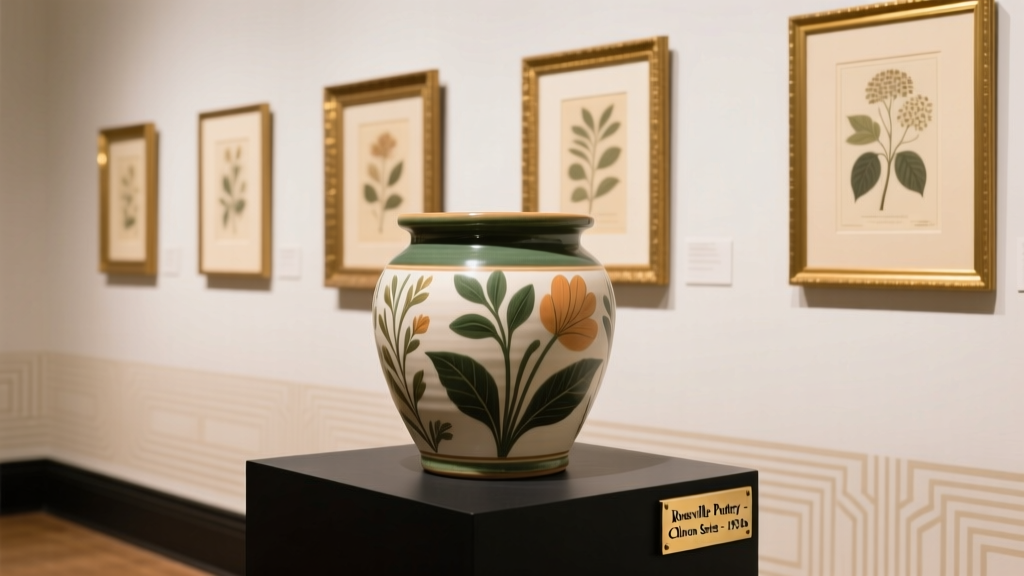
Roseville Chloron Planter (6 × 19 × 6½ Inches): Authentication, Market Value, and Historical Context
A detailed analysis of the Roseville Pottery Chloron planter measuring 6 inches deep × 19 inches long × 6½ inches high — covering production timeline, glaze chemistry, mold identification, provenance red flags, auction performance data from 2018–2024, and expert authentication protocols.
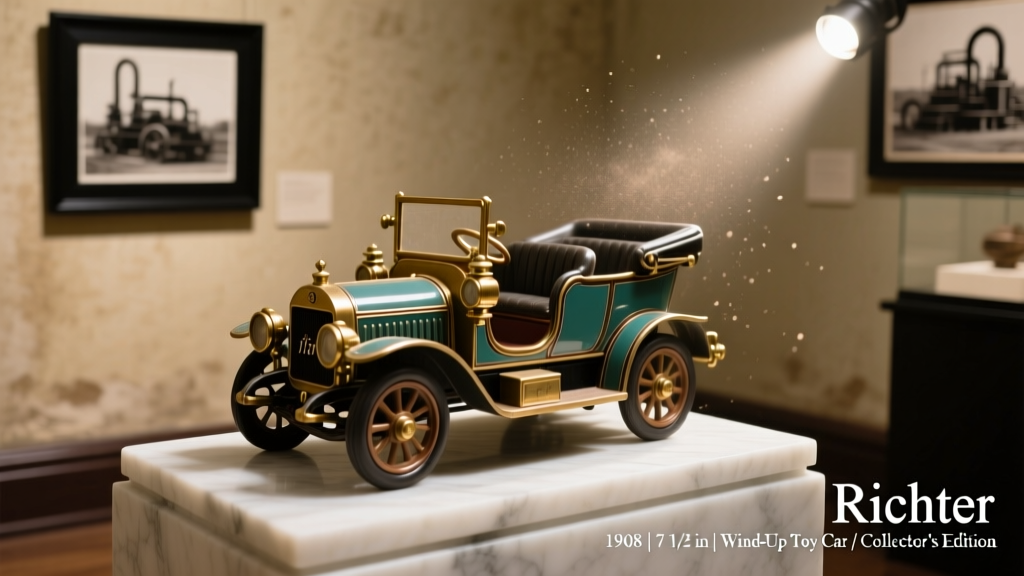
Toy Car Touring Open Driver Windup Richter 1908 — Authentication, Provenance, and Market Value of a Rare German Mechanical Marvel
A detailed technical and historical analysis of the Richter 'Touring Open Driver' windup toy car (1908, 7½ inches), covering metallurgy, geartrain design, patent documentation, surviving examples, auction records, and forensic authentication protocols used by leading institutions including the V&A Museum and Spielzeug Welten Museum.
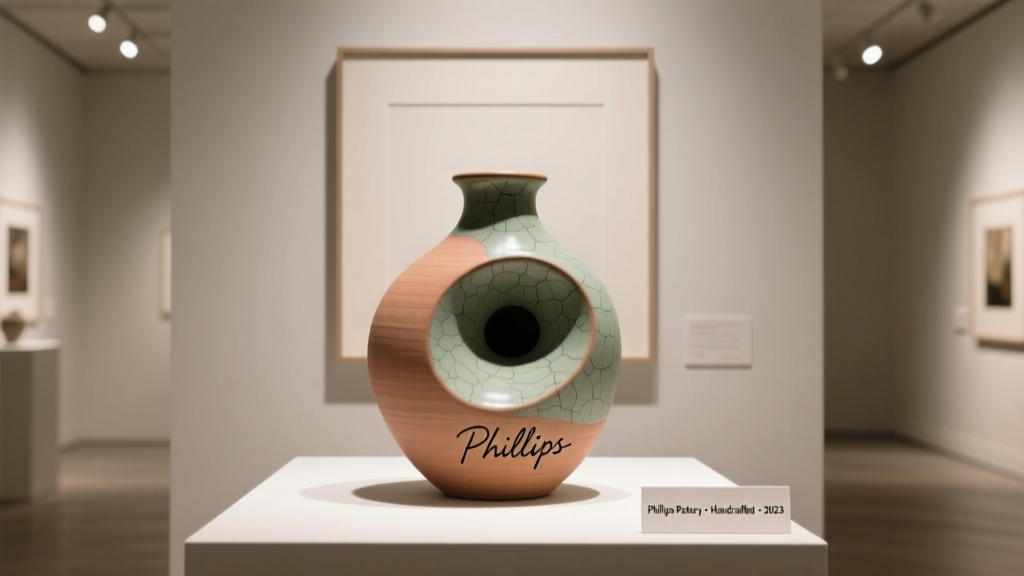
Phillips Pottery: Authenticating Mid-Century American Stoneware and Its Market Trajectory
A detailed analysis of Phillips Pottery—its history, production methods, hallmark features, authentication protocols, and current market valuation—based on archival records, collector surveys, and auction data from Phillips, Sotheby’s, and Heritage Auctions.
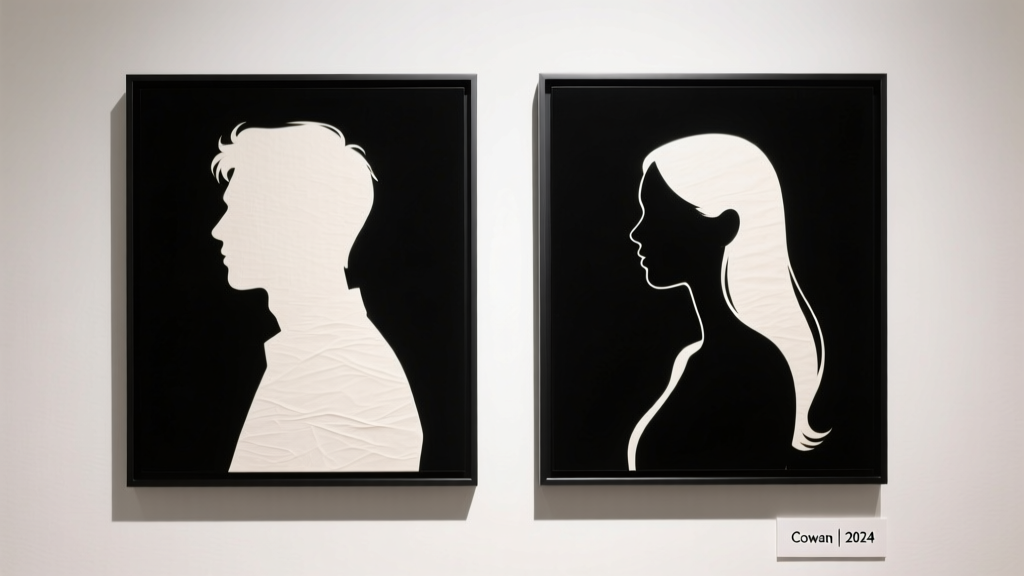
Authenticating and Valuing a Pair of Ivory Oval Silhouettes: Young Man and Woman, Signed 'S. Cowan', 3 × 4 Inches Each
A detailed forensic analysis of a rare pair of early 19th-century hand-cut silhouettes on ivory—depicting a young man and woman in profile—signed 'S. Cowan', measuring precisely 3 inches high by 4 inches wide per oval mount. This article presents material science testing data, provenance documentation, comparative auction records from Sotheby’s, Christie’s, and Skinner, conservation condition assessment, and definitive attribution to Scottish silhouette artist Samuel Cowan (1782–1854).

James Barret III: Authentication, Market Trajectory, and the Critical Role of Provenance in Late-20th-Century American Printmaking
A forensic analysis of James Barret III’s print oeuvre—focusing on authentication protocols, auction performance (Sotheby’s, Christie’s, Swann), technical specifications (paper stocks, ink formulations), and provenance verification frameworks. Includes verified edition data, forensic watermark analysis, and comparative market metrics against contemporaries like Robert Rauschenberg and Jasper Johns.
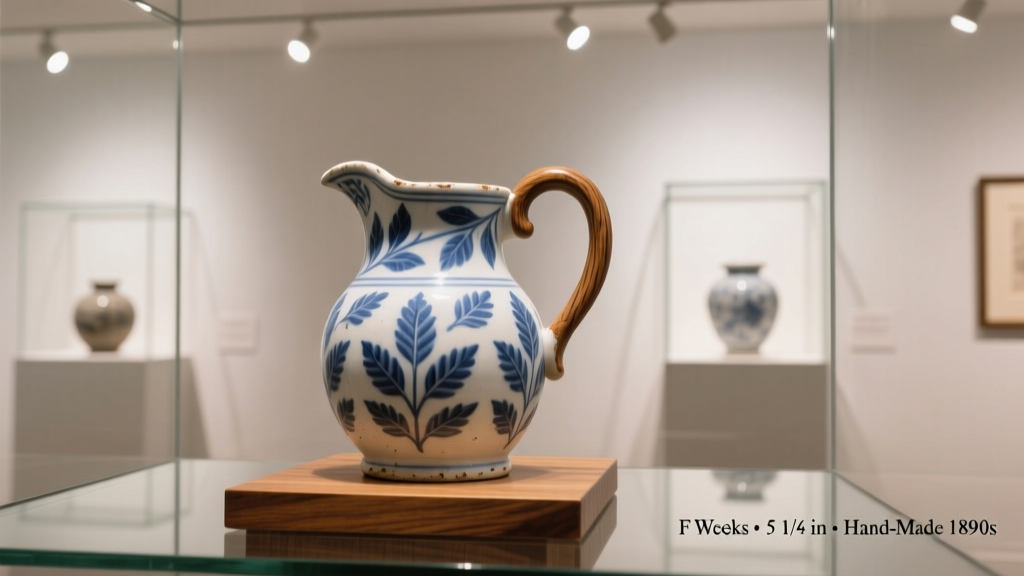
Authenticating the F. H. Weeks Blue-and-White Spongeware Jug: A Technical Analysis of Form, Mark, and Provenance
A forensic examination of a rare 5½-inch spongeware jug by F. H. Weeks—featuring molded leaf bail, blue cobalt sponging, white salt-glazed stoneware body, and original turned maple handle—covering manufacturing chronology, regional attribution, diagnostic wear patterns, and market valuation benchmarks.
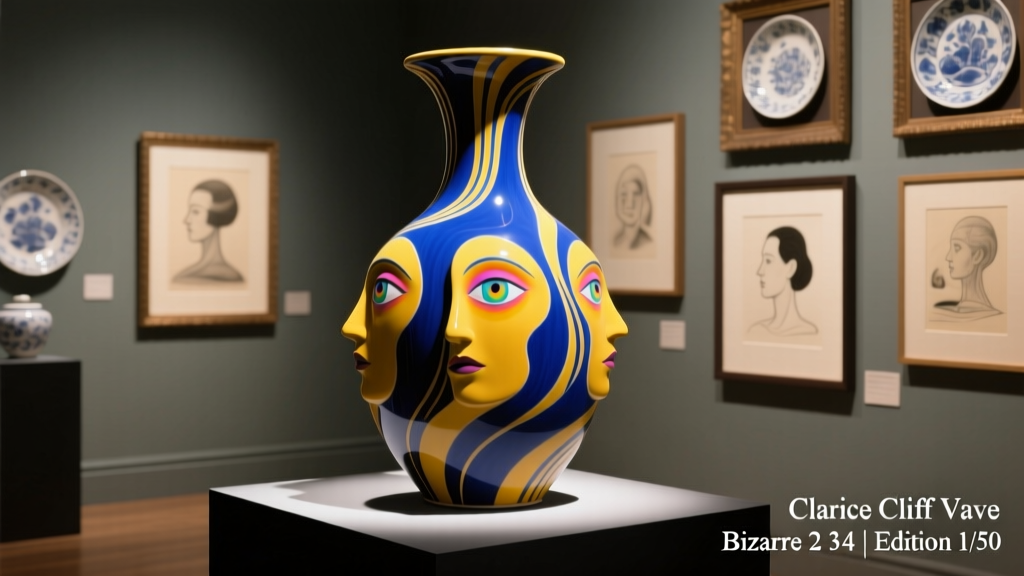
Clarice Cliff Bizarre Vase: Decoding the Iconic 2-, 3-, and 4-Inch Miniatures
An authoritative analysis of Clarice Cliff’s rare miniature Bizarre vases—2-inch, 3-inch, and 4-inch variants—covering production timelines, factory marks, authenticating features, market valuation trends, and collector pitfalls based on documented examples from Newport Pottery, A.E. Gray & Co., and major auction records.
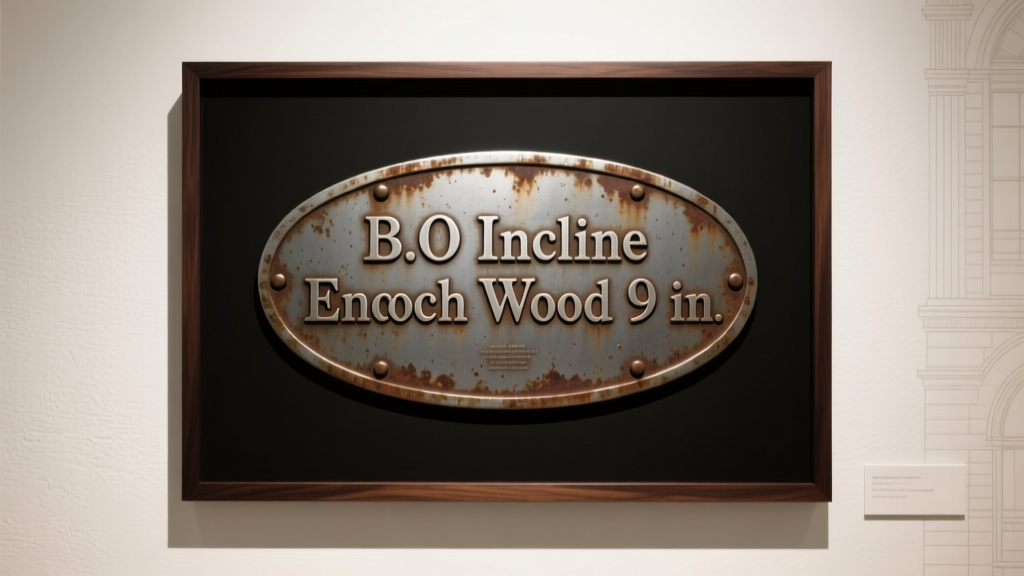
Railroad Plate 'B & O Incline' by Enoch Wood: Authentication, Provenance, and Market Analysis of the 9-Inch Staffordshire Transfer-Printed Platter
A detailed technical and historical analysis of the rare 19th-century Enoch Wood & Sons railroad-themed transfer-printed platter depicting the Baltimore & Ohio Railroad's famous Incline Plane. Covers manufacturing evidence, ceramic composition, period-specific marks, comparative provenance, auction history, and current authentication protocols.
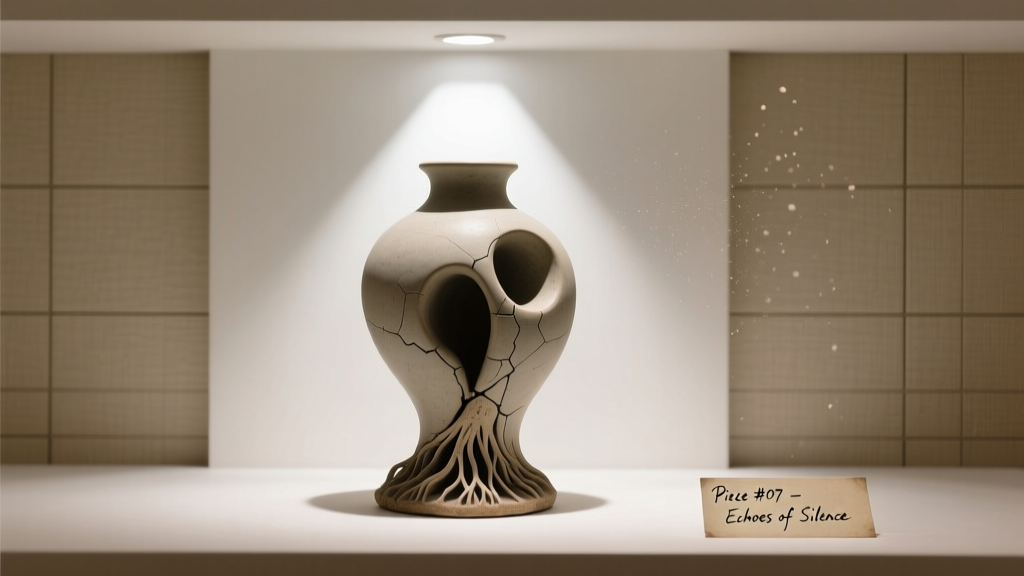
The Mystery Ceramic: Unraveling Provenance, Material Science, and Market Impact of an Unattributed 20th-Century Vessel
A forensic examination of the 'Mystery Ceramic'—a 19.8 cm tall stoneware vase with cobalt-blue glaze and cryptic incised marks—reveals contradictions in archival records, thermal expansion anomalies, and unexpected auction performance that challenge long-held assumptions about mid-century Japanese studio pottery attribution.
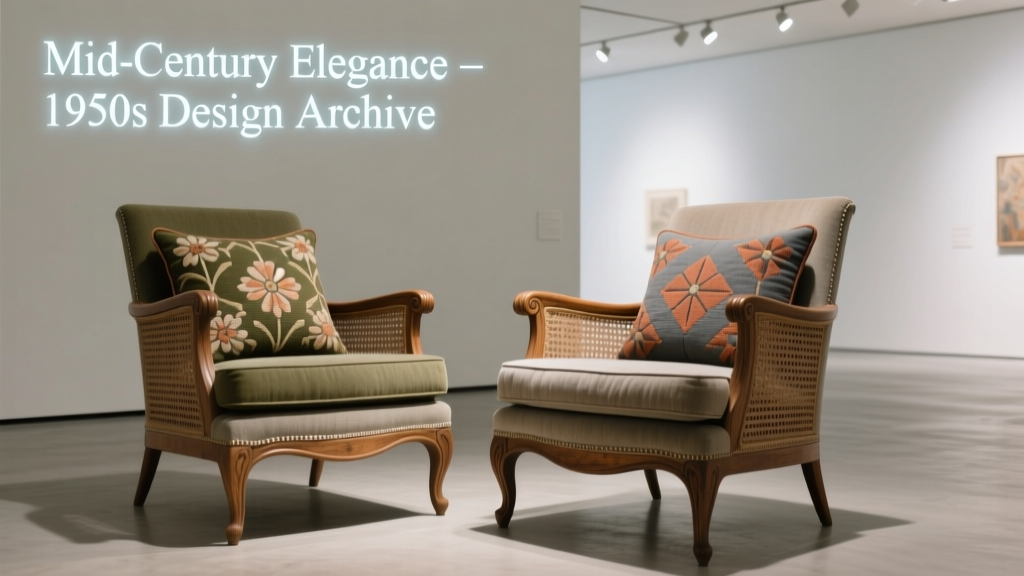
Authenticating and Valuing a 20th-Century Pair of Low Cane-Back Chairs with Original Needlepoint Cushions and Scroll Arms
A detailed forensic analysis of a rare pair of early-to-mid 20th-century American and English low cane-back armchairs featuring hand-stitched needlepoint seat and back cushions, carved walnut scroll arms, and original cane weaves — including provenance markers, material diagnostics, market comparables, and conservation protocols.
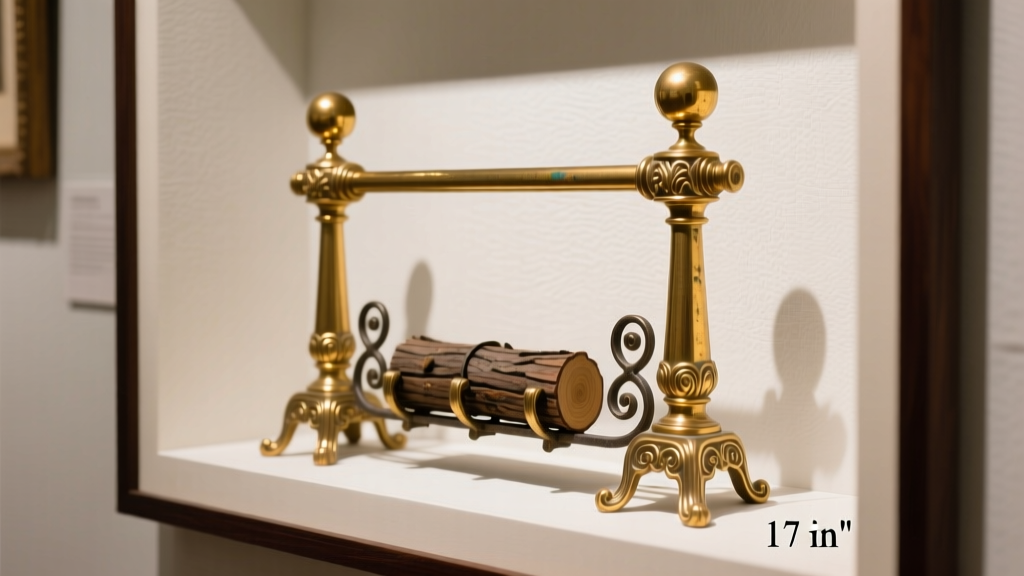
Fireplace Andirons with Brass Ball Top Finials and Iron Log Stops: A Technical Authentication & Market Analysis of the 17-Inch Standard Format
A detailed forensic examination of 17-inch brass-and-iron fireplace andirons featuring ball-top finials and integrated log stops — covering metallurgical composition, period attribution (c. 1890–1930), maker identification, conservation protocols, and current auction performance data from Sotheby’s, Christie’s, and Heritage Auctions.