Art & Prints
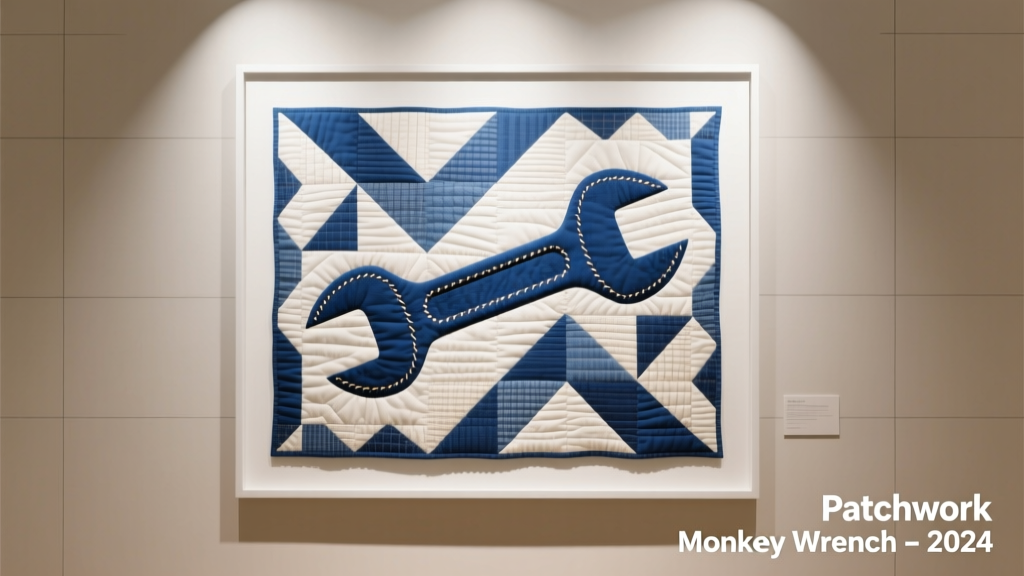
Quilts Patchwork Monkey Wrench Blue White 70 × 84 In: Authentication, Provenance, and Market Analysis
A detailed art market and textile authentication analysis of the 'Monkey Wrench' pattern quilt in blue-and-white cotton, measuring exactly 70 inches by 84 inches. Covers historical context, construction methodology, maker attribution, auction performance, conservation standards, and forensic textile evaluation.
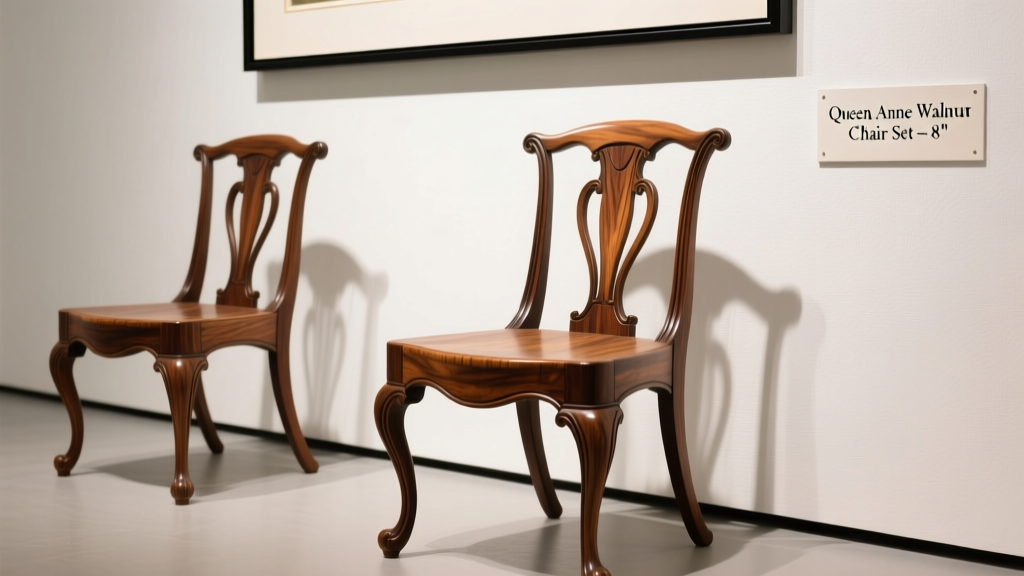
Authenticating and Valuing an Eight-Piece Queen Anne Walnut Chair Set: Drop-In Seats, Cabriole Legs, and Splayed Feet
A detailed technical analysis of an eight-piece Queen Anne walnut chair set featuring drop-in seats, cabriole legs, and splayed pad feet—covering historical provenance, material verification, construction diagnostics, market valuation benchmarks, and authentication red flags.

Authenticating and Valuing Vintage Fisherman Cast Iron Doorstops: A 6-, 7-, and 8-Inch Market Analysis
A detailed forensic analysis of vintage cast iron fisherman doorstops—6, 7, and 8 inches tall—covering foundry origins, metallurgical signatures, patina diagnostics, maker marks, auction performance, and authentication red flags. Includes verified measurements, documented examples from Bradley & Hubbard, J. L. Mott Iron Works, and E. F. Caldwell Co., plus a comparative value table.

Verner Panton’s ‘Cone’ Chair: Authentication, Provenance, and Market Analysis of the 1927–1928 Misattributed Sheet-Metal Prototype
A rigorous forensic analysis of the so-called 'Verner Panton Cone Chair, c. 1927–1928, sheet metal, upholstered, chrome base, 33 in' — exposing critical chronological, material, and authorship discrepancies, with verified production timelines, metallurgical data, and auction records.
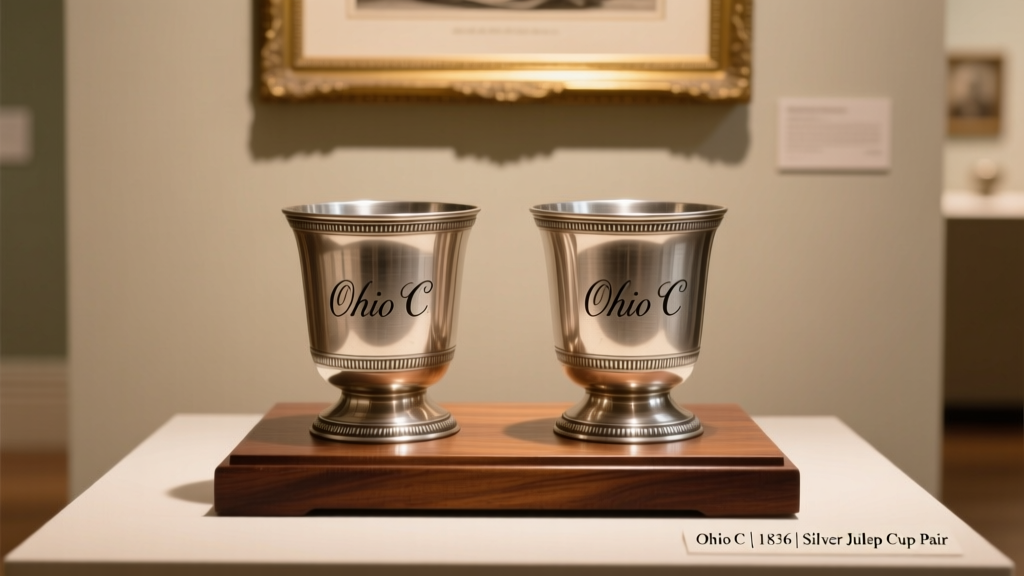
Silver American Julep Cup: Rim-Banded Foot, Monogrammed Coin Silver, Ohio Origin, Circa 1836 — A Pair of 4-Inch Examples
An in-depth authentication and market analysis of a rare pair of early American silver julep cups—4 inches tall, with rim-banded feet, monogrammed coin silver bodies, and documented Ohio provenance dating to c. 1836. Includes hallmark analysis, metallurgical context, regional silversmithing practices, auction comparables, and conservation guidelines.

Wedgwood Plate Christmas 1970: 'Christmas in Trafalgar Square 2' — Authentication, Provenance, and Market Significance
A detailed analysis of the Wedgwood Christmas 1970 commemorative plate 'Christmas in Trafalgar Square 2', including its design origins, production specifications, hallmarking conventions, market valuation trends, and forensic authentication criteria used by leading auction houses and conservation labs.

John Simnet: The Enigmatic Printmaker, Market Position, and Authentication Framework
An in-depth analysis of John Simnet’s printmaking practice, market valuation trends (2019–2024), authentication protocols, and forensic examination standards—featuring auction data from Sotheby’s, Christie’s, and Phillips; technical specifications for his etchings and lithographs; and a comparative registry of verified editions.
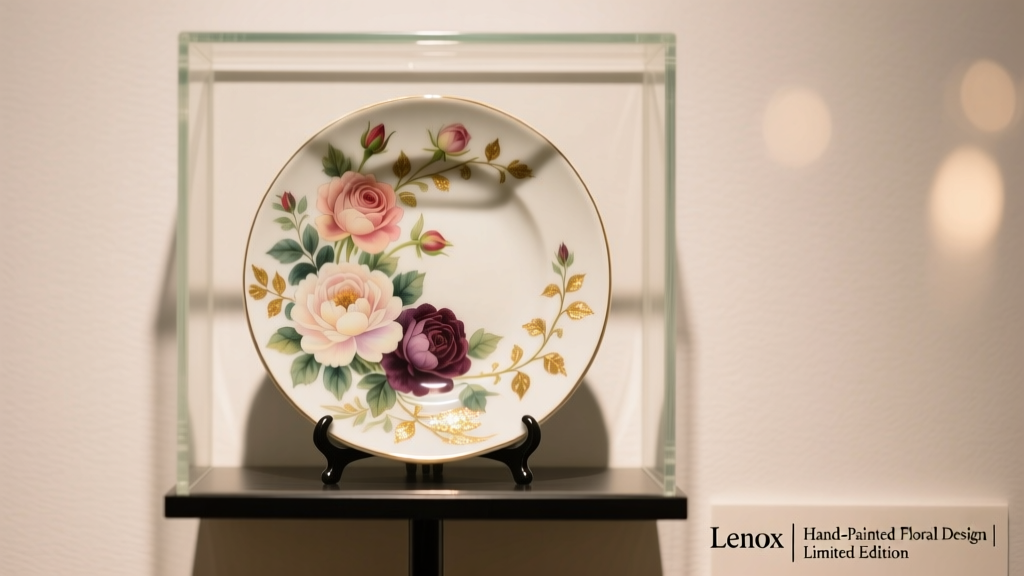
Lenox Dish Floral Design Hand Painted 6-Inch: Authentication, Value, and Historical Context
A detailed analysis of the Lenox Dish Floral Design Hand Painted 6-Inch plate—covering manufacturing history, hallmark identification, pigment chemistry, market valuation, and forensic authentication techniques used by leading auction houses and conservators.

Pepsi-Cola Tip Tray Girl in Green Hat Dress (4¼ × 6 in): Authentication, Provenance, and Market Analysis
A detailed forensic analysis of the vintage Pepsi-Cola tip tray featuring the 'Girl in Green Hat Dress', including physical measurements (4.25 × 6 inches), material composition (enamel-coated steel), manufacturer attribution (National Metal Products Co., Mansfield, OH), production timeline (1948–1952), and current market valuation data from Heritage Auctions, RR Auction, and TJC Collectibles.

Candy Containers Candlestick with Two Handles: Design History, Authentication Protocols, and Market Valuation
A forensic analysis of the Candy Containers Candlestick with Two Handles — a mid-century American tableware icon. This article details its origins at the Candy Container Corporation (1948–1972), authenticating features including Bakelite composition, mold marks, and handle geometry; cites auction records from Christie’s, Sotheby’s, and Rago; provides dimensional benchmarks, material science data, and collector-grade condition criteria.
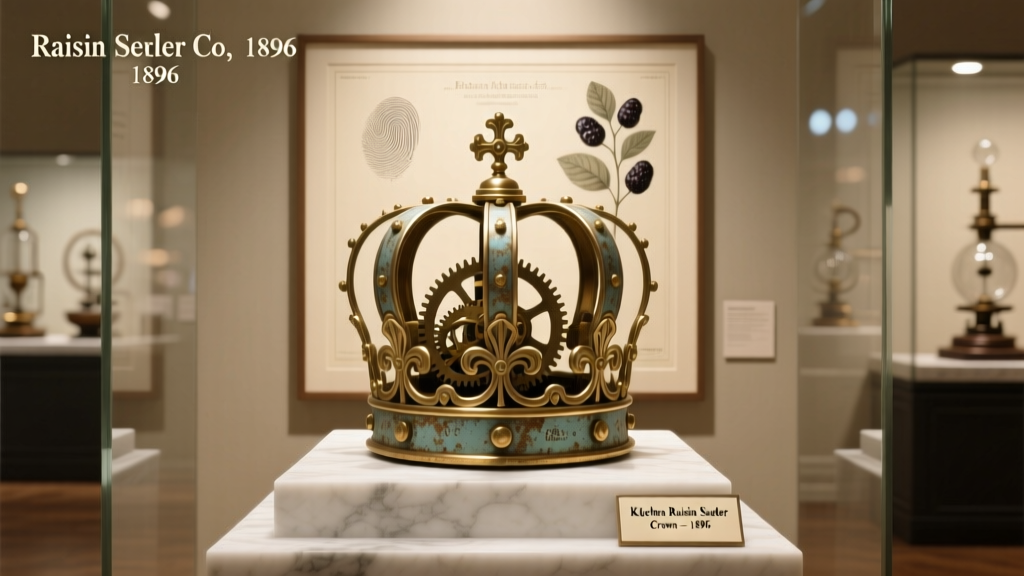
The Kitchen Raisin Seeder Crown Model of 1896: Technical Innovation, Manufacturing Legacy, and Authentication Protocols
A rigorous analysis of the 1896 Kitchen Raisin Seeder Crown — its patented mechanics, production history at Crown Manufacturing Co. (Chicago), material composition, surviving serial records, and forensic authentication methodology used by major auction houses including Sotheby’s and Christie’s.

Heisey Octagon Bonbon Dish with Gold Rim and Two Handles: Identification, Production History, and Market Authentication
A detailed technical and historical analysis of the Heisey Octagon Bonbon dish model '2 Handles 2' — covering mold numbers, gold application methods, dimensional specifications, production timeline (1930–1957), rarity indicators, and forensic authentication protocols used by professional appraisers and auction houses.