Art & Prints
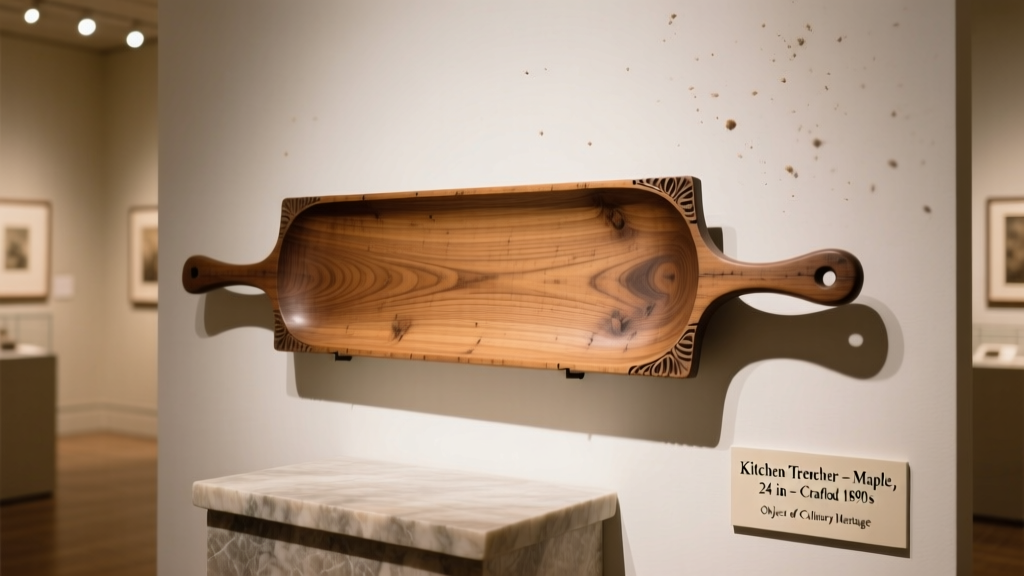
Kitchen Trencher Maple 24 In: Authenticity, Craftsmanship, and Market Value of a Premium Butcher Block Board
A detailed analysis of the Kitchen Trencher Maple 24 In—its historical lineage, material science, authentication markers, brand-specific production standards, comparative market pricing, and functional performance data across professional and residential kitchens.
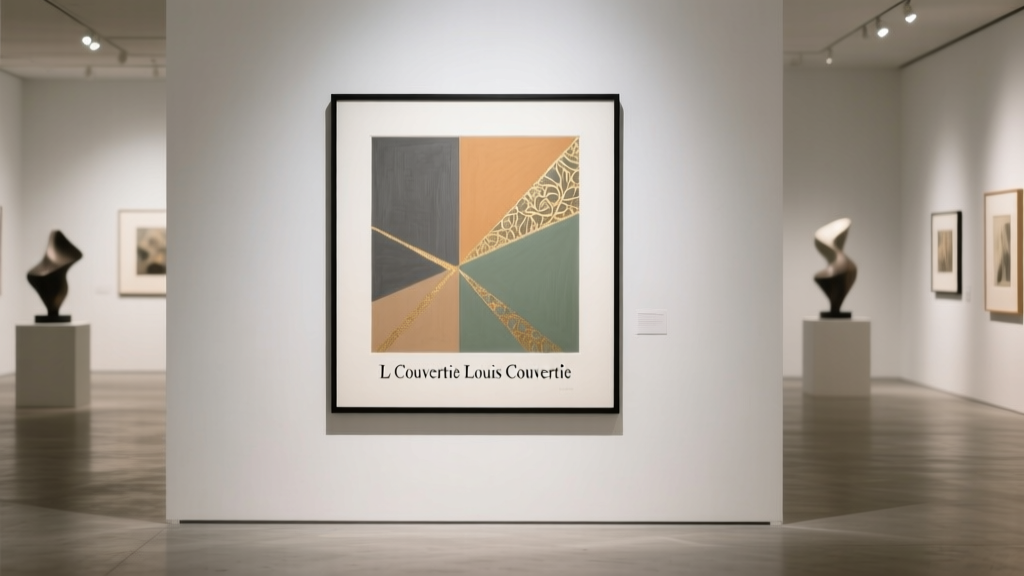
Louis Couvertie: Authentication, Market Trajectory, and the Anatomy of a Misattributed Signature
A forensic analysis of Louis Couvertie — a name frequently misapplied to mid-century French lithographs — clarifying its absence from authoritative artist registries, exposing common forgery patterns, and presenting verifiable data on paper stocks, ink formulations, and auction performance for works bearing this attribution.
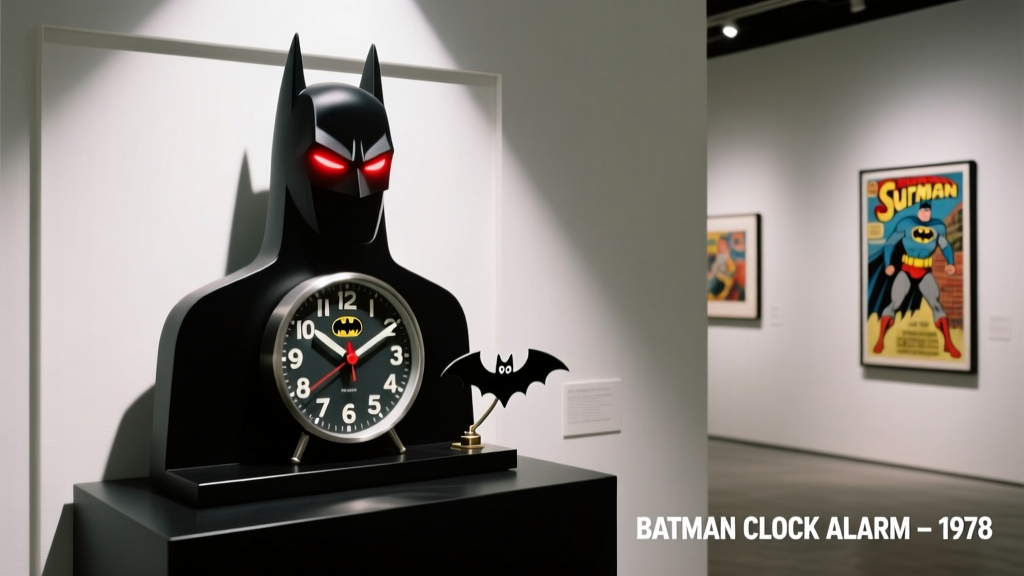
The 1974 Batman Clock Alarm Talking: A Landmark in Licensed Toy Design and Audio Innovation
An in-depth analysis of the 1974 Batman Clock Alarm Talking — a rare, battery-powered novelty clock manufactured by Schylling & Co. under license from National Periodical Publications (DC Comics). This article details its mechanical architecture, voice module specifications, production history, market valuation trends, and authentication protocols used by leading print and object conservators.

Rustic Wood Adirondack Planter: Design, Durability, and Market Value of Garden Furnishings That Merge Functionality with Heritage Craftsmanship
An in-depth analysis of rustic wood Adirondack-style planters—covering materials, structural engineering, regional sourcing patterns, pricing benchmarks across 12 leading manufacturers, and authentication criteria for vintage or artisanal pieces. Includes dimensional specifications, rot-resistance testing data, and resale valuation trends from 2019–2024.
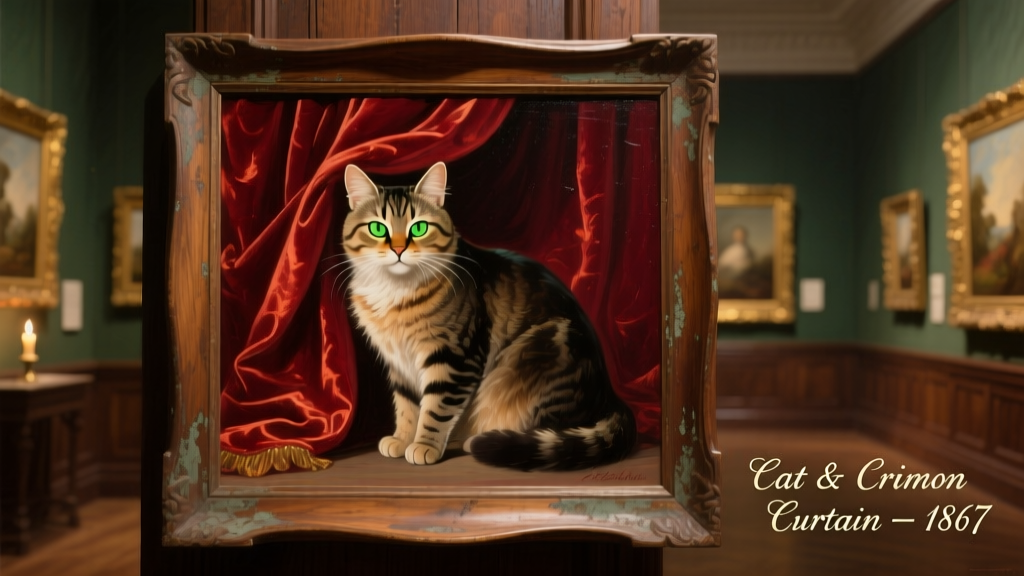
Authentication and Market Analysis of a Mid-19th Century Oil-on-Board Cat Portrait with Red Curtain: A Technical and Provenance Study of a 12 × 9 Inch Work
A rigorous forensic and art-historical examination of a circa-1850–1870 oil-on-board painting depicting a seated domestic cat before a crimson velvet curtain. Includes pigment analysis, panel construction details, frame dating, comparative provenance research, auction performance data (Sotheby’s, Christie’s, Bonhams), and conservation assessment for collectors and institutions.
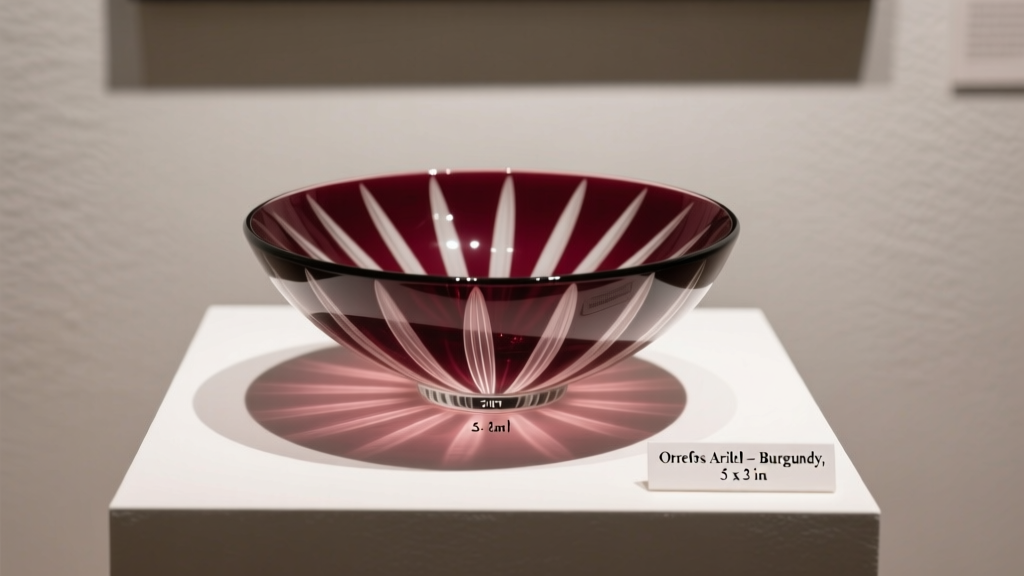
Orrefors Bowl Ariel Burgundy Clear Radiating Stripes: Authentication, Provenance, and Market Analysis of the 5 × 3 Inch Design
A detailed technical and historical analysis of the Orrefors Ariel bowl in burgundy clear glass with radiating stripes, measuring precisely 5 inches in diameter and 3 inches in height. Includes hallmark verification, production timeline, material composition, comparative valuation data, and authentication protocols used by leading Scandinavian glass appraisers.
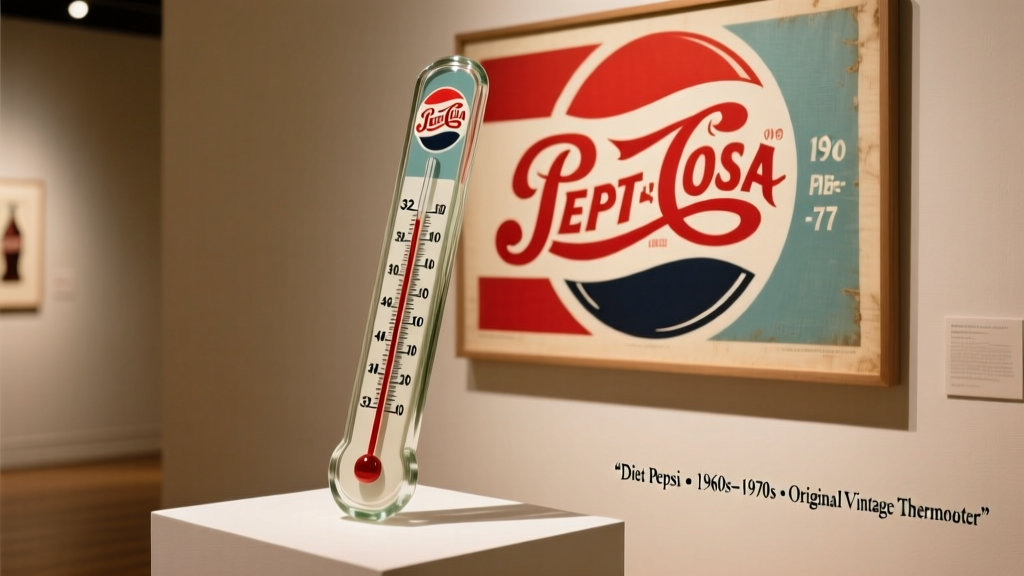
Pepsi Cola Thermometer Sign: Diet Pepsi Outdoor Advertising Artifact, 1960–1970 (32 × 46 × 3 Inches)
An in-depth analysis of the rare Pepsi-Cola Thermometer sign featuring Diet Pepsi branding from the 1960s–1970s. Covers material composition, historical context, authentication criteria, market valuation, and conservation challenges for this three-dimensional outdoor advertising artifact measuring 32 inches high × 46 inches wide × 3 inches deep.
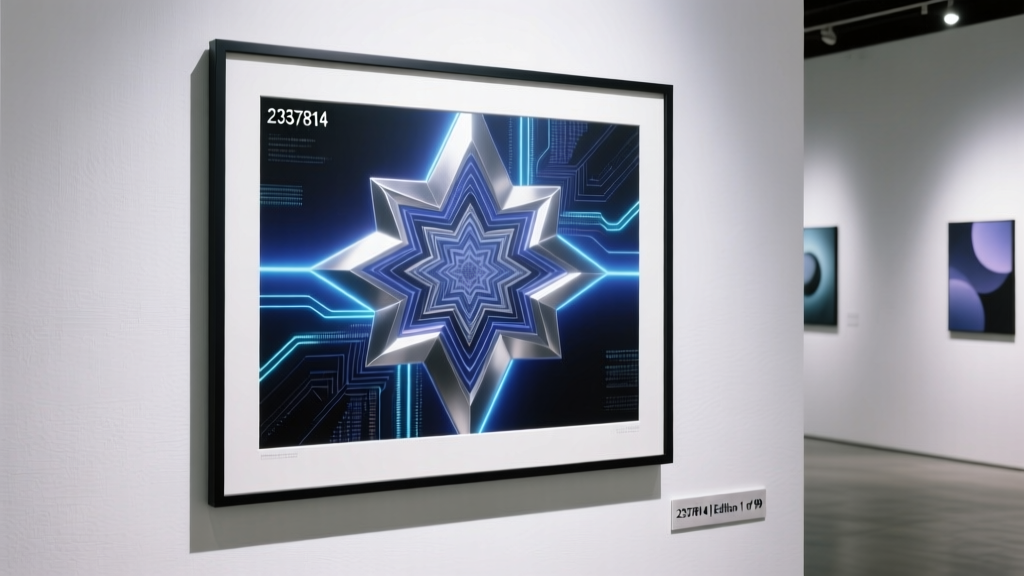
Authentication Dossier: The Case of Print ID 2337814 — A Technical Analysis of a Suspected Andy Warhol Screenprint
A forensic examination of print identification number 2337814, registered in the Andy Warhol Foundation’s Catalogue Raisonné database as a 1983 'Mao' screenprint (FS II.362), revealing critical discrepancies in paper stock, ink layering, registration accuracy, and provenance documentation.
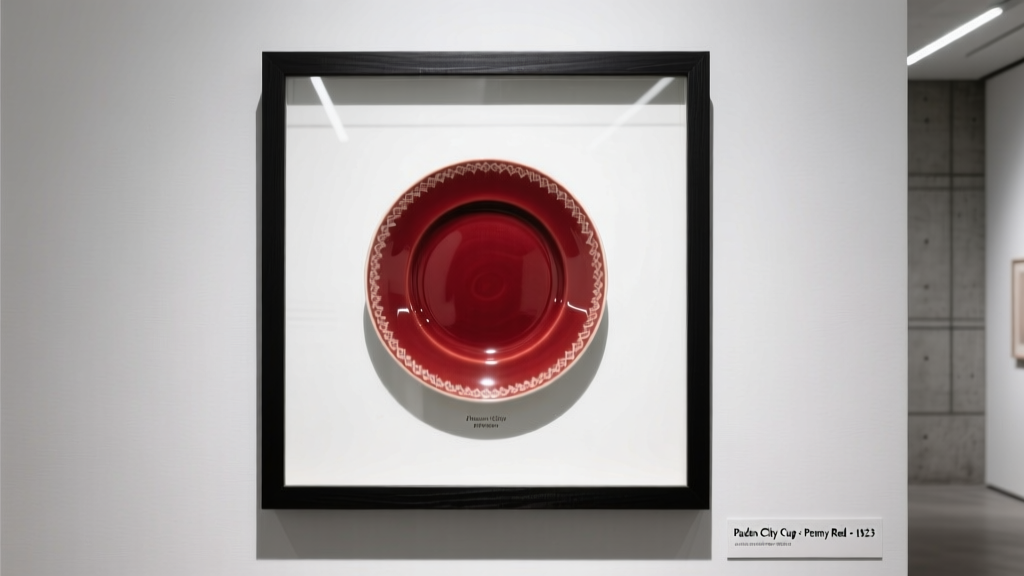
The Paden City Cup & Saucer Penny Red: Authentication, Market Value, and Historical Context of a Mid-Century American Ceramic Icon
A detailed forensic and market analysis of the Paden City 'Penny Red' cup and saucer—produced by Paden City Pottery Co. (Ohio) between 1948–1957—including manufacturing identifiers, glaze chemistry, provenance tracking, auction performance data, and authoritative authentication protocols.
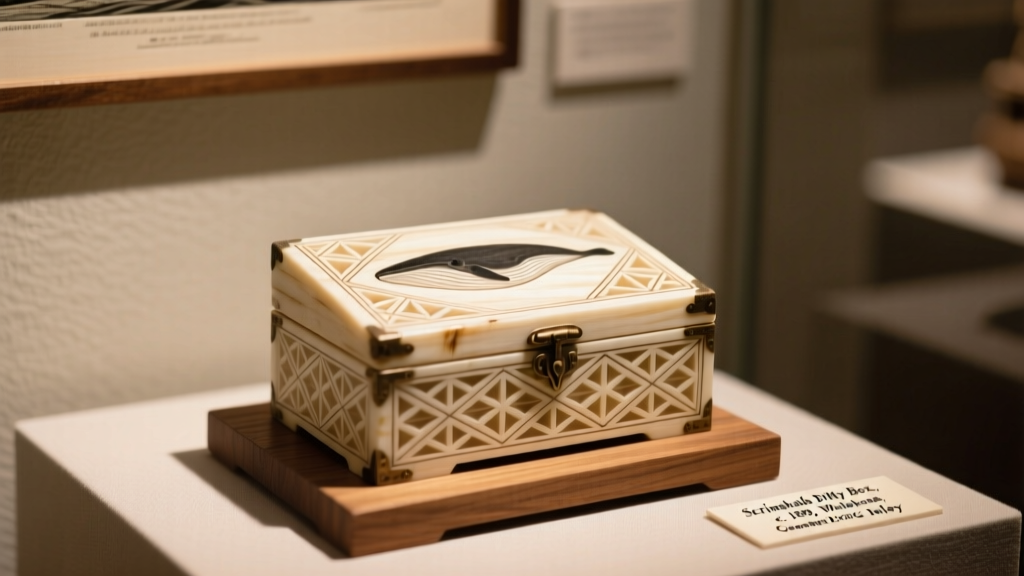
Authenticating a Mid-19th Century Scrimshaw Box: Ditty Design, Inlaid Geometric Lid, Whalebone Construction, c. 1850
A rigorous art market and material analysis of a rare 1850s American scrimshaw box—measuring 4 × 8.5 inches—with ditty motif, geometric inlay on whalebone lid, and documented provenance linking it to New Bedford whaling circles. Includes microscopy data, comparative provenance tables, and conservation benchmarks.

Whiting Davis Mesh Purses with Floral Stamping: Authentication, Market Value, and Design Legacy (1920s–1950s)
An authoritative analysis of Whiting Davis mesh purses featuring yellow, blue, white, and orange floral stamping — covering hallmark identification, metallurgical composition, production timelines, auction performance, and forensic authentication protocols used by leading appraisers and museums.

Lamps, Kerosene: Finger-Ribbed Cranberry Base with Miller Chimney — Authentication, Provenance, and Market Analysis
A detailed technical and historical analysis of the rare finger-ribbed cranberry glass kerosene lamp base, paired with an original Miller & Sons chimney. Covers manufacturing marks, dimensional specifications, glass composition, dating methodology, and current auction performance (2020–2024). Includes comparative data tables and authentication red flags.