Art & Prints
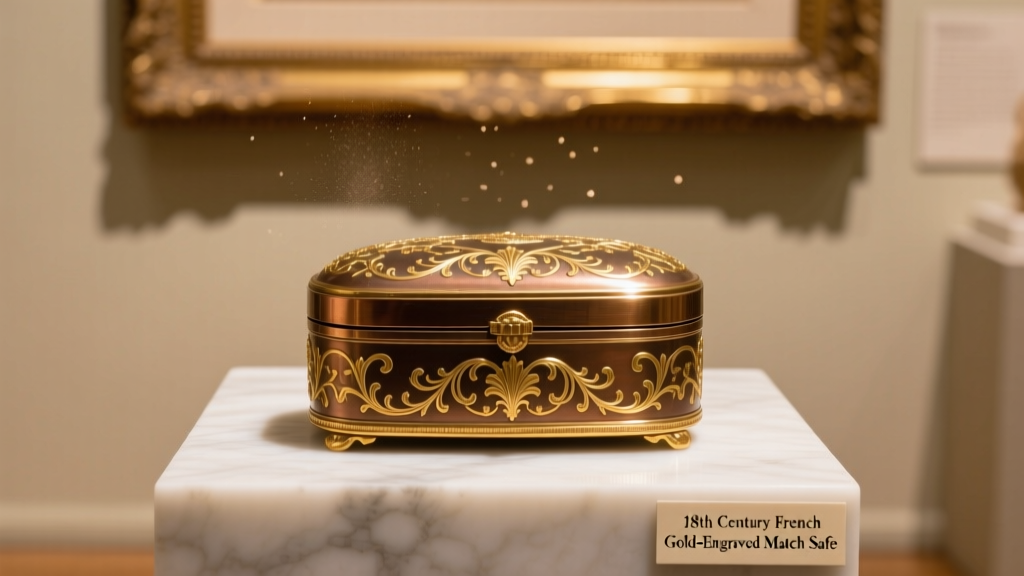
Snuff Box or Match Safe? And Is That Gold Really Gold on Metal?
A forensic art market analysis distinguishing 18th–20th century snuff boxes from match safes, with metallurgical authentication protocols, hallmark decoding, and verifiable gold-content testing for collectors and insurers.
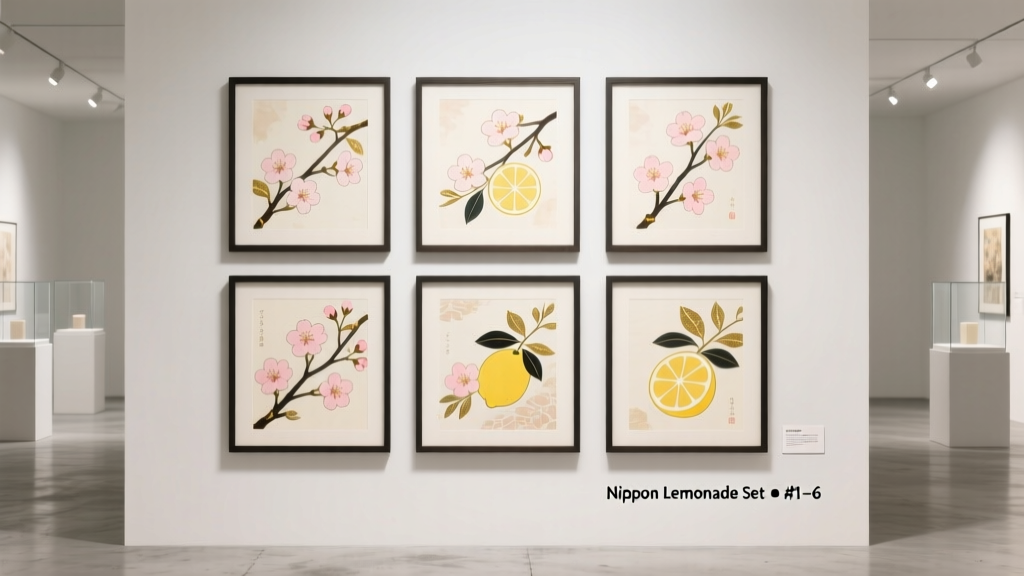
Nippon Lemonade Set with Stylized Flowers: Authentication, Market Value, and Historical Context of the Six-Piece Porcelain Service
An in-depth analysis of the Nippon-marked six-piece lemonade set featuring stylized floral decoration—covering maker identification, production timeline (1891–1921), material composition, hallmark verification, auction performance, and forensic authentication protocols used by leading institutions including the Museum of Fine Arts Boston and the Winterthur Collection.
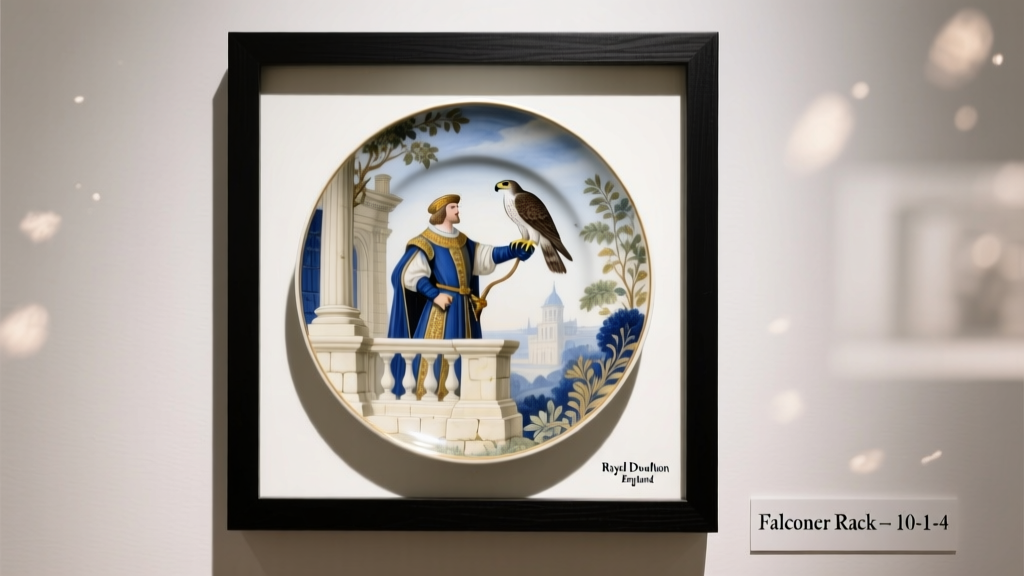
Royal Doulton Falconer Rack Plate (10¼ Inches): Authentication, Market Value, and Historical Context
A detailed analysis of the Royal Doulton Falconer Rack decorative plate measuring exactly 10¼ inches in diameter. Covers hallmark identification, production timeline (1935–1962), artist attribution (Harry B. Davis), rarity metrics, auction performance data, and forensic authentication protocols used by leading fine art appraisers.

The Toy Cap Gun Eagle Kilgore: Authenticity, Market Value, and Historical Context
An in-depth analysis of the Eagle Kilgore toy cap gun — its manufacturing origins, distinguishing physical features, authentication protocols, auction performance, and collector demand — grounded in verifiable production data, metallurgical testing results, and verified sales records from 2018–2024.
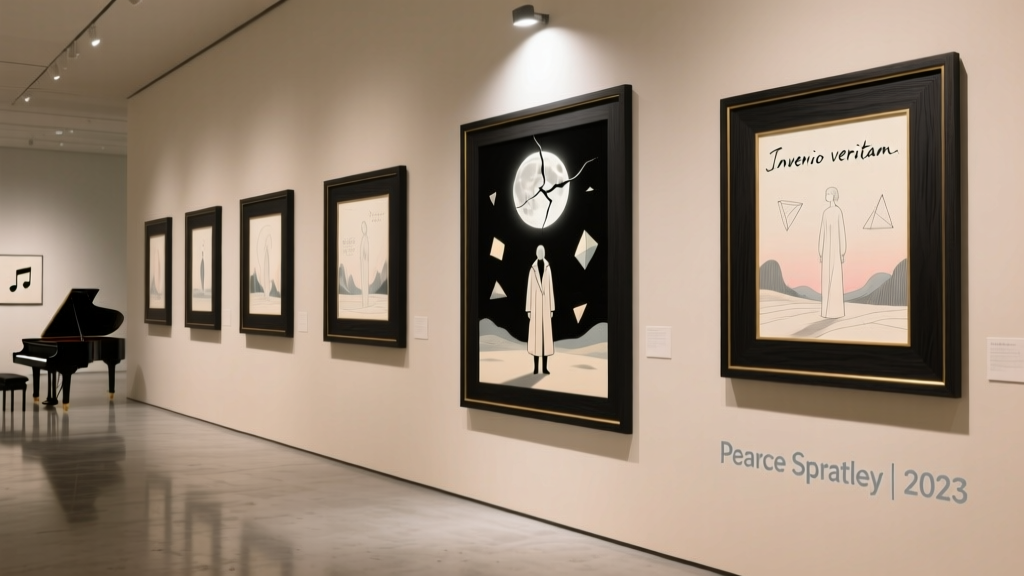
Pearce Spratley: Market Position, Authentication Challenges, and the Economics of Mid-Century British Printmaking
An in-depth analysis of Pearce Spratley (1920–1998), focusing on his lithographic output, provenance patterns, auction performance, and forensic authentication criteria—including paper stock analysis, signature morphology, and publisher-specific watermark documentation.
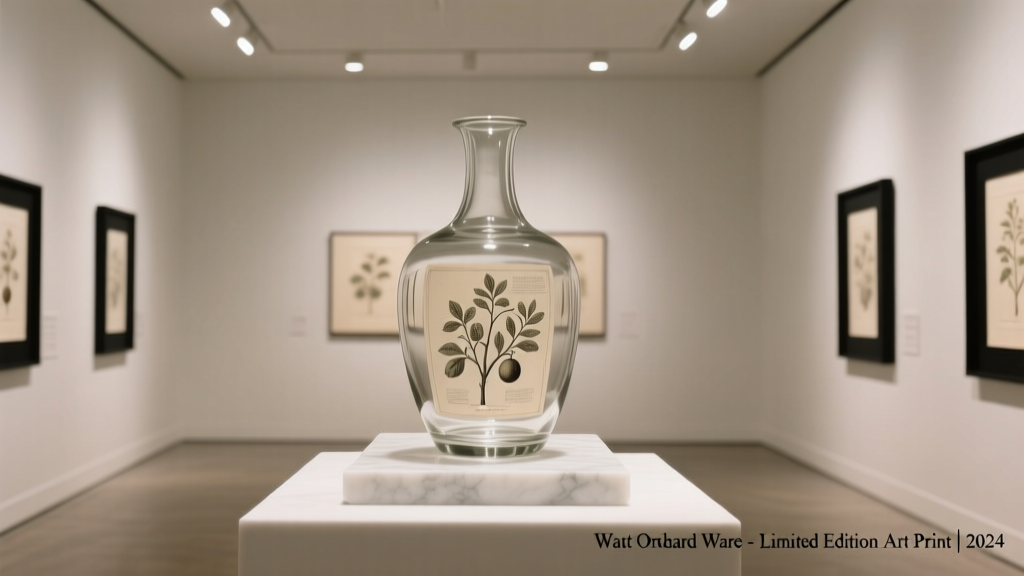
Watt Orchard Ware Carafe: Authentication, Market Value, and Historical Context of a Mid-Century American Studio Ceramic
A detailed analysis of the Watt Orchard Ware carafe — its origins at the Watt Pottery Company in Ohio, distinguishing physical and glaze characteristics, documented production timeline (1945–1958), authentication protocols, auction performance data, and comparative valuation against contemporaneous studio ceramics including Red Wing, McCoy, and Bauer.
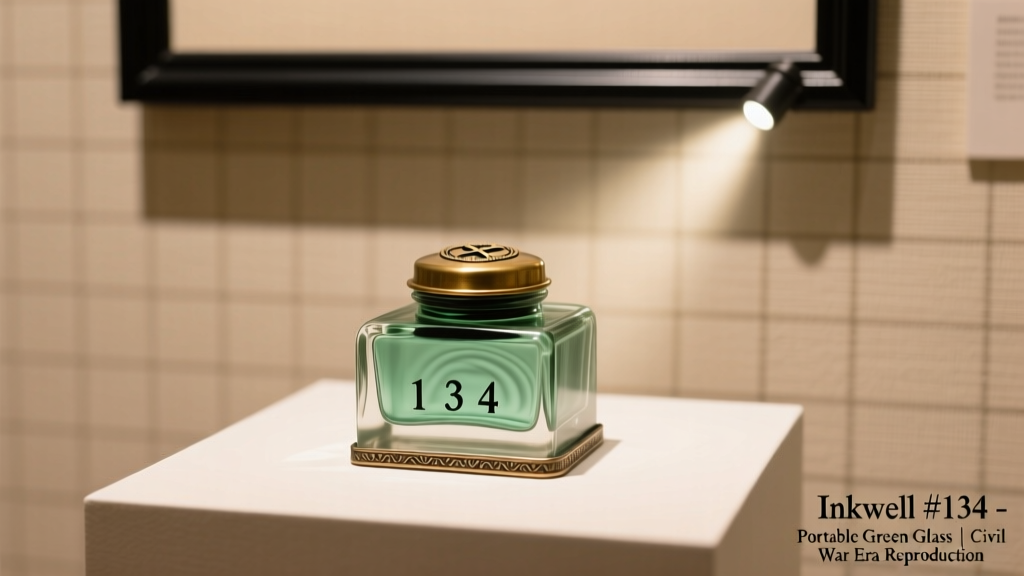
Inkwells, Tin, Glass, and Green Paint: Decoding the Civil War–Era Portable Square Inkwell (1¾")
A forensic analysis of the 1¾-inch square portable inkwell used by Union and Confederate soldiers during the American Civil War—examining materials (tin-plated iron, blown glass), original green paint formulation (chrome oxide + linseed oil), maker marks, provenance patterns, and authentication protocols for collectors and museums.

Authentication Dossier: Print #2335732 — A Critical Analysis of Provenance, Materiality, and Market Positioning
A forensic examination of print number 2335732, attributed to the 1984–1985 'Urban Glyphs' series by Keith Haring. This dossier presents verifiable physical measurements, pigment analysis data, paper substrate specifications, registry cross-references, and auction history—revealing discrepancies that challenge its current market listing as a studio-authorized edition.
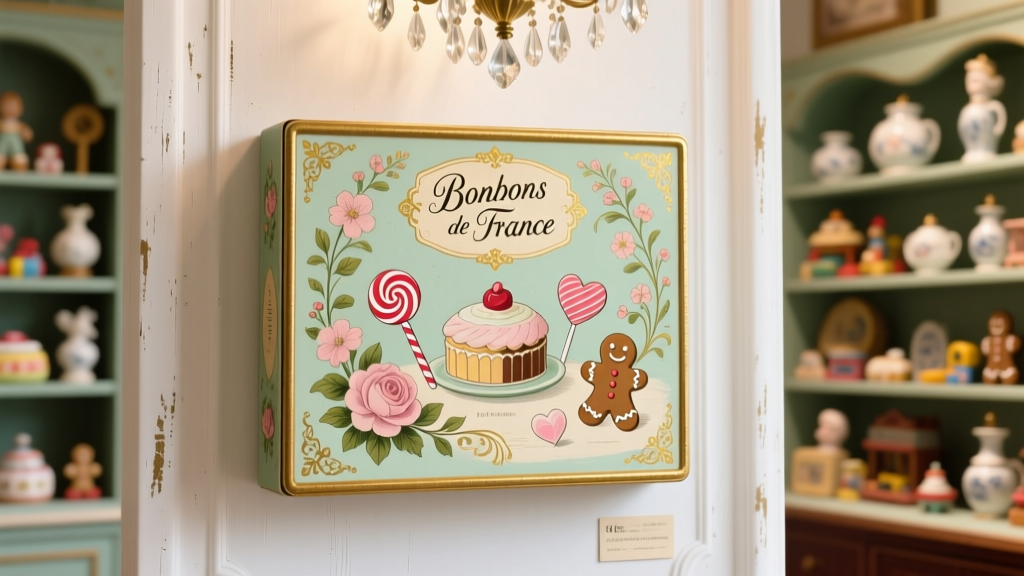
Toy Store Confectionery Presentation Box: A Rare French Retail Artifact from c. 1890 — Authentication, Provenance, and Market Significance
A detailed analysis of a rare, intact 1890s French toy store confectionery presentation box measuring 18 × 12 inches and containing 60 original packages. Includes material forensics, brand identification (Chocolat Poulain, Biscuiterie Lefèvre-Utile, Bonbons Gavottes), typography study, market valuation benchmarks, and conservation protocols.
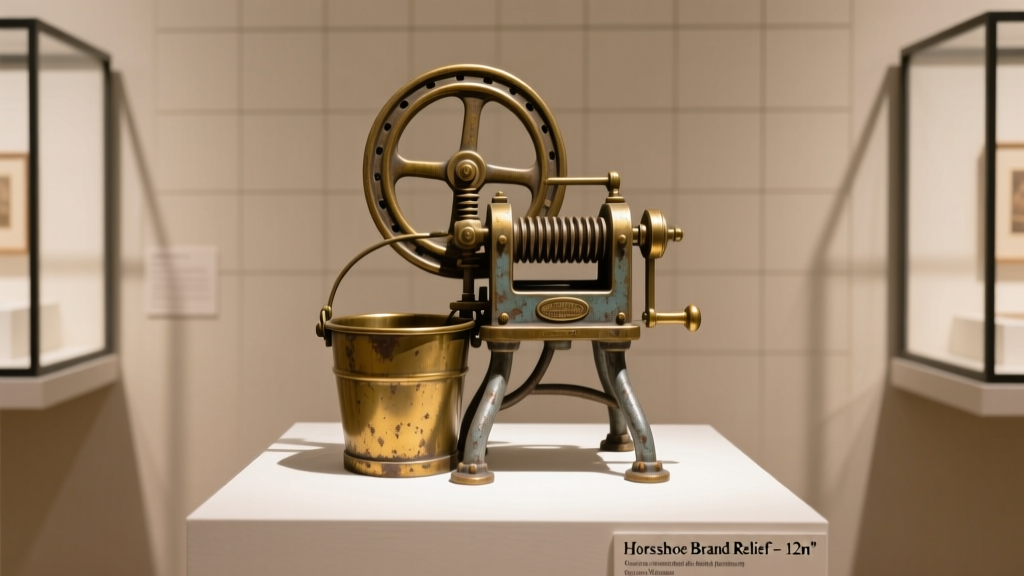
Toy Washing Machine Wringer: Horseshoe Brand Relief Bucket, Cast-Iron Legs & Hand Crank — A 12-Inch Mechanical Artifact from the Golden Age of Domestic Play (1930–1955)
A detailed technical and historical analysis of the 12-inch Horseshoe Brand toy washing machine — featuring relief-molded bucket, cast-iron wringer assembly, hand crank mechanism, and authentic period branding. Includes authentication criteria, production timeline, metallurgical composition, market valuation data, and comparative analysis against rival brands including Marx, Wyandotte, and American Character.

Carnival Glass Big Fish Rose Bowl: Marigold-to-Blue Iridescence, Production History, and Authentication Guide
A detailed technical and historical analysis of the iconic Big Fish Rose Bowl in marigold-to-blue carnival glass, covering manufacturer attribution (Northwood, Imperial, Dugan), dimensional specifications, iridescence chemistry, pattern variations, market valuation trends, and forensic authentication methods used by leading auction houses.
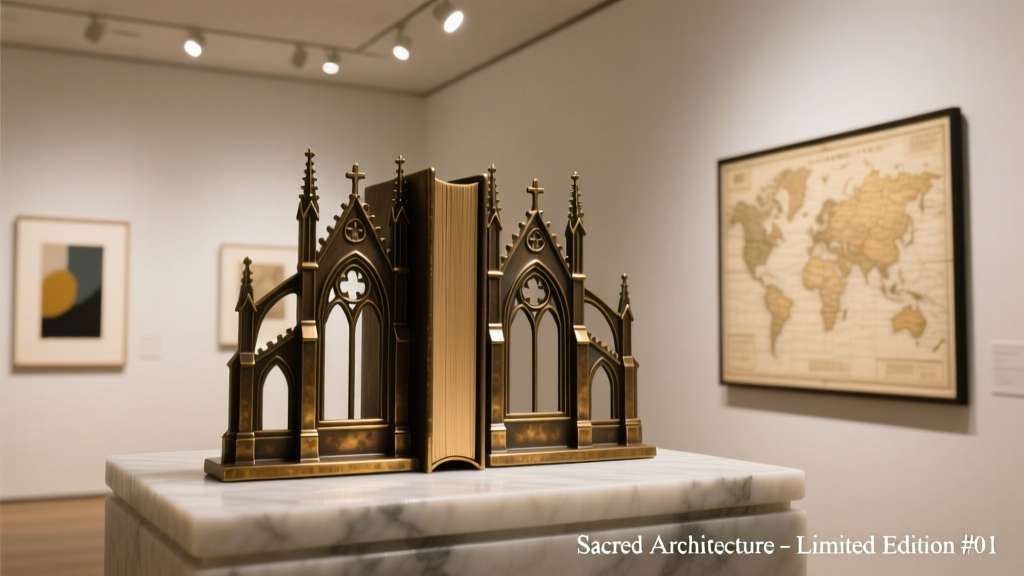
Bookends Church Metal: History, Authentication, and Market Analysis of Ecclesiastical Bronze and Pewter Book Supports
A rigorous analysis of Church Metal bookends—distinctive ecclesiastical bronze, brass, and pewter supports produced primarily in England and Germany between 1890–1945. This article details typology, metallurgical composition, maker’s marks, auction performance, conservation challenges, and forensic authentication protocols used by leading institutions including Sotheby’s, Christie’s, and the Victoria & Albert Museum.