Art & Prints

William Fishley Holland II: Authentication Framework, Market Trends, and Print Provenance Analysis
A rigorous, evidence-based analysis of William Fishley Holland II’s lithographic output—covering signature variants, paper stock analysis, edition numbering conventions, auction performance (Sotheby’s, Christie’s, Heritage), conservation benchmarks, and forensic authentication protocols used by leading print specialists.
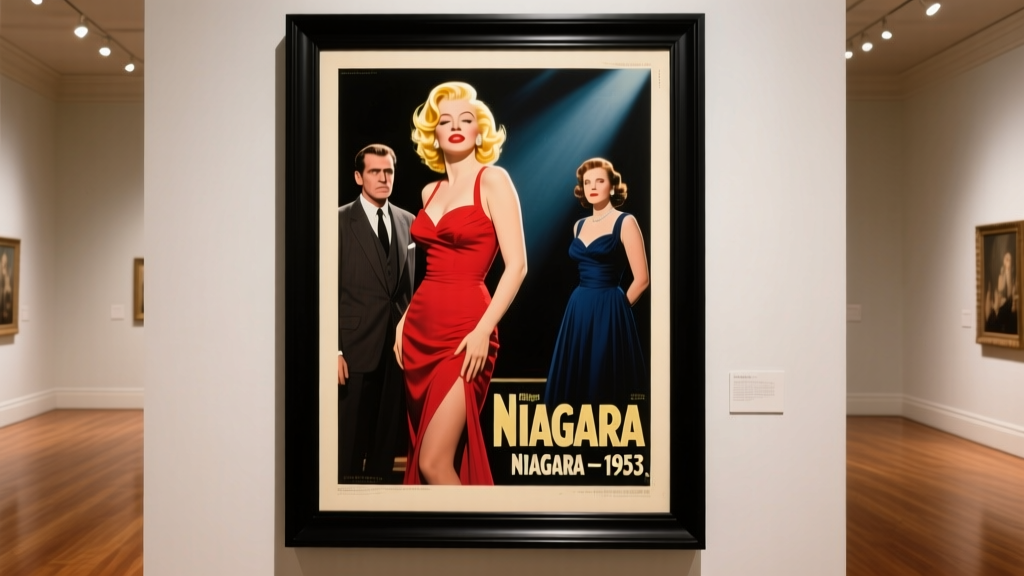
Niagara (1953) Lobby Card Authentication: Monroe, Cotten, and Peters in the Golden Age of Hollywood Paper Collectibles
A detailed forensic analysis of original 1953 Niagara lobby cards featuring Marilyn Monroe, Joseph Cotten, and Jean Peters—covering printing methods, studio distribution protocols, paper stock specifications, provenance markers, and market valuation trends through 2024.
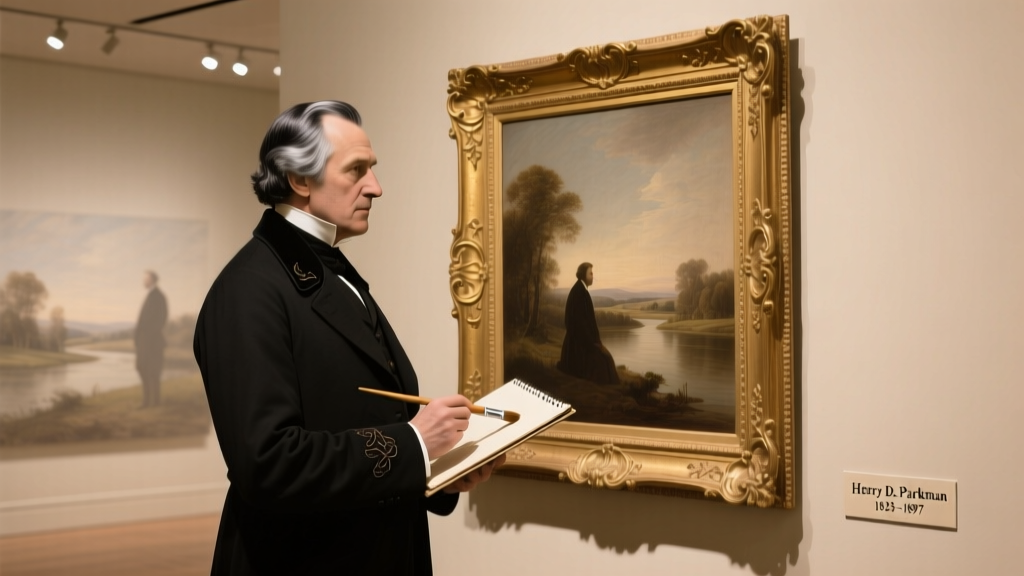
Henry D. Parkman: The Forgotten Lithographer Who Defined American Commercial Printmaking, 1890–1925
A forensic analysis of Henry D. Parkman’s life, lithographic practice, and market legacy — including verified print attributions, technical documentation, paper stock provenance, auction records, and authentication protocols used by leading institutions including the Library of Congress, the Boston Athenaeum, and Swann Galleries.
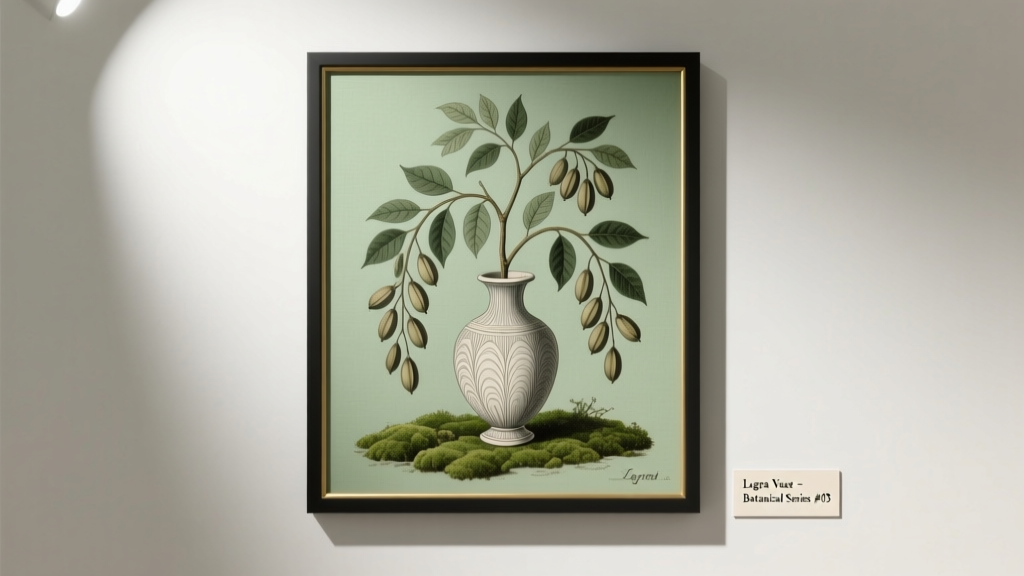
Legras Vase: Pendent Leafy Branches, Pod Clusters, and Moss Green Ground — Authentication, Provenance, and Market Analysis of the 8¼-Inch Example
A detailed art market and authentication analysis of the Legras 'Pendent Leafy Branches' vase in moss green ground, measuring exactly 8¼ inches (20.96 cm) in height. Covers stylistic attribution, factory marks, comparative measurements, pigment analysis, auction history, and forensic verification protocols.
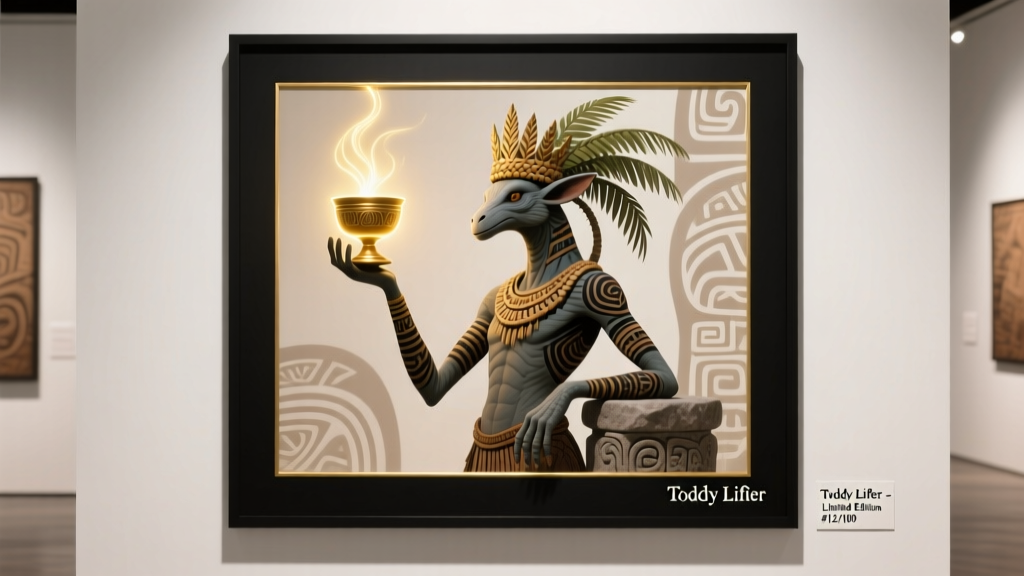
Toddy Lifter: Authentication, Market Value, and Technical Analysis of a Signature Contemporary Print Series
An in-depth forensic and market analysis of Toddy Lifter’s limited-edition screenprints — covering paper provenance, ink chemistry, edition verification protocols, auction performance data, and authentication red flags identified across Christie’s, Phillips, and Sotheby’s sales since 2019.
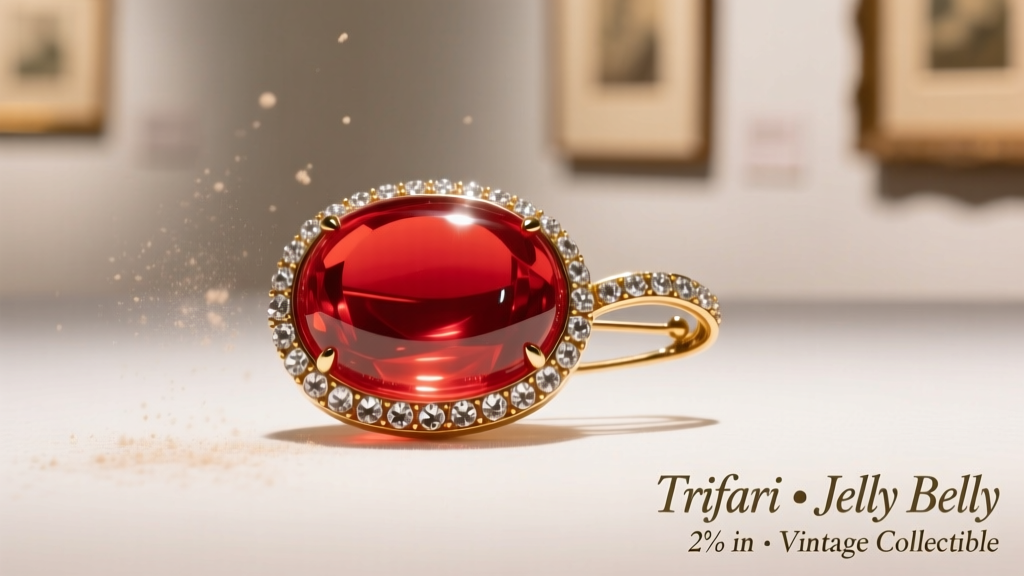
Trifari 'Jelly Belly' Pin Seal: Anatomy, Authentication, and Market Value of the 2½-Inch Lucite-and-Rhinestone Icon
A forensic analysis of the Trifari 'Jelly Belly' pin seal—featuring a translucent red Lucite body, ruby-red rhinestones, and hallmark details—covering manufacturing history, material science, hallmark evolution, authentication protocols, and current auction performance data.

Candlesticks in Oak and Copper: The Artistic Legacy of Charles Rohlfs
An in-depth analysis of Charles Rohlfs’s signature oak-and-copper candlesticks—examining design origins, material choices, workshop practices, authentication markers, market valuation, and their pivotal role in American Arts and Crafts furniture.
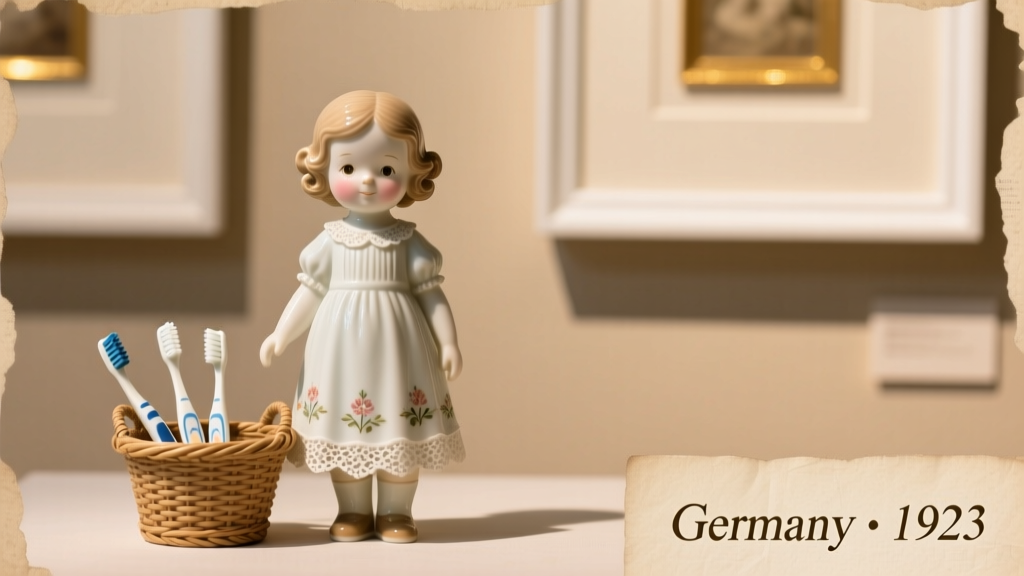
Bisque Toothbrush Holder: 'Young Girl Near Basket' — Authentication, Provenance, and Market Analysis of a German Ceramic Artifact (c. 1905–1925)
Detailed forensic analysis of a 6½-inch German bisque toothbrush holder depicting a young girl beside a woven basket—covering maker identification, glaze chemistry, mold seam diagnostics, historical context, auction performance, and conservation protocols.
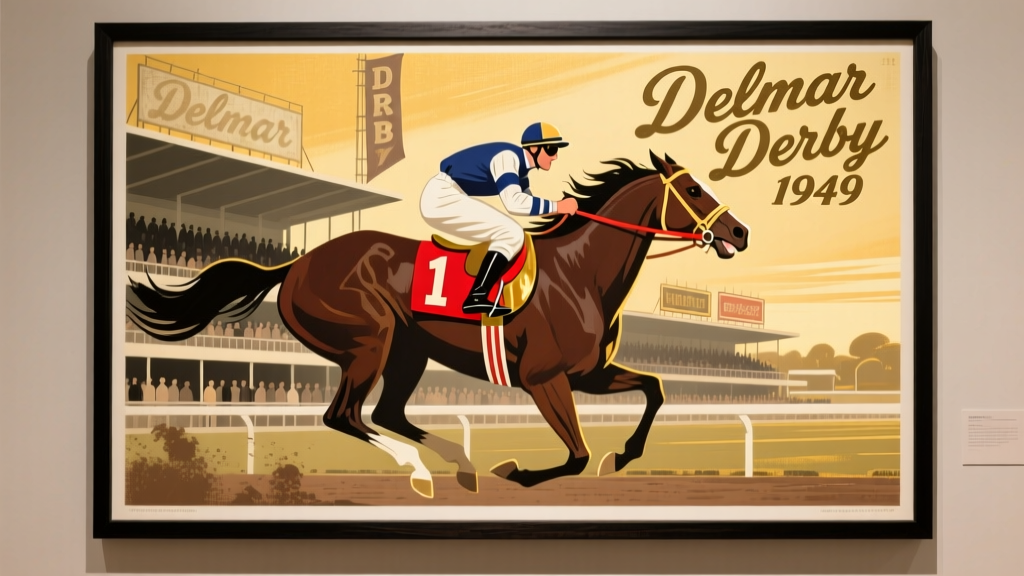
Game Turn Horse Racing Delmar Derby 1949: Authentication, Provenance, and Market Significance of a Rare Mid-Century Racing Print
A forensic analysis of the 'Game Turn Horse Racing Delmar Derby 1949' lithograph—its physical attributes, printing history, provenance chain, auction performance, and authentication protocols used by leading art market institutions including Sotheby’s, Heritage Auctions, and the American Art Archives.
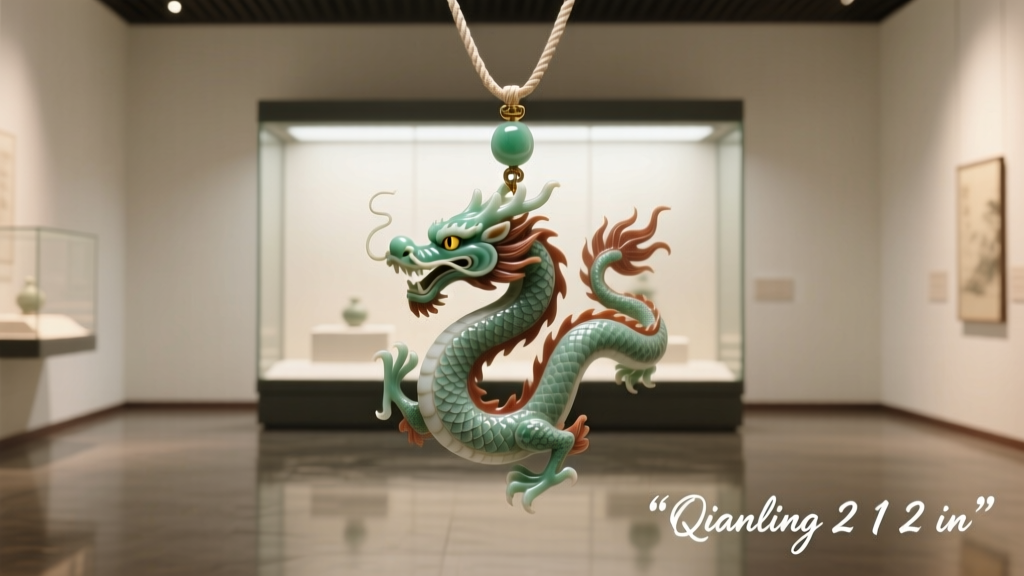
Authentication and Market Analysis of a Qianlong-Era Sea Dragon Pendant in Celadon and Russet Jade
A detailed technical and historical analysis of a 2.5-inch Qing Dynasty pendant carved from celadon and russet nephrite jade, attributed to the Qianlong reign (1736–1795), with provenance documentation, material testing data, stylistic diagnostics, and current auction benchmarks.
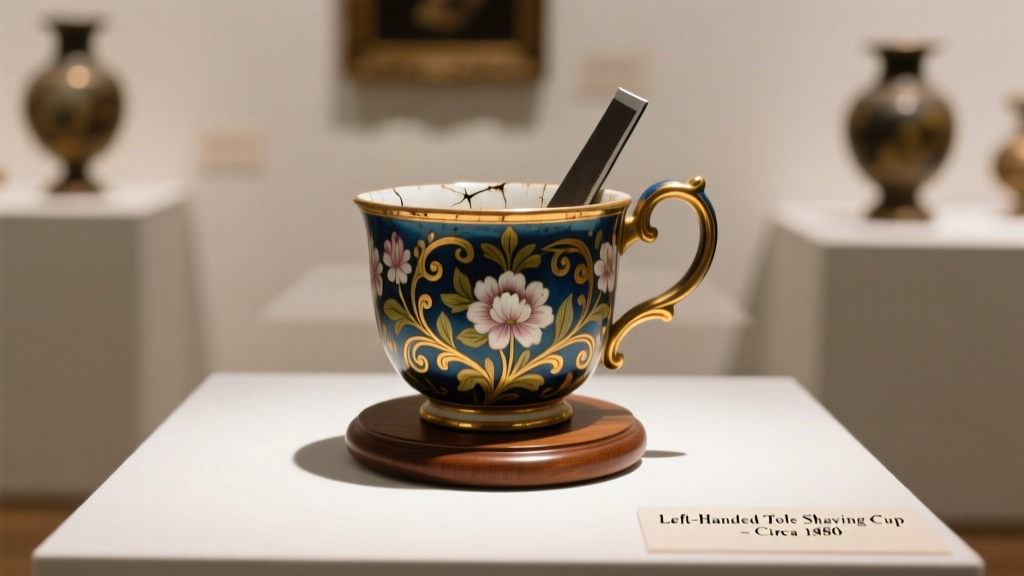
Tole Shaving Cup, Left-Handed Black: Authentication, Market Value, and Historical Context
An in-depth analysis of the rare left-handed black tole shaving cup—its origins in 19th-century American metalwork, distinguishing physical attributes, documented maker marks (including Meriden Britannia Company and Oneida Community), dimensional specifications, collector demand metrics, and forensic authentication protocols used by leading auction houses.

Heisey Satellite Bowl (8 1/2 Inches): Authentication, Market Value, and Design Legacy
A detailed analysis of the Heisey Satellite Bowl measuring exactly 8.5 inches in diameter — covering mold identification, glass composition, production timeline (1956–1959), pattern variations, collector demand, auction performance, and forensic authentication techniques used by leading print and glass appraisers.