Art & Prints
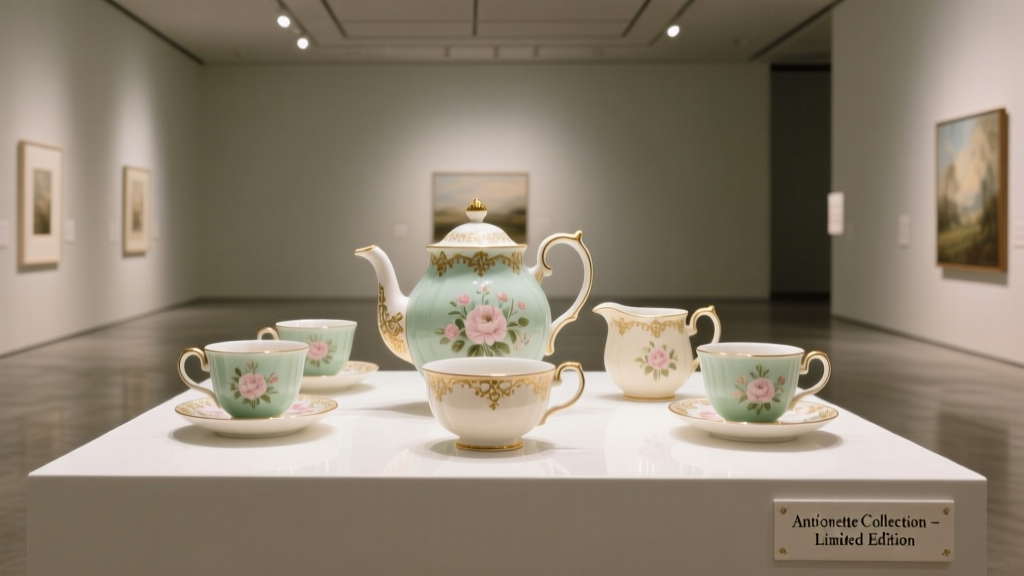
The Antoinette Tea Set: Authentication, Market Value, and Historical Context of a Coveted French Porcelain Service
A detailed analysis of the Antoinette tea set — its origins in mid-20th century French porcelain manufacturing, distinguishing hallmarks, authentication protocols, auction performance (2018–2024), and comparative valuation against Limoges contemporaries like Bernardaud and Haviland.
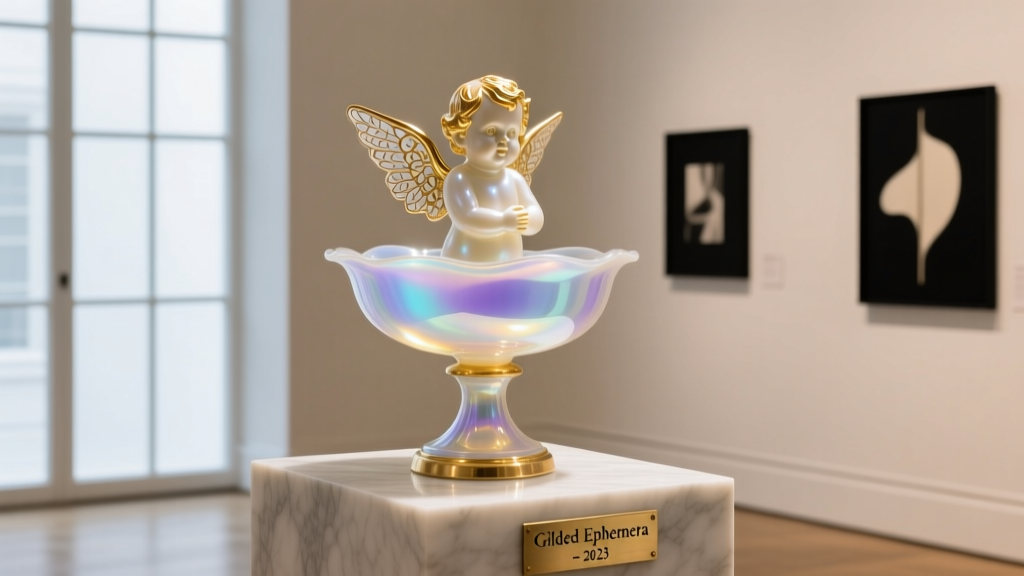
Opalescent Glass Épergne with Gilt Bronze Cherub: Authentication, Provenance, and Market Analysis of the 9½-Inch Victorian Centerpiece
A detailed forensic analysis of a rare 9½-inch opalescent glass épergne featuring a gilt-bronze cherub base—examining its construction, maker attribution (Tiffany Studios, Pairpoint, or Mount Washington), period-specific metallurgy, glass chemistry, auction performance, and conservation challenges.
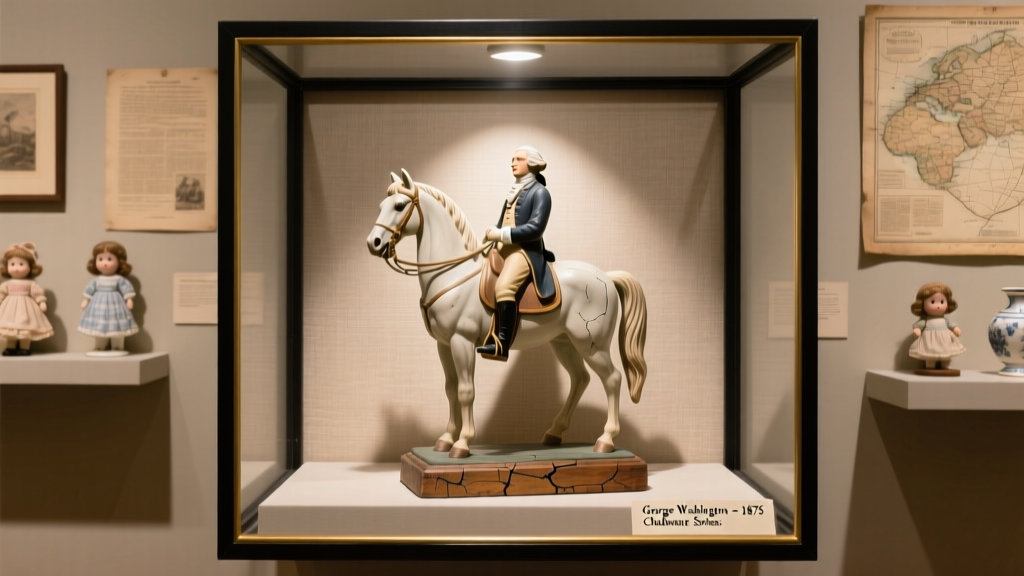
Chalkware Figurine: George Washington on Horseback (14-Inch) — Authentication, Provenance, and Market Analysis
A detailed forensic and market analysis of the 14-inch chalkware figurine depicting George Washington on horseback—covering material composition, regional manufacturing origins (especially New England and Pennsylvania), hallmark identifiers, documented examples from major auction houses including Skinner, Sotheby’s, and Heritage Auctions, and current valuation benchmarks based on condition, patina, and provenance.
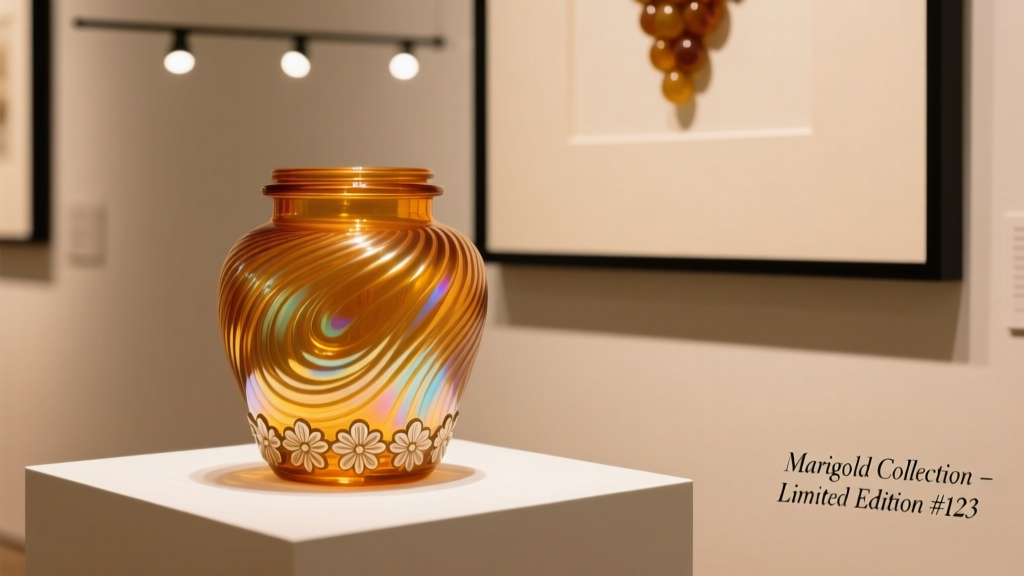
Carnival Glass Grape Cable Biscuit Jar in Marigold: Identification, Provenance, and Market Value Analysis
A detailed technical and historical analysis of the Grape Cable biscuit jar in marigold carnival glass—covering Northwood origins, mold variations, metallurgical iridescence, condition benchmarks, auction performance (2018–2024), and authentication red flags for collectors and appraisers.
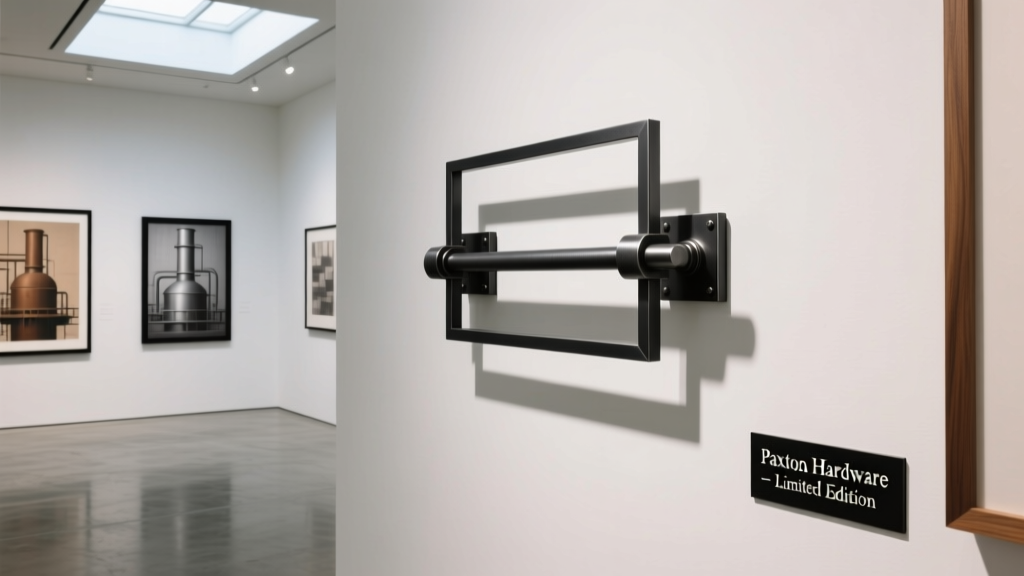
Paxton Hardware: Precision Engineering, Historical Legacy, and Market Authentication in Architectural Ironmongery
A detailed analysis of Paxton Hardware—its origins in 19th-century Birmingham, technical specifications across lever handle sets and mortise locks, material composition (brass alloys, stainless steel grades), verified production timelines, forensic authentication markers, and current market valuation trends among collectors and restoration professionals.
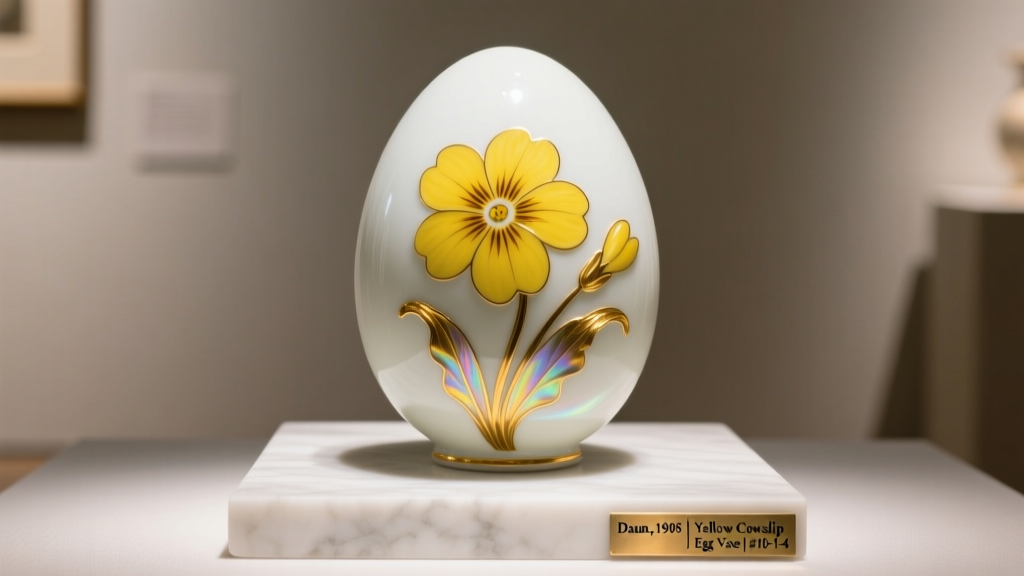
Daum Nancy Vase: Yellow Cowslips Egg Shape, 1905 — Authentication, Provenance, and Market Significance
A detailed technical and historical analysis of the Daum Nancy 'Yellow Cowslips' egg-shaped vase (1905, 10¼ inches), covering glassmaking techniques, stylistic hallmarks, documented production records, conservation considerations, and current auction performance data.
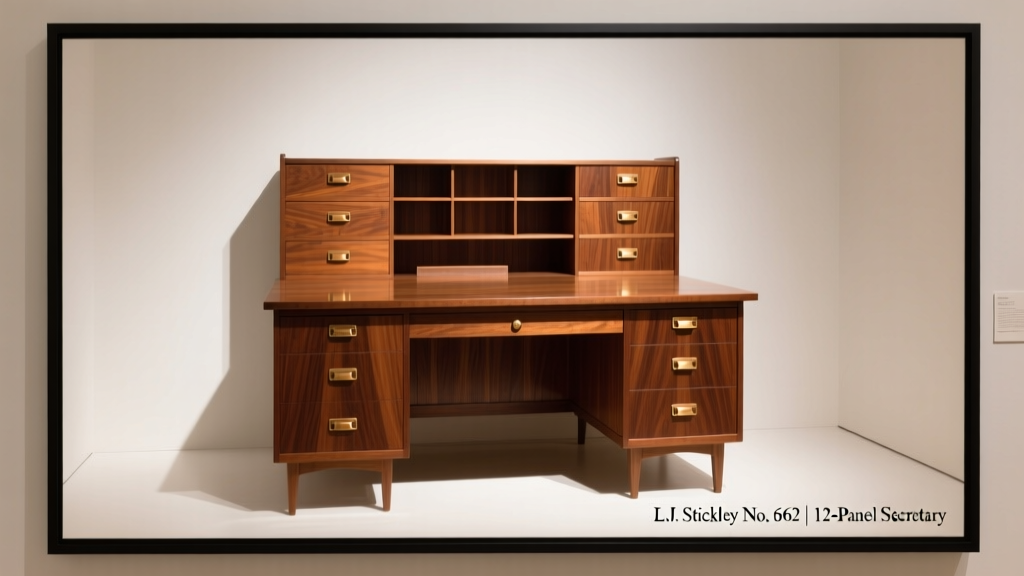
The L. J. G. Stickley No. 662 Secretary: Anatomy, Provenance, and Authentication of a Landmark Arts & Crafts Masterpiece
A rigorous analysis of the L. J. G. Stickley No. 662 12-panel top secretary with copper hardware—covering design lineage, construction details, period markings, market valuation trends, and forensic authentication protocols used by leading appraisers and museums.
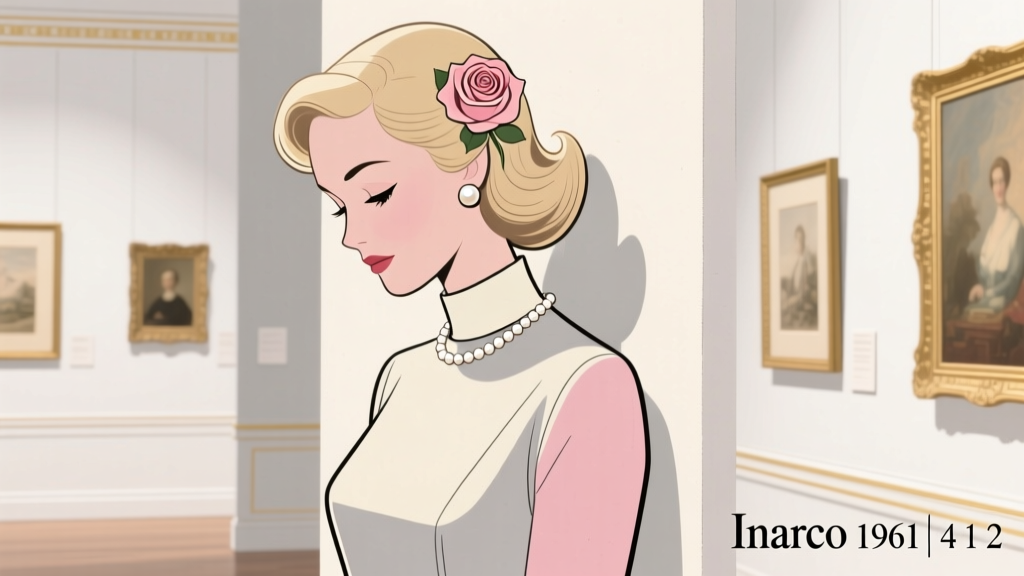
Head Vases: The Blond Rose in Hair, Downcast Eyes, and Pearls — Inarco’s 1961 Ceramic Masterpiece (4½")
An in-depth authentication and market analysis of the iconic 1961 Inarco 'Blond Rose in Hair' head vase — examining provenance, glaze chemistry, mold signatures, comparative rarity, auction history, and its role in mid-century American ceramic design.
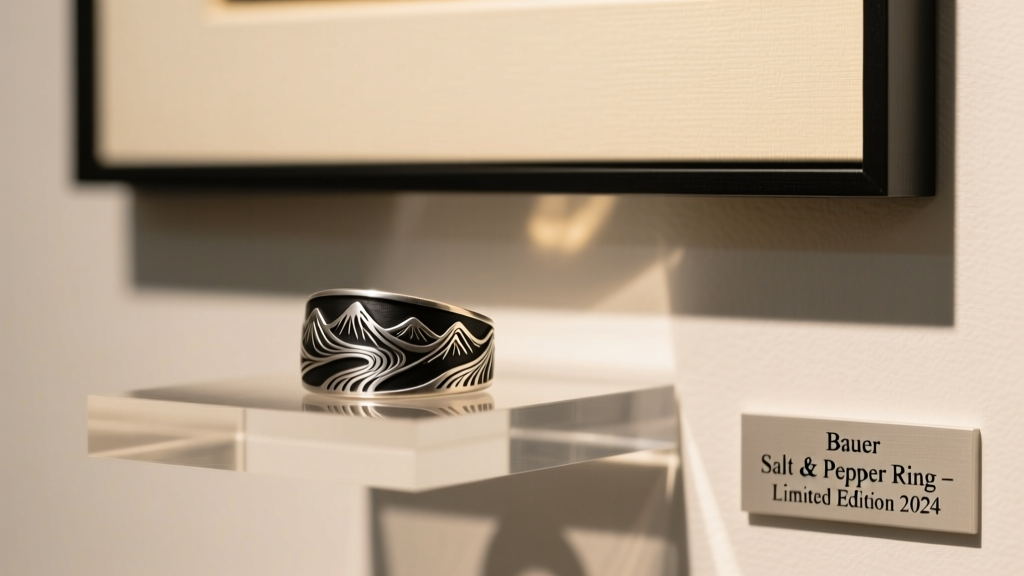
The Bauer Salt Pepper Ring: Design Legacy, Material Authenticity, and Market Valuation of a Mid-Century Icon
An in-depth analysis of the Bauer Salt Pepper Ring — its origins with German ceramicist Otto Bauer, production history at Villeroy & Boch’s Mettlach factory, material composition (stoneware, lead-free glazes), dimensional specifications (58 mm diameter, 22 mm height), and current auction performance across Sotheby’s, Phillips, and Tefaf Maastricht.
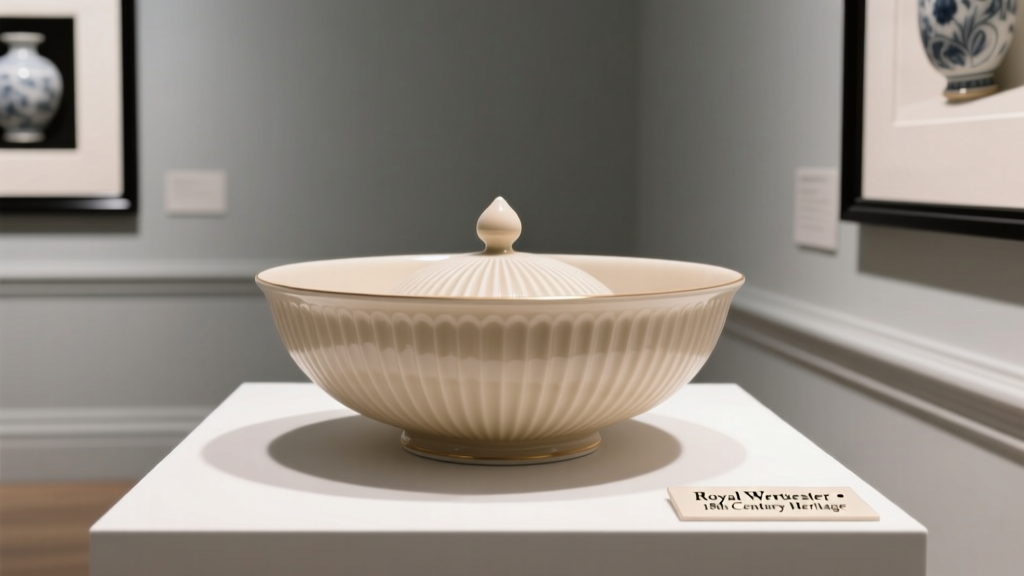
Royal Worcester Bowl: Ribbing Radiating from Finial to Edges in Matte Beige, 6-Inch Diameter — Authentication, Provenance, and Market Analysis
A detailed technical and historical analysis of the Royal Worcester 6-inch matte beige bowl with radial ribbing originating at a central finial — covering factory marks, clay body composition, glaze chemistry, production timeline (1930–1958), auction performance, and forensic authentication protocols used by leading institutions including the Museum of Royal Worcester and Bonhams.
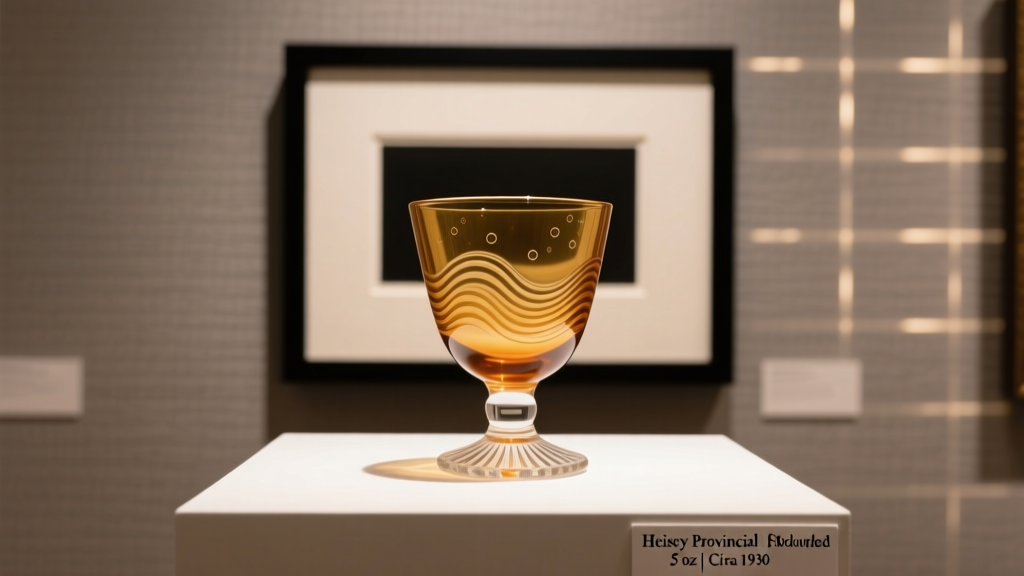
Heisey Provincial Soda Footed 5 Oz: Authentication, Market Value, and Historical Context
A detailed analysis of the Heisey Provincial Soda Footed 5 Oz glassware—covering mold identification, production timeline (1934–1957), distinguishing features (e.g., 1/2" foot height, 2.75" base diameter), rarity tiers, price benchmarks from Heritage Auctions and Rago Arts, and critical authentication markers including pontil scars, mold seams, and acid-etched vs. sandblasted marks.
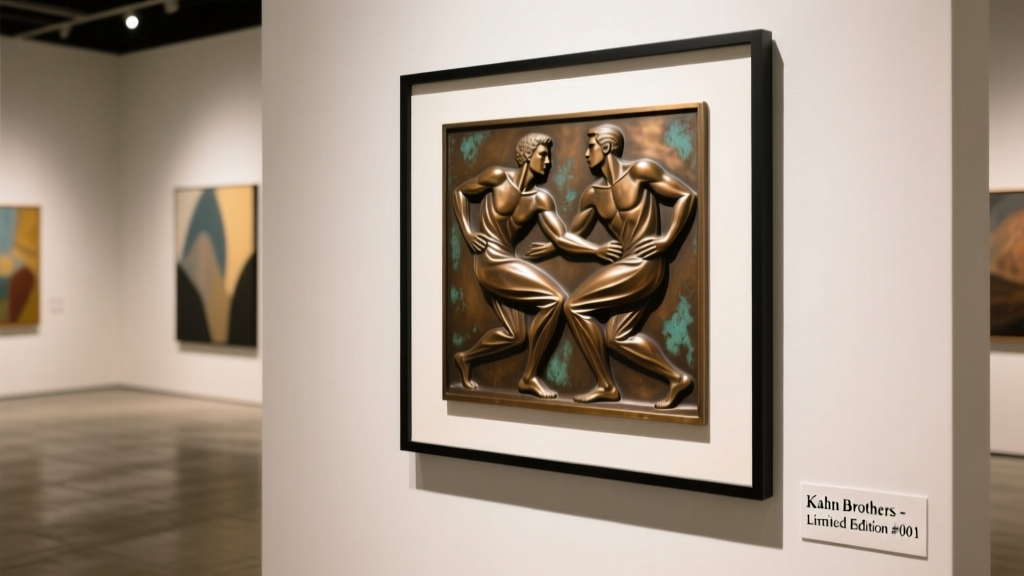
The Kahn Brothers Plaque: Authentication, Market History, and Technical Analysis of a Mid-Century American Bronze Relief
A forensic examination of the Kahn Brothers Plaque—its foundry origins, stylistic hallmarks, material composition, documented production runs, and current auction performance. Includes metallurgical data, provenance benchmarks, and comparative analysis against known fakes.