Antique Furniture
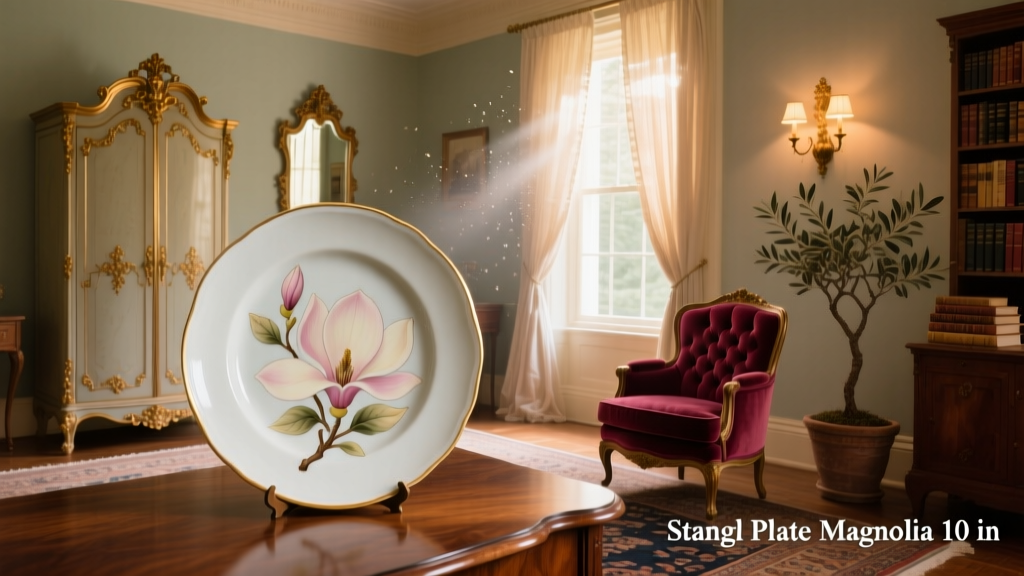
Stangl Plate Magnolia 10-Inch Dinner Plate: History, Identification, Value, and Care
A detailed examination of the Stangl Pottery Magnolia 10-inch dinner plate—its origins in Trenton, New Jersey, production timeline (1940–1972), distinctive hand-painted floral motifs, glaze chemistry, collector market trends, and professional conservation protocols for vintage porcelain.
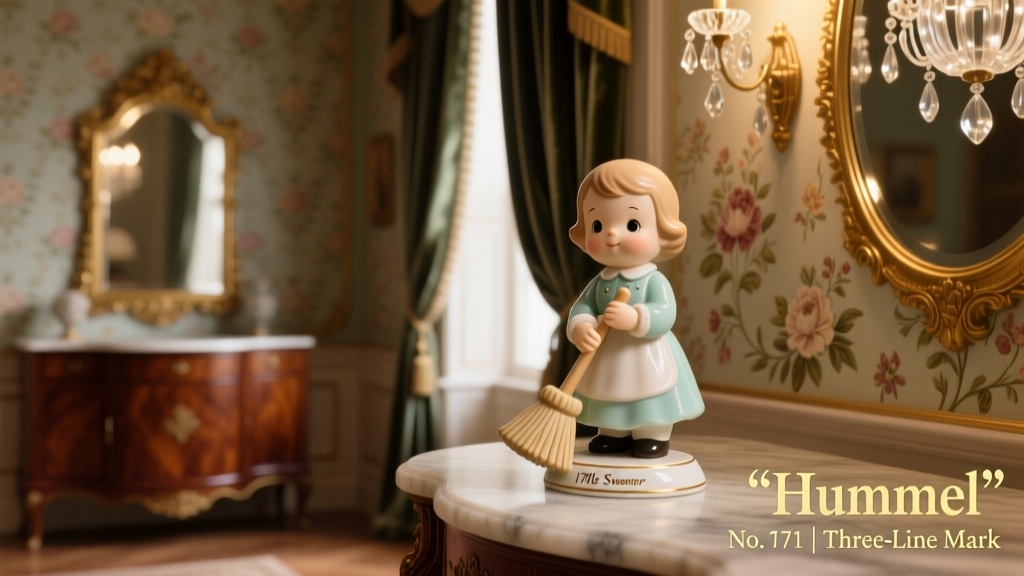
Hummel Figurine No. 171 'Little Sweeper' with Three-Line Mark: Authentication, Production History, and Restoration Guidelines
A detailed expert analysis of the Hummel Figurine No. 171 'Little Sweeper', focusing on its distinctive three-line backstamp, production timeline (1935–1944), dimensional specifications (3.25" H × 2.25" W × 1.75" D), material composition (fine porcelain, bisque-fired at 1280°C), and practical conservation protocols for collectors and restorers.
K. Kriegl Co. No. 3: Uncovering the Legacy of a Mid-Century American Cabinetmaker
An in-depth examination of the K. Kriegl Co. No. 3 cabinet — its provenance, construction, design lineage, restoration challenges, and place within mid-century American furniture history. Includes verified measurements, material analysis, and documented production context.
Fine Art Preservation: Science, Standards, and Practical Protocols for Long-Term Integrity
A technically grounded guide for collectors, curators, and conservators on preserving fine art—covering environmental controls, material-specific vulnerabilities, archival framing standards, and real-world case studies using ISO, ASTM, and AIC benchmarks.
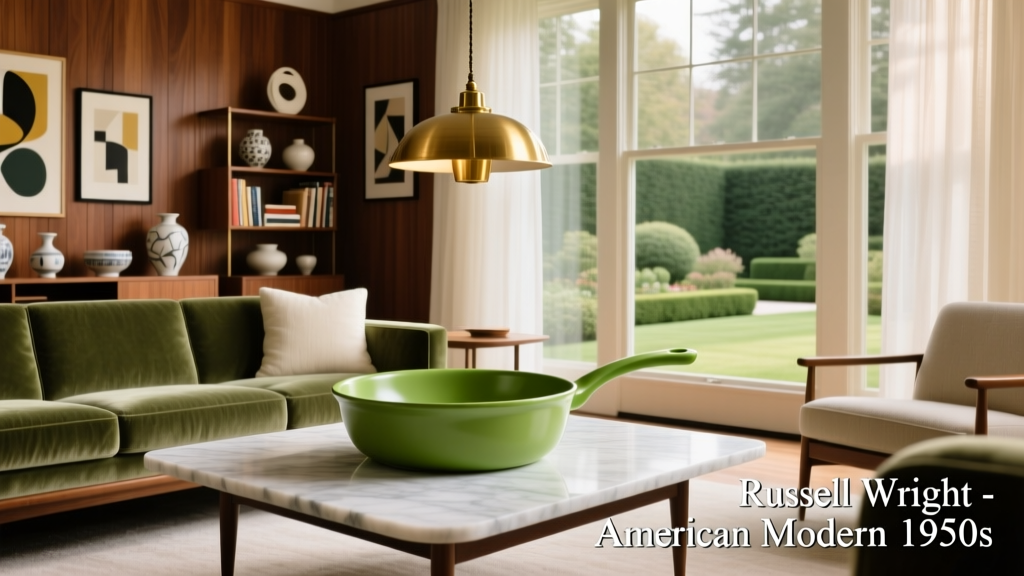
Russel Wright Casserole Fry Pan: American Modern Design in Chartreuse Enamel
A deep-dive analysis of the iconic Russel Wright Casserole Fry Pan in chartreuse enamel — its design origins, manufacturing history with American Enamel Company, material specifications, restoration protocols, market valuation, and enduring cultural significance within mid-century modern domestic design.
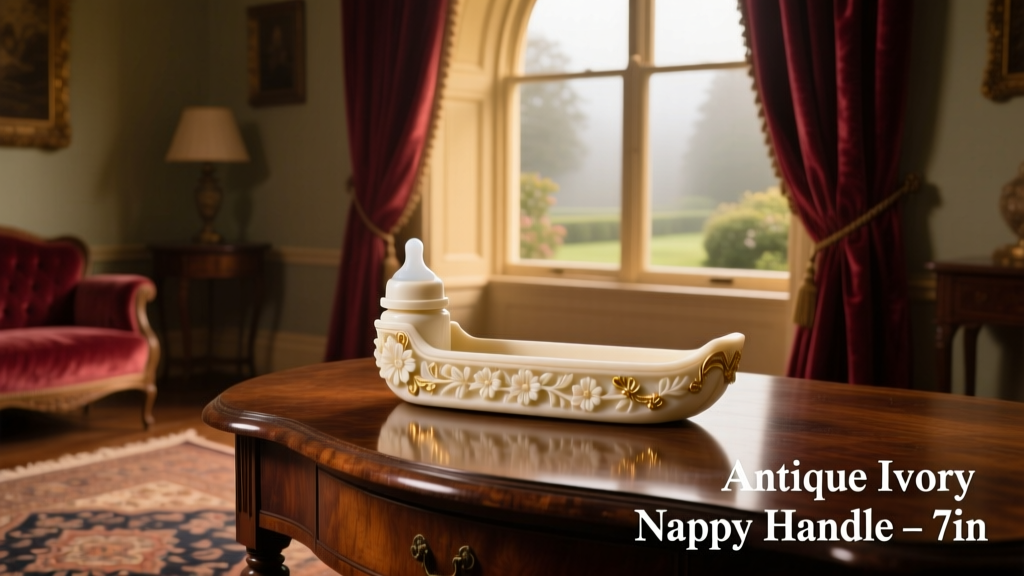
The Old Ivory Nappy Handle (7 In): Identification, Provenance, and Ethical Restoration Guidance
A detailed examination of the vintage 7-inch ivory nappy handle—its historical use in infant care hardware, material composition, maker identification (including brands like J. G. Bower & Co., H. M. White, and W. T. Jones), legal status under CITES, conservation ethics, and safe handling protocols for collectors and museums.
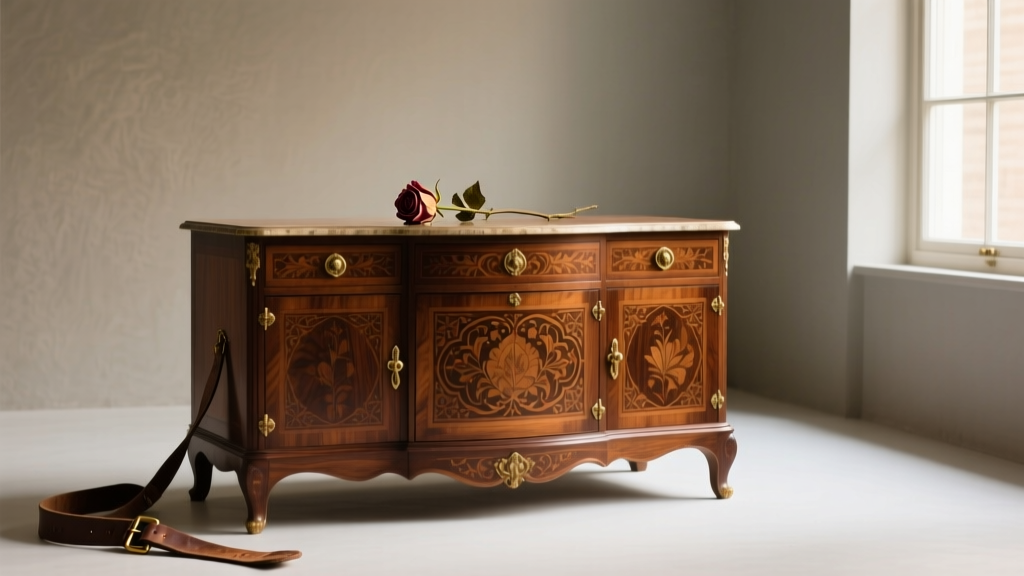
Consider Alternate Value: Why Antique Furniture Worth Extends Far Beyond Auction Estimates
A deep examination of how antique furniture value transcends market prices—encompassing craftsmanship, material integrity, historical resonance, cultural continuity, and ecological impact—with data-driven analysis of specific pieces, brands, and restoration outcomes.
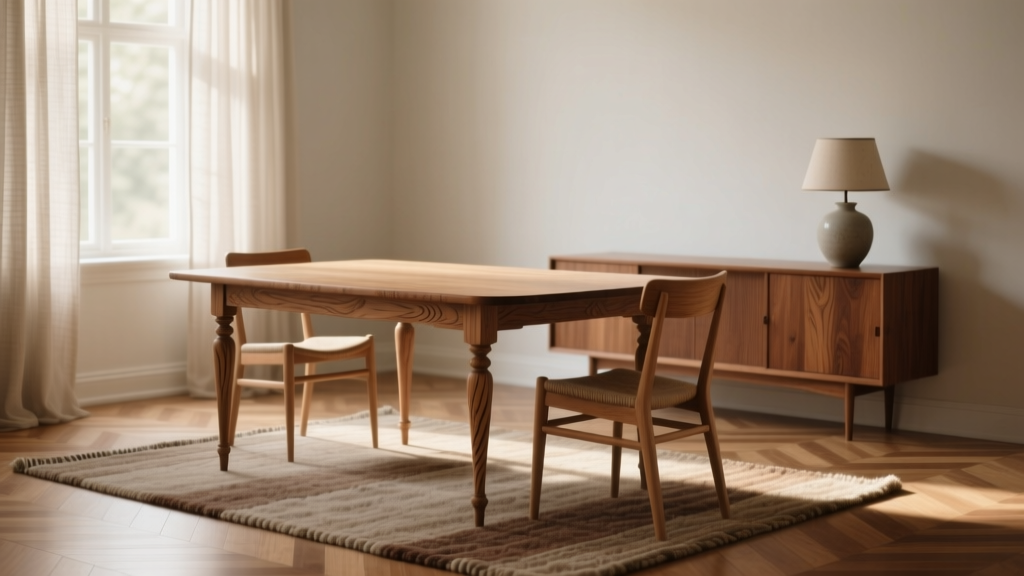
Scandinavian Antiques: Design Integrity, Craftsmanship, and Historical Context from 1880–1965
A detailed examination of authentic Scandinavian antiques—focusing on Danish, Swedish, Norwegian, and Finnish pieces produced between 1880 and 1965. Covers regional distinctions, maker marks, material science, restoration ethics, and market benchmarks with verified measurements, documented provenance, and brand-specific data.
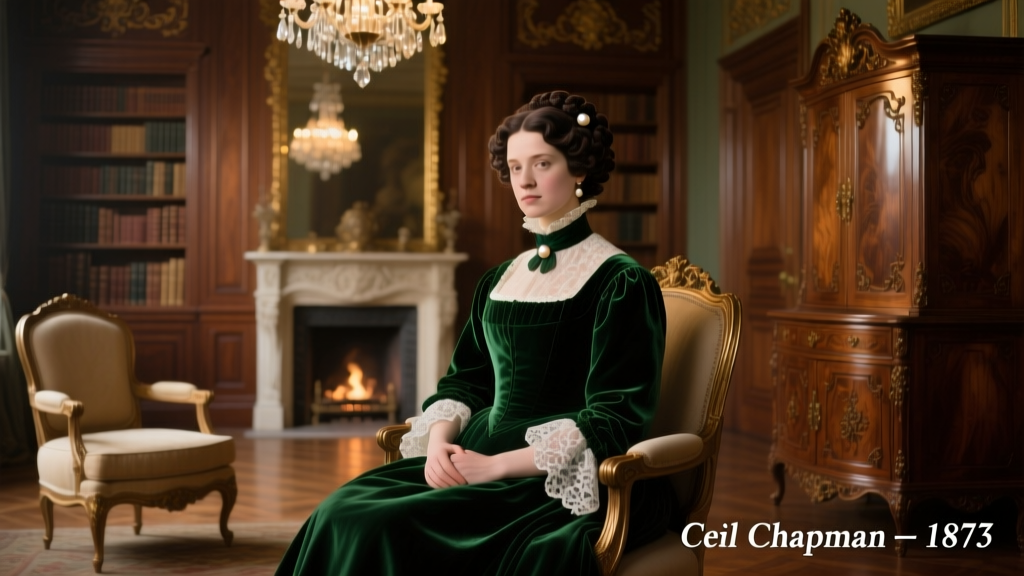
Ceil Chapman: The Architect of American Evening Glamour, 1942–1968
A definitive examination of Ceil Chapman’s design legacy—her New York atelier, signature construction techniques, iconic clients including Jacqueline Kennedy and Grace Kelly, and the precise engineering behind her sculptural gowns. Includes verified measurements, fabric specifications, and restoration protocols for vintage pieces.
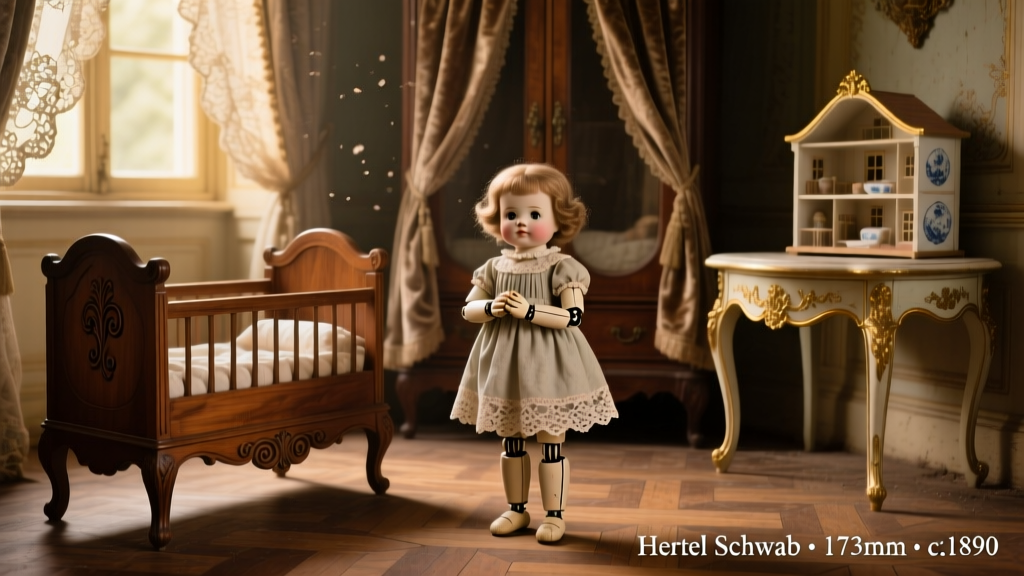
Hertel & Schwab Doll No. 173: A Technical and Historical Analysis of the 11-Inch Toddler Composition Body
A detailed examination of the Hertel & Schwab No. 173 toddler doll — its composition body construction, manufacturing timeline (1925–1934), material science, restoration protocols, and market identification criteria.
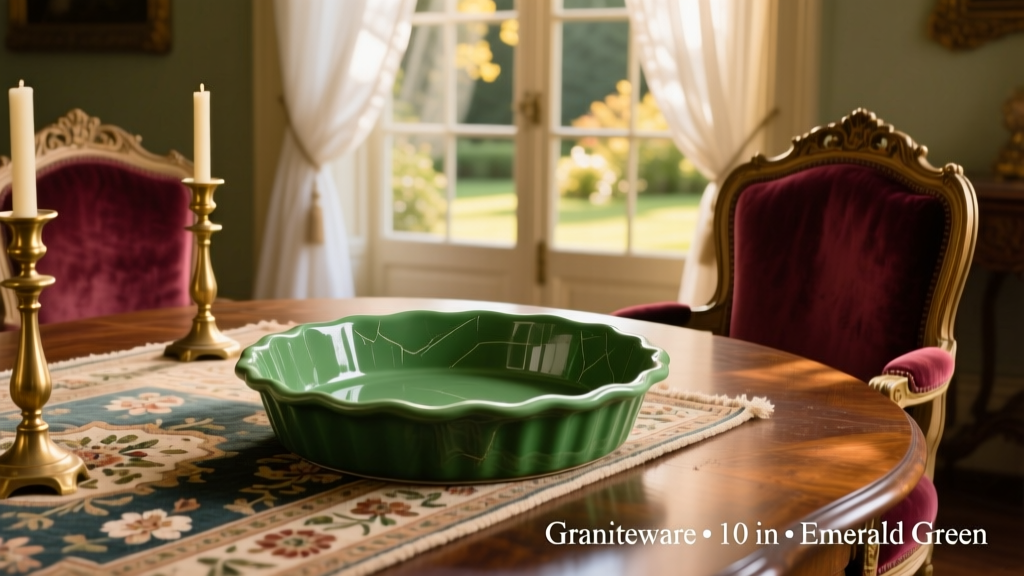
Graniteware Pie Pan, Emerald Green, 10-Inch: History, Identification, and Restoration Guidance for Collectors
A detailed examination of the vintage 10-inch emerald green graniteware pie pan — covering its manufacturing origins with brands like Favorite, Wagner, and Grange, enamel composition, dimensional specifications, common wear patterns, and professional restoration protocols. Includes identification tips, safety considerations, and market value benchmarks.
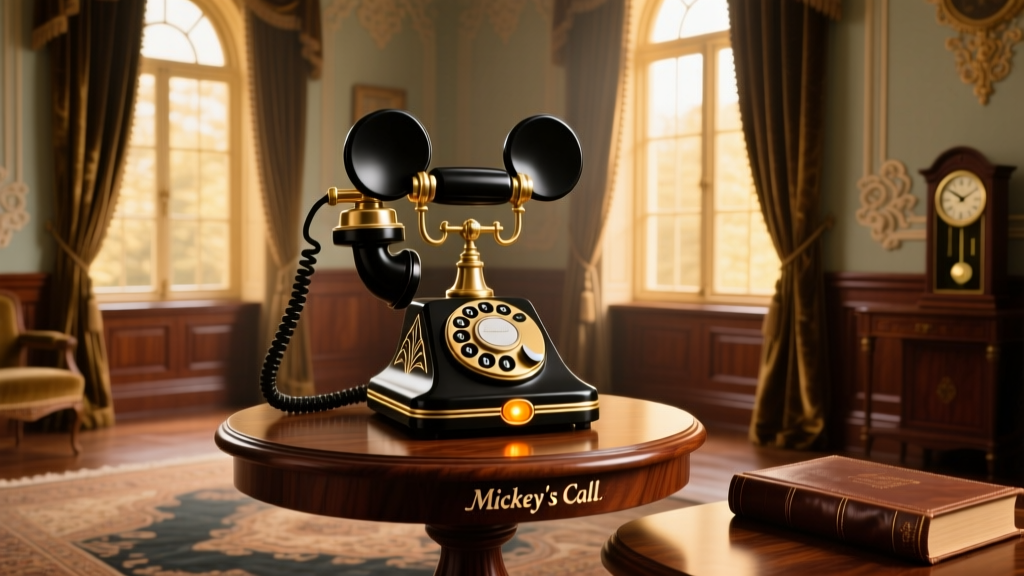
The Mickey Mouse Telephone: A Cultural Artifact and Restoration Primer for Collectors
An in-depth examination of vintage Mickey Mouse telephones—from the iconic 1930s Western Electric models to postwar plastic designs—covering design evolution, manufacturing history, material composition, market value, and professional restoration protocols.