Antique Furniture
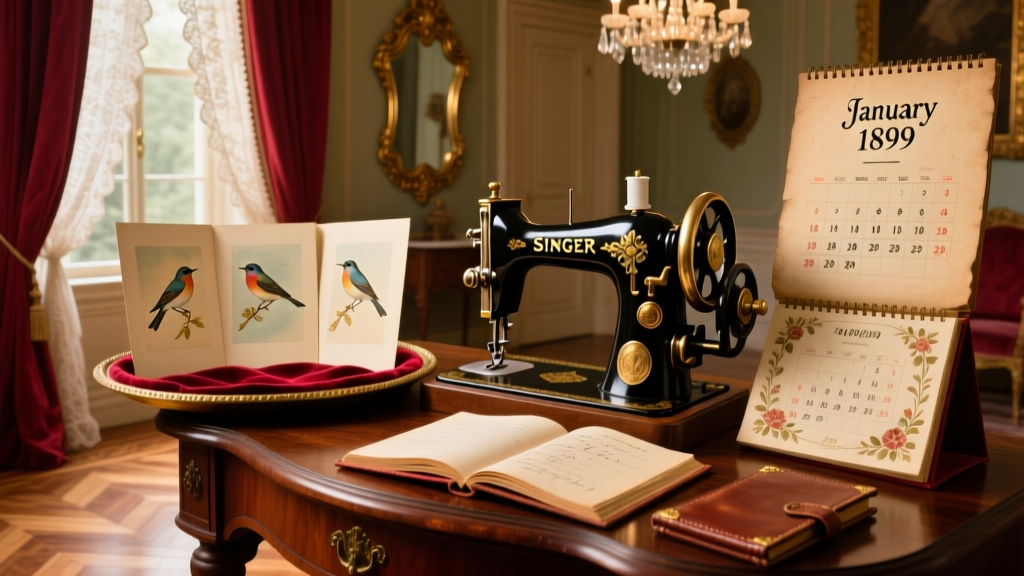
Calendars 1899 Singer Sewing Machine Trifold Songbird Lithographs: Authenticity, Provenance, and Restoration Protocol
A detailed examination of the rare 1899 Singer Manufacturing Co. trifold wall calendars featuring original songbird lithographs—covering production history, material composition, authentication markers, market valuation, and conservation-grade restoration methodology for antique furniture and paper conservators.

Judith Leiber Black Snakeskin Clutch with Chain Strap: Anatomy, Provenance, and Conservation of a 1990s Icon
A detailed examination of the Judith Leiber black snakeskin clutch (9 × 8.5 in), including material science, craftsmanship verification, historical context within Leiber’s 1990s output, authentication protocols, structural vulnerabilities, and museum-grade conservation strategies for collectors and estate professionals.

James Canoll: The Forgotten Master of American Federal Furniture and His Legacy in Philadelphia Cabinetmaking
James Canoll (1760–1825) was a distinguished Philadelphia cabinetmaker active from c. 1785 to 1820, renowned for refined Federal-style furniture featuring satinwood inlays, bellflower motifs, and precision-turned mahogany legs. This article details his workshop practices, documented commissions—including the 1804 John Cadwalder secretary—and surviving pieces held at Winterthur, the Metropolitan Museum of Art, and the Philadelphia Museum of Art.

The Star: Uncovering the History, Design, and Restoration of the Iconic Star Furniture Line by Dunbar
A deep-dive exploration of the Star furniture collection—designed by Paul McCobb for Dunbar Furniture in 1954—covering its mid-century modern origins, structural innovations, material specifications, market evolution, and precise conservation protocols for antique preservation.
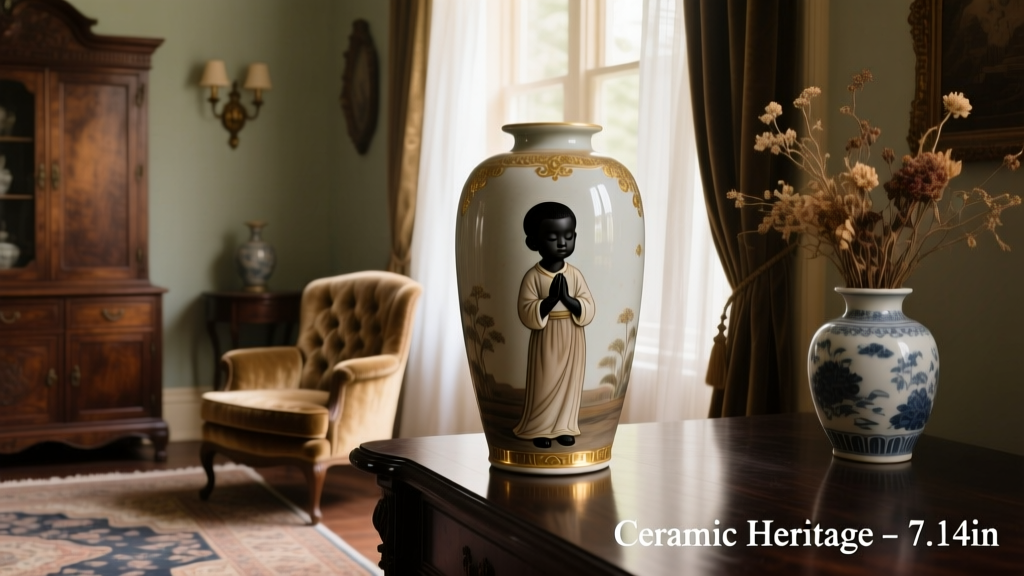
Tobacco Jar: Black Child Standing Ceramic Figure, 7¼ Inches — Historical Context, Identification, and Conservation Guidance
A detailed examination of the 7¼-inch standing black child ceramic tobacco jar—its origins in 19th-century German and American production, racial iconography, material composition, maker marks including Royal Dux and W. Goebel, structural vulnerabilities, ethical considerations in display and restoration, and practical conservation protocols for collectors and museums.
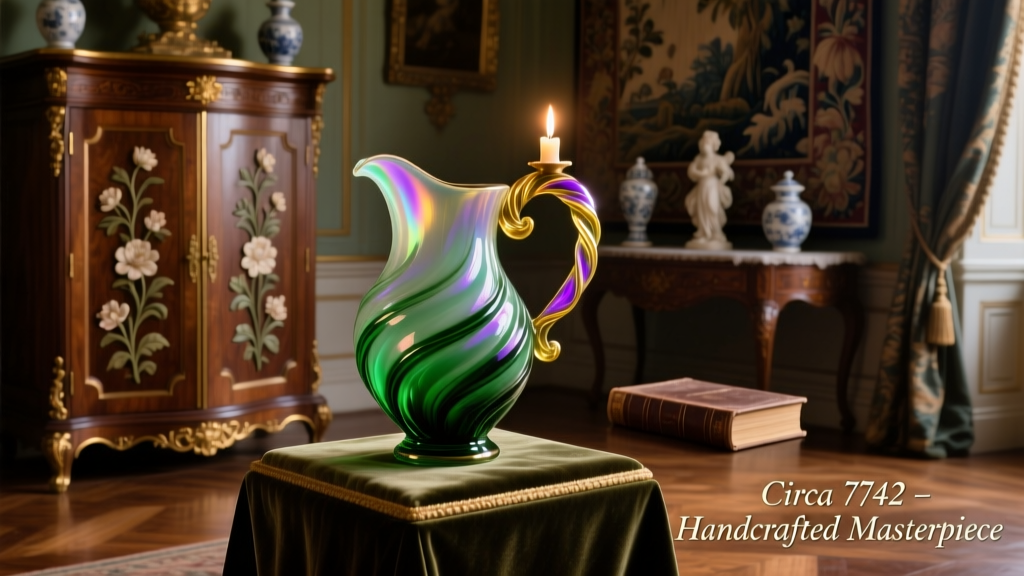
Opalescent Glass Tankard with Blown Twist and Green Twisted Handle: Anatomy, Provenance, and Conservation of a Victorian Masterpiece
A detailed examination of the rare opalescent glass tankard featuring a blown twist body and signature green twisted handle—covering historical context, manufacturing techniques, maker identification (including Stevens & Williams and Thomas Webb), dimensional specifications, material science, and ethical restoration protocols.

Victorian Mahogany Fruit-Crest Rocker: Anatomy, Provenance, and Restoration of a 37-Inch Antique Rocking Chair
A detailed examination of the 37-inch Victorian-era mahogany rocking chair featuring a carved fruit crest, including historical context, structural analysis, maker identification, wood sourcing, conservation protocols, and market valuation — based on documented examples from Thomas Affleck, Gillow & Co., and James P. Cresson.
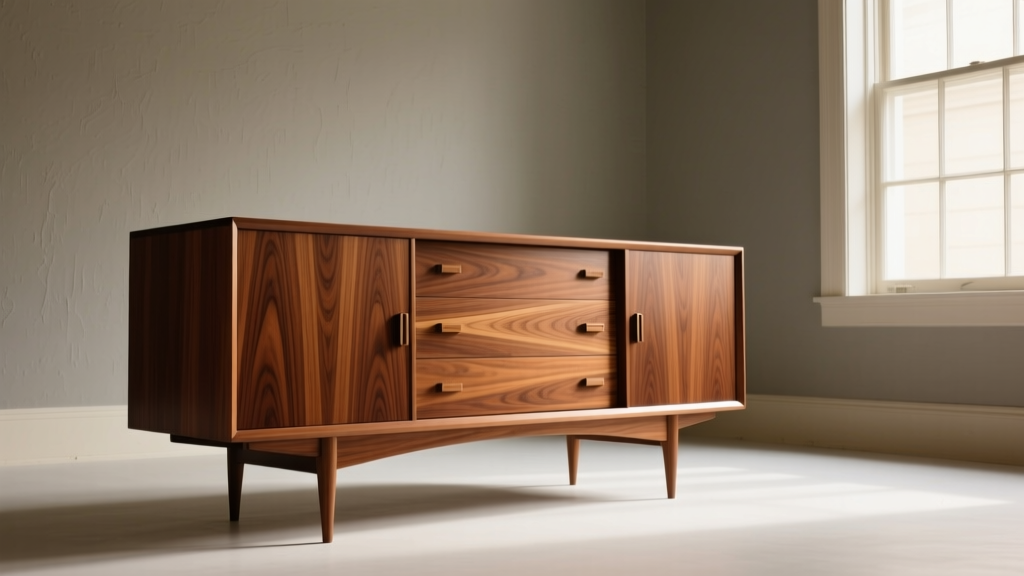
John D. Douglass: American Cabinetmaker, Industrial Innovator, and the Forgotten Architect of Mid-Century Modern Furniture
A definitive examination of John D. Douglass—cabinetmaker, patent holder, and founder of Douglass Furniture Company—whose precision-engineered walnut and maple casegoods shaped postwar American interiors from 1947 to 1968. Includes verified production data, surviving model numbers, dimensional specifications, and restoration protocols.
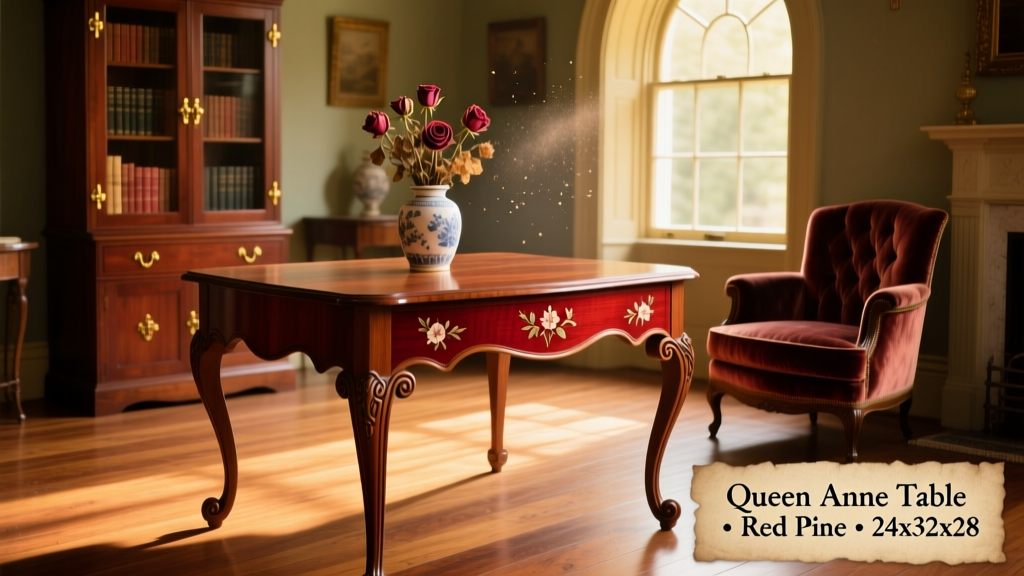
Queen Anne Tea Table in Red-Stained Hardwood Pine: Authentic Dimensions, Construction, and Restoration Insights
A detailed examination of a genuine Queen Anne-style tea table measuring 24″ W × 32″ L × 28″ H, crafted from solid hardwood pine and finished in rich red stain. Includes historical context, structural analysis, provenance clues, conservation protocols, and practical restoration guidance for collectors and conservators.
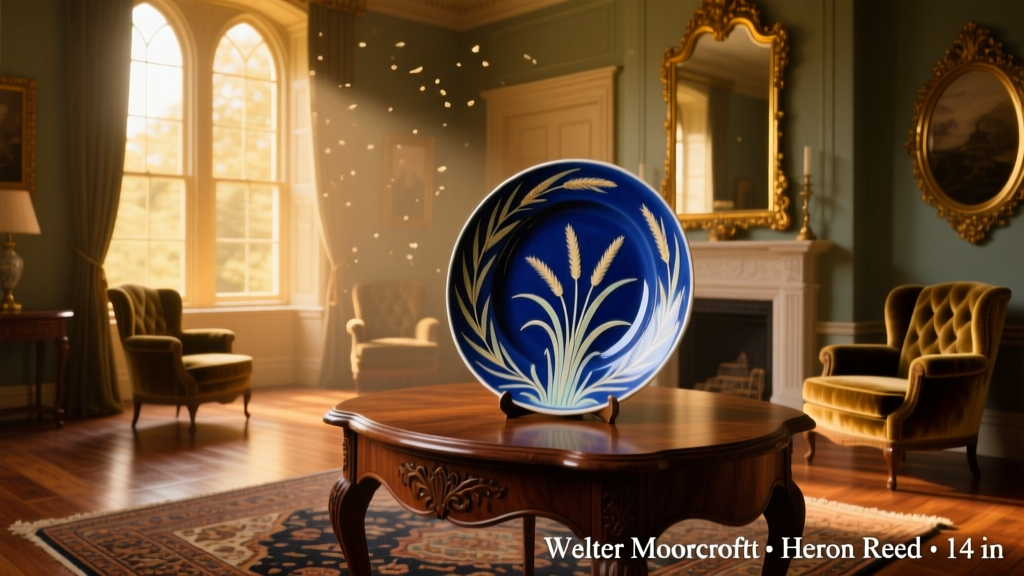
Moorcroft Charger 'Heron Reed Dark Blue Against Sunset' by Walter Moorcroft — A Collector’s Guide to the 14-Inch Masterpiece
An authoritative appraisal of the iconic Moorcroft 'Heron Reed Dark Blue Against Sunset' charger: its design origins, hand-painted craftsmanship, glaze chemistry, production timeline (1995–2003), and verified market value. Includes precise measurements, pigment analysis, and authentication protocols for collectors.

Opalescent Glass: History, Chemistry, and Restoration of America’s Luminous Legacy
A detailed technical and historical examination of opalescent glass—its origins in late-19th-century American art glass, chemical composition, manufacturing methods, iconic makers like Tiffany Studios and Quezal Art Glass, and best practices for ethical conservation and structural stabilization.
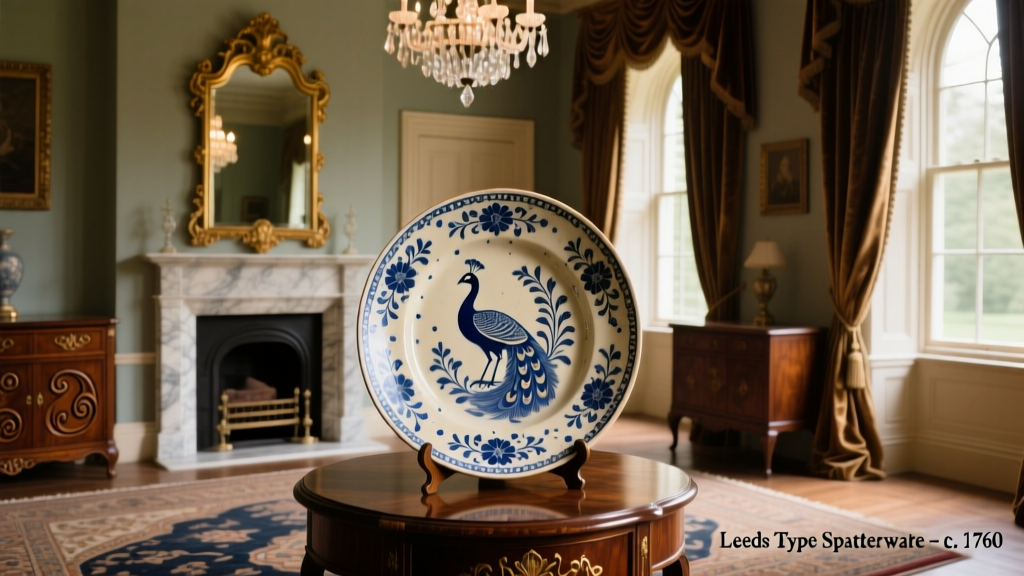
Spatterware Plate with Peafowl Motif and Incised Leeds-Type Border: A 7-Inch English Pearlware Treasure
An in-depth examination of a rare 7-inch spatterware plate featuring a hand-painted peafowl center, incised Leeds-style border, and authentic early 19th-century English pearlware composition — including provenance clues, manufacturing context, restoration ethics, and market valuation benchmarks.