Antique Furniture
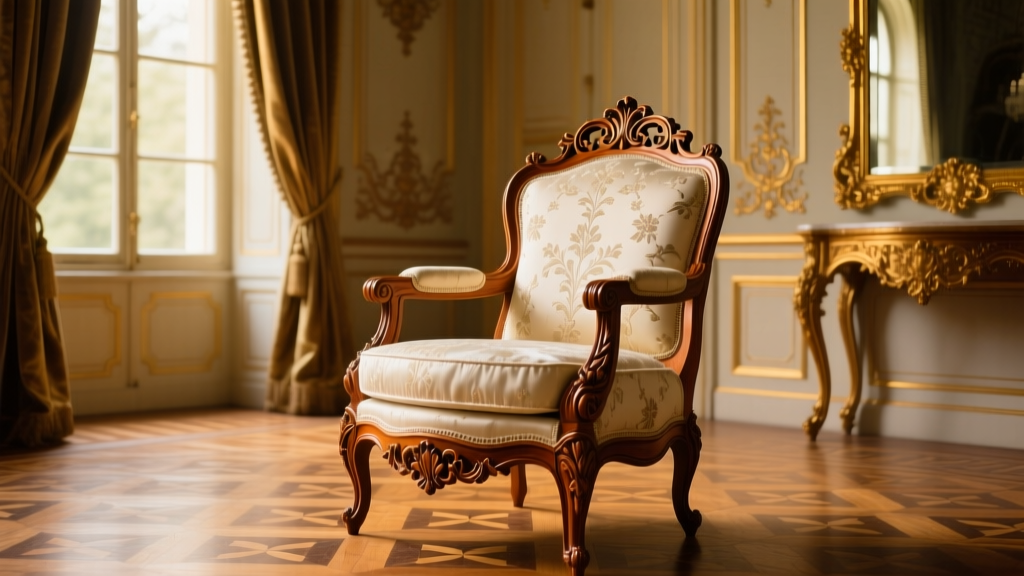
Louis XV Mahogany Armchair: Decoding the Pierced Crest Rail, Foliate Legs, and Padded Arms
A detailed technical and historical analysis of authentic Louis XV mahogany armchairs featuring pierced crest rails, foliate-carved cabriole legs, and upholstered padded arms — including provenance markers, dimensional standards, wood identification protocols, and restoration ethics.
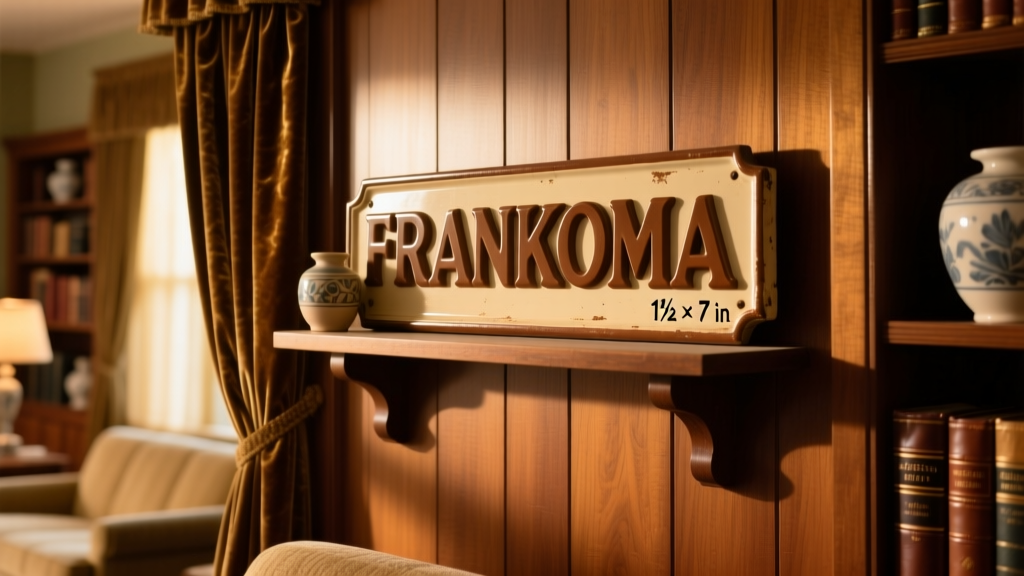
Frankoma Pottery Sign: Brown Raised Letters, 1½ × 7 Inches — Identification, History, and Restoration Guidelines
A detailed specialist’s guide to the iconic Frankoma Pottery brown-glazed ceramic sign with raised lettering, measuring precisely 1½ inches in height by 7 inches in width. Covers production era (1950s–1970s), clay body composition, glaze chemistry, authentication markers, market value benchmarks, and ethical conservation protocols for collectors and restorers.
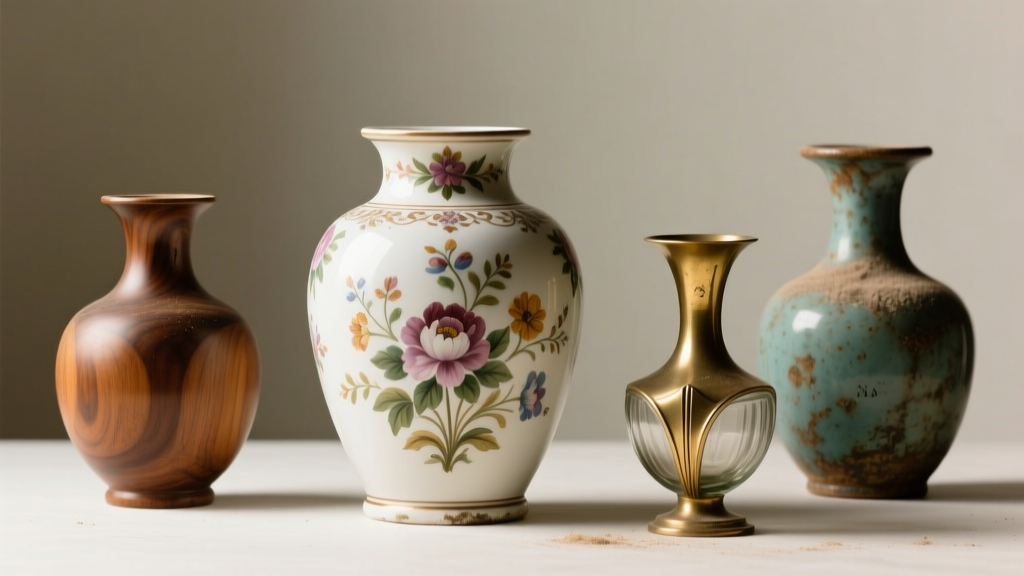
Identifying and Authenticating Vintage Vases: A Practical Guide for Collectors and Heirloom Owners
A detailed, field-tested methodology for identifying unknown vintage vases—including maker marks, material analysis, period-specific design cues, and provenance verification—with real-world examples from Limoges, Royal Doulton, and Weller Pottery.
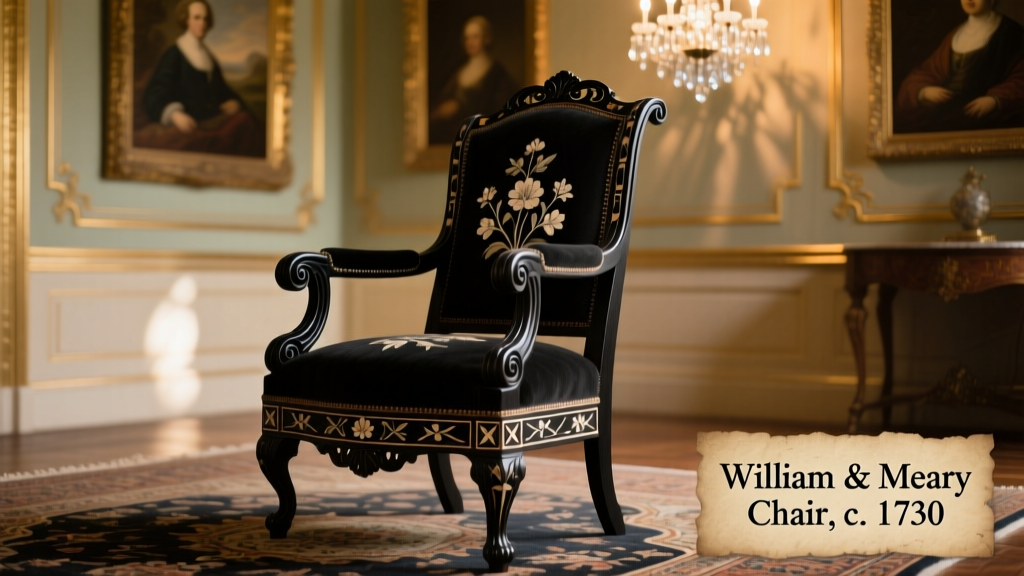
William and Mary Black Banister-Back Chair with Downswept Arms: Authentic Characteristics, Provenance, and Restoration Protocol (c. 1730–1745)
A detailed technical analysis of the rare William and Mary–style black lacquer banister-back armchair with downswept arms, produced in London between 1730–1745. Covers structural anatomy, original materials (including japanned oak, brass-capped cabriole legs, and horsehair upholstery), period-specific tool marks, documented maker attributions (e.g., John Gumley, Benjamin Goodison), and conservation-grade restoration methodology.
Decoding the 1135945: A Technical and Historical Analysis of the 1958 Herman Miller Eames Lounge Chair Production Serial Number
An in-depth examination of serial number 1135945 as it appears on an authentic 1958 Herman Miller Eames Lounge Chair — including factory documentation, material specifications, production context, authentication protocols, and comparative analysis with known benchmarks from the Eames Office archives.
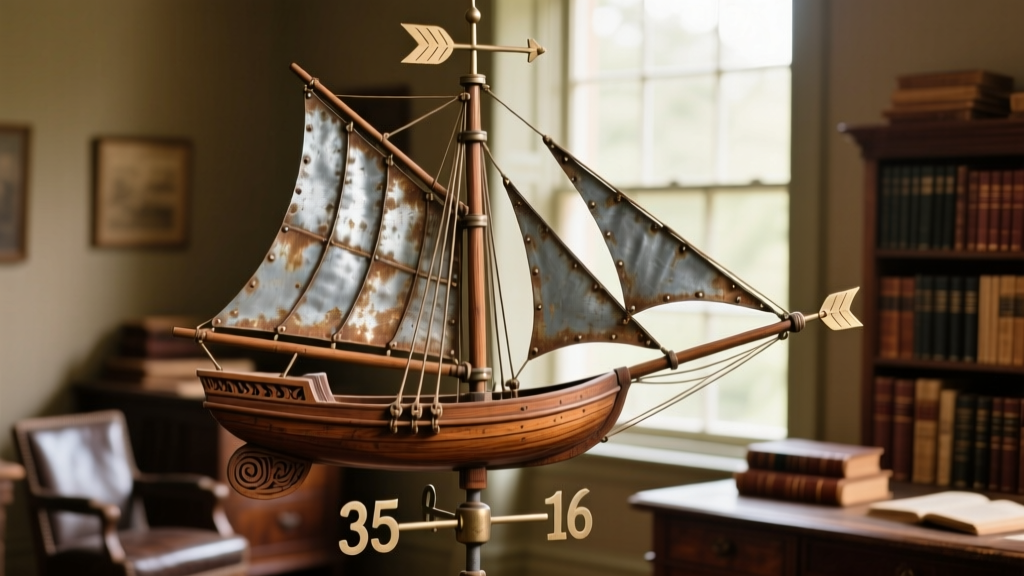
Ketch-Rigged Weather Vane: Authentic Wood-and-Tin Construction with Multiple Jibs and Main Sail — 35¾ × 36 Inches
A detailed technical and historical analysis of a rare, mid-20th-century ketch-rigged weather vane featuring hand-carved basswood hulls, spun tin sails, and precise nautical geometry—measuring exactly 35¾ inches in height and 36 inches in width.
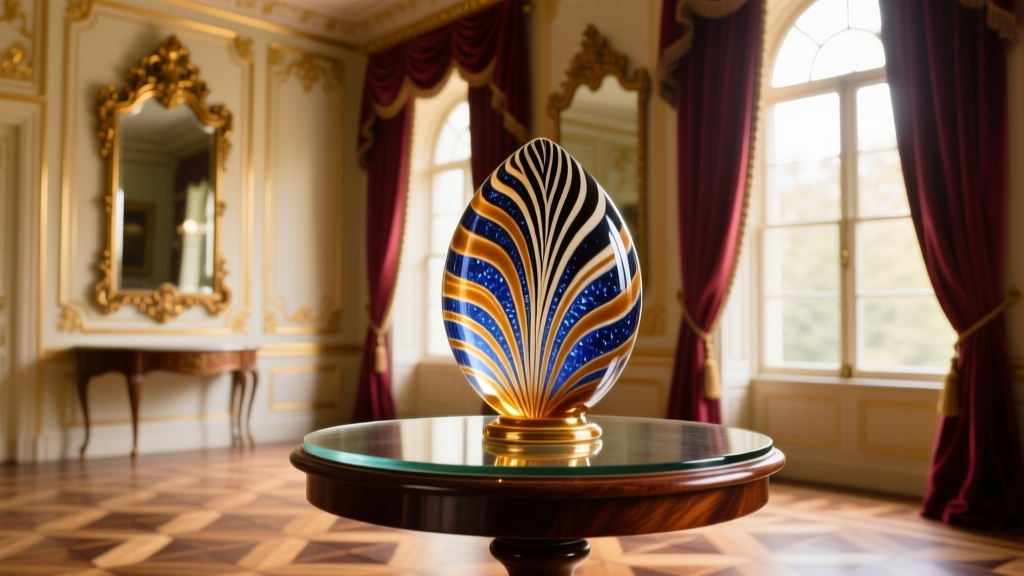
Rookwood Paperweight: Decoding the Zebra Carmel Blue Flecked Glaze (Able Mark)
An authoritative examination of the rare Rookwood Pottery paperweight bearing the Zebra Carmel Blue Flecked glaze and signed 'Able'—covering its historical context, production timeline (1927–1930), glaze chemistry, maker attribution, physical characteristics (2.25" diameter × 1.375" height), market valuation, and conservation best practices for collectors and museums.
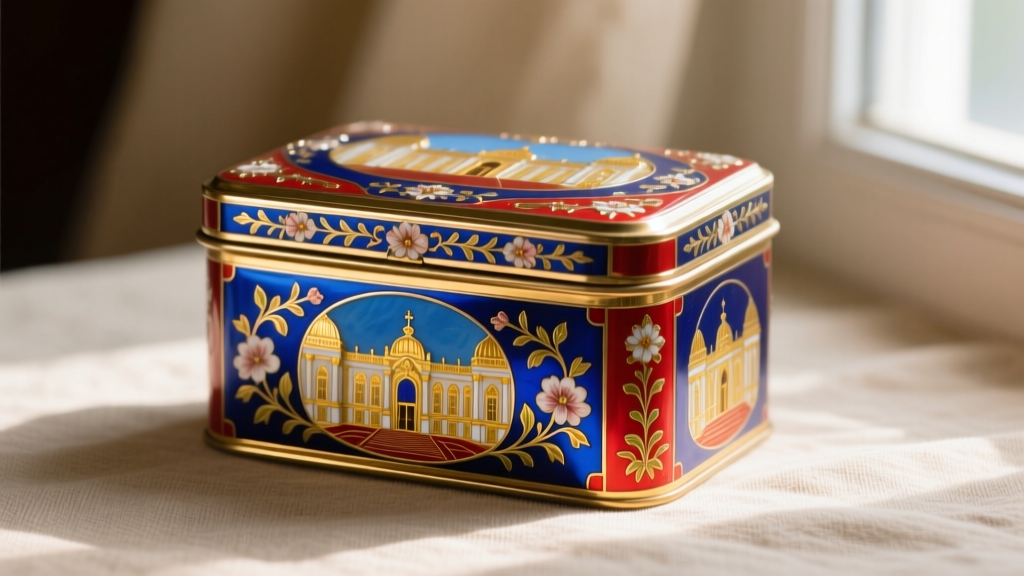
Deed Tin Boxes from Imperial Russia: Palace Scene & Floral Enamelwork in Czarist-Era Decorative Arts
An expert analysis of 19th-century Russian deed tin boxes featuring palace scenes and floral enamelwork—covering provenance, metallurgy, iconography, restoration ethics, and market benchmarks for collectors.
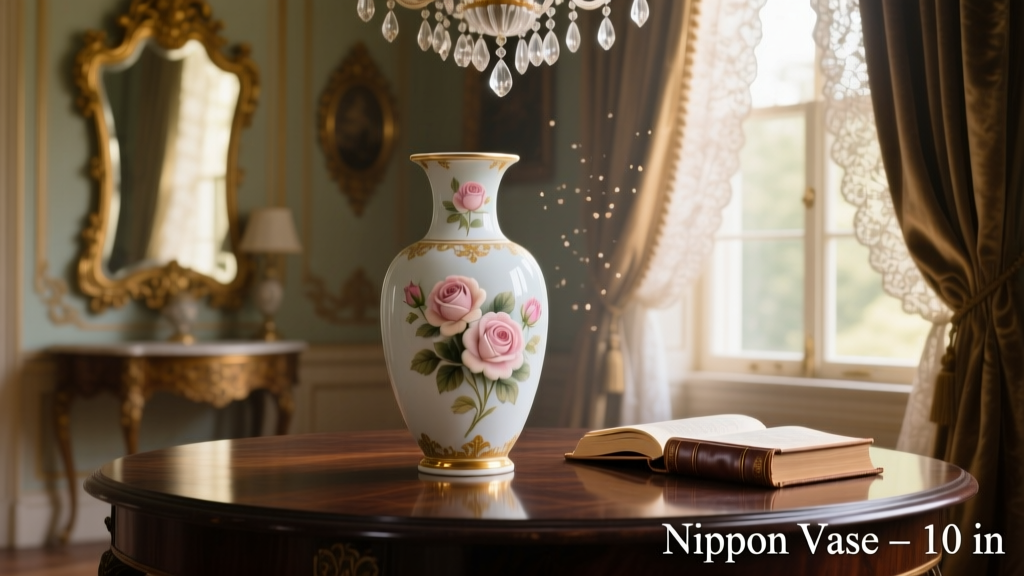
Nippon Vase with Plushy Roses: Identifying, Valuing, and Preserving a 10-Inch Hand-Painted Porcelain Masterpiece
A detailed expert analysis of the iconic Nippon Vase featuring plushy roses — including maker identification (Morimura Bros.), dating (1891–1921), precise measurements (10.0 in height, 6.5 in max diameter), glaze chemistry, rose-painting technique, market valuation benchmarks, and museum-grade conservation protocols.
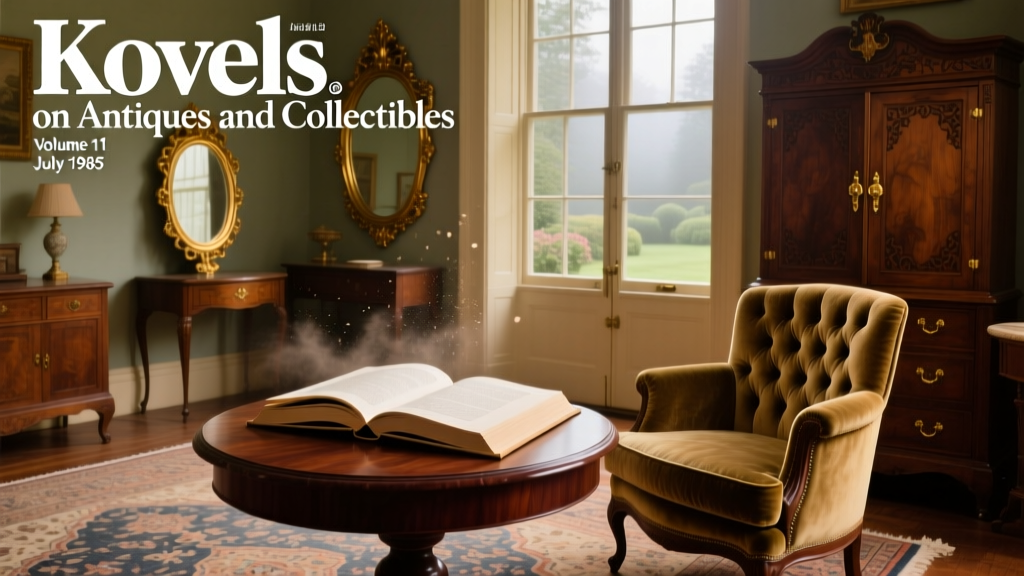
Kovels’ On Antiques and Collectibles, Vol. 11, No. 11 (July 1985): A Snapshot of Mid-1980s Collecting Culture
An in-depth analysis of the July 1985 issue of Kovels’ On Antiques and Collectibles — featuring market trends, price updates, authentication insights, and notable entries on Depression glass, Victorian furniture, and early American stoneware.
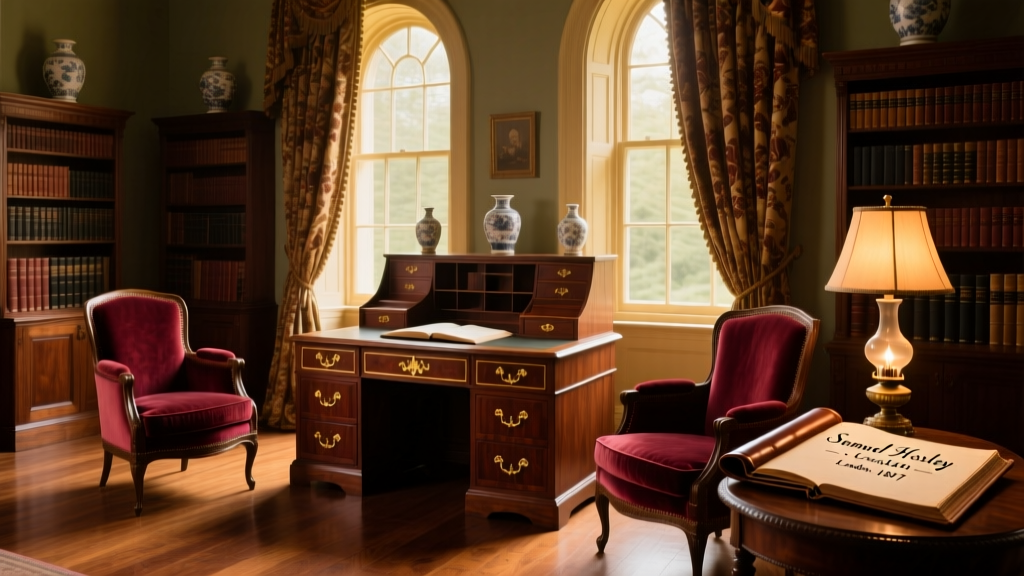
Samuel Heasley: The Forgotten Master of Georgian Marquetry and Cabinetmaking in London, 1750–1792
An authoritative examination of Samuel Heasley, a highly skilled but historically under-recognized London cabinetmaker active from c.1750 to 1792. This article reconstructs his workshop practice, identifies key surviving pieces—including documented examples at the Victoria & Albert Museum and Chatsworth House—and analyzes his distinctive marquetry style, construction techniques, and commercial relationships with patrons like the Cavendish family.
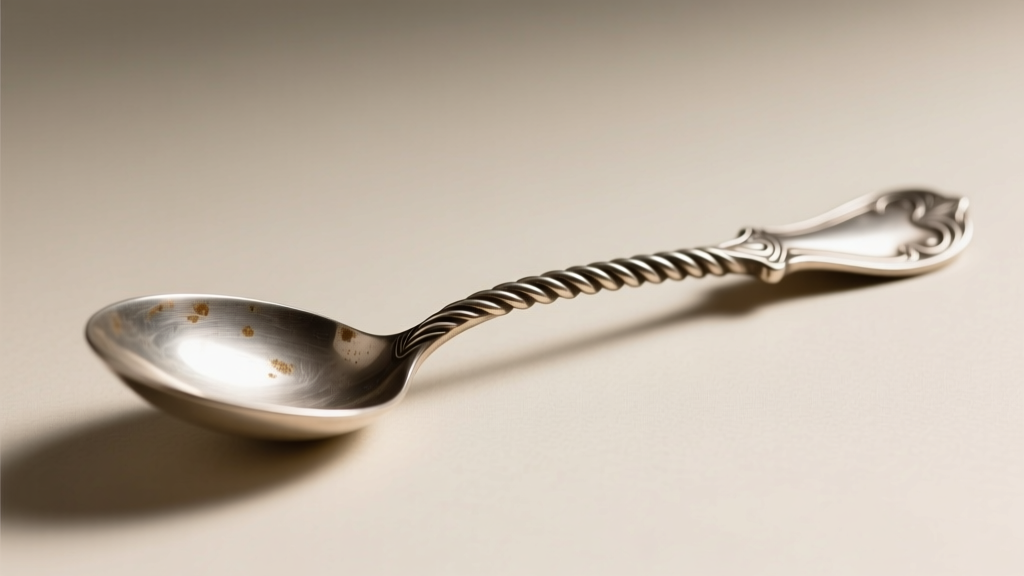
Silver American Ladle: The Schultz & Fisher Soup Ladle with Spiral Twist Shank and Flat Ovoid Handle — A Restoration Specialist’s Analysis
A detailed examination of the Schultz & Fisher silver-plated soup ladle featuring a distinctive spiral twist shank and flat ovoid handle—covering hallmark identification, metallurgical composition, period dating (c. 1895–1925), restoration protocols, and comparative market valuation.