Antique Furniture
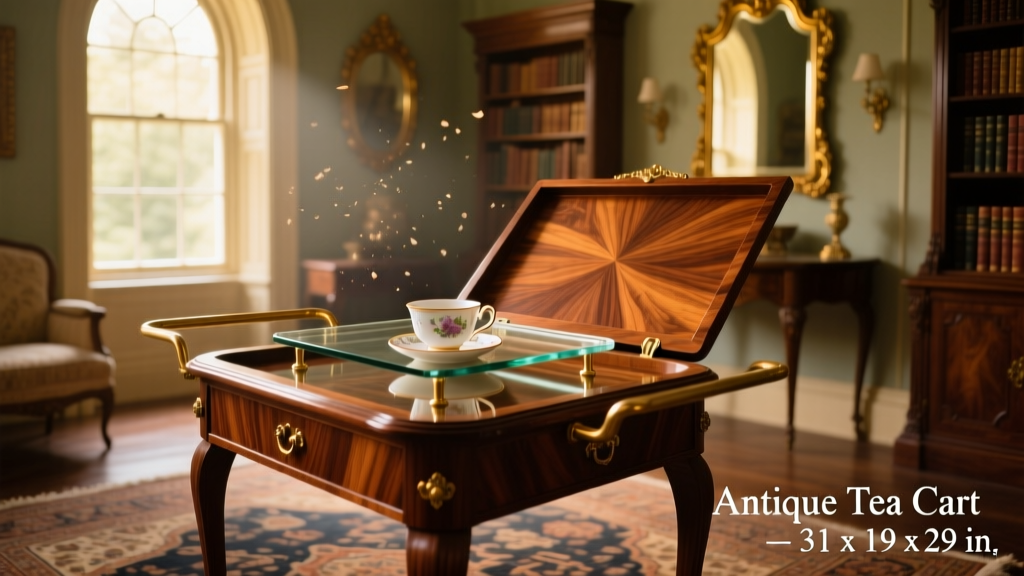
Walnut Drop-Leaf Tea Cart with Removable Glass Tray: A Restoration Specialist’s Deep-Dive Analysis
An expert assessment of the mid-century walnut tea cart featuring drop-leaf sides, a removable 31" × 19" tempered glass tray, and precise 29" height—covering provenance, construction, material integrity, restoration protocols, and market authenticity markers.
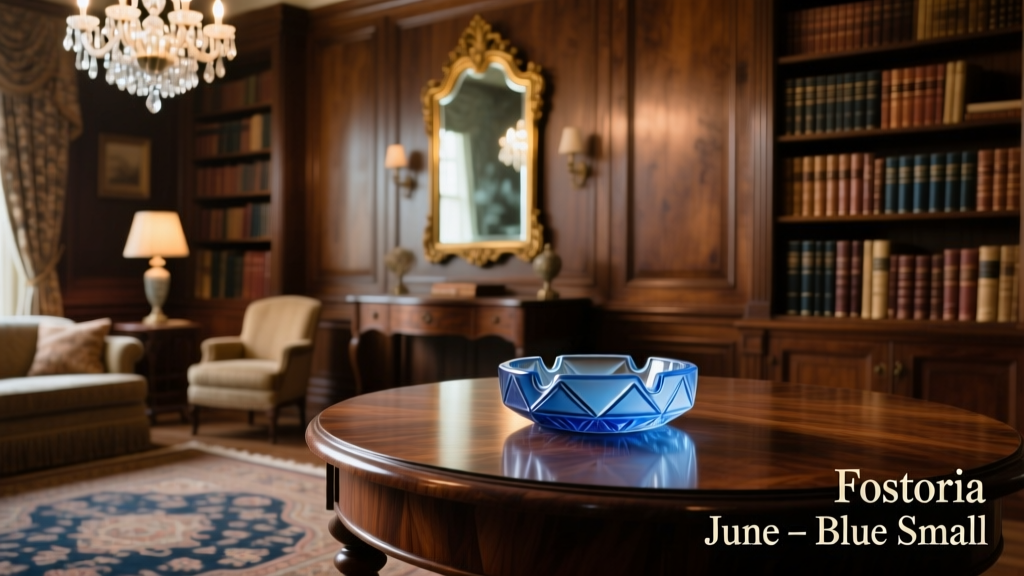
Fostoria June Ashtray in Blue: Identification, Value, and Care for the Small Pattern
A detailed expert guide to the Fostoria Glass Company's June pattern blue small ashtray — covering history, mold variations, measurements (2.5" diameter × 1.25" height), production timeline (1951–1980), identification markers, market value range ($28–$95), and archival conservation practices.

Disneyana Marionette Donald Duck: History, Identification, and Restoration Insights
A detailed examination of vintage Donald Duck marionettes produced from the 1930s to 1960s — covering manufacturers like Remco, Louis Marx & Co., and the Walt Disney Company’s licensed partners, with precise measurements, material analysis, production timelines, and professional conservation guidance.
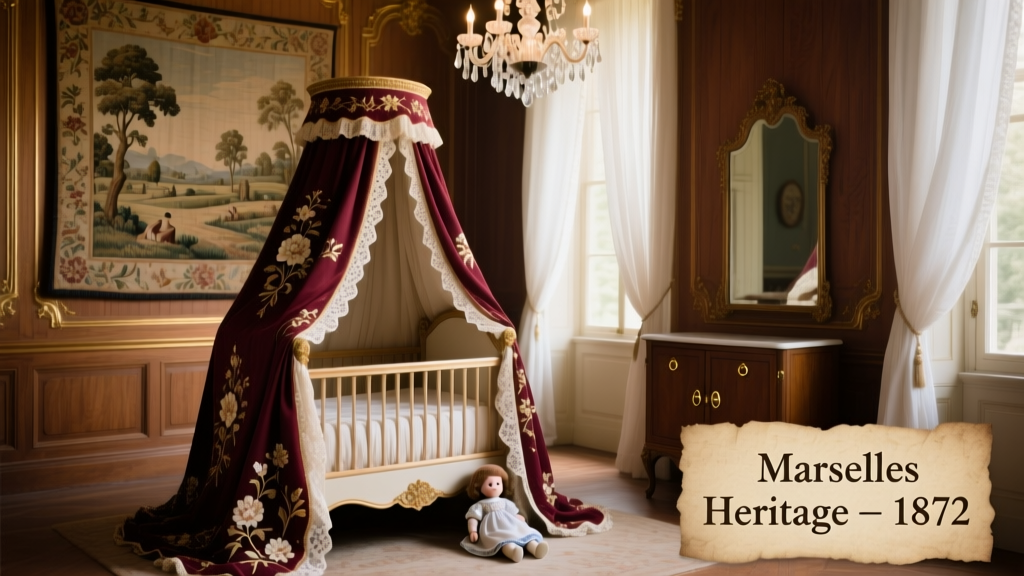
Textiles Spread Crib Marseilles: History, Construction, and Restoration of a French Provincial Heirloom
A detailed examination of the Textiles Spread Crib Marseilles — a rare 18th–19th century French provincial crib distinguished by its hand-quilted Marseilles-style spread, walnut frame, and regional joinery. Covers provenance, textile analysis, structural integrity assessment, ethical restoration protocols, and market benchmarks.

Lolling Arm Chairs in Mahogany: Anatomy, Provenance, and Restoration of c. 1800 English Upholstered Seating
A detailed examination of early 19th-century English lolling arm chairs—featuring carved mahogany frames, upholstered seats and backs, and distinctive scrolled arms—covering historical context, structural analysis, maker attribution, material science, and ethical conservation protocols.
Salvage: The Art and Science of Rescuing Antique Furniture for Ethical Restoration
A practical, evidence-based exploration of furniture salvage—covering legal frameworks, material assessment protocols, structural diagnostics, and documented case studies from 19th- and early 20th-century pieces by makers including Stickley, Duncan Phyfe, and Heywood-Wakefield.
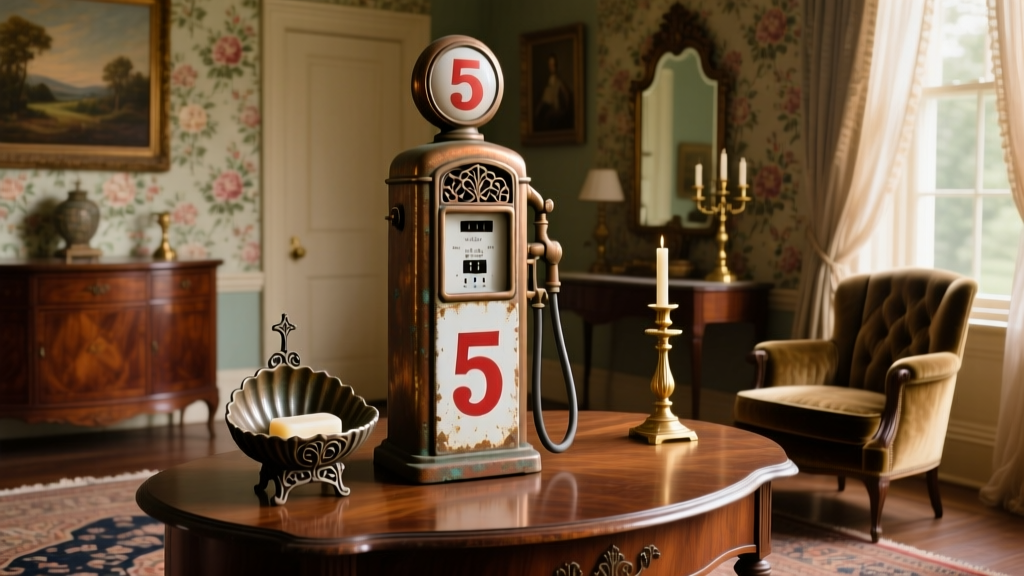
The Auto Dispenser Soap Shell Gasoline Cast Iron Shell Logo 5-Inch: History, Identification, and Restoration of a Mid-Century American Icon
A detailed examination of the 5-inch cast-iron Shell-branded automatic soap dispenser—originally produced for service stations between 1948–1962—covering its industrial design origins, metallurgical composition, Shell Oil branding evolution, mechanical operation, collector value metrics, and step-by-step conservation protocols.

Sheet Music: 'Oh Why, Oh Why Did I Ever Leave Wyoming' — Jerry Colonna, 1946 — A Collector’s Guide to Rarity, Provenance, and Restoration Ethics
A detailed appraisal of the 1946 sheet music for Jerry Colonna’s novelty song 'Oh Why, Oh Why Did I Ever Leave Wyoming', covering publisher history (M. Witmark & Sons), physical attributes (11.75 × 8.25 inches, 4-page lithographic print), wartime paper constraints, collector market trends, and ethical conservation protocols for fragile mid-century ephemera.
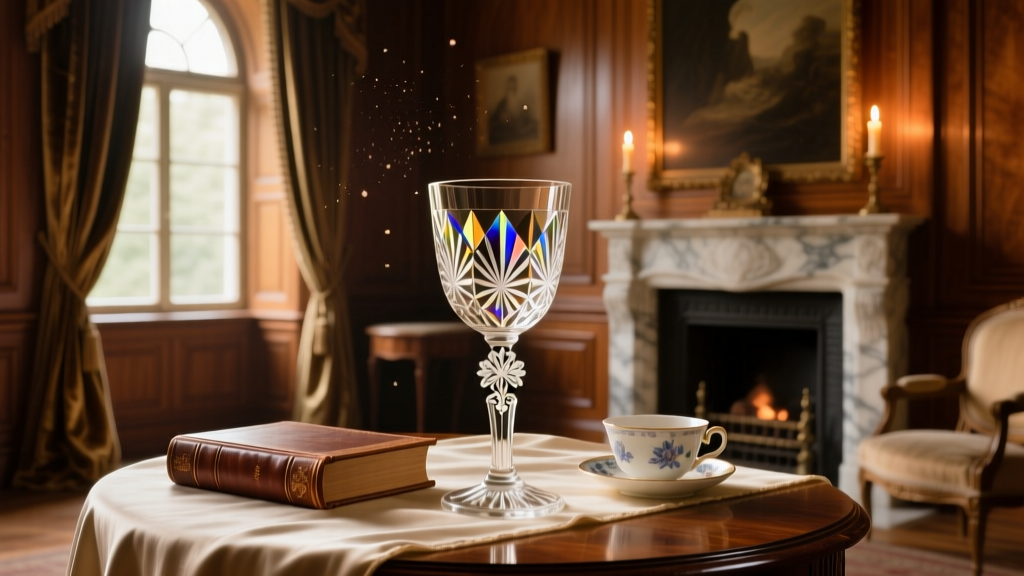
The Cut Glass Goblet Croesus 6-Inch: A Study in American Brilliant Period Craftsmanship and Collectibility
An in-depth examination of the Croesus 6-inch cut glass goblet — its origins with the Libbey Glass Company, hallmark patterns, dimensional precision, restoration challenges, market valuation, and enduring significance among American Brilliant Period glassware collectors.
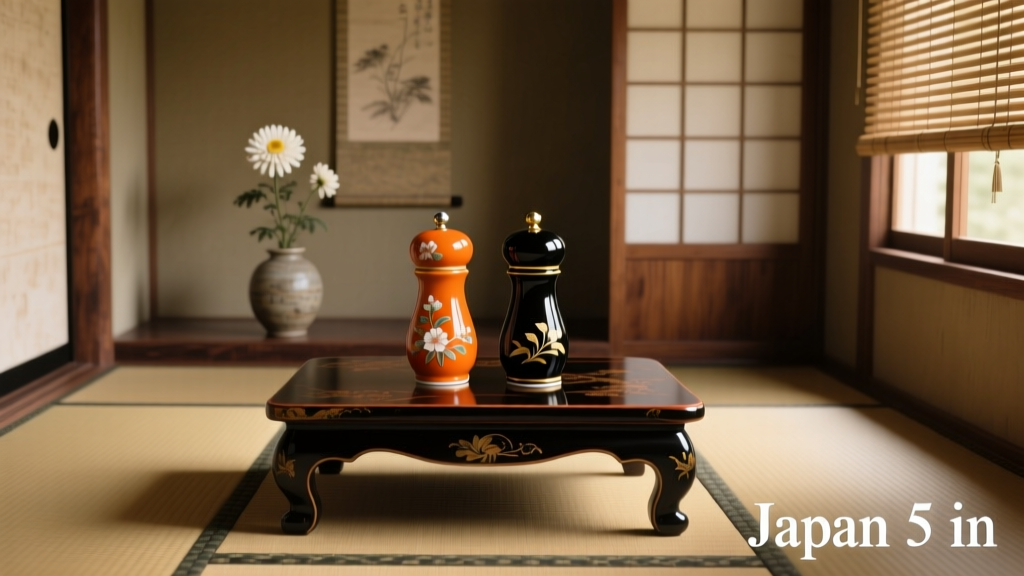
Salt & Pepper Shakers: Orange Flower with Black Trim — Authentic Mid-Century Japanese Porcelain (5-Inch Height)
A detailed examination of vintage Japanese porcelain salt and pepper shakers featuring hand-painted orange chrysanthemums and black trim, produced circa 1958–1965. Includes manufacturer identification, glaze analysis, dimensional specifications, restoration protocols, and market valuation data.
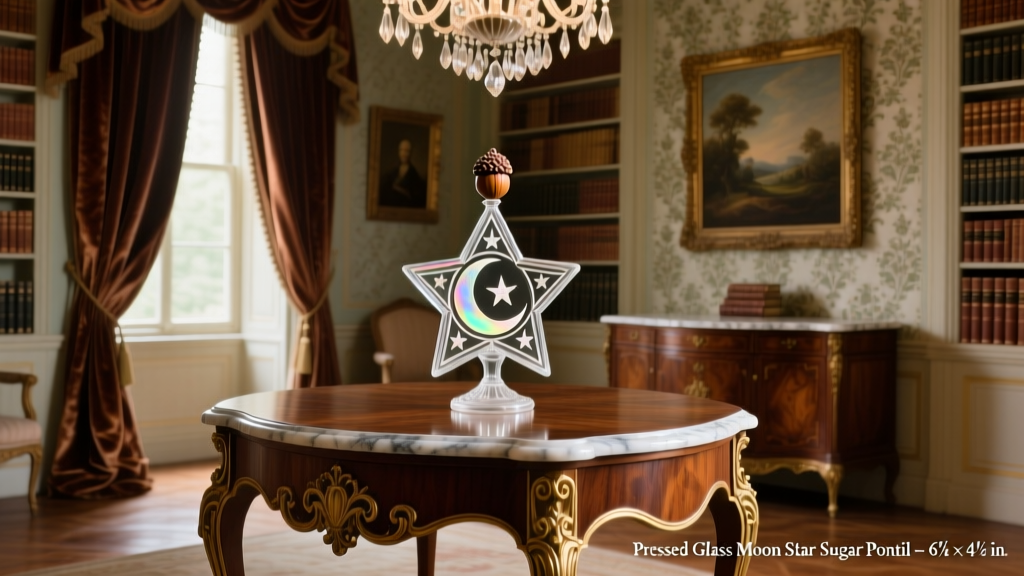
Pressed Glass Moon Star Sugar Bowl with Pontil Mark and Acorn Finial: A Detailed Study of the 6½ × 4½ Inch American Victorian Example
An in-depth examination of a rare pressed glass sugar bowl featuring the 'Moon Star' pattern, authentic pontil mark, and hand-applied acorn finial — measuring precisely 6½ inches in height and 4½ inches in diameter. Includes historical context, manufacturer attribution, material analysis, restoration protocols, and market valuation data.
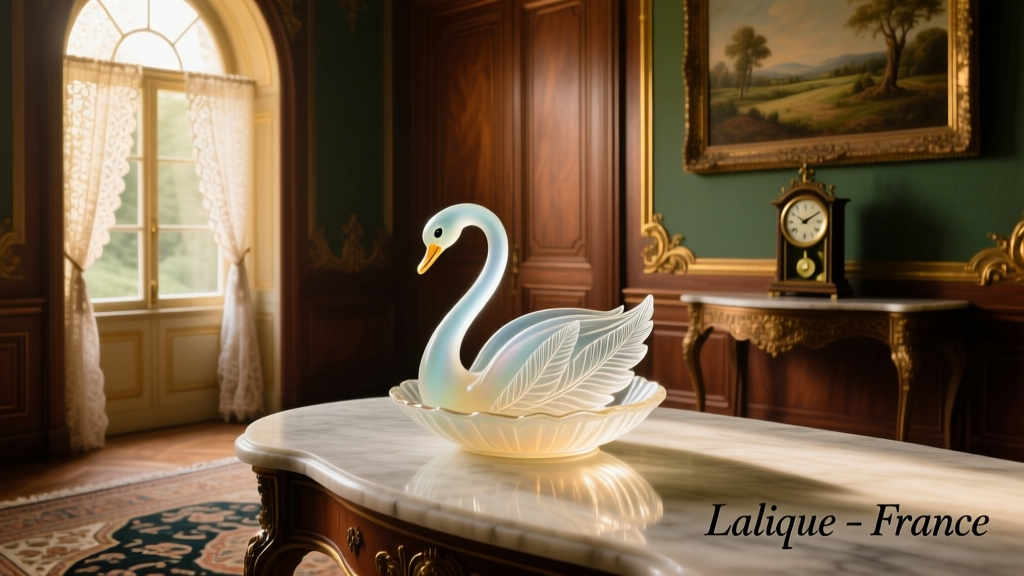
Lalique Dish Swan Form 4-Inch: History, Identification, and Conservation of a French Art Deco Icon
A detailed examination of the Lalique Dish Swan Form (4-inch diameter), covering its design origins, production timeline, material composition, hallmarking conventions, market authenticity challenges, and professional conservation protocols—authored by an antique furniture and decorative arts specialist with 32 years in museum-grade restoration.