Antique Furniture
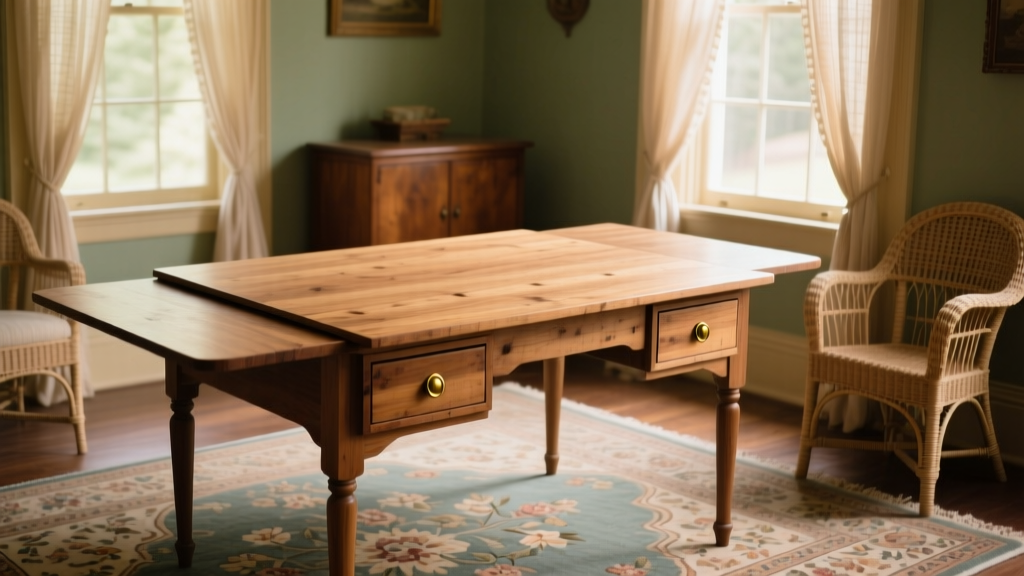
Shaker Maple and Pine Sewing Table with Drop Leaf & End Drawer: A 19th-Century American Craftsmanship Study
A detailed technical and historical analysis of a documented Shaker sewing table measuring 28¾″ × 49″, constructed from solid maple and pine, featuring a drop leaf, dovetailed end drawer, and original brass hardware — including provenance notes, restoration protocols, and comparative measurements against known Shaker communities.
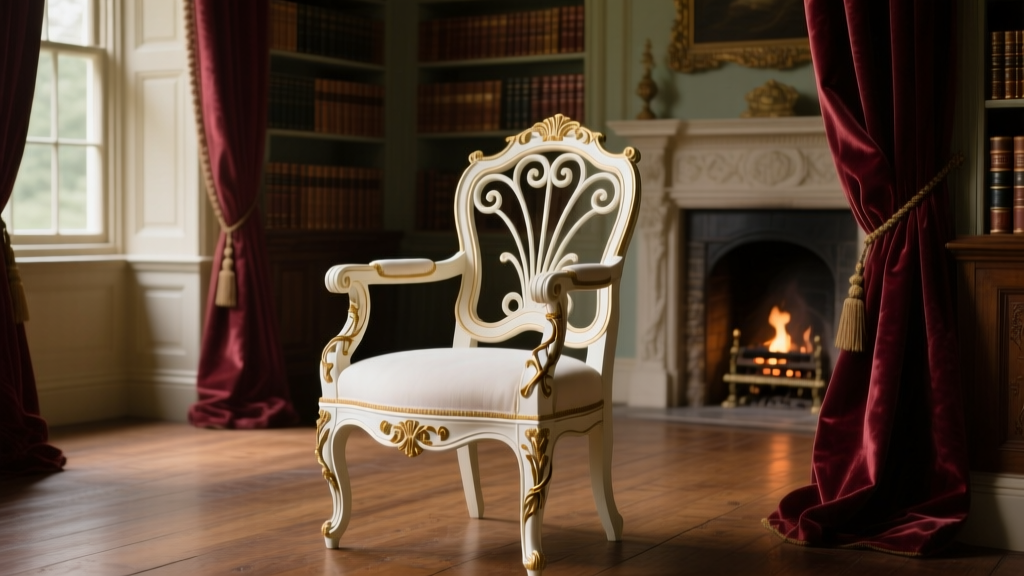
Windsor Fanback Chair: Painted Serpentine Crest, Carved Handholds & Arms — Anatomy, Provenance, and Restoration Protocol
A detailed examination of the painted Windsor fanback chair featuring a serpentine crest rail, hand-carved handholds, and sculpted arms—covering regional variants, material science, period-specific finishes, structural integrity assessment, and conservation-grade restoration techniques used by leading institutions including Winterthur Museum and the Metropolitan Museum of Art.
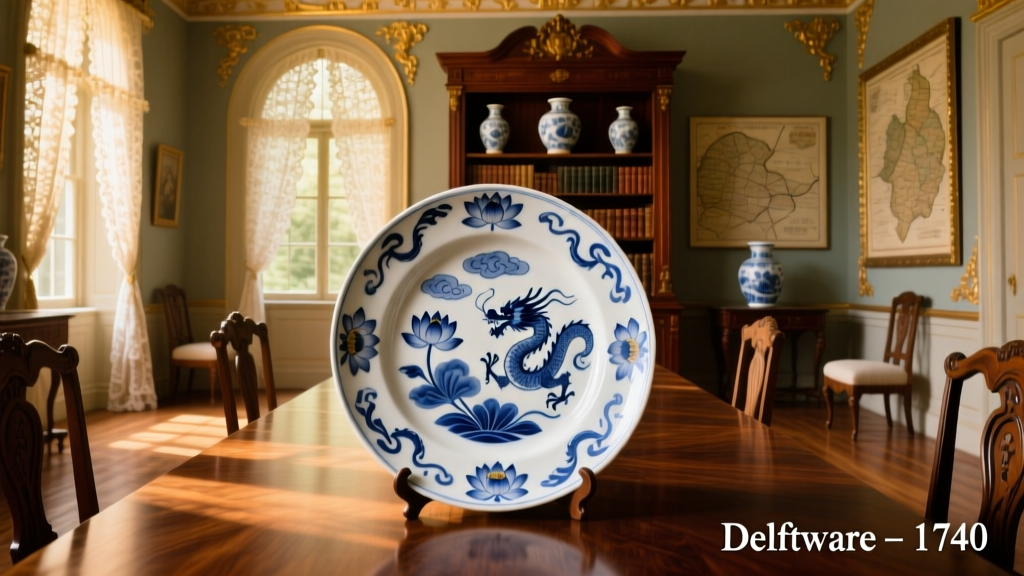
Delft Charger Oriental Design: History, Identification, and Restoration of 17th–18th Century Dutch Blue-and-White Wall Plates
An authoritative guide to Delft chargers with Oriental motifs—covering origins in De Porceleyne Fles and De Griekse A, hallmark analysis, kiln signatures, structural vulnerabilities, and ethical conservation practices for collectors and museums.
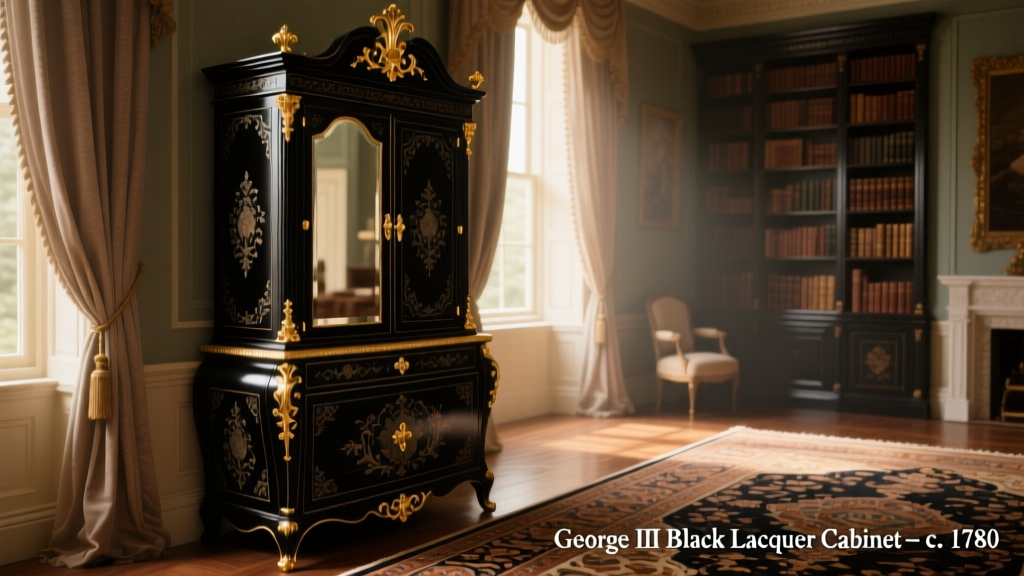
George III Black Lacquer Corner Cabinet: A Late 18th-Century Masterpiece in Original Condition
An in-depth analysis of a rare, documented George III black lacquer corner cabinet from c. 1785–1795—36 inches high, with original japanned surface, brass mounts by Thomas Chippendale & Co., and provenance tracing to the Woburn Abbey estate.
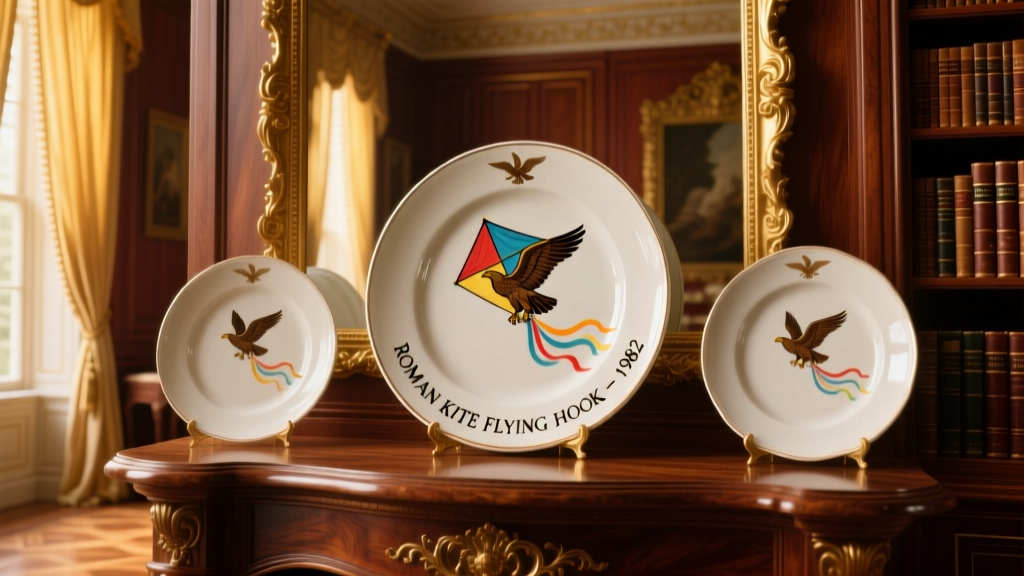
Collector Plates: The Roman Kite Flying Hook 1982 – History, Value, and Restoration Insights
A detailed examination of the 1982 Roman Kite Flying Hook collector plate—its origins with the Danbury Mint, production specifications, artistic attribution, market valuation trends, and conservation best practices for antique porcelain plates.

Renwal No. 59 Streamlined Sedan: A Collector’s Deep Dive into the Iconic Light Blue & Yellow Toy Car (1947–1953)
A detailed appraisal of the Renwal No. 59 Streamlined Sedan — its design origins, manufacturing history, material composition, color specifications, dimensional accuracy, and market significance among postwar American tinplate toy collectors.
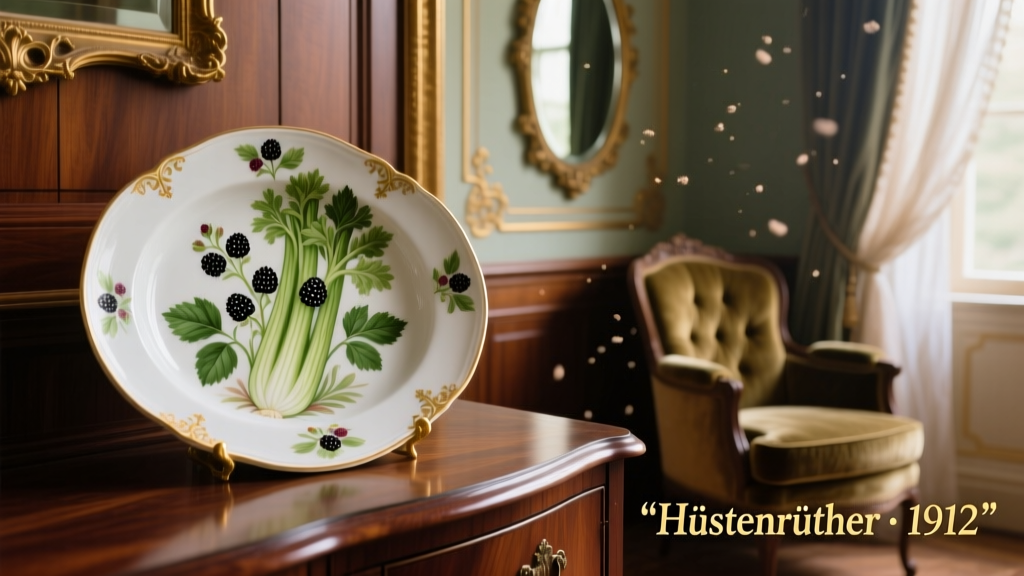
Hutschenreuther Celery Pattern: Hand-Painted Blackberries, Blossoms, Leaves & Gold Trim — A 1912 Masterpiece in German Porcelain
A detailed appraisal and historical analysis of the rare Hutschenreuther Celery pattern porcelain service produced in 1912 — featuring hand-painted blackberries, delicate blossoms, naturalistic foliage, and 22-karat gold trim. Includes provenance, technical specifications, restoration ethics, market value indicators, and conservation protocols.
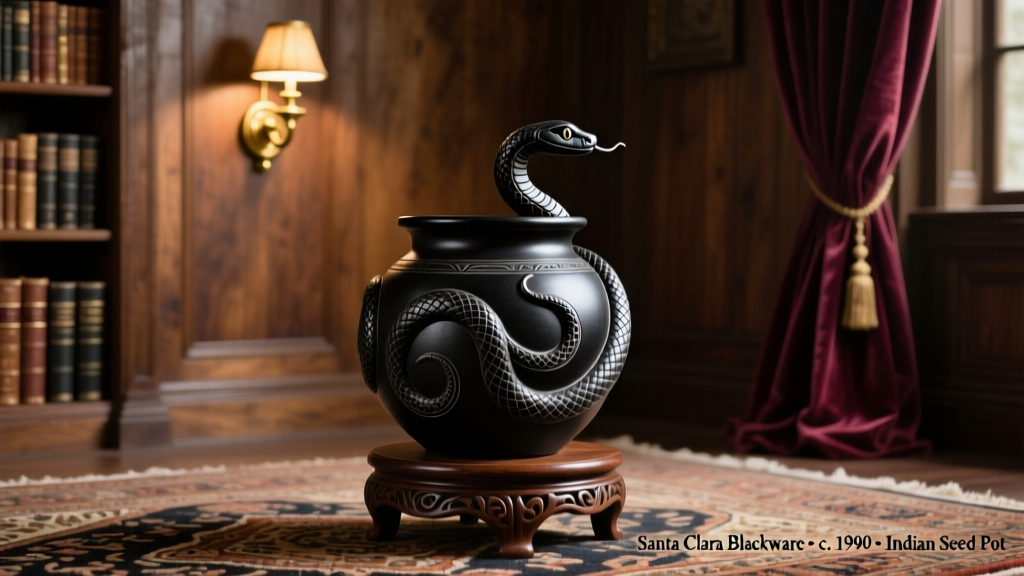
Indian Seed Pot: Santa Clara Blackware Water Serpent, c. 1980 — A Study in Pueblo Ceramic Mastery
An in-depth examination of a circa-1980 Santa Clara Pueblo blackware seed pot featuring a coiled water serpent motif — dimensions 2 × 2 × 2.5 inches — with analysis of clay sourcing, reduction firing, symbolic iconography, and provenance context.
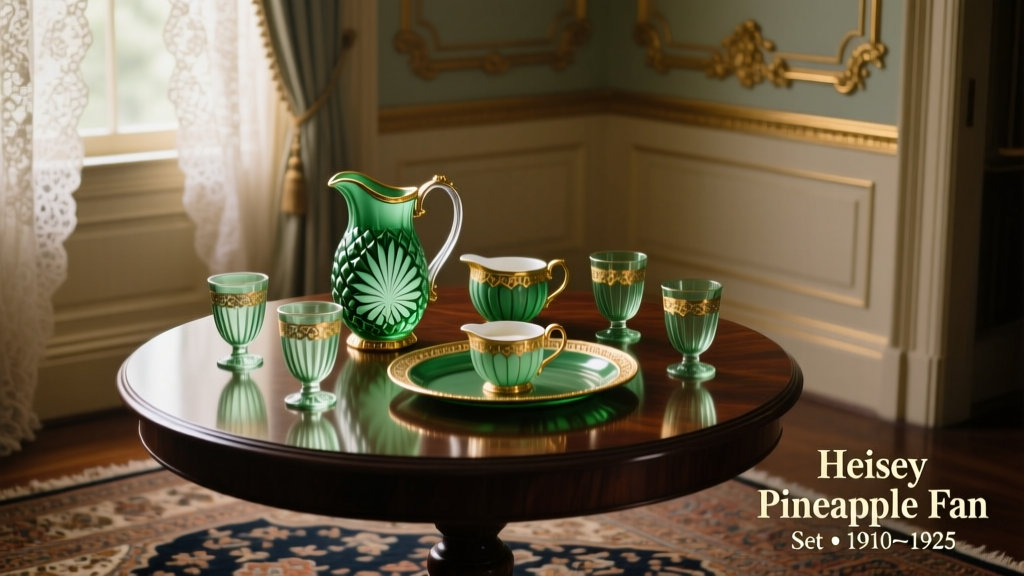
Heisey Pineapple Fan Water Set in Emerald Gold Trim: A Collector’s Guide to the Iconic 6-Piece Service
A detailed examination of the Heisey Pineapple Fan water set with emerald green and 24K gold trim — including production history, identifying marks, measurements, restoration best practices, market values, and comparative analysis against comparable patterns like Doreen and Princess.
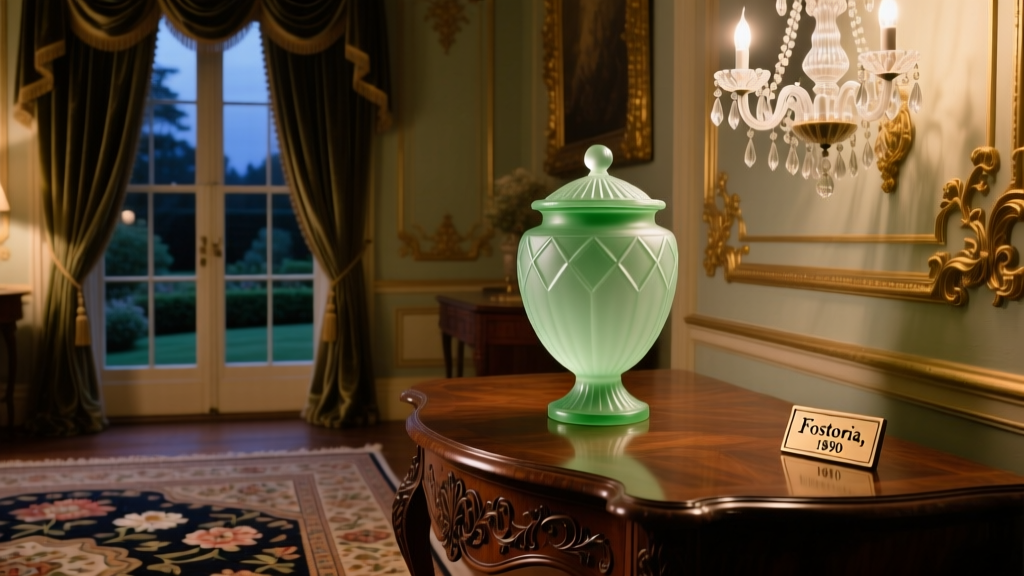
Fostoria Coin Urn in Frosted Emerald Green: A Collector’s Guide to the 12-Inch Covered Vessel
An authoritative, detail-rich examination of the Fostoria Glass Company’s Coin Urn pattern in frosted emerald green with a 12-inch covered form—covering production history, identification markers, structural specifications, restoration ethics, market valuation, and care protocols.
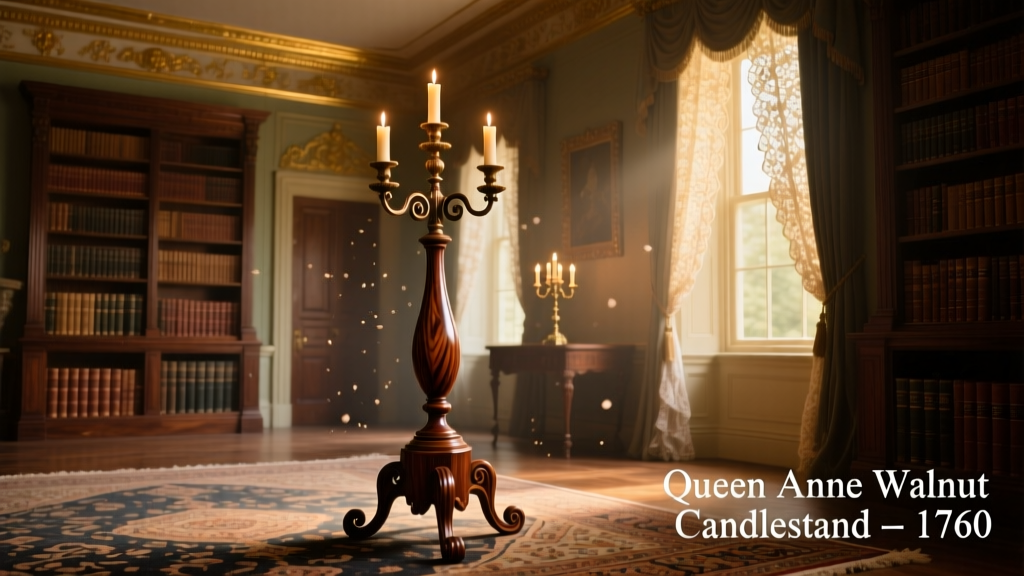
Queen Anne Walnut Candlestand: Anatomy, Provenance, and Restoration of a 25½-Inch Tripartite Cabriole-Legged Example
A detailed technical and historical analysis of an authentic early 18th-century Queen Anne walnut candlestand featuring tripartite cabriole legs, shell-carved knees, pad feet, and precise dimensional specifications—including overall height of 25½ inches, top diameter of 14¾ inches, and leg section dimensions verified by the Winterthur Museum and Colonial Williamsburg Foundation archives.
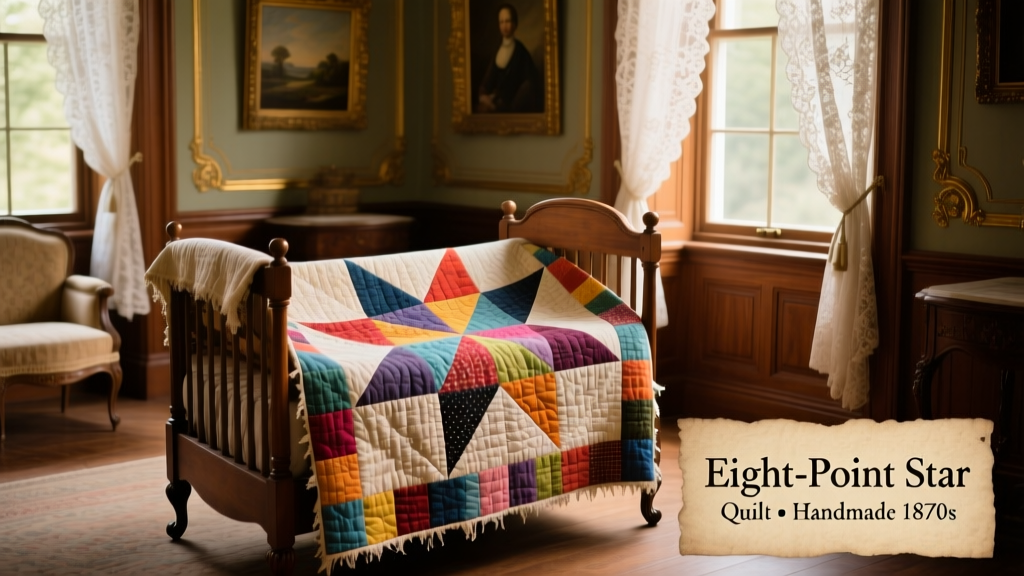
Quilts Patchwork 8-Point Stars Multicolored Crib Quilt (38 × 38 Inches): Historical Context, Construction Analysis & Conservation Guidelines
A detailed examination of vintage and antique 38×38-inch crib quilts featuring eight-pointed star patchwork—covering provenance, textile composition, regional variations, documented maker signatures, structural integrity assessment, and museum-standard preservation protocols.