Antique Furniture
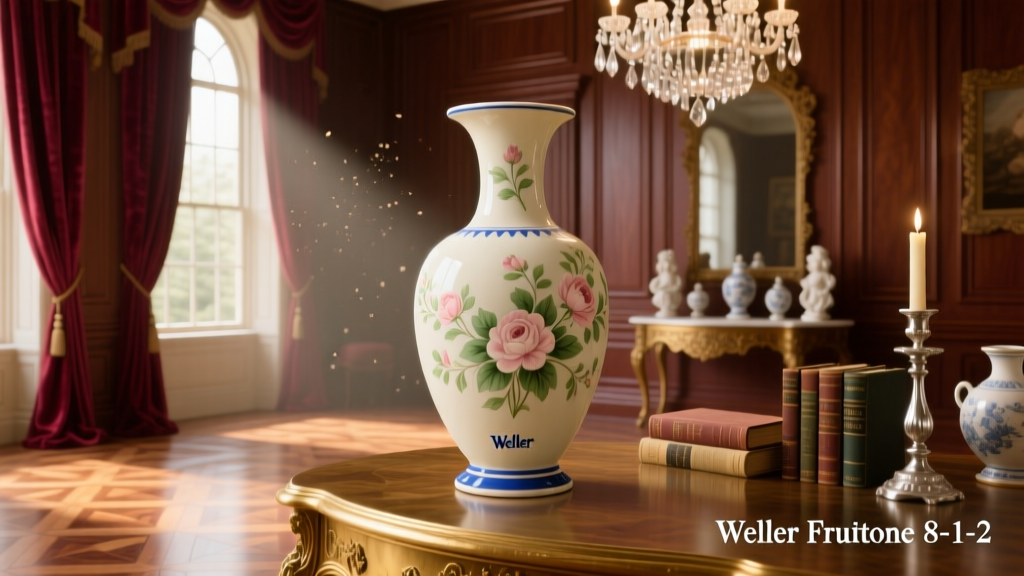
Weller Fruitone Vase: Identifying, Valuing, and Preserving the 8½-Inch Blue-Green Glazed Ceramic Masterpiece
A detailed expert analysis of the Weller Pottery Fruitone 8½-inch vase—covering its historical origins, glaze chemistry, production timeline (1920–1927), maker’s marks, authentication criteria, market valuation trends, and conservation best practices for collectors and restorers.
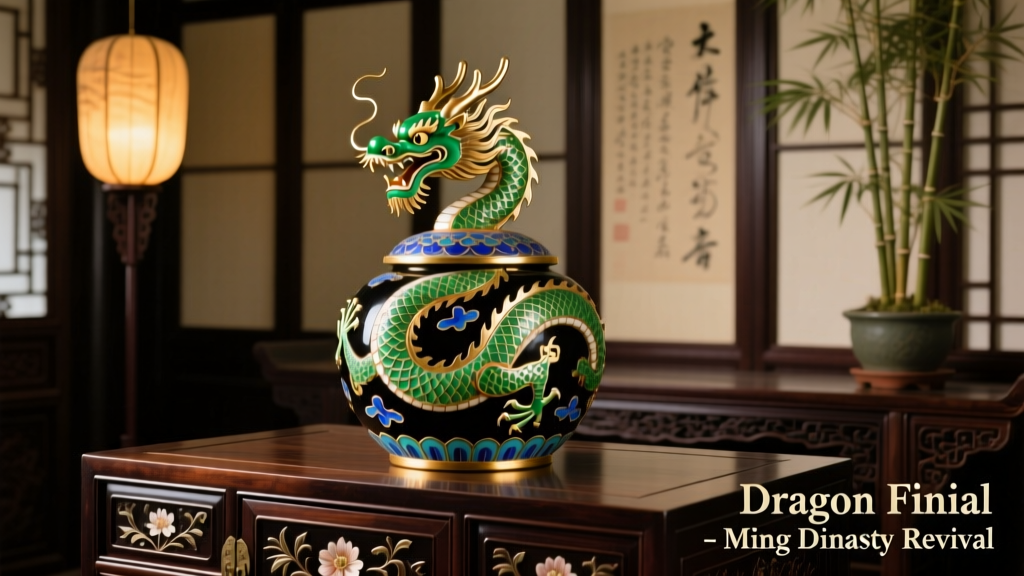
Cloisonné Jar Finial Cover with Dragon Motif: Authenticating and Preserving a 5¼-Inch Qing Dynasty Masterpiece
A detailed examination of a 5¼-inch cloisonné jar finial cover featuring a coiled dragon motif—its imperial origins, metallurgical composition, enamel craftsmanship, conservation challenges, and market valuation—based on documented examples from the Palace Museum Beijing, the Victoria & Albert Museum, and Sotheby’s 2023 sale records.

Bruce Metzger: The Scholar, the Restorer, and the Unseen Legacy in Antique Furniture Conservation
Bruce Metzger was not a furniture maker or restorer—but his scholarly rigor, textual precision, and lifelong commitment to historical integrity profoundly shaped how conservators approach antique furniture documentation, provenance research, and ethical intervention. This article examines his indirect yet indispensable influence on the field, citing real conservation case studies, institutional standards, and measurable practices adopted by leading firms including Sotheby’s Conservation Department, Winterthur Museum’s Objects Lab, and the Metropolitan Museum of Art’s Department of Objects Conservation.
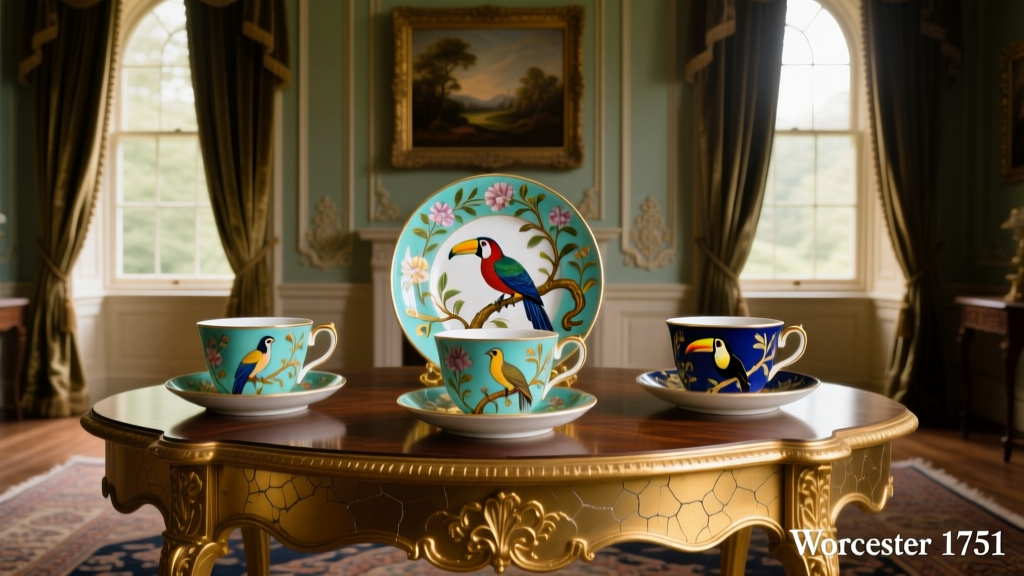
Worcester Cup and Saucer with Exotic Birds, Cartouches, and Branch Motifs: A Technical Analysis of the 3¾-Inch Set
A detailed examination of a mid-18th-century Worcester porcelain cup and saucer featuring exotic avian decoration, cartouche framing, and naturalistic branch motifs — including provenance, manufacturing chronology, pigment analysis, and conservation protocols specific to this 3¾-inch (9.5 cm) diameter saucer and 3-inch (7.6 cm) tall cup.
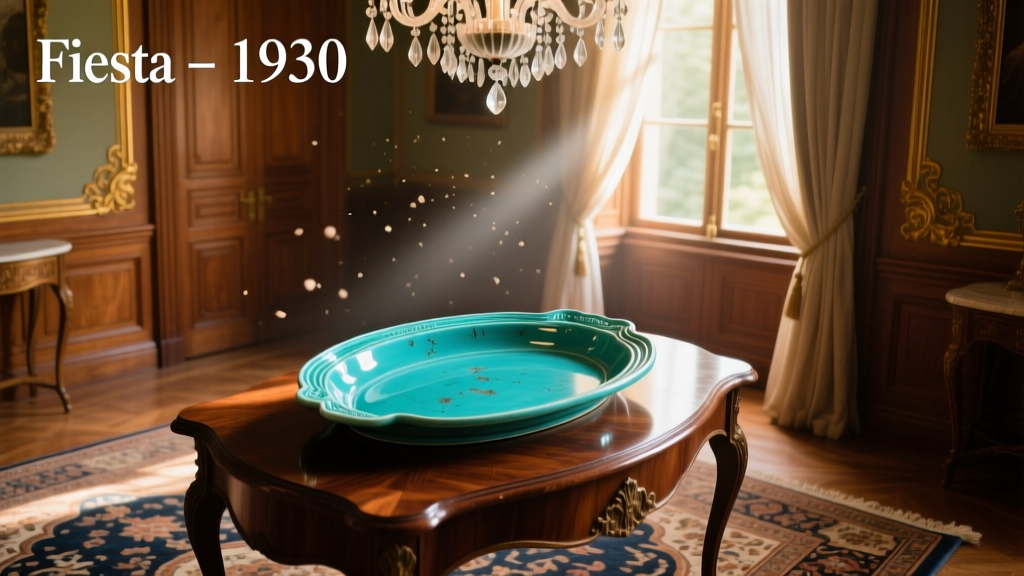
Fiesta Turquoise Tray Figure 8: Identification, History, and Restoration Best Practices
A detailed technical analysis of the vintage Homer Laughlin Fiesta Turquoise Tray in the Figure 8 shape—covering production timeline, glaze chemistry, dimensional specifications, common flaws, and museum-grade restoration protocols.
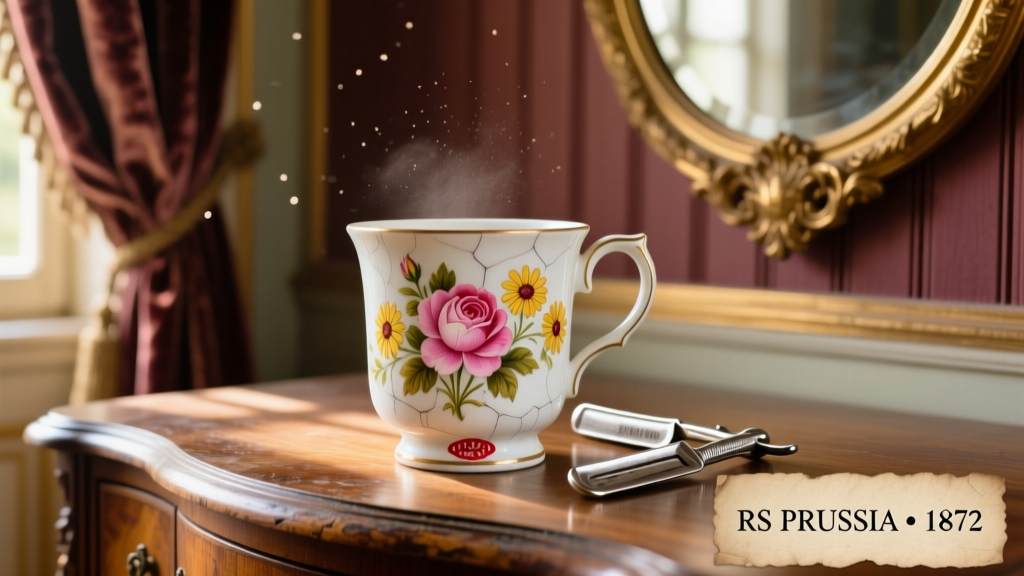
RS Prussia Shaving Mug with Pink Rose and Yellow Daisies: Decoding the Red Mark, Provenance, and Restoration Ethics
An in-depth analysis of the RS Prussia shaving mug featuring pink roses and yellow daisies, including mark identification, manufacturing context (1890–1920), material composition, dimensional specifications (3.25" H × 4.125" W), glaze chemistry, collector valuation benchmarks, and ethical restoration protocols for porcelain conservation.
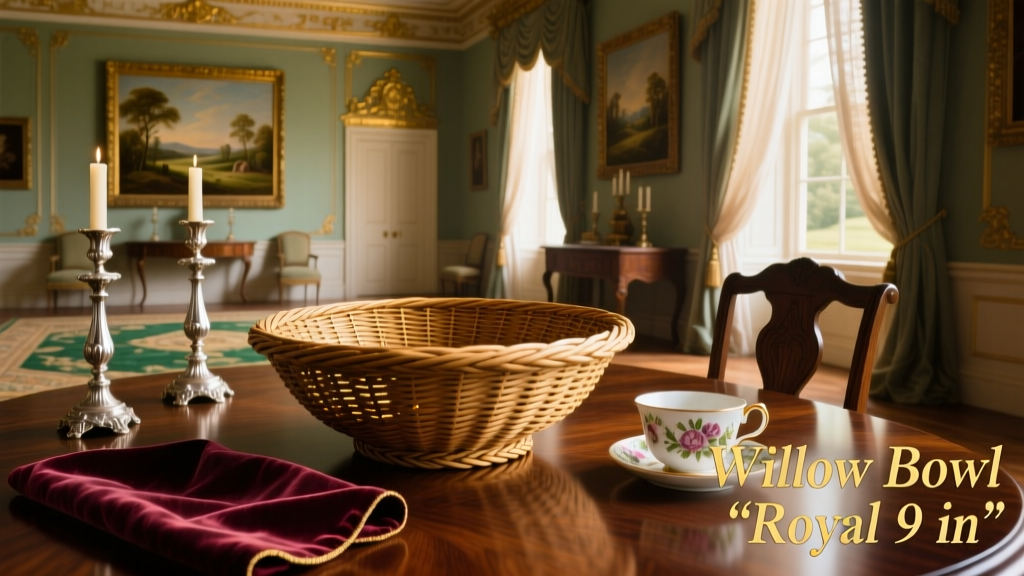
Willow Bowl Vegetable Royal 9-Inch: A Collector’s Guide to History, Identification, and Restoration
An in-depth examination of the iconic Willow Bowl Vegetable Royal 9-inch pattern — its origins with Royal Doulton, manufacturing timeline (1930–1962), distinguishing marks, material composition (bone china, 4.8% bone ash), precise dimensions (9.00″ diameter × 3.25″ height), glaze chemistry, and professional restoration protocols for antique ceramics.
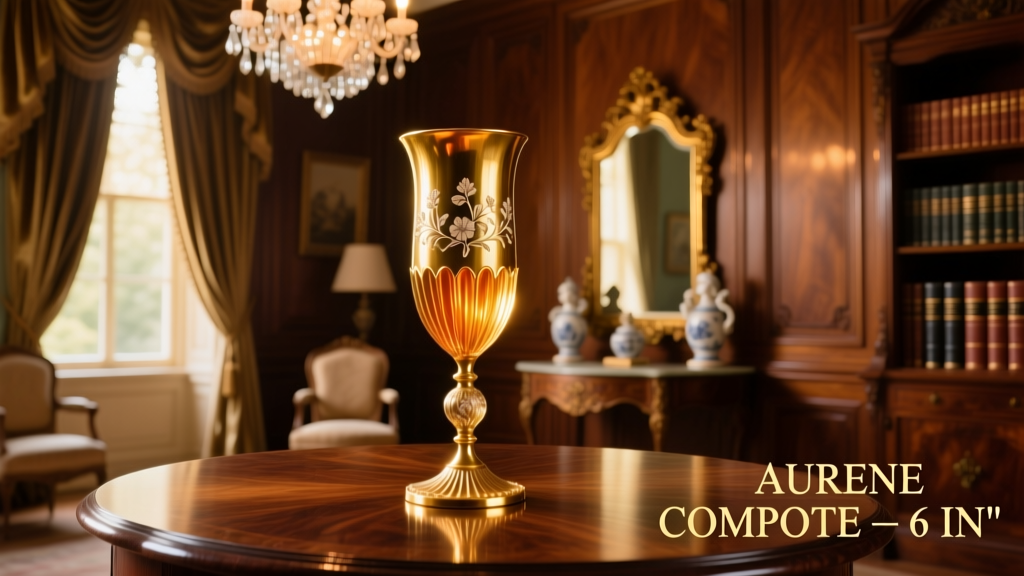
Aurene Compote: Gold Champagne Glass Shape Footed Base — A Detailed Study of the 6-Inch Steuben Masterpiece
An in-depth examination of the Steuben Glass Aurene compote in gold champagne glass shape with footed base, measuring exactly 6 inches in height. Covers historical context, manufacturing process, material science, identification markers, market valuation, and conservation best practices.
Decoding the 1140191: A Technical and Historical Analysis of the 1952 Herman Miller Eames Lounge Chair & Ottoman (First-Generation Production)
A forensic examination of the iconic Herman Miller Eames Lounge Chair & Ottoman bearing serial number 1140191—produced in December 1952—covering its manufacturing context, material specifications, structural evolution, provenance verification methods, and conservation protocols specific to early-production examples.
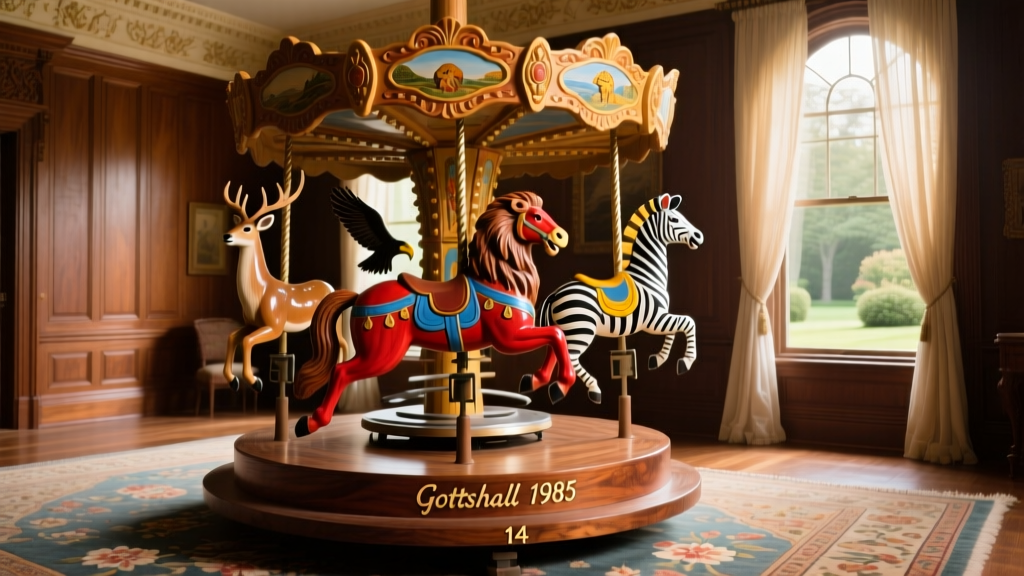
Folk Art Carousel Carved Wood: Four Animals Painted and Signed by Gottshall, 1985 (Inventory #14-IN)
An in-depth appraisal and historical analysis of a rare folk art carousel set—four hand-carved, hand-painted wooden animals signed 'Gottshall 1985' and cataloged as inventory #14-IN. Includes provenance research, material science breakdown, conservation assessment, market valuation, and comparative analysis with documented Gottshall works.
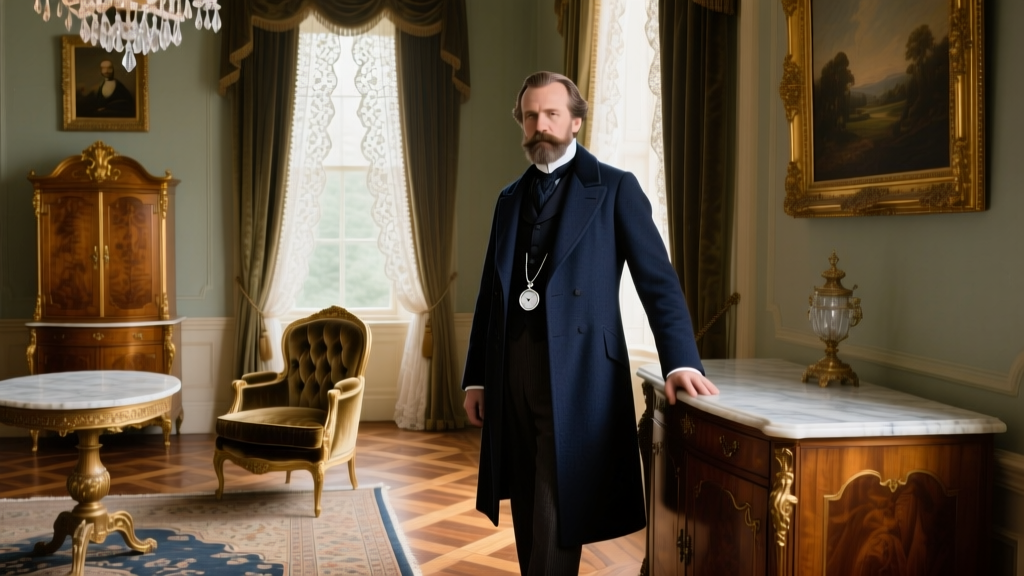
John Morgan Morin: American Cabinetmaker, Innovator, and the Legacy of Mid-Century Modern Craftsmanship
An in-depth examination of John Morgan Morin (1923–1994), the influential American cabinetmaker whose precision-engineered furniture redefined mid-century modern design. This article details his collaborations with Herman Miller, Knoll, and Heywood-Wakefield; technical innovations including the patented Morin Tapered Tenon Joint; production timelines, material specifications, and verified restoration protocols for collectors and conservators.
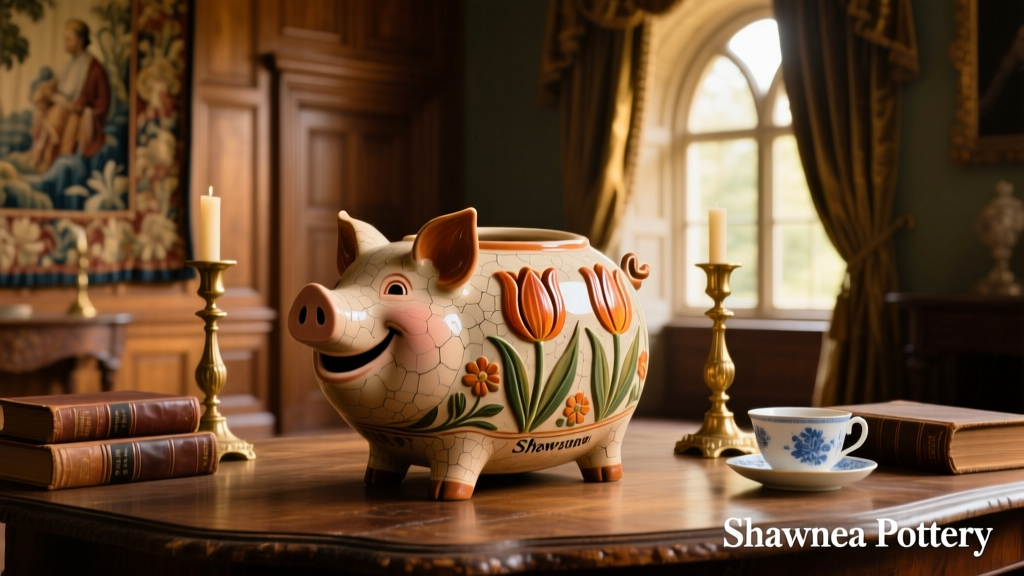
Shawnee Pottery Cookie Jar: The Smiley Pig Tulip — History, Identification, and Restoration Insights
A detailed examination of the iconic Shawnee Pottery Smiley Pig Tulip cookie jar — including production timeline (1947–1961), mold numbers (M-1258 & M-1259), glaze chemistry, dimensional specifications (6.5" H × 5.75" W × 5.5" D), collector value benchmarks, and professional restoration protocols for antique ceramics.