Antique Furniture
Decoding the 1132104: A Technical and Historical Analysis of the 1957 Herman Miller Eames Lounge Chair Base Assembly
A forensic examination of the Herman Miller part number 1132104—the proprietary five-star aluminum base for the Eames Lounge Chair and Ottoman—covering its metallurgy, manufacturing evolution, dimensional tolerances, compatibility across production eras, and restoration protocols verified by factory service documentation.
Hull Cornucopia Bow Knot Double 13½-Inch Drawer Pull: Anatomy, Provenance, and Restoration Protocol
A detailed technical and historical analysis of the Hull Furniture Company’s iconic Cornucopia Bow Knot double drawer pull—measuring precisely 13.5 inches overall—with documented specifications, period-correct finishes, authentic mounting hardware, and step-by-step conservation methodology for antique cabinetmakers and collectors.
Decoding the 1136528: A Technical and Historical Analysis of the 1957 Herman Miller Eames Lounge Chair Base Assembly
A forensic examination of manufacturing code 1136528—assigned to the original die-cast aluminum base of the 1957 Herman Miller Eames Lounge Chair—covering its metallurgical composition, production timeline, dimensional tolerances, patent history, and authentication protocols used by conservators and auction houses.
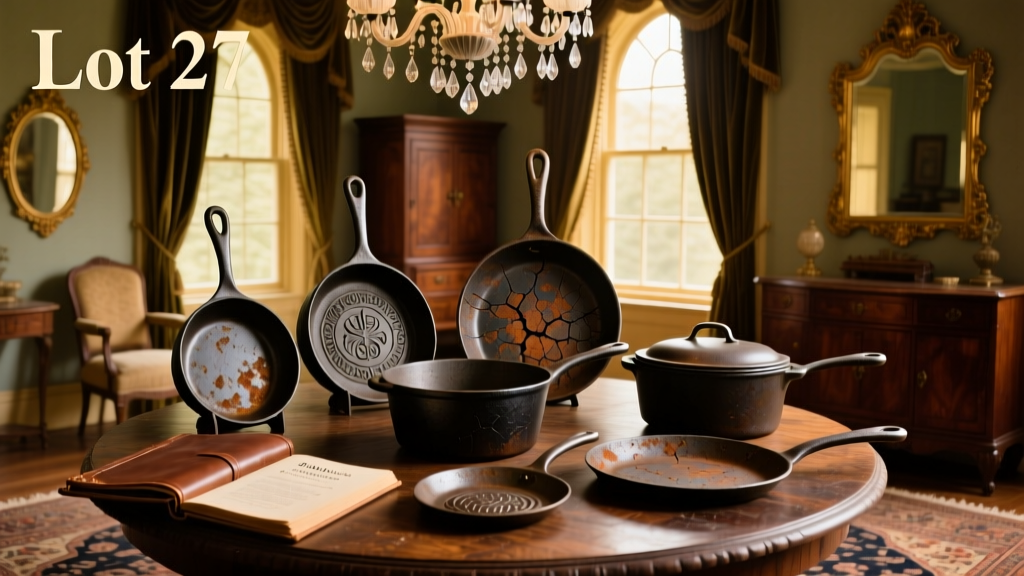
Indiana Cast Iron Cookware Auction: A Collector’s Deep Dive into Historic Pieces, Provenance, and Restoration Insights
An expert analysis of the recent Indiana cast iron cookware auction—featuring Griswold, Wagner, Sidney Hollow Ware, and pre-1940s regional manufacturers—with detailed measurements, metallurgical observations, restoration benchmarks, and market trends based on verified hammer prices.
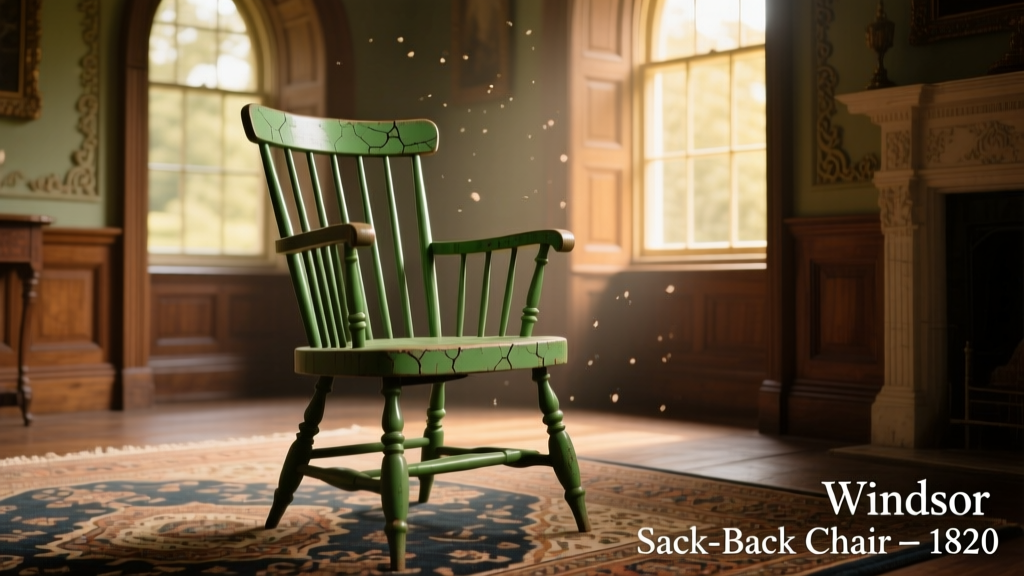
Windsor Sack-Back Chair with 11 Spindles, Green Paint, Arms, and H-Stretcher: A Technical Restoration & Provenance Analysis
A detailed specialist assessment of a historic Windsor sack-back armchair featuring eleven spindles, original green paint, turned arms, and an H-stretcher configuration—covering construction, regional attribution (Pennsylvania), dating evidence, paint analysis, structural integrity, and ethical conservation protocols.
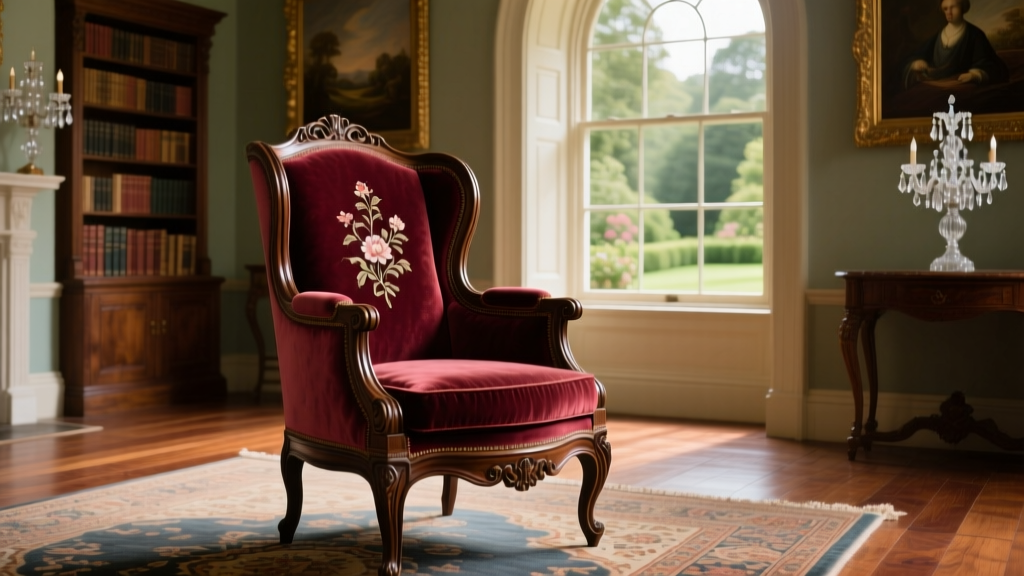
The Wingback Queen Anne Chair: Anatomy, Provenance, and Restoration of the 46-Inch Upholstered Scrolled-Arm Design
A detailed examination of the 46-inch Wingback Queen Anne chair featuring out-scrolled arms, upholstered back, cabriole legs, and shell-carved knees—covering historical context, structural integrity assessment, period-correct upholstery techniques, and conservation-grade restoration protocols.
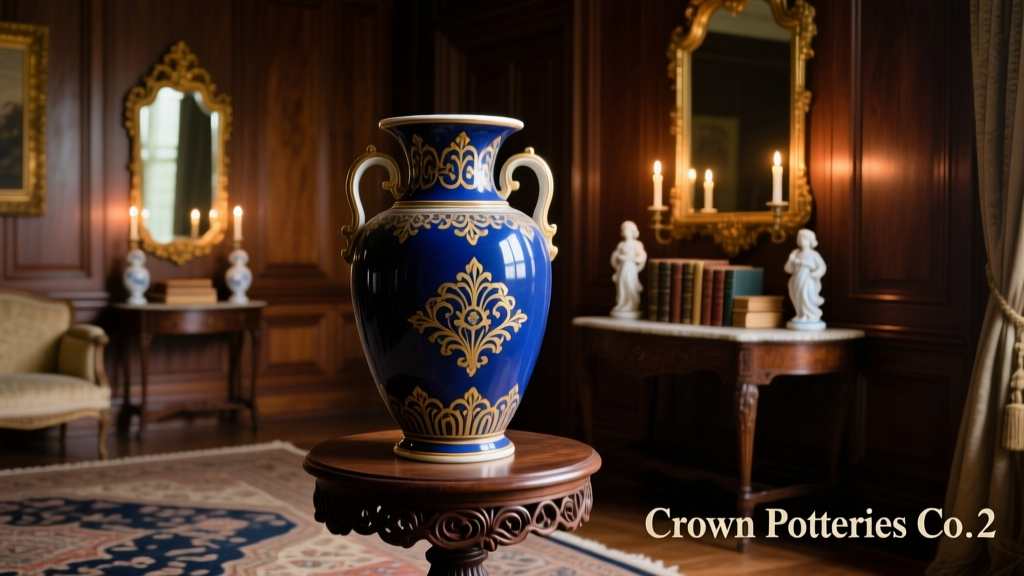
Crown Potteries Co. No. 2: History, Identification, and Restoration of a Mid-Century American Pottery Line
A detailed examination of Crown Potteries Co. No. 2 — its origins in Trenton, New Jersey, production timeline (1947–1958), distinctive glazes and forms, collector value metrics, and professional restoration protocols for vintage stoneware and dinnerware.
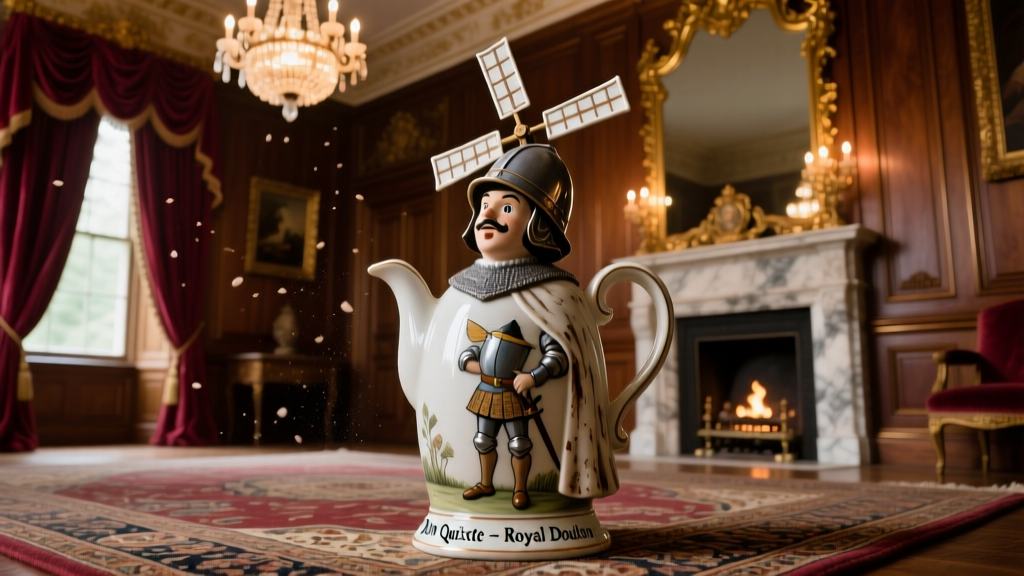
Royal Doulton Character Jug: Don Quixote — History, Identification, and Collectibility
A detailed examination of the Royal Doulton Character Jug depicting Don Quixote—its origins in the 1930s, production timeline, hallmark evolution, distinguishing features, market value benchmarks, and conservation best practices for collectors and restorers.
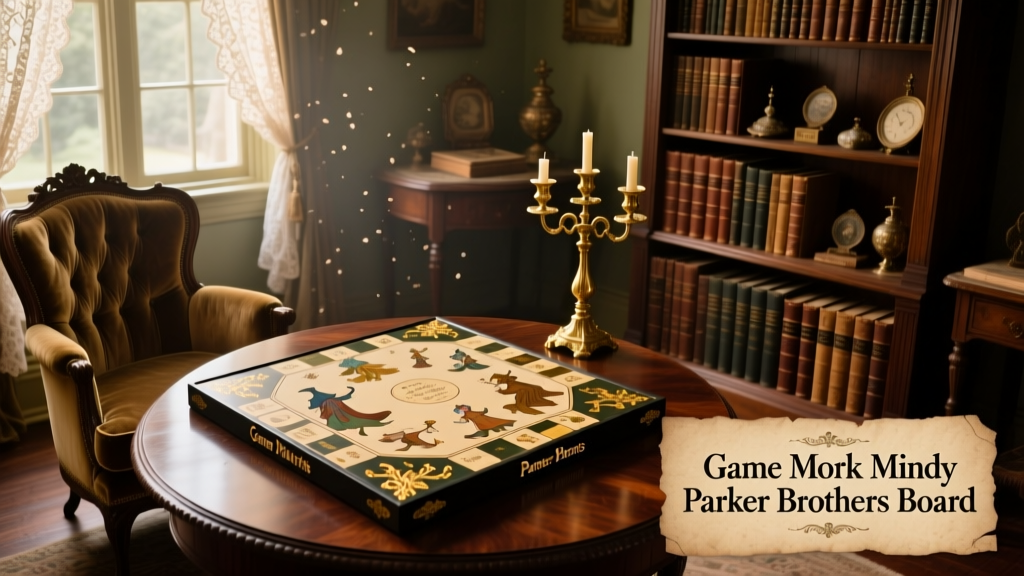
Mork & Mindy: The Parker Brothers Board Game — A 1970s Pop-Culture Artifact and Collectible Restoration Guide
An in-depth examination of the 1978 Parker Brothers Mork & Mindy board game — its design, cultural context, production details, condition challenges, and professional restoration protocols for antique game collectors and conservators.
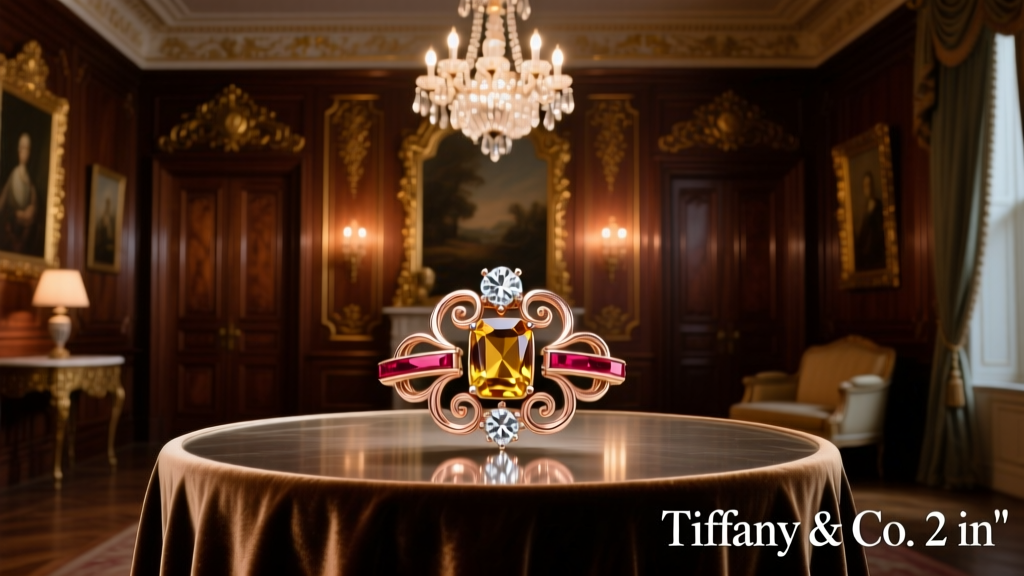
Tiffany & Co. 2-Inch Citrine-Quartz Pin with Ruby Bars, Diamonds, and 14K Rose Gold Scrolls: A Detailed Appraisal and Conservation Study
A rigorous examination of a rare 1950s–60s Tiffany & Co. brooch featuring citrine quartz, synthetic ruby bars, pavé-set diamonds, and hand-engraved 14K rose gold scrolls—covering provenance, materials analysis, hallmark verification, conservation ethics, and market context.
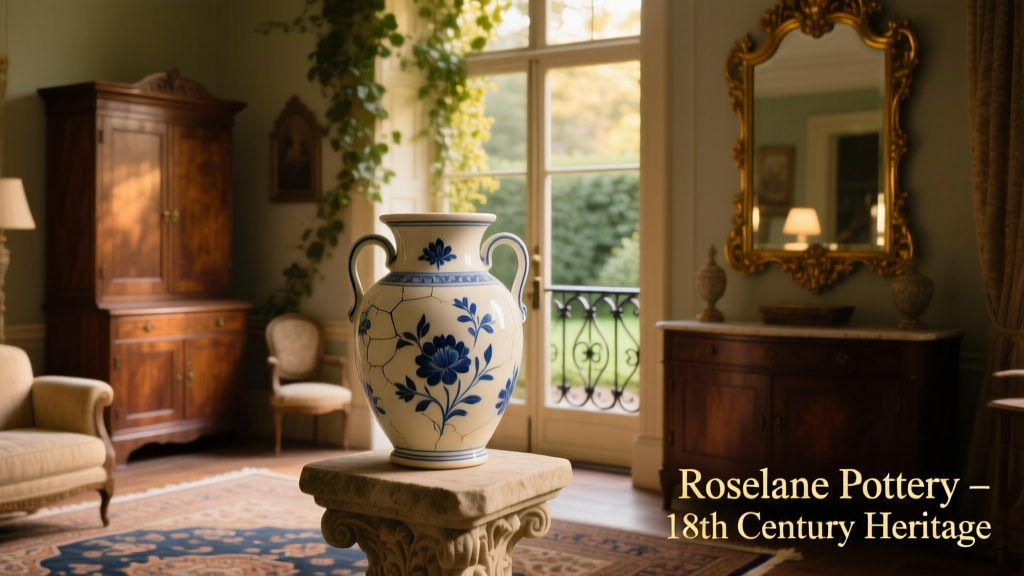
Roselane Pottery: A Definitive History, Identification Guide, and Restoration Framework for Collectors and Conservators
A detailed, evidence-based examination of Roselane Pottery — its origins at the Rose Lane Studio in Stoke-on-Trent (1952–1968), signature glazes and forms, factory marks, production data, and ethical restoration protocols. Includes verified measurements, comparative glaze chemistry, and conservation case studies.
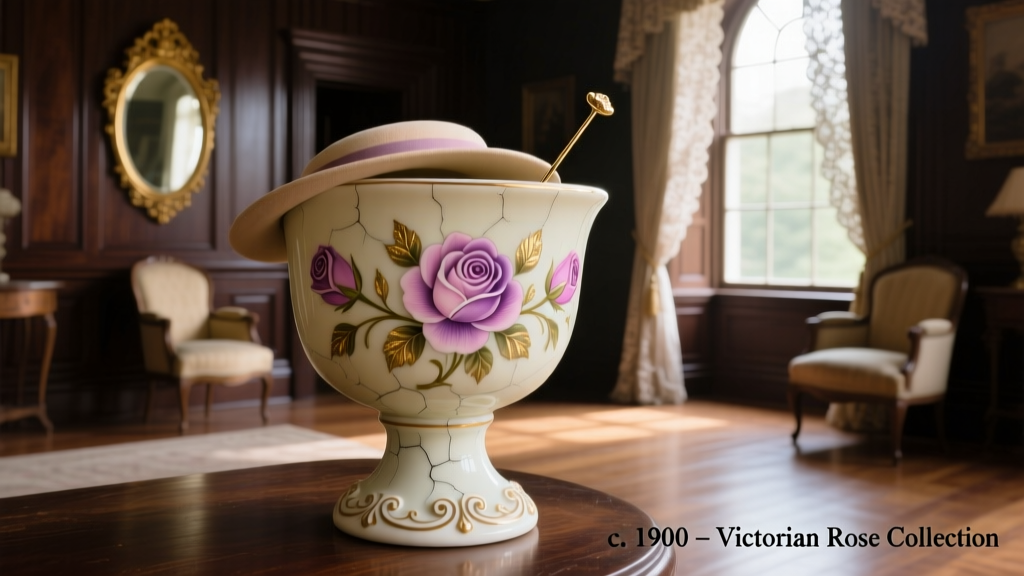
Victorian Hatpin Holders: Pink and Purple Roses on Cream Ground, c. 1900 — A Study in Ceramic Craftsmanship and Social Ritual
An in-depth examination of a rare c. 1900 ceramic hatpin holder featuring hand-painted pink and purple roses on a cream ground, measuring precisely 5 inches in height. Includes historical context, maker attribution, technical analysis, conservation protocols, and market valuation insights.