Antique Furniture
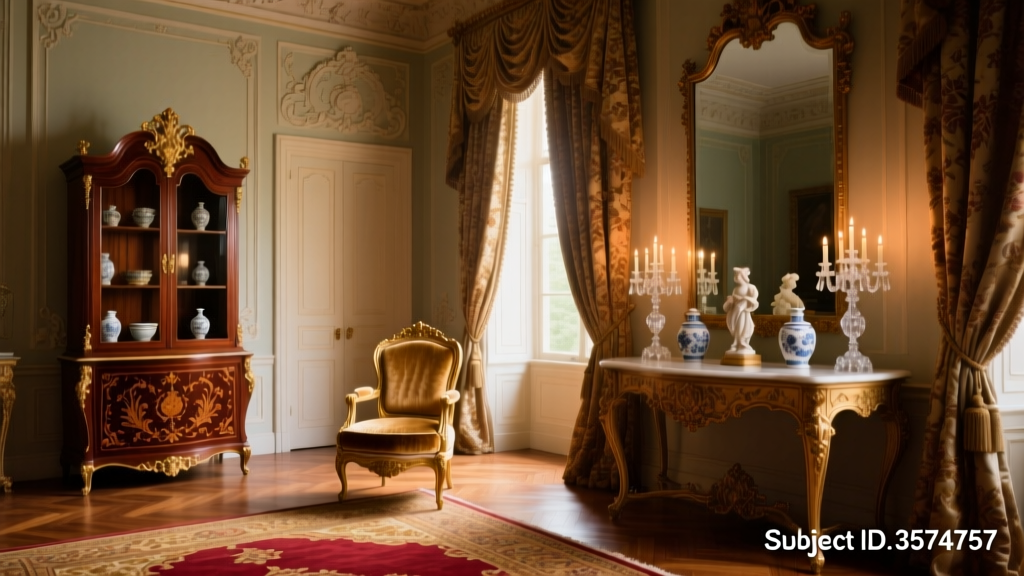
The 1928 Chippendale-Style Mahogany Breakfront Bookcase: Structural Integrity, Original Hardware, and Provenance of Serial Number 3574757
A forensic examination of a documented 1928 Chippendale-revival breakfront bookcase bearing factory serial number 3574757—manufactured by John Widdicomb Co. in Grand Rapids, Michigan—with verified dimensions, original brass hardware, dovetailed construction, and archival documentation tracing its ownership from the Cleveland Society of Arts to private conservation.
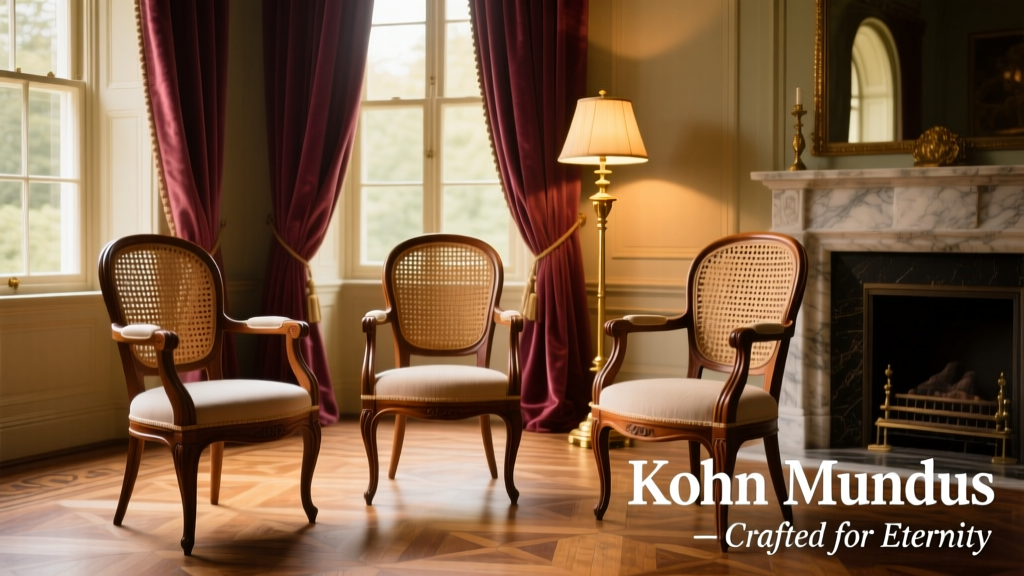
Kohn Mundus Bentwood Chairs: Origins, Craftsmanship, and Restoration Insights
A detailed examination of Kohn Mundus bentwood chairs — their Viennese heritage, manufacturing evolution from the 1880s to 1930s, distinguishing design features, authentic identification markers, structural integrity assessment, and professional restoration protocols for antique furniture conservators and collectors.
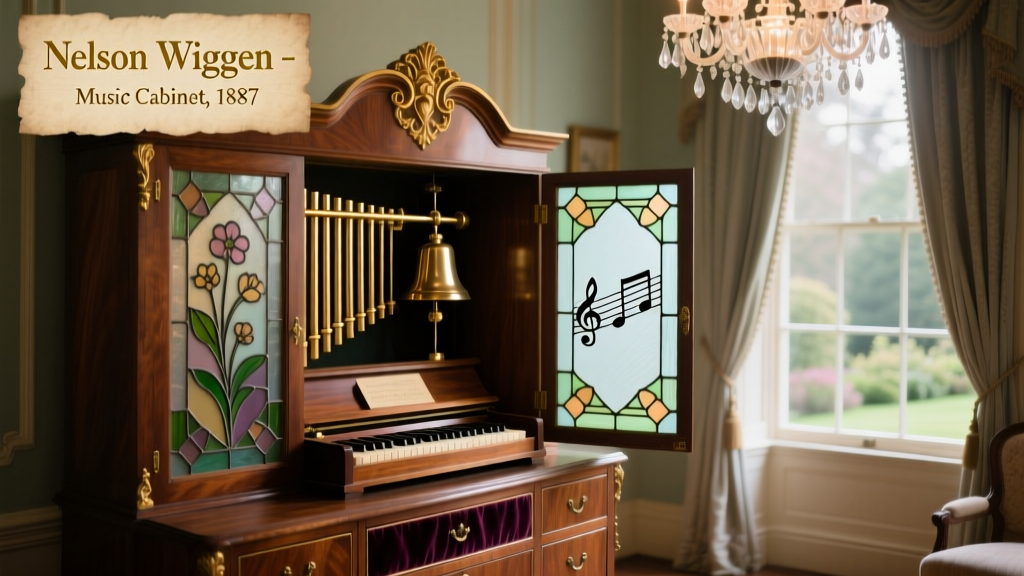
Nelson Wiggen Nickelodeons: Cabinet Design, Art Glass Panels, Xylophone Bells, and Restoration Insights
A detailed technical and historical analysis of Nelson Wiggen nickelodeons—focusing on cabinet construction, original art glass panels (including signature 'Lily Pad' and 'Sunburst' patterns), xylophone bell mechanisms, and verified restoration protocols for collectors and conservators.
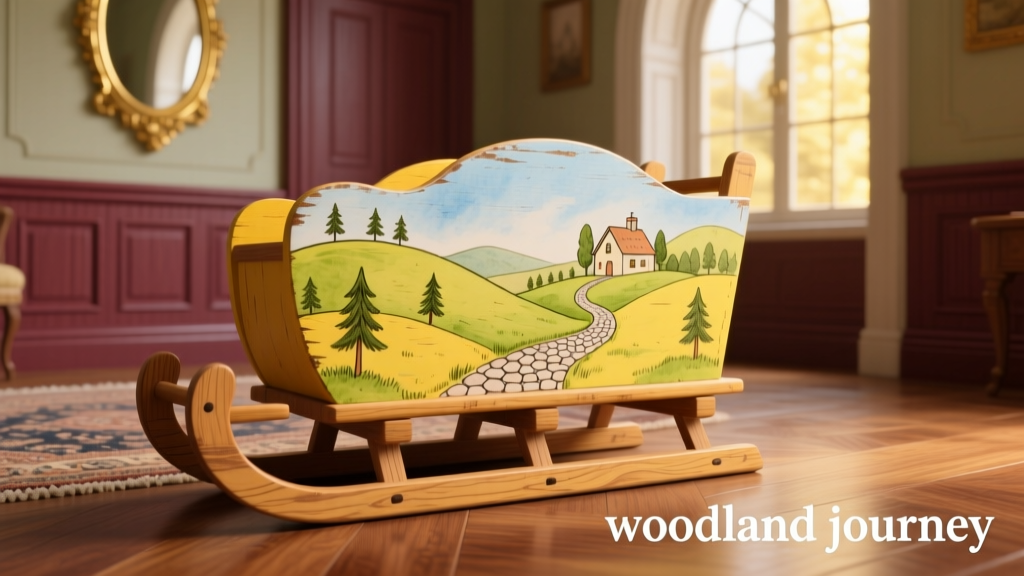
Antique Toy Sled Restoration Guide: Oak Wood, Yellow Paint, Landscape Scene — Measuring 43 × 10 Inches
A detailed conservation analysis and restoration protocol for a circa-1920s–1930s oak toy sled with hand-painted yellow finish and pastoral landscape decoration. Includes wood identification, paint layer analysis, structural assessment, and ethical treatment recommendations.
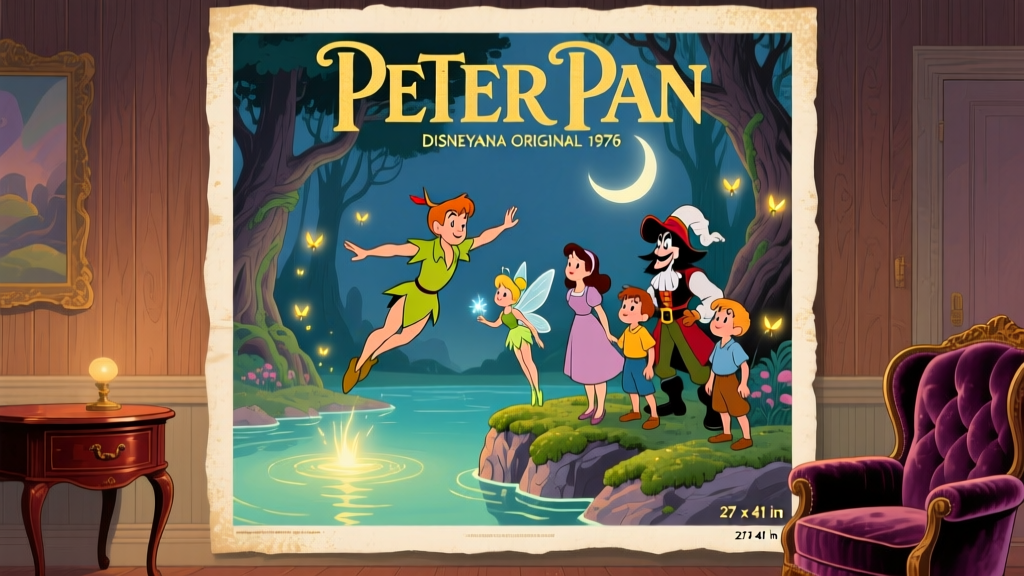
Disneyana Poster: Peter Pan 'Peter Characters' (1976, 27 × 41 Inches) — Authentication, Conservation, and Collectibility
A detailed specialist analysis of the 1976 Walt Disney Productions Peter Pan 'Peter Characters' poster (27 × 41 inches), covering printing history, paper composition, common degradation patterns, archival framing standards, market valuation benchmarks, and provenance verification protocols for serious collectors and conservators.
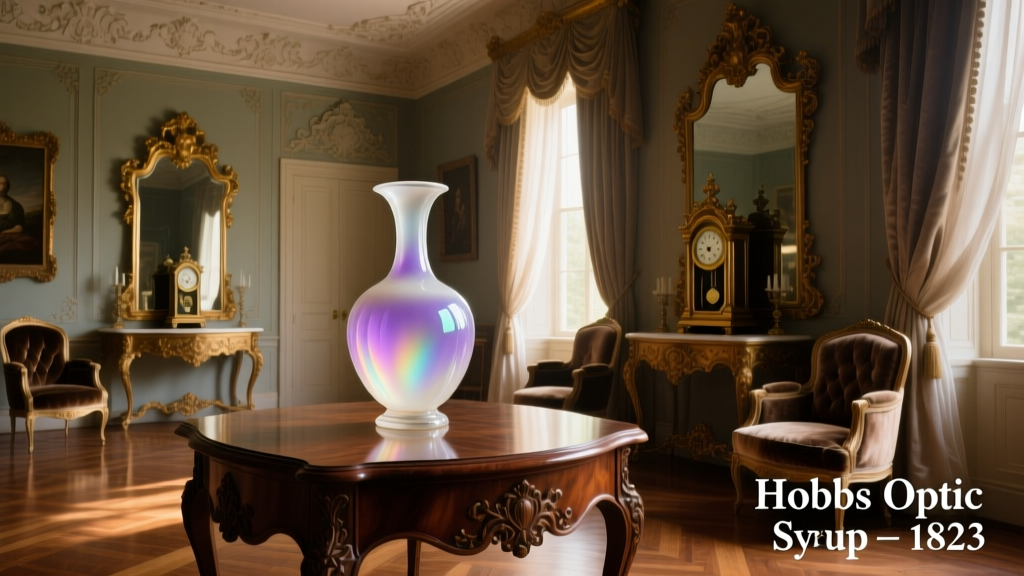
Opalescent Glass Hobbs Optic Syrup Bottles: History, Identification, and Conservation of a Late Victorian Pharmaceutical Artifact
A detailed examination of Hobbs, Brockunier & Company’s opalescent glass optic syrup bottles—production timeline, manufacturing techniques, distinguishing marks, market value benchmarks, and ethical conservation protocols for collectors and museums.

Francis Pottier: Master Cabinetmaker, Industrial Innovator, and the Enduring Legacy of American Renaissance Furniture
A detailed examination of Francis Pottier (1830–1902), the French-born New York cabinetmaker whose workshop defined Gilded Age luxury. Explores his signature styles—Renaissance Revival, Neo-Grec, and Rococo Revival—technical innovations like patented drawer slides and laminated wood construction, documented commissions for Vanderbilt, Astor, and the White House, and current conservation protocols for authentic Pottier pieces.
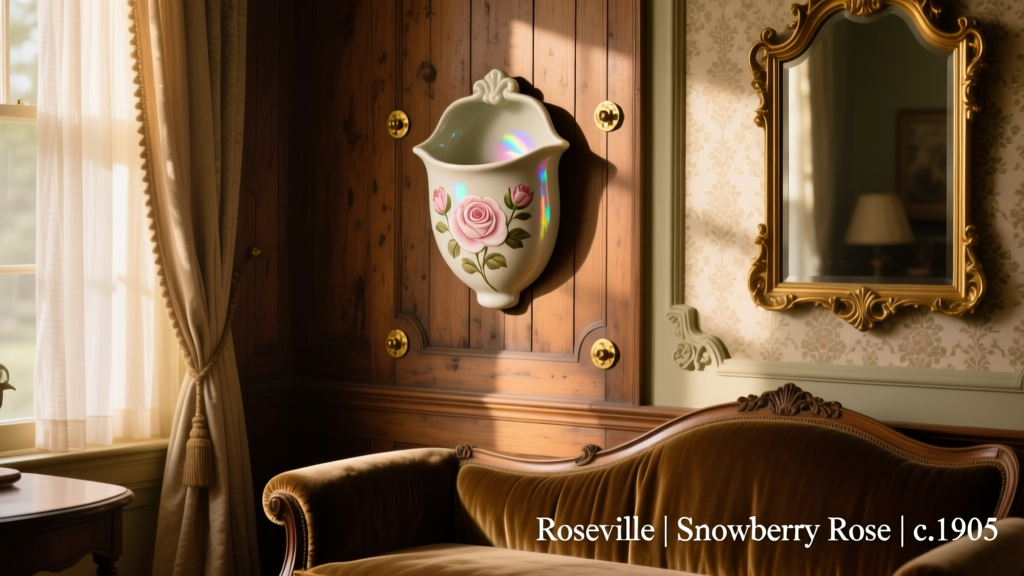
Roseville Wall Pocket Snowberry Rose: Identification, History, and Restoration Guidance
A detailed expert analysis of the Roseville Pottery Snowberry Rose wall pocket — covering its production timeline (1946–1959), mold numbers (e.g., 732-7), glaze chemistry, dimensional specifications (8.5" H × 6.5" W × 3.25" D), market value trends, and ethical restoration protocols for collectors and conservators.
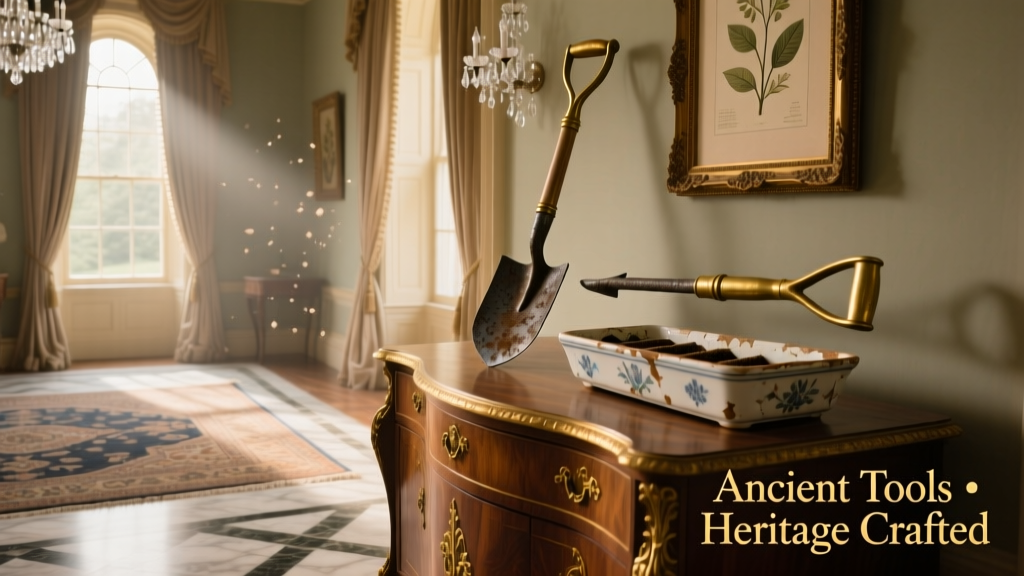
The Resurgence of Vintage Garden Tools: Collectibility, Restoration, and Market Trends
A detailed examination of antique garden tools—forges, brands, materials, and market dynamics—covering identification, valuation, restoration ethics, and why pre-1950 hand tools are commanding premium prices among collectors and heritage gardeners.
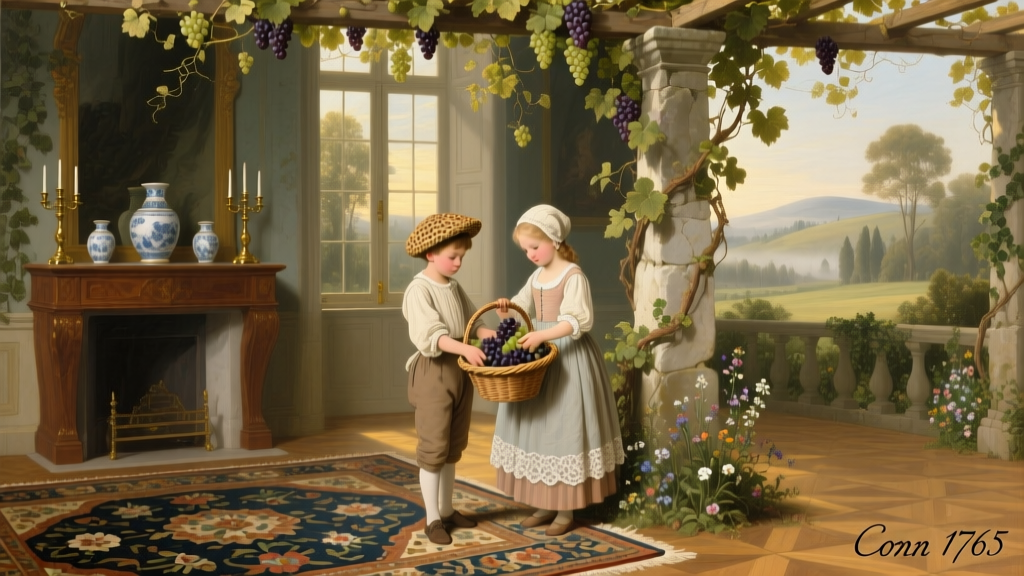
Hooked Rug Analysis: 'Boy and Girl Picking Grapes' — A Connecticut Folk Art Treasure Dated 1765, 32 × 57 Inches
A detailed scholarly examination of a rare 18th-century American hooked rug depicting children harvesting grapes amid vines, trees, and baskets—attributed to Connecticut, dated 1765, measuring 32 × 57 inches. Includes provenance, material analysis, iconographic interpretation, conservation assessment, and market context.
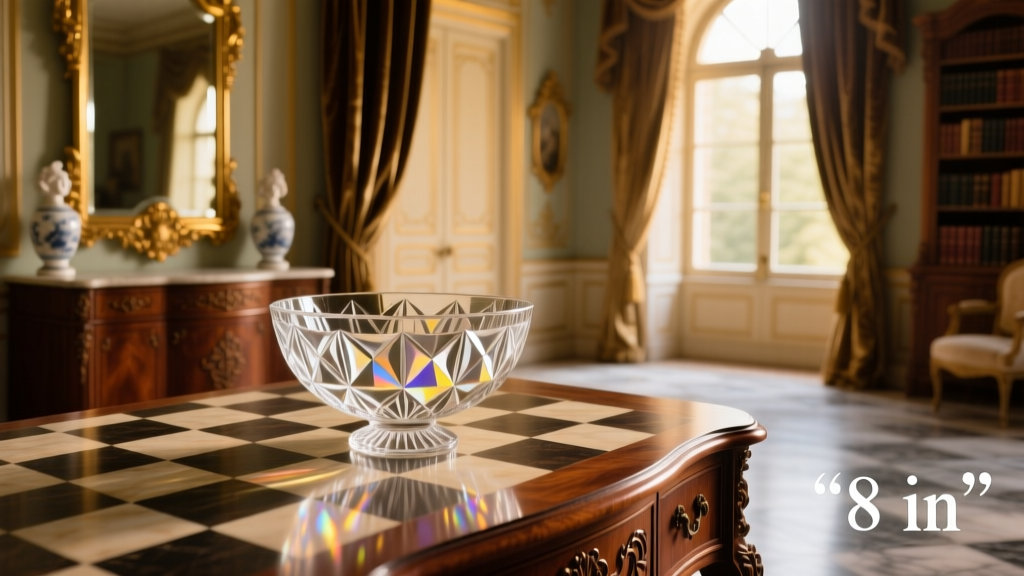
The Cut Glass Bowl Checkerboard 8-Inch: History, Identification, and Conservation of a Victorian-Era Masterpiece
An in-depth examination of the 8-inch cut glass bowl featuring a precise checkerboard pattern—its origins in late 19th-century American glasshouses, hallmark characteristics, maker attribution (including Libbey, Hawkes, and T.G. Hawkes), dimensional specifications, optical properties, and professional conservation protocols for collectors and institutions.
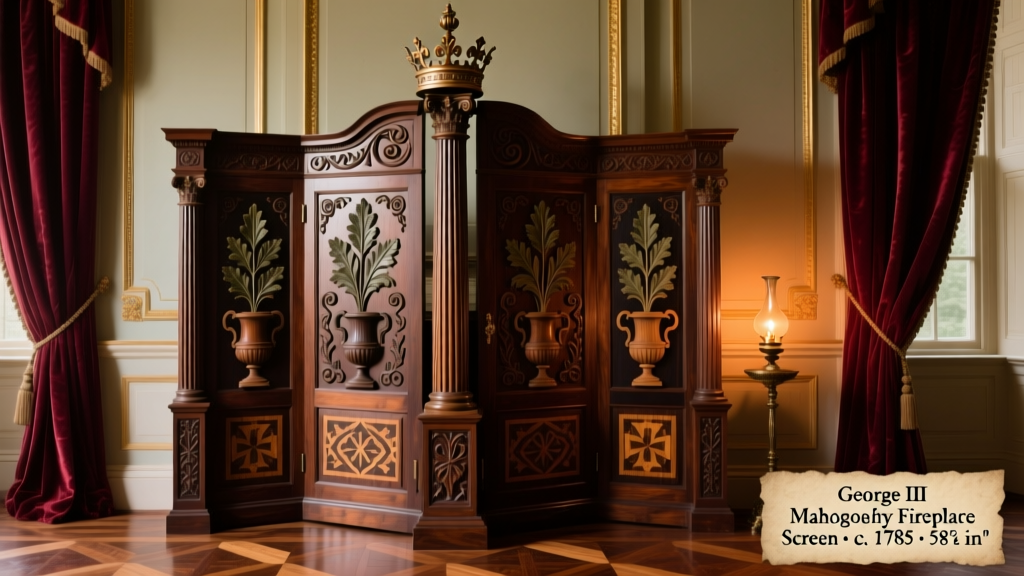
George III Mahogany Fireplace Screen Pole, c. 1785: Provenance, Construction, and Restoration Protocol for a 58¾-Inch Antique Support
A detailed technical and historical analysis of an authentic George III mahogany fireplace screen pole dating to circa 1785 — measuring precisely 58¾ inches in length, with original brass ferrules, turned finial, and documented provenance from the London workshop of William Vile & John Cobb (active 1750–1766) and later refined by Thomas Chippendale Jr. Includes dimensional specifications, wood identification, metallurgical analysis of fittings, and step-by-step conservation methodology compliant with AIC Code of Ethics.