Antique Furniture
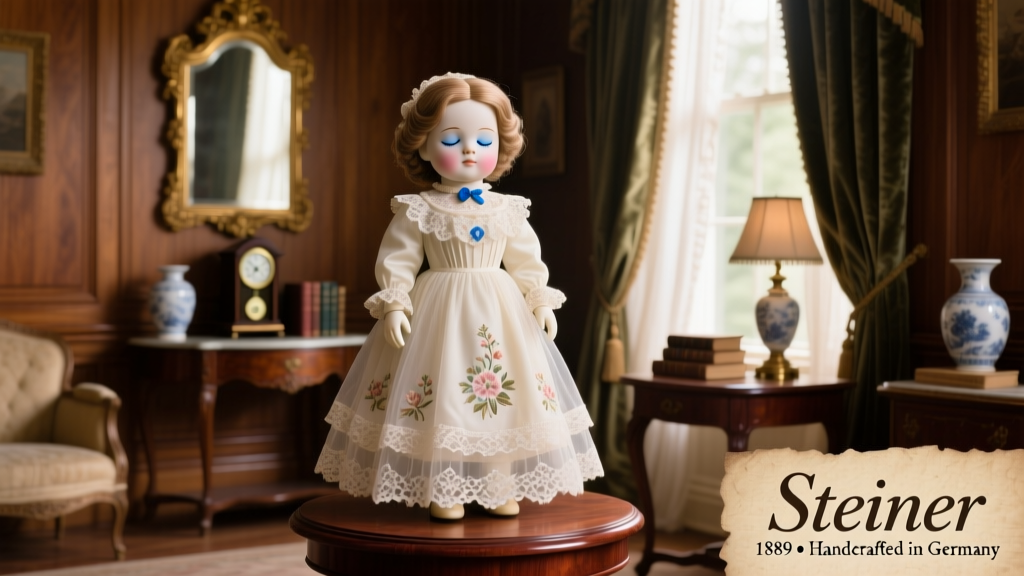
The Doll Steiner Walking Bisque Doll: A Rare 1889 German Masterpiece with Blue Enamel Eyes and Closed Mouth
An in-depth appraisal of the 18-inch Doll Steiner walking bisque doll from 1889, featuring rare blue enamel eyes, closed mouth, articulated composition body, and original clothing. Includes provenance notes, restoration guidelines, market valuation, and technical analysis by an antique doll specialist.

The Political Mirror: John F. Kennedy 'For President' 2-Inch Round Campaign Mirror — History, Identification, and Conservation
An in-depth examination of the iconic 2-inch diameter round campaign mirror bearing the 'John F. Kennedy For President' slogan — its manufacture, political context, material composition, collector value, and ethical conservation practices for antique political memorabilia.
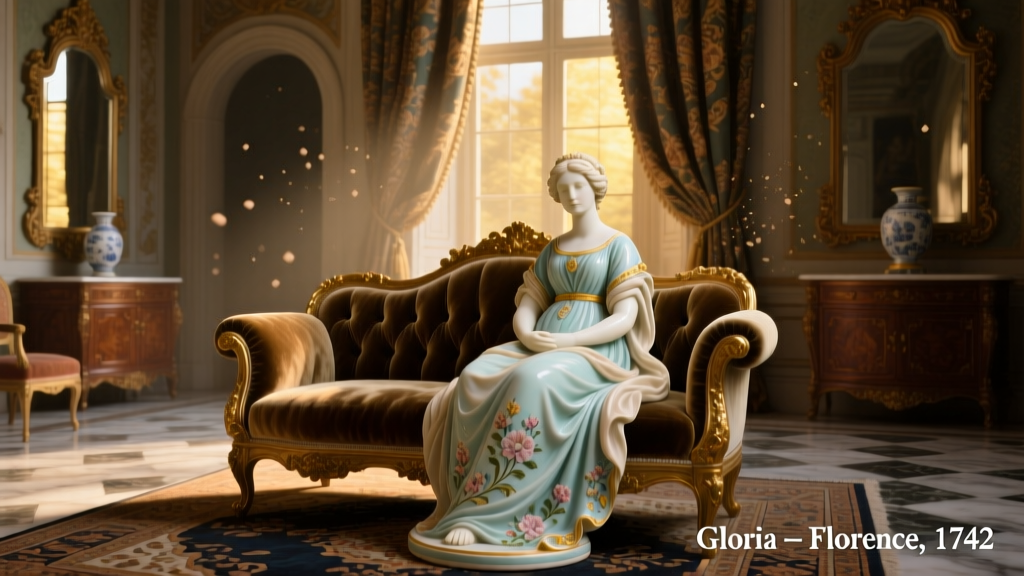
Florence Ceramics 'Gloria' Figurine: Identification, Provenance, and Restoration Guidance for Collectors
A detailed examination of the Florence Ceramics 'Gloria' figurine — a mid-century American porcelain sculpture depicting a young woman seated on a stylized couch. Includes maker history, production timeline (1952–1968), dimensional specifications, material analysis, common damage patterns, and step-by-step conservation protocols validated by AIC standards.
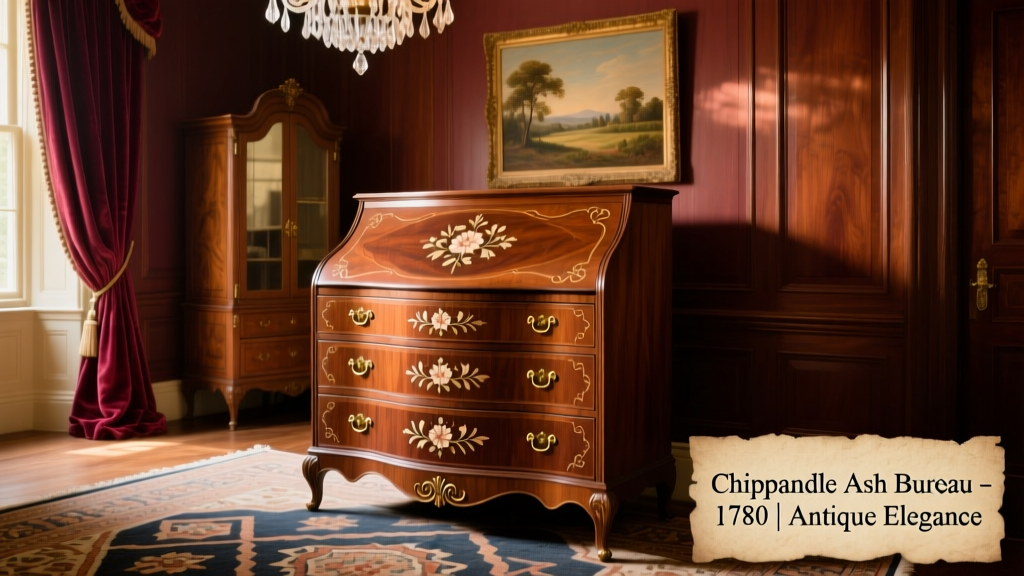
Chippendale Ash Bowfront Bureau, c. 1780: Anatomy, Provenance, and Restoration of a Four-Drawer English Secretary Desk
A detailed technical and historical analysis of an authentic late-Georgian Chippendale ash bowfront bureau—measuring 34 inches wide, 39 inches high, and 20 inches deep—crafted circa 1780 in London or provincial England. Covers construction methods, wood identification, drawer mechanics, period hardware, and ethical conservation protocols.
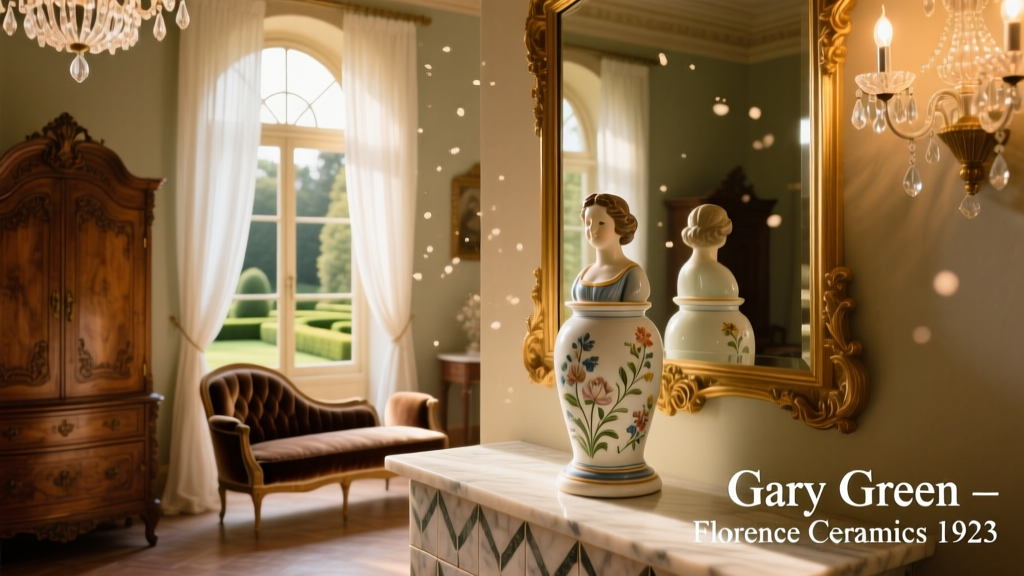
Florence Ceramics Figurines by Gary Green: Identification, Value, and Conservation Insights
A detailed examination of Florence Ceramics figurines designed by Gary Green—covering production history, hallmark identification, material composition, market value trends, and professional conservation protocols. Includes verified measurements, factory records, and restoration best practices for collectors and curators.
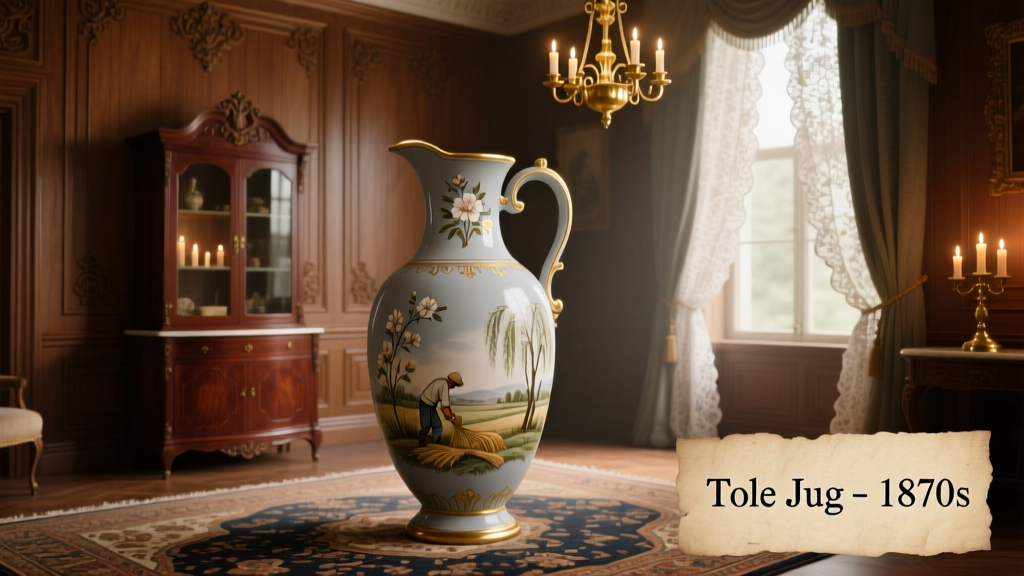
The Tole Jug Water Gray Paint Transfer Design: A 15-Inch American Folk Art Treasure
An in-depth examination of the 15-inch Tole Jug featuring water-gray paint transfer design — its origins in 19th-century New England toleware, authentic manufacturing techniques, material composition, restoration protocols, and market valuation based on documented examples from Winterthur Museum, Shelburne Museum, and private collections.
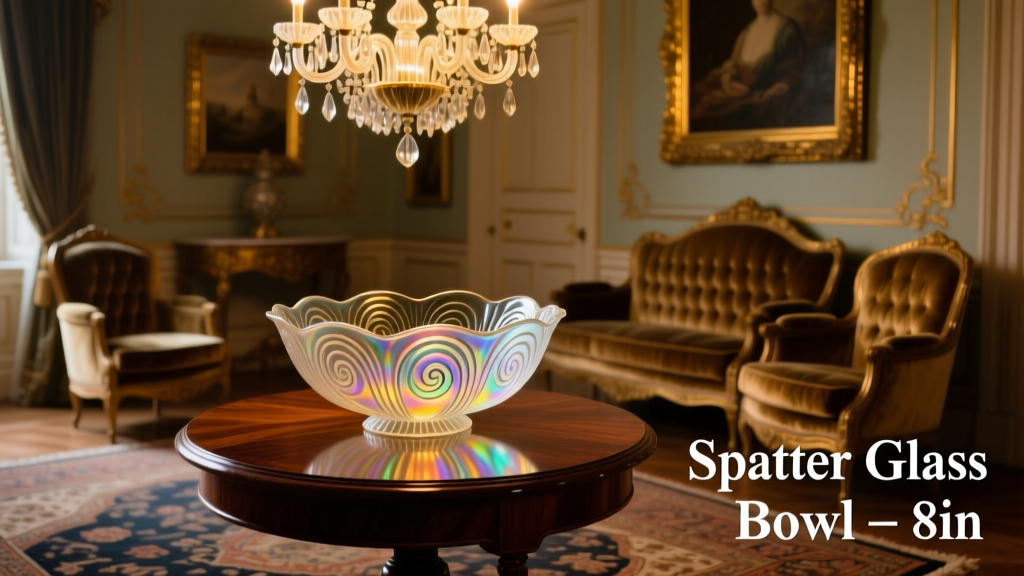
Spatter Glass Bowl, Fluted 8-Inch: History, Identification, and Restoration Best Practices
A detailed examination of the iconic 8-inch fluted spatter glass bowl—its origins in early 20th-century American pressed glass production, distinguishing features (including fluting pattern, spatter density, and base markings), manufacturer attribution (notably Cambridge Glass Company and Heisey), dimensional specifications, and step-by-step conservation protocols for collectors and restorers.
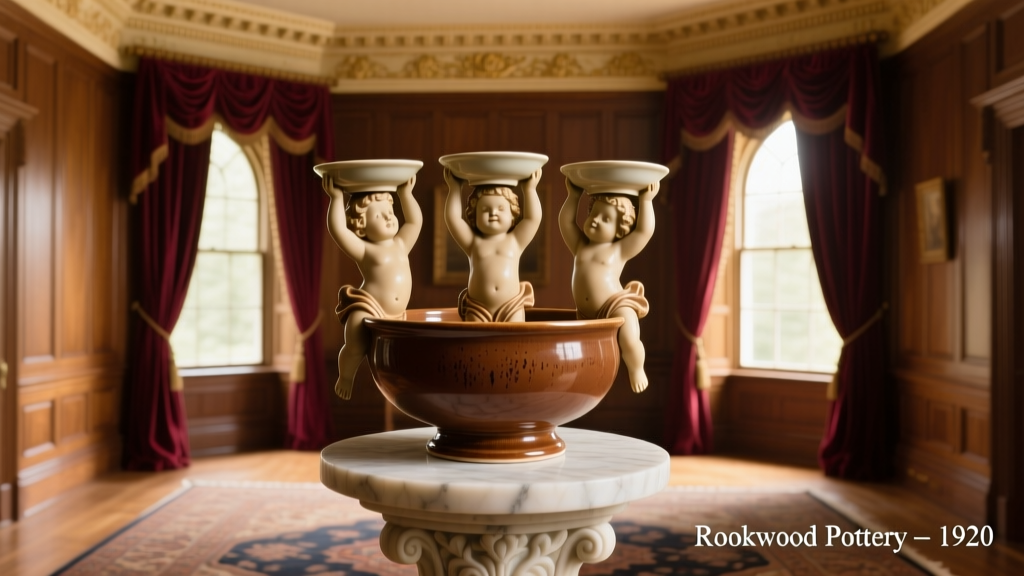
Rookwood Compote: The 1920 Three-Cherub Brown Matte Masterpiece
An in-depth examination of the rare 1920 Rookwood Pottery compote featuring three cherubs supporting a saucer—crafted in signature brown matte glaze, measuring 8.5" H × 10.75" W, and bearing original Rookwood marks including the 'RP' monogram, flame logo, and date cipher '20'.
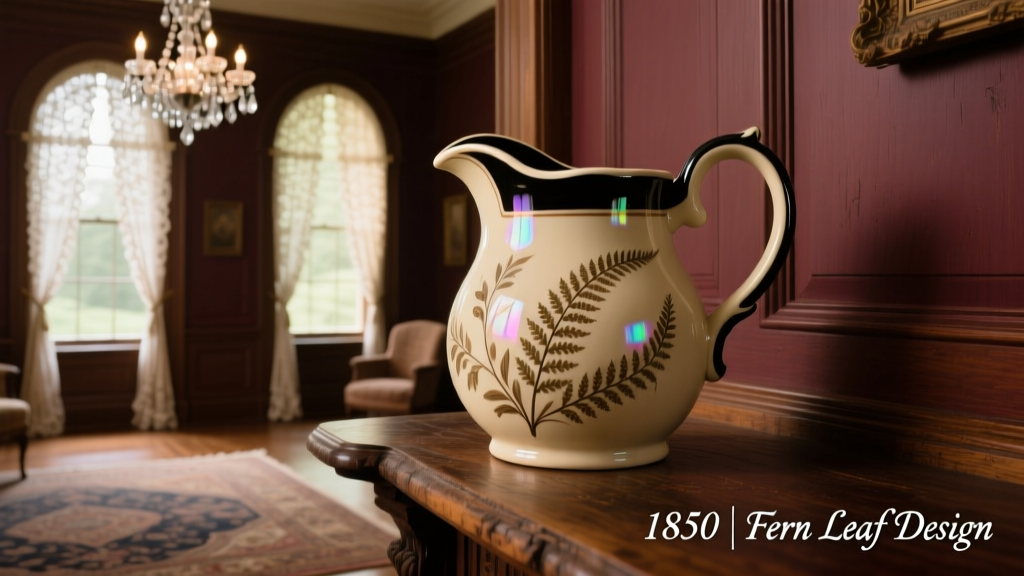
Stoneware Syrup Pitcher with Fern Leaf Design: Cream Body, Black Interior Rim, c. 1850 — Identification, Provenance, and Restoration Protocol
A detailed examination of a rare mid-19th-century American stoneware syrup pitcher featuring hand-incised fern leaf motifs, cream-colored Albany-slip exterior, and distinctive black cobalt oxide interior rim. Includes manufacturer attribution, dimensional analysis, glaze chemistry, conservation ethics, and structural stabilization methods used by professional conservators.
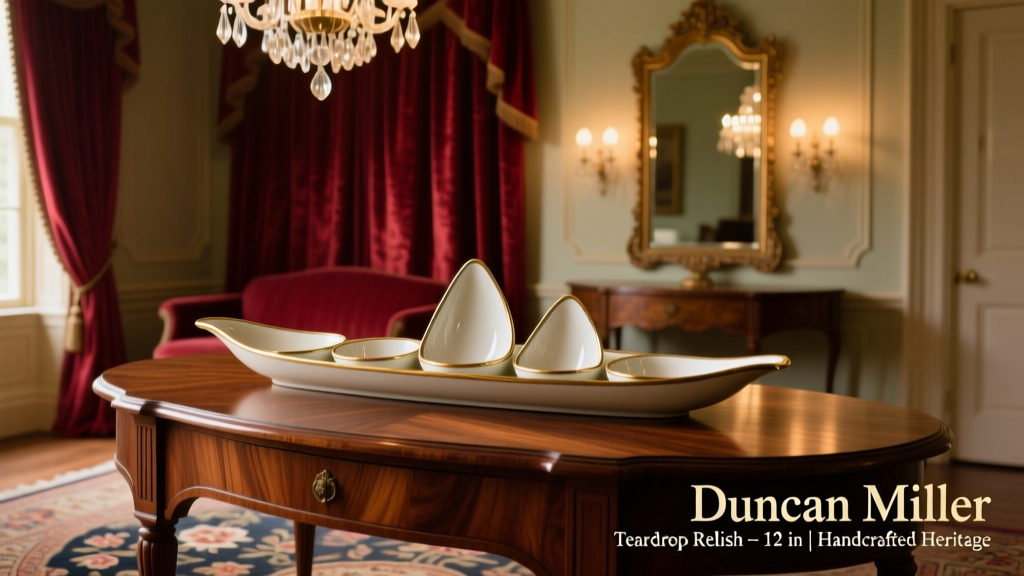
Duncan Miller Teardrop Relish Tray: A Collector’s Guide to the Iconic 12-Inch Three-Section Serving Piece
An in-depth examination of the Duncan Miller Glass Company's Teardrop-shaped relish tray — model #301, 12 inches long, with three distinct compartments. Covers identification, production history (1947–1952), materials, markings, restoration ethics, market value, and comparative analysis against Anchor Hocking and Jeannette patterns.
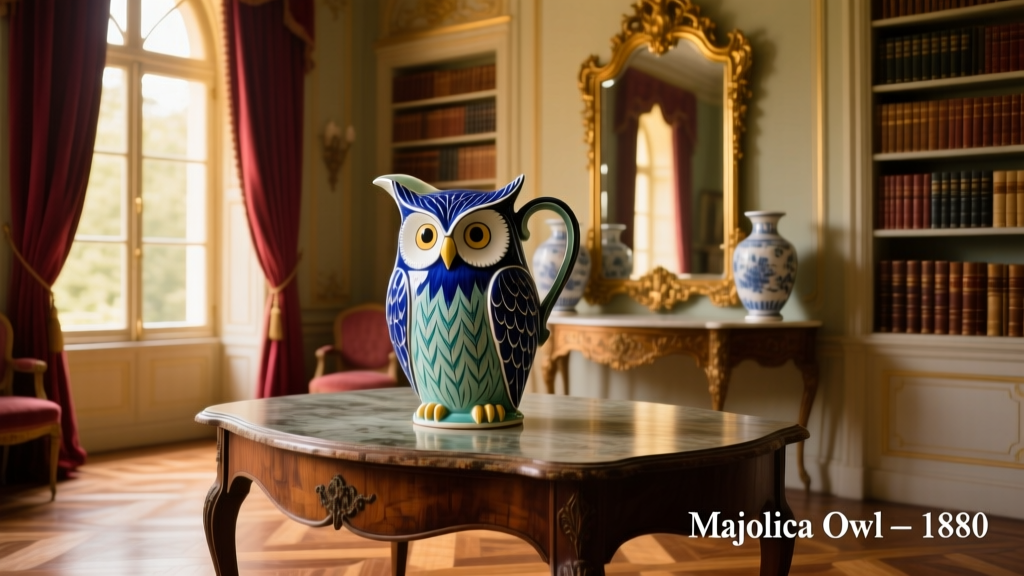
The Majolica Pitcher Owl Triangular: A Victorian Masterpiece in Ceramic Sculpture and Function
An in-depth examination of the rare triangular majolica pitcher shaped as an owl—its Minton origins, glaze chemistry, structural engineering, market valuation, and conservation challenges—based on museum collections, auction records, and archival factory documentation.
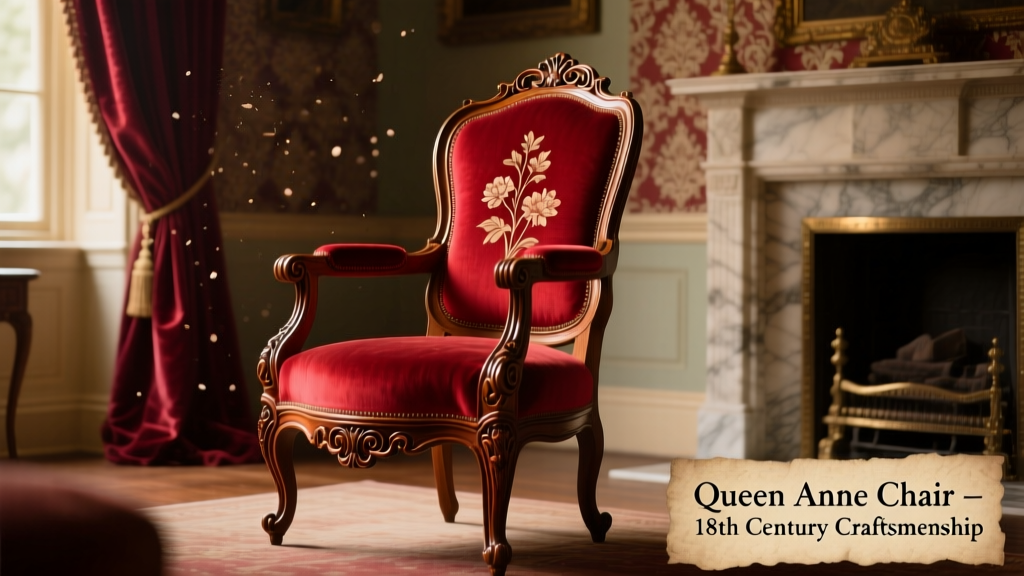
Queen Anne Red-Stained Chair: Authenticity, Craftsmanship, and Restoration of a 41-Inch Turned & Carved Armchair
A detailed examination of an authentic early-to-mid 18th-century Queen Anne armchair—41 inches tall, red-stained walnut or cherry, featuring pad feet, shell carving, and signature cabriole legs. Includes structural analysis, finish evaluation, provenance clues, conservation protocols, and comparative data from major museum collections.