Antique Furniture
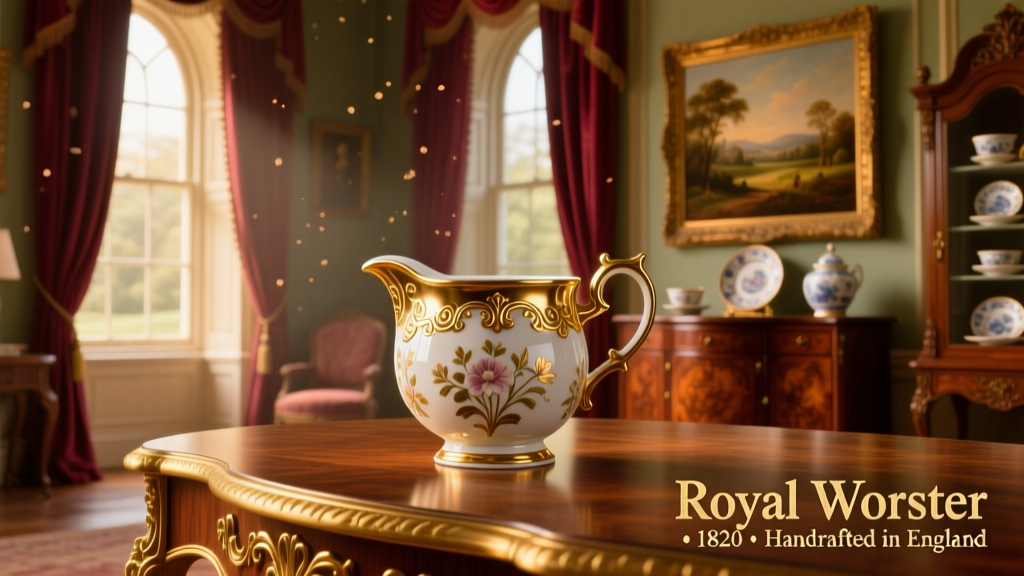
Royal Worcester Creamer: Floral Chased Gold, 5¾ Inches — History, Identification & Conservation
A detailed examination of the Royal Worcester creamer measuring 5¾ inches in height, featuring hand-applied floral motifs and chased gold decoration. Covers maker’s marks, production timeline (1890–1925), material composition, restoration ethics, and market authentication protocols.

Chinese Four-Panel Inlaid Vignette Screen: Authenticity, Craftsmanship, and Restoration Insights
A detailed examination of a genuine late Qing dynasty (c. 1870–1912) Chinese hardwood four-panel folding screen featuring hand-carved rosewood frames, mother-of-pearl and stained ivory inlays depicting scholar-garden vignettes, precise measurements of 78¼ inches tall × 104 inches wide when fully extended, and expert guidance on conservation, attribution, and value assessment.
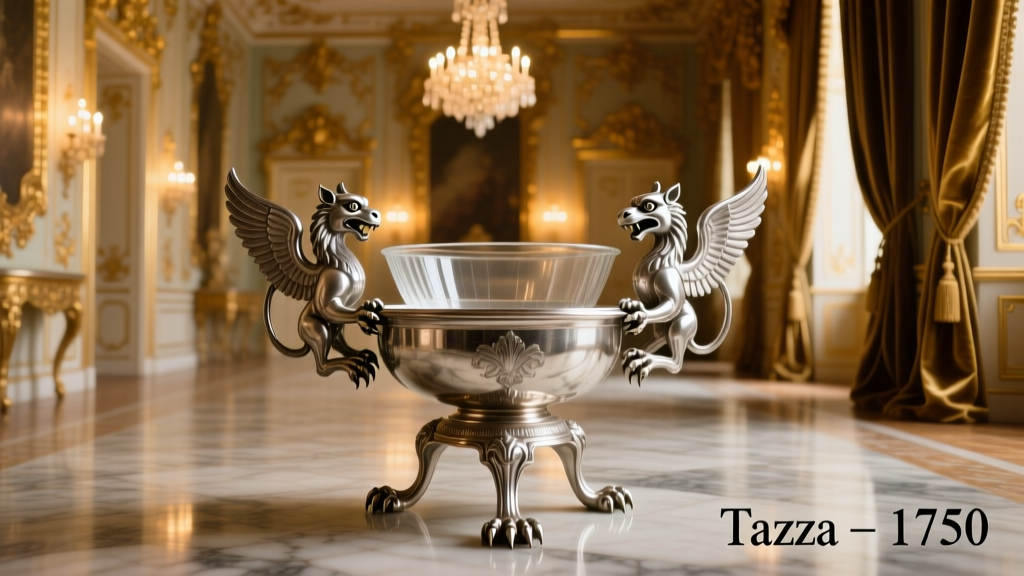
Silver Plate Tazza with Three Griffin Supports, Glass Bowl, and Tripod Paw Feet (13 × 14 Inches): Identification, Provenance, and Conservation Protocol
A detailed technical and historical analysis of a mid-Victorian silver-plated tazza featuring three cast griffin supports, a removable glass bowl, and tripod paw feet—measuring precisely 13 inches in height and 14 inches in diameter. Includes metallurgical assessment, maker identification, restoration best practices, and market valuation benchmarks.
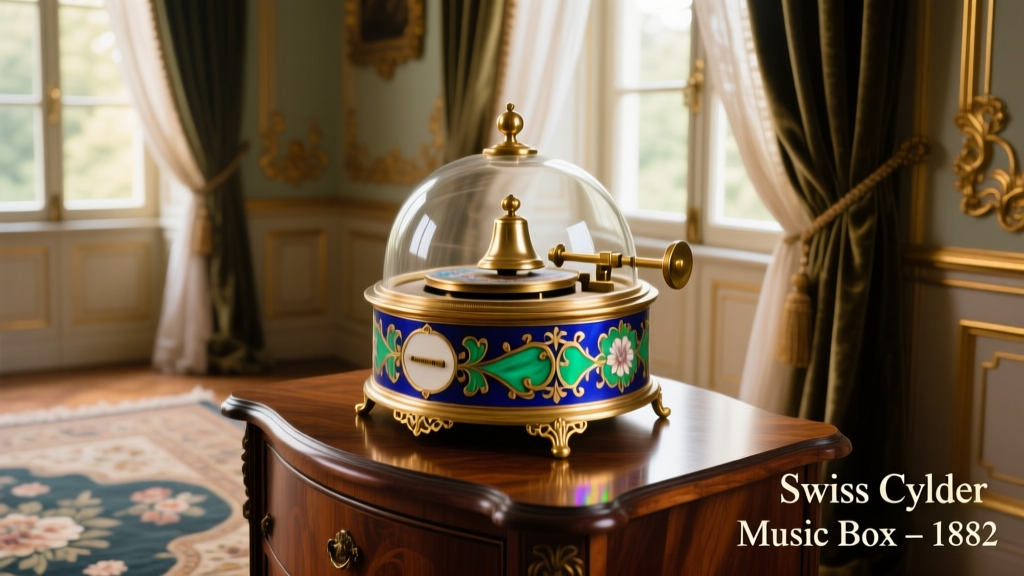
Swiss Cylinder Music Box with Enameled Bell Striker: A Technical and Historical Appraisal of the 17 × 10 × 8 Inch Masterpiece
A detailed examination of a rare 19th-century Swiss cylinder music box featuring an enameled bell striker mechanism, measuring precisely 17 inches in length, 10 inches in width, and 8 inches in height. Includes technical specifications, provenance insights, restoration protocols, and comparative analysis against Reuge, Nicole Frères, and Paillard models.
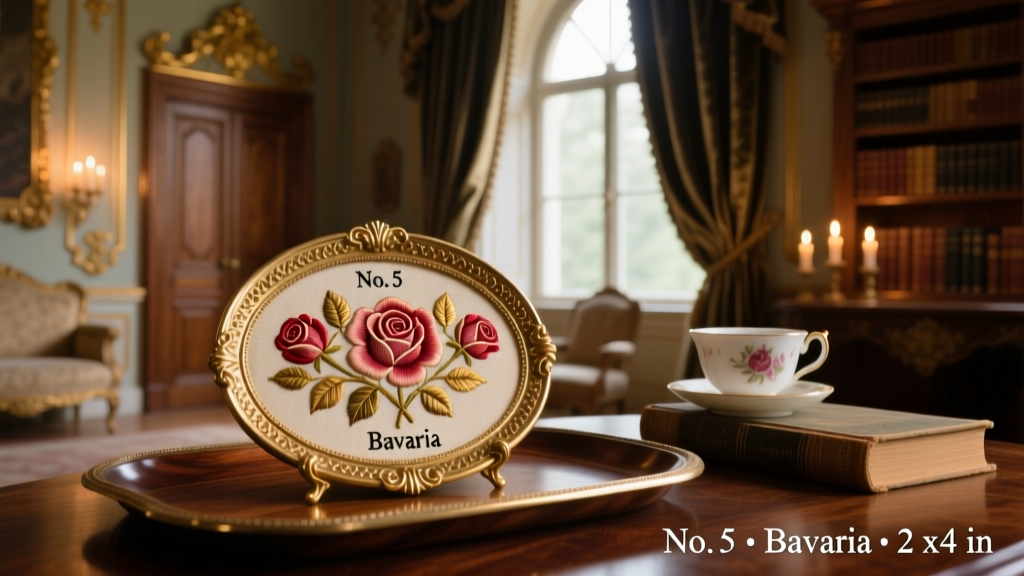
Rose Tapestry Pin Dish Cover Oval No. 5 Marked Bavaria: Identification, Provenance, and Conservation Guidance
A detailed technical appraisal of the Rose Tapestry Pin Dish Cover Oval No. 5 — a porcelain accessory marked 'Bavaria' and measuring 2 × 4 inches — covering manufacturer attribution, decorative methodology, material composition, dating criteria, market valuation benchmarks, and ethical restoration protocols.
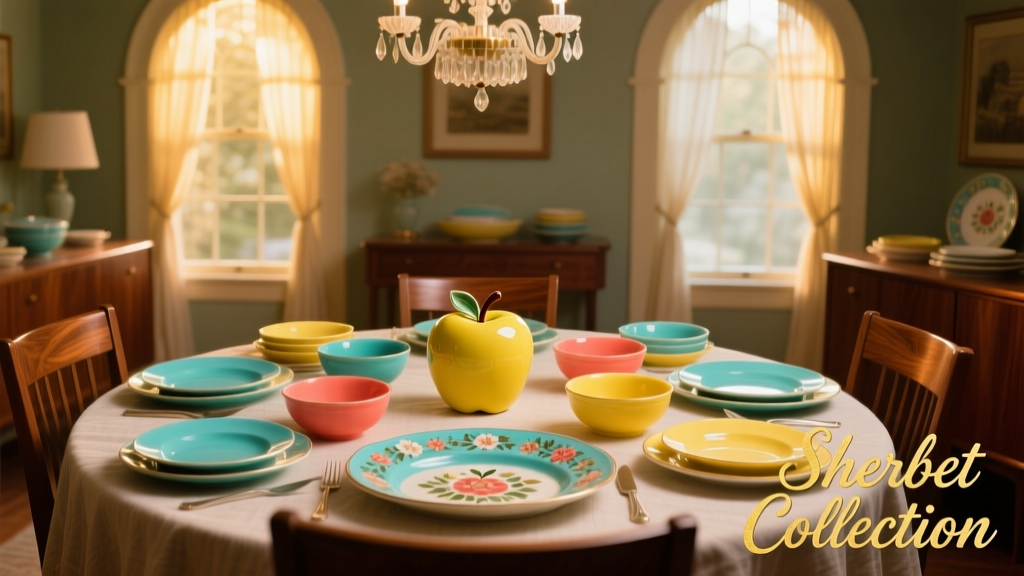
Apple Franciscan Sherbet: History, Identification, and Care of a Mid-Century American Icon
A detailed examination of the Apple pattern from Franciscan Dinnerware’s Sherbet line—its design origins, production timeline (1950–1972), physical characteristics (including precise measurements, glaze chemistry, and mold numbers), market value trends, and professional conservation protocols for collectors and restorers.
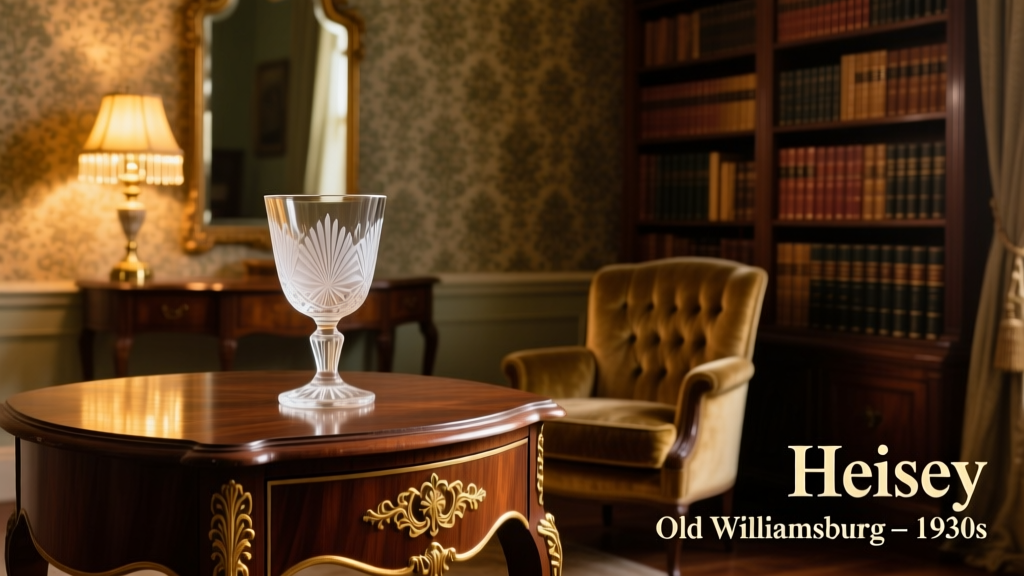
Heisey Old Williamsburg Goblet: Identifying, Dating, and Valuing the Marked Pattern
A definitive reference for collectors and restorers on Heisey’s iconic Old Williamsburg goblet — including hallmark details, production timeline (1938–1957), mold variations, glass composition, and market valuation based on condition, color, and provenance.
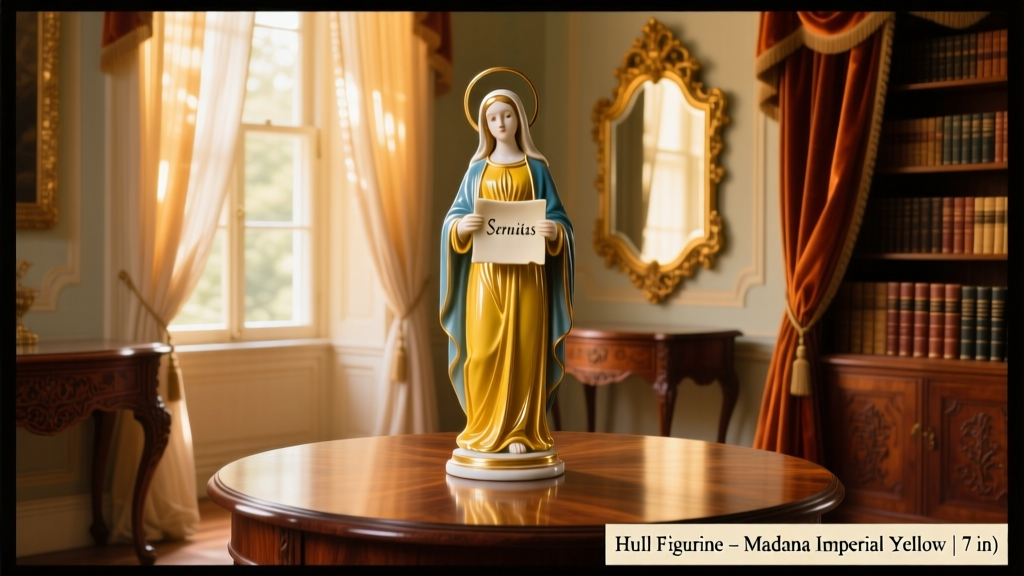
Hull Figurine Madonna Imperial Yellow 7-Inch: Identification, Value, and Conservation Insights
A detailed examination of the Hull Pottery Madonna figurine in Imperial Yellow glaze — including production history, distinguishing marks, dimensional specifications (7 inches tall, 4.25 inches wide, 3.5 inches deep), market valuation data, and professional conservation protocols for collectors and restorers.

Popeye Toy Motorcycle Spinach Delivery: History, Mechanics, and Restoration of a Mid-Century American Icon
An in-depth examination of the Popeye Toy Motorcycle Spinach Delivery — a rare 1950s wind-up tinplate toy produced by Louis Marx & Co. This article details its origins, engineering, production run, collectibility metrics, and step-by-step conservation methodology for vintage collectors and museum curators.
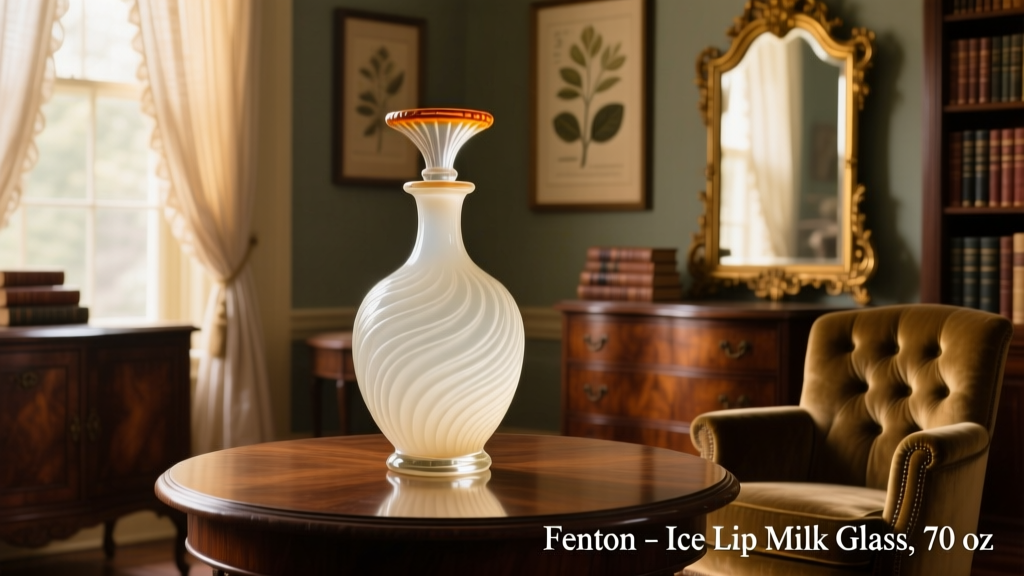
Fenton Jug Ice Lip Milk Glass: Identifying, Valuing, and Preserving the Iconic 70-Ounce Vintage Piece
A detailed expert analysis of the Fenton Art Glass Company’s 70-ounce Ice Lip milk glass jug—covering production history, physical characteristics, authentication markers, market value trends, restoration ethics, and care protocols for collectors and museums.
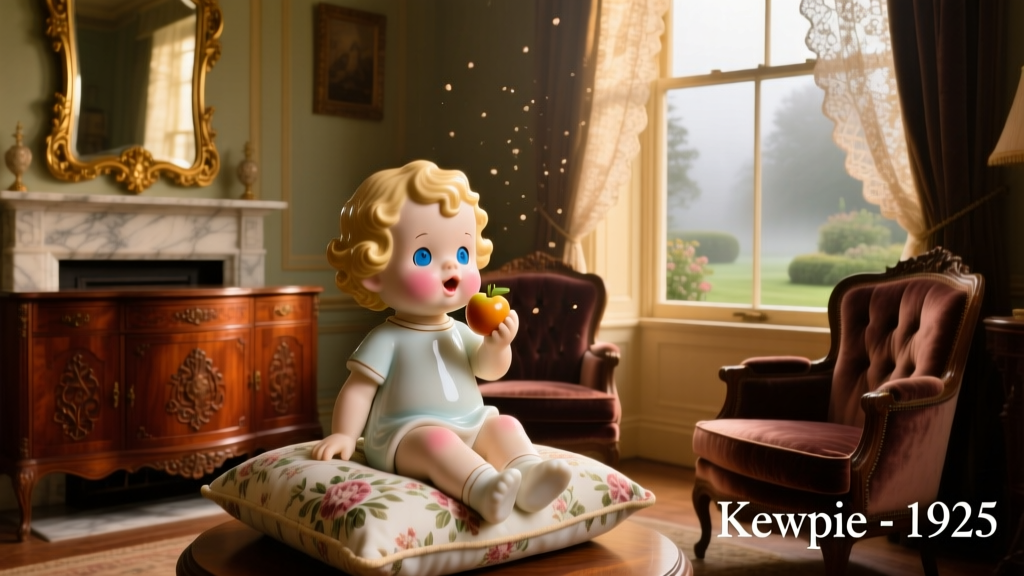
Kewpies Bisque Seated Eating Figures: History, Identification, and Restoration Insights
A detailed examination of vintage Kewpie bisque seated eating figures—manufactured primarily by German firms like Kestner, Heubach, and Simon & Halbig between 1912–1930—including hallmark analysis, dimensional specifications, material science, market valuation benchmarks, and ethical conservation protocols for collectors and restorers.

Occupied Japan Cup & Saucer: Floral Gold-Trimmed Hexagonal Cup with Three Tiny Feet (3⅛") — Identification, History, and Restoration Insights
A detailed examination of a rare Occupied Japan 6-sided cup and matching saucer featuring hand-painted florals, 24K gold trim, and distinctive three-footed base—measuring precisely 3⅛ inches in diameter. Includes maker marks, dating guidance, material analysis, conservation protocols, and market context.