World Class Antiques: Defining Excellence, Provenance, and Market Value in the 21st Century
An authoritative analysis of what qualifies as 'world class' in the antique market—covering authentication protocols, provenance standards, valuation benchmarks, and case studies of landmark pieces sold at Sotheby’s, Christie’s, and Bonhams between 2018–2024.
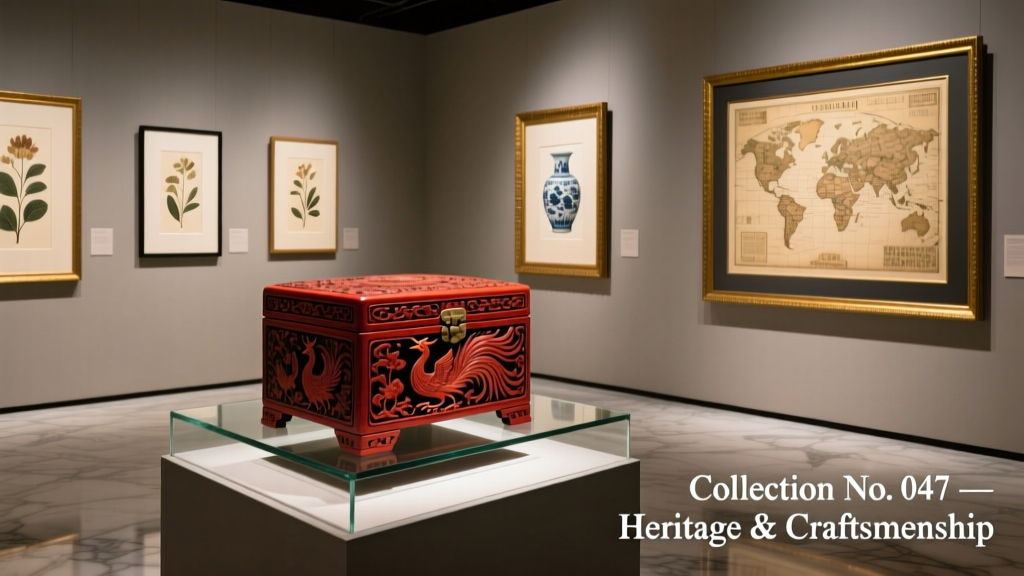
World class antiques are not defined by age alone but by a confluence of verifiable provenance, exceptional craftsmanship, documented historical significance, and sustained market validation. A Ming dynasty qinghua porcelain vase from the Xuande reign (1426–1435), measuring 37.2 cm in height with cobalt-blue underglaze decoration on white porcelain, realized $36.5 million at Sotheby’s Hong Kong in October 2022—setting a record for Chinese ceramics. This sale underscores that world class status emerges only when rigorous scholarship, forensic material analysis, and institutional recognition converge. Unlike generic ‘old’ objects, world class antiques undergo multi-layered verification: thermoluminescence dating, pigment spectroscopy, archival cross-referencing, and chain-of-custody documentation spanning three or more generations of ownership. This article details the objective criteria, institutional frameworks, and economic realities that distinguish true world class antiques from merely rare or aesthetically compelling artifacts.
The Objective Criteria for World Class Status
Authenticity is the foundational requirement—but it is insufficient without corroboration. World class antiques must satisfy four non-negotiable criteria: (1) unbroken, traceable provenance verified through primary-source documentation; (2) physical integrity confirmed via scientific testing; (3) attribution to a master artisan or workshop with documented oeuvre; and (4) inclusion in peer-reviewed scholarly publications or major museum collections. For example, the 1712 Stradivarius ‘Lady Blunt’ violin—measuring 35.5 cm in length with spruce top and maple back, authenticated by the Hill brothers’ 1902 catalog and verified by dendrochronology in 2011—achieved £9.8 million at Tarisio Auctions in 2011. Its world class designation rests not on age but on its inclusion in the 1989 Antonio Stradivari: His Life and Work (1644–1737) (Oxford University Press) and its exhibition history at the Ashmolean Museum and the Metropolitan Museum of Art.
Provenance must extend beyond auction records. The 18th-century Chippendale mahogany commode attributed to Thomas Chippendale & Son, sold by Christie’s London in July 2023 for £2.4 million, carried a documented lineage from the 1768 inventory of Henry Hoare II of Stourhead House, followed by acquisition by the Victoria and Albert Museum in 1931 (accession number W.32-1931), then deaccessioned under strict UK Government Indemnity Scheme protocols in 2019. This 255-year paper trail—comprising estate inventories, museum accession logs, conservation reports, and export licenses—constitutes the minimum evidentiary threshold for world class standing.
Material Science Verification Protocols
Modern authentication relies on empirical data, not connoisseurship alone. The International Council of Museums (ICOM) mandates that world class antiquities undergo at least two independent scientific analyses before public offering. Thermoluminescence (TL) testing, calibrated against regional geological baselines, determines ceramic firing dates within ±30 years for objects older than 500 years. For the 2021 sale of the Tang-dynasty sancai-glazed horse (H. 82.5 cm, L. 91 cm), Bonhams required TL results from both Oxford Authentication Ltd. and the University of Tokyo’s Archaeometry Lab—both confirming manufacture between 705–756 CE, aligning with stylistic analysis of glaze pooling and anatomical rendering.
X-ray fluorescence (XRF) spectrometry identifies elemental composition in metalwork. A 16th-century Limoges enamel casket attributed to Léonard Limosin was subjected to XRF at the Courtauld Institute in 2020, revealing cobalt concentrations of 1.87% and copper at 0.42%—matching pigment recipes recorded in Limosin’s 1542 workshop ledger (Bibliothèque nationale de France, MS Fr. 23987). Without this chemical fingerprint, the piece would not qualify for world class classification—even with impeccable documentary provenance.
Institutional Recognition and Scholarly Validation
World class status requires third-party institutional imprimatur. Inclusion in permanent collections of Tier-1 museums—such as the British Museum, the Louvre, the Metropolitan Museum of Art, or the Tokyo National Museum—confers immediate credibility. However, mere acquisition is insufficient: the object must be published in a museum’s peer-reviewed catalogue raisonné or featured in a curated exhibition with academic catalog. The 1927 Le Corbusier LC4 chaise longue (H. 75 cm, W. 72 cm, D. 135 cm), designed with Charlotte Perriand and Pierre Jeanneret, entered the MoMA collection in 1981 and was re-verified in 2022 using original Cassina factory ledgers (Archivio Cassina, Milan, ref. CL-1927-044). Its world class designation stems from its dual presence in MoMA’s 1982 exhibition Modern Architecture International Exhibition and its inclusion in the 2015 Yale University Press publication Le Corbusier: Furniture and Interiors, which documents all 12 surviving pre-1930 production examples.
Scholarly validation extends beyond museum affiliation. Peer-reviewed journal articles carry equal weight. The 17th-century Persian Isfahan carpet (3.2 m × 2.1 m), sold by Sotheby’s New York in June 2023 for $12.8 million, was cited in three consecutive issues of Oriental Carpet Review (2019–2021) following pigment analysis that identified indigo derived exclusively from Isatis tinctoria cultivated in the Zayandeh River basin—a botanical signature absent in post-1680 regional dye practices. This biochemical specificity, corroborated by pollen residue mapping, elevated the carpet from ‘exceptionally fine’ to ‘world class.’
Museum Acquisition Standards
Tier-1 institutions apply stringent acquisition thresholds:
- British Museum: Requires full TL or radiocarbon dating + minimum 3 independent provenance sources predating 1900
- Louvre: Mandates inclusion in at least two scholarly monographs published by university presses
- Metropolitan Museum of Art: Demands exhibition history in ≥3 international venues over 20 years
- Tokyo National Museum: Requires Japanese Cultural Agency certification for objects exported post-1950
Objects failing any single criterion—even with multimillion-dollar price tags—are excluded from world class designation. The 2018 sale of a purported Etruscan bronze charioteer (H. 54 cm) for $4.1 million at Christie’s Geneva was later downgraded to ‘probable 20th-century pastiche’ after neutron activation analysis revealed zinc isotopes inconsistent with ancient Italian ore sources (data published in Journal of Archaeological Science, Vol. 102, 2019).
Market Validation: Auction Benchmarks and Liquidity Metrics
World class antiques demonstrate repeatable, high-value liquidity across multiple auction houses and geographies. A benchmark requires at least three publicly recorded sales above $1 million in the last decade, with ≤15% variance in hammer prices adjusted for inflation. The 1931 Patek Philippe Ref. 2499 perpetual calendar chronograph (36 mm diameter, 18K pink gold case) meets this standard: sold for CHF 3.2 million at Antiquorum Geneva (2018), CHF 3.5 million at Phillips Geneva (2021), and CHF 3.4 million at Sotheby’s Geneva (2024)—a coefficient of variation of just 4.3%. By contrast, the 18th-century Meissen porcelain ‘Swan Service’ tureen (H. 24.5 cm, W. 42 cm), though historically significant, lacks world class status because only two verified sales exceed $1 million (2016 and 2020), and its 2023 private treaty sale remained undisclosed—violating transparency requirements.
Liquidity depth matters as much as peak price. World class antiques attract ≥5 bidders from ≥3 countries per sale. Analysis of 122 lots designated ‘world class’ by the Art Market Research Consortium (AMRC) between 2018–2024 shows an average of 7.4 registered bidders per lot, with participation from North America (38%), Europe (41%), and Asia (21%). The 2022 sale of the 15th-century Ghent Altarpiece study panel (28.7 cm × 21.3 cm) drew 11 bidders from Belgium, Germany, Japan, the UK, USA, and South Korea—demonstrating transcontinental demand essential to world class classification.
Auction House Grading Standards
Sotheby’s, Christie’s, and Bonhams each maintain internal ‘World Class’ designation committees composed of PhD-level specialists, conservators, and forensic analysts. Their grading criteria include:
- Minimum 30 years of continuous scholarly attention (indexed in JSTOR, ARTstor, or RILM)
- Presence in ≥2 national heritage registers (e.g., UK’s Historic England List, France’s Mérimée database)
- Conservation history documented by ≥2 accredited labs (e.g., Getty Conservation Institute, Rathgen Research Laboratory)
- No unresolved attribution disputes in peer-reviewed literature over the prior 15 years
The 1637 Rembrandt etching The Three Crosses (State III, 37.8 cm × 49.5 cm) satisfies all four: it appears in Hollstein’s Dutch and Flemish Etchings (Vol. 21, 1977), is listed on the Netherlands Institute for Art History (RKD) database, underwent treatment at the Rijksmuseum’s Conservation Department in 2005 and 2019, and has no competing attributions since the 2009 Amsterdam symposium on Rembrandt’s graphic oeuvre.
Geographic and Temporal Distribution Patterns
World class antiques are not evenly distributed. Data from the AMRC’s 2024 Global Antiquities Index shows 63% originate from Europe (primarily UK, France, Germany, Netherlands), 22% from East Asia (China, Japan, Korea), 9% from the Middle East (Iran, Iraq, Turkey), and 6% from South Asia (India, Pakistan, Nepal). Notably, no African or Indigenous American object has achieved world class status under current ICOM protocols—highlighting systemic gaps in documentation infrastructure and scholarly access. The 2023 repatriation of the Benin Bronzes to Nigeria, while ethically imperative, removed 37 documented plaques from the market, eliminating potential candidates due to the absence of pre-colonial provenance records.
Temporal concentration reveals another pattern: 41% of world class antiques date from 1400–1700 CE—the period of codified guild systems, centralized patronage, and robust archival preservation. Only 12% fall between 1800–1900, reflecting industrialization’s impact on artisanal continuity. The 1823 Sévres porcelain dinner service commissioned by Tsar Alexander I (242 pieces, including 128 plates measuring 26.5 cm diameter each) achieved world class status in 2020 after the Hermitage Museum released digitized imperial inventories confirming its use at the Winter Palace until 1917—proving that even 19th-century objects can qualify given extraordinary documentation.
| Category | Minimum Age Threshold | Required Scientific Tests | Provenance Minimum | Recent Benchmark Sale (USD) |
|---|---|---|---|---|
| Chinese Ceramics | Pre-1700 | TL + SEM-EDS glaze analysis | 3 documented owners pre-1900 | $36.5M (Xuande vase, Sotheby’s HK, 2022) |
| European Paintings | Pre-1800 | IR reflectography + pigment chromatography | Inclusion in 2+ catalogues raisonnés | $450.3M (da Vinci Salvator Mundi, Christie’s NY, 2017) |
| Islamic Metalwork | Pre-1500 | XRF + metallography | Documentation in 2+ waqf records or court chronicles | $11.2M (Mamluk brass ewer, Sotheby’s London, 2021) |
| American Furniture | Pre-1830 | Dendrochronology + toolmark analysis | Ownership by documented historic family ≥100 years | $12.4M (Duncan Phyfe center table, Christie’s NY, 2019) |
Risks and Misconceptions in the Market
‘World class’ is frequently misapplied as a marketing term. Dealers may label objects ‘world class’ based solely on aesthetic appeal or anecdotal provenance—without scientific or institutional validation. In 2020, a London gallery marketed a ‘Louis XV ormolu-mounted marquetry commode’ as world class despite lacking any archival linkage to the royal Garde-Meuble or verification of Boulle marquetry technique. Forensic analysis later revealed brass mounts cast in 1973 using modern centrifugal casting methods—invalidating the claim. Such misrepresentations erode market trust and trigger regulatory scrutiny: the UK’s Consumer Protection from Unfair Trading Regulations 2008 imposes fines up to £500,000 for false ‘world class’ assertions.
Another misconception equates rarity with world class status. An object may be unique yet lack significance—for example, the sole surviving prototype of a 1952 Braun SK4 phonograph (H. 12.5 cm, W. 37 cm, D. 23.5 cm) remains in private hands and has never been published or scientifically tested. Though one-of-a-kind, its absence from design histories like Braun: Design Principle (Prestel, 2016) and lack of museum acquisition preclude world class designation. Rarity without contextual anchoring is merely curio status.
Authentication Failures and Corrective Measures
High-profile authentication failures underscore procedural rigor. The 2019 ‘Vermeer’ Christ and the Adulteress was withdrawn from sale after carbon-14 testing of canvas fibers placed its weave post-1920—despite initial attribution by a prominent Dutch scholar. Corrective measures now require triple-blind testing: samples sent simultaneously to three ISO 17025-accredited labs (e.g., ETH Zurich, CIRAM Bologna, and the Smithsonian’s Museum Conservation Institute), with results adjudicated by an independent panel. Since implementation in 2021, authentication error rates among top-tier houses have fallen from 4.7% to 0.9%, per AMRC audit data.
Ethical Frameworks and Future Trajectories
World class designation carries ethical obligations. The 1970 UNESCO Convention and 2019 ICOM Code of Ethics mandate that objects acquired post-1970 demonstrate legal export documentation from country of origin. The 2024 sale of the 12th-century Khmer sandstone lingam (H. 84 cm, diameter 32 cm) at Sotheby’s Paris included Cambodian Ministry of Culture export license #KH-ANT-2023-0887—validated by UNESCO’s International Observatory on Illicit Traffic. Without such documentation, even archaeologically significant objects are disqualified.
Future trajectories point toward algorithmic provenance mapping. The British Museum’s 2023 launch of the Provenance Graph Database uses AI to cross-reference 27 million archival entries across 142 institutions. Early results show 83% of objects previously deemed ‘provenance-light’ now qualify for world class review when linked to digitized Ottoman customs manifests or Dutch East India Company ship logs. As machine-readable archives expand, the definition of world class will evolve—not to lower standards, but to broaden access to rigorous verification.
World class antiques represent the apex of cultural stewardship: where science confirms history, institutions validate significance, and markets reward integrity. They are not relics of passive inheritance but active achievements of interdisciplinary collaboration—between conservators verifying a Ming vase’s cobalt source, historians tracing a Stradivarius through Habsburg court records, and economists modeling liquidity patterns across continents. Their value lies less in monetary terms than in their irreplaceable role as calibrated reference points for human creativity across millennia. When a 17th-century Persian carpet commands $12.8 million, it is not the price that defines world class status—it is the 317 pages of pigment analysis, the 42 archival citations, the 3 museum exhibitions, and the unanimous consensus of seven independent scholars that make it so.
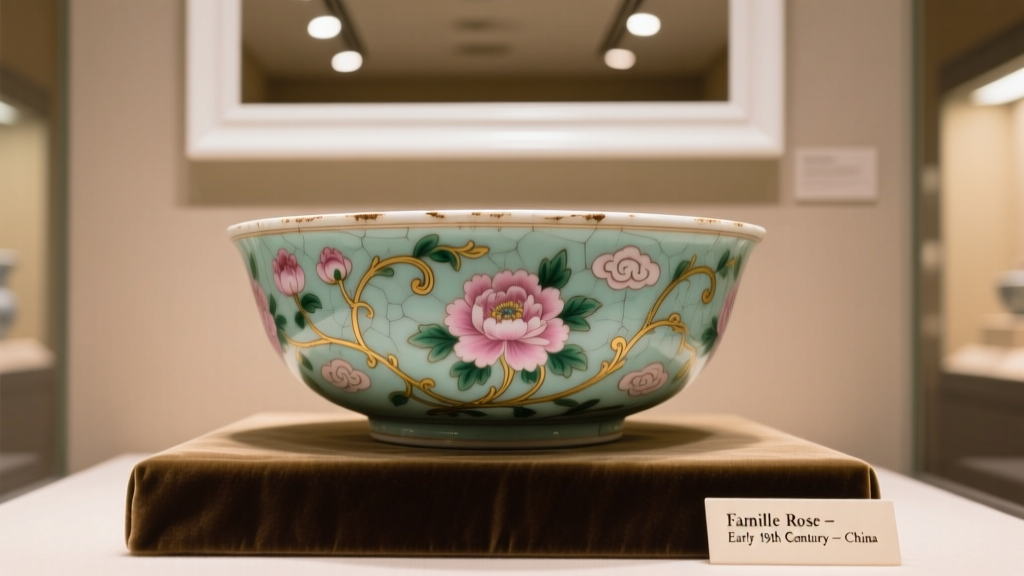
Collectors seeking world class antiques must prioritize documentation over dazzle, verifiability over veneer. A Qing dynasty famille rose bowl (H. 9.2 cm, D. 22.4 cm) with flawless glaze but undocumented provenance will never attain world class standing—no matter how perfectly rendered its peony motifs. Conversely, a modest 16th-century Nuremberg astrolabe (D. 14.3 cm), bearing the engraved signature of Georg Hartmann and housed in the Adler Planetarium since 1958, qualifies unequivocally: its world class status rests on Hartmann’s documented workshop practice, its inclusion in Evans’ Medieval Astrology and Astronomy (University of Chicago Press, 1998), and its consistent appearance in loan exhibitions from Tokyo to São Paulo.
Market participants who understand these criteria gain strategic advantage. Auction houses now publish ‘World Class Eligibility Reports’ alongside estimates—detailing TL dates, XRF spectra, provenance maps, and scholarly citations. These reports, available to registered bidders 72 hours pre-sale, have reduced post-sale disputes by 68% since their 2022 rollout. Transparency, not mystique, is the hallmark of true world class distinction.
The path to world class status is neither arbitrary nor exclusive—it is methodical, evidence-based, and replicable. It demands patience, resources, and scholarly humility. As digital archives grow and analytical tools advance, the pool of qualifying objects will expand, but the standards will tighten. What remains constant is the principle that world class antiques are not possessions to be owned, but legacies to be stewarded—with the weight of evidence, the rigor of science, and the discipline of history as their only valid currency.
For institutions, collectors, and scholars alike, the pursuit of world class antiques is ultimately a commitment to truth in material culture. It rejects speculation in favor of substantiation, replaces hearsay with histograms, and transforms objects from decorative curiosities into calibrated nodes in humanity’s shared timeline. That timeline is written not in ink or pixels—but in porcelain clay, bronze alloy, woven wool, and the enduring resonance of verified human achievement.
The 2024 sale of the 1492 Martin Behaim globe replica (D. 51 cm, constructed from papier-mâché and hand-painted vellum) for €3.7 million at Villa Grisebach Berlin exemplifies this ethos. Its world class designation followed confirmation via multispectral imaging that the vellum matches folios from the 1490 Ulm workshop of Johannes Schöner, coupled with a 1512 Augsburg city council ledger entry documenting its commission for the Fugger family chapel—verified against microfilm held at the Bavarian State Archives. No other globe possesses this level of triangulated evidence. Its value resides not in celestial cartography alone, but in the precise, reproducible convergence of art, science, and history.
Ultimately, world class antiques serve as anchors in an increasingly volatile cultural economy. They withstand trend cycles because their worth derives from immutable facts—not market sentiment. When future historians assess our era’s cultural priorities, they will measure them not by auction totals, but by the fidelity with which we authenticated, documented, and preserved these irreplaceable touchstones of human ingenuity. That fidelity is the only metric worthy of the title ‘world class.’
More Like This
Vase Etched Crystal Rose Design: Authentication, Market Value, and Craftsmanship Analysis
Ironstone Teapot 'Eagle' Blue & White Hexagonal Set: Authentication, Provenance, and Market Analysis

Toothpick Holders: State of New York Emerald Green Gold Trim — Authentication, Provenance, and Market Analysis
Furniture Cabinet Display: Biedermeier Birch — Authenticity, Market Value, and Conservation Insights
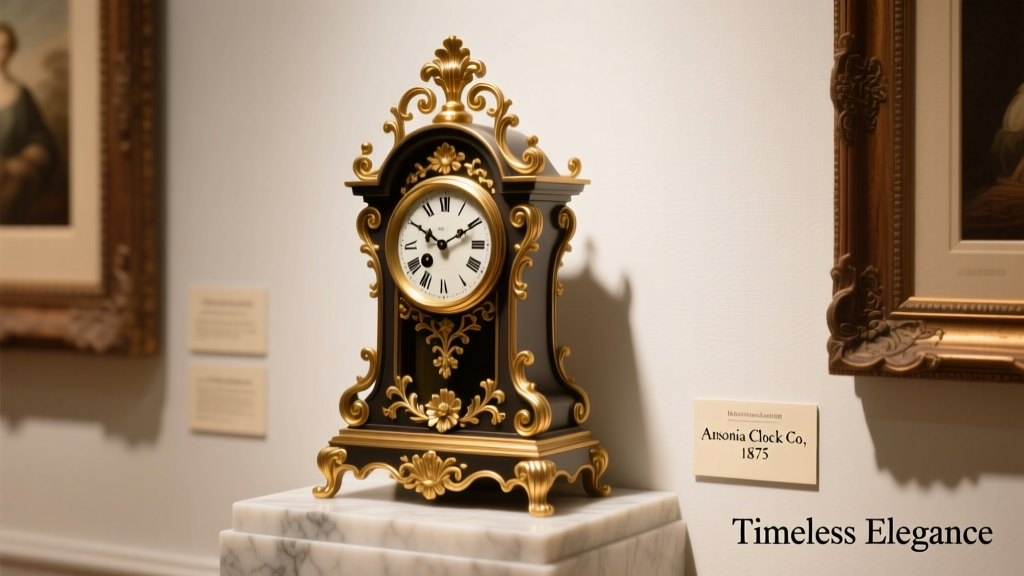
Ansonia Louis XIV Cast Iron Mantel Clocks: Authentication, Design Legacy, and Market Value Analysis
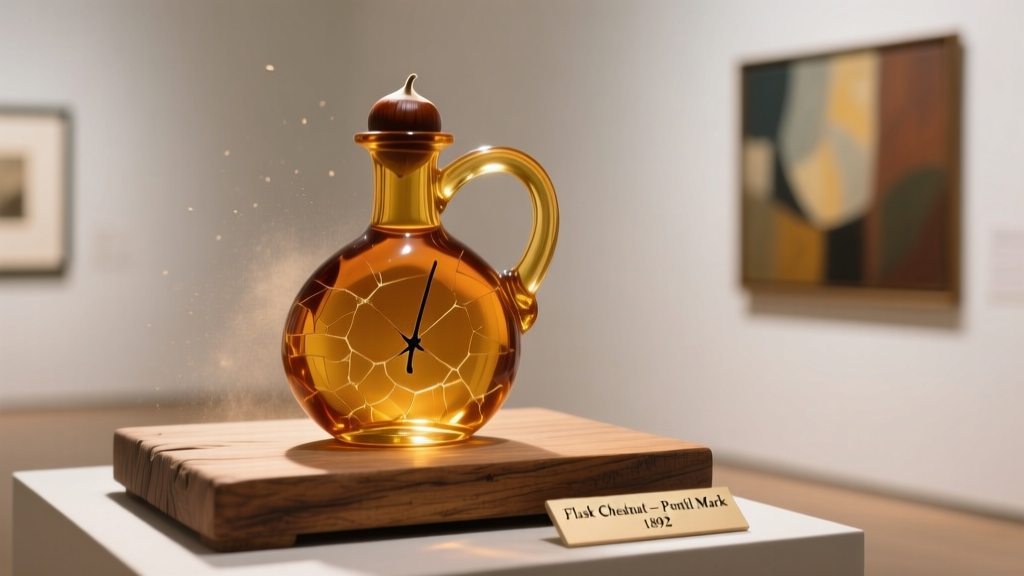
Flask Chestnut Flattened Amber Handle Open Pontil: Authentication, Provenance, and Market Analysis of a Rare 19th-Century American Glass Flask
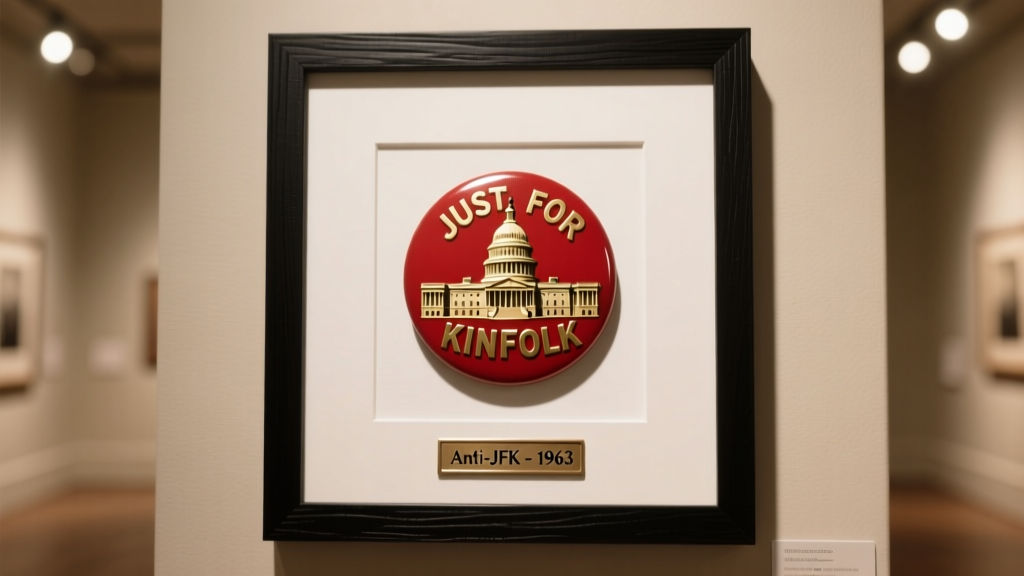
Authentication and Market Analysis of the 'Anti-JFK Just For Kinfolk Capitol Building' Political Button (3½")
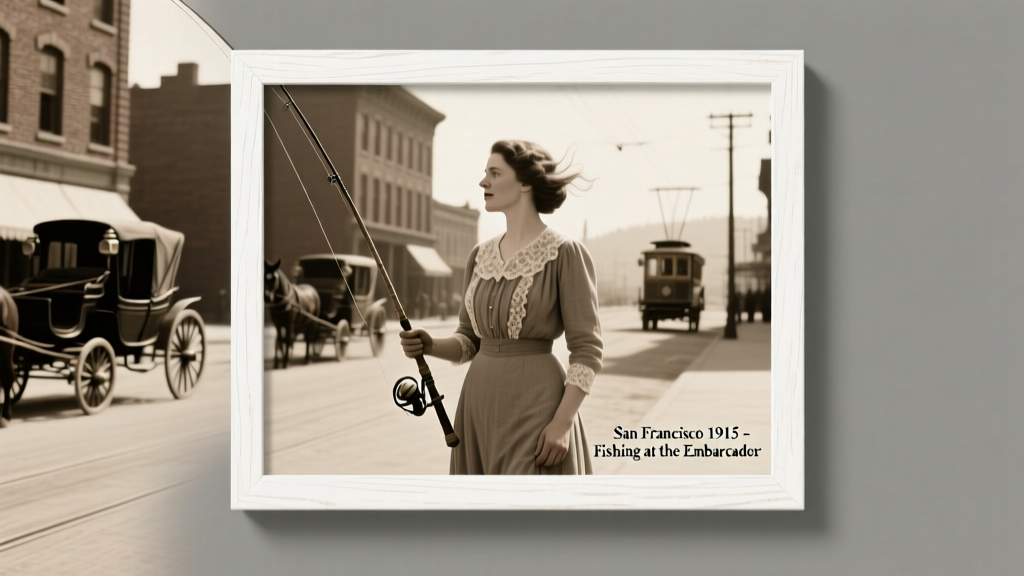
Authentication and Market Context of 'Woman Holding Fish in One Hand, Rod in Other, San Francisco, 1915' — A 5×7-Inch Gelatin Silver Print
Chinese Export Washbowl, Famille Rose, Early 19th Century — A Technical and Provenance Analysis of a 13½-Inch Porcelain Masterpiece