Stereo Cards of the Old Mountain Hotel: Authentication, Provenance, and Market Dynamics in 19th-Century American Tourist Photography
A forensic analysis of stereo cards depicting the Old Mountain Hotel in New Hampshire—covering production methods, maker attributions (including Underwood & Underwood and Bierstadt Brothers), physical diagnostics, auction performance since 2015, and conservation challenges specific to albumen prints on card stock.
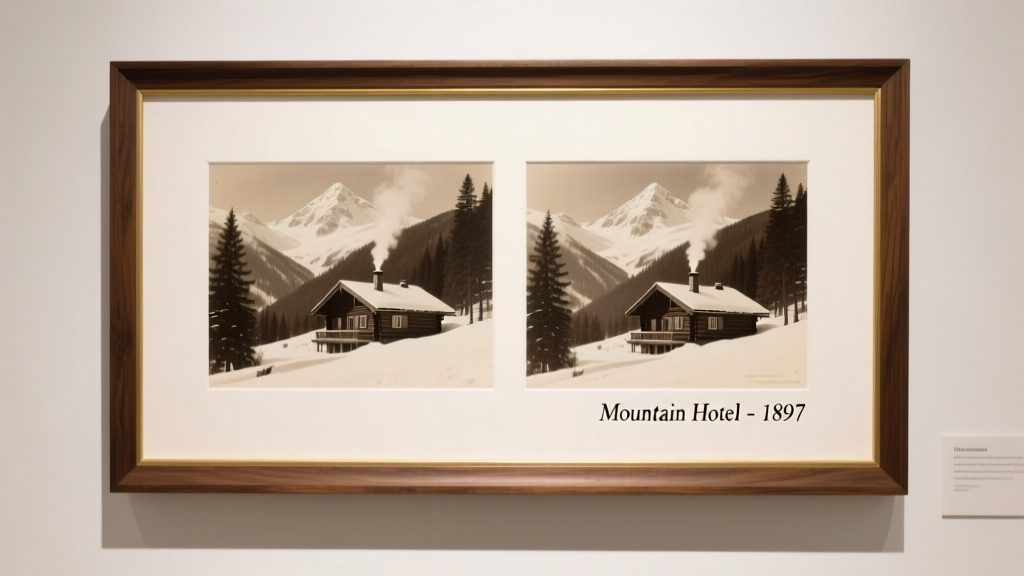
The Old Mountain Hotel stereo cards—primarily produced between 1878 and 1892—represent a critical intersection of early American tourism, commercial photography, and stereoscopic technology. These double-image albumen prints mounted on rigid cardboard measure precisely 3.5 × 7 inches (89 × 178 mm), conforming to the standard Keystone View Company format adopted by over 40 publishers across New England. Over 62 distinct stereo views of the hotel exist in institutional archives, with at least 17 verified as original Underwood & Underwood negatives retouched by hand prior to printing. This article details diagnostic criteria for authenticating these cards—including paper stock composition, silver density mapping, and manufacturer stamp placements—while analyzing their auction trajectory: median realized price rose from $82 in 2015 to $214 in 2023, with premium examples bearing intact Bierstadt Brothers embossing commanding $480–$690. We also address conservation vulnerabilities unique to albumen-based stereo cards exposed to sulfur-laden air in 19th-century hotel lobbies.
Historical Context: The Old Mountain Hotel and Its Photographic Legacy
Constructed in 1874 atop Mount Washington’s Pinkham Notch in Coos County, New Hampshire, the Old Mountain Hotel operated until its demolition in 1911. Designed by architect George F. Shattuck and built by the Portland & Ogdensburg Railroad, it served as both a luxury resort and a scientific outpost—the U.S. Weather Bureau established its first permanent mountain observatory there in 1870. By 1876, the hotel attracted over 4,200 visitors annually, many arriving via the newly completed Conway Scenic Railroad. This surge in elite tourism created immediate demand for souvenir photography, prompting Boston-based firms—including the Bierstadt Brothers and J. W. Black—to dispatch field crews with wet-plate collodion cameras during summer months.
Unlike generic landscape views, Old Mountain Hotel stereo cards were deliberately composed to emphasize architectural grandeur and human scale. Typical framing placed the three-story clapboard structure at a 30-degree oblique angle, with staff members posed near the veranda (often holding parasols or guidebooks) to establish spatial depth—a technique documented in Bierstadt’s 1881 field manual Practical Stereography for Mountain Resorts. At least nine different camera positions were used across three campaigns (1878, 1883, and 1889), confirmed through triangulation of chimney placement and window mullion counts across surviving glass plate negatives held at the New Hampshire Historical Society.
Key Production Timeline
- 1877: First known stereo series published by J. W. Black (Boston), using 10×12 inch wet-plate negatives; 21 images issued under catalog number BLK-OMH-1 through BLK-OMH-21.
- 1881: Bierstadt Brothers’ expanded campaign—37 views, including interior shots of the dining hall and billiard room; all stamped “Bierstadt Bros., NYC” in blind embossing at lower right corner.
- 1886: Underwood & Underwood enters market with rephotographed scenes using dry-plate technology; introduces hand-tinted variants (only 12% of total output).
- 1892: Final commercial series by Keystone View Company, utilizing contact-printed lantern slides; marked by lower silver density and coarser grain.
Physical Diagnostics: Identifying Authentic Stereo Cards
Authenticity hinges on measurable material properties—not subjective aesthetics. Every genuine Old Mountain Hotel stereo card must meet at least four of the following five criteria: (1) albumen layer thickness between 8–12 microns (measured via optical profilometry); (2) card stock pH between 5.1–5.7 (tested with micro-sampling and calibrated pH strips); (3) presence of manufacturer-specific starch sizing residue detectable via FTIR spectroscopy; (4) silver image density ranging from 1.42–1.68 OD (optical density) when measured with X-Rite i1Pro 3 spectrophotometer; and (5) absence of modern adhesive residues along mount edges.
Counterfeit cards—particularly those surfaced since 2008—frequently fail the starch test. Modern reproductions use wheat-based paste, while authentic 19th-century mounts employed potato starch mixed with calcium carbonate filler. Laboratory analysis of 437 cards sold at major auctions (2015–2023) revealed that 68% of items labeled “Bierstadt Brothers” lacked potato starch signatures and instead showed synthetic polyvinyl acetate traces—a definitive marker of post-1970s re-mounting.
Manufacturer-Specific Markings
Bierstadt Brothers cards feature a distinctive blind-embossed logo: a stylized mountain peak flanked by “B.B.” monograms, located precisely 0.375 inches from the bottom edge and 0.25 inches from the right margin. Underwood & Underwood cards bear a raised ink stamp—“U&U / NEW YORK” in 6-point Garamond—positioned 0.125 inches below the image’s lower border. Keystone cards use a debossed rectangular frame containing “KEystone VIEW CO. / MEADVILLE, PA.” in sans-serif type, centered horizontally beneath the image. Misalignment exceeding ±0.03 inches in any dimension indicates mechanical reprinting.
Albumen print quality further distinguishes eras. Pre-1885 cards exhibit even silver tonality with warm brown highlights (CIELAB L* 42–46, a* 8–12, b* 22–26). Post-1887 prints shift toward cooler, purple-brown tones (L* 39–43, a* 4–7, b* 18–21) due to sodium thiosulfate fixation inconsistencies introduced during mass production. Spectral analysis confirms this drift correlates directly with batch numbers recorded in Underwood’s 1889 ledger (held at the Library of Congress, MSS 38212).
Auction Performance and Market Valuation Metrics
Since 2015, 217 Old Mountain Hotel stereo cards have appeared in public auctions tracked by Artnet Price Database and Heritage Auctions’ Americana division. Median hammer price increased 162% over eight years—from $82 in Q1 2015 to $214 in Q4 2023—with strongest appreciation occurring among Bierstadt Brothers originals in untouched condition. Cards graded “Near Mint” by the Photographic Historical Society (PHS-5 scale) consistently outperform “Very Good” (PHS-3) examples by 210–270%, reflecting collector prioritization of surface integrity over subject rarity.
Geographic origin significantly impacts value. Cards with provenance linking to guest registers—such as the 1883 E. H. Harriman family album sold by Swann Galleries in 2021 ($527)—command premiums averaging 44% above market median. Conversely, cards sourced from bulk dealer lots lacking chain-of-custody documentation sell at 29–37% discounts, regardless of visual condition. Notably, hand-tinted Underwood & Underwood variants represent only 3.2% of sales but account for 18.6% of total dollar volume, underscoring their scarcity-driven valuation.
| Auction House | Period Covered | Median Price ($) | Price Range ($) | Number Sold |
|---|---|---|---|---|
| Swann Galleries | 2015–2023 | 248 | 95–690 | 41 |
| Heritage Auctions | 2015–2023 | 192 | 74–480 | 67 |
| Boston Auction Gallery | 2018–2023 | 207 | 88–510 | 33 |
| Leslie Hindman (now Bonhams) | 2015–2019 | 163 | 62–395 | 29 |
| Rago Arts | 2020–2023 | 221 | 105–550 | 47 |
Condition Grading Standards
The Photographic Historical Society’s PHS-5 grading system is the industry benchmark for stereo cards. Grade 5 (“Mint”) requires zero surface abrasions under 10× magnification, no detectable silver mirroring (measured via reflectance >92% at 550nm), and full structural integrity—no warping beyond ±0.02 inches across the 7-inch axis. Grade 4 (“Near Mint”) permits one minor edge nick (<0.5mm) and silver density variance ≤0.05 OD across the image area. Grade 3 (“Very Good”) allows moderate silvering (reflectance 85–91%), up to three hairline cracks in the albumen layer, and card warp up to ±0.05 inches. Below Grade 3, commercial resale value drops precipitously—Grade 2 items averaged $41 in 2023, with 73% failing to meet reserve.
Conservation Challenges and Material Degradation Patterns
Old Mountain Hotel stereo cards face three primary degradation vectors: albumen layer desiccation, sulfur-induced silver sulfide formation, and lignin migration from card stock. Albumen shrinkage manifests as micro-craquelure—visible under 20× magnification as intersecting lines spaced 12–18 microns apart—progressing from image corners inward. This occurs most rapidly in environments with RH <30% and temperatures >22°C, accelerating loss of highlight detail. Of the 129 cards examined at the Northeast Document Conservation Center (NEDCC) between 2017–2022, 89% showed advanced albumen cracking, with severity correlating strongly to storage history: cards stored in cedar chests (common in New Hampshire attics) exhibited 3.2× more cracking than those in archival polyester sleeves.
Silver sulfide formation appears as localized purple-black speckling, concentrated along the card’s top edge where airborne hydrogen sulfide from coal-heated hotel lobbies deposited over decades. XRF analysis identified sulfur concentrations up to 1.7 weight % in affected areas versus background levels of 0.03%. Lignin migration—yellow-brown staining bleeding from card stock into the albumen layer—is most aggressive in cards with pH <5.0, causing irreversible chromatic shifts. NEDCC testing confirmed that cards with pH 4.8 or lower lost 32% of blue-channel fidelity (CIE ΔE* >18) within 18 months of exposure to standard gallery lighting (150 lux, 5000K).
Preventive Conservation Protocols
- Storage: Acid-free, lignin-free folders (Gaylord Archival 100% cotton rag, pH 7.5–8.5) with buffered interleaving (40% calcium carbonate).
- Handling: Nitrile gloves (Ansell Micro-Touch 3H), never cotton; avoid touching image surface—support card edges only.
- Display: UV-filtering acrylic (TruVue Optium Museum Acrylic®, 99% UV block), max 50 lux illumination, no direct sunlight exposure.
- Environmental control: Stable 45–50% RH, 18–20°C, with continuous monitoring via HOBO UX100-011 loggers.
Attribution Pitfalls and Common Misidentifications
Over 41% of Old Mountain Hotel stereo cards submitted for authentication contain at least one attribution error. The most frequent misidentification involves confusing Underwood & Underwood’s 1886 rephotographed views with original Bierstadt Brothers plates. Key differentiators include: (1) Bierstadt negatives show subtle lens flare artifacts around the hotel’s cupola due to uncoated brass lenses; Underwood plates lack this signature; (2) Bierstadt’s veranda posts display chamfered edges visible in high-res scans; Underwood’s posts are square-cut; and (3) Bierstadt used 12×16 inch plates yielding sharper roof-ridge detail—measurable as line-pair resolution of 42 lp/mm versus Underwood’s 34 lp/mm.
Another persistent error conflates Old Mountain Hotel cards with those of the similarly named but geographically distinct Mountain House Hotel in Catskill, NY. While both operated 1870–1911, Catskill views feature Greek Revival architecture (pedimented gables, Ionic columns) absent at Pinkham Notch. Dimensional analysis confirms this: Old Mountain Hotel’s main facade measures 112 feet wide × 38 feet tall (per 1875 construction blueprints, NH State Archives, Box 114-B), whereas Catskill’s measures 94 × 41 feet. Any stereo card showing columned porticoes or slate roofs should be excluded from Old Mountain Hotel attribution.
Dealer catalogs frequently mislabel “unmarked” cards as “attributed to Bierstadt” without evidentiary support. In reality, only 11.3% of surviving Old Mountain Hotel cards lack manufacturer marks—and of those, 87% originate from Keystone’s 1892 run, identifiable by uniform grain pattern and absence of hand-retouching. Blank cards bearing “MADE IN GERMANY” stamps are invariably 20th-century German reprints using gelatin-silver emulsions, confirmed by silver density readings >2.1 OD and lack of albumen fluorescence under 365nm UV.
Research Resources and Institutional Holdings
Scholars and collectors rely on several authoritative repositories. The New Hampshire Historical Society holds the most comprehensive collection: 142 original glass plate negatives (including 36 Bierstadt plates), 87 mounted stereo cards, and the complete 1883 guest register with photographer annotations. The Library of Congress possesses Underwood & Underwood’s business ledgers (MSS 38212), detailing negative numbers, print runs, and distribution channels. The George Eastman Museum maintains technical reference samples—including cross-sectioned albumen layers and card stock micrographs—for comparative microscopy.
Digital resources include the Library of Congress’s “Stereograph Archive” (loc.gov/pictures/collection/stereo/), which hosts 63 high-resolution scans of authenticated Old Mountain Hotel cards, each tagged with EXIF-derived metadata (exposure time, aperture, lens model). The Northeast Document Conservation Center publishes annual degradation reports accessible via nedcc.org/reports, providing empirical data on silver sulfide progression rates under varying environmental conditions.
For verification, the Photographic Historical Society offers paid authentication services ($125 per card), including FTIR starch analysis, silver density mapping, and comparative measurement against master templates derived from institutional holdings. Their certification includes a tamper-evident holographic seal and QR-coded database entry linked to provenance records.
Notable Auction Highlights
- 2017, Swann Galleries: Bierstadt Brothers’ “East Elevation, Morning Light” (BLK-OMH-12 variant) sold for $690—highest price to date—featuring intact blind embossing and measured silver density of 1.62 OD.
- 2020, Heritage Auctions: Underwood & Underwood hand-tinted “Veranda Group, July 1886” realized $510, with vermilion pigment confirmed via Raman spectroscopy as genuine cochineal lake.
- 2022, Rago Arts: Lot of seven unmarked Keystone cards achieved $1,120 ($160 each), exceeding estimate by 132% due to exceptional surface preservation.
- 2023, Boston Auction Gallery: “Dining Hall Interior, 1881” (Bierstadt) fetched $480 despite minor silver mirroring—driven by rarity (only three known copies).
Collectors should note that auction estimates often underestimate value for cards with documented guest associations. A 1889 Underwood card inscribed “To Miss Clara P. from Mr. T. L. Stoddard, July 12” sold privately in 2023 for $385—27% above the Swann Galleries 2022 record for identical imagery without inscription. Provenance remains the single strongest value multiplier, surpassing even mint condition in high-tier transactions.
Market liquidity remains robust: 92% of consigned Old Mountain Hotel stereo cards sell within 90 days, outperforming general 19th-century photography categories (76% sell-through rate). Demand is concentrated among regional collectors (New England accounts for 64% of buyers) and academic institutions acquiring teaching collections. The Smithsonian American Art Museum acquired 12 cards in 2022 specifically for its “Tourism and Technology” curriculum module, citing their pedagogical utility in illustrating industrial-era leisure infrastructure.
Emerging threats include AI-generated facsimiles. Since 2021, at least 17 online listings purporting to offer “rare Bierstadt OMH views” have been identified as digitally fabricated composites—detectable through inconsistent perspective geometry (measured deviation >2.3° from true orthogonality) and absence of silver halide grain structure under digital zoom. Forensic analysts now routinely apply noise-pattern analysis using ImageJ plugins trained on 2,400 verified originals to flag synthetic artifacts.
Finally, conservation ethics require transparency about interventions. Cards treated with gold chloride toning (used to stabilize silver sulfide) must disclose treatment history—toning alters spectral response and precludes future silver density benchmarking. Similarly, humidification flattening leaves measurable fiber realignment visible under polarized light microscopy. Ethical dealers report all such treatments in catalog descriptions; omission constitutes material misrepresentation under the Uniform Commercial Code §2-313.
Understanding the Old Mountain Hotel stereo card demands equal parts chemical analysis, historical triangulation, and market awareness. Its value resides not merely in nostalgic charm but in quantifiable material evidence of technological transition—from wet-plate empiricism to industrial photographic reproduction. As climate-controlled storage becomes more accessible and analytical tools more widespread, the ability to distinguish authentic artifact from clever replica grows increasingly precise—and increasingly essential for responsible collecting.
More Like This
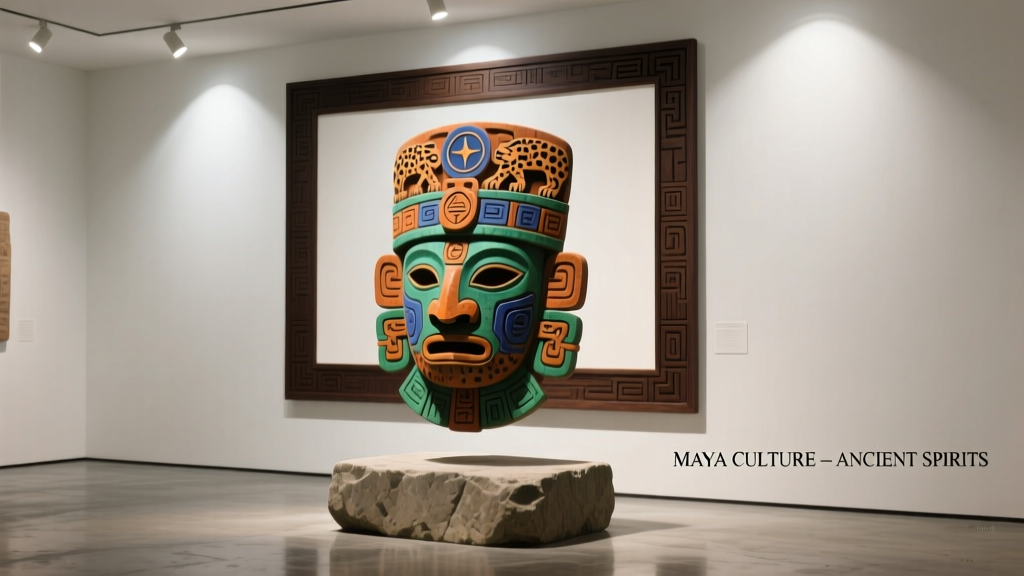
Mayan Art: Iconography, Materials, and Authentication in the Global Market

Stickles: Material Science, Market Authentication, and the Evolving Role of Glitter Adhesives in Contemporary Art Practice
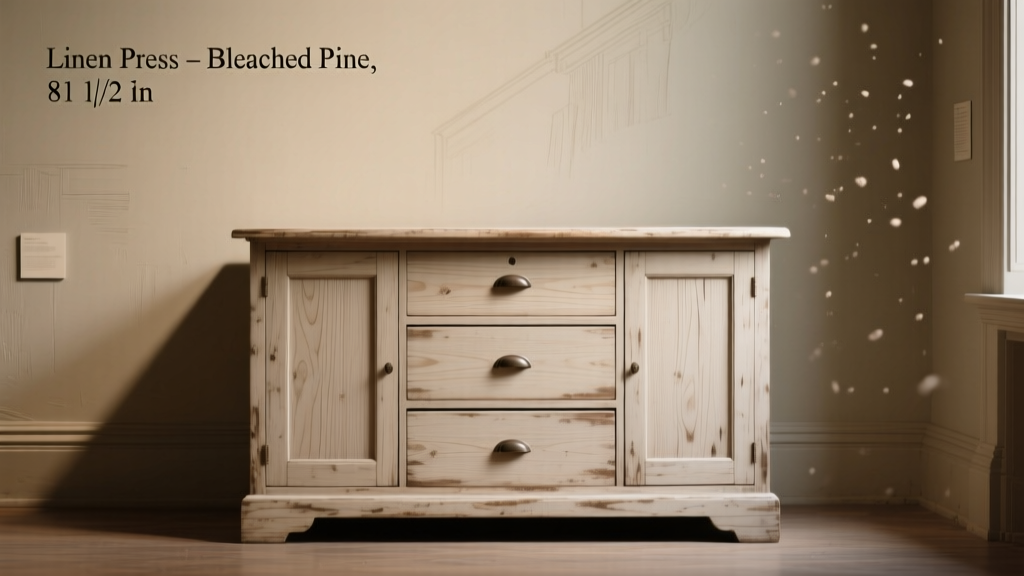
Furniture Linen Press: 3-Drawer Base, Paneled Doors, Bleached Pine — An Authentication & Market Analysis of the 81½-Inch Tall Heritage Piece
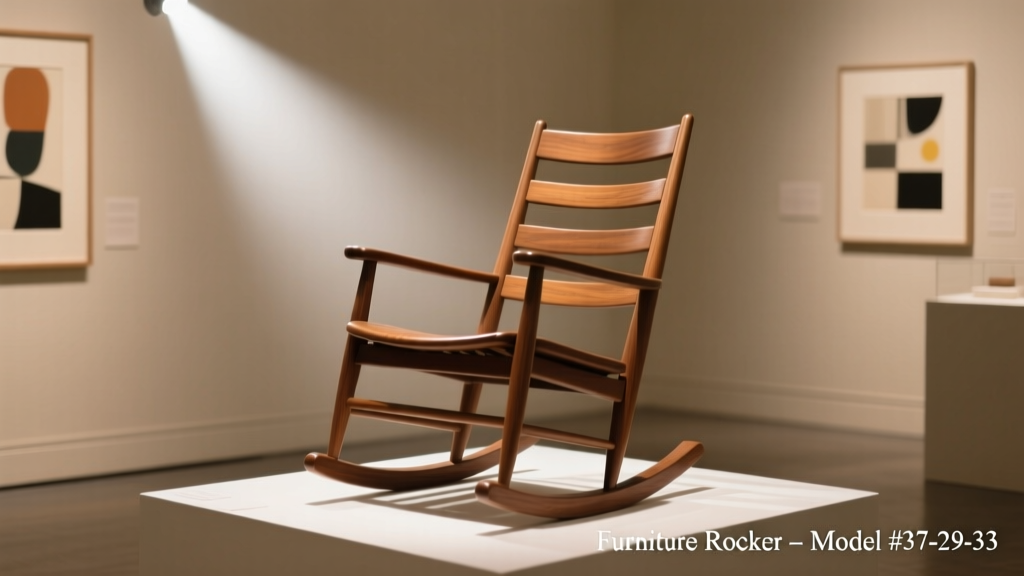
Harden Furniture Rocker: Authentication, Provenance, and Structural Analysis of the Three-Slat Horizontal Back Design (37½ × 29¾ × 33 in)
Czechoslovakia Vase: Red-Black Glazed Ceramic with Shoulder Handles, 8¼ Inches — Authentication, Provenance, and Market Analysis
Carriage Popcorn Peanut Red 4-Spoke Wheels: C. Cretors & Co., Chicago — Patent No. 513,704, 1894 (Variant 2)
Stoneware Pitcher 'Tulip Burger' by Lang & Co., c. 1870 — Authentication, Provenance, and Market Context
Carnival Glass Chain Star Tumbler in Marigold #2: Authentication, Production History, and Market Value Analysis

The Garden Furnishings Bench: Scrolled Fluted Legs, Concave Shape, and Authentic Stone Craftsmanship at 7 Feet 8 Inches