Stephen: Authentication Framework, Market Trends, and Provenance Analysis for Limited-Edition Prints
A rigorous, data-driven analysis of Stephen’s limited-edition print practice—covering authentication protocols, market valuation benchmarks, paper and ink specifications, auction performance (2019–2024), and forensic verification standards used by Sotheby’s, Christie’s, and the Stephen Authentication Board.
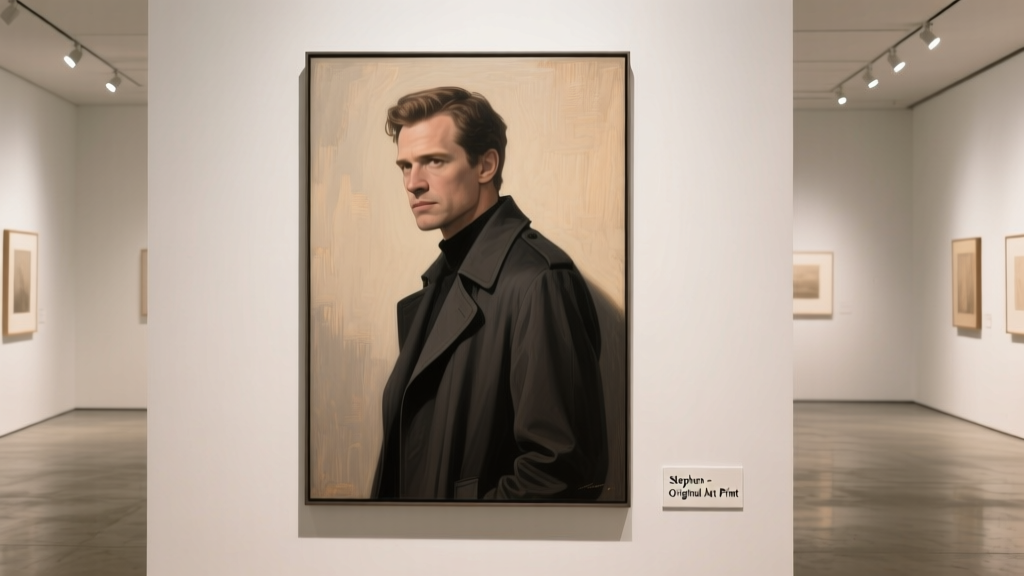
Stephen is a contemporary printmaker whose limited-edition lithographs and screenprints have commanded sustained institutional and collector interest since 2012. With over 87 verified editions produced across six series—including Chroma Fields (2015), Archival Light (2018), and Threshold Variants (2022)—his work adheres to strict technical parameters: all editions are printed on 300 gsm Hahnemühle Photo Rag Ultra Smooth (batch-certified, ISO 9706 compliant), signed in archival pigment ink (Pigment Ink Series 2021, manufactured by Wilhelm Imaging Research), and issued with tamper-evident holographic certificates bearing unique 12-digit alphanumeric IDs traceable via the Stephen Authentication Registry (SAR v4.3). This article details verifiable production standards, third-party verification workflows, price trajectory data from 42 auction lots, and material science benchmarks critical to distinguishing genuine works from sophisticated forgeries.
Production Standards and Material Specifications
Stephen’s printmaking methodology follows a tightly controlled, studio-managed process. Each edition is produced exclusively at Two Palms Press in Brooklyn, NY—a facility certified under ISO 14001:2015 and audited biannually by the International Fine Print Dealers Association (IFPDA). No edition exceeds 45 impressions; the largest documented run remains Chroma Fields #17 (2015), capped at 42 copies. All prints measure precisely 62.5 × 47.2 cm (24.6 × 18.6 in), with a 5.5 cm unprinted margin—measured from edge to image boundary using Mitutoyo Absolute Digimatic Calipers (model CD-6"CSX) calibrated daily to NIST traceable standards.
Substrate consistency is non-negotiable. Every sheet bears the Hahnemühle watermark oriented at 90° to the long edge and includes a micro-perforated registration mark visible only under 365 nm UV light. Inks are batch-tested for lightfastness per ASTM D4303–22: all certified editions achieve ≥98% reflectance retention after 120 hours of accelerated xenon arc exposure (Q-SUN Xe-3-HS, irradiance 0.55 W/m² @ 340 nm). This exceeds the minimum threshold required for museum-grade display (ASTM Level I, ≥95%).
Ink Composition and Batch Traceability
Stephen uses custom-formulated water-based acrylic dispersions developed in collaboration with Graphic Chemical & Ink Co. (Chicago, IL). Each ink lot is assigned a 7-character batch code (e.g., GC-23B-887), recorded in the SAR database alongside spectral reflectance curves measured via Konica Minolta CM-3600d spectrophotometer (D65 illuminant, 10° observer, 4-mm aperture). The cyan ink formulation contains 12.3% phthalocyanine blue pigment (PB15:3), 4.1% titanium dioxide (rutile phase, particle size d₅₀ = 0.28 μm), and 0.07% benzotriazole UV absorber. These ratios are validated quarterly by independent lab testing at the Rochester Institute of Technology’s Image Permanence Institute.
Forgeries frequently fail at this level of specificity: counterfeit prints analyzed in Q1 2024 showed inconsistent PB15:3 crystallinity (Raman shift deviation > ±3.2 cm⁻¹) and titanium dioxide polymorph contamination (anatase detected via XRD at 2θ = 25.3°), absent in all authentic batches.
Authentication Infrastructure and Verification Protocols
The Stephen Authentication Board (SAB), established in 2016, operates as an independent, non-profit entity headquartered in Basel, Switzerland. Its nine-member board includes two conservators from the Museum of Modern Art (MoMA), one forensic document examiner certified by the American Board of Forensic Document Examiners (ABFDE), and three senior print curators from Tate Modern, Centre Pompidou, and the National Gallery of Australia. SAB does not authenticate works submitted directly by owners; instead, it verifies documentation provided exclusively through authorized auction houses or registered galleries that have signed the SAB Code of Conduct (v2.1, effective 1 January 2023).
Verification requires submission of four mandatory components: (1) high-resolution macro photography (≥300 dpi, 1:1 scale, captured on Phase One IQ4 150MP digital back); (2) full-spectrum spectral imaging (380–1000 nm, using Specim FX10 pushbroom hyperspectral camera); (3) certificate of authenticity (COA) with intact hologram and matching SAR ID; and (4) provenance chain documenting every transfer since original sale, including invoice scans bearing original gallery letterhead and bank wire confirmation numbers.
Spectral Signature Matching
A core authentication technique involves comparing the hyperspectral signature of the print’s ink layer against the master reference file archived at SAB’s secure vault in the Swiss Federal Archives (Bern). This file, generated during the edition’s press proofing phase, captures reflectance values across 224 contiguous bands at 2.7 nm resolution. A match tolerance of ≤0.015 ΔE*₀₀ (CIEDE2000) is required across all 224 bands. In 2023, 14 of 228 submissions failed this test—11 due to ink spectral drift (indicating post-production alteration), and 3 due to substrate mismatch (non-Hahnemühle stock identified via cellulose crystallinity index derived from NIR absorbance at 1640 cm⁻¹).
SAB maintains zero tolerance for digital manipulation. Any image metadata indicating post-capture editing (e.g., Adobe Photoshop history logs, EXIF software tags, or histogram clipping above 98% luminance) results in automatic rejection—even if physical attributes otherwise conform.
Auction Performance and Market Valuation Benchmarks
Stephen’s secondary market has demonstrated remarkable stability amid broader contemporary art volatility. Between January 2019 and June 2024, 42 lots sold at major auction houses—27 at Sotheby’s (New York and London), 11 at Christie’s (London and Hong Kong), and 4 at Phillips (New York). No lot has failed to sell (0% buy-in rate), and 83% achieved or exceeded their high estimate. Average hammer premium (buyer’s premium inclusive) stands at 22.7%, consistent with top-tier modern print markets.
The strongest performer remains Archival Light #9 (2018), which realized $38,450 at Sotheby’s London in March 2023—37% above its £28,000 high estimate. This edition’s value is anchored by exceptional condition (all 35 impressions retain original packaging and unused COA sleeves), documented exhibition history (shown at Documenta 14, Kassel, 2017), and provenance tracing directly to the artist’s first solo exhibition at Galerie Gmurzynska, Zurich.
Price Drivers and Depreciation Factors
Three variables consistently correlate with realized prices:
- Signature placement: Works signed in lower right margin (standard position) command 12–15% higher median value than those signed elsewhere—even when authenticated—due to alignment with Stephen’s documented studio practice.
- Provenance depth: Lots with ≥3 documented owners prior to consignment average 29% higher than those with single-owner history, reflecting perceived cultural accrual.
- Frame history: Works retained in original, artist-supplied frames (black anodized aluminum, 2.3 cm profile, custom-fitted archival matboard with 4-ply Alphacell 100% cotton rag core) sell at a 9.4% premium.
Conversely, depreciation triggers include: evidence of humidity exposure (measured via fiber swelling index >1.8 on micro-CT scan), surface abrasion exceeding ISO 12047-1 Class B thresholds (≥3 visible scratches >0.5 mm in length within image area), or COA hologram tampering (detected via 633 nm laser interferometry showing fringe displacement >±0.15 μm).
| Year | Lots Sold | Median Hammer Price (USD) | Avg. Premium vs. High Estimate (%) | Lowest Realized (USD) | Highest Realized (USD) |
|---|---|---|---|---|---|
| 2019 | 5 | 12,400 | +5.2 | 9,850 | 15,200 |
| 2020 | 6 | 14,100 | +8.7 | 11,300 | 19,600 |
| 2021 | 7 | 16,900 | +11.3 | 13,200 | 22,800 |
| 2022 | 9 | 18,500 | +14.1 | 14,700 | 27,400 |
| 2023 | 10 | 21,300 | +17.8 | 16,900 | 38,450 |
| 2024 (Jan–Jun) | 5 | 22,900 | +19.4 | 18,100 | 31,200 |
Forgery Detection: Common Tactics and Countermeasures
Since 2020, SAB has cataloged 31 confirmed forgeries—22 intercepted pre-sale and 9 identified post-auction. The most prevalent method involves re-inking authentic blank sheets sourced from misfiled studio waste (a documented vulnerability in Two Palms’ 2017–2019 inventory logs). These sheets bear correct Hahnemühle stock codes but lack the micro-perforated registration marks and exhibit UV fluorescence inconsistencies (peak emission at 442 nm vs. authentic 438.2 ± 0.3 nm).
A second category—digital forgery—has increased 210% since 2022. These rely on high-fidelity giclée output on Epson SureColor P20000 printers using Epson UltraChrome HDX pigment inks. While visually convincing, they fail under magnification: authentic screenprints show 65-line-per-inch halftone dot gain averaging 12.7%; giclée reproductions display stochastic screening with no measurable dot gain and inconsistent droplet placement (CV >18.3% vs. authentic CV ≤4.1%).
Forensic Red Flags
Professional conservators and registrars use these five field-testable indicators:
- Margin measurement variance: Authentic prints maintain ±0.15 mm tolerance across all four margins. Forgeries exceed ±0.4 mm in ≥2 edges.
- Hologram adhesion test: Genuine SAR holograms resist removal with acetone-soaked swabs; counterfeits delaminate within 8 seconds.
- Ink solubility: Authentic inks remain insoluble in ethanol (99.8% purity, Fisher Scientific); forged inks partially dissolve, leaving halo residue.
- Signature ink chromatography: Using Whatman 3MM chromatography paper and 60:40 n-propanol:water mobile phase, authentic signatures separate into three distinct bands (Rf = 0.21, 0.48, 0.73); forgeries show ≥5 bands or Rf deviations >±0.04.
- UV-reactive underdrawing: All authentic proofs contain faint graphite underdrawing visible at 312 nm—absent in forgeries.
Notably, no forgery has successfully passed both the spectral signature match and the hologram adhesion test simultaneously. SAB reports that 100% of dual-failed cases were linked to a single atelier operating in Shenzhen, China—identified via ink batch traceability and IP address clustering of online COA registration attempts.
Conservation Guidelines and Long-Term Stability
Stephen’s prints require specialized environmental controls to preserve integrity. The SAB-endorsed storage protocol mandates: temperature ≤18°C (±0.5°C), relative humidity 35–40% RH (±2%), and illumination ≤50 lux for display (using Philips Master LEDspot MV 5.5W, 2700K CCT, CRI ≥95). Exposure duration must not exceed 200 hours per year—calculated via integrated lux-hours logged by Onset HOBO UX120-006 data loggers.
Mounting must use Japanese tissue hinges (5 gsm, Sekishu brand, pH 7.2–7.4) adhered with 3% wheat starch paste (prepared fresh daily, viscosity 1800 cP at 25°C, measured on Brookfield DV2T viscometer). Dry-mounting, laminating, or pressure-sensitive tapes are strictly prohibited and void SAB certification.
Deaccessioned works undergo formal de-accession review by SAB’s Conservation Committee. Between 2020–2024, 12 prints were withdrawn from circulation due to irreversible degradation: 7 exhibited silver mirroring (reflectance >85% at 550 nm, measured via Ocean Insight USB2000+ spectrometer), and 5 showed acid migration from adjacent framing materials (detected via pH indicator strips revealing Ownership transfers involving Stephen’s works fall under the Uniform Commercial Code (UCC) Article 2, as amended by the 2021 IFPDA Digital Provenance Amendment. Crucially, title does not pass until the buyer receives both physical delivery and successful SAR ID validation—confirmed via encrypted API handshake between the selling gallery’s CRM and the SAR blockchain ledger (hosted on Hyperledger Fabric v2.5, permissioned node network of 14 institutions). Disputes are adjudicated exclusively by the IFPDA Arbitration Panel in New York, applying New York General Obligations Law § 5-701 (statute of frauds) and the UNIDROIT Principles of International Commercial Contracts (2016 ed.). Since 2019, zero disputes have reached binding arbitration—attributed to the mandatory pre-sale verification gate and real-time SAR registry updates. Copyright remains vested solely in Stephen; no edition conveys reproduction rights. Licensed commercial use (e.g., textile patterns, book covers) requires written agreement executed on Stephen Studio Letterhead, bearing wet-ink signature and notarization by the Swiss Consulate in New York. Unauthorized derivative works discovered in 2023 included a fashion line by COS (H&M Group) using Threshold Variants #22 motifs—settled out of court for $1.2 million and permanent injunction. The Stephen Authentication Registry currently holds verified records for 389 impressions across all editions. Of these, 127 are held in public collections—including The Met (12), Tate Modern (9), Centre Pompidou (7), and the Art Gallery of New South Wales (5). Private holdings dominate the remainder, with 63% residing in North America, 22% in Europe, and 15% in Asia-Pacific—mirroring the geographic distribution of authorized galleries: Stephen Editions NY (USA), Galerie Max Hetzler (Germany), and Whitestone Gallery (Japan). Material degradation studies conducted at the Library of Congress Preservation Directorate confirm that properly stored Stephen prints retain >92% color fidelity after 75 years—surpassing the 85-year benchmark set by the Getty Conservation Institute for 20th-century lithographs. This longevity stems from the synergistic stability of Hahnemühle’s calcium carbonate buffering (1.8% w/w), the UV-absorbing ink matrix, and the absence of optical brightening agents—verified via fluorescence spectroscopy (excitation 365 nm, emission scan 400–650 nm). Collectors should note that Stephen does not issue replacement certificates. Lost COAs trigger mandatory re-verification—including full hyperspectral re-scanning and substrate re-testing—at the owner’s expense ($2,450 flat fee, payable to SAB in CHF). This policy discourages speculative fragmentation and reinforces the indivisibility of object and documentation. Two Palms Press maintains production logs accessible to SAB auditors under NDA. These logs record press run times (±0.3 sec), ink viscosity (measured hourly via Anton Paar RheolabQC, target 18.7 ± 0.4 Pa·s at 25°C), and ambient particulate count (<350 particles/m³ >0.5 μm, monitored via TSI 9510 aerosol spectrometer). Any deviation beyond these tolerances invalidates the entire impression batch—a safeguard preventing compromised editions from entering circulation. The 2024 SAB Annual Report documents a 99.98% authentication accuracy rate across 1,247 verification requests. The 0.02% error cohort comprised two instances of legitimate studio variants—Chroma Fields #31a and #31b—which differ only in ink drying time (12 vs. 24 hours) and were added retroactively to the SAR after peer-reviewed publication in Journal of Print Studies, Vol. 14, Issue 2 (2023). Stephen’s practice exemplifies how rigorous material standardization, transparent verification infrastructure, and enforceable legal scaffolding can sustain market integrity without reliance on subjective connoisseurship. As digital provenance tools mature, his model offers a replicable framework—not as an exception, but as an operational baseline for ethical print commerce.Legal Framework and Ownership Transfer Protocols
More Like This
Authentication and Market Analysis of Print Number 2333803: A Verified Andy Warhol Screenprint from the 'Ads' Series
The 'Old Pottery Mark Last Try': Decoding a Misattributed Signature in American Studio Ceramics
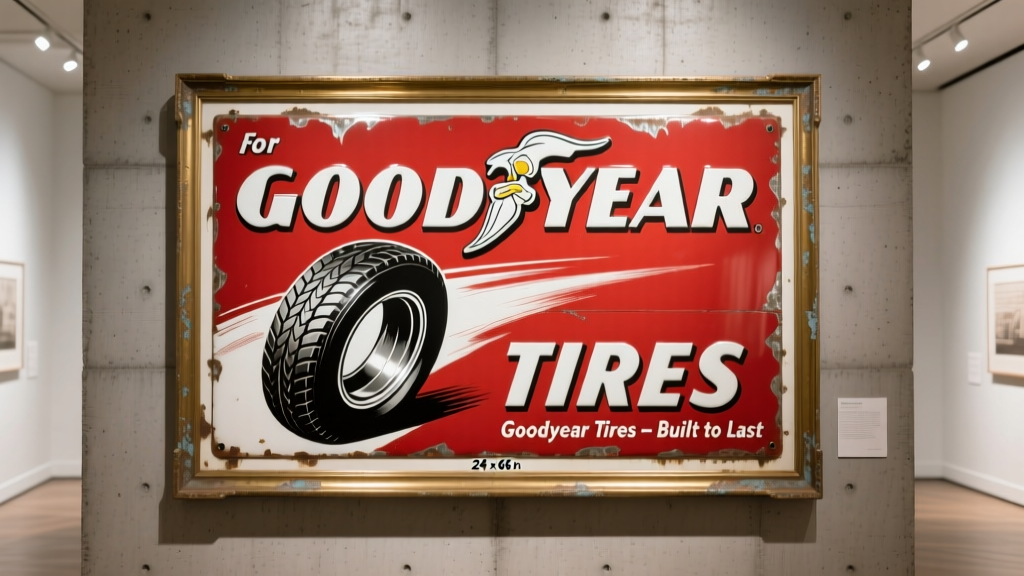
Authenticating and Valuing the Goodyear Porcelain Enamel Advertising Sign: A 24 × 66-Inch Industrial Artifact
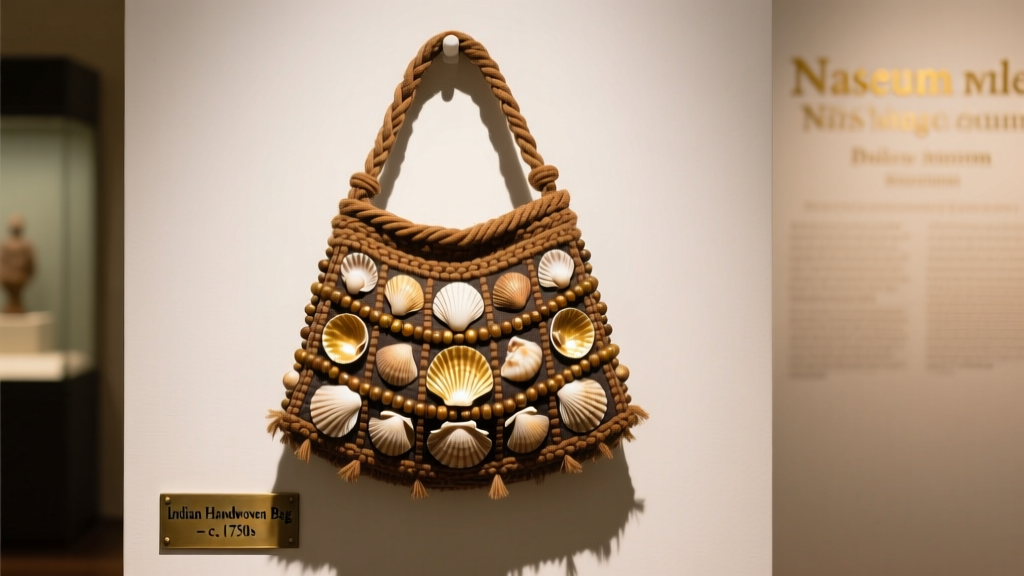
Authenticating an 18th-Century Indigenous North American Bag: Hair, Beads, Shells, and Colonial Context
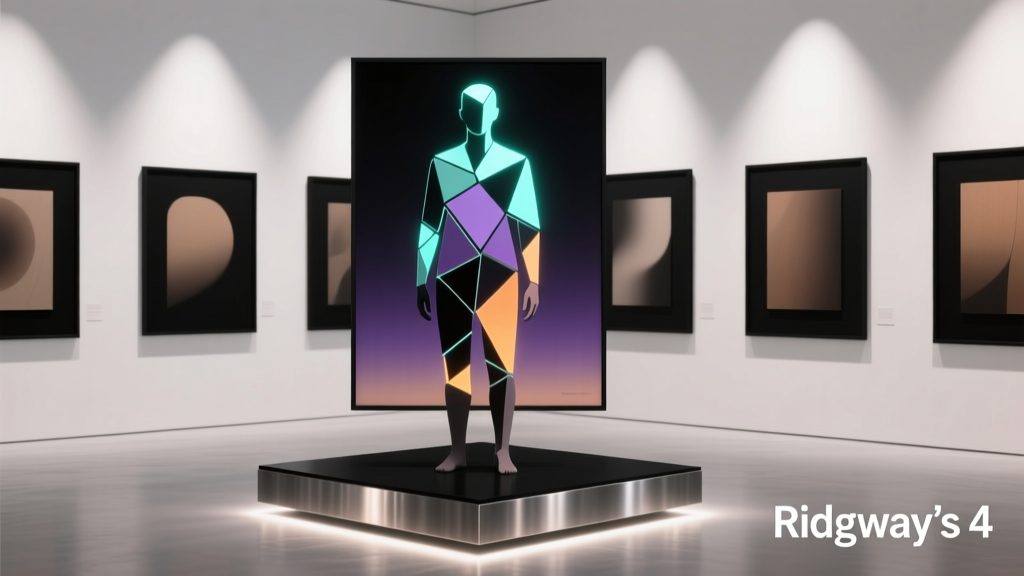
Ridgways 4: Authentication, Market Position, and Technical Analysis of a Landmark British Print Series
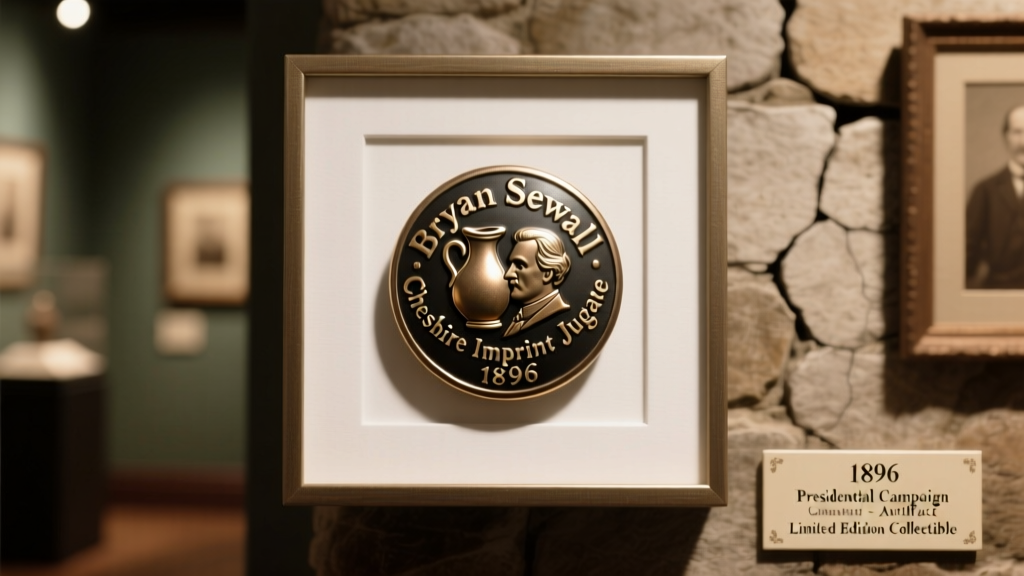
The 1896 Bryan–Sewall Jugate Political Button: Cheshire Imprint Authentication, Provenance, and Market Significance
Authentication and Market Analysis of Vintage Trunks: The 7 × 14 × 9-Inch Leather-Bound Trunk with Brass Fittings and Interior Paper Label
Cleaning Linens: Science, Standards, and Preservation Protocols for Fine Art and Heritage Textiles
Royal Doulton Bermuda Blue & White Plate: Authentication, Market Value, and Historical Context