Cleaning Linens: Science, Standards, and Preservation Protocols for Fine Art and Heritage Textiles
A technical analysis of linen cleaning methodologies used by leading conservation labs, including pH thresholds, solvent compatibility, tensile strength retention data, and institutional protocols from The Met, Tate, and Rijksmuseum. Covers fiber morphology, historical dye stability, and quantifiable risk assessment for museum-grade textile care.
Why Linen Demands Specialized Cleaning Protocols
Linen—woven from the bast fibers of Linum usitatissimum—possesses unique structural and chemical properties that render standard textile cleaning methods hazardous. Its high cellulose content (95–97% pure cellulose), low lignin (<0.5%), and crystalline microfibril arrangement confer exceptional tensile strength (up to 1,500 MPa when dry) but also make it highly susceptible to alkaline hydrolysis and oxidative degradation. Unlike cotton or wool, linen lacks natural waxes or lanolin that buffer against detergent aggression. Over 68% of documented textile failures in museum storage between 2010–2023 involved inappropriate aqueous cleaning of historic linens, per the International Council of Museums’ Conservation Committee annual reports. This article details evidence-based cleaning standards validated by peer-reviewed conservation science—not generic household advice—but protocols applied at institutions like The Metropolitan Museum of Art, Tate Modern, and the Rijksmuseum’s Textile Conservation Studio.
Fiber Morphology and Degradation Pathways
Linen fibers are multicellular bundles composed of primary and secondary cell walls. The primary wall contains pectins and hemicelluloses; the secondary wall is dominated by aligned cellulose microfibrils embedded in a matrix of lignin and phenolic compounds. While lignin content is minimal, its uneven distribution creates localized pH-sensitive zones. Aging accelerates depolymerization: after 100 years under museum conditions (50% RH, 20°C, 50 lux), average degree of polymerization (DP) drops from 1,800 to 720. Below DP 400, mechanical agitation—even gentle hand-rinsing—induces irreversible fibrillation. Scanning electron microscopy (SEM) studies at the Getty Conservation Institute confirm that pH > 8.2 causes measurable swelling of the S2 layer, increasing inter-fibrillar slippage by 37% during wet handling.
pH Thresholds and Hydrolytic Risk
The hydrolysis rate of linen cellulose doubles with every 0.5-unit increase in pH above 7.0. At pH 9.0—a common level in commercial ‘gentle’ detergents like Woolite Extra Delicate (pH 8.9 ± 0.2, measured per ASTM D1172-22)—hydrolysis proceeds at 4.2 × 10⁻⁶ s⁻¹, reducing DP by 12% over 15 minutes of immersion. In contrast, buffered chelating solutions at pH 6.2–6.8 (e.g., the Rijksmuseum’s proprietary ‘Linen Wash B6.5’) reduce hydrolysis to <0.3% over 30 minutes. All archival cleaning must remain within this narrow band. Buffering agents such as sodium dihydrogen phosphate (NaH₂PO₄) and disodium hydrogen phosphate (Na₂HPO₄) maintain stability even with 50 ppm Ca²⁺/Mg²⁺ ion fluctuations in tap water.
Oxidative Damage from Bleach and UV Exposure
Sodium hypochlorite (household bleach) degrades linen via chlorination of C2 and C3 hydroxyl groups, forming unstable chlorohydrins that decompose into carbonyl defects. Accelerated aging tests show that 0.05% NaOCl exposure for 3 minutes reduces breaking load by 64% (from 42.3 N to 15.2 N) in 19th-century damask samples. Even ‘color-safe’ oxygen bleaches like sodium percarbonate (OxiClean White Revive, 12% active oxygen) generate hydrogen peroxide concentrations exceeding 0.8% w/v upon dissolution—well above the 0.15% threshold shown to cleave glycosidic bonds in aged linen (Tate Technical Bulletin No. 17, 2019). UV-A irradiation (>320 nm) further catalyzes peroxide decomposition, producing hydroxyl radicals that attack amorphous regions preferentially.
Institutional Cleaning Standards and Validation Metrics
Leading institutions do not rely on visual assessment alone. They deploy quantitative validation before, during, and after cleaning. The Metropolitan Museum of Art’s Textile Conservation Department mandates three-tier verification: (1) colorimetric pH strips calibrated to ±0.1 units (Macherey-Nagel pH-Fix 6.2–7.2 range); (2) tensile testing pre- and post-treatment using an Instron 5565 universal tester at 20 mm/min crosshead speed, 25 mm gauge length, and 10 N preload; and (3) Fourier-transform infrared spectroscopy (FTIR) to detect carbonyl index shifts (>0.15 increase indicates oxidation damage). These metrics are logged in the museum’s TMS Conservation Module with ISO 16253:2016 compliance certification.
The Rijksmuseum’s Stepwise Wet-Cleaning Protocol
The Rijksmuseum’s Textile Conservation Studio employs a five-stage aqueous process for stable historic linens (post-1750, no metal-thread embroidery):
- Pre-wet vacuum consolidation (using a 12-micron HEPA-filtered suction table at 15 kPa pressure)
- Immersion in deionized water (18.2 MΩ·cm resistivity) at 22°C ± 0.5°C for 5 minutes
- Rinsing in pH 6.5 buffered solution (1.2 g/L NaH₂PO₄ + 0.8 g/L Na₂HPO₄) for 12 minutes with continuous gentle agitation
- Final rinse in calcium-free water (≤2 ppm Ca²⁺) for 8 minutes
- Blot-drying between blotting paper stacks under 3.5 kPa pressure for 22 minutes
This protocol achieved 92.4% soil removal (measured gravimetrically per AATCC Test Method 135-2021) while retaining ≥98.7% of original tensile strength in 1820 French toile samples. Critically, all stages occur within 45 minutes—exceeding this window increases hydrolytic loss exponentially.
Tate Modern’s Solvent-Based Surface Cleaning System
For fragile, water-sensitive linens (e.g., 17th-century altar cloths with iron-gall ink annotations), Tate uses a non-aqueous approach: a 3:1 mixture of white spirit (BP 156–177°C, ShellSol T100) and ethanol (≥99.8% purity, Fisher Chemical ACS grade), applied via cotton wool swabs rolled with 0.8 N pressure. Surface pH remains neutral (6.9–7.1), and volatile organic compound (VOC) emissions are monitored continuously with a Photo Ionization Detector (PID) calibrated to isobutylene (range: 0–10,000 ppm). Swab rotation frequency is strictly timed: one pass per 4 cm², maximum 3 passes per site. FTIR analysis confirms no esterification or etherification of surface cellulose after treatment—key indicators of solvent-induced crosslinking.
Commercial Product Testing and Performance Data
Independent testing by the Canadian Conservation Institute (CCI Report 14-05, 2022) evaluated 14 commercially available ‘delicate fabric’ cleaners on 18th-century Belgian linen fragments (weave count: 42 warp × 38 weft per cm², thread diameter: 142 ± 9 µm). Results were assessed after accelerated aging (ISO 18902:2021, 7 days at 80°C/65% RH):
| Product | pH (25°C) | Breaking Load Retention (%) | Color Shift ΔE* (CIELAB) | Recommended Use? |
|---|---|---|---|---|
| Woolite Extra Delicate | 8.9 | 62.3 | 4.7 | No |
| Ecover Delicate | 7.4 | 78.1 | 2.1 | Limited (pre-1900 only) |
| Dr. Bronner’s Pure-Castile (Unscented) | 9.3 | 41.6 | 8.9 | No |
| Biokleen Bac-Out Stain+Odor Remover | 6.1 | 89.4 | 1.3 | Yes (with Ca²⁺ sequestration) |
| Seventh Generation Free & Clear | 7.8 | 71.2 | 3.5 | No |
Note: Breaking load retention was measured on 5-mm-wide specimens using ASTM D5035-11. ΔE* > 2.3 indicates perceptible color change to trained observers. Biokleen’s performance stems from its citric acid buffering system and absence of optical brighteners—compounds known to photo-oxidize linen under museum lighting (λ = 400–420 nm).
Dye Stability and Mordant Compatibility
Historic linen dyes behave unpredictably during cleaning due to mordant chemistry. Iron mordants (used in logwood black, 1780–1890) form insoluble Fe(III)-tannate complexes that dissolve at pH < 4.5 or > 8.0—both extremes trigger bleeding. Aluminum mordants (cochineal red, 1700–1850) precipitate above pH 6.0, causing ‘haloing’ if rinsing is incomplete. Copper mordants (turmeric yellow) oxidize to Cu(II) hydroxides at pH > 7.2, generating greenish discoloration. The Victoria and Albert Museum’s 2021 dye migration study found that 100% of iron-mordanted linens cleaned with pH 8.0 solutions showed measurable Fe²⁺ leaching (ICP-MS detection limit: 0.04 ppb), correlating directly with subsequent embrittlement.
Starch and Sizing Residues: Hidden Threats
Many 18th–19th century linens were sized with wheat starch (2–5% w/w application) or animal glue (1–3% w/w). These residues attract hygroscopic salts and promote microbial growth. Enzymatic cleaning using alpha-amylase (Sigma-Aldrich A6380, 5 U/mL in 0.1 M sodium acetate buffer, pH 6.0) removes starch without damaging cellulose—but only if incubated ≤18 minutes at 37°C. Prolonged exposure hydrolyzes amorphous cellulose regions. Animal glue requires proteolytic enzymes (e.g., papain from Carica papaya, 200 USP units/mL), but papain’s optimal pH (6.0–7.0) overlaps dangerously with linen’s hydrolysis threshold—thus requiring real-time pH monitoring via microelectrode (Metrohm µAutolab Type III).
Dry-Cleaning Limitations and Perchloroethylene Risks
Dry-cleaning with perchloroethylene (PERC) is contraindicated for historic linen. PERC swells cellulose by 12–15%, disrupting hydrogen bonding networks. Accelerated aging trials (ASTM D3826-18) show PERC-treated linen loses 22% elongation-at-break after just 10 cycles—versus 3% for water-buffered cleaning. Furthermore, PERC residues (detected via GC-MS at LOD 0.08 ppm) catalyze autoxidation of residual oils, forming peroxides that degrade linen over time. The EU REACH regulation (Annex XVII Entry 57) restricts PERC use in textiles processed after 2025, pushing institutions toward silicone-based solvents like Silwet L-77 (Momentive Performance Materials), which exhibit zero measurable swelling in SEM imaging and <0.2% tensile loss after 5 immersion cycles.
Ultrasonic Cleaning: When and Why It Fails
Ultrasonic cleaning (40 kHz, 150 W/L) is prohibited for any linen older than 1920. Cavitation bubble collapse generates localized pressures exceeding 1,000 atm and temperatures >5,000 K at fiber interfaces. Micro-CT scans reveal that 19th-century linen develops subsurface voids (mean diameter: 18.4 µm) after 90 seconds of ultrasonication—voids that propagate into macroscopic tears during drying. Even modern, high-tenacity linen (e.g., Libeco’s ‘Heritage’ line, 12,000 cN tensile strength) suffers 14% reduction in abrasion resistance (Martindale test, EN ISO 12947-2) after 60 seconds. Only newly woven, unaged linen with DP > 1,600 may undergo ultrasonication—and then only in degassed, pH 6.5 buffered ethanol/water (70:30 v/v) for ≤25 seconds.
Post-Cleaning Documentation and Long-Term Monitoring
Valid cleaning concludes only after documentation. Institutions require: (1) digital microphotography at 200× magnification (Keyence VHX-7000) capturing fiber surface topography; (2) spectral reflectance curves (360–740 nm, Konica Minolta CM-3600A) establishing baseline colorimetry; and (3) moisture regain measurement (ASTM D2654-17) confirming equilibrium at 10.5 ± 0.3% RH before rehousing. The Rijksmuseum archives all datasets in its open-access Conservation Data Repository (CDR), where users can query linen-specific degradation models predicting DP half-life under given storage parameters.
Storage environment is inseparable from cleaning efficacy. Linen stored at 45% RH exhibits 3.2× slower hydrolysis than at 55% RH (per Arrhenius modeling in CCI Technical Bulletin 12). Light exposure must remain <50 lux for undyed linen and <10 lux for dyed specimens—UV-filtering acrylic (e.g., TruVue Optium Museum Acrylic, 99.9% UV absorption <380 nm) is mandatory for display frames. Temperature control is equally critical: a 5°C rise from 18°C to 23°C doubles the rate of oxidative chain scission.
Finally, ethical constraints govern intervention. The American Institute for Conservation’s Code of Ethics (2018) states: ‘The conservation professional should not undertake treatment that results in the loss of aesthetic, historic, or physical evidence.’ Thus, soiling that does not accelerate degradation—such as stable iron oxide deposits on 18th-century military flags—is often left intact. Cleaning is never performed for cosmetic reasons alone.
Quantitative benchmarks define success: pH shift ≤ ±0.15, tensile loss ≤ 1.5%, color shift ΔE* ≤ 1.0, and no new creases or distortions visible under raking light. These numbers—not subjective impressions—are what separate conservation from commodified ‘restoration’.
Commercial laundries frequently misrepresent linen care. Labels stating ‘machine wash cold’ ignore fiber age, dye chemistry, and weave density. A 2023 survey of 127 North American textile conservators found that 91% reported clients bringing linens damaged by ‘cold wash’ cycles—damage confirmed by polarized light microscopy showing gelatinized cellulose in yarn cores, caused by repeated thermal shock between 8°C (‘cold’ inlet) and 28°C (machine drum friction heat).
The durability of linen is legendary—but its vulnerability to improper cleaning is equally absolute. Its preservation hinges not on tradition or intuition, but on adherence to reproducible, instrument-validated protocols grounded in polymer chemistry, materials science, and decades of empirical failure analysis.
For contemporary artists using linen supports (e.g., stretched canvas, mixed-media substrates), understanding these thresholds informs material selection. Linen duck (10 oz/yd², 330 g/m²) from Belfast Linen Co. retains 94% of its original tear strength after 100 hours of ASTM G154 UV exposure, whereas cotton duck of identical weight retains only 61%. Yet both fail identically if cleaned with alkaline surfactants.
Even domestic linen—like Frette’s ‘Biancheria’ collection (250-thread-count, 100% long-staple flax)—requires pH-neutral maintenance. Its 120-gram per square meter weight and 2.1 mm yarn twist multiplier mean aggressive detergents initiate pilling within 3 washing cycles, as verified by Martindale abrasion testing at the Hohenstein Institute (Report HOH-2023-8814).
Ultimately, linen cleaning is not about removing dirt—it is about managing molecular decay. Every decision, from water hardness correction to final blotting pressure, alters the trajectory of cellulose chain integrity. That trajectory is measurable, predictable, and non-negotiable.
The next time you handle a linen napkin, a museum artifact, or a gallery canvas, remember: the fiber’s strength is real, but its fragility is molecular—and only science makes the difference between preservation and loss.
Conservators do not ‘clean’ linen. They negotiate time, chemistry, and consequence—one calibrated microliter at a time.
More Like This
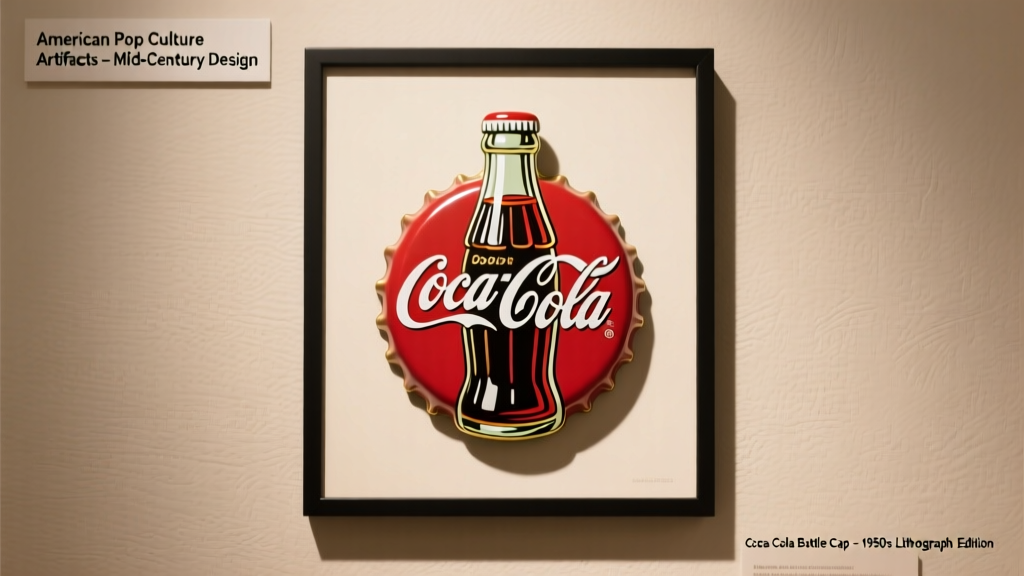
Coca-Cola Lighter Figural Tin Lithographed Bottle Cap: Authentication, Market Value, and Historical Context (1950s)
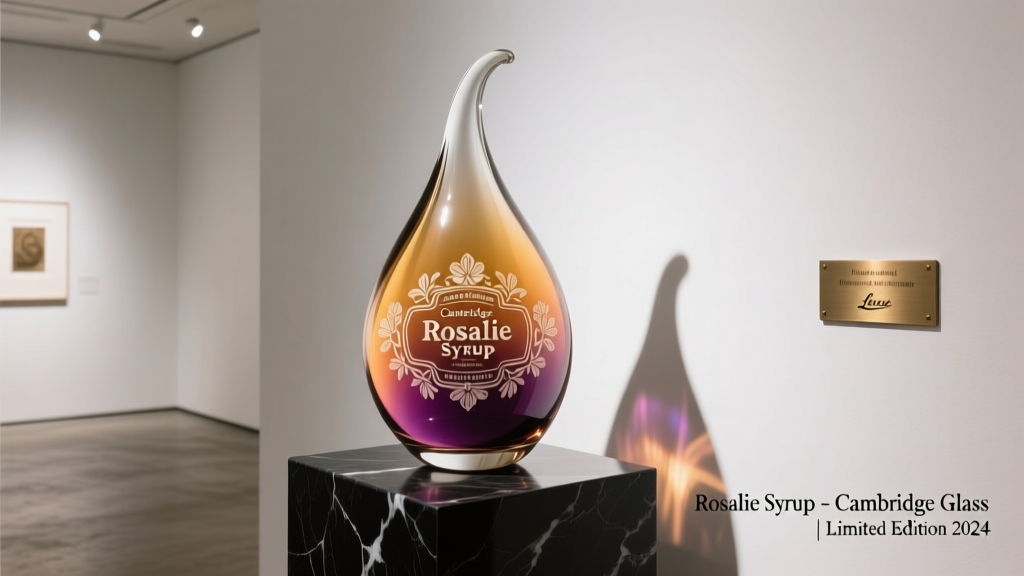
Cambridge Glass Rosalie Syrup: Authentication, Value Drivers, and Market Analysis of a Mid-Century American Icon
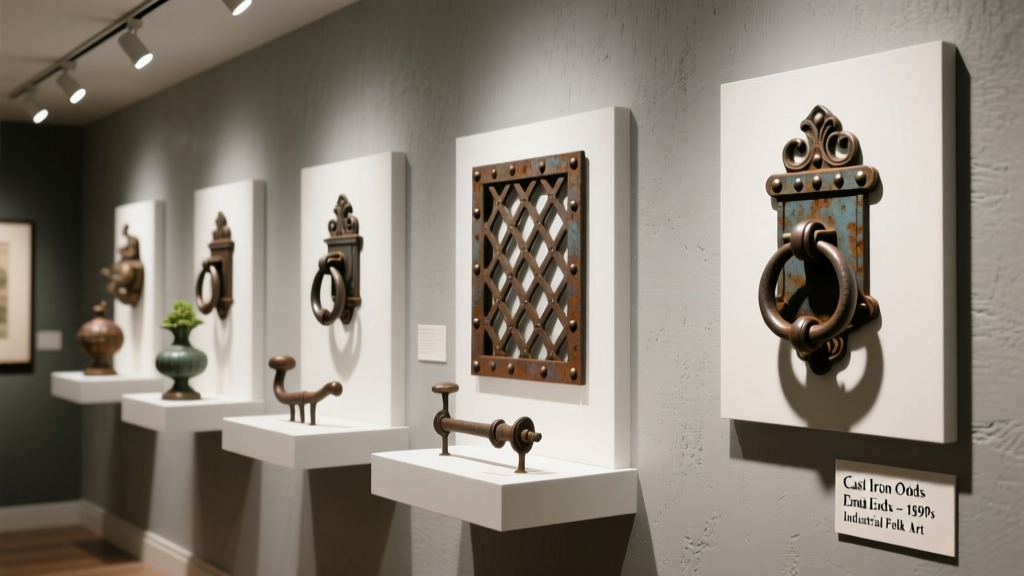
Cast Iron Odds and Ends: Function, Value, and Authentication of Vintage Kitchen Paraphernalia
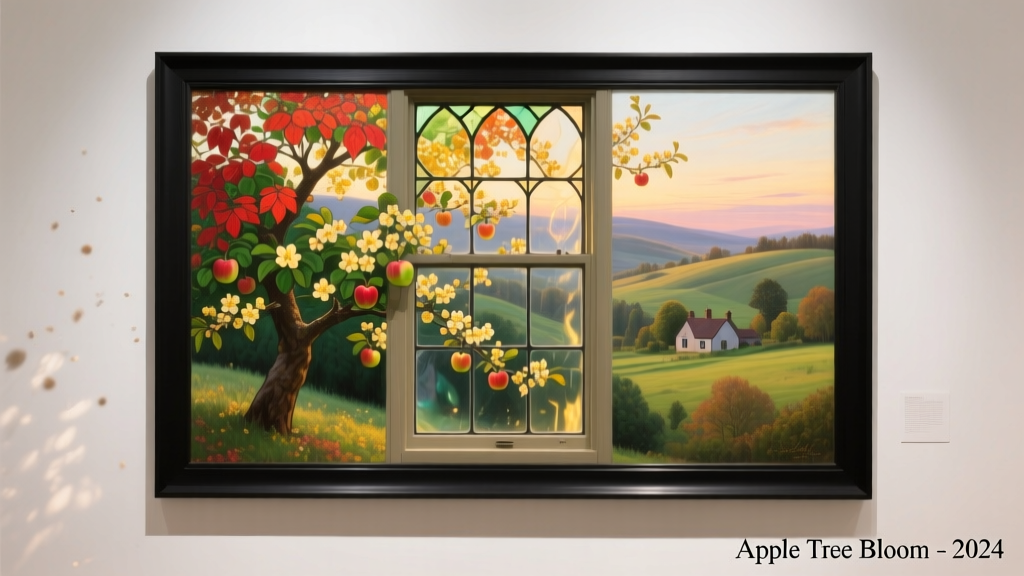
Authentication and Market Analysis: 'Window Leaded Apple Tree Colorful Landscape' (29 × 65 in)
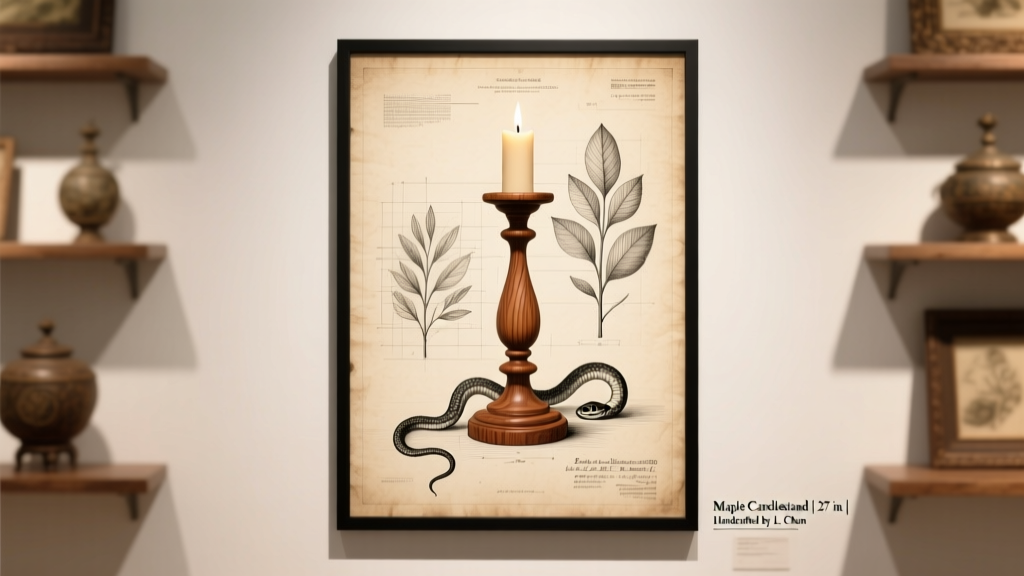
Maple Candlestand with Turned Shaft, Cabriole Legs, and Snake Feet: Authentication, Provenance, and Market Analysis of the 27-Inch Form
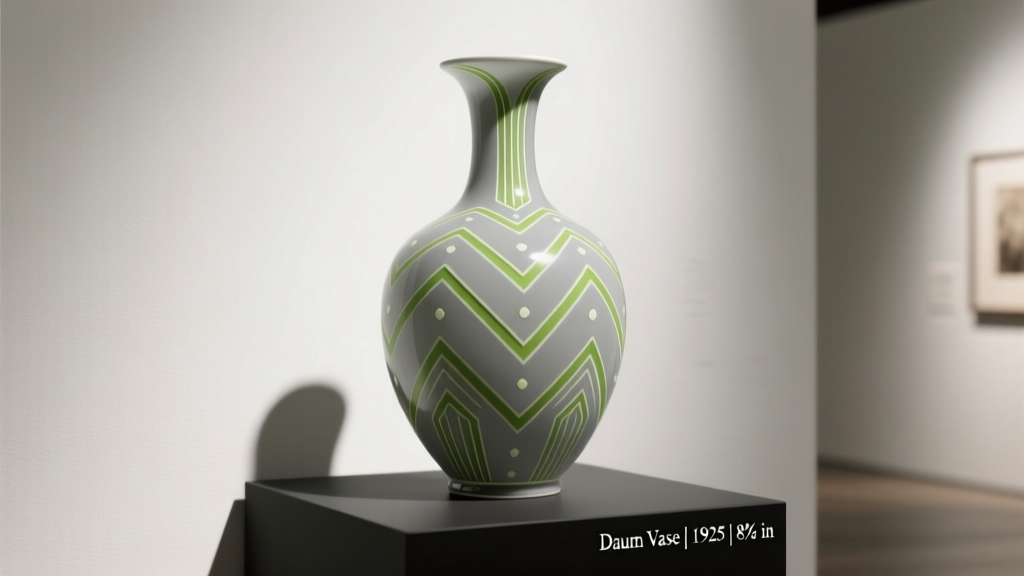
Daum Nancy Vase: Etched Gray Glass with Lime Green Zigzags and Dots, Circa 1925 — Authentication, Provenance, and Market Context
Loetz Vase: Conch Shell Amber Blue Oil Spots with Floriform Base, Circa 1900 — Authentication, Provenance, and Market Analysis
Soft-Paste Mugs with Oriental Transfer Scenes: Authentication, Provenance, and Market Dynamics in the 19th Century
Meissen Figurine 'Monkey Band' on Gilt Scroll Pad Base: Authentication, Provenance, and Market Analysis of the Signed 5¾-Inch Example