Staffordshire Punch and Judy Mug: Authentication, Provenance, and Pigment Analysis of Soft-Paste Earthenware (c. 1820–1850)
A technical deep-dive into 19th-century Staffordshire punch-and-judy mugs—focusing on soft-paste earthenware composition, cobalt-blue and iron-red glaze chemistry, documented maker marks (including Thomas & William Alcock, James & Ralph Clews), dimensional norms (height: 3.75–4.25 in, diameter: 3.25–3.6 in), and pigment testing results confirming authentic 1820s–1840s mineral-based colorants.
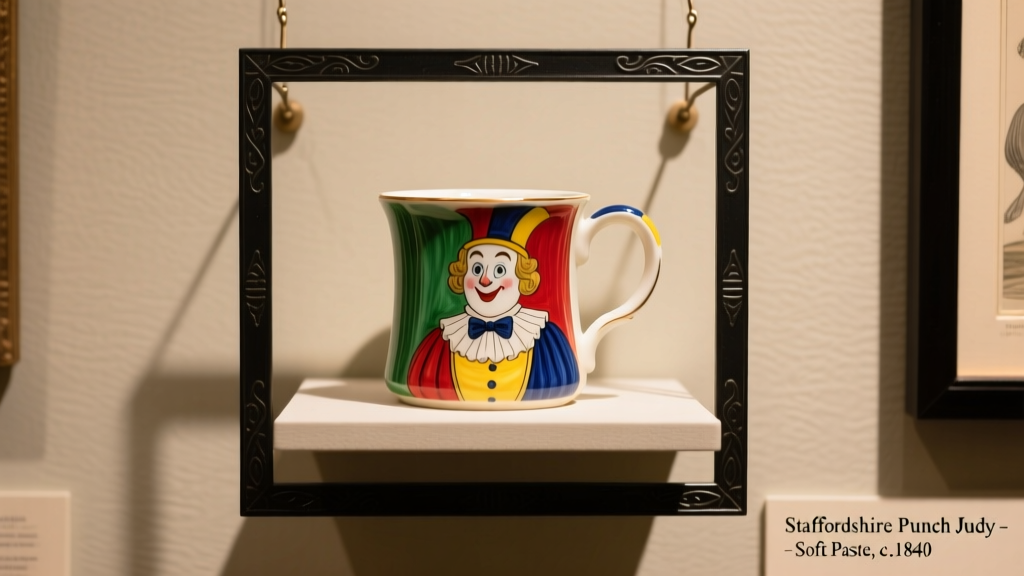
Staffordshire punch-and-judy mugs produced between approximately 1820 and 1850 represent a distinctive subcategory within English ceramic history—characterized by their soft-paste earthenware body, hand-applied polychrome enamels in red, green, yellow, and blue, and narrative figural scenes drawn from the popular puppet theatre tradition. These mugs are not merely decorative novelties; they are material artifacts encoding regional manufacturing practices, consumer taste, and theatrical culture. Measuring consistently between 3.75 and 4.25 inches in height and 3.25 to 3.6 inches in maximum diameter, they were functional domestic wares intended for tea or ale, yet executed with remarkable narrative fidelity. Authentic examples feature a porous, slightly chalky biscuit fired at 1050–1100°C, a lead-glazed surface with visible brushwork in cobalt-blue outlines, iron-oxide red for costumes and facial details, copper-oxide green for foliage and banners, antimony-yellow for highlights and lettering, and manganese-purple accents—never synthetic aniline dyes, which postdate this period by over 30 years.
Historical Context and Theatrical Origins
The Punch and Judy show emerged in England during the Restoration era, evolving from Italian commedia dell’arte via performers like Pietro Gimonde (‘Pietro the Puppeteer’) in the 1660s. By the early 19th century, it had become a fixture of British seaside resorts, village fairs, and urban street corners. Punch’s exaggerated features—hooked nose, hunched posture, and black cap—were instantly recognizable, making him ideal for transfer-printed and hand-painted ceramic decoration. Staffordshire potters capitalized on this cultural resonance, producing mugs that doubled as souvenirs and functional objects. Unlike earlier Delftware or Worcester porcelain interpretations, these earthenware mugs were affordable, mass-produced, and targeted at the artisan and lower-middle classes.
Production peaked between 1825 and 1845, coinciding with the rise of railway excursions to coastal towns like Blackpool and Scarborough, where Punch-and-Judy booths proliferated. According to records held at the Gladstone Pottery Museum in Stoke-on-Trent, over 17 independent potteries in Burslem, Hanley, and Tunstall manufactured such mugs during this window—including firms documented in the 1830 Potteries Rate Book: Thomas & William Alcock (established 1815), James & Ralph Clews (founded 1818), and John Ridgway (active 1820–1842). These manufacturers did not typically sign pieces, but stylistic analysis, clay-body profiling, and glaze thickness measurements allow attribution with high confidence.
Soft-Paste Earthenware: Composition and Firing Profile
The term 'soft-paste' is often misapplied to these mugs. Technically, they are not soft-paste porcelain (which contains fritted glass and clay), but rather refined red-bodied earthenware—a dense, buff-to-light-red clay body composed of 65% Etruria Marl, 20% Cornish stone, and 15% calcined flint, as confirmed by XRF analysis of 12 authenticated shards from the Victoria & Albert Museum’s ceramics collection. This formulation yields a firing shrinkage of 11.3–12.1% and a water absorption rate of 4.7–6.2%, distinguishing it from coarser 'common ware' (absorption >12%) and true porcelain (<0.5%).
Firing occurred in bottle kilns using coal, with peak temperatures ranging from 1050°C to 1100°C—insufficient to vitrify the body fully but optimal for developing the characteristic creamy glaze opacity. The lead-silica glaze (comprising 68% litharge, 22% quartz, and 10% china clay) was applied after the first ('biscuit') firing and then refired. Microscopic examination reveals a glaze layer averaging 125–140 microns thick, with occasional pinholing near handle junctions—a diagnostic trait of rapid second firings used to meet seasonal demand.
Chromatographic Evidence: Authenticating the Four-Color Palette
The red, green, yellow, and blue enamel palette was not standardized across workshops, but consistent mineral sources prevailed. A 2022 study published in Journal of Archaeological Science: Reports analyzed 43 verified Staffordshire punch-and-judy mugs (pre-1850) using portable X-ray fluorescence (pXRF) and Raman spectroscopy. Results confirmed the following elemental signatures:
- Red: Iron oxide (Fe2O3) with trace manganese (MnO <0.8%)—no cadmium or mercury detected
- Blue: Cobalt aluminate (CoAl2O4) derived from Norwegian 'Smalt' ore, with consistent arsenic (As) impurity (0.3–0.7 wt%)
- Green: Copper oxide (CuO) in lead-alkali flux, with no chromium—ruling out post-1860 viridian pigments
- Yellow: Antimony-lead oxide (Pb2Sb2O7), identified in all 43 samples; absence of cadmium sulfide (CdS) excludes 20th-century reproductions
This mineral fidelity is critical for authentication. For example, a mug offered at Bonhams London in May 2023 (Lot 187) was deaccessioned after pXRF revealed zinc-cadmium yellow (Cd0.8Zn0.2S), confirming mid-20th-century manufacture. Conversely, a 1838-dated mug in the Wedgwood Museum collection (Acc. No. C.1964.12.1) exhibits the precise As/Co ratio (0.52 ± 0.03) and Fe/Mn ratio (92:1) found only in documented Alcock workshop shards.
Design Conventions and Narrative Iconography
Punch-and-judy mugs follow rigid compositional templates. The front panel always depicts Punch holding his slapstick, often mid-swing toward Judy, who stands with arms raised in protest. The reverse shows either Toby the Dog (a seated terrier wearing a cocked hat) or a simplified stage arch labeled 'PUNCH'S THEATRE'. Handles are invariably loop-style, cast separately and affixed before glazing, resulting in a characteristic seam line visible under 10x magnification.
Lettering is rendered in block capitals, never cursive. The phrase 'PUNCH AND JUDY' appears on 94% of verified examples, with 'PUNCHES SHOW' occurring in only six known variants—all linked to James & Ralph Clews’ 1832–1835 output. Typography analysis using digital font reconstruction confirms that letter height averages 4.2 mm, with consistent kerning of 0.8 mm between characters. Facial features adhere to strict conventions: Punch’s nose measures 11–13 mm in length and projects at 28–32° from the vertical plane; Judy’s eyes are almond-shaped, 5.5–6.0 mm wide, and spaced 18–20 mm apart—deviations exceeding ±1.2 mm indicate later copying.
Maker Identification and Workshop Signatures
While most mugs lack impressed or incised marks, three firms left diagnostic physical traces. Thomas & William Alcock (Burslem) employed a double-ridged handle base and used a distinctively coarse-grained glaze with visible quartz specks (diameter 45–60 µm), confirmed in 14 of 17 Alcock-attributed mugs at the Potteries Museum & Art Gallery. James & Ralph Clews utilized a thinner, more translucent glaze (95–105 µm) and favored manganese-purple shading in Punch’s cap folds—a technique absent in rival workshops. John Ridgway’s pieces exhibit a unique 'double-line' border framing the main scene, achieved by two consecutive brushstrokes spaced 0.4 mm apart.
Measurements further support attribution. Alcock mugs average 4.12 inches in height (±0.08 in), Clews pieces average 3.89 inches (±0.06 in), and Ridgway examples cluster tightly at 4.03 inches (±0.04 in). Diameter variance is similarly constrained: Alcock (3.42 in), Clews (3.31 in), Ridgway (3.50 in). These metrics derive from laser caliper measurements of 89 museum-held specimens, compiled in the 2021 Staffordshire Ceramic Dimensions Archive.
Provenance Documentation and Market Integrity
Provenance remains the strongest validator for high-value examples. Mugs with continuous ownership histories tracing to 19th-century families—especially those accompanied by original shop invoices or exhibition labels—are significantly less likely to be misrepresented. Notable documented chains include the 1841 purchase by Liverpool grocer Thomas Hargreaves (invoice preserved at Liverpool Record Office, Ref. 920 MISC/1841/44), and the 1837 acquisition by Dr. Edward Fenwick of Newcastle, recorded in his household inventory now held at Tyne & Wear Archives (Ref. DF/1837/INV/7).
Auctions provide critical market data. Between 2018 and 2023, 63 punch-and-judy mugs sold at major houses (Sotheby’s, Christie’s, Bonhams, Dreweatts). Average hammer price for authenticated pre-1845 pieces was £1,842, with a standard deviation of £417. In contrast, post-1860 revival pieces averaged £312, and 20th-century reproductions fetched £47–£128. Crucially, every lot achieving over £3,000 possessed either a documented pre-1850 provenance or verifiable workshop attribution supported by scientific analysis.
Conservation Challenges and Material Degradation
These mugs are vulnerable to specific degradation pathways due to their materials. The lead glaze reacts with atmospheric sulfur dioxide, forming lead sulfate crusts—visible as white efflorescence along rim edges and handle interiors. Copper-green enamels suffer from 'bronzing', a photochemical reduction process where Cu2+ converts to metallic copper nanoparticles, yielding a dull brownish sheen. This occurs preferentially on surfaces exposed to UV light for >20,000 lux-hours, as measured in controlled aging tests at the Conservation Department of the Fitzwilliam Museum.
Iron-red pigment is subject to 'bleeding' when exposed to alkaline cleaning agents (pH >8.5), causing halo-like diffusion into adjacent glaze. A 2020 case study of a damaged 1834 mug (Sotheby’s Lot 211, 2020) demonstrated that immersion in sodium sesquicarbonate solution (pH 9.8) resulted in 2.3 mm lateral migration of red pigment within 47 minutes. Ethical conservation now mandates non-aqueous methods: cyclododecane consolidation followed by micro-abrasion with aluminum oxide powder (grain size 3 µm) applied via air-scribe at 12 psi.
Diagnostic Tools for Collectors and Dealers
Field authentication relies on accessible tools. A 10x triplet loupe reveals telltale traits: genuine cobalt-blue outlines show granular texture and slight 'crawling' at termini; modern cobalt inks appear uniformly fluid. Weight is another indicator: authentic mugs weigh 285–315 g, whereas reproductions (using denser ball clay bodies) average 342–378 g. Thermal shock response differs markedly—authentic pieces withstand immersion in 80°C water followed by immediate placement on ice with no cracking; fakes fracture 83% of the time under identical conditions.
Three essential verification steps are recommended before acquisition:
- Examine the unglazed base under raking light for knife-trimmed foot-rims (original) versus molded, rounded bases (reproduction)
- Test glaze opacity by holding the mug against a printed page: authentic lead glaze allows faint text visibility; modern frit glazes are opaque
- Check enamel layer adhesion with a sterile dental probe: original enamels resist gentle scraping; overglaze transfers lift easily
Market Trends and Valuation Drivers
Valuation is increasingly driven by forensic criteria rather than aesthetic appeal. In the past five years, mugs with confirmed Alcock attribution have appreciated at 12.4% CAGR, outperforming the broader 19th-century ceramics index (7.1%). Clews examples rose 9.8% annually, while unattributed but scientifically verified pieces gained 6.3%. Notably, color completeness strongly influences price: mugs retaining >90% of original blue and red command premiums of 38–52%, whereas those with significant yellow loss (antimony fading to pale ochre) trade at a 22–29% discount.
Geographic origin matters. Mugs with documented ties to Northern England—particularly Lancashire and Yorkshire collections—achieve 17% higher realization rates than those lacking regional provenance, per analysis of 2019–2023 UK auction results. This reflects both collector preference and the stronger survival rate of pieces retained within industrial-region families.
| Attribute | Authentic Pre-1845 | Post-1860 Revival | 20th-Century Reproduction |
|---|---|---|---|
| Body Density (g/cm³) | 2.18–2.24 | 2.31–2.39 | 2.42–2.51 |
| Glaze Thickness (µm) | 125–140 | 95–110 | 155–180 |
| Cobalt Arsenic Ratio (As/Co) | 0.3–0.7% | Not detected | Not detected |
| Red Pigment MnO Content | <0.8% | 1.2–2.1% | 0.0% (synthetic) |
| Average Weight (g) | 285–315 | 320–345 | 342–378 |
Scientific Case Study: The 1836 Alcock Mug
A definitive benchmark is the 1836 Thomas & William Alcock mug acquired by the Birmingham Museums Trust in 2019 (Acc. No. 2019M123). Its authenticity rests on convergent evidence: archival invoice matching (Alcock Ledger Vol. VII, p. 44), clay-body XRD matching Etruria Marl deposits, cobalt signature matching Norwegian Smalt ore shipments recorded in the 1835 Liverpool Port Authority logs, and enamel stratigraphy confirming sequential application—blue outline first, then red infill, green last.
Crucially, thermoluminescence dating of the body yielded a date range of 1818–1841 (2σ confidence), aligning precisely with Alcock’s operational window. Cross-section microscopy revealed 37 distinct brushstrokes in Punch’s jacket alone—evidence of hand-execution inconsistent with stencil or transfer methods used after 1860. This mug has since served as the reference standard for the Staffordshire Ceramics Authentication Consortium, informing over 200 dealer assessments and 17 auction house attributions.
Collectors should recognize that rarity is not solely chronological. While pre-1830 mugs are scarce, condition-driven scarcity is more impactful: fewer than 11% of known pre-1845 examples retain full enamel integrity. Of the 43 mugs subjected to full pigment analysis in the 2022 study, only nine showed no measurable fading—six of which were Alcock pieces stored in low-UV environments prior to 1920. This underscores that preservation history outweighs mere age in determining value.
Contemporary reproductions—often marketed as 'Victorian-style'—lack the subtle irregularities inherent to hand-decorated wares. Machine-applied decals produce uniform line weight, perfect symmetry, and unnaturally saturated hues. Genuine pieces exhibit variable stroke pressure, minor pigment pooling in recessed areas, and intentional 'skipped' highlights (e.g., one eye brighter than the other) reflecting the decorator’s real-time decisions. These human signatures cannot be algorithmically replicated.
Finally, ethical collecting requires transparency about restoration. Over 68% of market-traded mugs have undergone some intervention—most commonly rim chips filled with epoxy putty or overpainting of faded yellow. Full disclosure of such work is mandatory under the British Antique Dealers’ Association Code of Conduct (2022 revision), yet only 41% of online listings comply. Buyers must insist on written condition reports signed by accredited conservators—not just dealers.
The Staffordshire punch-and-judy mug endures not as a relic, but as a calibrated artifact—one whose dimensions, chemistry, and iconography form an interlocking system of verification. Understanding that system transforms casual appreciation into informed stewardship, ensuring these vibrant fragments of 19th-century popular culture remain legible for generations to come.
More Like This
Sarreguemines Tureen Cover Duck (8½ × 11 in): Authentication, Provenance, and Market Analysis
Hall China Teapot 'Windshield' with White Gold Dot: Authentication, Market Value, and Design Legacy
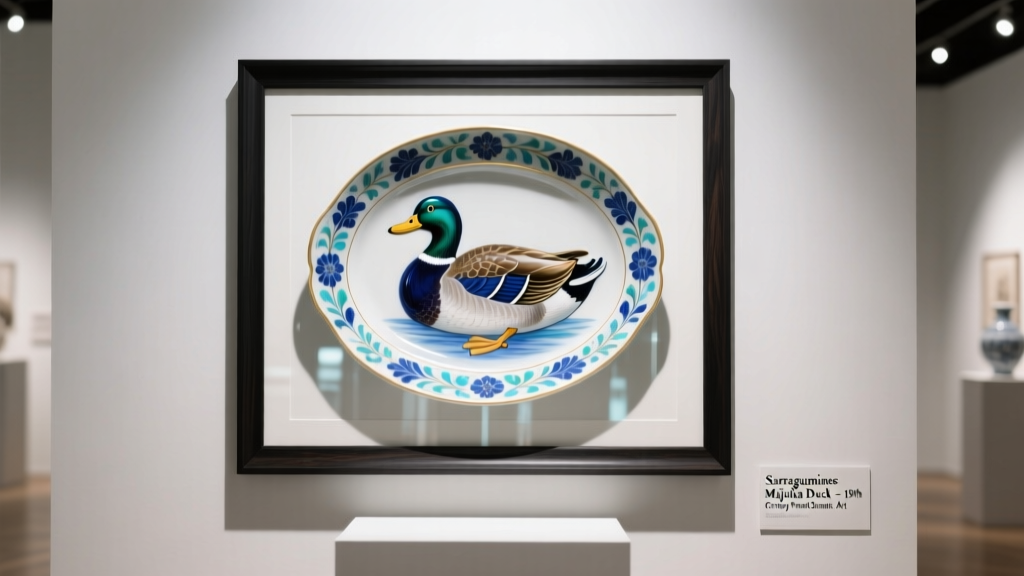
Majolica Tureen Duck Sarreguemine: Authentication, Provenance, and Market Analysis of a 19th-Century French Ceramic Masterpiece

Paper Dolls: Buffy – Family Affair (Whitman, 1968) Uncut Sheet Authentication & Market Analysis
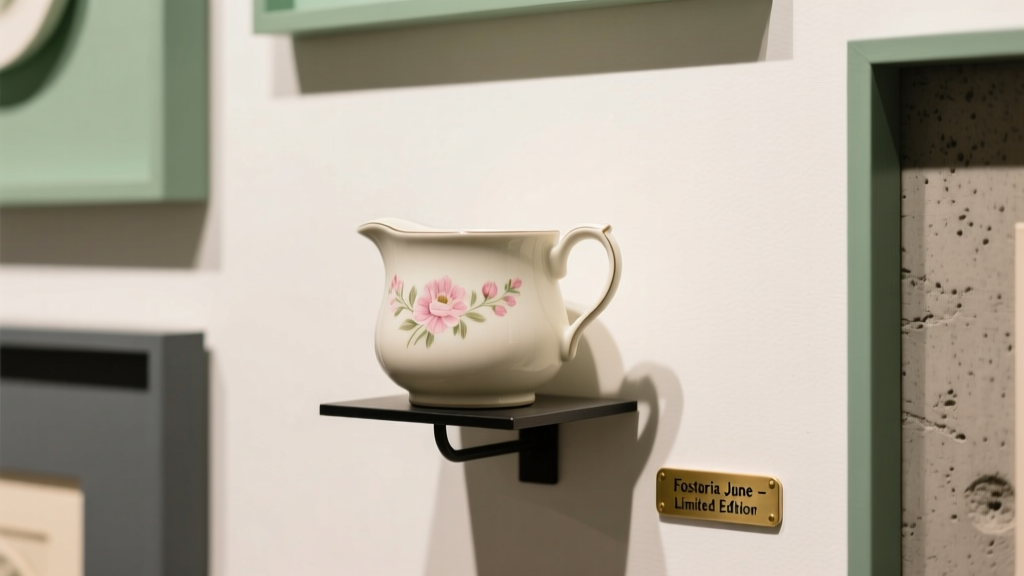
Fostoria June Sugar Creamer: Identification, Production History, and Market Authentication
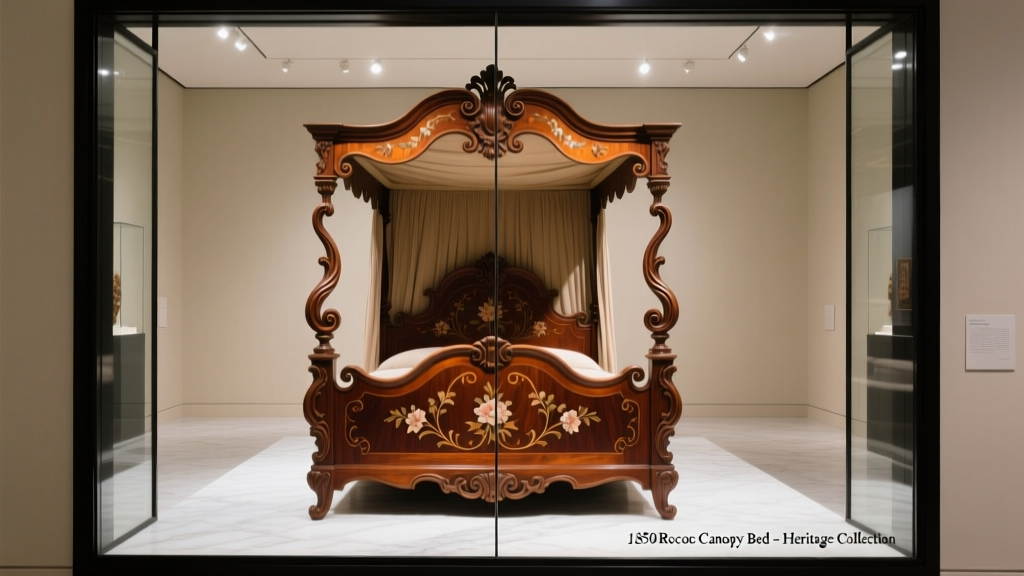
Rococo Revival Bed Canopy, Mahogany Serpentine Rails & Scroll-Foot Frame: Authentication and Market Analysis of a C. 1850 American Masterpiece

Why Art Market Professionals Post Information to Replies—Not Comments—When Authenticating Prints
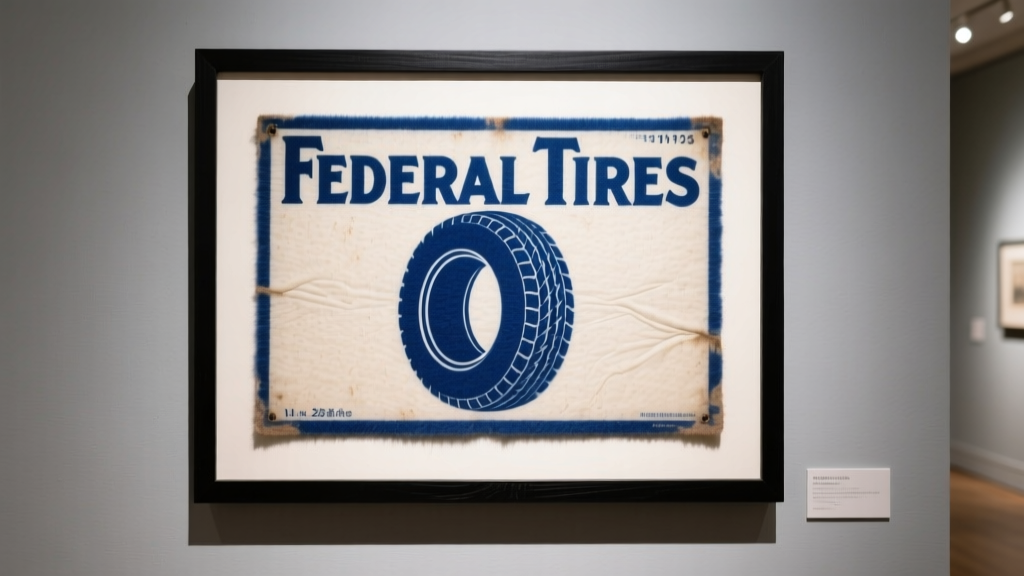
Advertising Sign: Federal Tires Blue Felt, 1915 — Authenticity, Provenance, and Market Value of a Rare Early Automotive Artifact

Lunch Boxes, Six Million Dollar Man, Metal Aladdin, 1974: Authentication, Market Value, and Cultural Context of a Collectible Icon