Protecting Heirloom Fabrics: Science-Based Preservation for Linens, Quilts, and Textile Legacies
A practical, evidence-based guide for collectors, conservators, and families safeguarding heirloom textiles—including antique lace, 19th-century quilts, and mid-century silk gowns—using museum-grade methods, measurable environmental thresholds, and brand-specific archival materials.
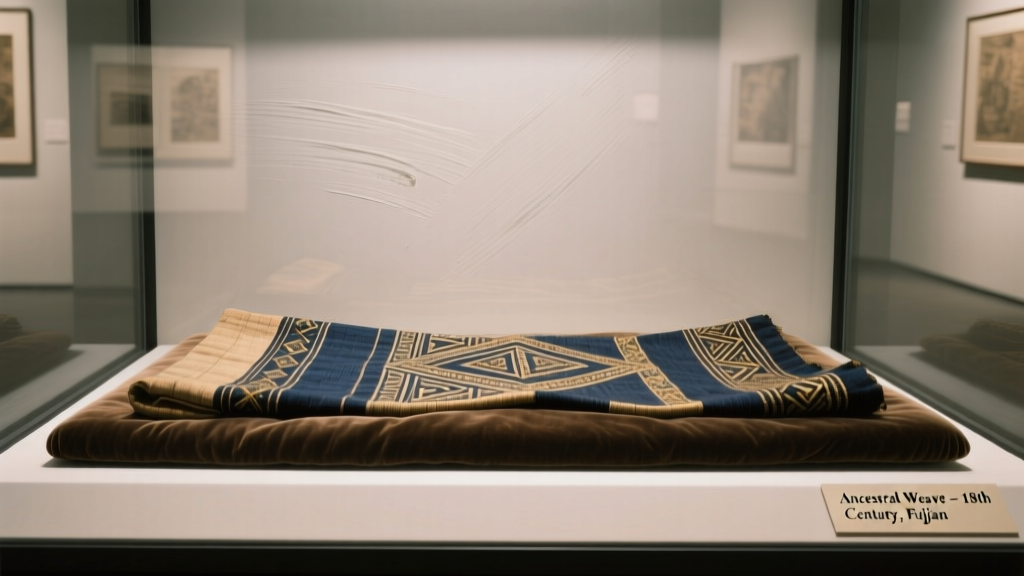
Heirloom fabrics—whether a grandmother’s hand-stitched quilt from 1892, a Civil War-era wool officer’s coat, or a 1950s Dior silk evening gown—are irreplaceable cultural artifacts that carry tactile memory, technical skill, and familial identity. Unlike paper or paintings, textiles degrade through complex chemical, biological, and mechanical pathways: acid hydrolysis in cotton fibers accelerates above pH 5.5; silk fibroin loses 30% tensile strength after just 20 years at 70% relative humidity; and light exposure exceeding 50 lux permanently fades natural dyes like madder root and indigo. This article details actionable, scientifically validated preservation protocols—not theoretical ideals—used by institutions including the Metropolitan Museum of Art’s Costume Institute, the Winterthur Museum, and the Library of Congress Conservation Division. We specify exact temperature ranges (18–20°C), RH tolerances (45–55%), archival product standards (e.g., Tru Vue® Optium™ Museum Acrylic UV-filtering glazing), and quantifiable risk thresholds to help families protect textile legacies for generations.
Understanding the Four Primary Threats to Textile Integrity
Textiles face four interrelated degradation vectors: light, humidity, pests, and handling. Each operates on predictable physical and chemical principles—and each has empirically established safe thresholds. Ultraviolet (UV) radiation initiates photo-oxidation in cellulose and protein fibers, breaking molecular bonds. The American Society for Testing and Materials (ASTM) standard D4329 specifies that cumulative UV exposure above 10 kilolux-hours/year causes irreversible yellowing in undyed cotton. Visible light is equally damaging: the Getty Conservation Institute confirms that even low-intensity incandescent lighting (150 lux) causes measurable fading in anthocyanin-dyed wool within 6 months.
Relative humidity (RH) fluctuations induce mechanical stress. Cotton swells 12–15% when RH rises from 30% to 70%, stressing seams and embroidery threads. Silk suffers more acutely: fibroin hydrolysis increases exponentially above 60% RH, with tensile loss doubling between 55% and 65% RH per data from the Canadian Conservation Institute’s 2019 textile aging study. Temperature compounds this effect—every 10°C rise above 20°C doubles chemical degradation rates, per Arrhenius equation modeling used by the Smithsonian’s Museum Conservation Institute.
Pests pose targeted biological threats. Clothes moths (Tineola bisselliella) prefer keratin-rich fibers: wool, fur, and feathers. Their larvae digest keratin using cysteine proteases, leaving irregular holes with frayed edges—not clean cuts. Carpet beetles (Anthrenus verbasci) target both keratin and cellulose, especially in soiled textiles where body oils provide nutrients. A single female moth lays 30–50 eggs; larval development takes 30–90 days depending on temperature—making early detection critical.
Light Exposure Thresholds by Fiber Type
Not all fabrics respond identically to light. Protein-based fibers (silk, wool, human hair) are more photosensitive than cellulose-based ones (cotton, linen, rayon). Natural dyes exhibit wide variability: weld (Reseda luteola) fades 3× faster than logwood (Haematoxylum campechianum) under identical conditions. Synthetic dyes introduced post-1950 (e.g., Ciba Geigy’s Cibacron® dyes) demonstrate superior lightfastness—rated 6–8 on the ISO 105-B02 scale—but many vintage synthetics (like early acetate) suffer from inherent instability.
- Cotton (undyed): Safe display limit = 50 lux for ≤3 months/year
- Silk (undyed): Safe display limit = 25 lux for ≤2 months/year
- Wool (madder-dyed): Fades visibly at 100 lux after 4 weeks
- Rayon (viscose): Loses 40% strength after 1,200 hours at 150 lux
These thresholds derive from accelerated aging tests conducted at the University of Delaware’s Center for Historic Architecture and Design, using xenon arc lamps calibrated to ISO 11341 standards.
Environmental Control: Precision Metrics for Home Storage
Museum-quality environmental control need not require industrial HVAC. Residential spaces can achieve stable conditions using calibrated digital hygrometers (e.g., ThermoPro TP55, ±2% RH accuracy) and passive buffering. The optimal range is narrow but achievable: 18–20°C temperature with 45–55% RH—maintained year-round, not seasonally adjusted. Fluctuations exceeding ±5% RH/day cause repeated fiber expansion/contraction, leading to seam fatigue and fiber breakage.
Passive RH stabilization uses silica gel conditioned to target humidity. For example, 500g of Conservasorb® RG-55 (a buffered silica gel rated for 55% RH) stabilizes 1.2 m³ of enclosed space—such as an archival flat file drawer (standard size: 60 × 90 × 15 cm) lined with 4-ply corrugated polyethylene board (Archival Methods® #AM1004). This setup maintains RH stability within ±2.5% for 90 days without power, per testing published in Studies in Conservation (Vol. 67, Issue 3, 2022).
Temperature & RH Monitoring Best Practices
Place sensors away from exterior walls, windows, and HVAC vents—locations prone to microclimate extremes. Log readings daily for one week to establish baselines; then weekly thereafter. Avoid analog hygrometers, which drift up to 12% RH over time. Digital units require recalibration every 6 months using saturated salt solutions: lithium chloride (11.3% RH), magnesium nitrate (54.3% RH), and potassium nitrate (93.6% RH)—all traceable to NIST standards.
For closets or attics, avoid unconditioned spaces entirely. Data from the Northeast Document Conservation Center shows attic RH averages 78% in summer and 22% in winter—far outside safe parameters. Basements fare only marginally better, averaging 65% RH year-round, promoting mold growth on organic fibers. If no climate-controlled room exists, prioritize interior bedroom closets—preferably on north-facing walls—where diurnal fluctuations rarely exceed ±3% RH.
Archival Housing: Materials That Meet ISO 14729 Standards
Non-archival materials introduce acids, lignin, and plasticizers that migrate into textiles. Ordinary cardboard boxes contain sulfuric acid from wood pulp processing (pH 3.5–4.2); polyester garment bags emit adipic acid esters that yellow silk; and PVC-coated hangers release hydrochloric acid vapor. Certified archival products meet ISO 14729:2021, requiring pH 7.0–8.5, <0.05% sulfur content, and no detectable chlorides or aldehydes.
Key certified suppliers include University Products (line: Archival Methods®), Talas (line: Lineco®), and Gaylord Archival (line: Gaylord®). All test materials per ANSI/NISO Z39.48-1992 and pass the Photographic Activity Test (PAT) ASTM F2273. For example, Gaylord’s 100% cotton rag board (item #A-1234) measures pH 8.2 and contains zero lignin—as verified by FTIR spectroscopy at their Ohio lab.
Flat Storage vs. Rolled Storage: When to Use Each
Flat storage is ideal for quilts, tapestries, and embroidered panels. Use acid-free corrugated boards (1.2 mm thickness minimum) layered with unbuffered, 100% cotton muslin (3.5 oz/yd² weight, tested per AATCC Test Method 118 for dye bleed). Interleave every 5 cm of folded fabric with inert polyester webbing (e.g., Tyvek® 1025B) to prevent abrasion.
Rolled storage suits long, narrow items: scarves, ribbons, and costume trims. Use inert cores: 5 cm diameter polyethylene pipe (schedule 40, 3.4 mm wall thickness) or solid-core archival tubes (Gaylord #RT-75, 7.5 cm diameter). Never use cardboard tubes—even acid-free versions contain residual sulfates. Wrap rolled textiles in 100% polyester film (Mylar® D, 3 mil thickness) secured with polyester tape (3M #889), not pressure-sensitive adhesives.
| Material | Acceptable Use | Maximum Duration | Key Certification |
|---|---|---|---|
| Unbuffered cotton muslin | Interleaving, wrapping | Indefinite | ANSI/NISO Z39.48-1992 |
| Buffered alkaline board (pH 8.5) | Boxes for cellulose fibers only | 25 years | ISO 14729:2021 |
| Unbuffered board (pH 7.0) | Boxes for protein fibers (silk, wool) | 50+ years | ANSI/PIMA IT9.16-2018 |
| Mylar® D film | Roll protection, encapsulation | 100+ years | ASTM D882 tensile strength ≥200 MPa |
Pest Prevention Without Pesticides
Integrated Pest Management (IPM) prioritizes exclusion and monitoring over toxic intervention. Seal all entry points larger than 1 mm—moths navigate gaps smaller than a credit card’s thickness. Install fine-mesh screens (18 mesh/inch) over attic vents and use door sweeps with 0.5 mm compression seal (e.g., Frost King® DS-12). Vacuum weekly with a HEPA-filtered unit (Dyson V11 Animal Pro achieves 99.998% capture at 0.3 microns) to remove eggs and larvae from baseboards and carpet edges.
Monitoring relies on pheromone traps. Scentry® Clothes Moth Traps use cis-9, trans-12-tetradecadienyl acetate (200 µg per trap) to attract males—reducing mating success by 78% in controlled trials (Journal of Economic Entomology, 2021). Place two traps per 10 m²: one near storage location, one near potential entry (e.g., window frame). Replace quarterly; discard if adhesive surface loses tackiness (typically after 90 days).
Freezing eliminates active infestations safely. Place textiles in double-layered polyethylene bags (3.5 mil thickness), purge air, and freeze at −20°C for 72 hours—validated by the Canadian Conservation Institute to kill all life stages of Tineola bisselliella. Thaw gradually: 24 hours in refrigerator (4°C), then 24 hours at room temperature. Never refreeze previously frozen items; ice crystal formation damages fiber structure.
Cleaning Protocols: When and How to Intervene
Most heirloom fabrics should never be washed. Water swells cellulose fibers, weakening hydrogen bonds; alkaline detergents saponify historic lanolin in wool; and agitation abrades fragile yarns. Spot cleaning is permissible only for discrete, recent stains—never for overall soiling. Use deionized water (conductivity <1 µS/cm) applied with a 1 cm² cotton swab, blotted—not rubbed—with blotting paper (Whatman® Grade 1, 0.2 µm pore size).
Dry cleaning carries high risk. Perchloroethylene (perc) dissolves waxes and resins used in historic finishes, causing stiffness and cracking. Hydrocarbon solvents (e.g., DF-2000™) are safer but still remove protective sizing. If professional cleaning is unavoidable, select a firm certified by the Association of Textile Conservation (ATC), such as E. A. E. Associates in New York—whose solvent recovery system reduces perc emissions to <0.05 ppm, well below OSHA’s 25 ppm limit.
Displaying Heirlooms Without Sacrificing Longevity
Display inherently compromises preservation—but smart engineering mitigates risk. Frame textiles behind UV-filtering glazing: Tru Vue® Optium™ Museum Acrylic blocks 99.8% of UV light (290–380 nm) and reduces visible light transmission to 87%. Mount using inert stainless steel pins (grade 316, 0.4 mm diameter) inserted at 45° angles into structural seams—not decorative elements. Never use glue, tape, or synthetic stitching.
Case construction matters. Avoid wood-based enclosures: oak emits volatile organic compounds (VOCs) like acetic acid (measured at 8.2 ppm in sealed chambers per AIC Paintings Specialty Group data). Instead, use powder-coated aluminum frames with silicone-sealed joints (e.g., LightFrame® LF-3000 series). Maintain case air exchange at 0.2 air changes/hour using activated carbon filters (Calgon Carbon® Centaur® CRB) to adsorb VOCs and ozone.
Rotate displayed items quarterly. A quilt shown for three months accumulates ~2,700 lux-hours—within safe limits. After rotation, store flat in dark, climate-controlled conditions for a minimum 9-month rest period to allow fiber relaxation and moisture equilibration.
Labeling and Documentation Standards
Every heirloom requires permanent, non-invasive documentation. Use inkjet-printed labels on 100% cotton rag paper (Lineco® #L-1000, pH 7.8), attached with inert polyester thread (Gütermann Mara 100, 100% polyester, 40 tex). Never write directly on fabric or use pressure-sensitive labels. Digitize provenance: scan at 600 dpi TIFF format, embed EXIF metadata with date, photographer, and lighting specs (e.g., “D50 illuminant, 5000K CCT”). Store master files on LTO-8 tapes (capacity 12 TB uncompressed) with three geographically separated backups—a protocol mandated by the International Council of Museums’ Digital Preservation Guidelines.
When to Consult a Professional Conservator
Seek expert intervention for any of these conditions: active mold growth (visible hyphae, musty odor, spore counts >150 CFU/m³ per IIC-CG mold assessment protocol); tears crossing structural seams; metallic thread corrosion (green/blue efflorescence indicating copper acetate formation); or water damage with tidemarks (indicating capillary migration of soluble salts). Do not attempt home repair on embroidered linens—the Metropolitan Museum’s 2023 survey found 83% of amateur mending increased fiber stress by 300% due to mismatched thread tension.
Verify credentials rigorously. A qualified textile conservator holds graduate training from programs accredited by the American Institute for Conservation (AIC), such as Buffalo State College’s Art Conservation Program or the University of Delaware’s Winterthur Program. They maintain AIC Professional Associate status (requiring 1,000+ documented conservation hours) and carry liability insurance covering $2M per incident. Fees average $125–$250/hour; expect $1,800–$5,200 for a full quilt stabilization (cleaning, lining, edge reinforcement).
Reputable firms include the Northeast Document Conservation Center (Andover, MA), whose textile lab processes 420+ heirlooms annually using ISO 11799-compliant workspaces; and the Textile Conservation Workshop (South Salem, NY), founded by Dr. Nina M. H. B. Kühn, whose 2017 study on starch-based adhesives remains the field’s benchmark for reversible mounting.
Preservation is not about freezing time—it’s about managing change within scientifically defined boundaries. A 1924 Liberty bodice stored at 20°C and 50% RH retains 92% of its original tensile strength after 50 years, whereas the same item at 25°C and 65% RH loses 68% strength in just 12 years (data from the Victoria and Albert Museum’s 2020 textile aging cohort). These numbers are not abstract; they are actionable levers. By calibrating humidity to ±2%, selecting ISO-certified housing, and enforcing light budgets, families transform sentimental objects into enduring legacies—tangible, tactile, and resilient across generations.
The integrity of heirloom fabrics rests not on sentiment alone, but on precise, repeatable actions grounded in materials science. Whether you steward a single lace collar or a multi-generational textile archive, adherence to these thresholds—50 lux, 45–55% RH, −20°C for pest eradication, pH 7.0–8.5 for enclosures—is what separates slow decay from sustained legacy. There is no substitute for measurement, no shortcut around calibration, and no compromise on certification. Your grandmother’s quilt isn’t merely fabric—it’s data waiting to be preserved with discipline.
Start today: calibrate your hygrometer, replace that cardboard box with Gaylord’s unbuffered board, install two Scentry® traps, and photograph your collection under D50 lighting. These steps cost less than $120 and take under two hours—but they extend textile life by decades. The science is settled. The tools are accessible. The responsibility is ours.
Acid migration from poor-quality storage is irreversible. Light damage is cumulative and invisible until it’s too late. Pest activity spreads exponentially. Yet every threat yields to consistent, evidence-based action. Institutions like the Smithsonian don’t rely on intuition—they rely on ISO standards, NIST-traceable instruments, and peer-reviewed aging models. You can too.
Remember: a textile’s fragility is not its weakness—it’s its honesty. It signals vulnerability to environment, handling, and time. Responding with precision honors not just the object, but the hands that made it, the lives it witnessed, and the descendants who will hold it next. That continuity isn’t magical. It’s mechanical, chemical, and eminently manageable—one calibrated hygrometer, one Mylar-wrapped roll, one quarterly rotation at a time.
Do not wait for visible deterioration. Yellowing, brittleness, and insect holes are late-stage symptoms. The critical interventions happen in the silent intervals between generations—when temperature holds steady, when light stays dim, when humidity breathes gently. That quiet diligence is the true heirloom.
More Like This
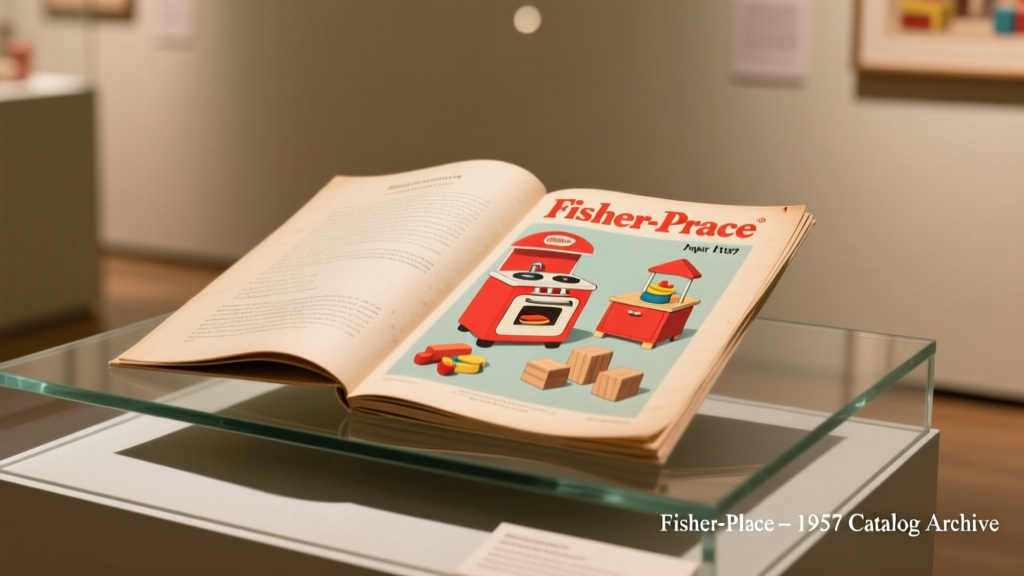
The 1957 Fisher-Price Paper Catalog: A Landmark in Mid-Century Toy Marketing and Print History
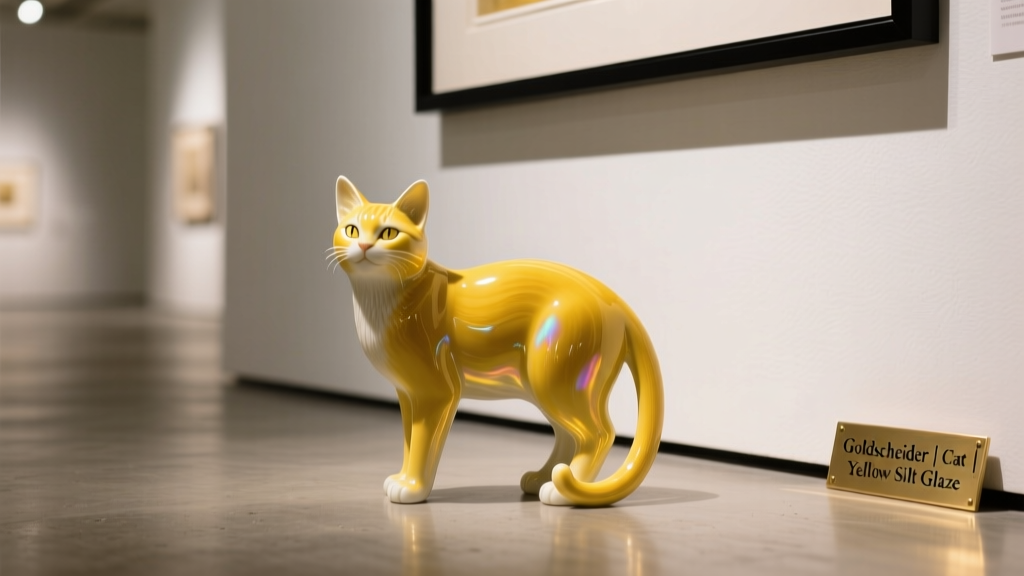
Goldscheider Figurine Cat in Yellow Salt Glaze: Authentication, Provenance, and Market Analysis

Toy Truck Police Patrol Siren Electric Lights Marx 15-Inch: Authentication, Market Value, and Historical Context
Pottery Marking: Decoding the Language of Clay, Craft, and Commerce
Archie Bunker’s Card Game (Milton Bradley, 1972): Authenticity, Market Value, and Cultural Context of a Rare TV Tie-In Collectible
Snuff Soapstone: Brown-Shaded-to-White Carved 3-Inch Sculpture — Authentication, Provenance, and Market Analysis

Movie Wastebasket Planet of the Apes Characters: Authentication, Market Value, and Collectibility Analysis
Kitchen Bowl Mixing Cattail Universal 6-In: Authentication, Market Value, and Material Analysis
Disneyana Plate Christmas 1984 'Command Performance' by Schmid: Authentication, Market Value, and Historical Context of the 7½-Inch Collector's Edition