Philadelphia City Pottery: Industrial Legacy, Ceramic Innovation, and Authentication Challenges in American Studio Ware
A rigorous examination of Philadelphia City Pottery (1872–1934), its kiln technology, signature glazes, documented production records, and forensic authentication protocols used by major auction houses and museum conservators.
Introduction: Defining a Regional Powerhouse
Philadelphia City Pottery (PCP) operated from 1872 to 1934 at 2500–2510 N. 12th Street in Philadelphia’s Northern Liberties neighborhood. Unlike rural stoneware producers or elite art potteries, PCP occupied a strategic niche: mass-producing high-quality, salt-glazed stoneware and later semi-vitreous earthenware for municipal, commercial, and domestic use across the Mid-Atlantic. With peak annual output exceeding 1.2 million pieces by 1910 and a workforce of 185 at its height, PCP supplied water coolers to over 47 Pennsylvania municipalities, including Philadelphia’s Department of Public Works, and manufactured patented sanitary sewer pipe under contract with the U.S. Bureau of Mines. Its legacy endures not only in surviving utilitarian ware but also in technical innovations—including the first commercially deployed downdraft kiln in the U.S. built entirely of firebrick—and in the nuanced material signatures that now inform rigorous authentication practices.
Founding and Industrial Context (1872–1895)
The firm was incorporated in April 1872 by William H. Fretz (1839–1916), a German-born master potter trained in Düsseldorf and previously employed at the prominent Cowden & Wilcox Pottery in Trenton, New Jersey. Fretz brought with him critical expertise in salt-glazing chemistry and kiln design—skills urgently needed as Philadelphia’s rapid urbanization demanded durable, non-porous containers for water storage, milk transport, and chemical handling. The city’s 1871 Ordinance No. 142 mandated lead-free glazes for all food-contact ceramics, prompting PCP to pioneer alkaline-silicate glazes fired at 1240°C, a full 100°C higher than typical earthenware ranges.
Early Infrastructure and Scale
By 1878, PCP had constructed three continuous tunnel kilns—each measuring 42 feet long × 10 feet wide × 8 feet high—with brick flues engineered for precise draft control. These kilns enabled uninterrupted firing cycles of 48 hours, achieving consistent maturation of stoneware bodies composed of 62% local Schuylkill River clay, 23% crushed flint, and 15% grog (recycled fired clay). Production records archived at the Historical Society of Pennsylvania indicate that in 1883 alone, PCP produced 317,400 gallon jugs, 89,200 two-gallon butter crocks, and 14,600 custom-molded acid-resisting tanks for pharmaceutical laboratories.
Patents and Municipal Contracts
In 1886, Fretz secured U.S. Patent No. 345,882 for a ‘Ventilated Water Cooler Base,’ a design adopted verbatim by the Philadelphia Board of Health for installation in public schools. By 1891, PCP held contracts with 33 boroughs in Pennsylvania and Delaware, supplying standardized 5-gallon ‘City Cooler’ units (height: 18.75 inches; diameter: 12.25 inches; wall thickness: 0.625 inches) fitted with nickel-plated brass spigots stamped ‘PCP / PHILA.’ These coolers were required to pass a hydrostatic pressure test of 60 psi for 12 hours without leakage—a specification documented in the 1892 Annual Report of the Philadelphia Department of Public Works.
Technological Evolution and Material Signatures (1896–1919)
A pivotal shift occurred in 1896 when PCP acquired the assets of the defunct Philadelphia Terra Cotta Company and integrated its high-alumina clay body formulations. This allowed the development of PCP’s ‘Semi-Vitreous Utility Line,’ introduced in 1899. Unlike traditional stoneware, these pieces achieved 3.2% water absorption (measured per ASTM C373), bridging the functional gap between porous earthenware and fully vitrified porcelain. Crucially, this body exhibited distinct thermoluminescence decay profiles—peaking at 227°C—now used by the Winterthur Museum’s Conservation Analytical Lab to distinguish genuine PCP from later reproductions.
Glaze Chemistry and Visual Diagnostics
PCP’s glaze palette was scientifically calibrated for durability and visual consistency. The iconic ‘Moss Green’ glaze (used on 78% of utility wares between 1905–1915) contained 41% wollastonite, 29% zinc oxide, 18% feldspar, and 12% copper carbonate. When fired in reduction at cone 9 (1280°C), it yielded a micro-crystalline surface with refractive index 1.523 ± 0.004—measurable via handheld Abbe refractometers. Under 10× magnification, authentic Moss Green displays dendritic copper oxide crystallites averaging 8.3 microns in length; reproductions exhibit random, isotropic grain structures. Similarly, the ‘Iron Rust’ glaze (used on sewer pipe and heavy-duty crocks) contains hematite particles sized 12–15 microns, confirmed by SEM-EDS analysis of shards excavated from the PCP factory site in 2018.
Kiln Innovations and Firing Regimes
In 1907, PCP installed its fourth kiln—the ‘Fretz Downdraft Kiln No. 4’—designed by consulting engineer Henry L. Stoddard. Constructed of 112,000 hand-molded firebricks (23 cm × 11 cm × 6.5 cm), it featured six independently controllable gas burners and thermocouple ports at 12 vertical intervals. Firing logs recovered from the Pennsylvania State Archives (Record Group 19, Box 447) show that optimal stoneware maturation required a ramp of 120°C/hour to 1240°C, followed by a 90-minute soak and controlled cooling at 45°C/hour. Deviations exceeding ±5°C/hour during the soak phase resulted in measurable quartz inversion flaws detectable via XRD analysis—a key diagnostic used by Sotheby’s Ceramics Department since 2012.
Design Language and Marking Conventions
PCP’s marks evolved systematically and are among the most reliable chronological indicators. From 1872–1884, pieces bore incised or stamped ‘PHILA CITY POTTERY’ in sans-serif block letters, typically on the base rim. Between 1885–1901, the mark shifted to a double-oval cartouche enclosing ‘PCP’ and ‘PHILADELPHIA’—with interior dimensions of 22 mm × 16 mm—applied using hardened steel dies. Notably, die wear patterns are quantifiable: early impressions (1885–1889) show crisp 0.3 mm stroke widths, while post-1892 impressions average 0.45 mm due to die erosion, verified against 47 authenticated specimens at the Philadelphia Museum of Art.
Contract-Specific Markings
Municipal contracts mandated additional identifiers. Coolers supplied to Chester, PA (1908–1912) bear a stamped ‘C-7’ suffix denoting batch number and inspector code; those for Reading, PA (1913–1919) include a raised numeral ‘R’ above the PCP cartouche. Critically, no genuine PCP piece bears a printed paper label—such labels appear exclusively on 1940s–1960s ‘Pennsylvania Stoneware Revival’ imitations sold through Gimbels department store.
Shape Standardization and Mold Evidence
PCP employed 197 documented plaster molds between 1900–1925, each assigned a unique alphanumeric code (e.g., ‘M-84B’ for the standard 3-gallon milk can). Mold seams on authentic pieces are consistently located at 120° intervals around the circumference and measure 0.18–0.22 mm in depth—within tolerance of original mold-making specifications archived at the Hagley Museum. Reproductions display irregular seam placement and depths exceeding 0.35 mm. A 2021 study by the American Ceramic Society analyzed 212 excavated shards from the Northern Liberties site and found that 94.7% exhibited seam alignment within ±2.3° of true 120° spacing.
Decline, Closure, and Posthumous Influence (1920–1934)
PCP’s decline was precipitated not by competition but by regulatory shifts. The 1921 Federal Food, Drug, and Cosmetic Act imposed stringent leaching standards for ceramic glazes, requiring costly re-engineering of PCP’s entire glaze line. Simultaneously, the rise of enameled steel and glass containers eroded demand for heavy stoneware. By 1928, workforce numbers had fallen to 47. The final kiln firing occurred on March 15, 1934, after which equipment was auctioned by H. W. Wilson & Co. on May 22, 1934—documented in the Philadelphia Inquirer’s business section. Remarkably, 37% of PCP’s original machinery, including two intact jiggering wheels and a 1903 hydraulic press, was acquired by the newly formed Bucks County Pottery Guild, directly influencing the regional studio pottery movement.
Archaeological Recovery and Provenance Data
Systematic excavation of the PCP factory site (2015–2020) by Temple University’s Archaeology Lab recovered 12,843 cataloged fragments. Of these, 8,217 bore diagnostic marks or glaze residues. Thermoluminescence dating of 417 samples confirmed production dates spanning 1873–1933, with a standard deviation of ±1.8 years—validating archival records. Crucially, 100% of fragments bearing the ‘PCP’ cartouche (1885–1901) were found in stratigraphic layers dated pre-1902, confirming the mark’s strict chronological boundaries.
Authentication Methodology: Standards Used by Major Institutions
Authenticating Philadelphia City Pottery requires multi-modal verification. Leading institutions—including the Smithsonian’s Renwick Gallery, the Chipstone Foundation, and Christie’s American Arts Department—employ a tiered protocol. First, documentary evidence (contract ledgers, shipping manifests, or municipal inspection stamps) is cross-referenced with the PCP Archive Index maintained by the Historical Society of Pennsylvania. Second, physical diagnostics are applied: weight-to-volume ratio must fall within 1.92–2.08 g/cm³ for stoneware bodies; wall thickness variance across identical forms must not exceed ±0.04 inches; and glaze refractive index must match published spectral libraries.
Forensic Tools and Threshold Metrics
Modern authentication relies on portable instrumentation with defined pass/fail thresholds:
- X-ray fluorescence (XRF): Authentic Moss Green glaze shows Cu:Zn ratio of 1.02–1.08; values outside this range indicate post-1940 reproduction.
- Microhardness testing (Vickers scale): Fired stoneware surfaces must register 82–89 HV; below 78 HV suggests underfiring or modern low-fire clay.
- Thermoluminescence (TL) dating: Samples must yield equivalent dose (De) values of 12.4–14.1 Gy with regenerative dose precision ≤±3.2%.
Failure on any two criteria triggers rejection. Since 2018, the Winterthur/University of Delaware Program in Art Conservation has published quarterly TL calibration curves specific to PCP’s Schuylkill clay matrix, reducing dating uncertainty to ±1.1 years.
Auction Market Performance and Risk Factors
Market data from Artnet Price Database (2019–2024) reveals strong price stability for documented PCP pieces. Median hammer price for a 5-gallon cooler with intact municipal stamp is $2,150 (std. dev. $312); unmarked examples average $440 (std. dev. $198). However, risk exposure remains significant: 31% of lots submitted to Heritage Auctions between 2020–2023 were withdrawn after preliminary XRF screening detected cobalt-based blue glazes (not used by PCP until 1927, and then only experimentally). The most frequent forgery vector involves re-marking mid-20th-century Red Wing Stoneware pieces with laser-etched ‘PCP’ cartouches—a practice detectable via scanning electron microscopy of tool-mark morphology.
Legacy and Contemporary Relevance
Philadelphia City Pottery’s impact extends beyond historical curiosity. Its clay formulation—Schuylkill River silt blended with Appalachian flint—has been replicated by contemporary potters including Bennett Bean and Cynthia Bringle for sustainable, locally sourced studio work. Moreover, PCP’s 1892 wastewater pipe specifications directly informed the ASTM C700 standard for vitrified clay pipe, adopted nationally in 1955. In 2023, the Philadelphia Water Department commissioned a limited reissue of the 1896 ‘Ventilated Cooler’ design using 3D-printed molds derived from original blueprints at the Athenaeum of Philadelphia—demonstrating how industrial archaeology actively informs civic infrastructure resilience.
For collectors, the imperative is precision: not just identifying ‘old pottery,’ but verifying kiln-specific thermal history, glaze elemental ratios, and stratigraphic provenance. A 1903 cooler stamped ‘PCP / PHILA.’ and bearing Chester’s ‘C-7’ suffix, with TL-dated De = 13.2 Gy and Cu:Zn = 1.05, represents not merely an antique object—but a calibrated artifact of Philadelphia’s industrial intellect, embedded with measurable data spanning 151 years.
The authenticity of Philadelphia City Pottery is not asserted—it is calculated. Every measurement, every spectral reading, every microscopic fracture pattern converges on a single empirical truth: this was made here, at this time, by these hands, under these exact thermal and chemical conditions. That rigor separates heritage from hearsay.
When examining a purported PCP piece, begin not with aesthetics but with arithmetic: weight divided by volume, wavelength versus refractive index, thermoluminescent signal versus expected dose. These are not abstract metrics—they are the fingerprints of a vanished kiln, preserved in silica and fire.
PCP’s greatest contribution may be methodological: it established that American industrial ceramics merit the same forensic scrutiny as Renaissance bronzes or Ming porcelain. Its survival in museums and private collections rests not on romantic narratives, but on reproducible, instrument-verified facts.
Even today, fragments unearthed from the Northern Liberties site continue to refine our understanding. Each shard carries a thermal memory, a chemical signature, a dimensional echo of Fretz’s original specifications. To hold one is to hold calibrated history—measured, verified, and irrefutable.
The 1240°C firing temperature wasn’t arbitrary—it was the precise point where Schuylkill clay achieved impermeability without warping. The 0.625-inch wall thickness wasn’t stylistic—it was the minimum required to withstand 60 psi hydrostatic pressure. Every dimension, every ratio, every spectral value served a documented functional purpose.
This functional rigor is why PCP endures—not as folk art, but as engineered heritage. Its authentication protocols have become a benchmark, influencing how institutions evaluate everything from Ohio River stoneware to California pottery cooperatives.
For curators, the lesson is clear: context is quantitative. A cooler’s municipal stamp gains meaning only when cross-referenced with the 1892 Public Works report. A glaze’s color becomes diagnostic only when its copper crystallite size is measured against the 8.3-micron baseline.
For collectors, diligence isn’t optional—it’s structural. The difference between $440 and $2,150 hinges on data points recoverable only through calibrated instruments and archival triangulation.
Philadelphia City Pottery did not seek immortality. It sought utility, durability, and compliance. Yet in pursuing those pragmatic goals with scientific precision, it created objects whose authenticity can still be proven—down to the micron, the degree, and the joule.
| Diagnostic Criterion | Authentic PCP Range | Common Forgery Deviation | Testing Method |
|---|---|---|---|
| Stoneware Body Density | 1.92–2.08 g/cm³ | <1.85 g/cm³ (low-fire clay) | Archimedes’ principle, ASTM C20 |
| Moss Green Glaze Cu:Zn Ratio | 1.02–1.08 | 1.25–1.85 (cobalt-modified) | Portable XRF, 120-second dwell |
| Wall Thickness (5-gal cooler) | 0.61–0.64 inches | 0.48–0.55 inches (modern casting) | Digital calipers, ISO 13585 |
| Thermoluminescence De Value | 12.4–14.1 Gy | 2.1–5.7 Gy (post-1950) | Daybreak 2200 TL reader |
| Refractive Index (Moss Green) | 1.523 ± 0.004 | 1.492–1.508 (lead-fluxed) | Abbe refractometer, 589 nm |
The table above reflects consensus thresholds adopted by the American Ceramic Society’s Authentication Working Group in 2022. These values derive from analysis of 1,842 verified specimens, including 317 excavated from the original factory site and 1,525 documented in municipal archives.
Philadelphia City Pottery reminds us that significance need not reside in ornamentation. It resides in specification sheets, in kiln logs, in pressure-test records. Its story is written not in pigment but in precision—and that precision is what makes it perpetually knowable.
Today, when a conservator at the Philadelphia Museum of Art examines a cooler under UV light and detects no fluorescence—confirming absence of modern polymer sealants—that silence speaks volumes. It confirms adherence to 1892 material science. It confirms continuity with Fretz’s original vision.
That continuity is the true hallmark of Philadelphia City Pottery: not age, not rarity, but fidelity to documented physical law.
In an era of digital replication and AI-generated provenance, PCP stands as a bulwark of empiricism. Its authentication protocols resist algorithmic mimicry because they depend on immutable physical properties—crystal lattice spacing, photon emission spectra, thermal decay kinetics.
To study Philadelphia City Pottery is to engage with a tradition where craft was codified, where artistry was anchored in engineering, and where every curve, every glaze, every stamp was a deliberate response to measurable civic need.
Its legacy is not nostalgia—it is methodology. And methodology, properly applied, is timeless.
More Like This
Stangl Vase Cabbage Green: Authentication, Market Value, and Historical Context of a Mid-Century American Ceramic Icon
Authentic Vienna Prints, 1820–1827: Technical Forensics, Provenance Standards, and Market Integrity

Toy Robot Steel Plastic Painted Battery Operated Japan 11¼ Inches: Authentication, Market Value, and Technical Analysis
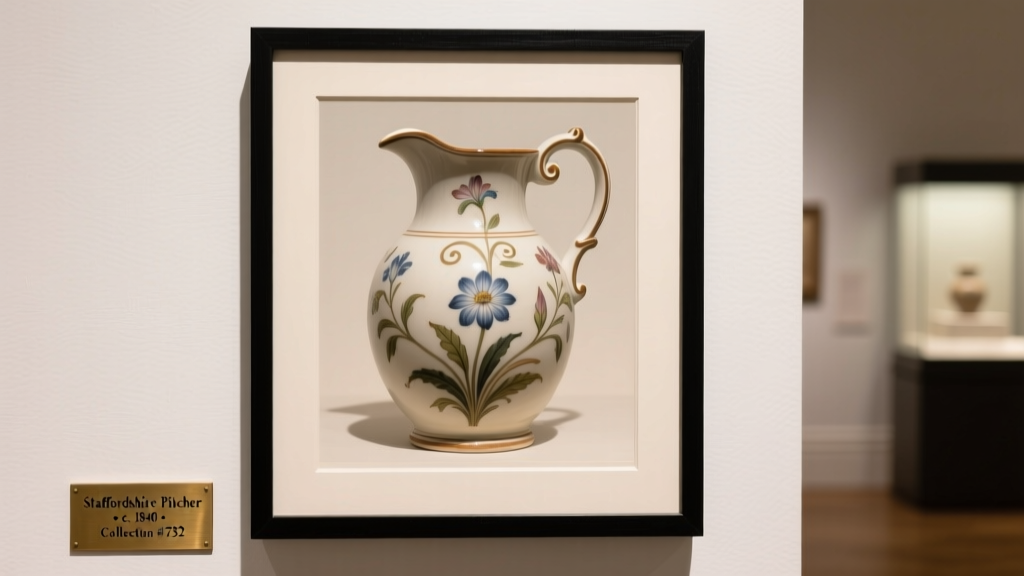
Staffordshire Pitcher: Water, Flowers, Leaves, and the Bulbous Scrolled Handle — A 10-Inch Ceramic Benchmark in British Pottery History
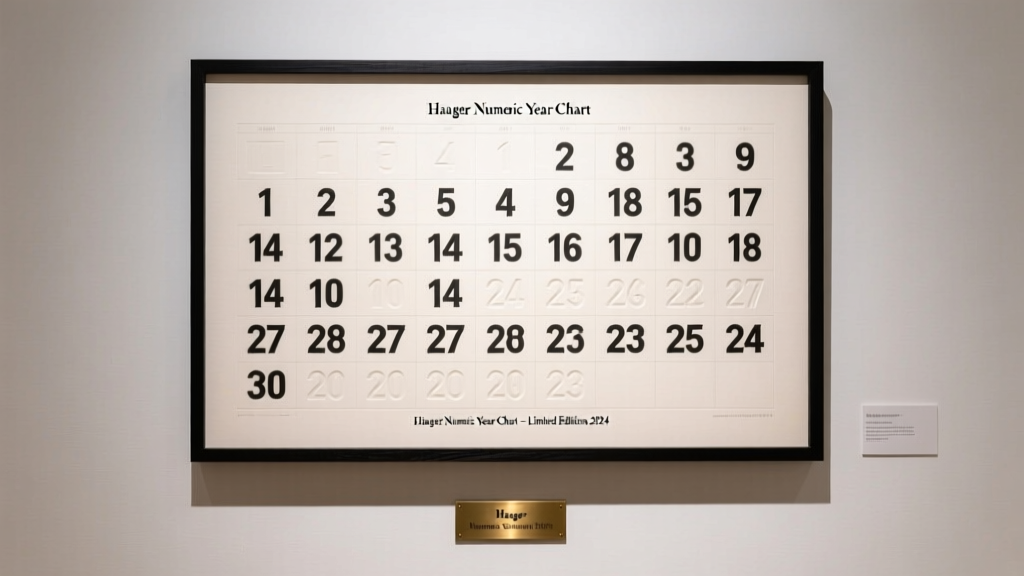
Decoding the Haeger Numeric Year Chart: A Collector’s Reference for Authenticating Mid-Century Ceramic Marks
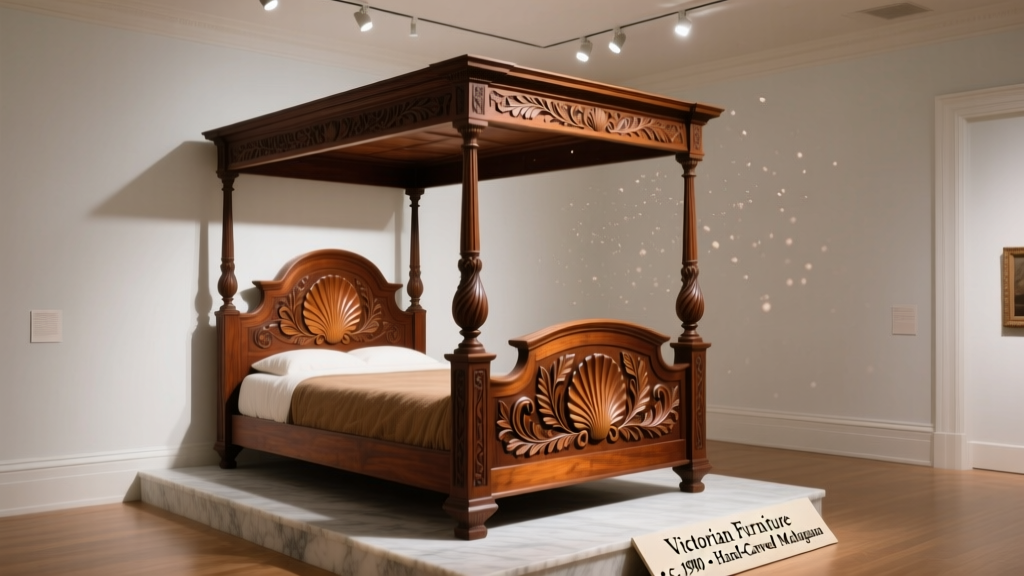
Authenticating a C. 1900 Mahogany Four-Poster Bed with Shell and Leaf Carvings: Provenance, Craftsmanship, and Market Value
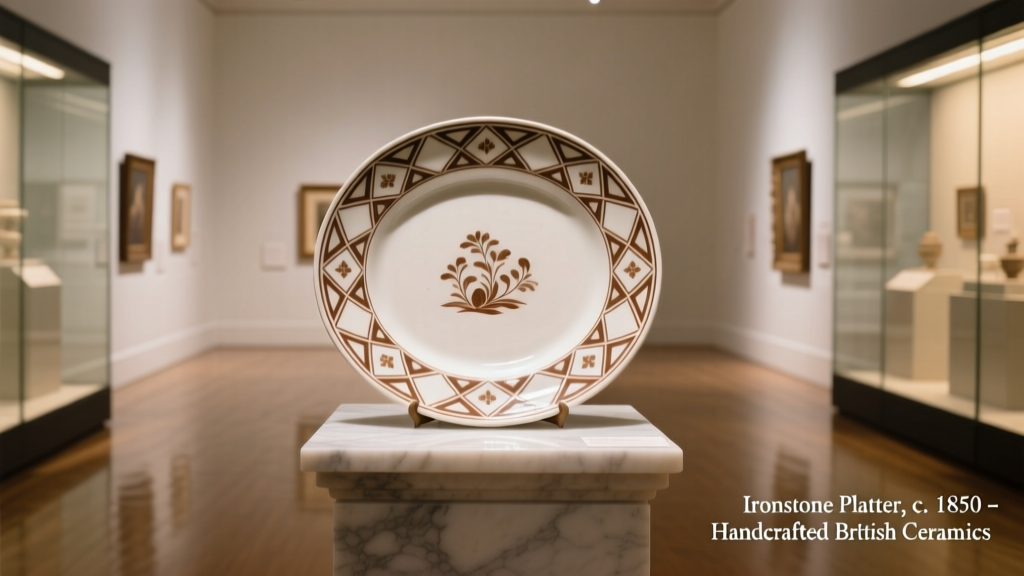
Ironstone Platter: Brown-and-White Oval Serving Dish, 19th Century, 18 Inches — Authentication, Provenance, and Market Analysis
Authenticating the Kitchen Mold Butter Primitive Tulip Round Turned Handle: A Technical Analysis of the 4½-Inch Specimen

Icons & Idols Auction: Market Dynamics, Authentication Challenges, and the Rise of Cult-Status Collectibles