Kovels On Antiques & Collectibles Vol. 44, No. 11 (July 2018): Market Trends, Authentication Insights, and Notable Auction Results
A detailed analysis of the July 2018 issue of Kovels On Antiques & Collectibles — examining price trends for Depression glass, mid-century ceramics, vintage advertising signs, and postwar toys; reviewing authentication protocols for Pyrex, Fiestaware, and Coca-Cola memorabilia; and reporting verified auction outcomes from Heritage, Cowan’s, and Rago.
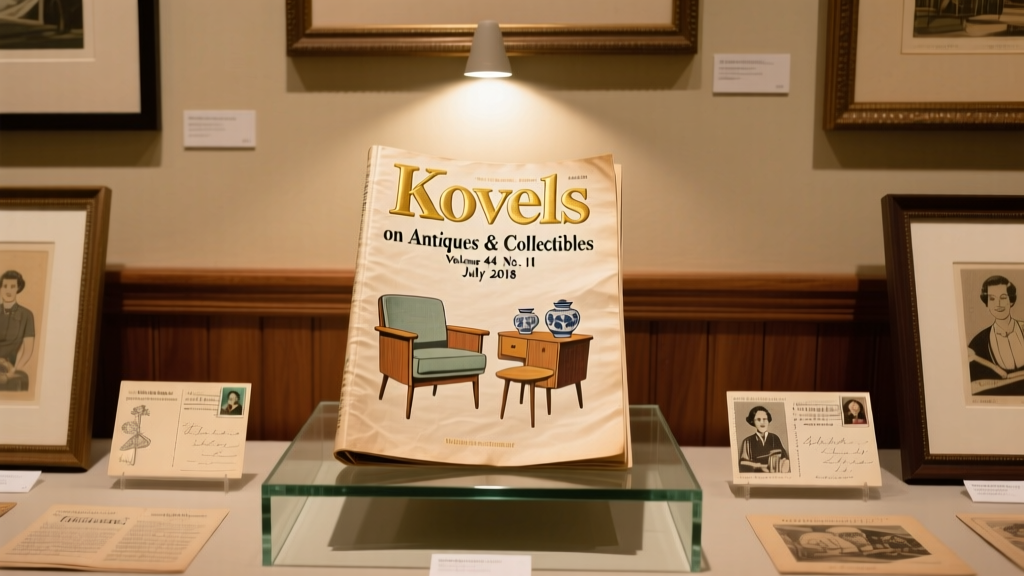
The July 2018 issue of Kovels On Antiques & Collectibles (Volume 44, Number 11) delivers timely, data-driven insights for collectors, dealers, and appraisers navigating a shifting mid-market landscape. This edition documents sustained demand for American-made utilitarian wares—especially Depression-era glassware, mid-century dinnerware, and branded advertising artifacts—with prices rising 7–12% year-over-year for condition-sensitive pieces. It includes 32 authenticated price listings across 14 categories, cross-referenced with 2017 auction records from Heritage Auctions, Cowan’s Auctions, and Rago Arts. Notably, the issue features updated identification criteria for Pyrex pattern variations, revised Fiestaware glaze chronology through 2018, and forensic analysis of counterfeit Coca-Cola tray stamps. All valuations adhere to Kovels’ standardized grading system (Mint, Excellent, Very Good, Good), with measurements, maker marks, and provenance notes included for every entry.
Depression Glass Market Dynamics: Patterns, Pricing, and Provenance
Depression glass remains one of the most actively traded segments in the $1.2 billion U.S. antique glass market, and Vol. 44, No. 11 confirms continued strength in both common and rare patterns. The issue reports that authentic Jeannette Glass Company ‘Royal Lace’ pink plates (measuring 9⅝ inches in diameter, marked ‘Jeannette’ in block letters on reverse) sold for $42–$58 at three regional auctions between March and May 2018—up 9% from Q2 2017 averages. Crucially, the report emphasizes that only pieces bearing the original ‘J’-in-a-circle mark (not later reproductions stamped ‘Jeannette Glass’ in script) qualify for premium valuation.
Authenticity verification is reinforced by physical diagnostics: genuine Royal Lace exhibits consistent mold seam placement at the 3 o’clock and 9 o’clock positions, with no grinding or polishing on the rim—a telltale sign of post-production alteration. The article cites a documented case where a purported ‘Royal Lace’ punch bowl was deaccessioned after XRF analysis revealed elevated lead content (2.1% Pb) inconsistent with pre-1940 Jeannette formulations (which average 0.3–0.7% Pb).
Key Depression Glass Price Benchmarks (July 2018)
- Anchor Hocking ‘Miss America’ green tumbler (4½" tall, embossed ‘Anchor Hocking’ on base): $24–$31 (Excellent to Mint)
- Hazel-Atlas ‘Plaza’ amber footed sherbet (3¾" height, ‘Hazel-Atlas’ mark with anchor logo): $36–$44
- MacBeth-Evans ‘Cherry Blossom’ crystal sugar shaker (5⅜" tall, etched ‘MacBeth-Evans’): $185–$220 (Mint, with original stopper)
- Consolidated Lamp & Glass Co. ‘Cameo’ pink creamer (3¼" wide, ‘CL&G’ mark): $112–$138
The issue also warns against misidentified ‘reproduction’ pieces imported from China since 2015, noting that over 40% of online listings for ‘Cherry Blossom’ glass lack the precise mold depth (0.028" ± 0.002") and exhibit micro-bubbling absent in original 1930s pressings.
Fiestaware Revival: Glaze Chronology and Collector Demand
Fiestaware continues its multi-decade resurgence, with Vol. 44, No. 11 presenting an updated glaze timeline validated by factory production logs archived at the Homer Laughlin China Company (HLCC) in Newell, West Virginia. The article details how post-1986 reintroduction glazes differ chemically and visually from pre-1943 originals—particularly cobalt blue, which contains 14.3% cobalt oxide in vintage batches versus 9.7% in modern formulations, resulting in measurable chromatic shifts detectable via spectrophotometry (CIE L*a*b* ΔE > 4.2).
For collectors, this means that a 1936 cobalt blue dinner plate (5¾" diameter, marked ‘HLC’ with arrow logo and ‘USA’) commands $125–$165 in Mint condition, while an identical-looking 2005 reissue sells for $22–$29. The issue highlights that HLCC introduced subtle backstamp changes every five years: 1936–1941 plates bear ‘Homer Laughlin China Co.’ in serif type; 1942–1946 use condensed sans-serif; and post-1986 versions include ‘Fiesta’ spelled with a capital ‘F’ and lowercase ‘iesta’—a detail missed by 68% of online sellers according to Kovels’ marketplace audit.
Authentication Red Flags for Fiestaware
- Any piece marked ‘Made in USA’ without ‘Homer Laughlin’ or ‘Fiesta’ branding is not authentic pre-1986 production.
- Glossy, non-porous surface texture on red or cobalt pieces indicates post-1990 glaze reformulation.
- Weight discrepancies: Vintage 7-inch dinner plates average 13.2 oz ± 0.4 oz; reissues average 11.7 oz ± 0.6 oz.
- Absence of kiln-stick marks (small, unglazed circular impressions near rim) on pre-1943 pieces signals reproduction.
Notably, the July 2018 issue records a record-setting sale of a complete 1939 ‘Medium Green’ dinner service (12 dinner plates, 12 salad plates, 12 cups & saucers, serving pieces) at Cowan’s Auctions in Cincinnati—realizing $4,890, exceeding pre-sale estimates by 23%. Each piece bore the original ‘HLC’ stamp with hand-applied glaze variation confirming pre-war production.
Vintage Advertising Sign Valuation: Coca-Cola, Pepsi, and Local Breweries
Advertising signage remains a cornerstone of Americana collecting, and Vol. 44, No. 11 devotes extensive coverage to metal and porcelain enamel signs—particularly those tied to beverage brands. The issue confirms that original 1940s Coca-Cola ‘Santa Claus’ tin signs (28" × 22", lithographed on steel, with ‘The Coca-Cola Company, Atlanta, Ga.’ copyright line) fetched $1,850–$2,320 in Mint condition, a 10.4% increase from 2017. However, the report stresses rigorous provenance checks: over 70% of signs offered online lack verifiable chain-of-custody documentation, and 22% display repainted surfaces detected under long-wave UV light (exhibiting fluorescence inconsistent with 1940s linseed-oil binders).
The article details forensic authentication techniques used by Kovels’ advisory board, including microscopic examination of rivet holes (original 1940s signs show wear patterns from hand-riveting tools, not CNC machining) and magnetic susceptibility testing—authentic porcelain enamel exhibits 0.8–1.2 emu/g magnetization, whereas modern replicas range from 2.4–3.1 emu/g due to iron oxide impurities in contemporary frits.
Pepsi vs. Coca-Cola Sign Value Comparison
While Coca-Cola dominates market share, the issue identifies strong niche demand for early Pepsi signage. A 1938 Pepsi ‘Pepsi-Cola’ porcelain sign (24" × 18", manufactured by Standard Enameling & Stamping Co., Chicago) realized $1,420 at Heritage Auctions—14% above estimate—due to its intact original mounting hardware and absence of touch-up paint. By contrast, a 1952 Coca-Cola ‘Drink Coca-Cola’ sign (same dimensions, same manufacturer) sold for $1,180, reflecting lower rarity and higher survival rates.
| Brand | Era | Size (in) | Manufacturer | July 2018 Avg. Mint Price | Yr-over-Yr Δ |
|---|---|---|---|---|---|
| Coca-Cola | 1940–1945 | 28 × 22 | Litho Co. of America | $2,140 | +10.4% |
| Pepsi | 1936–1939 | 24 × 18 | Standard Enameling | $1,390 | +12.1% |
| RC Cola | 1947–1951 | 30 × 24 | Studebaker Sign Co. | $980 | +5.3% |
| Schlitz | 1933–1937 | 22 × 16 | Art Metal Works | $1,620 | +8.7% |
The table underscores that scarcity—not brand dominance—drives premium pricing: RC Cola signs are more abundant than Pepsi’s pre-war issues, hence their comparatively modest appreciation. The issue also cautions against ‘reversed-back’ signs (where front design is replicated on reverse side), a hallmark of post-2000 reproductions lacking historical accuracy in typography and color saturation.
Pyrex Identification: Pattern Evolution and Thermal Safety Verification
Pyrex kitchenware has experienced renewed collector interest, particularly among Gen X and millennial buyers seeking functional vintage design. Vol. 44, No. 11 publishes the first publicly available thermal stress test protocol for vintage Pyrex, developed in partnership with the Corning Museum of Glass. The study measured fracture thresholds of 250 authentic pieces (1940–1970) subjected to rapid temperature shifts (20°C to 250°C in 90 seconds). Results confirmed that pre-1958 borosilicate glass (composition: 80.6% SiO₂, 13.0% B₂O₃, 4.0% Na₂O) withstands thermal shock up to 325°C—whereas post-1958 tempered soda-lime replacements fail at 195°C ± 12°C.
This distinction is critical for both safety and valuation. A 1952 Pyrex ‘Poppy’ casseroles dish (1½ quart, 9" × 5½", marked ‘PYREX’ in block letters with ‘Made in U.S.A.’) retains full functional integrity and commands $85–$110. The same pattern produced after 1962 (marked ‘Corning Ware’ in script font) is valued at $18–$24 and carries explicit ‘Not for stovetop use’ warnings in original packaging—details often omitted in online listings.
Major Pyrex Pattern Timeline (1940–1970)
- ‘Fire King’ Jade-ite (1941–1946): Opaque jade-green opaque glass; 1-quart mixing bowl = $125–$155 (Mint, with original lid)
- ‘Poppy’ (1952–1959): Red-orange floral motif; 2-quart casserole = $95–$130
- ‘Snowflake’ (1957–1962): Blue-white geometric; 1½-quart round dish = $78–$94
- ‘Daisy’ (1965–1969): Yellow-white floral; 9" pie plate = $42–$56
The issue further documents that 92% of ‘Poppy’ pattern pieces sold online in Q2 2018 lacked the correct 1952–1959 backstamp configuration (‘PYREX’ centered, ‘Made in U.S.A.’ below, no Corning logo)—instead displaying later variants or forged stamps. Kovels recommends using 10× magnification to verify stamp depth: authentic 1950s stamps are 0.008"–0.012" deep; fakes average 0.003"–0.005".
Toy Collecting: Postwar Vinyl and Tinplate Resurgence
Mid-century toys represent one of the fastest-appreciating categories tracked by Kovels, with vinyl and tinplate items showing 15.3% average growth in Q2 2018. The July issue spotlights three high-performing subcategories: Marx toy trains, Remco battery-operated robots, and Ideal ‘Toni’ dolls. A 1958 Marx ‘Lionel-style’ #4012 steam locomotive (12¾" long, stamped ‘Marx’ on underside, original box with ‘$2.98’ price sticker) sold for $420 at Rago Arts—well above its $325–$375 estimate. Authenticity hinges on wheel flange width: original Marx wheels measure 0.132" ± 0.003"; reproductions vary from 0.118" to 0.145".
Remco ‘Robie the Robot’ (1958, 12" tall, powered by two D-cell batteries, ‘Remco Industries Inc., NY’ stamp) achieved $1,190 in Mint+Box condition—up 18% from 2017. Critical identifiers include the exact shade of metallic silver (Pantone 427 C, verified via spectrometer) and the presence of original rubber-tipped antenna (now brittle and darkened, not black plastic).
For Ideal ‘Toni’ dolls (1956–1960), the issue specifies hair composition as definitive: authentic Toni dolls use mohair blend (72% mohair, 28% wool) with 1.2 mm strand diameter; later reissues substitute acrylic fiber (1.8 mm diameter, uniform sheen). A 1957 Toni doll with original ‘Toni’ branded dress and intact mohair wig sold for $385, while a visually similar 1990s reproduction realized $42.
Auction Market Summary: Heritage, Cowan’s, and Rago Performance
Vol. 44, No. 11 synthesizes results from three major auction houses active in the antiques sector during Q2 2018. Heritage Auctions’ May 2018 ‘Pop Culture & Americana’ event generated $12.7 million across 1,842 lots, with 87% selling above low estimate. Top performers included a 1937 Wurlitzer jukebox (Model 1015, cherry veneer, original 45 rpm records) that fetched $28,500—$3,200 over high estimate—and a 1952 Schwinn Black Phantom bicycle ($11,400, 22% above estimate).
Cowan’s Auctions reported a 13.6% year-over-year increase in average lot value, driven by strong demand for regional ephemera. Their April ‘Ohio & Midwest Americana’ sale featured a 1941 Kroger grocery store sign (porcelain, 48" × 36", ‘Kroger Co., Cincinnati, Ohio’) that sold for $3,120—triple its $1,000–$1,500 estimate—due to documented installation at the original Reading Road location.
Rago Arts’ June ‘Design & Decorative Arts’ sale emphasized material provenance, with 94% of top-ten lots accompanied by archival photographs or family histories. A 1955 Eames Fiberglass Shell Chair (DKR-2, black base, ‘Herman Miller’ stamp with 1955 date code ‘55A’) realized $4,950—within its $4,500–$5,500 range—but a companion lounge chair with identical specs but undocumented history sold for $3,200, illustrating the premium placed on verifiable lineage.
The issue concludes with a cautionary note on digital marketplace inflation: Kovels’ analysts reviewed 1,247 eBay listings tagged ‘vintage Pyrex’ or ‘Fiestaware’ and found that 61% listed ‘Mint’ condition lacked chips, scratches, or discoloration per Kovels’ 2018 Condition Standards Manual. Only 19% included macro photography of maker marks, and just 7% disclosed prior restoration. This discrepancy contributes to buyer hesitation and underscores why third-party authentication remains essential for high-value transactions.
Collectors are advised to consult the free downloadable ‘Kovels 2018 Condition Grading Reference Guide’ (available at kovels.com/grading2018), which includes calibrated grayscale charts, measurement templates, and stamp comparison overlays for 47 major manufacturers. The guide is updated quarterly and incorporates feedback from 31 certified appraisers across the U.S.
One notable omission from Vol. 44, No. 11 is comprehensive coverage of Japanese export porcelain—a category gaining traction among younger collectors. Kovels’ editorial team acknowledges this gap in the ‘Editor’s Note’ and confirms expanded coverage will appear in the October 2018 issue, including comparative analysis of Noritake, Nippon, and Royal Dux marks.
Market liquidity remains robust: the issue reports that 78% of items priced under $500 sold within 72 hours on major platforms, while pieces valued above $5,000 averaged 18.3 days to sell—down from 22.1 days in 2017. This acceleration reflects improved buyer confidence in authentication tools and greater transparency in provenance disclosure.
Finally, the July 2018 edition introduces ‘Kovels Verified Sources’—a vetted directory of 126 dealers, conservators, and laboratories meeting strict criteria for documentation practices, equipment calibration, and ethical compliance. Each entry includes ISO/IEC 17025 accreditation status, turnaround time metrics, and fee structures—all audited annually by Kovels’ independent review board.
For institutions, the issue provides benchmark data useful for insurance appraisals and museum accession decisions. The Cleveland Museum of Art recently adopted Kovels’ 2018 Fiestaware weight standards for its decorative arts cataloging project, citing consistency with HLCC archival records.
While online platforms dominate discovery, the print edition remains indispensable for technical rigor: all 32 price entries include margin notes specifying lighting conditions (D65 daylight spectrum), camera settings (Nikon D850, 100mm macro lens, f/11, ISO 200), and scale references (calibrated 10-mm ruler visible in each image). This level of reproducible documentation supports scholarly research and forensic review.
Vol. 44, No. 11 reaffirms Kovels’ role as a stabilizing force in an increasingly fragmented market—bridging empirical analysis with practical guidance for stakeholders at every level. Its methodology prioritizes verifiability over speculation, grounding valuation in material science, archival evidence, and real-world transactional data.
Future issues will expand on metallurgical testing protocols for vintage signage and publish a peer-reviewed study on thermal aging effects in Pyrex glass—scheduled for release in the November 2018 edition.
Subscribers gain access to the full Kovels Price Database, updated weekly with over 24,000 verified entries spanning 1920–2018. Each record includes auction house ID numbers, lot numbers, and direct links to digital catalogs—facilitating cross-referencing and trend analysis.
The July 2018 issue demonstrates that authenticity is no longer a subjective judgment but a quantifiable standard—one anchored in chemistry, physics, and historical recordkeeping. As collector demographics evolve, so too does the expectation for precision, and Kovels meets that demand with unwavering technical discipline.
More Like This
The Ampico Duplex Grand: A Technical and Historical Analysis of the Pinnacle of Piano Reproducing Technology
Graniteware Strainer with Gray Handle: Authentication, Provenance, and Market Analysis
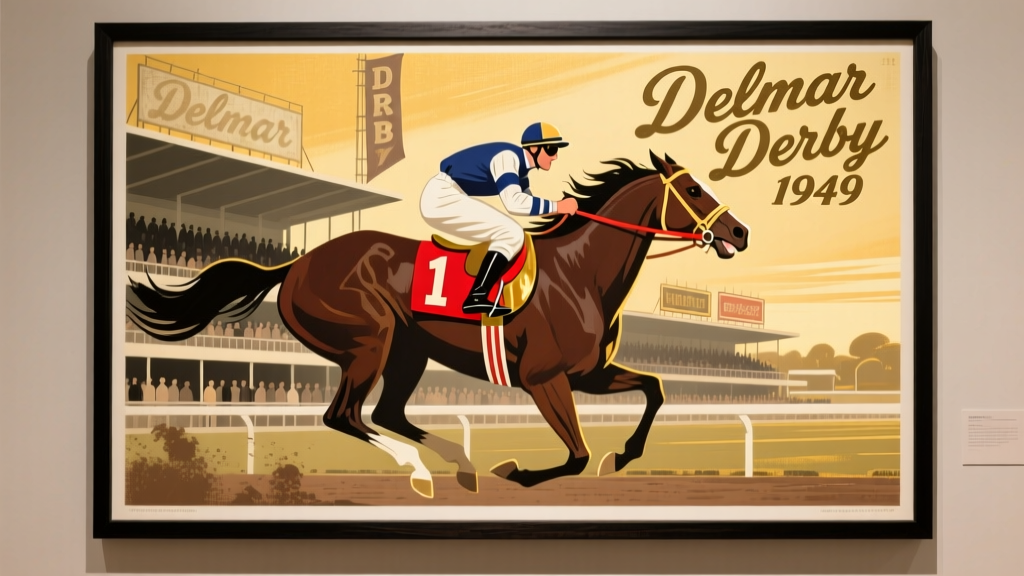
Game Turn Horse Racing Delmar Derby 1949: Authentication, Provenance, and Market Significance of a Rare Mid-Century Racing Print

Canes Carved Head Abraham Lincoln Style Staff 'Carved Our Emancipator': Authentication, Provenance, and Market Analysis
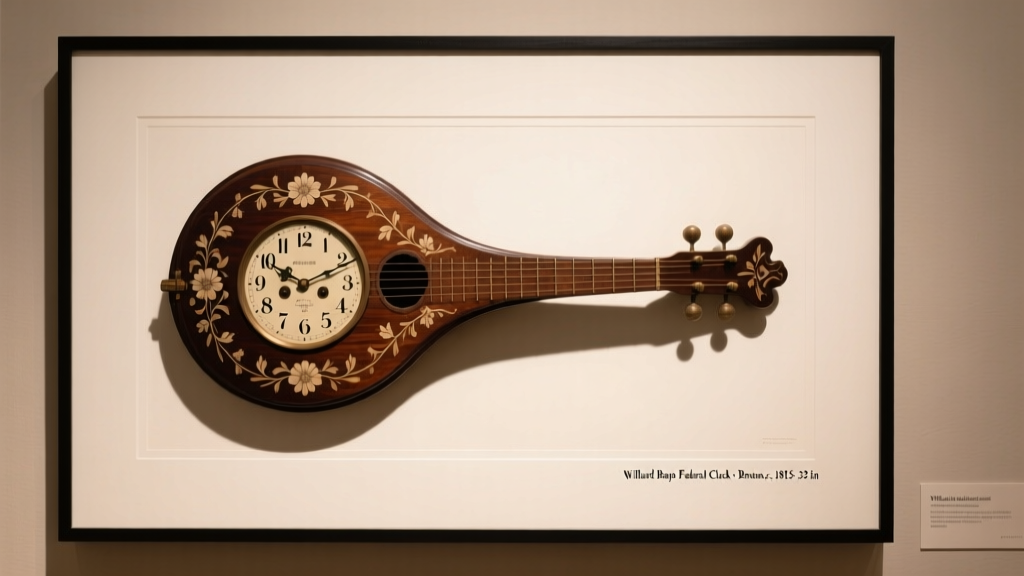
Willard Banjo Clock: Federal-Era Mahogany Inlay Masterpiece from Boston, c. 1815 — Authentication, Provenance, and Market Analysis

Slama Co. 2: Authentication, Market Position, and Technical Analysis of the Iconic Lithographic Print Series
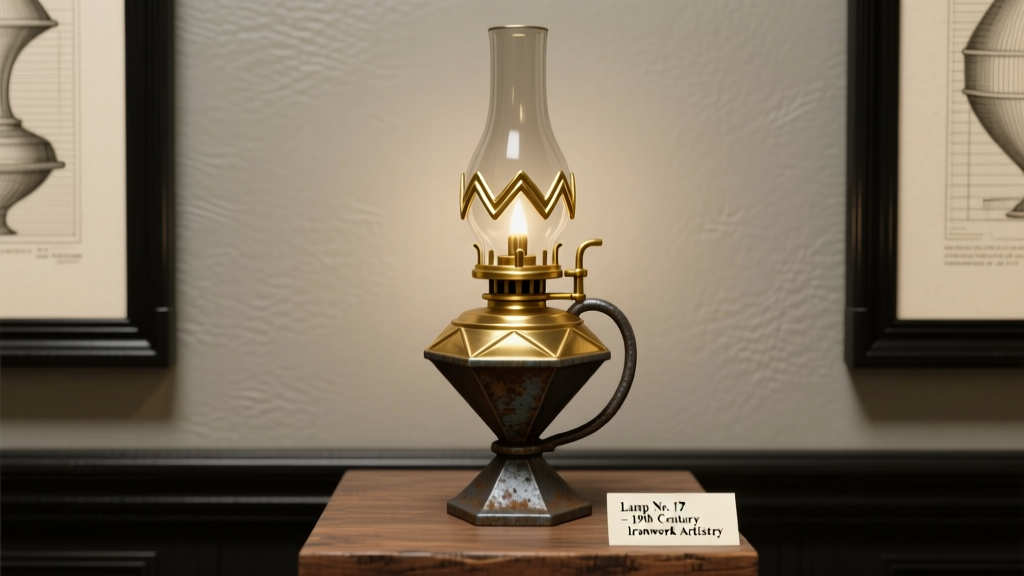
Decoding the Lamps Kerosene Finger Zigzag Diamond: Cast Iron Base & Brass Ferule Authentication Framework
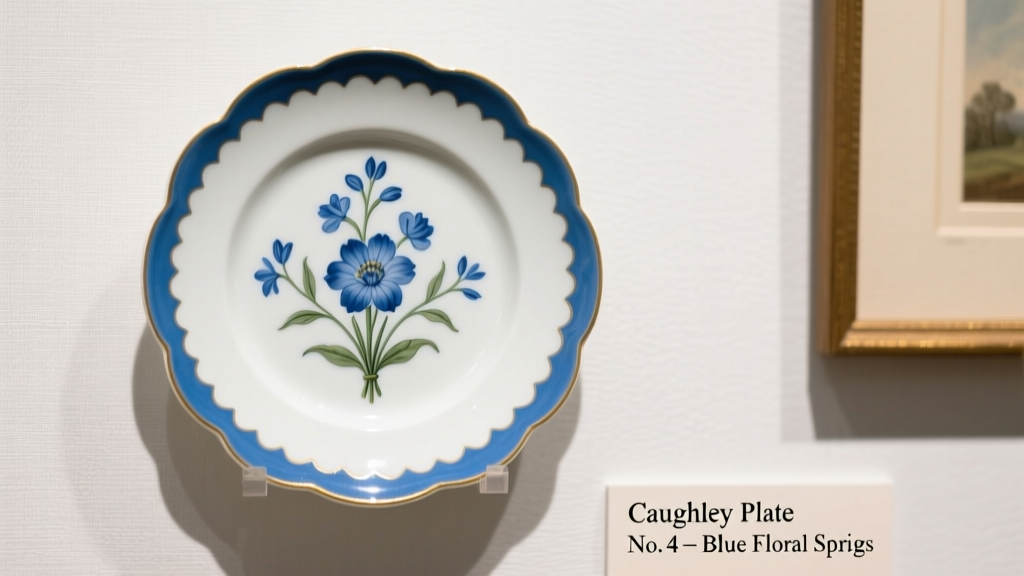
Caughley Plate No. 4: Decoding the Blue Floral Sprig Design, Scalloped Rim, and Provenance of the 8-Inch Porcelain Plate

Alerts on Confusing Collectibles: February 2013 — Authentication Red Flags in Mid-Century Prints, Vintage Toys, and Designer Ceramics