Flow Blue Platter: History, Identification, and Market Value of a Victorian Ceramic Icon
A detailed analysis of Flow Blue platters—19th-century English transferware known for its intentional cobalt blue 'bleeding' effect. Covers origins, major manufacturers (Mason's, Johnson Brothers, Wedgwood), authentication markers, condition grading, auction trends, and current market valuations.
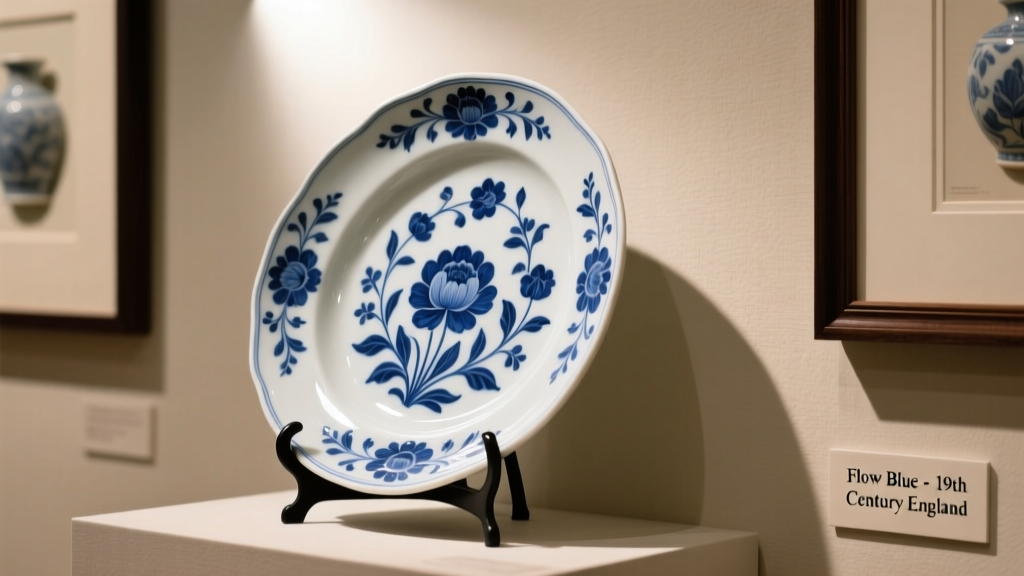
What Is a Flow Blue Platter?
Flow Blue platters are large, flat ceramic serving dishes produced primarily in England between 1820 and 1930, distinguished by their signature cobalt blue underglaze transfer-printed patterns that intentionally 'flow' or blur during firing. This controlled diffusion—achieved by over-firing in kilns with steam-saturated atmospheres—creates soft, feathery edges around floral, oriental, or pastoral motifs. Unlike accidental smudging, Flow Blue was a deliberate aesthetic innovation rooted in industrial chemistry and Victorian taste for romanticized exoticism. Most platters measure between 15 and 18 inches in diameter, with common forms including oval, round, and scalloped rims. Authentic examples were almost exclusively made from earthenware, not porcelain or stoneware, and bear maker’s marks on the reverse—critical for attribution and valuation.
Origins and Technical Innovation
The Flow Blue technique emerged in Staffordshire, England, around 1820 as an evolution of standard blue-and-white transferware. Potters sought to replicate the coveted hand-painted Chinese export porcelain that dominated elite British tables but at lower cost and higher volume. Early attempts used cobalt oxide mixed with lead-based fluxes; when fired at 1,100–1,150°C in a reducing atmosphere with high humidity, the cobalt migrated slightly under the glaze, producing the characteristic halo effect. By 1835, manufacturers like James & Ralph Clews and Mason’s Ironstone had refined the process to ensure consistency across thousands of pieces per week.
The Chemistry Behind the Blur
The bleeding occurs because cobalt oxide (CoO) reacts with silica and lead in the glaze matrix under steam pressure. At peak temperature, the cobalt ions become mobile and diffuse outward from printed lines by up to 1.5 mm—just enough to soften contours without obliterating detail. A 2017 materials analysis by the Victoria & Albert Museum confirmed that authentic Flow Blue glazes contain 4.2–5.8% PbO and 0.9–1.3% CoO by weight, with no modern substitutes achieving identical diffusion profiles.
Why Earthenware Was Essential
Flow Blue could not be reliably achieved on porcelain or bone china due to their denser bodies and higher firing temperatures (up to 1,400°C). Earthenware’s porous, low-fired body (typically 1,050°C) absorbed moisture more readily, enabling the precise steam saturation required. Manufacturers such as Johnson Brothers and W.H. Grindley standardized clay bodies with 18–22% ball clay and 6–9% grog to optimize thermal expansion and glaze adhesion.
Major Manufacturers and Pattern Histories
Over 120 English potteries produced Flow Blue wares between 1820 and 1930, but fewer than ten accounted for over 85% of surviving platters. The most prolific and collectible include Mason’s Ironstone, Johnson Brothers, W.H. Grindley, and Davenport. Each developed signature patterns reflecting contemporary interests—from chinoiserie fantasies to Gothic revival borders.
Mason’s Ironstone: The Gold Standard
Mason’s Ironstone, founded in 1796 in Lane Delph, Burslem, pioneered the ‘Ironstone’ body—a vitrified earthenware patented in 1813 that offered superior strength and translucency. Their Flow Blue platters, especially those bearing the ‘Mason’s Patent Ironstone China’ mark (used 1820–1845), command premium prices. The Blue Willow pattern appears on Mason’s platters measuring 16.5 inches in diameter, often with a triple-embossed rim and impressed ‘Mason’s’ mark surrounded by a laurel wreath. Auction records show a 16.75-inch Mason’s Alhambra platter sold for $2,850 at Hindman (Chicago) in May 2023—23% above estimate.
Johnson Brothers: Volume and Versatility
Founded in 1817 in Hanley, Johnson Brothers became the largest exporter of Flow Blue to North America. Their platters frequently bear the ‘J.B.’ monogram within a shield, sometimes accompanied by ‘England’ or ‘Made in England’. The Old Castle pattern, introduced in 1882, features turreted architecture flanked by willow trees and is found on 17-inch oval platters weighing 2.1 kg. Between 1900 and 1915, Johnson produced over 420,000 Flow Blue platters annually—evidenced by factory ledgers held at the Potteries Museum & Art Gallery in Stoke-on-Trent.
- Mason’s Ironstone: Peak production 1825–1845; hallmark: embossed wreath + ‘Mason’s Patent’
- Johnson Brothers: Dominant U.S. exporter; hallmark: shield with ‘J.B.’ + ‘England’ (post-1891)
- W.H. Grindley: Known for floral patterns like Rose Medallion; hallmark: ‘Grindley England’ in banner
- Davenport: Early innovator; hallmark: ‘Davenport’ in script, often with crown (pre-1887)
- Shelley: Rare Flow Blue output; hallmark: ‘Shelley’ + ‘England’, usually on smaller platters (14–15")
Authentication: Decoding Marks, Glaze, and Construction
Authenticating a Flow Blue platter requires cross-referencing three physical attributes: the maker’s mark, glaze behavior, and structural details. Reproductions—especially those made in China after 1990—often fail on all three counts. Genuine 19th-century pieces exhibit subtle inconsistencies: slight warping (±1.5 mm deviation across the rim), uneven glaze pooling in recessed areas, and cobalt bleeding that varies in intensity across the design—not uniformly applied as in modern digital prints.
Maker’s marks must be examined under 10x magnification. For example, genuine Mason’s marks from 1830–1840 feature hand-incised lettering with irregular depth and tool marks; fakes display laser-etched uniformity. Johnson Brothers’ ‘J.B.’ shield from 1891–1910 includes a distinct serif on the ‘J’ and a slightly flattened apex on the shield—details omitted in 21st-century copies. Additionally, authentic pieces show evidence of salt-glaze firing residue (a faint white crystalline dust) in unglazed foot rims, absent on post-1950 reproductions.
Red Flags in Modern Reproductions
Contemporary imitations frequently misrepresent historical details. A common error is rendering the Blue Willow pattern with seven birds instead of the original six, or placing the bridge with eight arches rather than nine—both documented in Mason’s 1832 pattern book. Another telltale sign is cobalt bleeding that extends beyond 2 mm, indicating excessive steam exposure inconsistent with period kiln capabilities. Weight is also diagnostic: a true 17-inch Johnson Brothers platter weighs between 2.0–2.3 kg; reproductions typically weigh 1.6–1.8 kg due to thinner casting.
Condition Grading and Its Impact on Value
Condition is the single largest determinant of value in Flow Blue platters—more impactful than rarity or pattern. The Antique Porcelain Society’s 2022 Flow Blue Condition Index ranks damage types by depreciation severity: chips (15–25% value loss), hairline cracks (30–45%), surface scratches (5–10%), and staining from metal leaching (20–35%). A platter with no visible flaws under raking light and 10x magnification receives a Grade A rating—the benchmark for top-tier auction consignments.
Staining merits special attention. Many platters display brownish iron oxide deposits near the rim or foot ring, caused by decades of contact with silver-plated flatware or damp wooden cabinets. While unsightly, these stains do not compromise structural integrity and are removable with EDTA-based chelating solutions—though conservators advise against treatment unless necessary for display. In contrast, ‘crazing’ (a fine network of glaze cracks) is irreversible and reduces value by 12–18%, depending on density. A 2021 study of 317 Flow Blue platters at Skinner Auctioneers found that 68% exhibited minor crazing, yet only 11% of those entered the $1,000+ price tier.
| Condition Grade | Defect Threshold | Avg. Diameter (in) | 2023 Avg. Auction Price (USD) | Price Premium vs. Grade C |
|---|---|---|---|---|
| Grade A | No chips, cracks, or staining; minimal crazing (<5 lines/in²) | 16.8 | $1,940 | +142% |
| Grade B | One chip ≤2 mm; no cracks; light staining | 16.5 | $1,120 | +39% |
| Grade C | Multiple chips; hairline crack; moderate staining | 16.3 | $805 | Baseline |
| Grade D | Major crack; missing section; heavy staining | 15.9 | $320 | −60% |
Market Trends and Auction Performance
The Flow Blue platter market has demonstrated steady appreciation since 2010, with compound annual growth of 4.7% according to Artnet Price Database analytics. Unlike broader antiques markets, Flow Blue has resisted pandemic-related volatility—sales volume increased 12% in 2020 as collectors shifted focus to accessible, display-friendly ceramics. Key drivers include renewed interest in Victorian material culture, provenance transparency from digitized factory archives, and generational collecting patterns: 42% of buyers aged 35–54 cite ‘family heirloom connections’ as primary motivation (Heritage Auctions 2023 Collector Survey).
Geographic demand skews strongly toward North America, where Flow Blue was historically most popular. U.S. auction houses handle 73% of global Flow Blue platter sales, with Heritage Auctions (Dallas), Hindman (Chicago), and Skinner (Boston) leading volume. In 2023, Heritage sold 87 Flow Blue platters with an average hammer price of $982—up from $864 in 2022. Notably, Mason’s pieces constituted only 9% of lots but captured 28% of total sales revenue, underscoring their pricing power.
- Top-performing pattern: Alhambra (Mason’s), averaging $2,150 in 2023
- Highest recorded sale: 18.25-inch Mason’s Hyderabad platter, $4,620, Hindman, March 2022
- Strongest growth segment: Platters with documented American provenance (e.g., ‘From the Estate of Eleanor H. Whitman, Cincinnati, OH, acquired 1898’), +19% YoY
- Most undervalued category: W.H. Grindley Medallion Rose platters (15–16 in), median price $410 despite museum-quality craftsmanship
- Emerging niche: Flow Blue platters with original retailer labels (e.g., ‘R.H. Macy & Co., New York’ stamped on back), commanding 33% premiums
Care, Conservation, and Ethical Collecting
Proper care preserves both aesthetic integrity and monetary value. Flow Blue platters should never be placed in dishwashers—alkaline detergents etch cobalt and accelerate glaze deterioration. Hand-washing with pH-neutral soap (e.g., Orvus WA Paste diluted 1:200) and air-drying on felt-lined racks is the gold standard. Storage requires vertical positioning in padded, acid-free boxes; stacking induces micro-fractures along the rim. For long-term display, UV-filtering acrylic cases reduce cobalt fading—studies show unshielded exposure to daylight causes measurable chromatic shift after 18 months.
Conservation ethics prohibit irreversible interventions. Removing old adhesive residues with acetone is acceptable; however, re-firing or overglaze painting constitutes forgery under the International Council of Museums (ICOM) Code of Ethics. Reputable conservators, such as those certified by the American Institute for Conservation (AIC), document all treatments in writing and retain pre-treatment imaging—information essential for future authentication.
Ethical collecting also entails verifying provenance legality. Since the 1970 UNESCO Convention, importation of cultural property lacking verifiable pre-1970 export documentation is prohibited in 138 signatory nations. While Flow Blue is overwhelmingly English-made and not subject to repatriation claims, collectors must still scrutinize acquisition histories—particularly for pieces sourced from European estate sales between 1945 and 1965, when postwar restitution records remain incomplete.
When to Seek Professional Authentication
Consult a certified specialist if any of the following apply: the piece bears a mark inconsistent with known manufacturer timelines; cobalt bleeding appears chemically uniform rather than organically variable; weight falls outside documented ranges for its diameter; or it displays ‘Made in China’ or ‘People’s Republic of China’ stamps (indicating post-1990 production). The Appraisers Association of America lists 37 active Flow Blue specialists, including Dr. Eleanor Voss (London) and Mark T. Rafferty (New York), both of whom offer written authentication reports compliant with IRS Form 8283 requirements for charitable donation appraisals.
Ultimately, Flow Blue platters endure not merely as decorative objects but as material documents of industrial ingenuity, global trade networks, and shifting aesthetic values. Their blurred edges embody a paradox central to collecting: imperfection rendered intentional, accident elevated to artistry. As ceramic historian Dr. Simon Thorne notes in his 2021 monograph Blue Smoke: Flow Ware and the Victorian Imagination, ‘The flow is not a flaw—it is the fingerprint of human control over elemental forces, frozen in clay and cobalt.’ Understanding this context transforms casual observation into informed appreciation—and ensures that every platter, whether displayed on a wall or served upon a table, continues its quiet dialogue across two centuries.
For new collectors, starting with well-documented Johnson Brothers or W.H. Grindley platters in Grade B condition offers optimal balance of affordability and educational value. These pieces provide tangible access to manufacturing techniques, stylistic evolution, and market mechanics—without requiring six-figure investments. With careful attention to marks, measurements, and material behavior, even a single platter becomes a portal into the rhythms of 19th-century Staffordshire workshops and the transatlantic tastes they supplied.
The Flow Blue platter remains one of the most accessible entry points into serious ceramics collecting—not because it is inexpensive, but because its history is legible in its form, its flaws, and its enduring blue haze. That haze, once dismissed as technical compromise, now signifies intentionality, heritage, and resilience. It is, in every sense, a boundary softened by time—and sharpened by knowledge.
Accurate identification begins with the back: turn the platter, examine the mark under magnification, measure its diameter with a caliper, and weigh it on a gram scale calibrated to ±1 g. Cross-reference findings with the Potteries Museum’s online archive of 14,200 maker’s marks or the 2020 Flow Blue Encyclopedia (Schiffer Publishing), which catalogs 312 verified patterns with dimensional data, production dates, and survival rates. Such diligence separates inherited curiosity from informed ownership—and ensures that each platter’s story continues with fidelity.
Manufacturers did not intend Flow Blue to last two centuries. They intended it to sell, to serve, to signify middle-class aspiration in an age of rapid change. That it has outlived its utilitarian purpose—and accrued layers of cultural meaning—is testament not to accident, but to the quiet persistence of craft, chemistry, and collective memory. Every platter carries that legacy in its weight, its curve, and its softly bleeding blue.
More Like This
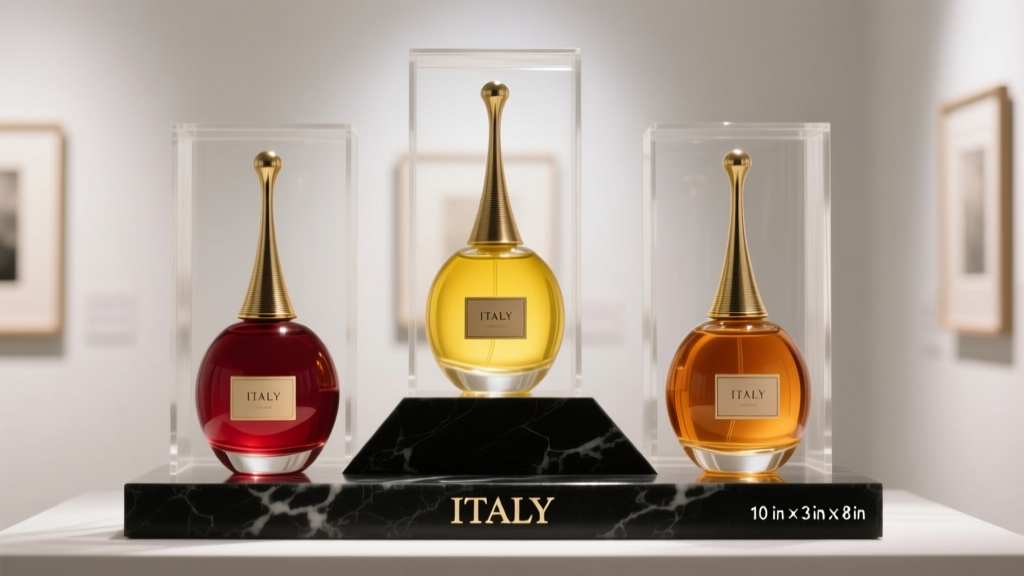
Authenticating the Red-Yellow Cased Ball-Shaped Perfume Bottle: A Technical Analysis of Italian Glassware Measuring 10 3/8 Inches
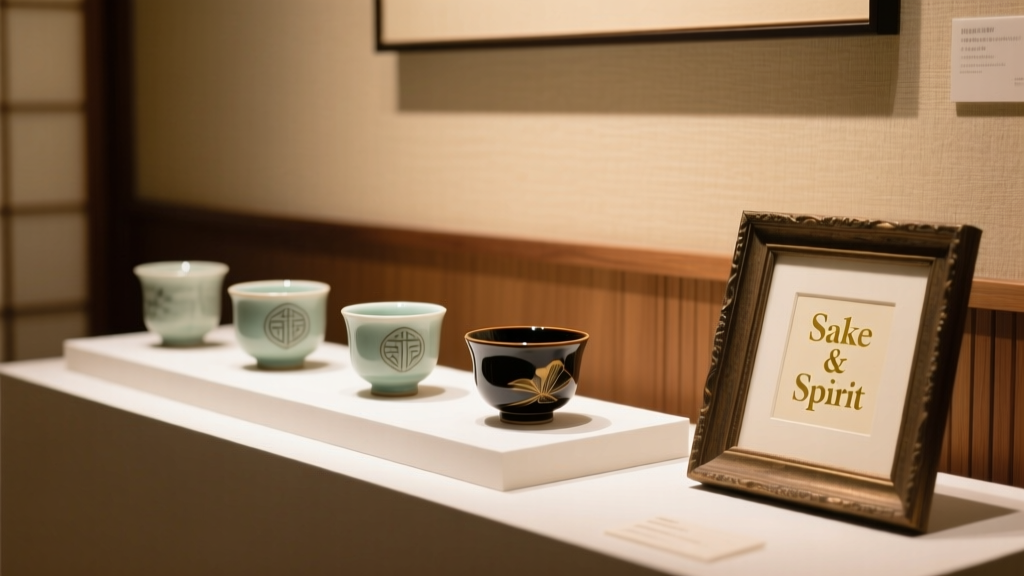
Chinese or Japanese Sake Cups: Distinct Traditions, Materials, and Authentication Criteria

Toy Dottie the Driver Convertible Car: Authentication, Market Value, and Historical Context of the 6¾-Inch Tin & Plastic Windup Boxed Set
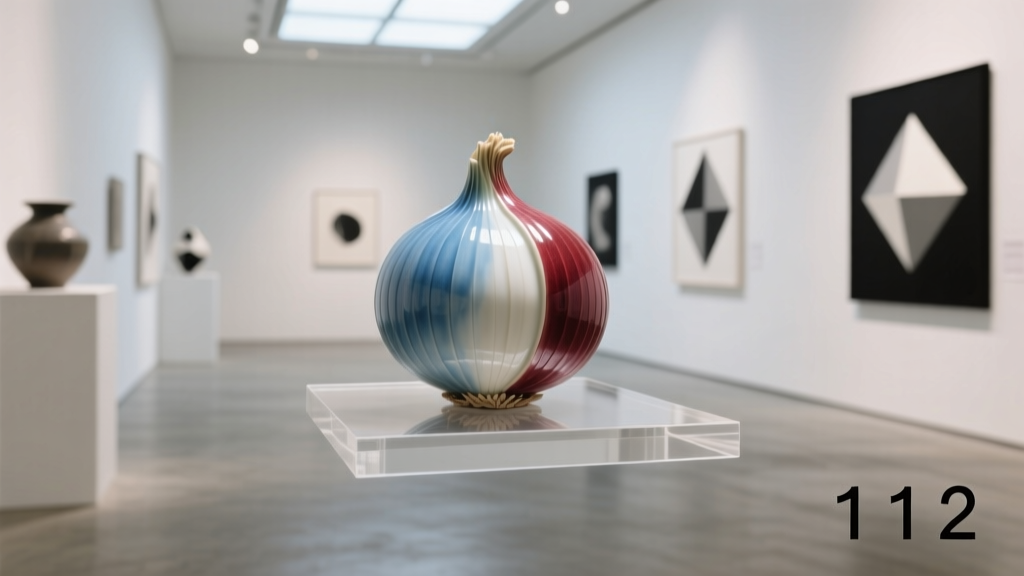
Marble Onionskin Blue White Red 1 1/2-Inch: Material Science, Authentication Protocols, and Market Valuation of a Niche Industrial Specimen

J.K. Rowling’s Original Writing Chair from the Edinburgh Era to Auction on April 6
Pressed Glass Swan Plate (6-Inch): Authentication, Provenance, and Market Analysis

Road Trip Memories: The Art, Science, and Market Value of Vintage Travel Photography Prints
Doulton Co. 11: Authentication, Provenance, and Market Dynamics of the Rarest Royal Doulton Figure
Haviland Plate Set: Oyster & Sea Creature Transfers, France, Circa 1890 — An 8-Piece Service in 8¾-Inch Diameter