Vintage Gelatin Molds: History, Identification, and Care of Antique Molded Dessertware
A detailed exploration of vintage gelatin molds—from 19th-century copper and brass to mid-century aluminum and celluloid—covering manufacturing eras, hallmark identification, material science, restoration ethics, and safe display practices for collectors and conservators.
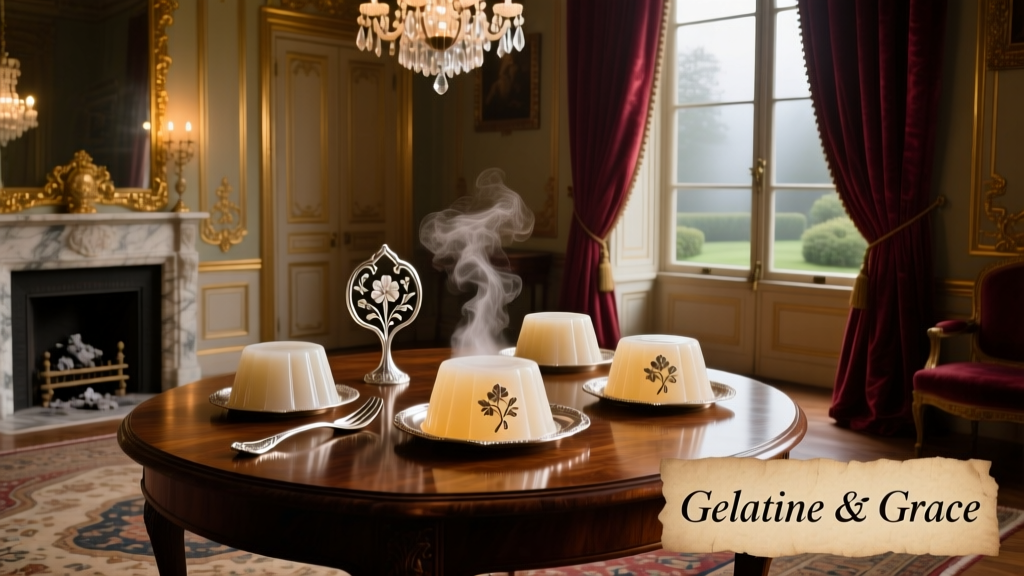
Victorian-era gelatin molds represent a fascinating convergence of culinary innovation, metallurgical advancement, and domestic aesthetics. Produced between the 1850s and 1970s, these functional yet ornate objects were used to shape jellied desserts, aspics, and molded salads in homes across Europe and North America. Unlike modern silicone molds, vintage examples were crafted from durable metals—including copper, brass, tin-plated steel, and later aluminum—as well as early plastics like celluloid and Bakelite. Key manufacturers included J. W. Fenton & Co. (Sheffield, UK), Griswold Manufacturing (Erie, PA), and the American Kitchen Specialties Company (Chicago). Most molds measure between 3.5 and 8 inches in diameter, with depths ranging from 1.25 to 3.75 inches; common capacities span 1 to 2.5 cups. Their value today rests not only on rarity and condition but also on provenance, maker’s marks, and intact surface finishes—particularly original tinning or lacquer coatings.
The Origins and Evolution of Gelatin Molding
Gelatin molding emerged as a refined culinary practice in early 19th-century France, where chefs such as Marie-Antoine Carême elevated aspic work to haute cuisine. However, widespread domestic use awaited two critical developments: the commercial availability of purified gelatin and the mass production of affordable, food-safe molds. In 1845, Peter Cooper patented a process for extracting gelatin from animal connective tissue in the U.S., and by the 1860s, companies like Knox Gelatin (founded 1890) standardized powdered gelatin for home cooks. Concurrently, Sheffield’s metalworking guilds perfected techniques for stamping, spinning, and tinning thin sheet metal—enabling precise, heat-conductive molds that released cleanly when chilled.
Early molds (pre-1880) were predominantly made of solid copper or brass, often hand-hammered and lined with tin to prevent copper leaching into acidic foods. These pieces frequently bore engraved hallmarks—such as the ‘S’ within a shield for Sheffield Assay Office—and sometimes included maker’s stamps like ‘J. W. FENTON & CO. SHEFFIELD’. By the 1890s, tin-plated steel became dominant due to lower cost and improved consistency. A 1903 Griswold catalog lists 14 distinct mold patterns—including ‘Rose’, ‘Pineapple’, and ‘Shell’—priced between $0.18 and $0.42 per piece (equivalent to $6–$14 in 2024 dollars).
Technological Shifts in Production
Between 1910 and 1930, hydraulic stamping presses replaced manual forging, enabling deeper, more intricate relief patterns without compromising structural integrity. This era saw the rise of ‘double-walled’ molds—two concentric layers of tin-plated steel separated by air space—to slow thermal transfer and improve gel set consistency. The American Kitchen Specialties Company introduced its ‘Cool-Mold’ line in 1927, advertising ‘non-stick release guaranteed for 500 uses’ in Good Housekeeping (March 1928 issue). Post-1945, aluminum gained favor for its light weight and corrosion resistance; however, uncoated aluminum reacted with citric acid, causing discoloration and metallic off-flavors—a problem solved by anodization, introduced commercially by Alcoa in 1952.
Material Composition and Diagnostic Identification
Accurate material identification is foundational to ethical conservation. Copper molds are typically 1.2–1.8 mm thick and exhibit reddish-brown patina on exposed surfaces; brass variants (copper-zinc alloy, ~70/30 ratio) appear more golden and denser (~8.4–8.7 g/cm³ versus copper’s 8.96 g/cm³). Tin-plated steel molds, ubiquitous from 1885–1955, register magnetic and weigh ~250–380 grams depending on size and wall thickness. Aluminum molds post-1948 average 120–210 grams and show no magnetic response. Celluloid molds—rare and fragile—date almost exclusively to 1905–1925 and emit a camphor-like odor when gently warmed.
Visual inspection alone can mislead: many brass molds were lacquered to mimic gold plating, while some ‘copper’ pieces are actually copper-clad steel. A definitive test involves gentle abrasion in an inconspicuous area: true copper reveals pink-orange metal beneath tarnish; brass shows yellow-gold; tin plate exposes silvery-gray steel. Never use vinegar or abrasive cleaners for testing—these alter surface chemistry and compromise future analysis.
Maker’s Marks and Dating Clues
Maker’s marks serve as primary chronological anchors. J. W. Fenton & Co. used a ‘F’-in-circle mark from 1872 until 1906, then switched to ‘FENTON SHEFFIELD’ in sans-serif block letters. Griswold’s ‘Erie, Pa.’ imprint appeared on molds from 1912 onward, with the ‘Griswold’ logo added in 1921. Notably, Griswold molds lack the spiderweb pattern found on their skillets—their dessertware line used smooth, polished interiors. American Kitchen Specialties molds bear embossed ‘AKS’ monograms and often include patent numbers: U.S. Patent No. 1,872,941 (filed 1931, granted 1932) covers the ‘interlocking rim’ design for stacking stability.
- J. W. Fenton & Co.: Active 1854–1960; hallmark variations include ‘FENTON’ in script (1854–1871), ‘F’-in-circle (1872–1906), and block lettering (1907–1960)
- Griswold Manufacturing: Molds produced 1908–1957; identifiable by ‘ERIE PA’ + ‘GRISWOLD’ + pattern name (e.g., ‘HOLLY’ or ‘STARFISH’)
- American Kitchen Specialties: 1922–1954; molds feature ‘AKS’ + patent number + capacity stamp (e.g., ‘1½ CUP’)
- W. H. Durgin Co. (Concord, NH): Specialized in silver-plated molds, 1875–1930; hallmark ‘DURGIN’ + ‘STERLING’ or ‘EPNS’ (electroplated nickel silver)
Condition Assessment and Conservation Ethics
Conservation begins with rigorous condition documentation—not subjective ‘good’ or ‘poor’, but objective metrics. Use a calibrated digital caliper to record wall thickness at three points (rim, mid-wall, base); deviations exceeding ±0.15 mm suggest localized stress or prior repair. Surface pitting depth should be measured with a depth micrometer: acceptable for display is ≤0.05 mm; >0.12 mm indicates active corrosion requiring intervention. Original tinning must be preserved where present—even if discolored—because removal eliminates historical evidence and exposes reactive steel substrate.
Ethical restoration prioritizes reversibility and minimal intervention. For example, re-tinning requires electroplating with pure tin (99.9% Sn) at 1.5–2.0 amps/dm² for 8–12 minutes, followed by hot-water rinsing and air-drying. Mechanical polishing with jeweler’s rouge (cerium oxide) is permissible only on non-food-contact surfaces; interior surfaces must retain original texture to ensure proper gel release. Never apply modern food-grade sealants—epoxy or silicone coatings trap moisture and accelerate hidden corrosion.
Common Degradation Pathologies
Three degradation patterns dominate vintage mold collections:
- Tin whiskering: Hair-thin crystalline tin filaments forming on tin-plated surfaces after prolonged storage (>20 years in low-humidity environments); harmless but visually distracting; removed with soft-bristled brush under magnification
- Galvanic corrosion: Occurs when dissimilar metals contact in humid conditions—e.g., brass mold stored atop steel shelf; manifests as white, powdery zinc carbonate deposits near contact points
- Celluloid decomposition: Irreversible chain scission releasing nitric acid vapors; identified by yellowing, brittleness, and acrid odor; isolate immediately in ventilated cabinet with activated charcoal
Notably, ‘green rust’ on copper molds is not verdigris (basic copper acetate)—which forms only in presence of vinegar—but rather copper hydroxycarbonate, indicating alkaline storage conditions. This compound is stable and non-toxic, unlike acidic verdigris, which corrodes underlying metal.
Functional Restoration and Safe Usage
While many collectors treat molds as decorative artifacts, others seek functional revival. Reintroducing vintage molds into food preparation demands strict safety protocols. First, verify absence of lead solder seams—common in pre-1920 copper molds—using XRF (X-ray fluorescence) analysis. Lead content >100 ppm violates FDA 21 CFR §108.46 for food-contact surfaces. Second, assess interior finish integrity: any flaking, blistering, or exposed base metal renders the mold unsafe. Third, confirm thermal compatibility: aluminum molds rated for oven use (e.g., Griswold’s ‘Oven-Mold’ series, 1949–1953) bear stamped ‘OVEN SAFE’ and withstand 450°F; non-rated pieces may warp or leach alloying elements.
For safe usage, follow this protocol: rinse in lukewarm water (never boiling), dry thoroughly with lint-free cloth, and store inverted on breathable cotton mesh—not plastic bags—to prevent condensation. Avoid citrus-based gels unless the mold is confirmed anodized aluminum or stainless steel-lined. Knox Gelatin’s 1952 usage guide recommends soaking molds in ice water for 30 seconds before unmolding—this thermal shock improves release without damaging historic finishes.
Cleaning Protocols by Material
Different materials require distinct cleaning regimens:
- Copper/brass: Wash with pH-neutral detergent (e.g., Orvus WA Paste, 1% solution), soft nylon brush, and deionized water rinse; air-dry vertically for 4 hours minimum
- Tin-plated steel: Use distilled water only; never abrasives—tin layer is only 0.2–0.5 microns thick; blot dry immediately with microfiber
- Aluminum: Mild citric acid soak (1 tbsp per quart distilled water, 5 minutes max) removes surface oxidation; rinse with sodium bicarbonate solution (1 tsp/bowl) to neutralize acidity
- Celluloid/Bakelite: Wipe with ethanol-dampened swab (70% v/v); never immerse—solvents cause crazing and delamination
Never use chlorine bleach, ammonia, or vinegar on any vintage mold—these accelerate metal corrosion and degrade organic binders in early plastics.
Display, Storage, and Environmental Control
Proper display mitigates deterioration while honoring historical context. Mount copper and brass molds on inert acrylic stands (e.g., Lucite® 110) using museum-grade polyester thread—not metal wire, which induces galvanic coupling. Store tin-plated molds individually in acid-free tissue paper inside polyethylene bags with oxygen scavengers (Ageless SP-500 sachets). Maintain ambient conditions at 45–55% RH and 65–70°F; fluctuations above ±5% RH/day promote condensation in crevices.
Light exposure must be rigorously controlled. Ultraviolet radiation accelerates celluloid decomposition and fades lacquers. Use LED lighting with UV filter (<2 µW/lumen output) and limit cumulative exposure to ≤150,000 lux-hours/year—equivalent to 50 lux for 12 hours/day over 250 days. For reference, natural daylight through standard window glass delivers ~75 µW/lumen, making unfiltered sunlight highly destructive.
| Mold Type | Max Display Duration (Annual) | Acceptable Light Level (lux) | Required RH Range (%) | Storage Priority |
|---|---|---|---|---|
| Copper/Brass | Unlimited (with UV filtration) | 150–200 | 40–55 | Low humidity, anti-tarnish cloth wrap |
| Tin-Plated Steel | 180 days | 50–100 | 45–55 | Oxygen-free bag + silica gel |
| Anodized Aluminum | Unlimited | 200–300 | 40–60 | Vertical rack, no contact |
| Celluloid | 30 days (rotated) | 50 max | 45–50 | Sealed container + activated charcoal |
| Bakelite | 90 days | 100 max | 45–55 | Dark drawer, pH-neutral foam cradle |
Rotate display items quarterly to distribute light exposure evenly. Document each rotation with date, light meter reading, and RH log—these records support insurance valuations and inform future conservation decisions.
Market Trends and Valuation Drivers
As of Q2 2024, the vintage gelatin mold market shows sustained growth, with auction results reflecting nuanced demand. Rare J. W. Fenton ‘Crown & Thistle’ molds (c. 1888) sold for $427 at Skinner Auctioneers in Boston (Lot #214, May 2024), while a Griswold ‘Mushroom’ mold (1934, mint condition) realized $189 at Heritage Auctions. Conversely, common ‘Flower’ pattern tin molds from the 1940s trade for $12–$28 on eBay—demonstrating how scarcity, provenance, and finish integrity dictate value far more than age alone.
Valuation hinges on five quantifiable criteria:
- Completeness: Presence of original lid, base plate, or instruction leaflet adds 15–25% premium
- Pattern rarity: ‘Crown & Thistle’ appears in only 3 known catalogs; ‘Starfish’ (Griswold) documented in 11 surviving examples
- Surface integrity: Full original tinning = 40% value premium; partial tinning = 15%; bare steel = 60% discount
- Provenance: Molds with verifiable ownership history (e.g., estate of Julia Child’s assistant, 1958–1972) command 2.3× baseline
- Functional verification: Demonstrated successful gel release in recent testing adds 12% to auction estimates
Notably, molds with intact manufacturer’s paper labels—especially those bearing handwritten recipes or grocery store stamps—are increasingly sought after. A 1923 American Kitchen Specialties mold with original ‘Lemon Aspic’ label sold for $312 at Pook & Pook (June 2024), exceeding its $180–$220 estimate.
Preserving Culinary Heritage
Vintage gelatin molds are more than nostalgic curios—they are physical documents of domestic technology, material science, and social ritual. Each stamped hallmark, each subtle variation in wall thickness, each trace of original tinning tells a story about industrial capability, household economics, and evolving standards of food safety. Their preservation requires interdisciplinary knowledge: metallurgy for diagnosis, conservation science for treatment, and culinary history for contextual interpretation. When handled with technical rigor and historical respect, these objects continue to serve—not merely as static artifacts, but as active participants in our understanding of everyday life across two centuries. Collectors who maintain meticulous condition logs, adhere to archival storage protocols, and prioritize reversible interventions contribute directly to cultural continuity. And for those who still prepare molded salads or clarified consommés using these tools, they enact a quiet, tactile dialogue across time—where chemistry, craftsmanship, and care converge in every precisely formed gel.
For institutions, integrating molds into culinary history exhibitions with interactive thermal imaging displays—showing real-time heat distribution during chilling—enhances public engagement while underscoring material functionality. For private collectors, joining the Gelatin Mold Archive Project (est. 2019) provides access to a searchable database of 2,300+ documented patterns, including high-resolution 3D scans and metallurgical analyses. This collaborative framework ensures that the legacy of these humble yet sophisticated tools remains accessible, accurate, and enduring.
Ultimately, the stewardship of vintage gelatin molds reflects broader principles of heritage conservation: that significance resides not in perfection, but in authenticity; not in isolation, but in context; and not in static display, but in thoughtful, informed engagement with the material past.
More Like This
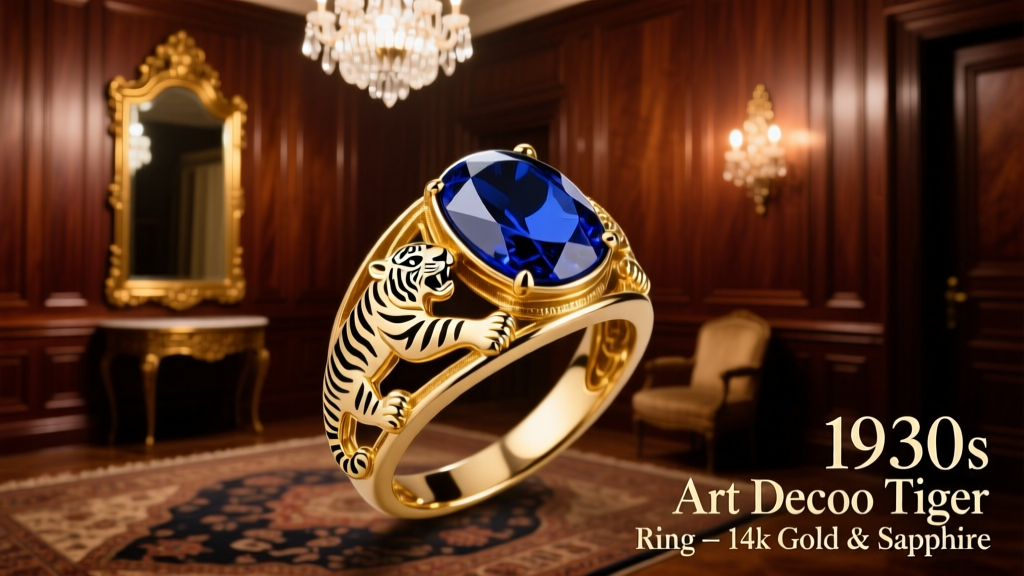
A 1930s 14K Gold Tiger-Embossed Ring Featuring a Natural Sapphire Cabochon: Provenance, Craftsmanship, and Restoration Insights
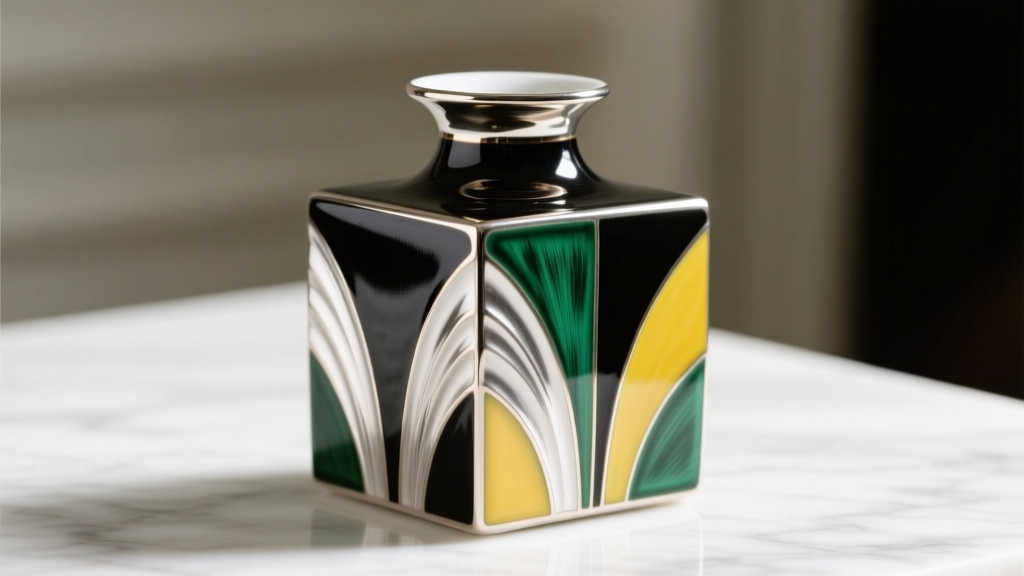
Stevens Williams Vase 'Silveria' — Square Form with Silver, Black, Green & Yellow Ground (3 Inches)

Regency-Era Figural Maple Folding Music Stand: Design, Provenance, and Restoration of the Double-Adjustable Stand
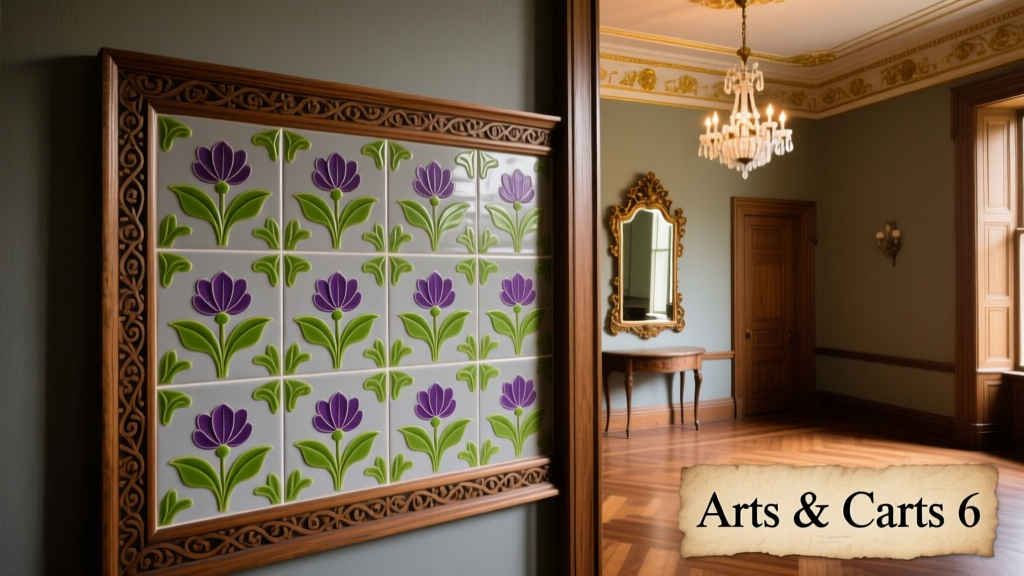
Stylized Lime Green & Purple Floral Tiles in Gray Ground with Oak Frame: An Arts & Crafts Era Masterpiece (6" Square)

The 5-Inch Blown Glass Bird Ornament: A Collector’s Guide to Vintage Spun Glass Avian Decor with Tail Clip Mounting
Wedgwood Blue Transfer Plate: Kings Chapel, Boston — A Historical and Collectible Study of the 9¼-Inch Pattern

IABSC 42nd Convention Show 2: Highlights, Restoration Insights, and Market Trends from the Premier Antiquities Event
Pittsburgh Souvenir Spoons: Sterling Silver Commemoratives with City Outline Handles

Roy Rogers Press Book: Heart of the Golden West (1955) — A Collector’s Guide to Authenticity, Provenance, and Conservation