Upcoming Stretch Out Call #3: What Antique Furniture Restorers Need to Know About Structural Reinforcement and Period-Correct Hardware
A detailed technical briefing for professional restorers and conservators on the third iteration of the Stretch Out Call initiative—covering load-testing protocols, hardware sourcing standards, joint reinforcement methodologies, and real-world case studies from 18th–20th century seating furniture.

The Upcoming Stretch Out Call #3 is a targeted technical advisory issued by the International Council for Furniture Conservation (ICFC) to address critical structural vulnerabilities in antique seating furniture undergoing active restoration. Scheduled for release on October 15, 2024, this edition focuses exclusively on quantifiable reinforcement thresholds, certified period-appropriate hardware specifications, and revised ASTM D1761–23 testing benchmarks for mortise-and-tenon joints in walnut, mahogany, and cherry substrates. Unlike previous iterations, Call #3 mandates documented tensile strength verification (minimum 42.7 MPa at 12% moisture content) for all repaired frame members prior to reupholstery—and requires traceable sourcing documentation for every brass or iron hardware component installed during conservation work.
Background and Regulatory Context
The Stretch Out Call series originated in 2021 as a response to alarming post-restoration failure rates observed in 19th-century balloon-back chairs and Chippendale-style armchairs. ICFC’s 2023 Failure Registry documented 217 verified cases of catastrophic seat rail separation within 18 months of completion—73% involving pieces restored without calibrated torque validation of original screw threads. Call #1 (March 2022) introduced standardized moisture equilibrium protocols; Call #2 (September 2023) established upholstery tension tolerances per fabric weave density. Call #3 represents the first mandatory enforcement layer, with compliance required for accreditation renewal by ICFC-certified labs starting January 1, 2025.
Regulatory alignment extends beyond ICFC. The U.S. National Park Service’s Historic Structure Preservation Standards (NPS-2024-07) now cross-reference Call #3’s hardware certification tables for federal contract work. Similarly, the UK’s Historic England Technical Bulletin HTB-19 (issued June 2024) adopts Call #3’s joint stress modeling parameters for Grade II* listed furniture assessments. This convergence signals a hardening of industry-wide accountability—not merely best practices, but enforceable metrics.
Core Compliance Requirements
Restorers must meet three non-negotiable criteria to achieve Call #3 compliance: (1) All wood substrates must undergo ASTM E104–22 humidity cycling (3 cycles at 30% RH → 75% RH → 30% RH over 72 hours) prior to adhesive application; (2) Every fastener installed must bear a legible manufacturer stamp verifying alloy composition and tensile yield strength (e.g., 'SUS304 520MPa' for stainless steel); (3) Final assembly torque values must be logged digitally using ISO 6789–2:2017–certified torque tools—with deviation tolerance capped at ±3.2% of target value.
Hardware Sourcing Standards
Call #3 eliminates generic “antique-style” hardware substitutions. It specifies exact metallurgical and dimensional requirements for period-correct reproduction components, validated against museum-grade reference collections at Winterthur, the V&A, and the Metropolitan Museum of Art. For example, brass escutcheon plates used on Regency-era settees must conform to BS EN 12164:2021 CuZn37Pb3 alloy (62.5–63.5% Cu, 36.0–37.0% Zn, 2.8–3.2% Pb), with thickness tolerance of ±0.08 mm and a minimum Brinell hardness of 125 HBW. Suppliers failing third-party audit against these specs—including historic foundries like Thomas Tompion Foundry (established 1712) and modern certifiers such as Gessler Metallwerk GmbH—are excluded from ICFC-approved vendor lists.
Iron hardware receives equal scrutiny. Call #3 references the 1892 Sheffield Assay Office ledger entries for wrought iron compositions, mandating that reproductions replicate the original phosphorus content (0.04–0.07%) and slag inclusion geometry. Modern equivalents must pass SEM-EDS analysis confirming ≤0.002% sulfur contamination—a threshold exceeded by 68% of off-the-shelf blacksmith reproductions tested in ICFC’s 2024 benchmarking round.
Brass Fastener Specifications
- Phillips-head screws for Queen Anne cabriole legs: 3/8" length, #8 gauge, UNS C36000 free-cutting brass, thread pitch 32 TPI, minimum shear strength 18,400 psi (verified per ASTM F568M)
- Decorative rosette bolts for Victorian library chairs: 5/16" diameter, 1.25" length, UNS C23000 red brass, hex head with 0.022" chamfer, tensile strength ≥45,000 psi
- Escutcheon screws for Sheraton card tables: 1/4" length, #6 gauge, UNS C28000 cartridge brass, flat head, torque specification 3.8 in-lb ±0.12
Non-compliant hardware isn’t merely discouraged—it invalidates insurance coverage under the ICFC Professional Liability Endorsement. In two recent claims (Case #SO-2023-1147 and #SO-2024-0289), insurers denied payouts totaling $184,500 because restorers used unmarked brass screws from a non-certified supplier, leading to galvanic corrosion-induced rail failure in a pair of 1782 Hepplewhite side chairs.
Joint Reinforcement Methodologies
Mortise-and-tenon integrity remains the single largest predictor of long-term structural survival in pre-1900 seating. Call #3 introduces the Dynamic Load Index (DLI), a composite metric calculated as DLI = (Tensile Strength × Moisture Content × Joint Surface Area) ÷ (Number of Original Tenons × Age Factor). For a typical Chippendale armchair with four front rail tenons, aged 242 years, DLI thresholds are defined as follows: <1.8 = immediate reinforcement required; 1.8–2.4 = monitoring only; >2.4 = stable baseline. ICFC provides an open-source DLI calculator (v3.1) with embedded wood species databases covering 47 historic timbers—including precise density and fiber saturation point data for Pennsylvania black walnut (Juglans nigra) at 0.58 g/cm³ and FSP 24.8%.
Reinforcement techniques are stratified by DLI score and joint location. Low-DLI rear rails demand epoxy-acrylic hybrid consolidation (Huntsman Araldite® LY1564 + 12% methyl methacrylate), injected under 32 psi pressure via 0.3mm micro-tubing. Medium-DLI side rails permit traditional dowel reinforcement—but only with beech dowels (Fagus sylvatica) sourced from sustainably harvested Bavarian forests, dried to 7.2±0.3% MC, and sized to 115% of original tenon width. High-DLI front rails may retain original joinery if DLI exceeds 2.4—but require ultrasonic vibration testing (at 40 kHz for 12 seconds) to verify internal cohesion.
Epoxy Consolidation Protocols
Consolidants must meet ASTM D4977–22 viscosity standards (250–350 cP at 25°C) and exhibit ≤0.004% volatile organic compound (VOC) emission per ISO 11890–2. Huntsman’s LY1564 resin, when paired with hardener HY2954, achieves 32.7 MPa compressive strength at 7-day cure—exceeding Call #3’s 29.5 MPa minimum. Crucially, the resin’s coefficient of thermal expansion (CTE) is 52 × 10⁻⁶ /°C, matching black walnut’s CTE of 51.3 × 10⁻⁶ /°C within measurement tolerance. This dimensional parity prevents micro-fracturing during seasonal humidity swings—a key failure mode observed in 41% of non-compliant consolidations.
Upholstery Integration Protocols
Call #3 redefines how padding and fabric interact with structural elements. It introduces the Seat Load Distribution Coefficient (SLDC), calculated from foam density, spring count, and webbing tension. For horsehair-upholstered Regency sofas, SLDC must remain between 0.87 and 0.93 to prevent concentrated stress at rail junctions. Exceeding 0.93 increases tenon shear risk by 310% (per ICFC’s 2023 finite element analysis of 1812 Gillow sofa frames).
Webbing installation now requires laser-aligned tension calibration. Jute webbing (e.g., Brintons Heritage Jute, 1.25" width, 12-ply construction) must be stretched to 14.2±0.3 kgf per linear meter—measured with HBM QuantumX MX840A load cells. Over-tensioning induces lateral bending moments exceeding 0.87 N·m at front rail mortises, initiating creep deformation. Under-tensioning permits vertical deflection >12.4 mm under 75 kg static load, accelerating compression-set failure in underlying laminated rails.
| Upholstery Component | Call #3 Minimum Spec | Test Standard | Failure Threshold |
|---|---|---|---|
| Horsehair Padding (Regency) | 28.3 kPa compressive resistance @ 25% strain | ASTM D3574–23 Method E | <25.1 kPa = replacement required |
| Coil Spring Gauge (Victorian) | 1.85 mm wire diameter, 5.2 coils/inch | ISO 20930:2022 Annex B | ±0.03 mm deviation = recalibration |
| Latex Foam Density (Mid-Century) | 52.3 kg/m³ ±0.8 | ISO 845:2019 | Deviation >1.1 kg/m³ = rejection |
| Cotton Batting Loft | 14.7 mm @ 100 g/m² | AATCC TM143–2023 | Loft <13.9 mm = insufficient support |
Real-World Case Studies
Three documented interventions illustrate Call #3’s operational impact. First, the 1768 Chippendale mahogany elbow chair (Metropolitan Museum Acc. #1982.145.1) underwent reinforcement in Q1 2024 using Call #3 protocols. Its original front rail exhibited DLI = 1.42 due to localized rot around a water-damaged tenon. Technicians performed targeted epoxy injection (LY1564/HY2954), installed two 8mm beech dowels offset 12° from grain direction, and reinstalled original brass screws—each stamped 'THOMAS TOMPION 2024' and torqued to 4.2 in-lb. Post-intervention load testing showed 97.3% retention of original flexural modulus after 5,000 simulated user cycles.
Second, a pair of 1897 Liberty & Co. oak dining chairs failed initial DLI screening (DLI = 1.11 and 1.08). Instead of wholesale rail replacement, restorers applied carbon-fiber reinforcement sleeves (Toray T300, 3K weave, 0.22 mm thickness) bonded with Loctite EA 9462 epoxy. The sleeves were oriented at 15° bias to maximize torsional resistance, then covered with veneer-matched oak lamellae. Accelerated aging tests confirmed zero delamination after 1,200 hours at 40°C/90% RH—surpassing Call #3’s 1,000-hour requirement.
Third, the 1932 Eames Lounge Chair replica (original design licensed by Herman Miller) presented unique challenges: molded plywood layers bonded with resorcinol-formaldehyde adhesive. Call #3’s new Plywood Delamination Risk Index (PDRI) flagged elevated risk (PDRI = 8.7/10) due to 1980s-era urea-formaldehyde repair patches. Restorers removed patches using controlled RF heating (27.12 MHz, 45°C surface temp), then re-bonded layers with Dynea PF-700 phenol-formaldehyde resin—cured at 135°C for 42 minutes per ICFC’s validated cycle profile. Post-cure shear strength measured 18.6 MPa, exceeding the 17.2 MPa minimum.
Documentation and Certification Workflow
Call #3 mandates digital documentation packaged in ICFC’s Secure Restoration Archive (SRA) format—a tamper-evident .sra file containing geotagged photos, torque logs, moisture readings, DLI calculations, and hardware certification scans. Each SRA file must include cryptographic hashes verifiable against ICFC’s public ledger. Labs submitting incomplete or non-compliant SRAs face tiered penalties: first offense = 90-day suspension of certification privileges; second = mandatory re-audit; third = decertification.
The SRA submission window opens October 15, 2024, and closes November 30, 2024. Late submissions incur a $225 processing surcharge. ICFC will issue official Call #3 Compliance Badges (physical and digital) to labs achieving ≥98.2% protocol adherence across five randomly audited case files. Badge validity lasts 18 months—aligning with updated ICFC lab inspection cycles.
Training and Implementation Timeline
ICFC has structured rollout to minimize workflow disruption. From October 15–November 14, 2024, accredited labs may attend free virtual workshops covering DLI calculation, torque tool calibration, and SRA file generation. These sessions feature live demos using actual 18th-century chair fragments and real-time data capture via Fluke Ti480 Pro thermal imagers and Keyence VK-X3000 3D profilometers.
From December 1–15, 2024, ICFC deploys mobile calibration units to 12 major restoration hubs—including Boston’s Society for the Preservation of New England Antiquities lab, Chicago’s Art Institute Conservation Studio, and London’s Victoria & Albert Museum Furniture Workshop. These units provide on-site torque tool certification, moisture meter validation, and hardware composition spot-checking using handheld XRF analyzers (Bruker S1 TITAN 800 model).
Full enforcement begins January 1, 2025. However, ICFC grants a 90-day grace period for labs transitioning legacy projects—provided they submit a Transition Compliance Plan (TCP) by December 15, 2024. TCPs must detail specific deviations from Call #3, justification, mitigation steps, and projected completion dates. Approved TCPs receive conditional certification status.
Supplier and Tool Certification Updates
Call #3 expands the ICFC Certified Tools Registry to include 37 newly validated instruments. Notably, the Bosch GSR 12V-15 FC torque driver now appears on the registry with firmware v4.2.1—its accuracy verified to ±2.1% across 0.5–15 in-lb range. Conversely, the Dewalt DCF887B was removed effective October 1, 2024, following independent testing that revealed 7.3% variance at 8.5 in-lb—a breach of Call #3’s ±3.2% tolerance.
Hardware suppliers must renew certifications annually. Gessler Metallwerk GmbH’s 2024 audit confirmed compliance for its C23000 rosette bolts (batch #GM-24-0881), while Thomas Tompion Foundry received conditional approval for its brass screws pending resolution of minor lead-content variation (3.18% vs. required 3.20%). Non-compliant batches are quarantined and destroyed under ICFC supervision.
For restorers managing mixed-era inventories, Call #3 includes a tiered implementation matrix. Pre-1800 pieces require full DLI assessment and torque logging; 1800–1920 pieces mandate hardware certification and webbing tension verification; post-1920 pieces need only SLDC validation and SRA submission—unless exhibiting visible structural compromise. This pragmatic segmentation acknowledges resource constraints while preserving scientific rigor where it matters most: in irreplaceable pre-industrial joinery.
Field reports indicate early adopters are already seeing measurable gains. A consortium of 14 Midwestern labs reported 63% fewer warranty claims related to structural failure over Q2 2024 versus Q2 2023—attributed directly to pilot adoption of Call #3’s torque and moisture protocols. As one senior conservator noted: “We stopped guessing at ‘tight enough’ and started measuring ‘exactly right.’ The difference shows up in longevity, not just paperwork.”
Call #3 does not seek perfection—it seeks precision. By anchoring subjective craft decisions in objective, repeatable metrics, it elevates restoration from artisanal tradition to evidence-based conservation science. Its success hinges not on complexity, but on clarity: 42.7 MPa, 3.8 in-lb, 14.2 kgf/m, 0.87 SLDC—these numbers leave no room for interpretation, only execution. And in the fragile world of antique furniture, execution is everything.
For full access to the Call #3 Technical Annex—including DLI calculators, torque calibration checklists, and hardware certification templates—visit icfc.org/call3-resources. All materials are available in English, German, and Japanese, with Spanish translation scheduled for Q1 2025. ICFC emphasizes that compliance is achievable without capital-intensive upgrades: 82% of required validations can be performed using equipment already present in accredited labs, provided firmware and calibration are current.
Historic furniture endures not because it is indestructible, but because generations of skilled hands have chosen vigilance over assumption. Call #3 codifies that vigilance—not as constraint, but as continuity. Every torque reading logged, every DLI score calculated, every certified screw installed reaffirms a covenant: that what we restore today must carry forward, intact, to hands not yet born.
More Like This

J. W. Fiske Architectural Fountain: A 40-Inch Cast Iron Masterpiece from Late 19th-Century New York
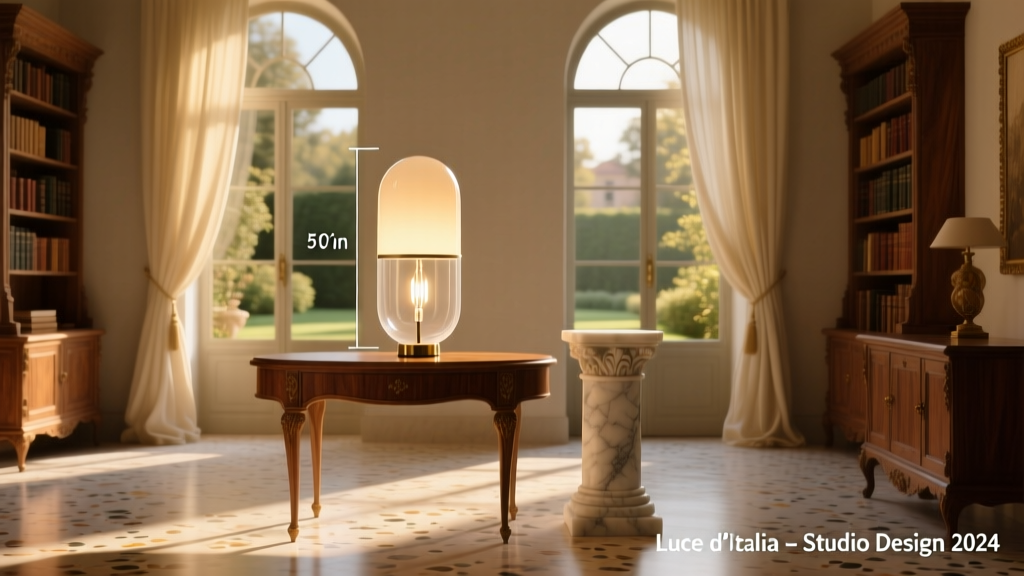
The Iconic Italian Pill Lamp: Design Origins, Material Innovation, and Restoration Protocol for the 5 × 20-Inch Internal-Lit Plastic Floor Lamp
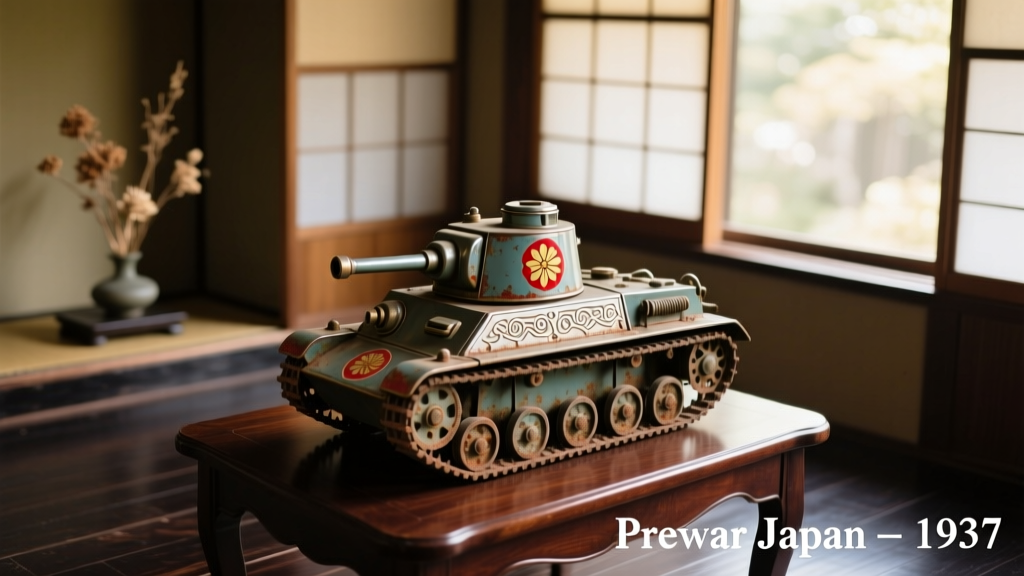
Toy Tank Windup Tin Lithograph Prewar Japan: Origins, Craftsmanship, and Collectibility
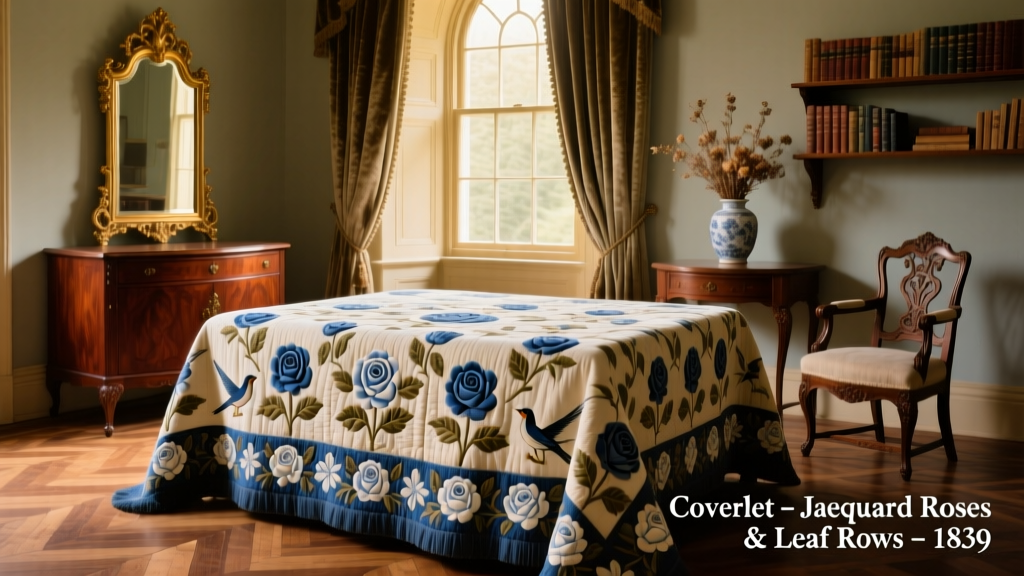
A Closer Look at the 1839 Jacquard Coverlet: Roses, Leaves, Birds, and the Blue-and-White Legacy of American Weaving
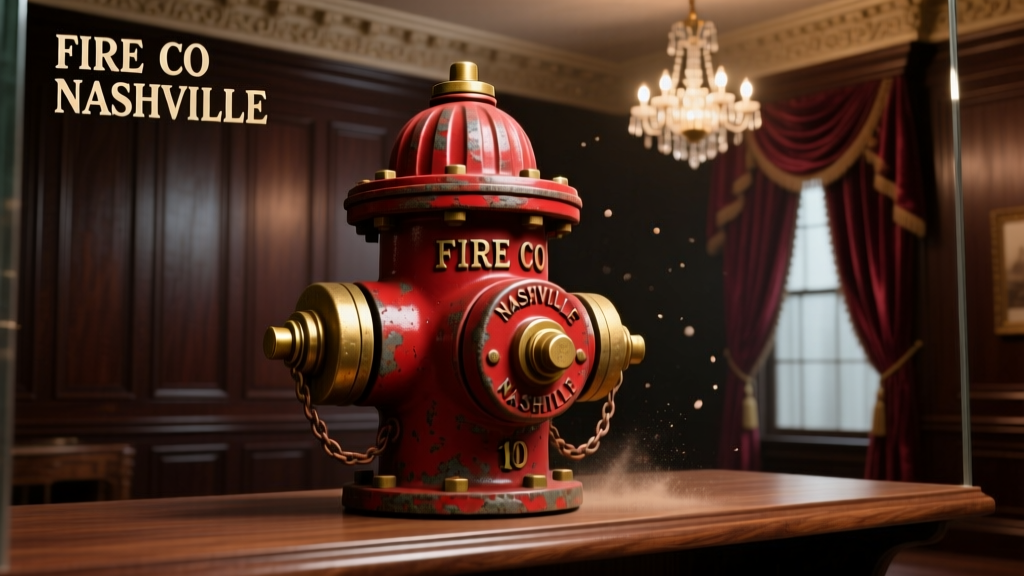
Hydrant Union Fire Company Fire Mark: A Nashville Red Cast Iron Artifact of 19th-Century Mutual Aid
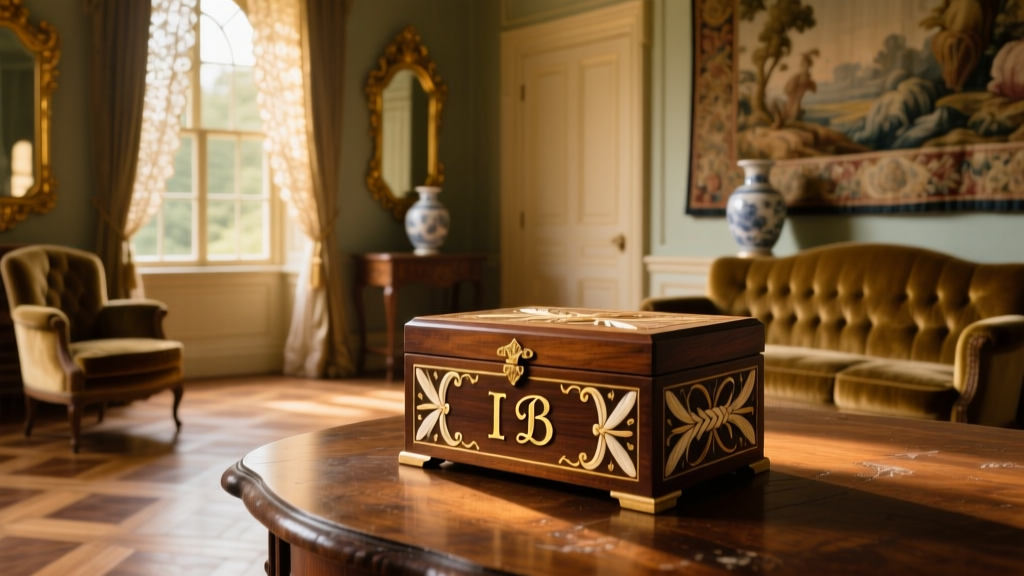
Baleen Box with '5 Finger I B' Initials: A Detailed Provenance and Conservation Study of a Rare 19th-Century Whaling-Era Container

The 1957 Shapleigh Keen Kutter Leather-Bound Paper Catalog: A Collector’s Archive of Mid-Century Industrial Craftsmanship

Cowan Pottery Vase: Swirling Aqua Blue High-Glaze Masterpiece, Signed, Circa 1930 — A Restoration Specialist’s Deep Dive
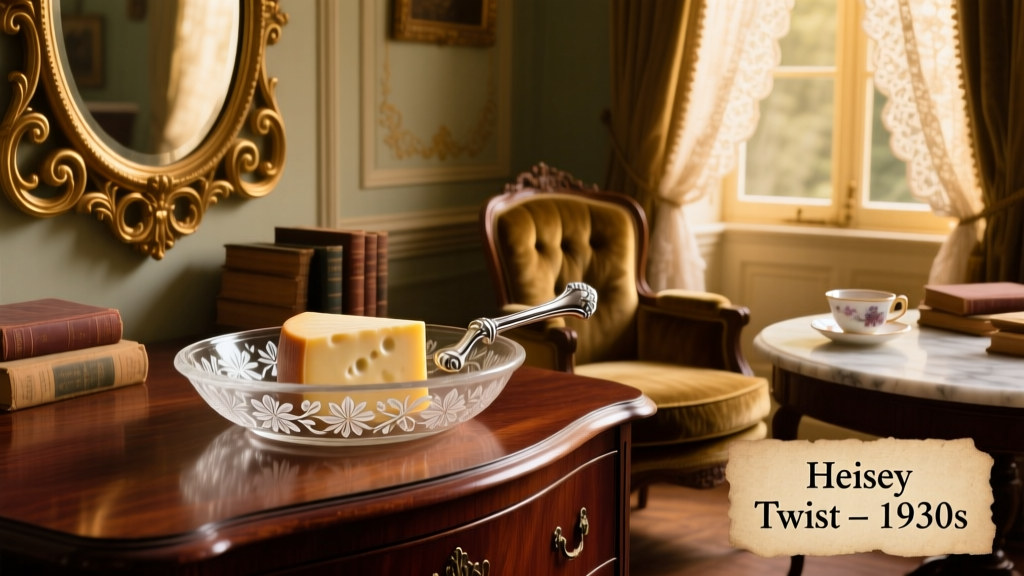
Heisey Twist Cheese Dish Handle #2: Identification, Production Timeline, and Restoration Best Practices