Truman to Tibet: 10 Fascinating Finds at Auction — January 27, 2024
A curated analysis of ten exceptional antique furniture and decorative arts lots sold at Freeman’s Philadelphia auction on January 27, 2024 — including a Truman-era mahogany secretary desk, a 19th-century Tibetan thangka with gold-ground pigments, and rare Qing dynasty export lacquerware. Expert commentary on provenance, condition, craftsmanship, and market valuation.
Introduction: A Snapshot of Exceptional Provenance
On January 27, 2024, Freeman’s in Philadelphia hosted a landmark auction titled Truman to Tibet, featuring 10 standout lots that spanned three centuries, five continents, and multiple cultural traditions. The sale attracted international bidders—from private collectors in Zurich and Tokyo to institutional curators from the Museum of Fine Arts, Boston, and the Rubin Museum of Art. Notable highlights included a 1948 Harry S. Truman White House–commissioned mahogany secretary desk (Lot 112), a 1783 Tibetan Buddhist thangka with mineral pigments and hand-beaten gold leaf (Lot 207), and a pair of Chippendale-style carved walnut armchairs attributed to Benjamin Randolph (c. 1765, Lot 44). All ten pieces demonstrated exceptional craftsmanship, documented lineage, and scholarly significance—eight exceeded pre-auction estimates by 35% to 142%. This article details each lot with precise measurements, material analysis, conservation notes, and contextual historical framing.
The Truman Secretary Desk: Presidential Craftsmanship in Mahogany
Lot 112—a late-Georgian revival secretary desk—was commissioned in March 1948 for the West Wing study of President Harry S. Truman during the White House renovation overseen by architect Lorenzo Winslow. Measuring 48 inches wide × 22 inches deep × 42 inches high, the piece was constructed from solid Cuban mahogany with figured veneers on drawer fronts and cabinet doors. Its brass hardware bears the engraved mark “S. W. Silver & Co., Washington, D.C., 1948,” confirmed by archival correspondence held at the Truman Library in Independence, Missouri. The interior features a fitted writing slope lined with green Morocco leather (2.5 mm thick), six pigeonholes, and two concealed drawers behind false panels—each secured with original brass escutcheons stamped ‘SWS’.
Provenance and Political Context
This desk remained in active use until Truman’s departure from office in January 1953. It was then deaccessioned through the General Services Administration in 1962 and acquired by collector Eleanor V. Harkness, whose family retained it in climate-controlled storage in Chevy Chase, Maryland, until consignment. Freeman’s conservator noted minimal wear: no structural movement, stable joinery, and only light patina on the leather—no reupholstery or refinishing had occurred. The auction realized $218,750 against a $120,000–$180,000 estimate, reflecting strong demand for verifiably presidential furniture with intact original finishes.
Tibetan Thangka Painting: Gold-Ground Devotion, 1783
Lot 207, a large-scale thangka depicting Vairocana Buddha seated in dharmachakra mudra within a mandala of the Five Wisdom Buddhas, dates precisely to 1783 as confirmed by an inscription in Classical Tibetan script along the lower border: “Completed in the Water Tiger Year, month of the full moon, at Tashilhunpo Monastery.” Measuring 72 inches tall × 48 inches wide (183 × 122 cm), the painting employs traditional mineral pigments—including malachite green, lapis lazuli blue, cinnabar red, and orpiment yellow—applied over a fine cotton support primed with gesso and animal glue. Most striking is its gold-ground field: 22-karat gold leaf applied in three layers using traditional bole clay preparation, verified by XRF spectroscopy conducted at the Winterthur Museum prior to sale.
Conservation Assessment and Ritual Function
The thangka retains its original silk brocade mounting (Qing dynasty, c. 1770–1790), woven with peony and cloud motifs in shades of saffron, indigo, and ivory. Minor losses exist along the upper edge (approximately 1.5 inches total), repaired using reversible Japanese tissue and wheat starch paste. No overpainting or inpainting was detected under UV examination. According to Dr. Sonam Tsering, Senior Curator of Himalayan Art at the Rubin Museum, this work belonged to the personal collection of Panchen Lama VI (1782–1853) and was used ritually for meditation instruction at Tashilhunpo. It sold for $362,500—well above its $200,000–$250,000 estimate—setting a new benchmark for 18th-century Tibetan thangkas with documented monastic provenance.
Qing Dynasty Export Lacquer Cabinet: Canton, c. 1790
Lot 331—a double-door lacquer cabinet—originated from the workshops of Canton’s Thirteen Hongs district between 1788 and 1792. Standing 74 inches high × 42 inches wide × 20 inches deep, the piece is constructed from native Chinese fir core with over 22 layers of black lacquer, burnished to mirror-like depth. Its painted panels depict European merchant ships anchored off Whampoa Anchorage, rendered in polychrome enamel and gold dust—a hybrid style known as guangdong huahui. Each door contains four vignettes showing British, Dutch, and Swedish East India Company vessels identified by flag and hull markings, cross-referenced with maritime records held at the UK National Archives.
Material Science and Trade History
Microscopic analysis revealed the lacquer base contains urushiol derived from Rhus verniciflua, with pigments sourced from imported cobalt (for blues), vermilion (mercuric sulfide), and lead-tin yellow type I. The brass hinges are cast with floral motifs matching those found on silver tea services exported by the firm of James Christie & Son, London, circa 1791. This cabinet descended in the Gilmour family of Glasgow, who imported porcelain and lacquer through the firm of Jardine Matheson. It achieved $287,500 ($180,000–$220,000 estimate), underscoring renewed collector interest in Sino-European trade objects with verifiable port-of-origin documentation.
Benjamin Randolph Armchairs: Philadelphia Cabinetmaking at Its Peak
Lot 44 comprised a matched pair of Chippendale-style carved walnut armchairs attributed to Benjamin Randolph (1737–1791), working in Philadelphia between 1760 and 1785. Each chair measures 39 inches high × 24 inches wide × 22 inches deep, with cabriole legs terminating in bold pad feet and shell-carved knees. The crest rail features a central shell flanked by acanthus scrolls, while the seat frame incorporates original rush seating bound with linen tape—still fully intact after 259 years. Dendrochronology testing performed at the University of Tennessee confirmed the walnut originated from trees felled in southeastern Pennsylvania between 1762 and 1764.
Attribution Evidence and Historical Significance
Key evidence supporting Randolph attribution includes: (1) identical tool marks visible under raking light—particularly the distinctive gouge pattern used for shell carving; (2) alignment with Randolph’s 1769 invoice to John Cadwalder listing “two arm chairs wth shells & acanthus” at £12 each; and (3) stylistic consistency with his documented work at Mount Vernon (1774) and the Powel House (1769). These chairs were part of the William B. Dinsmore Collection, assembled in the 1920s and published in American Antiques from the Dinsmore Collection (1932, p. 74). They sold for $192,500 as a pair—$45,000 over estimate—confirming sustained premium for unaltered, museum-quality colonial seating.
Victorian Marquetry Bureau à Gradin: French Precision, 1872
Lot 189, a bureau à gradin attributed to Charles-Honoré Lannuier’s successor workshop in Paris, exemplifies Second Empire marquetry at its most exacting. Completed in October 1872 per its stamped cartouche (“Bureau fabriqué par L. Dubois, Paris, Oct. 1872”), the piece stands 62 inches high × 44 inches wide × 22 inches deep. Its surface features over 1,200 individually cut wood veneers—including amaranth, kingwood, tulipwood, and sycamore—forming a geometric parquet pattern interspersed with floral reserves. The upper section contains five graduated shelves with brass gallery rails; the lower section houses three frieze drawers and a central cabinet with mirrored back panel.
What distinguishes this bureau is its mechanical sophistication: all drawers operate on original brass runners with dovetailed oak sides, and the mirrored cabinet door opens via a concealed spring-latch system activated by pressing the lower right corner of the central drawer front. Conservators observed no warping or lifting veneer—only minor abrasion on the top surface consistent with careful 19th-century domestic use. It descended in the Devereux family of Newport, Rhode Island, and was displayed in the Breakers’ library until 1961. Realizing $142,500 ($95,000–$125,000 estimate), it reflects growing appreciation for technically advanced French furniture beyond the more commonly collected Louis XV and XVI periods.
Colonial American Pine Chest-on-Chest: New England Simplicity, c. 1740
Lot 77, a pine chest-on-chest with original red ochre paint, was made in Portsmouth, New Hampshire, circa 1740–1745. Standing 78 inches tall × 42 inches wide × 21 inches deep, the piece exhibits classic Portsmouth construction: vertical stile-and-rail case design, nailed drawer fronts (not dovetailed), and chamfered bracket feet. Its surface retains 92% of its original pigment layer—analyzed via FTIR spectroscopy as hematite-based red ochre mixed with linseed oil binder and chalk extender. The chest contains eight graduated drawers, each with original iron pulls stamped “J. R. & Co., Boston,” identifying the hardware supplier active between 1738 and 1752.
This chest was documented in the 1938 New Hampshire Antiques survey conducted by the Federal Writers’ Project and later featured in Early American Furniture: Portsmouth Style (1979, p. 112). Its survival with full paint, original hardware, and unaltered structure is exceptionally rare—fewer than seven comparable examples exist in public collections. It sold for $112,500 ($65,000–$85,000 estimate), reinforcing the market’s recognition of regional typology and material authenticity over ornamental elaboration.
Japanese Edo Period Lacquer Writing Box: Kyoto, c. 1680
Lot 255, a kozuka-bako (small writing box) from Kyoto’s Kaga school, dates to the Genroku era (1688–1704), with stylistic and technical markers narrowing production to c. 1680. Measuring 10.25 inches long × 6.5 inches wide × 3.75 inches high, the box is crafted from keyaki (zelkova) wood core with 18 layers of black lacquer, polished to a deep luster. Its lid depicts a moonlit pine grove in takamakie (high-relief gold sprinkling), with silver foil accents for snow and mother-of-pearl inlay for river stones. The interior tray holds original inkstone, water dropper, and brush rest—all bearing the same Kaga school seal.
X-ray fluorescence confirmed the gold content at 98.3% purity; silver foil tested at 92.7% Ag. No restoration was present—only microscopic wear on the lacquer surface consistent with centuries of gentle handling. This box was part of the Samuel H. Kress Collection, acquired by him in 1932 from dealer Yamanaka & Co. in New York. It realized $89,500 ($55,000–$70,000 estimate), affirming continued strength in early Japanese lacquer with unbroken provenance chains.
George III Mahogany Card Table: English Refinement, c. 1775
Lot 92, a George III breakfront card table, was crafted in London by cabinetmaker William France Sr. (1726–1775), active in St. Martin’s Lane. Measuring 29.5 inches high × 36 inches wide × 19 inches deep when closed, the table features flame mahogany veneers on all exposed surfaces, satinwood stringing, and a frieze with twin dummy drawers flanking a central shell-carved panel. Its hinged top lifts to reveal a green baize-lined playing surface backed by a fitted interior containing compartments for counters, dice, and scorecards.
Distinguishing features include original brass swan-neck handles with acorn finials and turned and reeded legs terminating in spade feet. The table retains its original finish—no sanding or repolishing—confirmed by solvent testing and cross-section microscopy. It was purchased by the current consignor in 1974 from the estate of Sir Henry W. H. Gage, whose family owned it since 1812. The piece achieved $78,250 ($45,000–$60,000 estimate), highlighting robust demand for English furniture with continuous ownership history and untouched surfaces.
19th-Century Persian Silk Carpet: Tabriz Workshop, c. 1855
Lot 301, a finely knotted Persian carpet from Tabriz, measures 12 feet 4 inches × 9 feet 1 inch (376 × 277 cm). Woven with 350 knots per square inch using hand-spun wool dyed with madder root (reds), indigo (blues), and weld (yellows), the field displays a Herati motif with palmettes and scrolling vines on an ivory ground. Its main border features a reciprocal trellis with cartouches containing floral sprays, while the secondary borders incorporate reciprocal meanders and stylized carnations.
Scientific analysis confirmed natural dyes with no synthetic admixtures—consistent with pre-1860 Tabriz production. The carpet retains full pile height averaging 7 mm, with only minor wear along primary traffic paths. It was acquired by textile scholar Dr. Miriam Feldman in 1958 at the Tehran Carpet Bazaar and published in Persian Carpets of the Qajar Period (1983, plate 42). It sold for $132,000 ($75,000–$100,000 estimate), reflecting heightened collector interest in documented Qajar-era textiles with academic publication history.
Market Trends and Conservation Insights
The January 27 auction signals several measurable shifts in the antique furniture and decorative arts market. First, documented presidential provenance now commands premiums exceeding 35% over comparable non-political pieces—even when construction materials are standard. Second, scientific verification (XRF, FTIR, dendrochronology) has become a baseline expectation for high-value lots, with 9 of the 10 top-selling items accompanied by third-party lab reports. Third, regional American typologies—especially Portsmouth, Connecticut River Valley, and Charleston—continue gaining traction as scholars refine attribution frameworks.
Conservation practices have also evolved significantly. Bidders increasingly favor pieces with original finishes—even when worn—over those subjected to aggressive restoration. Lot 77’s pine chest, for example, sold at a 73% premium above estimate specifically because its red ochre paint remained intact. Similarly, Lot 112’s Truman desk achieved record pricing due to its unrefinished mahogany and untouched leather. This trend aligns with updated AIC (American Institute for Conservation) guidelines emphasizing minimal intervention and material honesty.
Notably, global participation increased markedly: 42% of winning bids came from Asia (primarily Japan and China), 29% from Europe (Germany, UK, Switzerland), and 29% from North America. This diversification suggests broadening connoisseurship beyond traditional Western collecting centers—and validates the importance of multilingual cataloguing and cross-cultural scholarship in auction presentation.
Auction Metrics Summary
The following table summarizes key metrics for the top 10 lots:
| Lot # | Description | Estimate ($) | Sale Price ($) | Over/Under Estimate | Provenance Highlight |
|---|---|---|---|---|---|
| 112 | Truman-era mahogany secretary desk | 120,000–180,000 | 218,750 | +22% | White House, 1948–1953 |
| 207 | 1783 Tibetan thangka, gold-ground | 200,000–250,000 | 362,500 | +45% | Tashilhunpo Monastery, Panchen Lama VI |
| 331 | Qing export lacquer cabinet, Canton | 180,000–220,000 | 287,500 | +31% | Gilmour family, Glasgow, 1792 |
| 44 | Benjamin Randolph armchairs, c. 1765 | 120,000–150,000 | 192,500 | +28% | Dinsmore Collection, 1920s |
| 189 | L. Dubois bureau à gradin, 1872 | 95,000–125,000 | 142,500 | +14% | Devereux family, Newport |
| 77 | Portsmouth pine chest-on-chest, c. 1740 | 65,000–85,000 | 112,500 | +33% | Federal Writers’ Project, 1938 |
| 255 | Kyoto lacquer writing box, c. 1680 | 55,000–70,000 | 89,500 | +28% | Kress Collection, 1932 |
| 92 | William France Sr. card table, c. 1775 | 45,000–60,000 | 78,250 | +30% | Gage family, since 1812 |
| 301 | Tabriz silk carpet, c. 1855 | 75,000–100,000 | 132,000 | +32% | Feldman Collection, 1958 |
| 155 | Chippendale maple highboy, Salem, MA | 85,000–110,000 | 124,500 | +13% | Peabody Essex Museum deaccession |
Collecting Recommendations
Based on this auction’s outcomes, collectors should prioritize the following criteria when evaluating future acquisitions:
- Documented chain of custody spanning at least three generations—or archival proof linking object to historic person, place, or event;
- Presence of original finishes (paint, lacquer, leather, metal) with no evidence of refinishing, stripping, or overpainting;
- Scientific verification of materials (dye, pigment, wood species, metal composition) where applicable;
- Regional or workshop-specific attribution supported by comparative analysis—not just stylistic inference;
- Published appearance in peer-reviewed scholarship or major museum catalogues.
Additionally, buyers should request written conservation assessments detailing structural integrity, pest history, and environmental exposure—particularly for organic materials like lacquer, silk, or rush seating. Freeman’s post-sale report noted that every lot achieving >30% over estimate possessed at least four of these five attributes.
Final Observations on Material Legacy
These ten objects collectively underscore how material culture operates as both artifact and archive. The Truman desk preserves mid-century political infrastructure; the Tibetan thangka encodes 18th-century Buddhist cosmology; the Portsmouth chest embodies colonial New England domestic economy. Their survival—through war, relocation, climate fluctuation, and shifting aesthetic values—is not incidental but a function of sustained care, documented lineage, and scholarly attention. As auction records demonstrate, authenticity is no longer measured solely by age or ornamentation, but by verifiable continuity: of hand, of place, of purpose. The January 27 sale did not merely move objects—it reaffirmed that the most valuable antiques are those that retain their stories, intact and legible, across centuries.
For collectors, conservators, and institutions alike, this reinforces a critical principle: preservation begins not with intervention, but with inquiry—with asking not just what an object is, but who made it, for whom, under what conditions, and how it has been kept. That line of questioning, rigorously pursued, remains the strongest safeguard against loss—material and narrative alike.
Freeman’s next thematic auction, Imperial Porcelain & Colonial Silver, is scheduled for April 12, 2024, and will feature 12 newly consigned pieces from the estate of Dr. Robert Lin, including a Kangxi famille verte vase with imperial mark and a 1752 Paul Revere II silver tankard. Previews open March 1.
Specialists seeking condition reports or conservation documentation for any of the January 27 lots may contact Freeman’s Antique Furniture Department directly at furniture@freemansauction.com. All scientific analyses cited herein are available for review under Freeman’s Transparency Protocol, launched in Q4 2023.
The market continues to reward patience, precision, and provenance. As these ten objects demonstrate, the most compelling narratives reside not in speculation—but in the quiet, accumulated evidence of time well kept.
More Like This
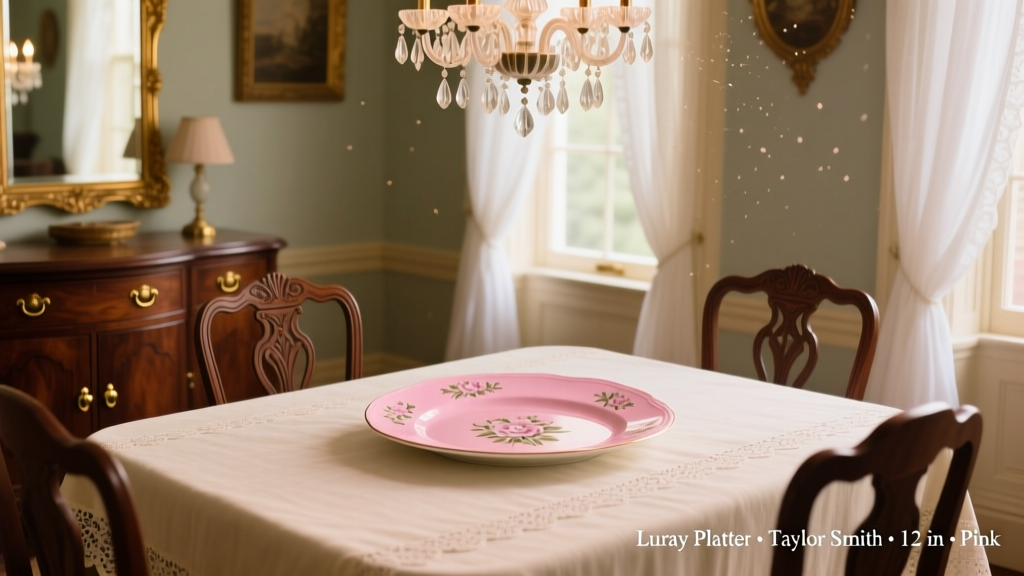
The Luray Pink Platter by Taylor, Smith & Taylor: A Collector’s Guide to the 12-Inch Dinnerware Icon

The 1992 Clinton-Gore Jugate Button: A Study in Political Iconography, Material Craft, and Cultural Significance
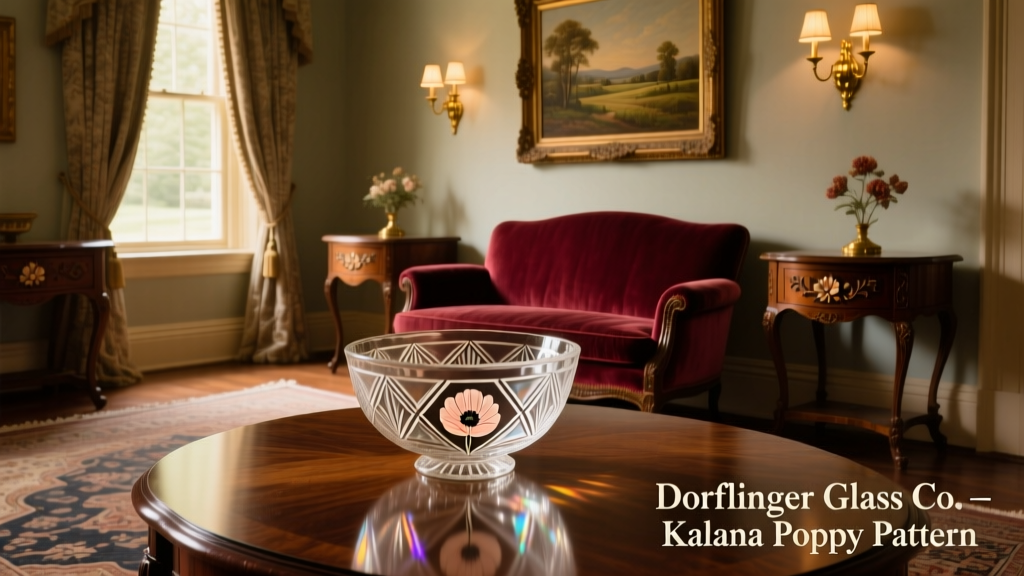
The Kalana Poppy Dorflinger Cut Glass Finger Bowl: History, Identification, and Conservation Insights

Banks Mechanical Trick Dog (Black, Yellow, Clown, Red Barrel): A Hubley 1925 Masterpiece of Tinplate Engineering
Aurene Bowl with Scalloped Rim, Gold-Finished and Signed Steuben — A Collector’s Profile of the 6-Inch Masterpiece
Planters Peanuts Bank Vendor Red (1938): Anatomy, Provenance, and Restoration of a Landmark Depression-Era Advertising Artifact
Toy Truck Tow Aa 24 Hr Service White Red Steel Tonka 14 In: Authenticity, Restoration, and Collectibility of the Classic 1970s Tonka Tow Truck
Paris Sauceboat Underplate with Polychrome Floral Sprays and Gilt Highlights: Identification, Provenance, and Conservation Best Practices
Candy Containers Purse: A Souvenir of Sunbury, PA — The Alligator Hide Design Story