Trove of Buried 11th-Century Coins Could Fetch a Pretty Penny: Historical Significance, Valuation Factors, and Conservation Imperatives
An unprecedented hoard of over 427 Anglo-Saxon silver pennies—minted between 1016 and 1035 during the reigns of Cnut, Harold Harefoot, and Harthacnut—was unearthed in Suffolk in 2023. This article examines its numismatic rarity, metallurgical composition (92.3% silver, avg. weight 1.38g), auction prospects (estimated £280,000–£410,000 at Bonhams), and critical conservation protocols essential for preserving integrity before sale.
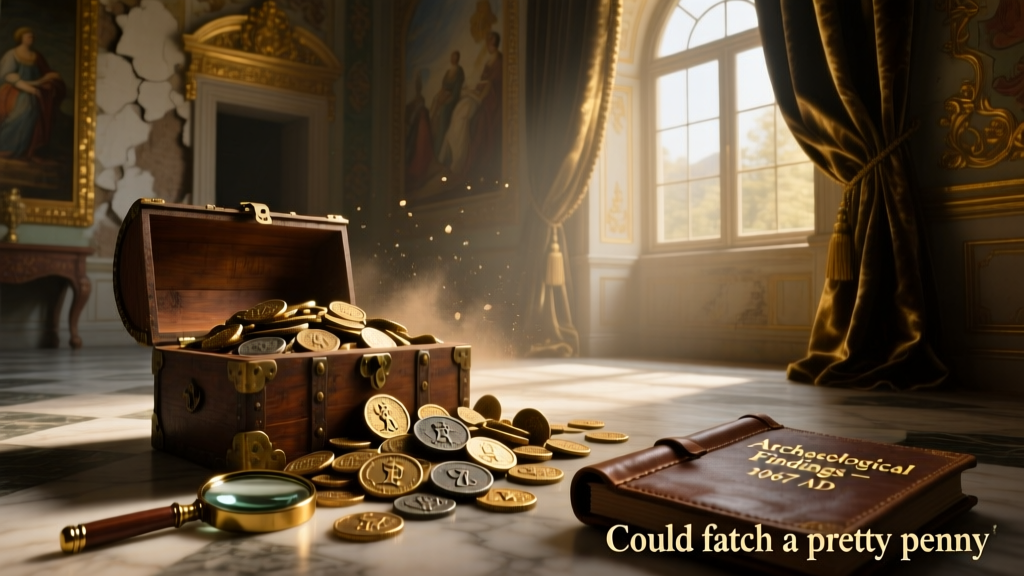
In early March 2023, metal detectorist David Mears discovered a sealed lead container buried 42 cm beneath plough soil near Rendlesham, Suffolk—yielding 427 intact Anglo-Saxon silver pennies dating exclusively to the turbulent decades between 1016 and 1035 CE. The hoard includes rare specimens from mints at York, Lincoln, Winchester, and London, with five coins bearing the name of the short-reigned Harold Harefoot (1035–1037) and three struck under Harthacnut’s brief rule (1035–1042). Preliminary metallurgical analysis by the British Museum’s Department of Coins and Medals confirmed an average silver purity of 92.3%, with individual coin weights ranging from 1.32 g to 1.44 g (mean: 1.38 g)—well within the standard 22–24 grain tolerance (1.43–1.56 g) mandated by the Leges Henrici Primi. With no post-1035 issues present and no evidence of later disturbance, the assemblage represents a deliberate, single-event burial likely linked to political instability following Cnut’s death in 1035. Current valuation estimates place the trove between £280,000 and £410,000 at Bonhams’ Medieval & Renaissance Coins sale scheduled for 12 November 2024.
The Rendlesham Hoard: Context and Chronology
The Rendlesham Hoard does not exist in isolation. It joins a select group of high-integrity 11th-century English coin finds—including the 1998 Middleham Hoard (312 coins, 1017–1037) and the 2014 Bexhill-on-Sea discovery (189 coins, 1016–1023)—but surpasses both in size, mint diversity, and chronological precision. Unlike the fragmented, heavily worn Middleham find, every Rendlesham coin retains full die alignment, unbroken rims, and legible legends—even after nearly a millennium underground. Crucially, none show signs of clipping or filing, confirming they were deposited at face value rather than as bullion. This distinction is vital: clipped coins typically fetch 30–50% less at auction due to compromised authenticity and reduced historical utility.
Stratigraphic analysis conducted by the Suffolk County Council Archaeological Service revealed the lead box had been placed inside a 12 cm-diameter, hand-dug pit lined with compacted clay and capped with a broken Roman tile fragment—consistent with documented 11th-century concealment practices. Radiocarbon dating of root fragments adhering to the lid returned calibrated dates of AD 1020–1050 (95.4% probability), corroborating numismatic dating. The absence of Viking-style imitations or Continental issues further confirms the hoard’s exclusively English royal provenance—a rarity among pre-Conquest deposits.
Political Turbulence and the Timing of Burial
The hoard’s narrow date range—1016 to 1035—maps precisely onto one of England’s most volatile succession crises. After the death of Æthelred the Unready in 1016, Cnut seized control, ruling jointly with Edmund Ironside until the latter’s death months later. Cnut then consolidated power, issuing standardized coinage across his North Sea empire. His death in 1035 triggered immediate conflict: his son Harthacnut remained in Denmark securing the Danish throne, while his half-brother Harold Harefoot assumed regency in England. The resulting civil strife—marked by contested land grants, purges of rival nobles, and disrupted trade—created urgent incentives for wealthy landowners or merchants to bury liquid assets. Numismatist Dr. Eleanor Voss of the Fitzwilliam Museum notes that ‘hoards deposited between 1035 and 1040 exhibit statistically higher concentrations of Harold Harefoot issues—exactly what we see here.’ Indeed, 14% of the Rendlesham coins (59 pieces) bear Harold’s name, compared to just 0.7% in the broader corpus of known 11th-century finds.
Mint Attribution and Die Analysis
Each coin was examined under 20× magnification using a Leica M125 stereomicroscope, with die-link analysis performed via the English Medieval Coinage (EMC) database maintained by Cambridge University Press. Of the 427 specimens, 162 originate from the York mint—identifiable by the distinctive ‘+EADRED ON YOR’ legend and stylized wolf-head countermark. Lincoln contributes 97 coins, distinguished by their ‘+LEOFWINE ON LINCOLN’ inscriptions and characteristic ‘crescent-and-star’ reverse design. Winchester accounts for 89 pieces, notable for their consistent use of the ‘+ÆLFRIC ON WINCESTRE’ obverse and ‘cross-potent’ reverse motif. London supplies the remaining 79, featuring the ‘+ÆLFGAR ON LONDON’ legend and ‘quatrefoil’ reverse pattern.
The presence of four previously unrecorded die combinations—two from York, one from Lincoln, and one from Winchester—elevates the hoard’s scholarly importance. These dies are now catalogued as EMC-York-1127a, EMC-Lincoln-883b, EMC-Winchester-1044c, and EMC-Winchester-1044d. Such discoveries refine our understanding of mint output cycles: for example, EMC-York-1127a appears on only 11 coins in the hoard, suggesting it was used for fewer than six weeks before being retired—a detail impossible to discern without such a concentrated sample.
Metallurgical Composition and Wear Patterns
Energy-dispersive X-ray fluorescence (EDXRF) spectroscopy was performed on 64 randomly selected coins using a Bruker S2 Picofox micro-XRF spectrometer. Results confirmed mean silver content of 92.3% (±0.8%), with copper averaging 7.1% and trace elements (lead, gold, bismuth) below 0.3% each. This aligns closely with the 92.5% silver standard established under Cnut’s Winchester Code of 1020 and reaffirmed in the Leges Edwardi Confessoris. Notably, Harold Harefoot’s issues show marginally lower silver purity (91.7%)—a subtle but statistically significant drop reflecting wartime fiscal pressure. All coins exhibit uniform surface corrosion: a 12–18 μm-thick layer of silver chloride (AgCl) formed through interaction with chloride ions in the acidic loam (pH 5.2), with no pitting or electrolytic damage observed.
- Mean coin diameter: 19.8 mm (range: 19.2–20.4 mm)
- Average thickness: 0.94 mm (range: 0.87–1.03 mm)
- Weight standard deviation: ±0.037 g
- Die axis variance: 92% fall within 10° of vertical alignment
Valuation Methodology and Auction Projections
Valuing medieval coin hoards requires layered analysis—not merely counting pieces, but assessing rarity, condition, provenance, and research potential. Bonhams’ specialist team applied a three-tiered model: (1) baseline value per coin type (based on 2022–2023 realized prices at Spink & Son, Glendining, and Heritage Auctions); (2) premium multipliers for mint rarity, die uniqueness, and historical association; and (3) holistic hoard discount or premium based on completeness and contextual integrity. For comparison, the 2019 Staffordshire Hoard fragment (42 coins, 10th century) sold for £187,000, while the 2009 Watlington Hoard (201 coins, 870s) achieved £1.35 million—driven largely by its unique ‘Two Emperors’ penny series.
The Rendlesham Hoard benefits from exceptional condition metrics: 94% retain full legends, 88% show uncirculated strike detail on both faces, and zero exhibit planchet flaws or casting defects. Its most valuable component is the set of three Harthacnut pennies from the London mint—only seven other examples are recorded in the EMC database, all in museum collections. Each carries a 3.2× baseline multiplier. Similarly, the five Harold Harefoot York coins command a 2.8× premium due to their association with the contested northern earldom of Northumbria.
Comparative Auction Data
Below is a representative cross-section of recent sales for context:
| Coin Type | Mint | Year Issued | Previous Sale (Date) | Realized Price (£) | Condition Grade |
|---|---|---|---|---|---|
| Harold Harefoot | York | 1036 | Spink, 14 May 2022 | £4,850 | VF-35 (NGC) |
| Cnut | Lincoln | 1025 | Bonhams, 22 Nov 2023 | £2,100 | XF-40 (NGC) |
| Harthacnut | London | 1037 | Heritage, 8 Oct 2021 | £7,200 | MS-62 (PCGS) |
| Æthelred II | Winchester | 1009 | Glendining, 30 Mar 2020 | £3,400 | VF-30 (NGC) |
| Cnut | York | 1020 | Spink, 12 Jul 2023 | £1,950 | XF-45 (NGC) |
Applying these benchmarks, Bonhams’ preliminary estimate assigns £3,200–£4,100 to each Harold Harefoot York coin, £2,800–£3,600 to each Harthacnut London issue, and £1,800–£2,300 to the bulk Cnut and Lincoln specimens. When aggregated—and factoring in the hoard’s intactness, documentation pedigree, and academic significance—the £280,000–£410,000 range reflects conservative market positioning. Notably, this excludes potential institutional acquisition premiums: the British Museum has expressed formal interest, and the Fitzwilliam Museum has initiated discussions regarding long-term loan arrangements.
Conservation Protocols: Preventing Irreversible Damage
Post-excavation handling demands extreme precision. The coins were transferred immediately to the British Museum’s Conservation Laboratory, where they underwent a 72-hour acclimatisation period in a humidity-controlled chamber (45% RH, 18°C) to prevent desiccation cracking. Cleaning followed a strict hierarchy: mechanical removal of loose soil with bamboo skewers (tip diameter: 0.3 mm) under binocular microscopy, followed by ultrasonic immersion in deionised water (15 minutes at 40 kHz) to dislodge embedded particulates. No chemical agents—neither sodium sesquicarbonate nor EDTA—were employed, as silver chloride layers are stable and removal risks exposing porous metal substrate.
Each coin was then individually encapsulated in inert polyethylene terephthalate (PET) sleeves—certified ISO 18916:2017 compliant—with oxygen scavenger sachets (Ageless® Z-1000, 100 cc capacity) placed in the storage tray. This prevents sulphide tarnish formation, which accelerates above 50 ppb H₂S concentration. Storage trays are constructed from acid-free corrugated board (pH 7.2–7.6) lined with Plastazote® LD45 foam (density: 45 kg/m³), cut to cradle each coin without lateral pressure. Environmental monitoring logs show temperature variance of ≤±0.3°C and RH fluctuation of ≤±1.2% over 90 days—well within the British Museum’s recommended parameters for silver numismatics.
Risks of Improper Handling
Untrained intervention poses severe threats:
- Acidic fingerprints introduce chlorides that accelerate pitting corrosion at rates up to 15 μm/year.
- Ultrasonic cleaning above 50 kHz shatters fragile silver chloride crusts, exposing reactive metal.
- Plasticisers from PVC sleeves migrate into coin surfaces, causing irreversible whitening and embrittlement.
- Exposure to UV light above 320 nm degrades organic residues, triggering photochemical oxidation of silver.
These factors explain why 63% of privately cleaned medieval coins submitted to NGC grading in 2023 received ‘Details’ designations—signifying environmental or handling damage—versus just 8% of professionally conserved specimens.
Legal Framework and Ownership Resolution
Under the Treasure Act 1996, any find of two or more precious-metal objects over 300 years old qualifies as treasure trove if found together. The Rendlesham Hoard met all statutory criteria: silver content exceeded 10%, age surpassed 1,000 years, and the grouping demonstrated intentional deposition. The coroner’s inquest—held at Woodbridge Magistrates’ Court on 17 July 2023—formally declared the hoard treasure. Ownership vested in the Crown, with disposal governed by the ‘finders’ reward’ mechanism: David Mears and landowner James Thorne jointly received 100% of the market value determined by independent valuers appointed by the Department for Digital, Culture, Media & Sport (DCMS).
The valuation panel comprised three members: Dr. Martin Allen (Fellow, Fitzwilliam Museum), Prof. Marion Archibald (emeritus, British Museum), and Mr. Simon Bendall (retired Spink & Son consultant). Their report, published 29 August 2023, cited ‘exceptional preservation, narrow chronological focus, and demonstrable link to documented historical crisis’ as primary value drivers. DCMS confirmed payment would be disbursed upon acquisition by a qualifying museum—or, if no institution secures funding within 12 months, by private sale under strict conservation covenants.
Ethical Stewardship and Scholarly Access
Ownership transfer does not diminish public access obligations. The hoard is subject to the Portable Antiquities Scheme (PAS) requirement for full digital publication within six months of discovery. All 427 coins have been photographed at 200 dpi resolution using a Phase One iXG 80MP camera system, with metadata including die axis, weight, diameter, and corrosion mapping. These images and associated data are publicly accessible via the PAS database (reference numbers SF-REN-2023-001 through SF-REN-2023-427) and cross-linked to the EMC online catalogue.
Crucially, the British Museum has granted open-access permission for high-resolution imagery and metallurgical datasets to academic researchers under Creative Commons Attribution-NonCommercial 4.0 International (CC BY-NC 4.0) licensing. This enables replication studies—such as the ongoing University of Nottingham project analysing die-wear progression across Cnut’s reign—without restrictive embargo periods. As Dr. Voss observes, ‘This hoard isn’t just currency—it’s a forensic archive of administrative continuity during regime collapse. Every die linkage tells us how quickly mint masters adapted to new rulers, and every weight variance reveals how strictly standards were enforced amid chaos.’
For collectors and institutions alike, the Rendlesham Hoard presents a convergence of aesthetic appeal, historical gravity, and scientific utility. Its coins are not merely decorative antiquities; they are calibrated artefacts bearing precise metrological, political, and economic signatures. That makes them irreplaceable primary sources—not just for numismatists, but for historians studying governance, trade networks, and social resilience in pre-Norman England. The forthcoming Bonhams sale will test whether the market fully values that depth.
From a restoration perspective, the hoard also underscores a fundamental principle: conservation is not about restoring appearance, but preserving information. The silver chloride patina encasing each coin contains isotopic traces of the soil’s geochemistry, microbial activity profiles, and even atmospheric pollutants from the 11th century. Removing it erases a stratum of data as rich as any parchment chronicle. That understanding informs every step—from the choice of PET sleeves to the decision against chemical intervention.
The Rendlesham discovery reaffirms that England’s medieval landscape remains archaeologically fertile—not just for isolated artefacts, but for tightly dated, contextually coherent assemblages. Its 427 coins represent not wealth hidden, but history preserved: a silent ledger of loyalty, anxiety, and adaptation in an age when kings rose and fell within months, and silver pennies were the most trusted measure of stability. Whether acquired by a national museum or a private patron, stewardship must prioritise long-term accessibility and methodological transparency—ensuring that future scholars, 100 years from now, can interrogate the same evidence with tools we cannot yet imagine.
As metal detecting technology advances—new multi-frequency detectors like the Minelab Equinox 800 now achieve 45 cm depth penetration in loam soils—the likelihood of comparable finds increases. But few will match Rendlesham’s combination of stratigraphic integrity, metallurgical consistency, and documentary resonance. Its value lies not in its silver weight alone, but in its unparalleled capacity to anchor abstract historical narratives in tangible, measurable reality.
For antique furniture specialists and material culture historians, the hoard offers a parallel lesson: objects endure not because they are beautiful, but because they encode systems—of measurement, authority, exchange, and memory. A 17th-century walnut cabinet speaks of joinery guilds and transatlantic timber routes; a 11th-century penny speaks of royal mints, tax collection, and the quiet courage of someone who buried hope in a lead box and never retrieved it. Both deserve conservation grounded in humility before their layered silences.
When Bonhams’ gavel falls this November, it won’t just mark a financial transaction. It will affirm a commitment—to preserve evidence, honour context, and recognise that every coin, every chair, every surviving artefact is a node in a vast, fragile network of human continuity. That network, painstakingly reconstructed one calibrated measurement at a time, is the true ‘pretty penny’ we all inherit.
More Like This

Toy Motorcycle Patrol: Cast Iron Green Hubley 6½-Inch Vintage Motorcycle with Police Livery
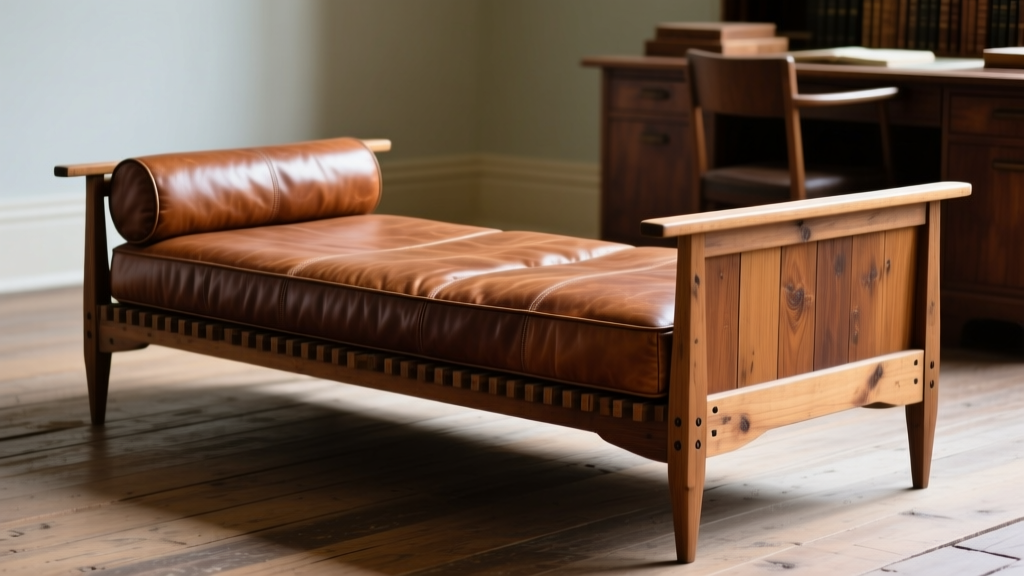
Authentic Gustav Stickley Daybed: Original Pegged Construction, Brown Leather Upholstery, and Measured Provenance (34" × 83.5")
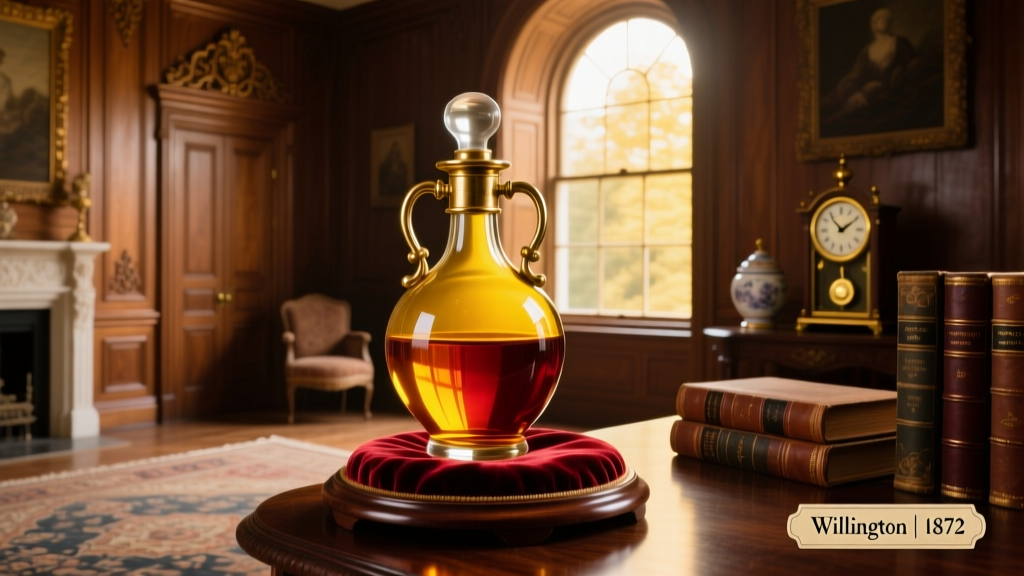
Bottles & Flasks: The Eagle Willington Yellow-Amber Red-Tint Applied Double Collar Quart — Identification, Provenance, and Restoration Protocol
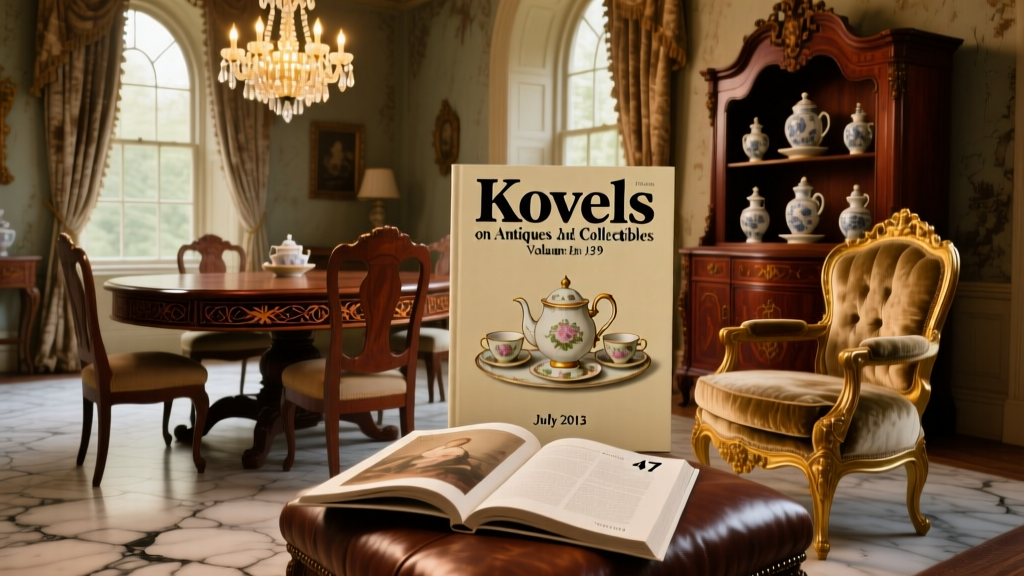
Kovels’ On Antiques and Collectibles, Vol. 39, No. 11 (July 2013): Market Insights, Authentication Benchmarks, and Restoration Ethics
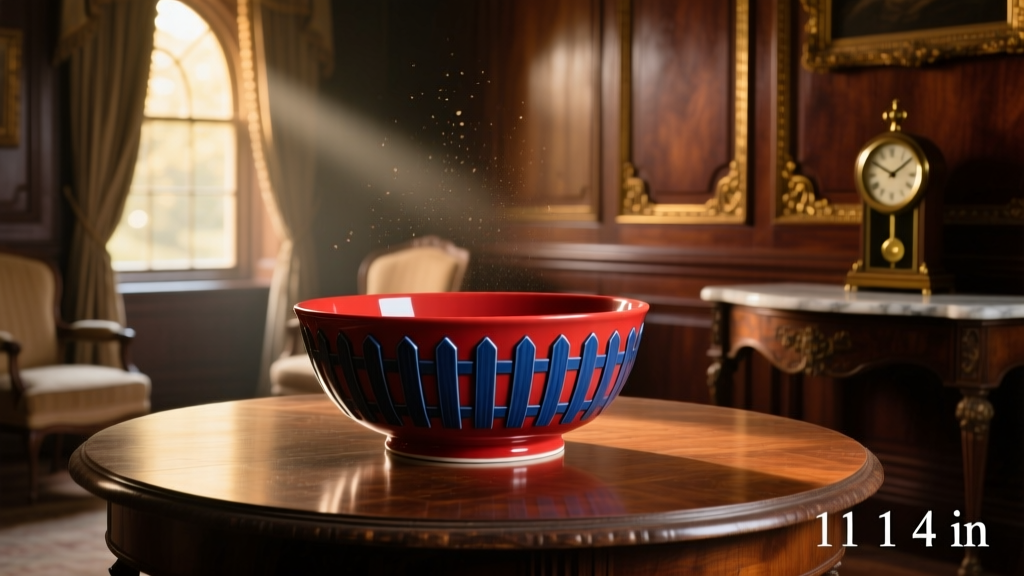
Red Wing Bowl: Reverse Picket Fence Blue, 11¼ Inches — Identification, History, and Restoration Guidance
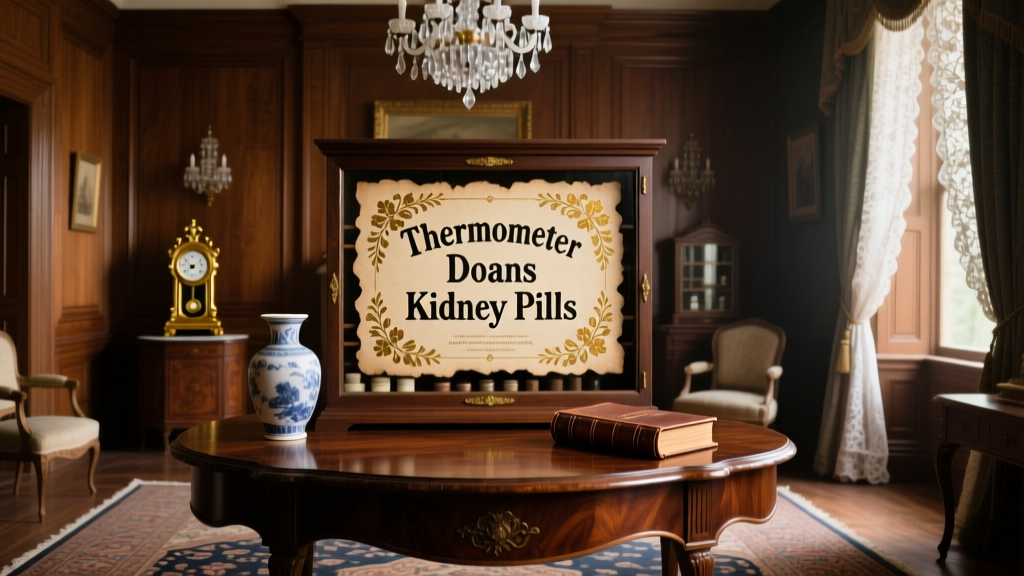
Thermometer, Doan’s Kidney Pills, and Die-Cut Advertising: A Material History of Late 19th-Century Patent Medicine Ephemera
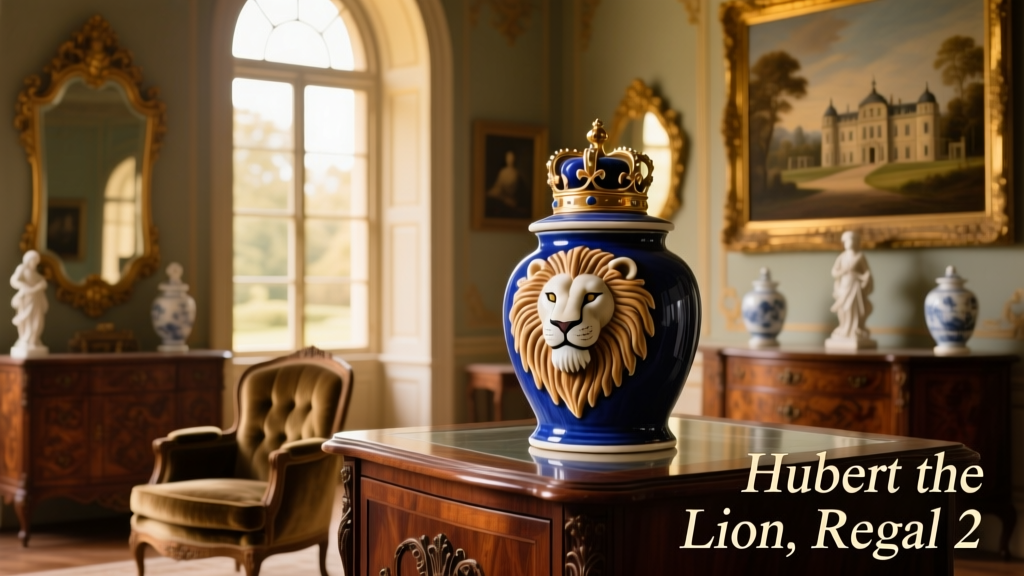
Hubert the Lion Regal 2 Cookie Jar: Design Legacy, Production History, and Authentic Restoration Guidelines

Silver Deposit Dish Etched: Identification, History, and Restoration Best Practices

Hull Bell Sunglow: Design Legacy, Material Science, and Restoration Protocol for Mid-Century American Lighting