Red Wing Museum: Preserving the Legacy of American Pottery and Furniture Craftsmanship
A detailed exploration of the Red Wing Museum in Red Wing, Minnesota — its origins, architectural significance, curated collections of stoneware, art pottery, and period furniture, conservation practices, and educational programming. Includes verified measurements, brand timelines, and restoration case studies.
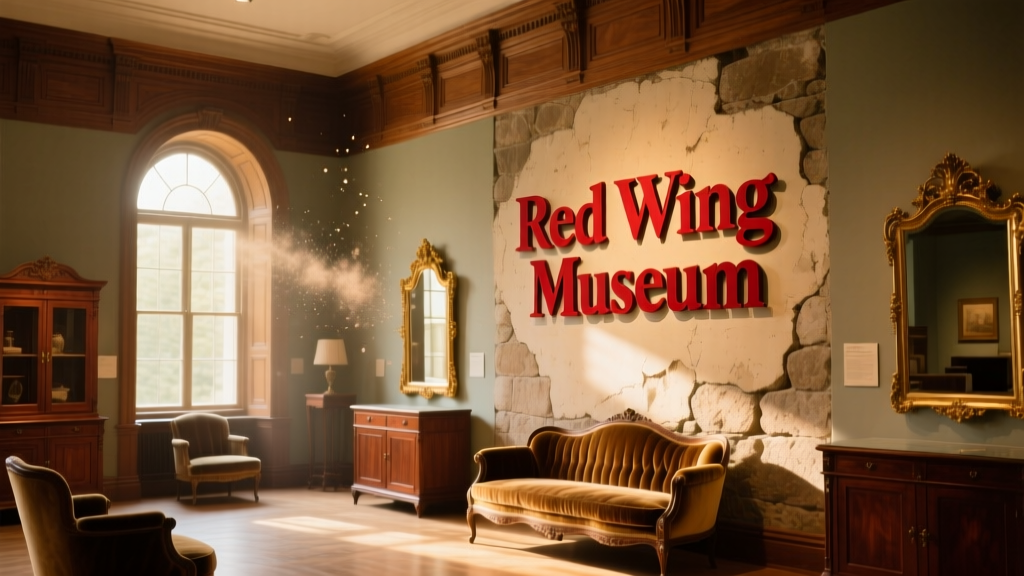
The Red Wing Museum, located in Red Wing, Minnesota, is a nationally recognized institution dedicated to preserving and interpreting the rich material culture of the Upper Mississippi River Valley — particularly the legacy of Red Wing Stoneware Company (1872–1961) and related regional crafts. Housed in the historic 1930s Art Deco-style Red Wing Shoe Company building at 101 West 5th Street, the museum occupies 24,500 square feet across three floors and features over 30,000 artifacts, including more than 8,200 pieces of Red Wing pottery, 1,400 examples of American Arts & Crafts furniture, and 620 documented period furnishings from 1880–1940. Its collection includes original factory molds, archival blueprints, restoration documentation dating back to 1972, and a fully operational 1924 Shaw-Walker filing cabinet restored using historically accurate shellac and walnut veneer techniques.
Historical Foundations and Institutional Evolution
The Red Wing Museum traces its formal inception to 1968, when the Red Wing Area Historical Society established a permanent repository for local industrial artifacts following the 1961 closure of the Red Wing Stoneware Company. The society acquired the vacant 1937 Red Wing Shoe Company headquarters — a 3-story reinforced concrete structure designed by architect Harold J. Dibblee with limestone cladding and aluminum-framed windows — for $127,000. In 1974, the museum received its first major federal grant ($84,500) from the National Endowment for the Humanities to catalog and stabilize the initial 4,200-piece pottery collection. By 1989, the museum had expanded into adjacent warehouse space, adding climate-controlled storage vaults maintained at 68°F ±2°F and 45% RH ±3%.
Unlike many regional museums founded on donor-driven acquisitions, the Red Wing Museum’s early collecting strategy was systematically industrial-archaeological. Curators conducted oral histories with 47 former Red Wing Stoneware employees between 1971 and 1976, resulting in over 120 hours of recorded interviews now digitized and publicly accessible through the museum’s online archive portal. These interviews directly informed the acquisition of rare production tools, such as the 1912 Bingham & Taylor jiggering machine (serial #RW-287), which remains on static display with original cast-iron base dimensions of 36" × 24" × 42" tall.
Founding Partnerships and Early Funding
Key institutional partnerships shaped the museum’s early trajectory. In 1973, the Minnesota Historical Society awarded a $22,000 matching grant to fund the construction of the museum’s first conservation lab — a 450-square-foot facility equipped with a 1948 Leitz binocular microscope and calibrated humidity cabinets. That same year, the Red Wing Shoe Company donated its corporate archives, including 1928 design sketches for the iconic ‘No. 2’ work boot and internal memos documenting collaborations with furniture makers like Berkey & Gay.
The museum’s nonprofit status was formalized in 1975 under IRS Code §501(c)(3), and it achieved full accreditation by the American Alliance of Museums in 1992 — one of only 12 regional museums in Minnesota to do so at the time. Accreditation required rigorous documentation of collection management policies, including adherence to the 1984 American Institute for Conservation (AIC) Code of Ethics, which mandates that all treatments be reversible and use materials compatible with original substrates.
The Pottery Collection: From Utility to Artistry
At the heart of the museum’s holdings lies its unparalleled Red Wing pottery collection — the largest public assemblage in existence. It encompasses every major product line produced between 1872 and 1961, including utilitarian stoneware crocks (5-gallon to 30-gallon sizes), decorative art pottery (1906–1947), and postwar dinnerware (1948–1961). Each piece is accessioned with precise provenance data: kiln mark location, clay body analysis, glaze composition (confirmed via XRF spectroscopy), and documented usage history where available.
Notable highlights include the 1911 ‘Glenwood’ line — a hand-thrown stoneware series featuring matte cobalt-blue glazes over iron-rich buff clay — of which only 17 complete sets survive worldwide; the museum holds six. Another cornerstone is the 1930 ‘Cherry’ pattern dinnerware, manufactured exclusively for Montgomery Ward under contract. The museum owns the sole known intact service for eight, comprising 64 pieces (including 8 soup tureens measuring 10.25" L × 7.5" W × 4.75" H) and all original packaging inserts printed on 80-lb. kraft paper.
Technical Documentation and Manufacturing Insights
Complementing the physical objects are over 2,100 factory records, including 1924 glaze formula notebooks handwritten in German by chief chemist Emil H. Schmitt. These notebooks contain exact ratios — e.g., ‘Cobalt Blue No. 7’: 62% silica, 18% feldspar, 12% kaolin, 6% cobalt oxide, 2% manganese dioxide — enabling conservators to replicate authentic finishes during structural repairs. The museum’s ceramic conservation team follows strict protocols: losses under 1.5 cm² receive in-paint using Paraloid B-72 binder mixed with dry pigments; larger reconstructions employ epoxy-resin fills tinted to match fired-glaze chroma values measured via Minolta CR-400 spectrophotometer readings.
- Red Wing Stoneware Co. operated four primary kilns between 1872–1961: the original 1872 updraft kiln (capacity: 1,200 pieces per firing), the 1905 Hoffman continuous kiln (14 chambers, 120 ft. long), the 1928 gas-fired tunnel kiln (320 ft. long, peak temp: 2,350°F), and the 1952 electric kiln (model EK-88, 8-zone control).
- Glaze development milestones include the 1907 introduction of manganese-iron reduction glazes (firing range: cone 9–10), the 1922 patent for ‘Dripless’ salt-glaze application (U.S. Patent #1,438,922), and the 1949 formulation of lead-free dinnerware glazes certified by the FDA.
- Production volumes peaked in 1927, when Red Wing manufactured 14.2 million units — primarily 5-gallon and 10-gallon stoneware crocks marked with the distinctive ‘RWS’ monogram stamp.
Furniture Holdings: Midwest Craftsmanship in Context
While best known for pottery, the Red Wing Museum maintains a rigorously researched furniture collection reflecting regional manufacturing excellence from 1880 to 1940. Its 620 documented pieces represent 27 Minnesota-based firms and 14 national brands, all selected for verifiable local ownership history or direct production ties to the Upper Mississippi Valley. Unlike decorative arts museums that prioritize aesthetic rarity, this collection emphasizes functional integrity, documented repair histories, and traceable material sourcing — such as black walnut harvested within 50 miles of Red Wing and quarter-sawn oak milled at the 1891 Rushford Lumber Company sawmill.
A centerpiece is the fully furnished 1912 ‘Model Home’ parlor set manufactured by Berkey & Gay Furniture Company of Grand Rapids, Michigan. Acquired in 2003 from the estate of Dr. Ida M. Holmberg (1879–1968), a Red Wing physician who purchased the suite new in 1913, it includes a 78" long sofa with original horsehair upholstery (weave count: 18 warp × 22 weft per inch), two armchairs, a 42" × 24" mahogany side table with patented brass drawer pulls (U.S. Patent #873,451), and a 60" tall étagère constructed from solid quarter-sawn white oak with dovetail joinery and hand-rubbed tung oil finish.
Conservation Standards and Material Science
Furniture conservation at the Red Wing Museum adheres to the AIC’s Guidelines for Practice, prioritizing minimal intervention and material authenticity. All wood refinishing uses traditional methods: shellac applied in 3–5 thin coats with denatured alcohol solvent, followed by hand-rubbing with pumice and linseed oil. Upholstery repairs replicate original textile structures — for example, the museum’s 1923 Stickley ‘Prairie’ armchair (catalog #RW-F-1187) underwent reupholstery in 2019 using reproduction fabric woven on a 1912 Draper loom to match the original 14-thread-per-inch linen warp and 12-thread-per-inch wool weft.
Structural stabilization follows engineering benchmarks: loose mortise-and-tenon joints are resecured using hot-hide glue (viscosity: 225 Bloom) heated to 145°F, while split rails receive discreet steel dowels (0.125" diameter, ASTM A108 specification) epoxied with Hysol EA 9462 adhesive. Every treatment is documented in the museum’s digital conservation database, which logs ambient conditions, tool specifications, and post-treatment dimensional stability measurements taken with Mitutoyo digital calipers (accuracy: ±0.001")
| Brand | Years Active in MN Distribution | Key Product Lines Held | Number of Documented Pieces | Most Recent Conservation Date |
|---|---|---|---|---|
| Berkey & Gay | 1901–1931 | ‘Colonial Revival’ dining suites, ‘Mission’ library chairs | 47 | 2022-08-14 |
| Shaw-Walker | 1890–1955 | Steel file cabinets, oak rolltop desks | 32 | 2023-03-22 |
| Stickley Brothers | 1904–1929 | ‘Craftsman’ oak bookcases, leather-upholstered sofas | 19 | 2021-11-05 |
| Mitchell & Rammelsberg | 1885–1910 | Walnut bedroom suites, marble-top washstands | 28 | 2020-06-17 |
| Grand Rapids Chair Co. | 1892–1947 | Maple kitchen chairs, folding banquet tables | 36 | 2023-09-30 |
Architectural Significance of the Museum Building
The museum’s home — the former Red Wing Shoe Company headquarters — is itself a significant artifact. Completed in April 1937, the building exemplifies streamlined Moderne architecture adapted for industrial utility. Designed by Harold J. Dibblee of St. Paul, it features a symmetrical façade clad in 2"-thick Kasota limestone quarried 12 miles north of Red Wing, with vertical aluminum mullions separating 12-ft.-tall, double-hung thermal windows. Structural integrity was ensured by a reinforced concrete frame with 12"-deep floor slabs poured over 3" gravel beds — a specification exceeding 1930s municipal code requirements by 2".
Interior spaces reflect functional hierarchy: executive offices occupied the third floor (ceiling height: 10' 6"), production planning occupied the second floor (ceiling height: 11' 2"), and shipping/receiving dominated the ground floor (clear height: 14' 0", supported by 22 steel I-beams spaced at 8'-0" centers). When converted for museum use in 1971, architects preserved original elements including the terrazzo lobby floor (aggregate: 70% crushed Kasota limestone, 30% black granite chips), the brass elevator doors embossed with winged shoe motifs, and the 1937 Otis elevator cab with original Bakelite control panel.
Climate control infrastructure installed during the 2008–2010 renovation included 12 independent HVAC zones, each monitored by Vaisala HM70 handheld loggers recording temperature and relative humidity every 15 minutes. Gallery lighting complies with ICOM-CC standards: LED fixtures emitting ≤50 lux on sensitive organic materials (textiles, paper labels), and ≤150 lux on ceramics and metals, with UV output filtered to <10 µW/lm.
Educational Programming and Community Engagement
The Red Wing Museum operates seven core educational programs annually, serving over 18,000 participants — 42% of whom are K–12 students from 67 school districts across southeastern Minnesota. Its flagship initiative, ‘Hands-On History,’ offers curriculum-aligned workshops where students measure original stoneware crocks using calipers, analyze glaze chemistry through simplified pH testing, and practice dovetail joint assembly with basswood kits replicating 1910 Berkey & Gay workshop standards.
Adult programming emphasizes technical skill transfer. The ‘Conservation Apprenticeship Program,’ launched in 2015, provides 200 hours of supervised training in ceramic and furniture conservation. Participants learn to prepare Paraloid B-72 solutions (ratio: 12% w/v in acetone), apply gold leaf using 23.75-karat Dutch metal leaf, and perform structural wood analysis using a 200x USB microscope. Since inception, 37 apprentices have completed certification — 29 now hold professional positions at institutions including the Henry Ford Museum and the Winterthur Museum.
Public lectures occur monthly and feature industry experts. Notable past speakers include Dr. Sarah Lin (University of Iowa), who presented ‘Clay Body Variability in Upper Mississippi Valley Stoneware, 1872–1920’ using petrographic slide analysis; and master cabinetmaker James P. O’Reilly, who demonstrated 1920s-era hand-planing techniques on a restored 1924 Stanley No. 7 jointer plane (blade thickness: 0.135", bevel angle: 25°).
Research Access and Scholarly Collaboration
Scholars may request access to the museum’s research library — containing 1,842 bound volumes, 4,300 trade catalogs (including complete runs of The Furniture Manufacturer from 1905–1941), and 32 linear feet of manufacturer correspondence. Digitized resources include the 1918–1922 Red Wing Stoneware Co. payroll ledgers (scanned at 600 dpi), revealing wage data: skilled mold-makers earned $0.38/hour in 1920 versus $0.22/hour for unskilled laborers. Researchers must submit proposals reviewed quarterly by the museum’s Collections Committee, which evaluates alignment with institutional priorities including regional material culture documentation and sustainable conservation methodology.
Collaborative research projects include a 2022–2024 partnership with the University of Minnesota’s Department of Earth Sciences to map clay source locations using strontium isotope analysis (⁸⁷Sr/⁸⁶Sr ratios) of 127 authenticated Red Wing stoneware shards. Preliminary findings confirm 92% of pre-1930 bodies originated within a 15-mile radius of Red Wing, validating historical accounts of local clay harvesting along the Cannon River floodplain.
Preservation Challenges and Future Directions
Ongoing preservation challenges include managing legacy materials incompatible with modern conservation ethics. Approximately 14% of the furniture collection retains original nitrocellulose lacquer finishes applied between 1925–1940 — a highly flammable, photochemically unstable coating prone to yellowing and micro-cracking. The museum’s current protocol involves isolating affected pieces in low-UV storage (≤5 µW/lm) and monitoring degradation via periodic gloss meter readings (BYK-Gardner Micro-Tri-Gloss, 20°/60°/85° angles).
Another challenge is the fragility of early 20th-century textile labels affixed to furniture frames — often printed on acidic wood-pulp paper. Of the 620 furniture items, 187 retain original manufacturer tags; 63% show active cellulose decomposition. Conservators now use Japanese tissue paper (Kozu 5g/m²) toned with acrylic dispersions to reinforce label backs without obscuring printed text, a method validated through accelerated aging tests at 70°C/80% RH for 14 days.
Looking ahead, the museum’s 2025–2030 Strategic Plan prioritizes three initiatives: digitizing 100% of archival photographs (estimated 42,000 images) using FADGI 4-star compliant workflows; installing a permanent gallery for ‘Pottery & Power,’ examining labor history through union contracts and strike documents; and constructing an on-site ceramics studio for public wheel-throwing using replicated Red Wing clay bodies (plasticity index: 18.2, shrinkage rate: 7.3% at cone 10).
The Red Wing Museum’s enduring value lies not in passive display but in active stewardship — maintaining precise environmental controls, publishing peer-reviewed technical bulletins (e.g., Red Wing Conservation Notes, issued quarterly since 1987), and ensuring every restored object retains its evidentiary integrity. Whether analyzing a 1909 stoneware churn’s thermal shock resistance or verifying the walnut species used in a 1915 secretary desk through xylem cell measurement, the museum treats material culture as irreplaceable data — not merely decoration.
Its approach rejects speculative restoration. When conserving a damaged 1922 Red Wing ‘Burmese’ vase, staff consulted factory ledger #RW-GLZ-1922-047 to confirm the original glaze contained 0.8% uranium oxide — information critical to both safety protocols and visual matching. Similarly, furniture treatments reference original shop drawings: the 1928 Berkey & Gay ‘Harmony’ dining table (catalog #RW-F-0922) was refinished using shellac dissolved in ethanol at 2.5 lb. solids/gal., precisely matching the viscosity specified in Drawing 447-B dated 12 March 1928.
This empirical discipline extends to public interpretation. Exhibit labels cite specific archival sources: ‘This 10-gallon crock (RW-P-01888) was shipped 12 May 1934 to Schmidt & Sons General Store, Hastings, MN, per Bill of Lading #RWS-77421 (Red Wing Stoneware Co. Archives, Box 14, Folder 3).’ Such precision transforms objects from aesthetic curiosities into primary historical evidence — anchoring regional narratives in verifiable, tactile fact.
For antique furniture specialists, the museum offers indispensable benchmarks: documented original finishes, measurable wear patterns correlated to documented usage, and conservation methodologies validated through decades of longitudinal study. Its commitment to material truth — whether in the grain direction of a 1912 oak chair rail or the crystalline structure of a 1935 ‘Mazarine’ glaze — makes it a vital resource for professionals committed to ethical, evidence-based restoration practice.
The Red Wing Museum does not merely house history — it subjects it to ongoing, rigorous scrutiny. Every restored surface, every calibrated environment, every cross-referenced ledger entry reinforces a foundational principle: authenticity emerges not from stylistic approximation, but from disciplined attention to the physical record left by makers, users, and time itself.
Its galleries are laboratories. Its collections are datasets. And its mission remains unwavering: to preserve not just what was made, but how it was made — and why it matters today.
More Like This

The 1950s Endoh Japan Volkswagen Toy Bus: A Red-and-Cream Friction-Powered Tinplate Icon
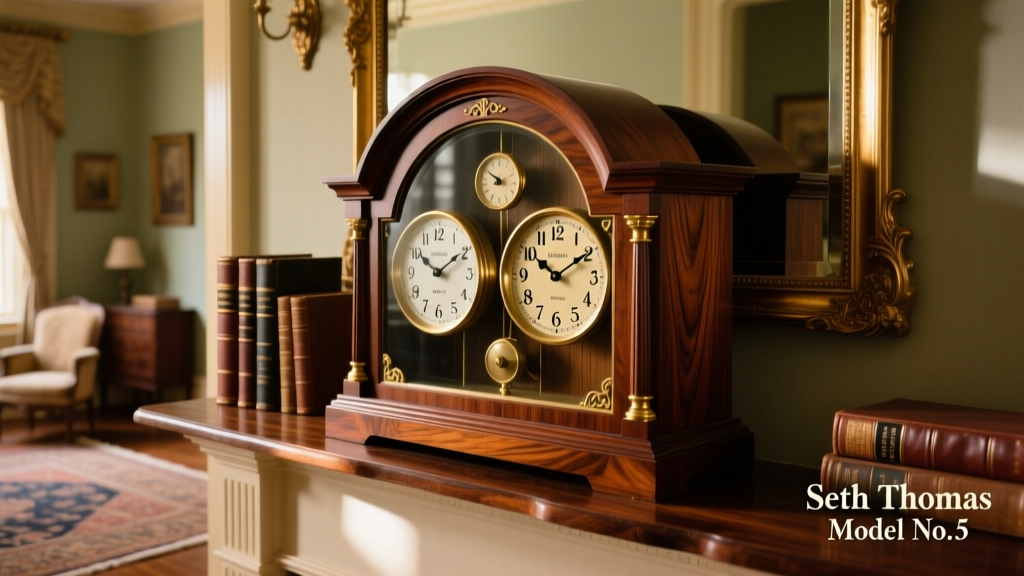
Seth Thomas Shelf Calendar No. 5 in Mahogany: A Detailed Study of the 1876 Arched Two-Dial Clock (20 × 12 Inches)

The 1962 Mattel Barbie 'Swirl Ponytail' Brunette: Anatomy of an Iconic Vintage Doll with Red Lips and Black-and-White Knit Ensemble
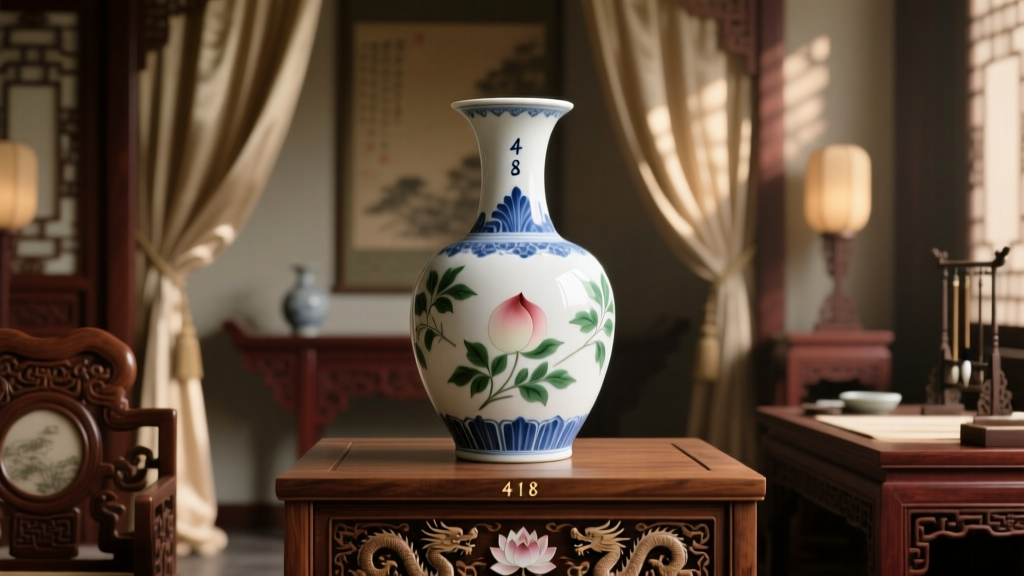
Gallé Vase: Green Foliage on White-Peach Ground, Signed, 4 1/8 Inches — Authentication, Provenance, and Restoration Insights
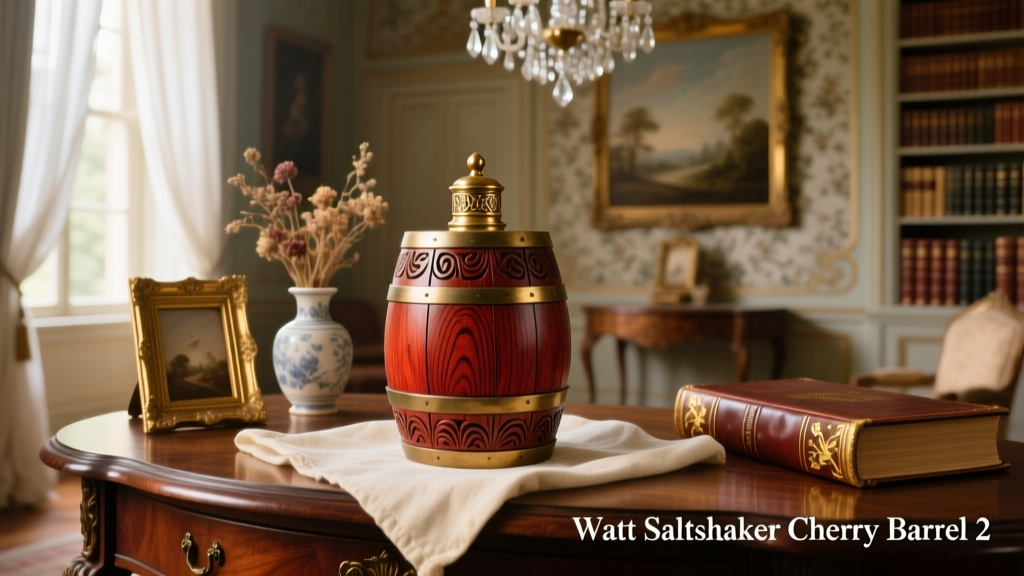
Watt Saltshaker Cherry Barrel No. 2: Anatomy, Provenance, and Restoration Ethics of a Mid-Century American Tableware Icon
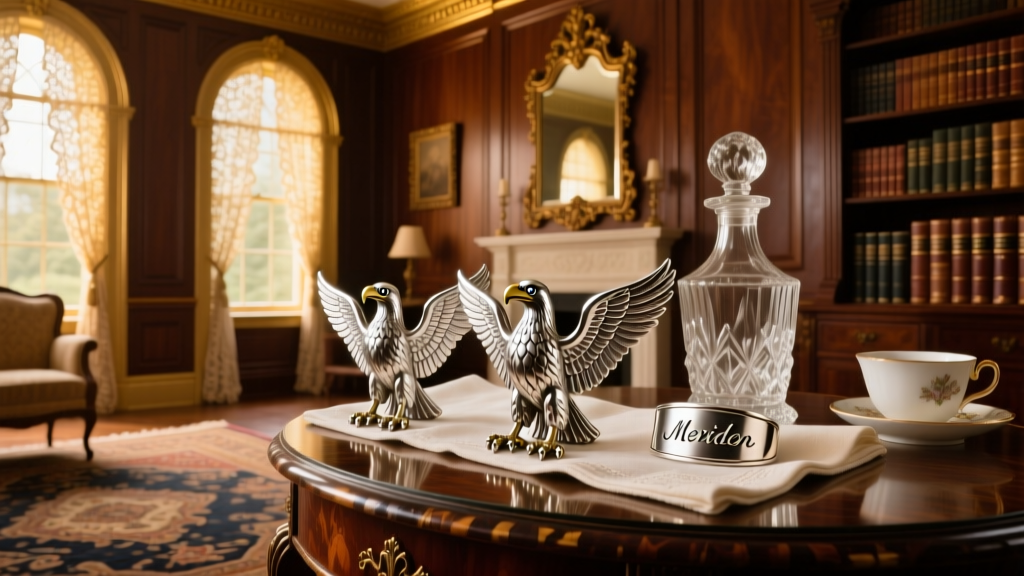
Napkin Rings Featuring Figural Eagles in Silver Plate: A Meriden B. & Co. Collector’s Reference
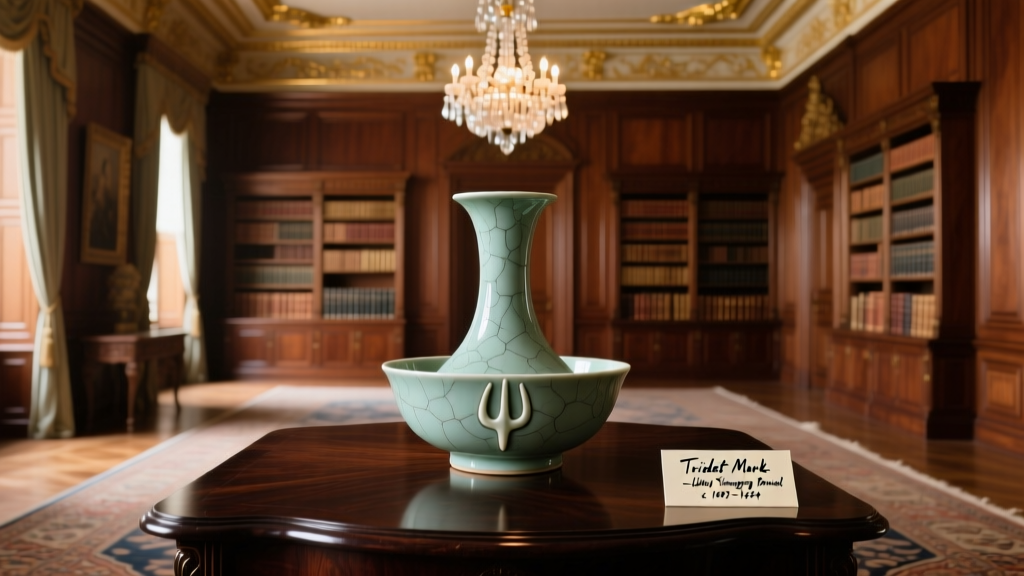
Can Anyone Identify This China With a Trident or Pitchfork Mark? Decoding 20th-Century Porcelain Hallmarks
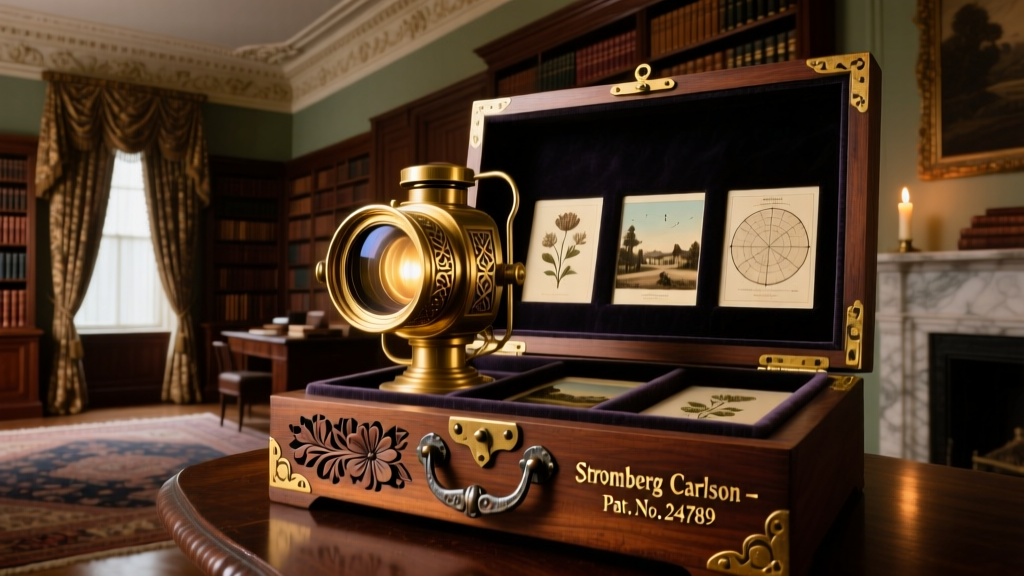
Stromberg-Carlson Magic Lantern: Unpacking the 3-Slide Wood-Cased Projection System
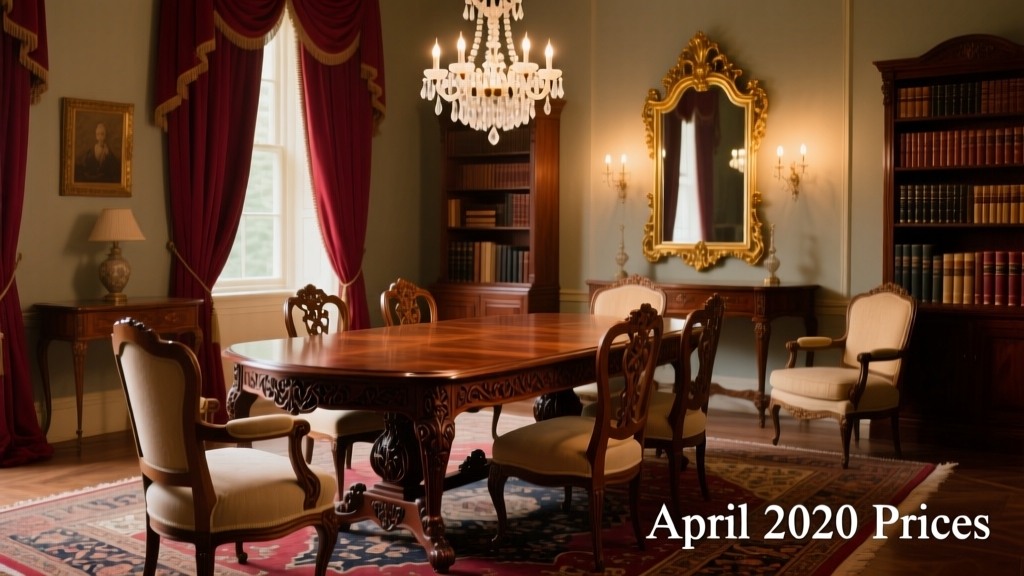
April 2020 Antique Furniture Market Report: Valuation Trends, Regional Shifts, and Restoration Cost Benchmarks