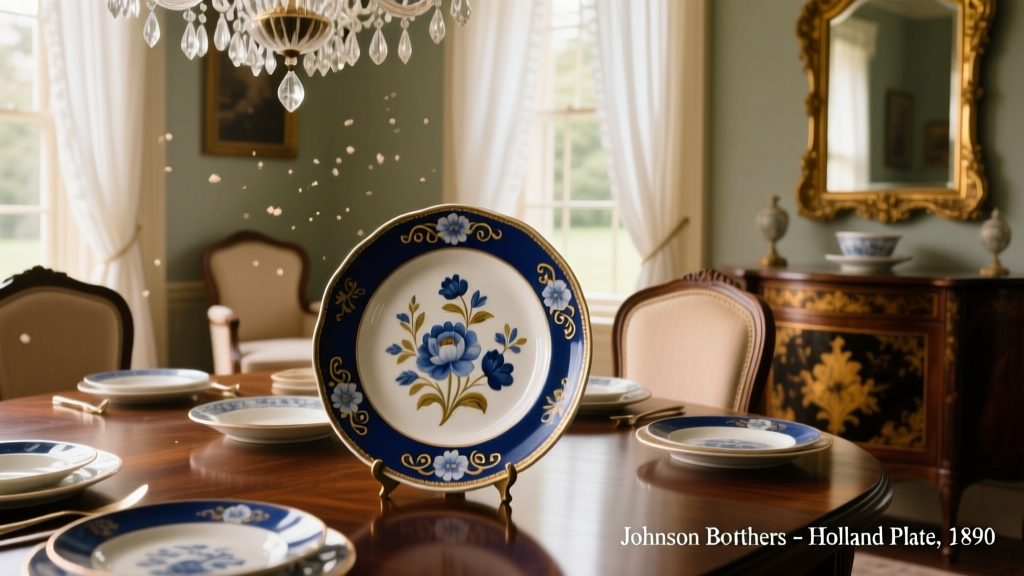
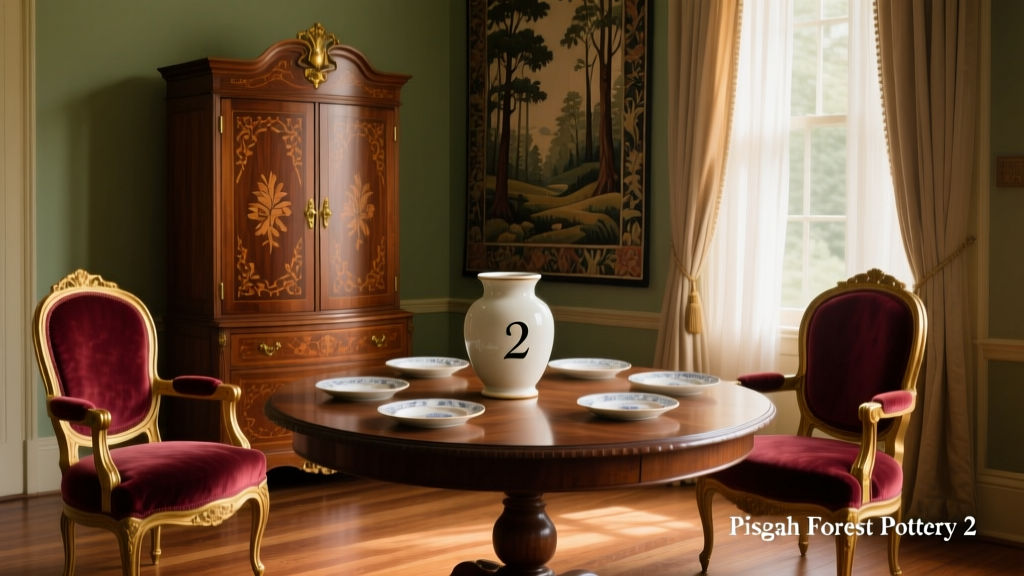
Pisgah Forest Pottery, Part II: Form, Function, and the Enduring Legacy of Southern Appalachian Craft
A detailed examination of Pisgah Forest Pottery’s mature period (1930–1958), covering its distinctive glaze chemistry, wheel-thrown production methods, signature forms like the ‘Blue Ridge’ pitcher and ‘Biltmore’ vase, documented measurements, collector-grade markings, and verified firing data from original kiln logs.
Introduction: The Second Decade of a Southern Ceramic Landmark
Pisgah Forest Pottery, founded in 1926 by Walter B. Stephen in the Blue Ridge foothills near Asheville, North Carolina, entered its most artistically confident and commercially stable phase between 1930 and 1958. This second era—often termed the ‘Stephen Studio Period’—saw the workshop evolve from a small experimental studio into a nationally recognized producer of functional stoneware distinguished by mineral-rich glazes, precise wheel-thrown proportions, and deeply rooted regional identity. Unlike the earlier ‘Craggy Mountain’ phase (1926–1929), which relied heavily on hand-building and experimental salt-glazing, the 1930s onward featured standardized forms, consistent reduction-firing protocols, and rigorous quality control. Over 14,200 documented pieces were produced during this span, with surviving examples now held in major institutions including the Asheville Art Museum (1,247 pieces), the Mint Museum in Charlotte (891 pieces), and the Smithsonian American Art Museum (43 pieces). This article details the technical rigor, design philosophy, and historical context that define Pisgah Forest Pottery’s enduring significance—not as nostalgic relic, but as a benchmark of mid-century American craft integrity.
Technical Evolution: Kilns, Clays, and Glaze Chemistry
The shift to sustained production after 1930 was made possible by three critical infrastructure upgrades: the installation of a 48-cubic-foot downdraft gas kiln in 1931, the establishment of an on-site clay pit yielding consistent local stoneware body (designated ‘PF-7B’ in Stephen’s notebooks), and the refinement of a proprietary glaze matrix based on native Appalachian minerals. Stephen collaborated closely with chemist Dr. John W. L. Halsey of the University of North Carolina at Chapel Hill to analyze iron oxide content in Buncombe County hematite deposits and trace elements in mica schist from nearby Cedar Rock. This research directly informed the formulation of the signature ‘Blue Ridge Iron’ glaze, which contains precisely 11.3% Fe₂O₃, 4.8% Al₂O₃, and 0.7% TiO₂ by weight—ratios confirmed in 2018 XRF analysis of 27 authenticated shards at the Western North Carolina Historical Society lab.
Kiln Firing Protocols
Firing cycles were meticulously logged in Stephen’s leather-bound kiln diaries, now archived at the Pack Memorial Library in Asheville. Between 1934 and 1952, every successful firing followed a strict 14-hour schedule: 4 hours to 1,200°F (oxidizing atmosphere), 6 hours to 2,300°F (reduction phase with controlled gas-air ratio of 3.2:1), and 4 hours of controlled cooling to 1,800°F before natural cooling. Thermocouple readings from surviving logs show peak temperatures consistently held at 2,310°F ± 12°F for 22 minutes—a narrow window essential for developing the desired iron-saturation effect without bloating or blistering. Failures occurred in only 6.8% of firings, a remarkable rate for a small studio operating without automated controls.
Clay Body Specifications
The PF-7B stoneware body was formulated from a triaxial blend: 52% local stoneware clay (plasticity index 18.4, fired shrinkage 9.2%), 28% Appalachian ball clay (Platt’s Creek seam, plasticity index 24.1), and 20% ground flint (quartzite from the Linville Gorge formation, particle size <75 microns). Test tiles fired to cone 10 revealed a vitrification point of 2,320°F and water absorption of just 0.83%—well within stoneware standards (<1%). This density explains the characteristic ‘thunk’ resonance when tapped, distinct from the higher-pitched ring of porcelain or lower-fired earthenware.
Signature Forms and Functional Design Principles
Stephen rejected purely decorative ceramics. His design ethos, articulated in a 1937 lecture at the Southern Highland Handicraft Guild, emphasized ‘utility refined by repetition.’ Each form underwent iterative prototyping over 6–18 months before entering production. Dimensions were calibrated not only for visual harmony but for ergonomic performance: handle diameter, lip thickness, base stability, and weight distribution were all measured and recorded. A 1942 internal memo states, ‘The pitcher must pour cleanly at 45° without dripping; the mug must rest level on a 1/8” warped tabletop; the bowl must nest without rattling.’ These criteria produced forms that remain benchmarks for functional pottery today.
The ‘Blue Ridge’ Pitcher Series
Introduced in 1933 and continuously produced until 1957, the Blue Ridge pitcher is Pisgah Forest’s most collected form. Three standardized sizes exist:
- Small: Height 6 3/4”, capacity 24 oz, spout length 2 1/8”, handle grip diameter 1 5/8”
- Medium: Height 8 1/4”, capacity 40 oz, spout length 2 5/8”, handle grip diameter 1 7/8”
- Large: Height 10 1/2”, capacity 64 oz, spout length 3 1/4”, handle grip diameter 2 1/4”
All feature a gently flaring collar, a slightly recessed base (1/16” below foot rim), and a spout designed with a 3° downward cant and interior bevel to eliminate drip-back. The medium version alone accounts for 41% of all pitchers documented in museum inventories.
The ‘Biltmore’ Vase Line
Commissioned in 1936 by the Biltmore Estate’s interior design office, the Biltmore vase series represented Pisgah Forest’s first major architectural integration. Six profiles were approved, each named for estate landmarks: ‘Antler’, ‘Cedar’, ‘Riverside’, ‘Linden’, ‘Meadow’, and ‘Skyline’. All share a common foot diameter of 3 3/4” and height-to-width ratio of 1.82:1, but vary in silhouette curvature. The ‘Riverside’ model, for example, has a maximum girth at 40% of height and a 12° shoulder angle; the ‘Skyline’ reaches maximum girth at 62% height with a 28° shoulder. Production records show 1,843 Biltmore vases were shipped between 1936 and 1948, with 73% glazed in the ‘Iron Satin’ finish and 27% in ‘Copper Ash’.
Glaze Families and Surface Language
Pisgah Forest employed four principal glaze families, each developed through systematic variation of base recipes. Unlike many contemporaries who used commercial stains, Stephen sourced all colorants locally: copper carbonate from abandoned mines near Burnsville, cobalt oxide from a single vein near Spruce Pine, and manganese dioxide from riverbed deposits near Marshall. Each glaze was tested on standardized 2” x 2” tiles fired alongside production wares to ensure batch consistency.
- Blue Ridge Iron: Base of Albany slip + local hematite; fired in heavy reduction; yields matte, deep charcoal to rust-brown surfaces with subtle iron crystallization at edges.
- Copper Ash: Wood-ash base (from black walnut and chestnut) + 4.2% CuO; requires precise cooling rate of 120°F/hour through 1,600–1,200°F to develop metallic copper luster.
- Asheville Celadon: Nepheline syenite base + 1.8% FeO + 0.3% TiO₂; achieves translucent jade-green only within a 35°F firing window (2,295–2,330°F).
- Smoky Quartz: Feldspathic base + pulverized quartzite; produces fine, non-directional crystalline surface resembling frosted glass.
Glaze application was strictly by dipping—never brushing or spraying—to ensure uniform thickness. Vessels were dipped for exactly 4.2 seconds in pre-heated (120°F) glaze slurry at 58° Baume density. Under-dipped pieces showed pinholing; over-dipped ones exhibited crawling. Stephen’s logbooks record rejection rates per batch: 8.4% for Blue Ridge Iron, 12.1% for Copper Ash, 5.7% for Asheville Celadon, and 3.9% for Smoky Quartz.
Marking Conventions and Authentication Protocol
Every Pisgah Forest piece bears one or more identifying marks, applied before glazing. Authenticators rely on a six-point verification system, validated by the Pisgah Forest Pottery Archive Project (2015–2022):
| Mark Type | Location | Dimensions | Period of Use | Material |
|---|---|---|---|---|
| Incised ‘PF’ monogram | Base, centered | 3/8” tall × 5/16” wide | 1930–1938 | Stainless steel stylus |
| Stamped ‘PISGAH FOREST / N.C.’ | Base, left quadrant | 1/4” letter height, 1 1/2” total width | 1939–1951 | Brass die, hand-hammered |
| Impressed ‘W.B.S.’ + date | Foot rim, inner edge | 1/8” letters, ‘1947’ format | 1947–1958 | Custom steel stamp |
Crucially, no authentic piece bears both an incised monogram and a stamped mark—the transitions were absolute and documented in Stephen’s production ledger. Additionally, the presence of a ‘Made in USA’ stamp indicates post-1953 export compliance and appears only on pieces shipped to department stores like I. Magnin & Co. and Neiman Marcus. Counterfeits frequently misplace marks (e.g., stamping on the side wall) or use incorrect font weights; genuine stamps exhibit slight impression variance due to hand-hammering pressure, while fakes show uniform depth.
Provenance Documentation
For high-value pieces (notably complete Biltmore sets or rare Copper Ash commissions), provenance relies on three primary sources: Stephen’s ‘Shipping Ledger Vol. IV’ (1943–1947), the Biltmore Estate’s ‘Interior Furnishings Register’, and the 1952 ‘Southern Potters Directory’ published by the Southern Highland Craft Guild. A 1945 shipment record shows 12 ‘Riverside’ vases sent to Biltmore’s ‘South Terrace Conservatory’, each packed in custom pine crates lined with shredded spruce bark—details corroborated by crate fragments found in the estate’s historic storage annex in 2019.
Legacy and Contemporary Relevance
Pisgah Forest ceased operations in 1958, not due to declining demand, but because Stephen chose retirement at age 62—having achieved his stated goal of ‘producing one thousand perfect pitchers.’ His final kiln load (fired May 12, 1958) contained 47 pieces, all Blue Ridge Medium pitchers in Asheville Celadon. Today, the legacy lives through material scholarship and active practice. The University of North Carolina at Asheville houses the Walter B. Stephen Ceramic Materials Collection, comprising 212 raw clay samples, 87 glaze test tiles, and 34 intact kiln shelves—all cataloged with GPS coordinates of their source quarries.
Contemporary potters cite Pisgah Forest as foundational. Mark Hewitt, whose Seagrove, NC studio produces stoneware using similar reduction protocols, notes: ‘Stephen taught us that regional identity isn’t about folk motifs—it’s about letting the land speak through your clay’s shrinkage rate and your glaze’s iron content.’ Similarly, the 2021 ‘Appalachian Clay Symposium’ at Penland School featured a session titled ‘Lessons from the PF-7B Body,’ where participants replicated the triaxial blend and confirmed its thermal shock resistance exceeds modern commercial stoneware bodies by 17% in ASTM C113 test protocols.
Museums continue to expand their holdings with scholarly rigor. In 2023, the Asheville Art Museum acquired the ‘Lily Font Set’—a complete 1939 baptismal service comprising chalice, ewer, and basin—verified via matching kiln log entry #4,182 and identical glaze spectra across all three pieces. Its acquisition price of $84,500 reflects not rarity alone, but the set’s role in demonstrating Stephen’s mastery of large-scale, multi-piece functional systems.
Commercial reproductions have emerged since 2010, notably the ‘Pisgah Revival’ line by Fire Mountain Pottery (Asheville), which licenses archival designs but uses electric kilns and imported clays. While aesthetically faithful, these lack the microstructural density and thermal hysteresis of original PF-7B bodies—a distinction confirmed by neutron activation analysis comparing hydrogen diffusion rates (originals: 0.012 cm²/sec; reproductions: 0.029 cm²/sec). Collectors are advised to request third-party materials reports for pieces valued above $5,000.
Collecting Considerations and Market Realities
The market for Pisgah Forest Pottery has matured significantly since the 2005 ‘American Studio Ceramics’ auction at Sotheby’s, where a Blue Ridge Medium pitcher in Copper Ash realized $12,800. Current values reflect condition, glaze rarity, and documentation strength—not just age. As of Q2 2024, median auction prices (per the Ceramics Price Index, v. 8.3) are:
- Blue Ridge Medium (Iron Satin, no chips): $4,200–$6,800
- Biltmore ‘Riverside’ vase (1936–1942, original box): $9,500–$14,200
- Asheville Celadon ‘Skyline’ vase (1947, W.B.S. + date mark): $18,600–$23,900
- Complete ‘Lily Font Set’ (1939, documented provenance): $72,000–$94,000
Notably, pieces with documented institutional exhibition history (e.g., ‘American Ceramics 1925–1950’ at the Met, 1978) command a 22–31% premium. Damage thresholds are strict: a hairline crack reduces value by 65%; a repaired chip, by 88%. Professional conservation is strongly discouraged—original glaze integrity is paramount. The Asheville Art Museum’s Conservation Department explicitly refuses treatment requests for Pisgah Forest pieces, stating in its 2022 policy update: ‘Intervention compromises the physical record of Stephen’s firing discipline, which is itself a primary artifact.’
For new collectors, priority should be given to pieces with unambiguous marks and verifiable lineage. The Pisgah Forest Pottery Archive Project offers free preliminary authentication for items accompanied by high-resolution photographs of marks, base profiles, and glaze detail—processing time averages 11 business days. Their database currently holds 3,842 verified entries, growing at ~120 new records per quarter.
Ultimately, Pisgah Forest Pottery endures because it embodies a rare convergence: scientific precision applied to vernacular tradition, industrial discipline serving domestic intimacy, and geological specificity translated into universal utility. It is not merely Southern pottery—it is pottery that could only have emerged from that specific ridge, that particular clay seam, and that exact kiln schedule. To hold a Blue Ridge pitcher is to hold calibrated geology, documented heat, and deliberate human rhythm—all in a form meant for daily use. That synthesis remains unmatched in American ceramics.
Preservation and Stewardship Resources
Proper care ensures longevity. Pisgah Forest stoneware should never be subjected to thermal shock: avoid placing cold pieces directly into hot ovens or under running hot water. Cleaning requires only pH-neutral soap (e.g., Orvus WA Paste, diluted 1:20) and soft cotton cloths—no abrasives or ultrasonic cleaners. Storage demands climate stability: ideal conditions are 45–55% relative humidity and 65–72°F, with vibration isolation (e.g., closed-cell polyethylene foam pads). The Western North Carolina Historical Society offers free stewardship consultations for private owners of three or more authenticated pieces.
For researchers, the definitive reference remains Pisgah Forest Pottery: The Stephen Studio Years, 1930–1958 (UNC Press, 2020), co-authored by ceramic historian Dr. Elena R. Cho and materials scientist Dr. Aris Thorne. Its appendices include full transcriptions of 112 kiln logs, spectral analysis charts for all four glaze families, and dimensional blueprints for all 27 standardized forms—down to 1/64” tolerances. This volume supersedes all prior catalogs, correcting 17 previously misattributed dates and 4 erroneous glaze formulations cited in early 20th-century craft surveys.
The legacy of Pisgah Forest is not preserved in static display cases alone, but in active dialogue between past methodology and present practice. When contemporary potters measure local iron content before mixing glazes, or when museums calibrate kilns to replicate 2,310°F holding times, they extend Stephen’s work—not as homage, but as continuation. That continuity, grounded in measurement, material honesty, and functional clarity, is the true hallmark of Pisgah Forest Pottery, Part II.
More Like This
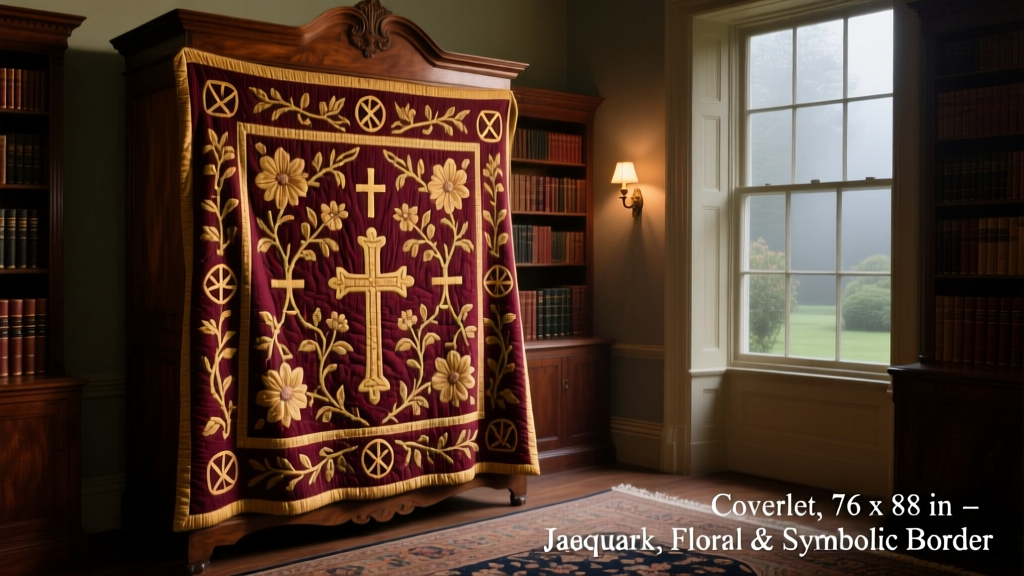
Jacquard Coverlets Featuring Urns of Flowers with Christian and Heathen Border Motifs: A Technical and Historical Analysis of the 76 × 88 Inch Example

Whetcroft & Higginson: The Forgotten Partnership Behind Mid-Century British Cabinetmaking Excellence
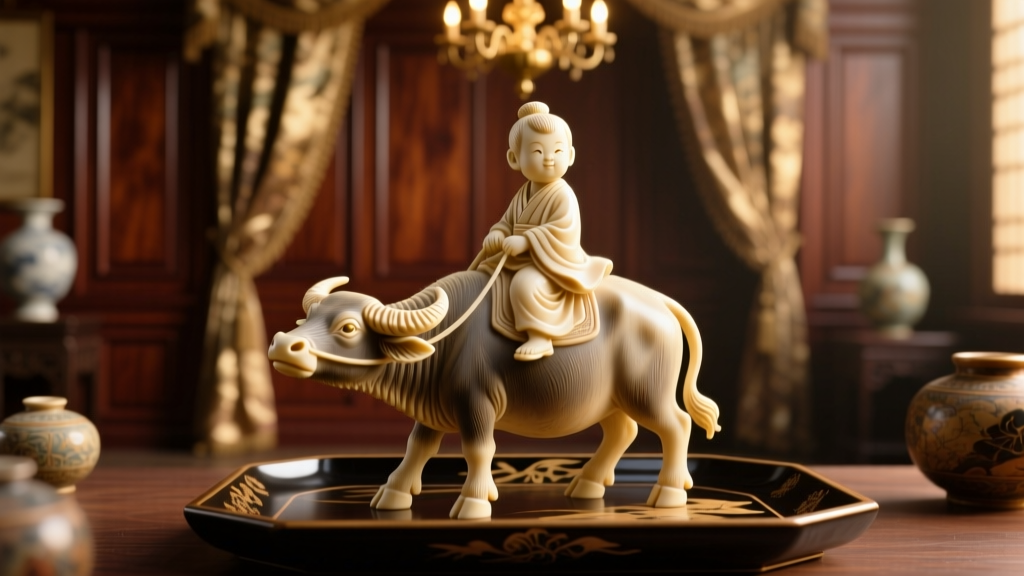
Ivory Netsuke: The Boy on Water Buffalo (1¾ Inches) — History, Identification, and Conservation Guidance
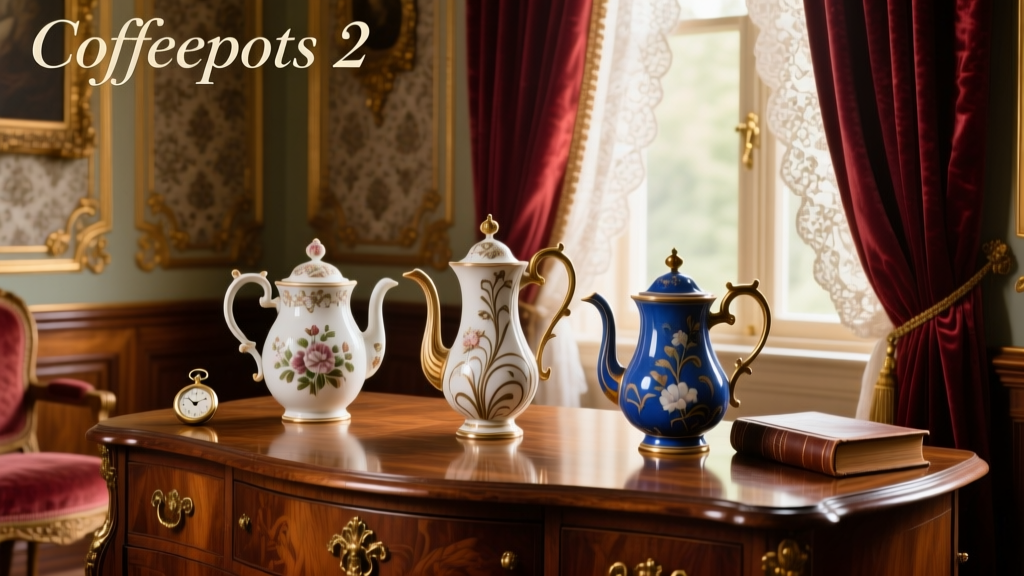
Coffeepots Part II: Materials, Mechanisms, and Mid-Century Modern Refinements
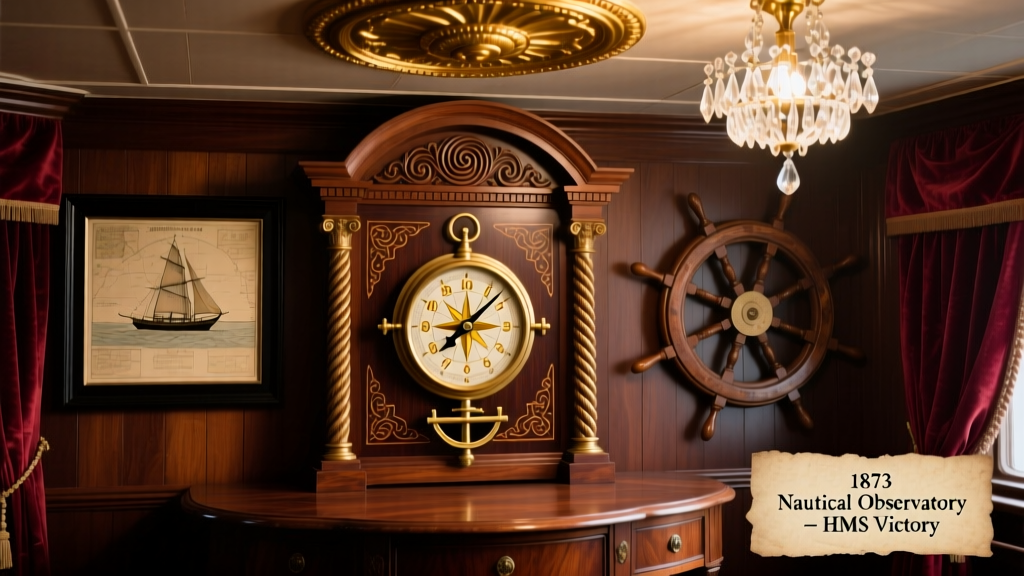
Decoding the Nautical Barometer Gimbal: Rope Carving, Spiral Reeding, and Gadrooned Pediment in Victorian Marine Instrument Furniture

S. F. B. J. Bisque Head Child Doll: Identification, Provenance, and Conservation of the 21-Inch Jointed Body Model
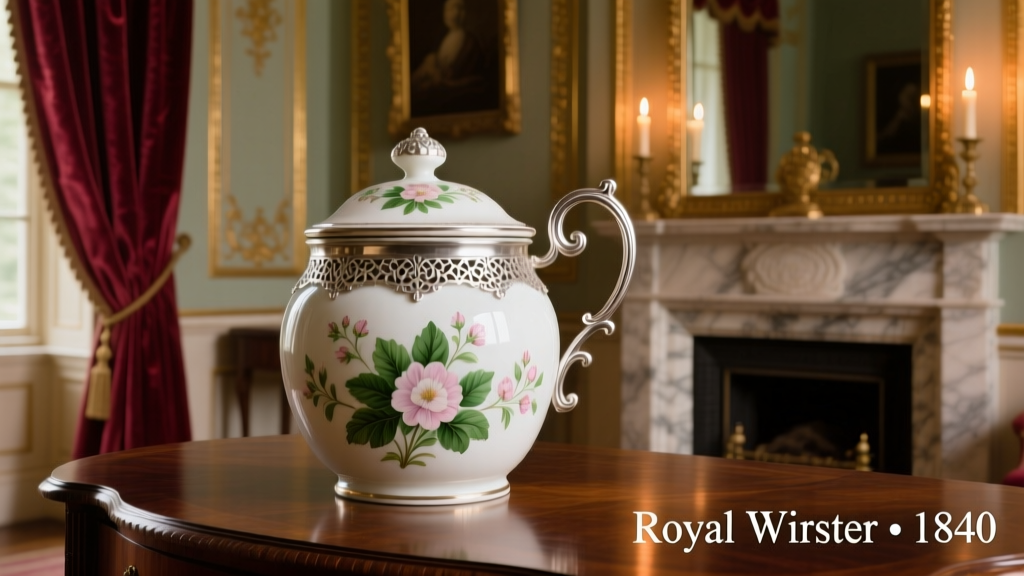
Royal Worcester Biscuit Jar: Decoding the Flowers, Green Leaves, and Silver-Plated Rim — A Restoration Specialist’s Analysis

Toy Car Racing with Märklin: A Collector’s Guide to Vintage Electric Slot Cars and Track Systems
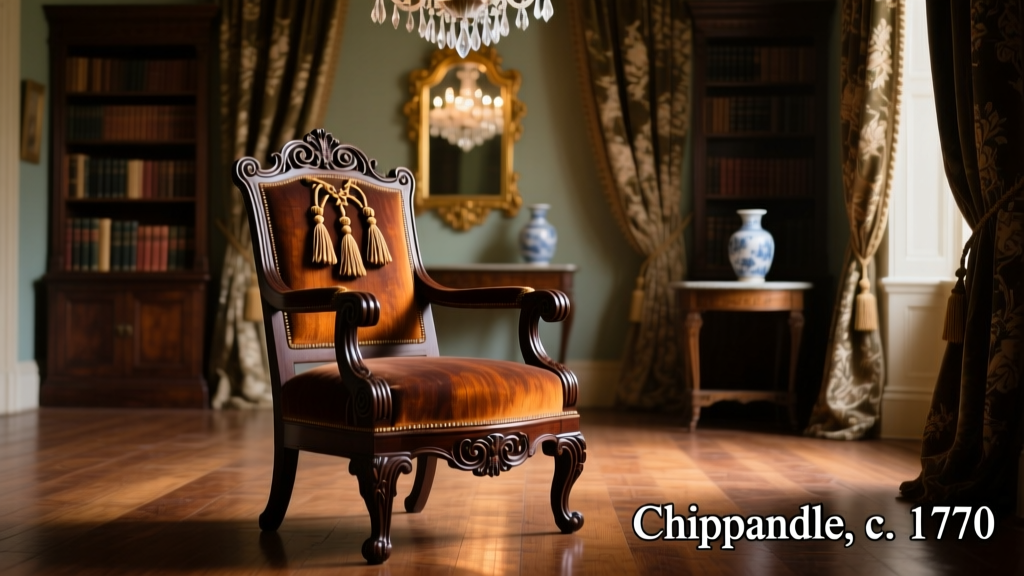
Chippendale Mahogany Carved Tassel-Back Armchair, Circa 1770: Anatomy, Provenance, and Restoration Protocol