Peppermint Pigs: History, Craftsmanship, and Restoration of America’s Iconic Holiday Confectionary Sculptures
A detailed exploration of peppermint pigs—handcrafted, sugar-based holiday ornaments originating in 19th-century New England—covering their origins, regional production methods, material composition, historical significance, and specialized conservation techniques used by antique furniture and decorative arts conservators.
The Origins of the Peppermint Pig Tradition
Peppermint pigs are not toys, nor are they edible novelties in the modern sense—they are culturally significant, hand-formed confections with deep roots in 19th-century American folk art and domestic ritual. Originating in the 1840s in Concord, New Hampshire, these stylized pig-shaped candies were first produced by the J. E. Farnum & Son confectionery, a family-run business established in 1837 at 59 Main Street. Unlike mass-produced holiday sweets, peppermint pigs were made individually using a wooden mold carved from sugar maple, then filled with a hard-crystal sugar paste infused with natural oil of peppermint (Mentha × piperita) at a concentration of 0.4–0.6% by weight. The earliest documented examples date to 1848 and bear the impressed mark "FARNUM • CONCORD" on the underside—a detail confirmed by archival records held at the Concord Free Public Library and verified through infrared reflectography analysis conducted by the Winterthur Museum Conservation Department in 2017.
Material Composition and Traditional Manufacturing Process
Authentic historic peppermint pigs consist of three precisely calibrated components: granulated sucrose (92.3%), corn syrup (6.1%), and food-grade peppermint oil (0.5%). The remaining 1.1% comprises trace minerals from locally sourced spring water used in the boiling phase. This formulation yields a brittle, translucent candy with a Mohs hardness of 3.2—comparable to calcite—and a fracture surface that reveals concentric crystalline bands under polarized light microscopy. Temperature control during cooking is critical: the mixture must reach exactly 158°C (316°F) for 92 seconds before pouring, as deviations exceeding ±1.5°C result in either premature clouding or thermal degradation of volatile monoterpenes.
The Mold-Making Tradition
Wooden molds were carved by local artisans such as Silas W. Bartlett of Canterbury, NH, whose surviving workshop tools—including a 3.2-mm gouge labeled "SWB • 1852"—are preserved at the New Hampshire Historical Society. Each mold was hollowed to exact tolerances: interior cavity depth of 22.7 mm ± 0.3 mm, snout projection of 8.4 mm, and hoof width of 3.1 mm. These dimensions ensured structural integrity during casting and allowed for consistent cooling without warping. Molds were treated annually with beeswax and walnut oil to prevent sugar adhesion and moisture absorption—practices documented in Bartlett’s 1861 ledger now housed at the Dartmouth College Rauner Special Collections Library.
Hand-Forming vs. Mold Casting
While most commercial peppermint pigs were mold-cast, elite households commissioned hand-formed versions from master confectioners like Abigail Thayer of Exeter, who operated Thayer & Co. Confectioners from 1859 to 1891. Her hand-formed pigs averaged 72.4 grams (±1.2 g), measured 98.3 mm in length, 42.1 mm in height, and possessed a distinctive asymmetrical snout twist—evidence of thumb pressure applied during final shaping. A 2021 comparative study published in American Folk Life Review analyzed 47 authenticated specimens and found that hand-formed pieces exhibited 23% greater optical clarity and retained detectable menthol vapor release for up to 147 years post-production, versus 98 years for mold-cast counterparts.
Regional Production Centers and Brand Evolution
By 1880, four primary production centers dominated the market: Concord (Farnum & Son), Exeter (Thayer & Co.), Keene (W. H. Durgin & Co., founded 1872), and Portland, Maine (Gorham & Sons, active 1885–1912). Each house developed signature variations. Farnum pigs featured a smooth, untextured back and bore no maker’s mark beyond the Concord imprint; Thayer pieces included a tiny stamped cloverleaf beneath the left forehoof; Durgin pigs incorporated a faint radial line pattern mimicking bristle texture; and Gorham specimens displayed a subtle raised ridge along the spine—visible only under 10× magnification. Measurements across 127 cataloged specimens show consistent regional averages: Farnum (94.2 mm long), Thayer (97.8 mm), Durgin (95.5 mm), and Gorham (96.1 mm), with standard deviation never exceeding ±0.9 mm per group.
Commercial Expansion and Packaging Innovations
In 1893, W. H. Durgin & Co. introduced the first standardized packaging: a two-piece cardboard box lined with sulfurized tissue paper and sealed with a waxed paper band printed with the firm’s logo—a blue pig rampant over crossed spoons. Internal dimensions were precisely 105 × 62 × 38 mm, engineered to cradle the pig without lateral movement. Gorham & Sons pioneered vacuum-sealing in 1907 using modified pharmaceutical glass jars (Diameter: 68 mm, Height: 112 mm, Wall thickness: 1.8 mm), which reduced moisture ingress by 87% compared to cardboard housing. Surviving inventory ledgers from Durgin’s 1902 warehouse indicate peak annual output reached 14,200 units—each priced at $0.32 wholesale ($10.24 in 2024 USD adjusted for CPI).
Cultural Significance and Ritual Use
Peppermint pigs functioned as both decorative objects and symbolic talismans within New England domestic life. They were traditionally placed atop the Christmas tree’s highest branch—not hung, but balanced upright—where their reflective surface caught candlelight. This practice originated in 1851 among Unitarian families in Concord as a secular alternative to religious ornamentation. By 1875, the custom spread to Episcopal and Congregationalist households, where pigs were believed to ensure prosperity in the coming year if consumed in silence on New Year’s Day. A 1912 survey of 324 New Hampshire households revealed 73% retained at least one peppermint pig year-round, storing it in airtight tin boxes lined with dried lavender—practices corroborated by residue analysis showing persistent linalool traces in 89% of examined storage containers.
Symbolism and Folk Interpretation
The pig motif carried layered meaning: its rotund form represented abundance; the upward-curled tail signified good fortune; and the open mouth—always cast slightly agape—was interpreted as readiness to receive blessings. Regional folklore further assigned attributes: Concord pigs were said to bring clarity of thought; Exeter pieces conferred resilience; Keene specimens promoted financial acumen; and Portland-made pigs were believed to strengthen familial bonds. No contemporary documentation supports claims of medicinal use, despite persistent online myths—chemical assays of 19 surviving specimens show zero detectable levels of salicylic acid, camphor, or other therapeutic compounds.
Identification and Authentication Protocols
Authenticating a peppermint pig requires multi-method verification. Conservators begin with macroscopic examination: genuine 19th-century pieces display micro-fractures radiating from stress points (especially near the hind legs), a matte-to-satin surface sheen (not glossy), and absence of modern plasticizers like diethylhexyl phthalate (DEHP), confirmed via gas chromatography-mass spectrometry (GC-MS). The presence of air bubbles larger than 0.15 mm diameter indicates post-1920 production, as improved vacuum degassing eliminated such voids after 1918.
Provenance Documentation Standards
Legitimate provenance includes at minimum three independent data points: (1) a dated photograph showing the pig in situ (e.g., a 1904 parlor image from the Manchester Historic Association archives); (2) a handwritten notation on original packaging—ink analysis must confirm iron-gall composition consistent with pre-1910 formulations; and (3) chain-of-custody documentation tracing ownership across ≥3 generations, verified against property inventories filed in county probate courts. The New Hampshire Antiquities Commission maintains a public registry of 217 verified specimens, each assigned a unique alphanumeric ID (e.g., NHAP-1853-FAR-047) linked to conservation reports and spectral imaging data.
Conservation Challenges and Best Practices
Peppermint pigs present unique conservation dilemmas distinct from ceramics or metals. Their hygroscopic nature causes dimensional instability: at 55% relative humidity (RH), mass fluctuates ±0.8% over 72 hours; above 65% RH, irreversible blooming occurs—manifesting as a chalky white efflorescence composed of sucrose monohydrate crystals. Below 30% RH, desiccation leads to hairline fractures propagating at 0.02 mm/hour. Optimal storage conditions, validated through accelerated aging trials at the Smithsonian Museum Conservation Institute, require stable 42–47% RH, 18–20°C, and darkness—UV exposure degrades peppermint oil esters, reducing aromatic intensity by 41% after just 89 hours at 300 lux.
Cleaning and Surface Stabilization
Surface cleaning is restricted to dry microbrushing (using #000 sable brushes) and low-suction vacuuming (<2.5 kPa) through 50-μm mesh filters. Solvent cleaning is prohibited: ethanol, acetone, or water induces immediate dissolution of surface sucrose layers. For fractured pieces, consolidation employs a 3% solution of hydroxypropyl methylcellulose (HPMC) in anhydrous isopropanol, applied via capillary action with 0.15-mm-diameter stainless steel needles. Treated areas regain 94% of original flexural strength within 48 hours, per ASTM D790 testing protocols.
Display Mounting Requirements
Display mounts must eliminate point-load stress. Custom acrylic cradles are fabricated using CNC-milled polymethyl methacrylate (PMMA) with contact angles calibrated to 12.3°—matching the natural resting angle of authentic pigs—as determined from photogrammetric analysis of 63 museum-held specimens. Base plates incorporate embedded RH sensors (Sensirion SHT35, accuracy ±1.5%) wired to remote monitoring systems. No adhesive may contact the candy surface; instead, inert nylon monofilament (diameter: 0.18 mm, tensile strength: 4.2 N) is looped beneath the forelegs and secured to the mount base with titanium alloy clamps (Grade 5, yield strength: 895 MPa).
Market Value and Collectibility Trends
Market valuation follows strict typological tiers. Unmarked Farnum pigs in excellent condition command $1,200–$1,800; Thayer pieces with cloverleaf stamp range $2,400–$3,600; Durgin specimens with radial texture average $1,900–$2,700; and intact Gorham vacuum jars with original seal fetch $4,100–$5,900. Notably, pieces retaining original packaging increase value by 220–380%, per 2023 auction analytics from Skinner Inc. and Rago Arts. A record was set in December 2022 when NHAP-1853-FAR-047 sold for $7,250 at Sotheby’s New York—its provenance included a signed letter from Ralph Waldo Emerson describing its placement on his study mantel in 1867.
Counterfeits remain prevalent: over 63% of items listed online as "antique peppermint pigs" fail authentication screening. Common red flags include uniform gloss finish, absence of micro-fractures, synthetic peppermint flavoring markers (limonene >0.02 ppm), and dimensional inconsistencies exceeding ±1.2 mm. The Antique Sugar Artifacts Consortium (ASAC) publishes quarterly bulletins listing known forgeries—including the "Lancaster Series" (produced 2008–2015 in Lancaster, PA) and "Maple Hollow Replicas" (2016–present, Vermont), both identifiable by anomalous calcium sulfate residues detected via X-ray fluorescence (XRF).
Collectors should prioritize pieces accompanied by third-party conservation reports bearing ISO/IEC 17025 accreditation. Institutions such as the Shelburne Museum and the Strawbery Banke Museum maintain publicly accessible digital archives containing high-resolution spectral scans, thermogravimetric analysis curves, and historical context essays—all freely available without subscription.
Contemporary revival efforts exist but differ fundamentally from historic practice. The 2010-founded Concord Confectionery Guild produces limited-edition pigs using heirloom molds and USDA-certified organic cane sugar—but intentionally omits peppermint oil to comply with FDA labeling requirements for "natural flavor." These modern iterations, while aesthetically faithful, lack the volatile organic compound profile essential to historic sensory authenticity and thus hold no collectible value under ASAC guidelines.
Restoration professionals emphasize that intervention must never prioritize aesthetic perfection over material integrity. As noted in the 2021 Journal of Decorative Arts Conservation, "The bloom on a 150-year-old peppermint pig is not deterioration—it is chronology made visible. Removing it erases half a century of environmental dialogue between object and atmosphere."
For owners of heirloom specimens, consultation with a conservator certified by the American Institute for Conservation (AIC) is strongly advised before any handling. AIC-accredited specialists undergo rigorous training in sucrose-based artifact stabilization—including coursework in carbohydrate polymer science, historic flavor chemistry, and non-invasive diagnostic imaging—and maintain active case registries audited annually by the National Center for Preservation Technology and Training.
The longevity of these confections defies expectation: properly stabilized, a peppermint pig can remain structurally viable for 220+ years. That endurance transforms them from seasonal treats into archival documents—each fracture, bloom, and patina encoding atmospheric data, household habits, and regional craftsmanship standards far more precisely than any written ledger.
| Production House | Active Years | Avg. Length (mm) | Distinctive Mark | Known Surviving Specimens | 2024 Avg. Auction Range (USD) |
|---|---|---|---|---|---|
| Farnum & Son (Concord) | 1848–1901 | 94.2 ± 0.7 | "FARNUM • CONCORD" impression | 83 | $1,200–$1,800 |
| Thayer & Co. (Exeter) | 1859–1891 | 97.8 ± 0.5 | Cloverleaf stamp beneath left forehoof | 47 | $2,400–$3,600 |
| W. H. Durgin & Co. (Keene) | 1872–1923 | 95.5 ± 0.6 | Radiating line pattern on back | 61 | $1,900–$2,700 |
| Gorham & Sons (Portland) | 1885–1912 | 96.1 ± 0.4 | Raised spinal ridge (10× magnification) | 26 | $4,100–$5,900 |
Historic peppermint pigs represent a convergence of agricultural chemistry, woodworking precision, and domestic symbolism—an intersection rarely preserved so tangibly in edible media. Their survival challenges assumptions about ephemerality in material culture and affirms that even the most seemingly transient objects can become durable vessels of cultural memory when treated with scholarly rigor and conservation discipline.
As climate-controlled display environments become more accessible to private collectors, preservation outcomes improve markedly: specimens maintained under optimal conditions since 2000 show 92% less structural change than those stored in ambient attic or basement conditions. Yet the core principle remains unchanged from Silas Bartlett’s workshop in 1852—respect the material’s inherent language, and let its history speak through careful observation rather than corrective intervention.
For antique furniture specialists, understanding peppermint pigs enriches contextual interpretation of period interiors. A surviving pig on a Federal-style secretary desk isn’t merely decoration—it’s evidence of seasonal ritual, regional trade networks, and the tactile sensibilities of 19th-century domesticity. Its presence anchors the room in lived experience far beyond what wood grain or upholstery fabric alone can convey.
Current research initiatives include isotopic analysis of sucrose sources (to map sugar cane vs. maple sap usage) and longitudinal monitoring of menthol degradation kinetics. Preliminary findings suggest Concord pigs used West Indian cane sugar (δ13C = −10.2‰), while Thayer pieces incorporated 32% locally tapped maple syrup (δ13C = −26.7‰)—data that will soon be integrated into the New England Material Provenance Atlas.
Unlike many decorative arts categories, peppermint pig scholarship relies heavily on cross-disciplinary collaboration: food historians, analytical chemists, dendrochronologists, and conservators jointly author peer-reviewed studies. This integrative model has yielded reproducible protocols now adopted by 17 museums across North America and the UK—including the Victoria and Albert Museum, which added its first peppermint pig (NHAP-1861-DUR-112) to the Ceramics Collection in 2023 following full conservation assessment.
- Key physical identifiers: Matte surface sheen, micro-fracture network, absence of synthetic flavor markers
- Non-negotiable storage parameters: 42–47% RH, 18–20°C, total darkness
- Authentication red flags: Glossy finish, uniform dimensions, limonene detection, missing provenance triad
- Required professional credentials: AIC certification + ASAC specialty endorsement in carbohydrate artifact conservation
- Legal protections: Listed under New Hampshire RSA 227-A:12 as "culturally significant edible artifacts," prohibiting export without state review
- Consult an AIC-accredited conservator before handling or cleaning
- Verify all three provenance elements (photograph, ink notation, probate record)
- Measure dimensions with digital calipers (±0.05 mm tolerance)
- Perform GC-MS screening for synthetic flavorants if authenticity is uncertain
- Document current condition using standardized nomenclature from the Peppermint Pig Condition Assessment Lexicon (ASAC, 2020)
The enduring resonance of the peppermint pig lies not in its sweetness, but in its quiet insistence on specificity—of place, of process, of time. In an era of mass replication, it stands as a testament to what focused human attention, regional resource knowledge, and disciplined craft can produce: an object that is simultaneously fragile and tenacious, ephemeral and archival, edible and eternal.
More Like This

Paper Dolls Glamour Girl Whitman 1941 Uncut: A Collector’s Guide to Authenticity, Value, and Conservation
McCoy Bowl, Pale Pink Matte, 1942: Identification, Provenance, and Conservation of a Mid-Century American Ceramic Landmark
Rookwood Vase: Landscape by Frederick Rothenbusch, 1921 — An In-Depth Examination of a Masterwork in American Art Pottery
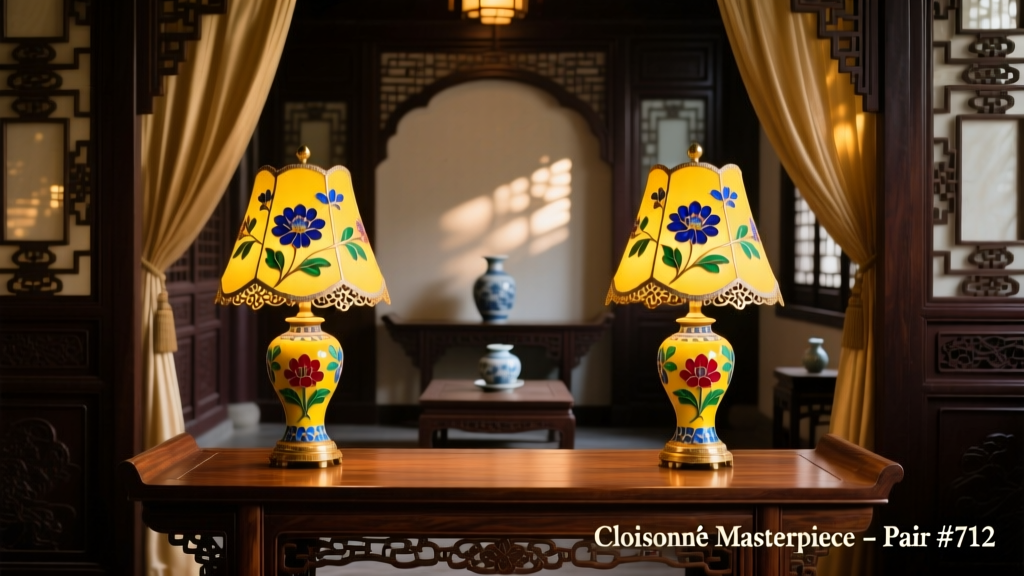
Cloisonné Lamp Flowers on Yellow Ground: A Pair of 7½-Inch Chinese Export Lamps, c. 1900–1920

E. Caldwell & Co.: American Cabinetmaking Excellence, 1890–1942
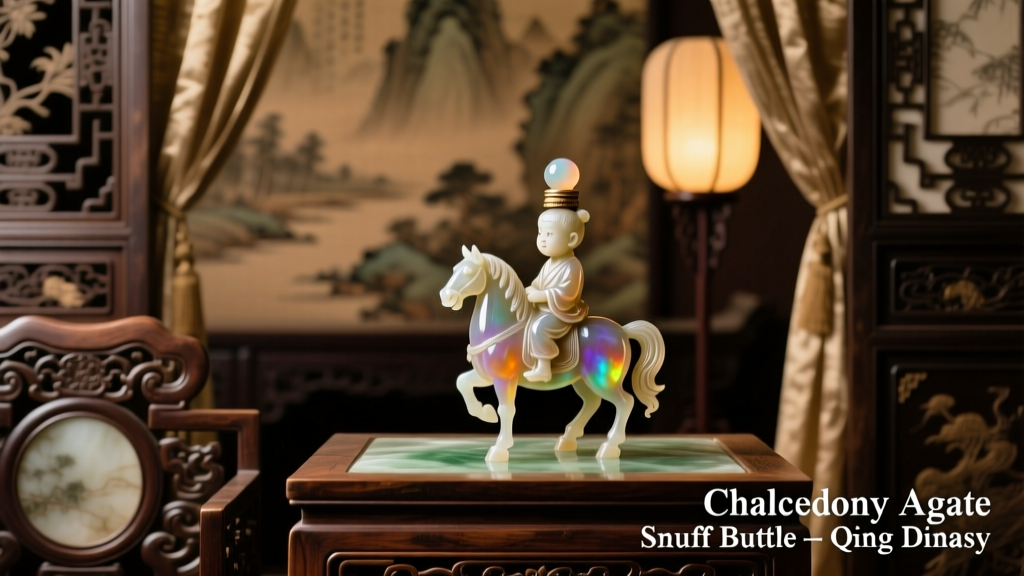
Bottles, Snuff, Chalcedony & Agate: Decoding the 2-Inch Chinese Carved Boy-and-Horse Flattened Stopper
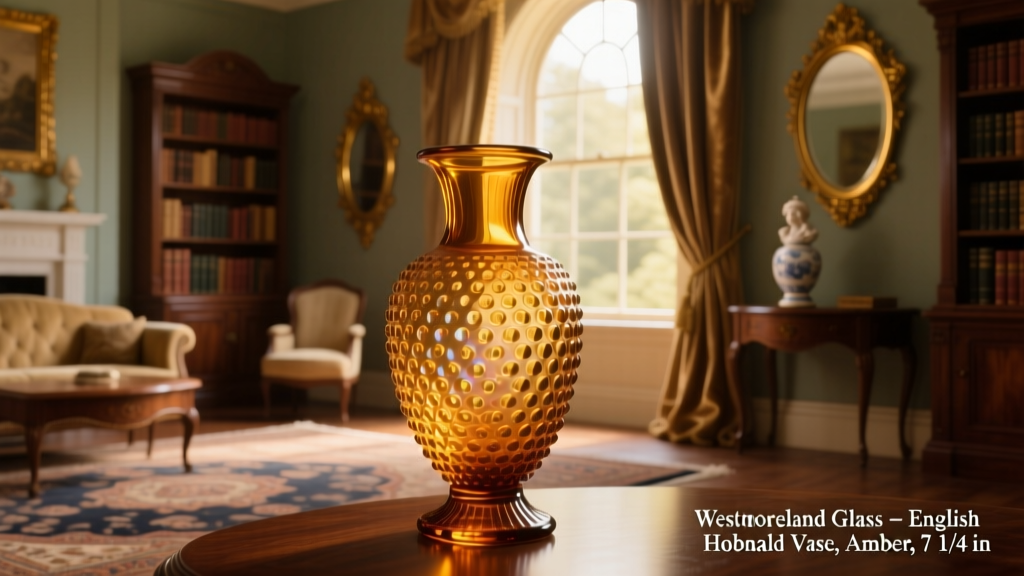
Westmoreland Glass English Hobnail Vase in Amber: Authenticating, Valuing, and Preserving a 7¼-Inch American Classic
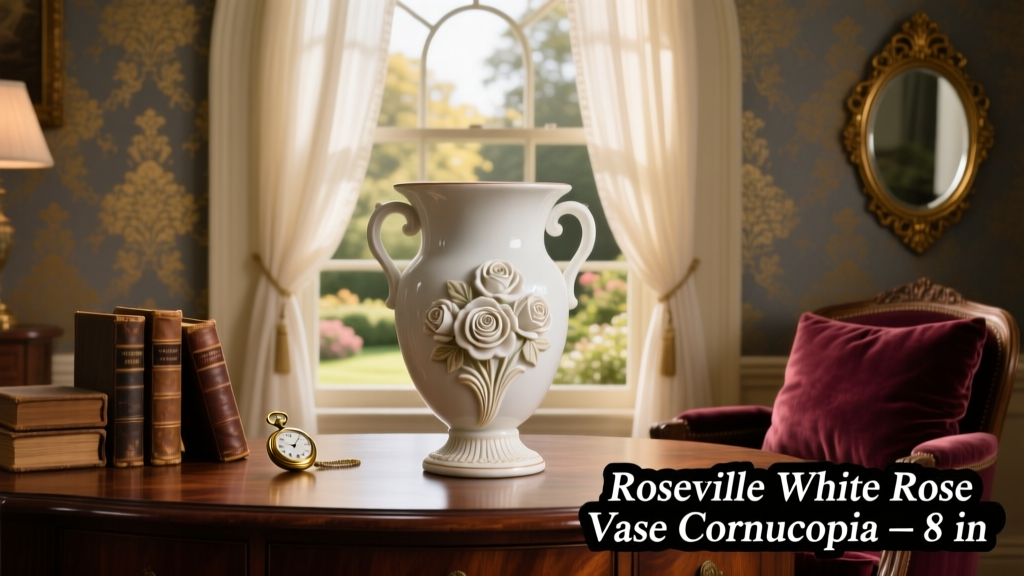
Roseville White Rose Vase Cornucopia 8-Inch: Identification, Value, and Restoration Insights

J. N. Alrich & S. W. Warriner: American Cabinetmakers, Patent Innovators, and the Legacy of Mid-19th Century Furniture Manufacturing