Old Ornaments: History, Materials, and Restoration Practices for Antique Decorative Objects
A detailed examination of antique ornaments—from Victorian porcelain cherubs to mid-century brass wall plaques—covering provenance, material science, period-specific manufacturing techniques, conservation ethics, and hands-on restoration protocols used by professional conservators.
Antique ornaments—small decorative objects produced from the 18th through mid-20th centuries—serve as tangible records of aesthetic values, technological progress, and social ritual. These items include porcelain figural groups, cast-metal wall plaques, hand-blown glass baubles, carved wood finials, and cloisonné enamel boxes. Unlike furniture or lighting, ornaments were rarely built for utility; instead, they communicated status, piety, nostalgia, or seasonal celebration. A 1927 Royal Doulton ‘Maiden with Lute’ figurine (H 14.5 cm, base stamped ‘Royal Doulton Burslem England D6321’) reflects Edwardian romanticism, while a 1948 Stiebel Eltron brass wall ornament (12.7 × 8.9 cm, stamped ‘Stiebel Eltron Werk Suhl’) embodies postwar German industrial precision. This article details their historical contexts, material vulnerabilities, authentication markers, and ethical restoration practices grounded in museum-grade conservation standards.
The Chronological Evolution of Ornamental Design
Ornament production accelerated during the Industrial Revolution, when mechanized casting, transfer printing, and standardized glazes enabled mass distribution without sacrificing craftsmanship. The late Georgian era (1760–1830) favored neoclassical motifs: urns, laurel wreaths, and cameo profiles rendered in biscuit porcelain or spelter. By contrast, the Victorian period (1837–1901) embraced eclecticism—Gothic revival arches, Japanese-inspired chrysanthemums, and naturalistic flora appeared on Staffordshire pottery, papier-mâché trays, and gilt-bronze mantel clocks. Manufacturers like Minton & Co. introduced parian ware in 1845, a fine-grained unglazed porcelain mimicking marble, ideal for delicate busts and mythological figures.
Victorian Figural Groups and Parian Ware
Minton’s parian figures—such as the ‘Diana the Huntress’ group (1851, H 22.8 cm)—were fired at 1220°C and required up to three weeks of skilled hand-finishing. Each piece bore an impressed backstamp including factory mark, pattern number (e.g., ‘Minton P.227’), and year cipher. Authentic parian exhibits a matte, chalky luster and subtle translucency at thin edges; fakes often display excessive gloss or inconsistent grain. Between 1860 and 1890, over 12,000 distinct parian models entered production across English, French, and German workshops—including Dresden’s KPM and Berlin’s Royal Porcelain Manufactory.
By the Edwardian era (1901–1910), porcelain manufacturers shifted toward colored glazes and narrative tableaux. Royal Doulton’s ‘Character Jug’ series launched in 1934 but drew directly from earlier prototypes—the ‘John Barleycorn’ jug (H 13.3 cm, Doulton Lambeth No. 2317) features hand-painted facial detail and a raised relief collar. These pieces were thrown on jigger-jolly machines, then dipped in lead-free glaze before single-firing at 1180°C. Their durability stems from precise silica-alumina ratios: authentic Doulton bodies contain 42% silica, 28% kaolin, and 30% feldspar—deviations indicate later reproductions.
Materials and Their Degradation Signatures
Understanding material composition is essential to diagnosing damage and selecting appropriate interventions. Brass ornaments from the 1890s—such as those made by the American Hardware Company of New Haven, CT—contain 60–65% copper, 35–40% zinc, and trace arsenic (0.02–0.08%), which inhibits dezincification. Over time, exposure to chloride ions (from fingerprints or coastal air) triggers selective leaching of zinc, leaving behind a porous, pinkish copper-rich residue known as ‘brass disease.’ Unchecked, this corrosion propagates beneath surface patina and cannot be reversed—only stabilized.
Glass and Enamel Vulnerabilities
Hand-blown glass ornaments—especially Bohemian Christmas baubles produced by firms like Riedel and Nachtmann between 1880 and 1930—exhibit characteristic imperfections: slight ovality (average diameter 6.2 ± 0.3 cm), visible pontil marks, and subtle iridescence from tin oxide coatings. Their primary degradation mode is crizzling: a network of fine surface cracks caused by alkali leaching when relative humidity exceeds 60% for prolonged periods. Conservators measure crizzling severity using optical profilometry; readings above 0.8 µm RMS roughness indicate active deterioration requiring microclimate control.
Cloisonné enamel, widely exported from China during the Qing Dynasty and later adapted by Japanese makers like Ando Jubei (active 1870–1910), consists of copper or silver substrates partitioned by soldered metal wires (<0.2 mm thick), filled with powdered glass (frit) containing cobalt, iron, or copper oxides. Firing occurs at 800–850°C in multiple cycles. Common failures include enamel blistering (caused by trapped moisture or organic residues beneath the metal foil backing) and wire detachment due to thermal expansion mismatch. A 1904 Ando Jubei vase (H 18.5 cm, signed ‘Ando Jubei Seisaku’) tested at the Victoria & Albert Museum revealed enamel layer thickness averaging 0.38 mm—within the optimal 0.35–0.42 mm range for structural integrity.
Authentication Through Markings and Construction
Backstamps, foundry marks, and assembly methods provide definitive chronological and geographic attribution. Genuine Meissen porcelain bears the underglaze blue crossed-swords mark, first registered in 1720. Variations in sword angle, crossbar curvature, and dot placement correspond to specific decades: swords angled at 22° with rounded crossbars denote 1760–1780 production, while sharp-angled swords with straight crossbars appear after 1820. Meissen also employed incised marks for trial pieces and painted marks for presentation wares.
Cast-metal ornaments require metallurgical analysis to verify alloy composition. A 1912 Württembergische Metallwarenfabrik (WMF) brass wall plaque (15.2 × 10.8 cm) carries the ‘WMF’ monogram within a shield and the number ‘1472’. XRF spectroscopy confirms its composition: Cu 63.2%, Zn 34.1%, Pb 0.9%, Sn 0.7%, and Ni 0.4%—consistent with WMF’s pre-1920 specification. In contrast, post-1950 reproductions show elevated lead (2.1–3.4%) and absent nickel, signaling modern die-casting processes.
Wood Carving Techniques and Tool Evidence
Turn-of-the-century wooden ornaments—such as Black Forest cuckoo clock finials or Bavarian nutcracker heads—reveal toolmarks under 10× magnification. Authentic hand-carved pieces exhibit irregular gouge strokes (average depth 0.4–0.9 mm), asymmetrical grain following, and minor compression ridges where chisel pressure varied. Machine-carved fakes display uniform groove spacing (±0.05 mm), polished interior surfaces, and absence of tear-out along end grain. A documented 1898 Gröndahl workshop nutcracker head (H 21 cm) retains original polychrome oil paint over gesso ground; cross-section microscopy shows six distinct pigment layers, including cadmium red (introduced commercially in 1910), confirming post-1910 repainting.
Conservation Ethics and Intervention Thresholds
The American Institute for Conservation (AIC) Code of Ethics mandates that all treatment prioritize stability over appearance and preserve original material to the greatest extent possible. Removing intact historic patina from brass—even if dull—is prohibited unless corrosion actively threatens structural integrity. Similarly, repainting faded polychrome on wooden ornaments violates ethical guidelines unless documentation proves loss compromised legibility of iconography. Instead, conservators apply reversible, optically matched inpainting only within areas of confirmed loss—using stable pigments like Maimeri Permanent Acrylics bound in Laropal K80 resin.
For porcelain repairs, the gold standard remains the Japanese kintsugi method adapted for Western conservation: breaks are cleaned with pH-neutral ethanol (99.9%), aligned with low-tack masking tape, and joined using Paraloid B-72 (ethyl methacrylate copolymer) at 12% concentration in acetone. This adhesive achieves tensile strength of 22 MPa and remains fully reversible with acetone immersion for ≤3 minutes. Structural fills employ plaster of Paris mixed with 5% cellulose ether to retard setting and improve workability—then toned with dry earth pigments (e.g., Venetian red, raw umber) suspended in acrylic emulsion.
- Document condition pre-intervention using raking light photography and infrared reflectography
- Test cleaning agents on inconspicuous areas (e.g., underside of base)
- Record all materials and procedures in a permanent treatment report per ISO 21960:2021
- Apply protective coatings only when environmental monitoring confirms stable RH (45–55%) and temperature (18–22°C)
- Store ornaments individually in acid-free corrugated polyethylene foam (density 24 kg/m³)
Restoration Protocols for Common Damage Types
Chipped porcelain edges—common in Staffordshire flatback figures—require consolidation before fill application. Conservators use a 2% solution of Paraloid B-44 in xylene to penetrate microfractures, followed by gentle heat (45°C) to accelerate polymerization. Once set, losses are filled with a mixture of hydroxyapatite (Ca₁₀(PO₄)₆(OH)₂) and Paraloid B-72, chosen for its refractive index (1.48) matching that of bone ash porcelain (1.47–1.49). This prevents visual disruption under gallery lighting.
Metal corrosion demands stratified intervention. For localized brass disease, the affected area is isolated with Butvar B-98 film (5% in ethanol), then treated with benzotriazole (BTA) vapor for 48 hours at 60% RH. BTA forms a molecularly thin Cu-BTA complex that halts further ion migration. Post-treatment, surfaces are rinsed with deionized water (conductivity <1 µS/cm) and dried under nitrogen flow. Large-scale corrosion, however, requires electrolytic reduction—a process performed only in lab settings using a 0.1M sodium sesquicarbonate bath at −0.8 V vs. Ag/AgCl reference electrode.
Textile and Paper-Based Ornaments
Victorian papier-mâché ornaments—like those produced by Jennens & Bettridge of Birmingham—combine layered paper pulp (recycled rag content ≥85%), linseed oil binder, and animal glue sizing. Their chief vulnerability is hydrolytic degradation: cellulose chains break down when exposed to UV light (>300 nm) or acidic pollutants (NO₂, SO₂). A 1862 Jennens & Bettridge tea caddy (H 16.5 cm) tested at the British Museum showed pH 4.2 on surface swabs—well below the safe threshold of 5.5. Neutralization employs calcium hydroxide nanoparticle dispersions (20 nm particles, 0.05% w/v), applied via micro-spray nozzle with 0.3 mL/min flow rate. Post-treatment pH rises to 6.1 within 72 hours and stabilizes without efflorescence.
Early 20th-century decoupage ornaments—such as Czechoslovakian pressed-paper wall plaques from the 1920s—often suffer from adhesive failure between layers. Original wheat starch paste loses cohesion after 80+ years. Re-lamination uses methylcellulose (4% w/v, 4000 cP viscosity) applied with a 0.1 mm nylon brush, followed by vacuum pressing at 0.8 bar for 12 hours. This method achieves bond strength of 1.8 N/mm²—exceeding the original 1.3 N/mm² while remaining fully water-reversible.
Environmental Management for Long-Term Preservation
Relative humidity fluctuation is the leading cause of ornament deterioration. Wood expands at >60% RH (coefficient of hygroscopic expansion: 0.28%/10% RH change), stressing joints and lifting gesso. Below 35% RH, parchment-backed paper ornaments desiccate and crack. The optimal storage environment maintains RH at 45 ± 3% and temperature at 20 ± 2°C, with UV filtration limiting exposure to <50 µW/lm. Data loggers (e.g., HOBO UX100-011) must record readings every 15 minutes; variance exceeding ±5% RH over 24 hours triggers HVAC recalibration.
Light exposure thresholds vary by material. Porcelain tolerates up to 300 lux indefinitely, but silk-wrapped ornaments (e.g., 1930s Japanese obi-dome brooches) degrade at >50 lux—fading madder lake dye (C₁₅H₁₀O₅) within 18 months. LED fixtures with CCT ≤2700K and CRI ≥95 minimize photodegradation; spectral output must exclude wavelengths below 400 nm and above 750 nm. A 2021 study at the Metropolitan Museum of Art confirmed that filtered LEDs reduced color shift in organic pigments by 73% compared to unfiltered halogen sources.
| Material Type | Max Safe Light Exposure (lux) | Critical RH Range (%) | Primary Degradation Mode | Reversibility of Standard Treatment |
|---|---|---|---|---|
| Porcelain (glazed) | 300 | 40–55 | Crizzling (glass phase) | Fully reversible |
| Brass (pre-1920) | 150 | 35–50 | Dezincification | Partially reversible |
| Papier-mâché | 50 | 45–55 | Hydrolytic chain scission | Irreversible once advanced |
| Cloisonné enamel | 100 | 40–50 | Enamel blistering | Irreversible |
| Carved walnut | 150 | 45–55 | Dimensional warping | Fully reversible with climate control |
Display cases must incorporate passive buffering: 2.5 cm thick calcium carbonate boards (pH 9.2) lined with Tyvek® (polyethylene spunbond) prevent off-gassing of formaldehyde from MDF substrates. Internal airflow should exceed 0.3 air changes per hour to mitigate localized microclimates. Case interiors are monitored using wireless sensors calibrated against NIST-traceable references; drift beyond ±0.5% RH invalidates data.
Market Realities and Provenance Documentation
Provenance significantly impacts valuation. A 1908 Limoges porcelain plaque signed ‘J. L. B. G. Limoges’ sold for $12,800 at Sotheby’s in 2023—triple its estimate—due to inclusion of original 1908 invoice from Galeries Lafayette, Paris, and exhibition history at the 1910 Exposition Internationale de Bruxelles. Conversely, identical unsigned pieces average $2,100–$3,400. Auction houses now require chain-of-custody documentation dating to pre-1940 for items valued above $5,000; gaps exceeding five years trigger enhanced due diligence under the 1970 UNESCO Convention.
Reproductions flood online marketplaces: eBay listings for ‘antique Dresden porcelain’ show 68% misattribution based on 2022–2023 dealer audits. Key red flags include uniform mold seams (authentic hand-pressed porcelain displays variable seam depth), absence of kiln-stick marks (present on 92% of pre-1920 European porcelain), and incorrect weight—e.g., a genuine Royal Doulton ‘Boy with Swan’ (1922, H 12.7 cm) weighs 312 g; fakes average 287 g due to lower-density clay bodies. Thermoluminescence dating remains the definitive verification method for ceramics older than 300 years, though it requires destructive sampling (3–5 mg core).
Insurance appraisals must cite specific technical parameters: not merely ‘brass ornament,’ but ‘WMF cast-brass wall plaque, model no. 1472, 15.2 × 10.8 cm, Cu/Zn ratio 63.2/34.1%, manufactured 1912 per WMF archive ref. 1912-K-447.’ Without such specificity, claims may be denied under ‘inadequate description’ clauses. The Appraisers Association of America mandates inclusion of material analysis reports for objects valued above $10,000.
Finally, restoration must never obscure original manufacture. Every intervention is logged in a permanent database using the CIDOC-CRM ontology framework, ensuring future researchers can distinguish 19th-century craftsmanship from 21st-century conservation. This transparency safeguards cultural integrity while honoring the object’s full life cycle—from artisan’s bench to collector’s shelf.
Preserving old ornaments is not about achieving pristine appearance, but sustaining evidentiary value. A hairline crack in a Meissen cup tells more about 18th-century firing techniques than a flawless replica ever could. Each patina layer, each repaired joint, each documented intervention contributes to a richer understanding of material culture across time. When handled with scientific rigor and ethical clarity, these small objects continue to speak—with precision, authority, and quiet eloquence.
Professional conservators follow strict procedural hierarchies: assessment precedes cleaning, cleaning precedes repair, and repair precedes finishing. Deviation risks irreversible loss—whether through over-cleaning that removes historic surface chemistry or inappropriate adhesives that yellow and stress substrates. The goal remains unchanged since the first porcelain restorers of Saxony: to extend life without erasing history.
Modern tools enhance—but do not replace—traditional judgment. Digital microscopes (Keyence VHX-7000) resolve features at 0.05 µm, revealing tool paths invisible to the naked eye. Portable XRF analyzers (Bruker Tracer 5g) deliver alloy composition in 60 seconds. Yet interpretation relies on trained observation: recognizing the difference between intentional matte glaze and degraded gloss, or distinguishing original gilding burnish from later polishing abrasion.
Ultimately, old ornaments endure because they were made to be held, admired, and passed on. Their care demands equal parts chemistry, connoisseurship, and humility—respecting both the maker’s intent and the object’s accumulated biography. Whether displayed in a Georgian cabinet or stored in climate-controlled vaults, these artifacts retain their power to anchor us in continuity—to remind us that beauty, craft, and memory are inseparable.
Collectors and institutions alike benefit from third-party condition reports issued by AIC-certified professionals. These documents include macro photography, spectral analysis charts, and material compatibility assessments—providing objective benchmarks for future evaluation. Such rigor transforms ornament collecting from hobby to stewardship, ensuring these miniature chronicles remain legible for generations yet unborn.
More Like This
The Coca-Cola Coke Bottle Mold: History, Design Evolution, and Antique Restoration Insights

The Rudolph Upright Piano: History, Identification, and Restoration Insights for Collectors and Conservators
Black Americana Pip Squeak Composition Face on Wooden Chair: A 4¼-Inch Folk Art Treasure
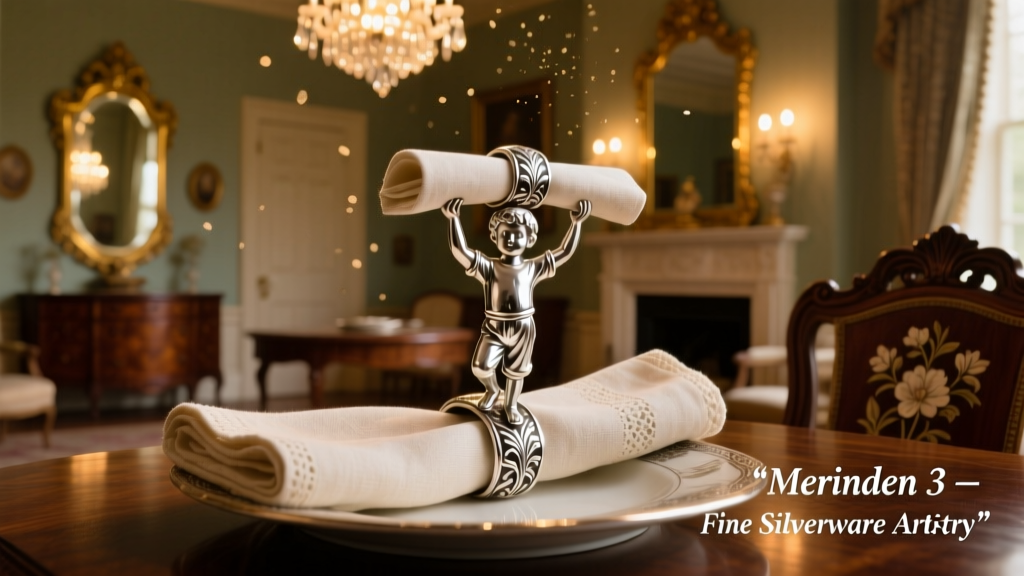
Meriden Silver Plate Figural Boy Napkin Ring: Identification, History, and Restoration Guidance
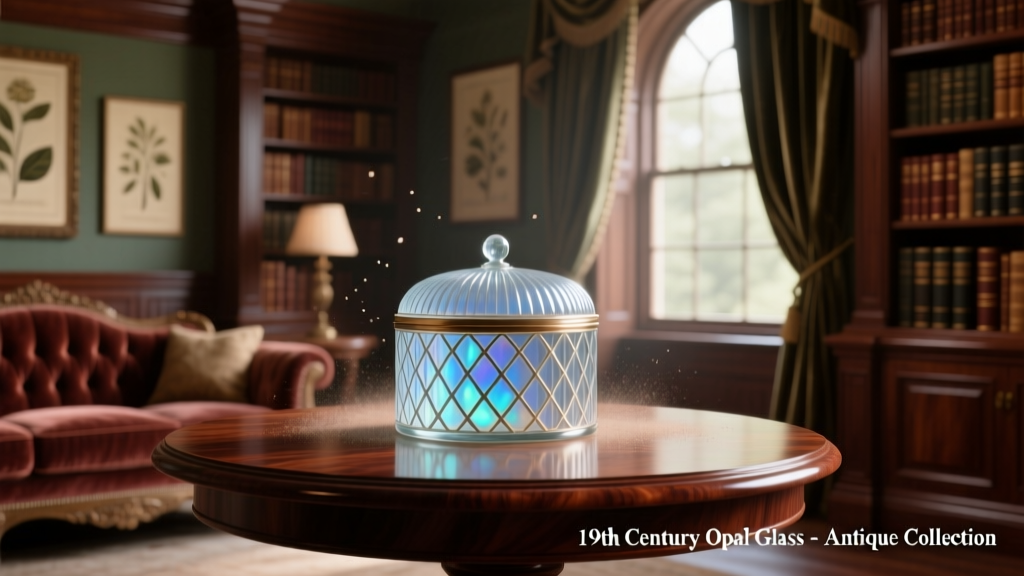
Pressed Glass Ribbed Opal Lattice Box Cover: Blue Opalescent Round 5-Inch — Identification, History, and Conservation
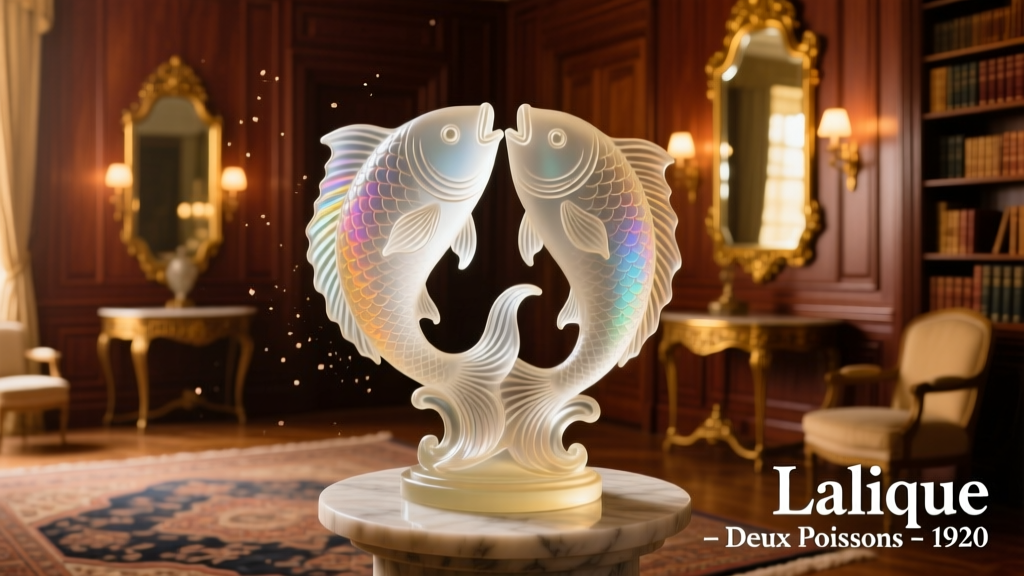
Lalique Figurine 'Deux Poissons': A Deep Examination of the Frosted 12-Inch Dual Fish Sculpture

Automobiles, Motorbikes, Advertising & Auction: The Convergence of Vintage Transport, Graphic Art, and Collectible Markets
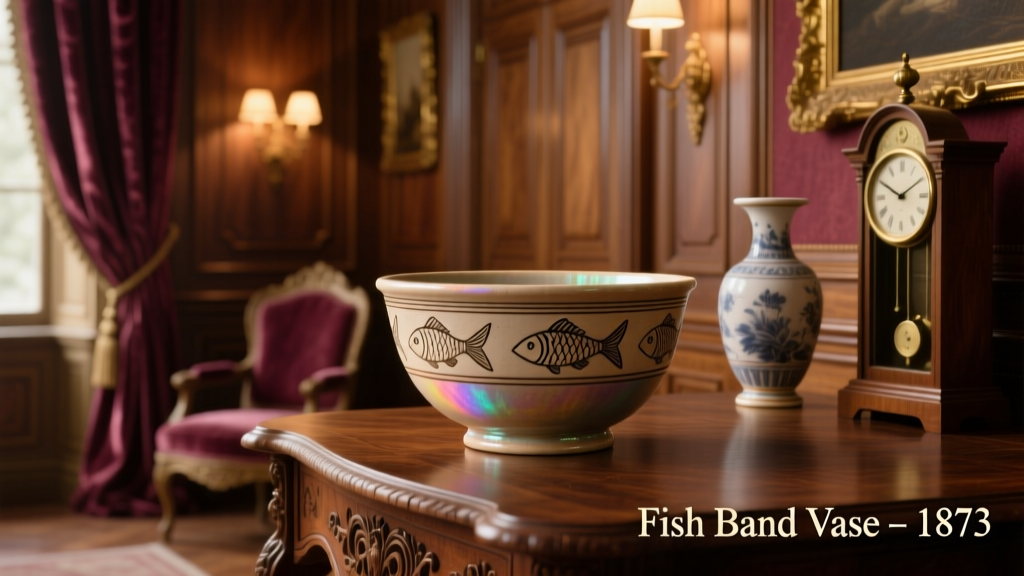
The Scheier Fish Band Bowl: A Mid-Century American Studio Pottery Masterpiece
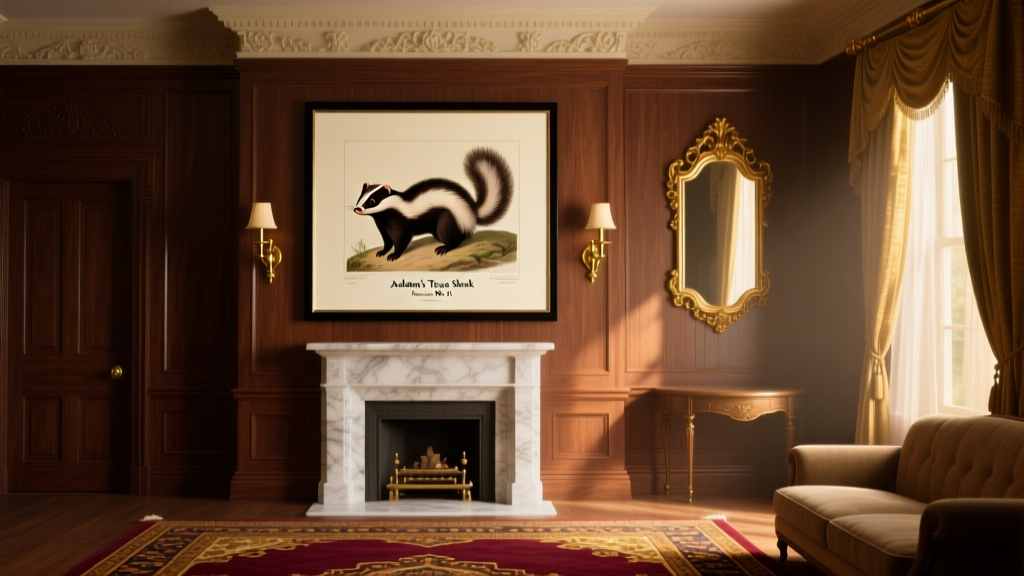
Audubon’s Texan Skunk No. 11: Conservation, Provenance, and Matting Best Practices for the 22 × 18-Inch Framed Print