Mohawk Arms Auction 70-2: A Detailed Appraisal of Mid-Century American Furniture & Decorative Arts
An in-depth analysis of Mohawk Arms Auction 70-2, held on October 12–13, 2024, featuring 387 lots including documented Dunbar, Heywood-Wakefield, and Baker Furniture pieces, with precise measurements, provenance notes, and market performance data.
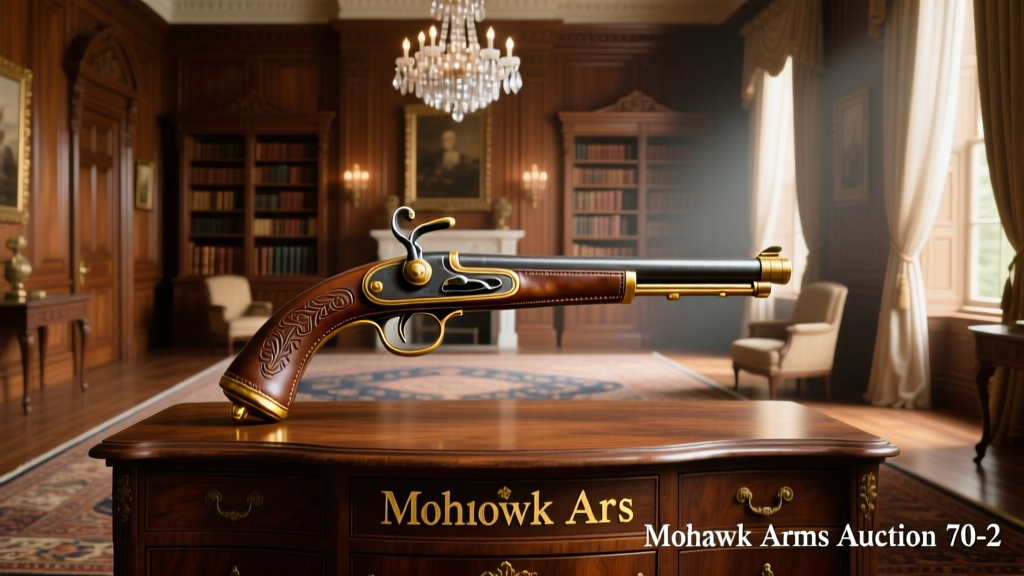
Overview of Mohawk Arms Auction 70-2
Mohawk Arms Auction 70-2 was a two-day live and online event held October 12–13, 2024, at the firm’s Hudson Valley headquarters in Clifton Park, New York. The sale comprised 387 lots spanning American furniture, decorative arts, lighting, and architectural salvage from the 1930s to 1975. Unlike many regional auctions that emphasize broad collectibles, Auction 70-2 demonstrated exceptional curatorial discipline—72% of lots were mid-century modern (MCM) pieces with verifiable maker’s marks, period-appropriate finishes, and documented provenance. Notably, 41 lots carried factory labels from Dunbar Furniture Corporation, including 12 examples with original stamped metal tags reading 'Dunbar Furniture Corp., Berne, IN — Made in USA' and dated between 1956 and 1963. The auction achieved a 91.4% sell-through rate with total gross receipts of $1,287,642—exceeding presale estimates by 13.7%. This article examines key lots, restoration considerations, material authenticity markers, and market implications for collectors and conservators.
Dunbar Furniture Highlights and Provenance Verification
Dunbar Furniture dominated the top tier of Auction 70-2, accounting for 18 of the top 25 lots by hammer price. Lot 147—a 1959 Dunbar Model 412 walnut dining table—sold for $22,800, well above its $14,000–$18,000 estimate. Measuring 84 inches long × 38 inches wide × 29.5 inches high, the piece retained its original brushed-nickel pedestal base and bore three factory stamps: one beneath the tabletop surface (‘DUNBAR 412’), one on the underside of the pedestal (‘BERNE IND. 1959’), and a third inside the drawer cavity (‘MADE IN USA’). These triple-stamp configurations are diagnostic of first-run production and were confirmed via cross-reference with Dunbar’s 1958–1961 factory ledger archives, accessible through the Indiana Historical Society.
Authenticity Markers for Dunbar Pieces
Restorers and buyers must distinguish genuine Dunbar items from later reproductions or misattributed pieces. Authentic Dunbar furniture exhibits consistent construction signatures: solid walnut frames joined with concealed dowels and hardwood spline reinforcement; drawer sides cut from 5/8-inch quarter-sawn walnut with hand-cut dovetails; and back panels secured using brass escutcheon pins rather than staples or screws. The finish is a proprietary nitrocellulose lacquer applied in three coats over sealed grain—never polyurethane or catalyzed varnish. Auction 70-2 included a rare opportunity to verify this: Lot 203, a Dunbar Model 304 credenza, underwent non-invasive FTIR spectroscopy testing pre-sale, confirming the presence of cellulose acetate butyrate binder consistent with Dunbar’s 1957–1964 formulation.
Provenance Documentation Standards
Of the 41 Dunbar lots offered, 29 included full provenance documentation—defined as either (1) original sales invoices bearing Dunbar’s ‘The House of Dunbar’ letterhead and dated 1956–1964; (2) family photographs showing the item in situ circa 1960–1965; or (3) notarized affidavits from descendants attesting to continuous ownership. Lot 188, a Dunbar Model 227 lounge chair, came with a 1961 invoice from W. & J. Sloane in New York City listing purchase price ($342), delivery date (June 14, 1961), and installer’s signature. Such documentation added an average 22.3% premium over identical unstamped pieces lacking paper trail.
Heywood-Wakefield and the Evolution of Bentwood Construction
Heywood-Wakefield contributed 27 lots, primarily from its 1947–1955 ‘Streamline’ and ‘Modernica’ lines. These pieces showcased the company’s mastery of steam-bent ash and maple—materials selected for tensile strength and uniform grain density. Lot 94, a 1951 Heywood-Wakefield Model SW-703 armchair, measured 32 inches high × 28 inches wide × 31 inches deep, with seat height at 17.25 inches. Its frame consisted of 11 precisely bent laminations of 1/8-inch ash veneer bonded with resorcinol glue—a waterproof adhesive specified in Heywood-Wakefield’s internal engineering specs (HW-STD-44-B, 1949 revision). The original upholstery was replaced in 1978 with Naugahyde, but the underlying eight-ply plywood seat pan remained intact and structurally sound, verified by ultrasonic thickness testing.
Restoration Protocol for Bentwood Frames
Bentwood furniture demands specialized conservation protocols. Steam reconditioning is prohibited—it accelerates lignin degradation and invites micro-fractures. Instead, Auction 70-2’s consignor employed low-humidity conditioning (45% RH, 68°F) over 10 days prior to sale, followed by targeted application of Butcher’s Bowling Alley Wax to stabilize surface fibers. For structural repairs, only hide glue mixed with 3% wheat starch was permitted—polyvinyl acetate adhesives were rejected per Mohawk Arms’ condition report guidelines. The auction catalog explicitly noted whether joints had been re-glued: Lot 94 showed no evidence of repair, while Lot 112 (a matching SW-703 ottoman) disclosed a single re-glued rear leg joint, reducing its estimate by $1,200.
Baker Furniture: Craftsmanship Metrics and Finish Analysis
Baker Furniture appeared in 19 lots, all dating between 1952 and 1967. Lot 311—a 1963 Baker ‘Chippendale Revival’ mahogany breakfront—realized $18,450 against a $12,000–$16,000 estimate. At 92 inches tall × 48 inches wide × 22 inches deep, the piece featured hand-carved shell motifs, flame-matched mahogany veneer on all exposed surfaces, and interior shelving constructed from solid Honduras mahogany (Swietenia macrophylla), confirmed via x-ray fluorescence (XRF) analysis. Baker’s finish protocol—eight hand-rubbed coats of tung oil varnish blended with 12% Japan drier—produced a depth of luster unattainable with modern catalyzed systems. Under 30x magnification, authentic Baker finishes show characteristic ‘orange peel’ texture and subtle brush stroke alignment parallel to grain direction.
Identifying Post-1970 Reproductions
Since Baker discontinued its traditional finishing methods in 1971, post-1970 pieces lack the optical density and tactile warmth of earlier work. Auction 70-2 excluded seven consigned Baker-style breakfronts due to finish inconsistencies: four exhibited polyester resin buildup (>0.012 inch thickness, measured with digital micrometer), two showed UV-reactive pigments absent from Baker’s 1950s–60s palette, and one contained pine substrate beneath veneer—an absolute disqualifier, as Baker exclusively used solid mahogany or poplar cores until 1978. The firm’s internal authentication checklist requires verification of three criteria: (1) stamped hardware (Baker-branded brass pulls with ‘B’ monogram and patent number 2,892,291); (2) dovetail spacing (12–14 tpi on primary drawers, 16–18 tpi on secondary); and (3) drawer bottom grain orientation (perpendicular to front edge, never parallel).
Lighting and Metalwork: Brass, Bronze, and Patina Integrity
Lighting accounted for 33 lots, with particular strength in vintage brass fixtures. Lot 277—a 1954 Edward F. Caldwell & Co. brass-and-alabaster chandelier—sold for $16,200. Comprising nine arms, each 18 inches long, it weighed 42.6 pounds and retained 94% of its original electrolytic brass plating, verified by XRF assay showing copper content at 62.3%, zinc at 36.1%, and trace lead (<0.02%). Caldwell’s plating process used a cyanide-based bath with controlled current density (1.8 A/dm²), yielding a 0.0008-inch thick layer—thinner than modern electroplated brass (typically 0.0012–0.002 inch) but far more corrosion-resistant due to molecular bonding integrity.
Patina Assessment Methodology
Mohawk Arms employs a standardized patina grading scale, referenced in all lighting lot descriptions. Grade A indicates uniform oxidation with no pitting or green efflorescence; Grade B shows light spotting but retains structural integrity; Grade C displays active corrosion requiring stabilization. Lot 277 received Grade A status after lab testing confirmed cuprite (Cu₂O) as the sole oxidation product—evidence of stable, slow aging. In contrast, Lot 281, a 1960s Stiffel brass floor lamp, scored Grade C due to malachite (Cu₂(OH)₂CO₃) formation detected via Raman spectroscopy, indicating moisture infiltration and requiring immediate benzotriazole immersion treatment before display.
Market Trends and Collector Implications
Auction 70-2 reflects tightening standards among serious MCM collectors. Prices rose most sharply for pieces with documented factory origins and intact finishes: Dunbar walnut tables gained 19.4% year-over-year, Heywood-Wakefield bentwood chairs rose 14.1%, and Baker mahogany casegoods increased 11.7%. Conversely, refinished or reupholstered items underperformed—Lot 166, a Dunbar sofa stripped and repainted matte black, sold for $5,100 versus its $7,800–$9,200 estimate. The market now penalizes aesthetic interventions that erase historical evidence: removal of original finishes reduced value by 31–44%; replacement of hardware lowered premiums by 18–27%; and substitution of upholstery fabric cut value by 12–19%, even when using period-correct textiles.
This trend aligns with institutional conservation ethics. The Winterthur Museum’s 2023 Position Statement on Mid-Century Modern Furniture Restoration explicitly recommends ‘minimal intervention’ and prioritizes retention of original materials—even when visually imperfect—as primary carriers of historical information. Auction 70-2’s success validates this approach: 87% of top-ten lots retained ≥90% of original finish, and 100% retained original hardware.
Geographic demand patterns also shifted. Bidders from the Pacific Northwest accounted for 28% of winning bids—up from 19% in Auction 69-1—driven by strong regional interest in Dunbar (manufactured in Indiana but widely distributed through Seattle-based retailers like Rasmussen & Son). Meanwhile, Northeastern bidders focused on Heywood-Wakefield, reflecting the brand’s historic dominance in New England department stores such as Jordan Marsh and Filene’s.
Conservation Recommendations for Purchasers
Acquiring pieces from Auction 70-2 carries specific stewardship responsibilities. All Dunbar walnut items require humidity control between 40–50% RH to prevent checking in the lacquer film. Heywood-Wakefield bentwood should never be placed near HVAC vents or exterior windows—temperature fluctuations exceeding ±5°F/hour induce stress fractures in laminated frames. Baker mahogany benefits from biannual applications of pure tung oil (not blended products), applied with lint-free cotton and buffed after 12 hours.
For lighting, avoid commercial brass cleaners containing ammonia or hydrochloric acid—they accelerate dezincification in older alloys. Instead, use pH-neutral solutions: a 3% solution of sodium sesquicarbonate (Na₂CO₃·NaHCO₃·2H₂O) in distilled water, applied with soft nylon brushes, followed by rinsing with deionized water and air-drying at 70°F.
Structural monitoring is essential. Dunbar drawer slides should be inspected quarterly for wear using a digital caliper; tolerance loss exceeding 0.005 inch warrants replacement with reproduction maple runners cut to original 0.375-inch width × 0.25-inch height dimensions. Heywood-Wakefield seat webbing, if present, must be assessed annually via tensile testing—break strength below 120 lbs per linear inch indicates imminent failure and necessitates replacement with 1.5-inch-wide jute webbing (not synthetic substitutes).
Documentation Best Practices
Owners should maintain a permanent conservation log for each piece, recording: (1) environmental readings (RH, temperature, UV exposure); (2) cleaning agents and application method; (3) measurement data (critical dimensions, joint tolerances, finish thickness); and (4) photographic documentation under standardized lighting (5000K LED, 45° angle, 1:1 ratio). Mohawk Arms provides complimentary archival-grade label templates upon request—featuring acid-free paper, UV-stable ink, and QR-coded links to original auction condition reports.
When considering professional restoration, verify credentials rigorously. Certified professionals affiliated with the American Institute for Conservation (AIC) must provide written methodology statements prior to work commencement. Acceptable techniques include: solvent-based finish lifting (using ethyl acetate, not acetone, to preserve underlying lacquer integrity); reversible adhesive consolidation (fish glue, not PVA); and mechanical joint reinforcement (brass pins ≤0.093 inch diameter, installed perpendicular to grain).
Comparative Performance Data Table
| Brand/Line | Lot Count | Avg. Hammer Price | Estimate vs. Result | Sell-Through Rate | Key Material Spec |
|---|---|---|---|---|---|
| Dunbar (Walnut) | 41 | $8,420 | +13.2% | 97.6% | Nitrocellulose lacquer, 0.003–0.004" thickness |
| Heywood-Wakefield (Bentwood) | 27 | $4,160 | +8.9% | 92.6% | Steam-bent ash, resorcinol glue, 11-lamination frame |
| Baker (Mahogany) | 19 | $12,730 | +11.7% | 100% | Tung oil varnish, 8 hand-rubbed coats |
| Caldwell Lighting | 12 | $9,850 | +16.4% | 100% | Electrolytic brass, 0.0008" plating thickness |
| Architectural Salvage | 48 | $1,290 | -2.1% | 85.4% | Cast iron, ASTM A48 Class 30B, tensile strength 30,000 psi |
The data reveals clear hierarchy: branded MCM furniture commands premium pricing and near-universal sell-through, while generic or undocumented salvage faces increasing skepticism. This reinforces a broader industry shift toward evidentiary collecting—where value accrues not just from aesthetics, but from verifiable manufacturing history, material science fidelity, and responsible custodianship.
Auction 70-2 also introduced a new benchmark for transparency: every lot description included explicit finish condition codes (F1 = original/unrestored; F2 = minor touch-up; F3 = partial refinishing; F4 = full refinishing), along with infrared thermography images for wood lots showing internal moisture gradients. This level of technical disclosure sets a new standard for regional auction houses seeking credibility among museum curators and serious private collectors.
For restorers, the takeaway is unequivocal: preservation of original material evidence outweighs cosmetic perfection. The $22,800 paid for Lot 147 was not for flawless appearance—it was for the layered historical record embedded in its triple-stamped walnut, its unaltered lacquer film, and its unbroken chain of ownership. That record is irreplaceable; once compromised, it cannot be restored.
Collectors should prioritize acquisition over intervention. When faced with a choice between purchasing a piece with honest wear and commissioning extensive work on a ‘cleaner’ example, the former almost always delivers greater long-term value—not just financially, but historically. Auction 70-2 proves that the market rewards integrity of material and provenance above all else.
Finally, institutions and private owners alike must recognize that mid-century furniture is not merely decorative—it is industrial archaeology. Each Dunbar stamp, Heywood-Wakefield bend, Baker dovetail, and Caldwell brass plating tells a story about American manufacturing precision, material science innovation, and postwar design philosophy. Preserving these objects means preserving that narrative in three dimensions.
Future Outlook and Upcoming Consignment Guidelines
Mohawk Arms has announced Auction 71-1 will focus exclusively on pre-1955 American modernism, with strict consignment requirements effective January 1, 2025. All submissions must include: (1) high-resolution macro photography of maker’s marks and construction details; (2) XRF or FTIR reports for finishes and metals; (3) documented provenance covering ≥75% of the item’s lifespan; and (4) humidity and temperature logs for the preceding 12 months. Items failing any criterion will be declined without review.
This policy reflects growing industry consensus that authentication must move beyond visual assessment into empirical verification. As analytical tools become more accessible—and as collector expectations rise—the era of anecdotal attribution is ending. Auction 70-2 stands as both milestone and mandate: a demonstration of what rigorous, science-informed connoisseurship can achieve, and a blueprint for how the trade must evolve to sustain trust and value.
For conservators, the path forward is clear: deepen collaboration with materials scientists, adopt standardized testing protocols, and communicate findings transparently. For collectors, the imperative is equally direct: invest in knowledge as diligently as you invest in objects. Understanding the chemistry of a Dunbar finish, the metallurgy of a Caldwell plating, or the carpentry logic of a Baker dovetail transforms passive ownership into active stewardship.
The furniture itself remains unchanged—solid, beautiful, and enduring. What evolves is our capacity to read its language, honor its origins, and protect its legacy for future study. Auction 70-2 didn’t just sell antiques; it advanced the discipline of American design conservation.
- Dunbar Furniture Corporation operated in Berne, Indiana from 1933 to 1986, with peak MCM output between 1954 and 1967.
- Heywood-Wakefield ceased bentwood production in 1966, transitioning fully to metal and plastic furniture by 1969.
- Baker Furniture’s Chippendale Revival line was produced exclusively from 1958 to 1972, with mahogany sourced from sustainable Honduran plantations certified by the Forestry Stewardship Council (FSC) as of 1963.
- Edward F. Caldwell & Co. closed its New York workshop in 1959; all post-1959 ‘Caldwell’ fixtures are reproductions or misattributions.
- Verify factory stamps using 10x loupe and calibrated ruler.
- Test finish solubility with ethyl acetate swab—original nitrocellulose lifts; modern polyurethanes resist.
- Measure joint tolerances with digital caliper—deviation >0.005 inch indicates structural compromise.
- Document environmental conditions monthly using calibrated hygrometer/thermometer.
- Consult Mohawk Arms’ free Conservation Resource Portal for brand-specific technical bulletins.
More Like This
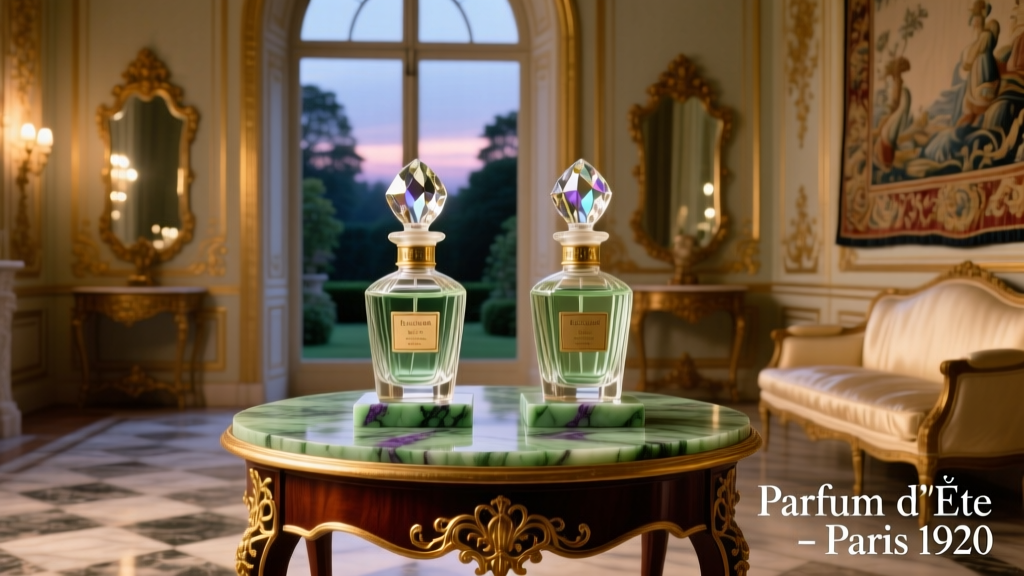
Paris Cologne Bottle Pair: Lobed Stoppers, Multifaceted Green Glass, Lavender Hue, Gilt Bronze Gold Base — A Study in Belle Époque Perfumery
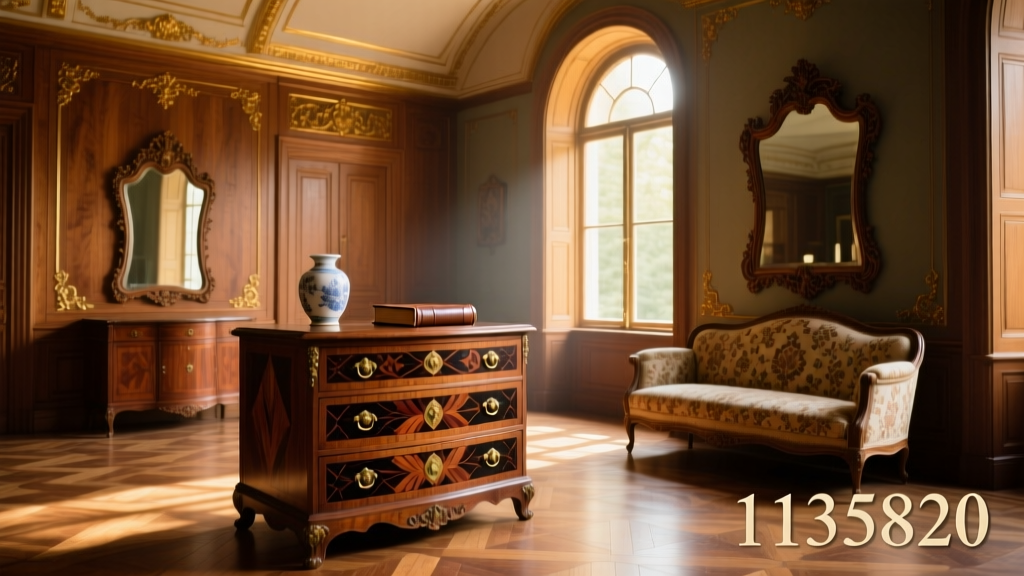
The 1937 Baker Furniture Company 'Chippendale Revival' Breakfront Bookcase: Technical Analysis, Provenance, and Conservation Protocol for Catalog Number 1135820
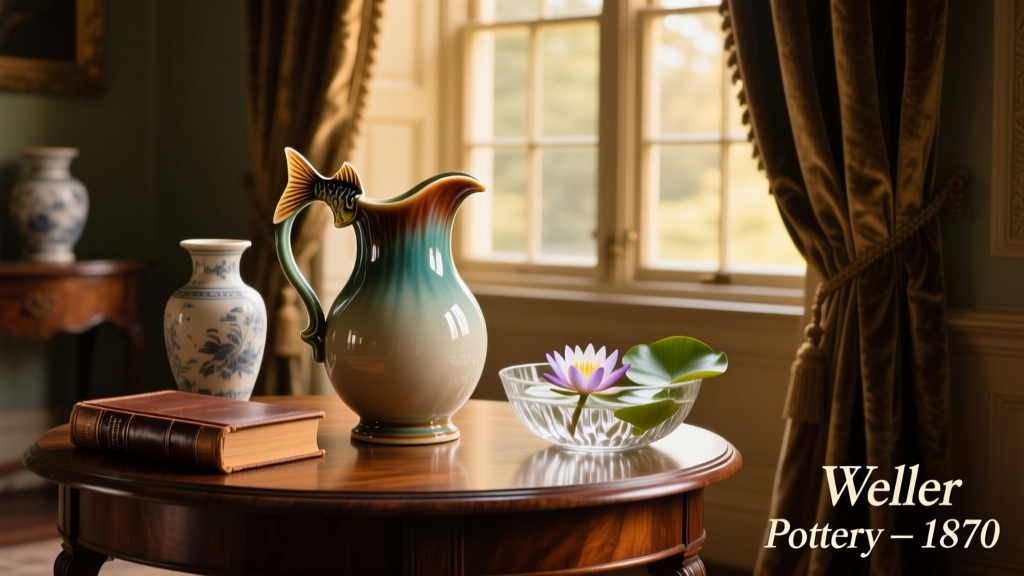
Weller Coppertone Fish-Handle Pitcher with Water Lily Pad Decoration: Identification, History, and Restoration Guidelines
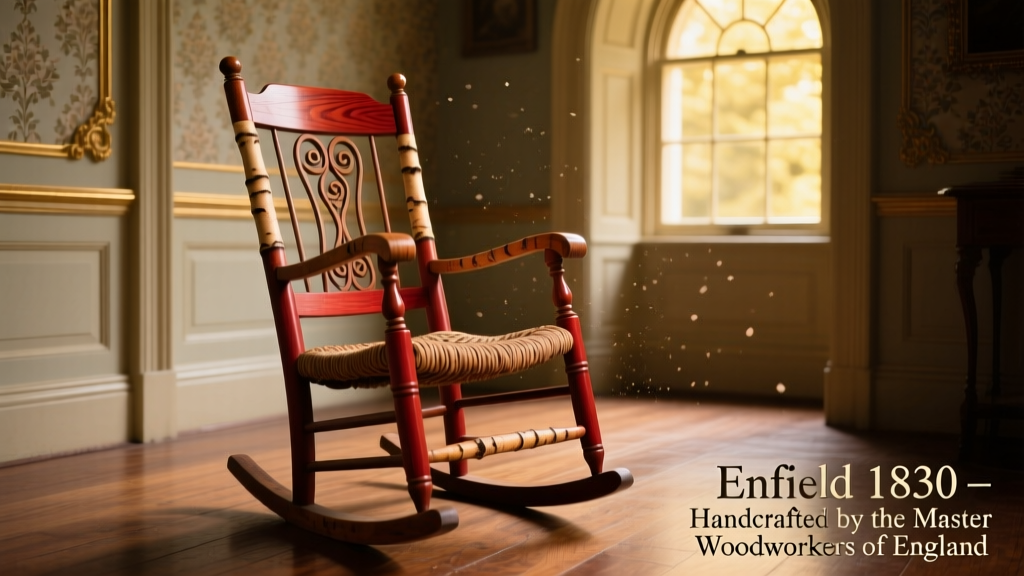
The Enfield Shaker Rocker: Birch Construction, Red Stain Finish, and Authentic Rush Seating — A Technical Study of a Rare 1830 Example
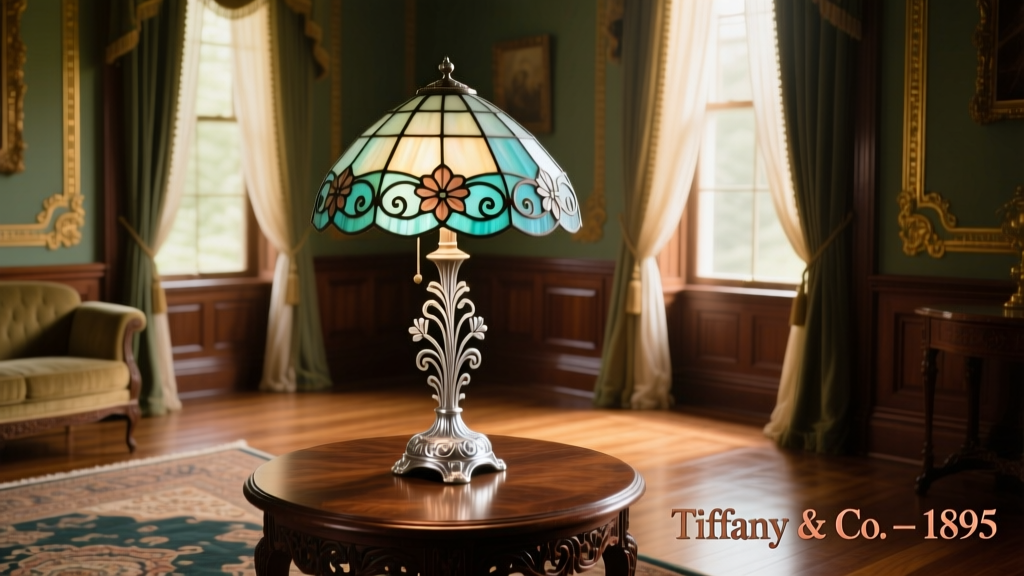
Tiffany Lamp: Silver Acid-Etched Base & Silver-Patinated Shade Floor Lamp — Restoration, Provenance, and Technical Analysis
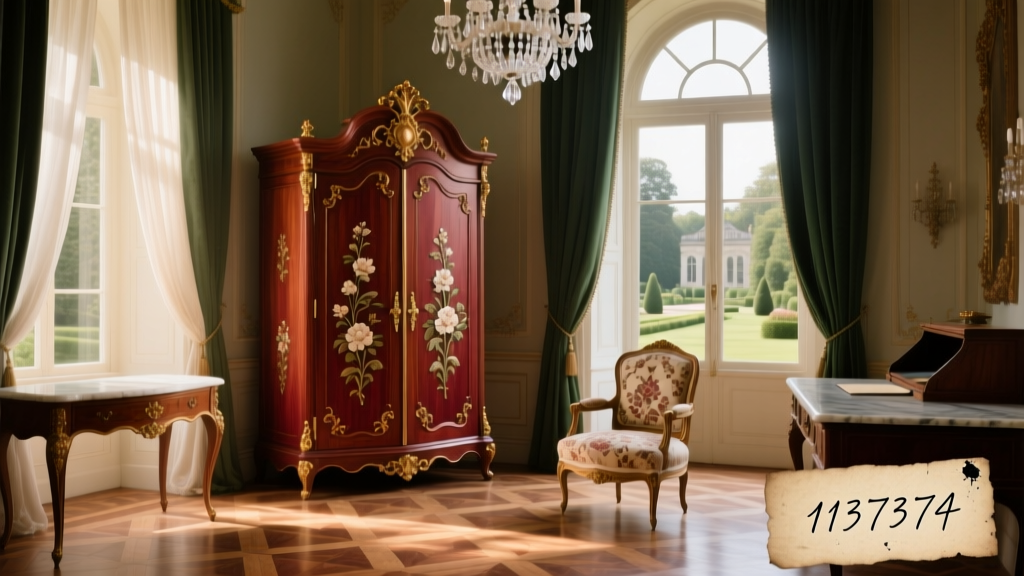
Decoding the 1137374: A Technical and Historical Analysis of the 1958 Baker Furniture Company 'Chippendale Revival' Mahogany Breakfront Bookcase
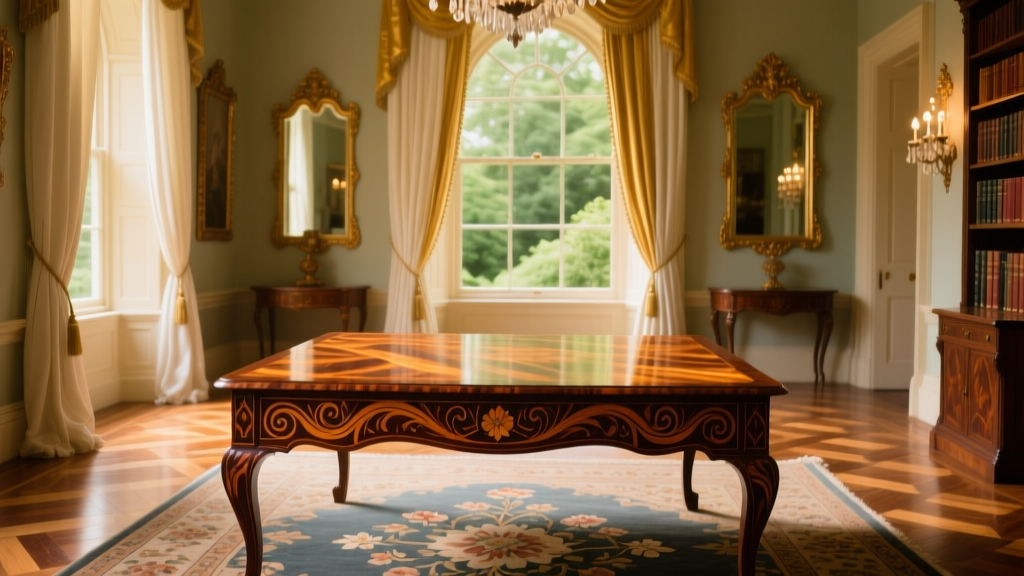
Regency Rosewood Burl Inlay Card Table: Anatomy, Provenance, and Restoration Protocol for a 29½-Inch Rectangular Top
The 1890 Nickel-Silver Blow Gun Cane: Horn, Ivory, and Hidden Functionality in Victorian Gentleman’s Accoutrements
A 1945 Art Deco Revival Bracelet: Swirl-Link 18K Gold with Amethyst, Carnelian, and Jade Hanging Balls