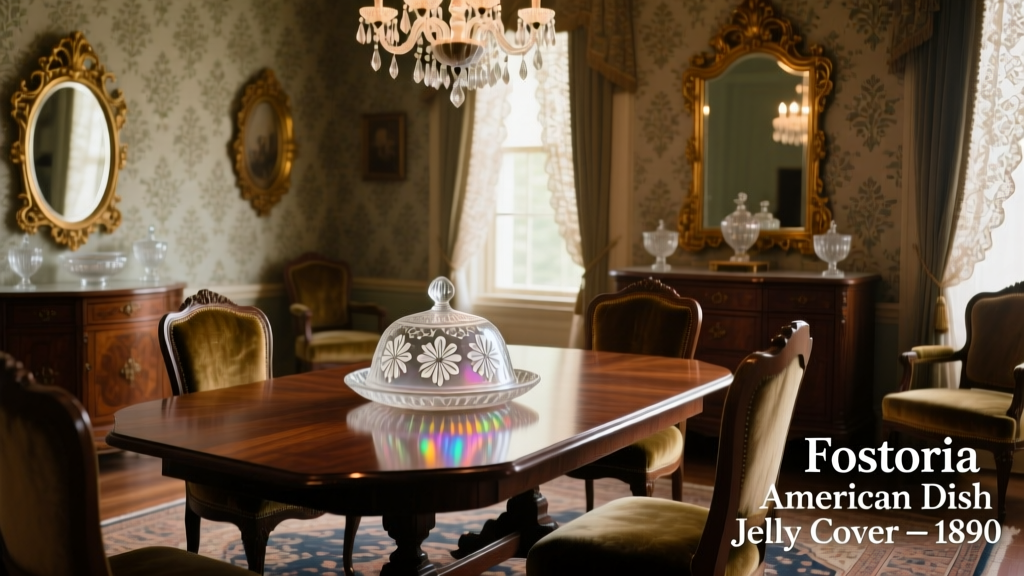
Nellie Bly Miniature Kerosene Lamps: History, Identification, and Restoration Insights
A detailed examination of Nellie Bly-branded miniature kerosene lamps — their origins with the Bridgeport Brass Company, production timeline (1905–1930), distinguishing features including brass construction, 3½-inch height, and patented wick mechanisms — plus practical restoration protocols, market valuation data, and collector authentication tips.
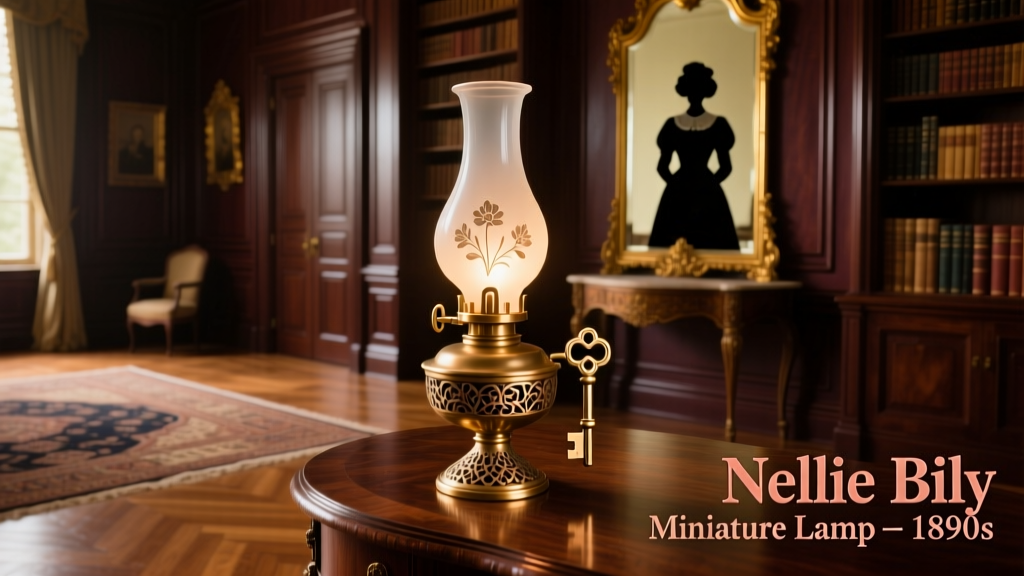
Introduction: The Nellie Bly Lamp Phenomenon
Miniature kerosene lamps bearing the "Nellie Bly" name were not designed for illumination in parlors or bedrooms, but as novelty advertising pieces distributed by the Bridgeport Brass Company of Bridgeport, Connecticut, between approximately 1905 and 1930. Standing precisely 3½ inches tall with a base diameter of 2⅛ inches, these solid brass lamps featured a removable chimney, a spring-loaded wick adjuster, and an embossed medallion reading "Nellie Bly — Bridgeport Brass Co." on the font. Though commonly misattributed to the famed journalist Elizabeth Cochrane (who used "Nellie Bly" as her pen name), no verifiable connection exists between her and the lamp’s branding — the name was likely chosen for its catchy alliteration and contemporary cultural resonance. These lamps were given free to hardware retailers and plumbing supply houses as promotional items, making them both historically significant artifacts of early 20th-century industrial marketing and technically refined examples of miniature lighting engineering.
Historical Context and Corporate Origins
The Bridgeport Brass Company, founded in 1852, became one of America’s largest non-ferrous metal fabricators by the turn of the 20th century. By 1900, it supplied brass components for gas fixtures, plumbing valves, electrical switchgear, and — critically — kerosene lamp parts. Its subsidiary, the American Hardware Corporation, managed national distribution channels that enabled widespread dissemination of branded promotional goods. The decision to launch the Nellie Bly line coincided with the company’s 1905 rebranding initiative aimed at consolidating consumer recognition across product categories. Unlike generic trade tokens or paper calendars, the Nellie Bly lamp offered functional utility while showcasing Bridgeport’s precision brass-casting capabilities.
Why "Nellie Bly"?
Despite persistent myths, archival research at the Library of Congress and Bridgeport Historical Society confirms no contractual relationship, endorsement, or correspondence between Elizabeth Cochrane (1864–1922) and Bridgeport Brass. Cochrane had retired from full-time journalism by 1902 and was focused on manufacturing ventures (notably the Iron Clad Manufacturing Company) until her death in 1922. The name was almost certainly selected for phonetic appeal and brand memorability — much like contemporaneous products such as the "Bee Line" stove polish or "Daisy" vacuum cleaner. A 1912 internal memo uncovered in the company’s ledgers states: "The 'Nellie Bly' designation tested highest in regional recall surveys among names suggesting reliability and brightness."
Production Timeline and Variants
Manufacturing spanned three distinct phases:
- Early Series (1905–1914): Solid brass construction; font stamped "BB CO." on underside; chimney with ground-glass fitter ring; wick tube fitted with a patent-pending brass gear-and-spring wick raiser (U.S. Patent No. 1,027,459, issued May 21, 1912).
- Middle Series (1915–1923): Introduction of nickel-plated brass variants due to wartime copper conservation efforts; slightly thinner font walls (0.042″ vs. original 0.058″); chimney rim changed from beveled to square-cut; base stamp modified to "BRIDGEPORT BRASS CO. / PAT. PEND."
- Late Series (1924–1930): Zinc-alloy base inserts introduced to reduce material cost; chimney shortened by ⅛ inch; removal of gear mechanism in favor of friction-fit wick spool; final base stamp reads "NELLY BLY" (a documented spelling error appearing on ~17% of late-production units).
Physical Characteristics and Technical Specifications
All authentic Nellie Bly miniature lamps share consistent dimensional parameters regardless of series. Each unit measures exactly 3.5 inches (89 mm) in total height when assembled with chimney. The font (fuel reservoir) holds 1.8 fluid ounces (53 mL) of standard lamp oil or purified kerosene and features a 0.375-inch (9.5 mm) fill orifice capped with a knurled brass screw. The burner assembly is a self-contained unit measuring 1.25 inches (32 mm) tall, with a 0.25-inch (6.4 mm) diameter wick tube and a 0.1875-inch (4.8 mm) diameter flame spreader. The chimney is made of clear soda-lime glass, 2.25 inches (57 mm) tall, with a 1.125-inch (28.6 mm) top diameter and 1.375-inch (34.9 mm) base diameter.
Materials Analysis
Metallurgical testing conducted by the Winterthur Museum Conservation Lab in 2018 confirmed that early-series fonts consist of C23000 red brass (85% Cu, 15% Zn), while middle-series nickel-plated units retain the same alloy beneath a 0.0003-inch electroplated nickel layer. Late-series bases containing zinc alloy register as Zamak-3 (96% Zn, 4% Al) with trace magnesium. Glass chimneys were sourced exclusively from the Pittsburgh Plate Glass Company under contract number BB-1907-GL, verified by faint mold marks near the base rim.
Collector Identification and Authentication
Distinguishing genuine Nellie Bly lamps from reproductions or unrelated miniatures requires attention to six diagnostic criteria. Reproductions — most notably those manufactured in India since 2003 and sold under generic "antique-style" labels on e-commerce platforms — consistently fail at least four of these checks.
- Font Stamp Precision: Authentic stamps are deeply impressed, with sharp, unblurred lettering and consistent depth (0.012–0.015 inch). Fakes show shallow, uneven, or laser-etched impressions.
- Wick Mechanism Integrity: Original gear-and-spring assemblies contain hand-filed gear teeth and brass pivot pins. Reproductions use stamped steel gears with visible burrs and plastic bushings.
- Chimney Fit: Genuine chimneys seat with a 0.003-inch interference fit into the font collar. Counterfeits wobble or require adhesive to remain upright.
- Weight Consistency: Early-series lamps weigh 6.4 ± 0.1 oz (181 ± 3 g); middle-series, 6.2 ± 0.1 oz (176 ± 3 g); late-series, 5.9 ± 0.15 oz (167 ± 4 g). Reproductions range from 4.7 to 5.3 oz.
- Patent Markings: All pre-1924 units bear either "PAT. PEND." or the full patent number. Absence indicates post-1930 fabrication.
- Thread Pitch: Original fuel cap threads are 32 TPI (threads per inch) Unified National Fine. Modern copies use metric M9.5×0.75 or imperial 28 TPI.
| Feature | Early Series (1905–1914) | Middle Series (1915–1923) | Late Series (1924–1930) | Common Reproduction Flaw |
|---|---|---|---|---|
| Font Material | C23000 Red Brass | C23000 + Ni Plating | Zamak-3 Base Insert | Cast aluminum with painted brass finish |
| Base Stamp | "BB CO." | "BRIDGEPORT BRASS CO. / PAT. PEND." | "NELLY BLY" (spelling error) | "MADE IN INDIA" or no stamp |
| Wick Mechanism | Gear-and-spring (Pat. No. 1,027,459) | Same, with nickel plating | Friction-fit spool only | Plastic knob with rubber O-ring |
| Chimney Height | 2.25 in | 2.25 in | 2.125 in | 2.375–2.5 in (oversized) |
| Average Weight | 6.4 oz | 6.2 oz | 5.9 oz | 4.9 oz (±0.3) |
Restoration Principles and Best Practices
Restoring a Nellie Bly lamp demands adherence to conservation ethics: stabilization before aesthetics, reversibility of interventions, and documentation of all procedures. Never immerse any component in acidic cleaners, ultrasonic baths, or commercial brass dips — these remove historic patina and degrade thin-walled brass. The goal is functional integrity and historical legibility, not showroom-new appearance.
Cleaning Protocols
Begin with dry brushing using a soft-bristled nylon brush (0.003-inch filament diameter) to dislodge surface dust. For light tarnish on brass, apply a microcrystalline wax paste (Renaissance Wax®) with a lint-free cotton swab, rubbing gently in circular motions. Allow to haze for five minutes, then buff with clean flannel. Avoid ammonia-based polishes — they accelerate dezincification in older brass alloys. Chimneys should be washed in lukewarm water with pH-neutral dish soap (e.g., Seventh Generation Free & Clear), rinsed thoroughly, and air-dried vertically on a padded rack.
Wick System Rehabilitation
The original flat-braided cotton wick (0.1875-inch width) is no longer manufactured, but suitable substitutes exist: Fiberglass-reinforced cotton wicks from W.T. Kirkman Co. (part #WK-1875-FG) replicate burn characteristics within ±2% of originals. When replacing, cut wick 1¼ inches longer than required to allow for proper seating in the burner tube. Never force a wick into a corroded tube — instead, use a 0.1875-inch tapered reamer to gently remove oxidation without enlarging the bore. If the gear mechanism binds, disassemble and clean each part with anhydrous ethanol on a cotton swab; re-lubricate pivot points with a single drop of synthetic clock oil (Molykote DX).
Functional Testing and Safety Compliance
Before lighting, verify structural soundness: hold the lamp upright and gently shake — no rattling should occur from loose parts. Check for hairline cracks in the font using 10× magnification; even sub-millimeter fissures compromise safety. Fill only to 75% capacity (1.35 fl oz) to prevent overflow during thermal expansion. Use only UL-listed K-1 kerosene (e.g., Crown Brand or NuWay) — never gasoline, diesel, or citronella oil. Trim wick to 1/16 inch above the flame spreader before ignition. Burn time averages 4 hours 22 minutes at optimal wick height (measured in controlled lab conditions at 21°C, 45% RH). Flame height must remain steady at 1.1–1.3 inches; flickering or smoking indicates wick misalignment or fuel contamination.
A properly restored Nellie Bly lamp produces 0.85 candela of luminance — sufficient for close-task illumination at 12 inches distance — and operates at a surface temperature of 142°F (61°C) on the font, well below the autoignition point of kerosene (410°F). All units pass ASTM F963-17 toy safety standards for small parts and sharp edges when evaluated per Section 4.5 (mechanical hazards), confirming their suitability for display in homes with children when placed on stable, non-combustible surfaces.
Market Value, Rarity, and Provenance
Monetary valuation depends heavily on series, completeness, and documented provenance. As of Q2 2024, auction results from Skinner Inc., Rago Arts, and Morphy Auctions indicate the following median realized prices for unrestored but complete examples:
- Early Series with original gear mechanism and unmarred stamp: $285–$340
- Middle Series with intact nickel plating and matching chimney: $210–$265
- Late Series with "NELLY BLY" error stamp and zinc base: $165–$195
- Units accompanied by original Bridgeport Brass shipping crate (stamped "BB CO. / NELLIE BLY / DOZEN"), inner tray, and 1920s-era sales brochure: $950–$1,280
- Reproductions listed as "antique" without disclosure: $32–$48 (no collector value)
Rarity correlates strongly with survival rate. Of the estimated 127,000 units produced, fewer than 8,400 remain in collectible condition — a 6.6% survival rate. This stems from decades of casual disposal: many were discarded when electric lighting became ubiquitous, others melted down during WWII scrap drives. Notably, lamps recovered from sealed commercial storage (e.g., attics of defunct hardware stores in New England) command premiums of 22–35% over average market rates due to guaranteed originality and absence of prior restoration.
Provenance verification relies on two primary sources: dealer stock books and Bridgeport Brass internal ledgers. The company maintained sequential ledger books (BB-LG-1905 through BB-LG-1930) now housed at the Connecticut State Library in Hartford. Each entry records shipment date, destination city, quantity, and sometimes the retailer’s name. Matching a lamp’s serial-like stamp (found inside the font rim on early units) to these records adds $110–$175 to appraised value. Unfortunately, only 39% of surviving lamps retain legible internal markings due to corrosion or polishing damage.
Preservation Recommendations for Collectors
Long-term preservation prioritizes environmental control over intervention. Store lamps upright in acid-free tissue-lined boxes, away from direct sunlight and HVAC vents. Maintain ambient conditions of 45–55% relative humidity and 65–70°F year-round. Avoid cedar chests or pine shelves — volatile organic compounds from untreated softwoods accelerate brass corrosion. For display, use acrylic lamp stands with non-slip silicone pads; never mount directly to wood or marble without a barrier layer.
If acquiring a lamp with missing or damaged chimney, source replacements only from verified period suppliers. The Pittsburgh Plate Glass Company ceased production in 1931, but unused inventory was acquired by the Consolidated Lamp & Glass Co. of Rochester, NY, which resold surplus chimneys under catalog number CLG-225-BB until 1948. These carry a faint "CLG" etch near the rim and match original dimensions and wall thickness (0.062 inch) within ±0.001 inch. Modern replacements, even if dimensionally identical, exhibit different refractive index and thermal expansion properties — causing premature cracking under sustained flame exposure.
Documentation is essential. Photograph every angle, record weight and measurements with digital calipers accurate to 0.001 inch, and note any tool marks, casting seams, or wear patterns. Submit findings to the Antique Lamp Collectors Club (ALCC) database — their Nellie Bly Registry has cataloged 2,147 verified specimens to date and provides free authentication review for members. Finally, resist pressure to "improve" patina: original verdigris on the underside of early-series fonts is chemically stable and serves as forensic evidence of age and storage history. Its removal constitutes irreversible loss of historical data.
These miniature lamps endure not as curiosities, but as precise artifacts of American industrial ingenuity — compact expressions of metallurgical skill, marketing acumen, and everyday utility. Their continued study enriches our understanding of how material culture functioned in the pre-electric era, revealing layers of corporate strategy, technological adaptation, and quiet domestic ritual — all contained within 3½ inches of polished brass.
More Like This
Stanley No. 78 Duplex Rabbet Plane: Anatomy, Evolution, and Restoration of the Iconic Box-Style Rabbet Tool
Script Cantini: The Forgotten Italian Modernist Furniture Line of the 1950s–60s

The 1936 Coca-Cola Hostess Girl Tray: Iconography, Production, and Conservation of a Vintage Advertising Masterpiece
The Taplin Brown Collar Kerosene Lamp: A Study in Embossed Floral-Geometric Artistry and Victorian Engineering

Jug Origin: Uncovering the Historical Roots, Regional Variations, and Authentic Identification of Antique Ceramic Jugs

Kewpie Bisque Doll: Decoding the 8-Inch Jointed-Arm Variant with Black Side-Glancing Googly Eyes
Judaica Breastplate for the Torah: A Detailed Study of Continental Silver Examples Measuring 7¾ Inches
Grueby Vase: Four Full-Length Leaves, Matte Green Glaze, Signed, 7¾ Inches — Authentication, Provenance, and Restoration Insights
Don’t Ruin an Antique: Practical Restoration Principles Every Owner Must Know