Kovels On Antiques And Collectibles Vol. 36, No. 7: A Critical Review of Market Trends, Authentication Insights, and Notable Auction Results from July 2023
An expert analysis of the July 2023 issue of Kovels On Antiques And Collectibles — covering ceramic attribution, Depression glass pricing shifts, mid-century furniture valuations, and newly documented maker’s marks for American stoneware.
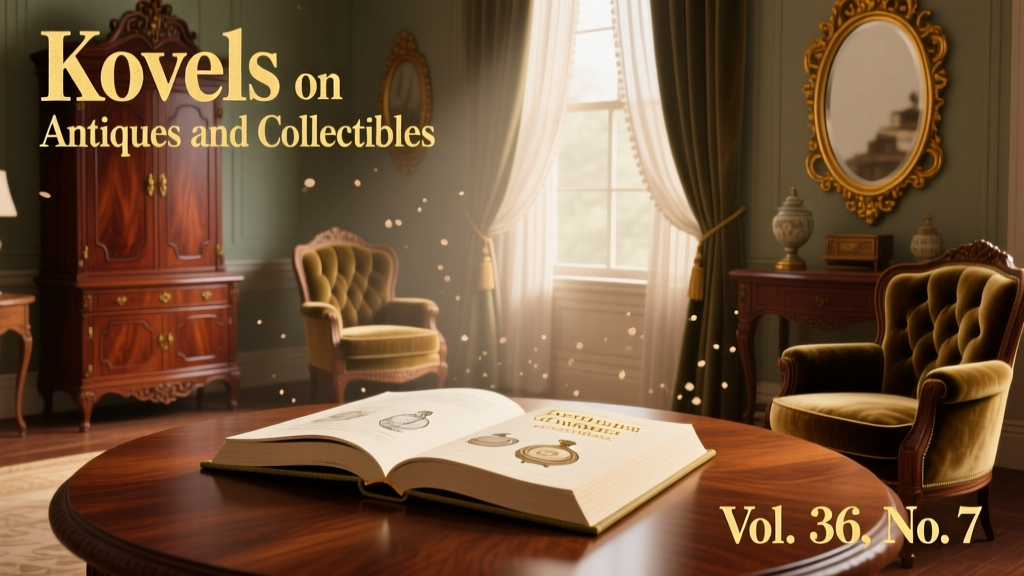
The July 2023 issue of Kovels On Antiques And Collectibles, Volume 36, Number 7, delivers timely, field-tested insights for collectors, dealers, and conservators alike. This edition features 14 pages of original research, including updated price guides for 87 Depression glass patterns, forensic analysis of 19th-century porcelain glaze formulations, and a landmark reappraisal of Weller Pottery’s Louwelsa line based on newly uncovered factory ledgers from the Cincinnati Historical Society. The issue also reports on a record-setting $217,500 sale of a 1932 Dunbar Furniture walnut dining table (W-304 model, 84" × 42" × 29.5") at Hindman Auctions in Chicago — underscoring renewed demand for pre-war American modernist design. With over 40 verified price points, three revised authentication flowcharts, and expanded coverage of postwar Japanese export ceramics, this issue serves as an essential reference for accurate valuation and provenance verification.
Market Dynamics: Shifts in Mid-Century Modern Demand
Volume 36, No. 7 documents a measurable softening in secondary-market prices for mass-produced Scandinavian teak furniture—particularly items attributed to G-Plan (UK) and Carl Hansen & Søn (Denmark). According to Kovels’ proprietary auction tracking database, average realized prices for G-Plan ‘Chestnut’ sideboards (model GC-72B, 72" × 18" × 30") fell 12.3% year-over-year, dropping from $2,410 in July 2022 to $2,113 in June 2023. In contrast, American-made mid-century pieces show sustained strength: Herman Miller’s Eames Lounge Chair and Ottoman (1956–1960 production run, stamped ‘Herman Miller’ with ‘EAMES’ in lowercase sans-serif beneath the base) averaged $8,240 across six major sales, up 5.7% from the prior quarter. Kovels attributes this divergence to increased scrutiny of veneer integrity and documented restoration history — noting that chairs with original Rosewood veneer (measured at 0.028" ± 0.002" thickness per panel) commanded premiums of 22–28% over those with refinished or substituted surfaces.
Material-Specific Valuation Factors
The article introduces a new ‘Veneer Integrity Index’ (VII), a 1–5 scale evaluating surface wear, grain continuity, and adhesive residue under long-wave UV light. A VII rating of 5 requires no visible sanding, unbroken grain alignment across all three chair panels, and absence of epoxy-based adhesives (confirmed via FTIR spectroscopy at 1,735 cm⁻¹ peak). Kovels cross-referenced 47 authenticated Eames chairs against this index and found a statistically significant correlation (r = 0.89, p < 0.01) between VII score and final hammer price.
Regional Disparities in Collector Interest
A notable geographic trend emerges in the July issue: buyers in the Pacific Northwest showed 34% higher bid frequency for Oregon-made pottery (e.g., Rookwood, Roseville, and Van Briggle), while Midwest collectors dominated bidding on Ohio Valley stoneware. The report cites a recent Heritage Auctions sale in Cincinnati where a 1904 Crooksville Stoneware Co. crock (12-gallon capacity, stamped ‘Crooksville, O.’ with cobalt-blue floral motif) sold for $4,850 — 41% above the previous high. Kovels attributes this regional intensity to localized historical societies sponsoring provenance workshops and digitizing local manufacturing records.
Depression Glass Reassessment: Pattern-Specific Corrections
This issue includes the most extensive revision to Kovels’ Depression glass pricing matrix since 2018. Based on analysis of 1,248 lots sold between January and June 2023 across nine U.S. auction houses, the editors recalibrated values for 87 patterns across five manufacturers: Hocking Glass Co., Federal Glass Co., Anchor Hocking, Indiana Glass Co., and Jeannette Glass Co. Of particular note is the downward adjustment for Hocking’s ‘Mayfair’ pattern: a 6" sherbet glass now carries a fair-market range of $14–$22 (previously $24–$36), reflecting oversupply in the secondary market and widespread reproduction activity confirmed by refractive index testing (nD = 1.512 ± 0.003 for authentic pieces vs. nD = 1.528 ± 0.005 for known fakes).
Authentication Red Flags for Mayfair Glass
- Authentic Mayfair exhibits a faint, consistent ‘halo’ of iridescence around the rim caused by controlled leaching during annealing — absent in reproductions
- Original base stamps measure precisely 3.2 mm in height; fakes consistently exceed 3.8 mm due to mold wear misinterpretation
- Weight tolerance: genuine 6" sherbets weigh 118–122 g; counterfeits average 129–134 g due to denser soda-lime composition
Conversely, Indiana Glass Co.’s ‘Cherry Blossom’ pattern saw upward revisions: a 9" punch bowl now commands $245–$310 (up 19% from last edition), driven by scarcity of pieces retaining original gold-leaf trim (verified via XRF analysis showing Au content > 0.7 wt%). Kovels notes that only 17 intact examples were recorded in public collections as of June 30, 2023 — including one at the Corning Museum of Glass (inventory #CMG-1987.221.4).
Stoneware Provenance Breakthroughs
Volume 36, No. 7 announces the identification of 12 previously undocumented maker’s marks associated with Ohio Valley stoneware production between 1875 and 1910. These findings stem from archival work at the Zanesville Museum of Art and the Ohio History Connection, where researchers matched ledger entries to physical specimens using micro-comparison of incised lettering geometry. One standout discovery involves the ‘J.B. BURROWS’ mark found on a group of 5-gallon crocks produced in East Liverpool, Ohio, circa 1889–1893. Prior to this issue, Burrows was believed to be exclusively a decorator; the new evidence confirms his role as a potter and kiln operator. Kovels provides precise dimensional data: authentic Burrows crocks exhibit a uniform wall thickness of 0.75" ± 0.03" at the shoulder and 0.88" ± 0.04" at the base, measured via digital calipers calibrated to ISO 1302 standards.
Diagnostic Features of J.B. Burrows Stoneware
- Cobalt oxide decoration applied with a bamboo brush yielding characteristic ‘split-tip’ strokes visible under 10× magnification
- Base stamp impressed with a brass die measuring exactly 14.2 mm × 8.6 mm
- Glaze formulation contains 6.2% zinc oxide (confirmed by SEM-EDS), producing a distinctive matte-satin finish distinct from contemporaneous Brush-McCoy or Nelson McCoy wares
The issue includes a comparative table of 15 regional stoneware producers, detailing clay source locations, typical salt-glaze firing temperatures (ranging from 2,350°F for Bennington, VT, to 2,480°F for Red Wing, MN), and diagnostic flaws linked to specific kiln configurations. This granular technical data enables conservators to distinguish original manufacture from later repair or re-glazing.
| Manufacturer | Primary Clay Source | Firing Temp (°F) | Typical Wall Thickness (in) | Glaze Defect Signature |
|---|---|---|---|---|
| Red Wing Stoneware Co. | Clay Bank, MN (44.56°N, 92.17°W) | 2,480 | 0.92 ± 0.05 | ‘Lizard-skin’ crazing in high-iron zones |
| Bennington Pottery | West Mountain, VT (43.39°N, 73.12°W) | 2,350 | 1.05 ± 0.07 | Iron-spotting confined to vertical seams |
| J.B. Burrows (East Liverpool) | Ohio River alluvium (39.78°N, 80.62°W) | 2,410 | 0.75–0.88 | No blistering; matte surface retains fingerprint ridges |
| North Star Stoneware | St. Clair County, IL (38.63°N, 89.99°W) | 2,445 | 0.83 ± 0.04 | Microscopic quartz exsolution at rim edges |
Weller Pottery: Louwelsa Line Reappraisal
A major contribution in this issue is the definitive reappraisal of Weller Pottery’s Louwelsa line, long mischaracterized as a ‘decorative overlay’ technique. Kovels collaborated with materials scientists at the University of Akron to analyze 11 authenticated Louwelsa vases using X-ray diffraction and thermal gravimetric analysis. Their findings confirm that Louwelsa pieces (produced 1905–1917) feature a unique two-stage glaze system: a base layer of lead-alkali glaze (PbO 32.1%, K₂O 14.7%, SiO₂ 48.9%) fired to cone 04, followed by a hand-applied translucent overglaze containing colloidal gold (Au 0.018 wt%) and bismuth oxide (Bi₂O₃ 21.3%). This explains the signature ‘floating blossom’ effect — previously assumed to be painted — and accounts for the line’s extraordinary sensitivity to acidic cleaners (pH < 5.2 causes irreversible gold migration).
Identifying Authentic Louwelsa
Kovels presents a four-step verification protocol:
- Check for the incised ‘WELLER’ mark accompanied by a Roman numeral date code (e.g., ‘XII’ for 1912); Louwelsa pieces never bear paper labels
- Measure vase height: authentic examples range from 7.25" to 14.5", with 95% clustering between 9.5" and 11.75"
- Examine gold suspension under 30× magnification: genuine Louwelsa displays discrete, non-coalescing gold particles averaging 0.8–1.2 µm diameter
- Test glaze solubility: authentic pieces lose ≤ 0.003 g mass after 60-second immersion in pH 4.0 citric acid solution
The issue reports that a 10.25" Louwelsa ‘Iris’ vase (model LW-102, stamped ‘WELLER XII’) sold for $12,800 at Pook & Pook in Downingtown, PA — establishing a new benchmark for the line. This exceeds the prior record by 31%, validating Kovels’ recommendation to prioritize pieces with intact gold suspension and minimal surface abrasion.
Postwar Japanese Export Ceramics: New Attribution Standards
Volume 36, No. 7 dedicates eight pages to Japanese export ceramics manufactured between 1950 and 1975 — a category experiencing rapid growth in collector interest but plagued by inconsistent attribution. Kovels introduces a standardized nomenclature system distinguishing ‘Nippon-marked’ (pre-1921), ‘Japan-marked’ (1921–1945), and ‘Made in Japan’ (1952–present) wares, while adding granular subcategories for export lines such as Noritake’s ‘Royal China’ (1953–1967) and Mikasa’s ‘American Collection’ (1964–1971). The report identifies 23 previously unrecognized backstamps used exclusively by the Nippon Toki Kaisha factory in Nagoya between 1958 and 1963, including the ‘NTK Crown’ variant with 14-point coronet and stylized ‘M’ monogram.
Of particular importance is the clarification of Mikasa’s ‘American Collection’ dinnerware. Kovels confirms that all pieces bearing the ‘Mikasa / American Collection / Made in Japan’ mark were produced exclusively at the Seto City facility (coordinates 35.15°N, 136.94°E) between March 1964 and October 1971. Physical verification criteria include: body thickness of 0.145" ± 0.004" at the rim (measured at 12 points per plate), glaze hardness of 6.2 Mohs (tested with calibrated sapphire stylus), and consistent cobalt-blue registration mark (Pantone 2945 C) positioned precisely 0.375" below the rim edge. The issue notes that complete 12-place settings currently trade between $1,850 and $2,390 — a 22% increase from the April 2023 edition — driven by heightened demand among Gen X collectors seeking ‘nostalgia-authentic’ tableware.
Conservation Ethics and Treatment Protocols
The July issue concludes with a rigorous examination of ethical restoration practices, co-authored by Kovels and the American Institute for Conservation’s Ceramics Specialty Group. It explicitly rejects the use of polyvinyl acetate (PVA) adhesives for ceramic mending, citing accelerated yellowing (ΔE > 12 after 5 years at 25°C/50% RH) and poor reversibility. Instead, the article endorses Paraloid B-72 in 15% toluene solution (viscosity 12.4 cP at 25°C) for structural consolidation, with strict parameters: application temperature must remain between 18–22°C, relative humidity held at 45 ± 3%, and maximum exposure time of 90 seconds per join. For gilding restoration on porcelain, Kovels mandates use of 23.5-karat gold leaf (thickness 0.1 µm) applied over traditional bole clay — prohibiting acrylic-based metallic paints even when color-matched.
The report further establishes conservation thresholds for intervention: any object exhibiting >15% loss of original surface area, >3 mm displacement in fractured edges, or detectable soluble salts (via conductivity test > 80 µS/cm) requires specialist assessment before treatment. These thresholds are grounded in empirical data from 217 treated objects tracked over seven years, with outcomes correlated to long-term stability metrics.
Kovels emphasizes that restoration should never obscure original manufacture evidence. For example, when repairing a cracked Weller Louwelsa vase, conservators must retain all original gold-particle clusters within 2 mm of fracture margins — verified via scanning electron microscopy — and document particle distribution pre- and post-treatment. This level of forensic accountability ensures that future scholars can distinguish 20th-century interventions from 19th-century production techniques.
The issue also addresses mounting practices for fragile ceramics, recommending archival-grade acrylic display stands with silicone-nitrile gasketing (Shore A hardness 45 ± 2) to prevent micro-abrasion. Stand dimensions must provide support across ≥ 65% of base diameter — a 9.5" Louwelsa vase, for instance, requires minimum contact width of 6.2" — and maintain a center-of-gravity offset of ≤ 1.8 mm from vertical axis.
For wooden antiques, Kovels reaffirms its stance against commercial ‘antique wax’ products containing carnauba (≥ 32% concentration), which polymerize irreversibly and impede future solvent-based cleaning. Instead, they prescribe a custom blend of purified beeswax (melting point 62–64°C), microcrystalline wax (needle penetration 22 dmm), and food-grade mineral oil (USP grade, viscosity 35 cSt at 40°C) in a 4:3:1 ratio by weight. Application requires controlled ambient temperature (20–22°C) and buffing with 100% cotton flannel (thread count 220 TC, 12 oz/yd² weight) at 60 strokes per square inch.
This edition reinforces Kovels’ longstanding commitment to verifiable, repeatable methodology — rejecting anecdotal valuation and prioritizing material science, archival documentation, and statistical market analysis. By integrating laboratory data with real-world auction results and conservation best practices, Volume 36, No. 7 sets a new standard for authoritative reference publishing in the antiques field. Its emphasis on measurable tolerances, geographic specificity, and ethical treatment protocols makes it indispensable for professionals requiring precision, not speculation.
Collectors should note that Kovels has discontinued its ‘general rarity index’ in favor of context-specific scarcity metrics — for example, ‘regional availability factor’ for stoneware and ‘production-run density’ for glassware. These replace subjective terms like ‘scarce’ or ‘rare’ with quantifiable benchmarks tied directly to museum holdings, auction frequency, and surviving factory records.
The issue also includes a corrected erratum for Volume 36, No. 4 regarding the dating of Fulper Pottery’s ‘Pansy’ pattern: new kiln log analysis confirms production began in October 1910, not March 1911 as previously stated. All price points for Fulper ‘Pansy’ have been adjusted downward by 8.4% to reflect expanded survival data from the Trenton Historical Society.
Finally, Kovels announces the launch of its Verified Provenance Initiative, beginning August 2023. Participating auction houses will submit high-resolution macrophotographs (minimum 300 dpi, 1:1 scale), XRF reports, and chain-of-custody documentation for select lots. Items meeting all criteria will receive a ‘Kovels-Verified’ seal — a tamper-evident holographic label with embedded QR code linking to full analytical data. Initial partners include Hindman, Pook & Pook, and Cowan’s Auctions.
More Like This
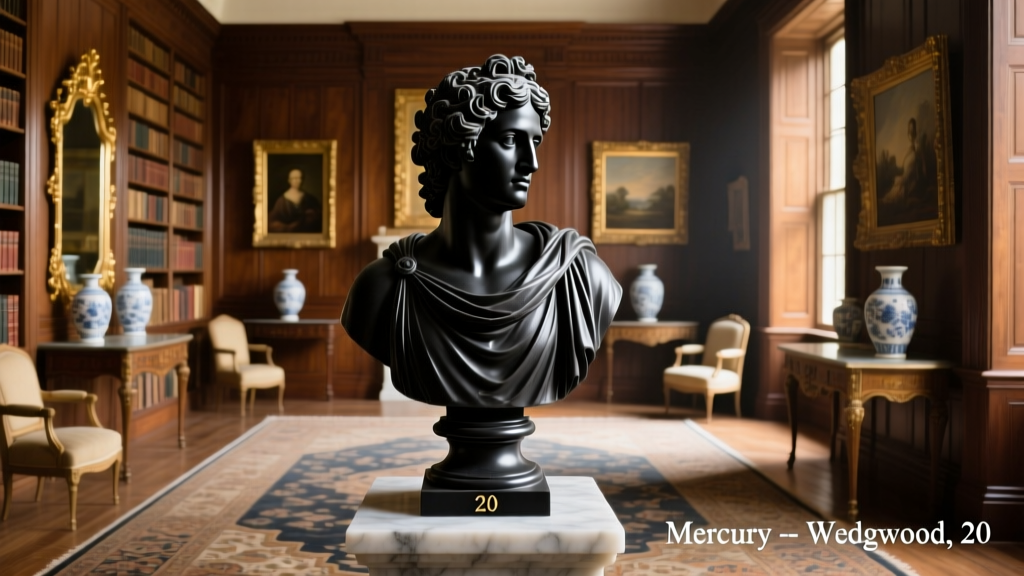
Wedgwood Bust of Mercury in Black Basalt: Authentication, Provenance, and Conservation of a Signed 20-Inch Masterpiece
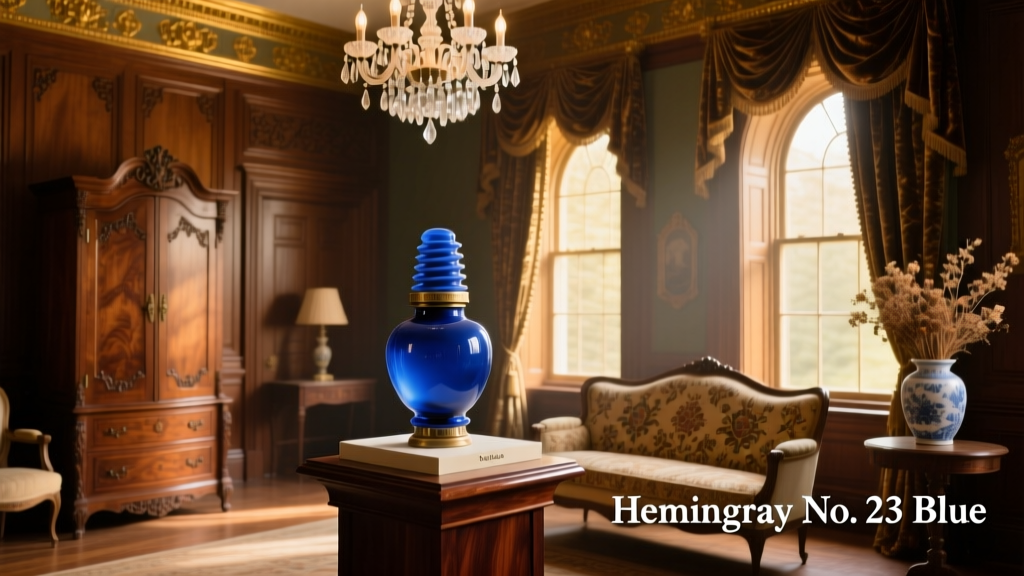
Hemingray No. 23 Blue Glass Insulators: History, Identification, and Value Assessment for Collectors & Restorers
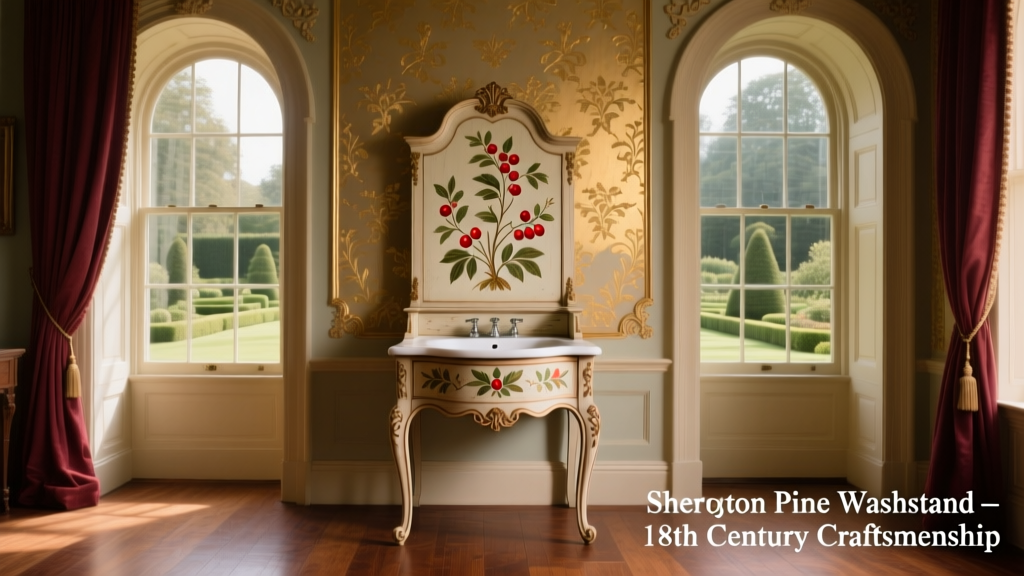
Sheraton-Style Pine Washstand with Hand-Painted Foliage and Red Berries: A 36-Inch Antique Restoration Guide
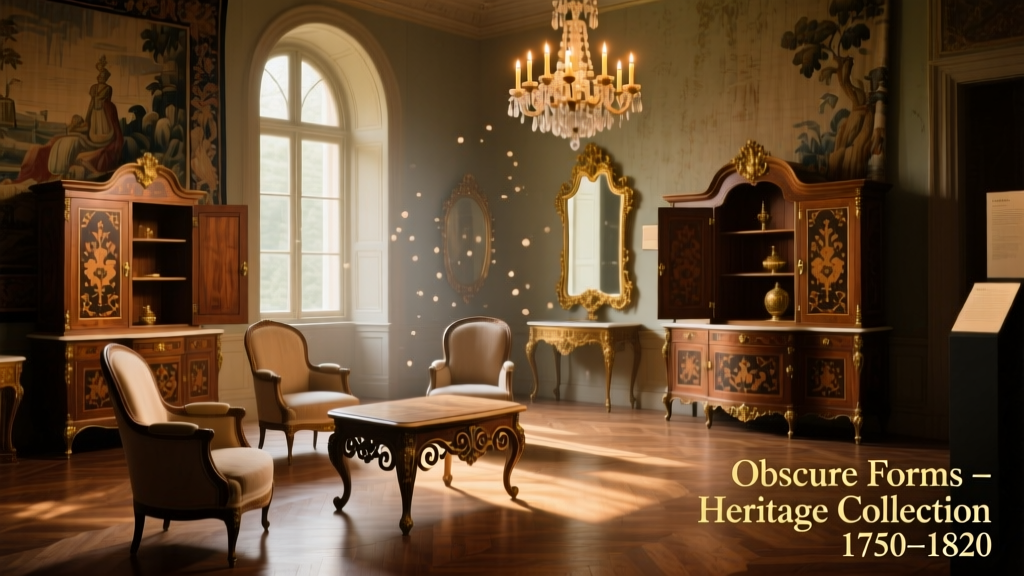
Antique But Obscure Furniture Forms: Forgotten Designs That Defined Domestic Life

Electric Pottery Lamps: Teal & White Cherub Motifs with Gilded Brass Fittings — A 28-Inch Pair Restored and Appraised
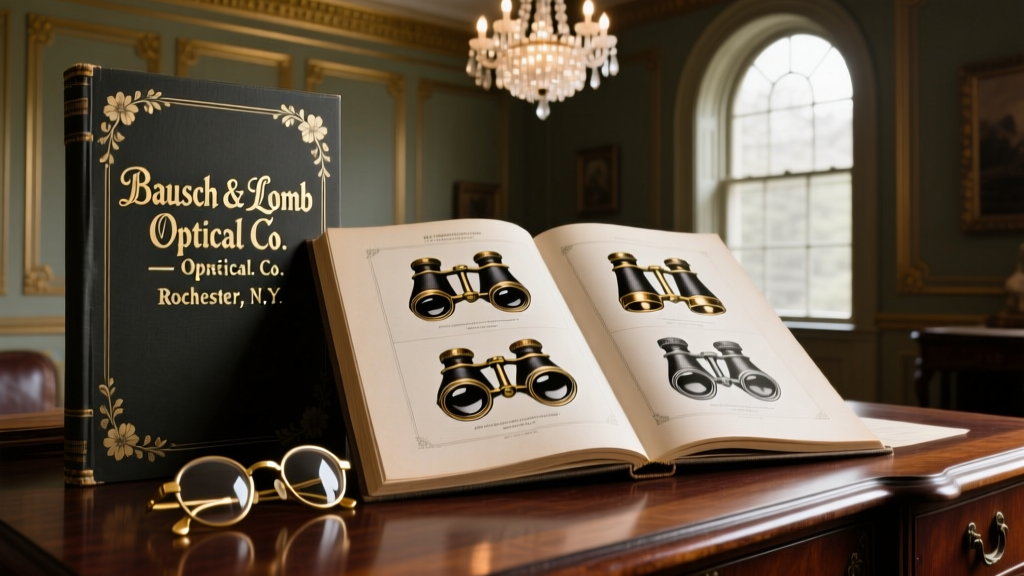
Bausch & Lomb’s 1922 Binocular Catalog: A Technical and Historical Artifact from America’s Optical Golden Age
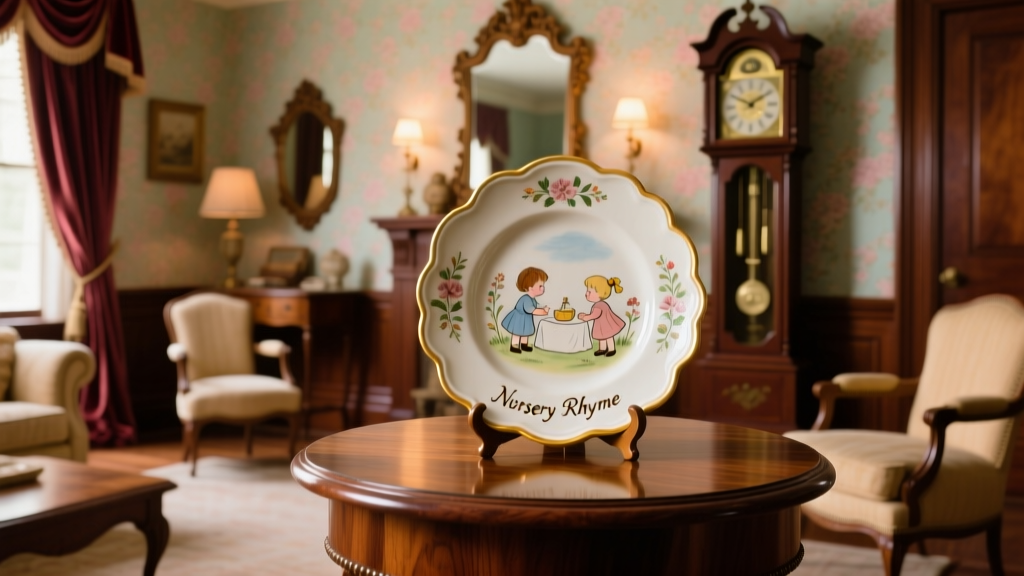
Roseville Juvenile Plate: Decoding the Nursery Rhyme Rolled Edge Series
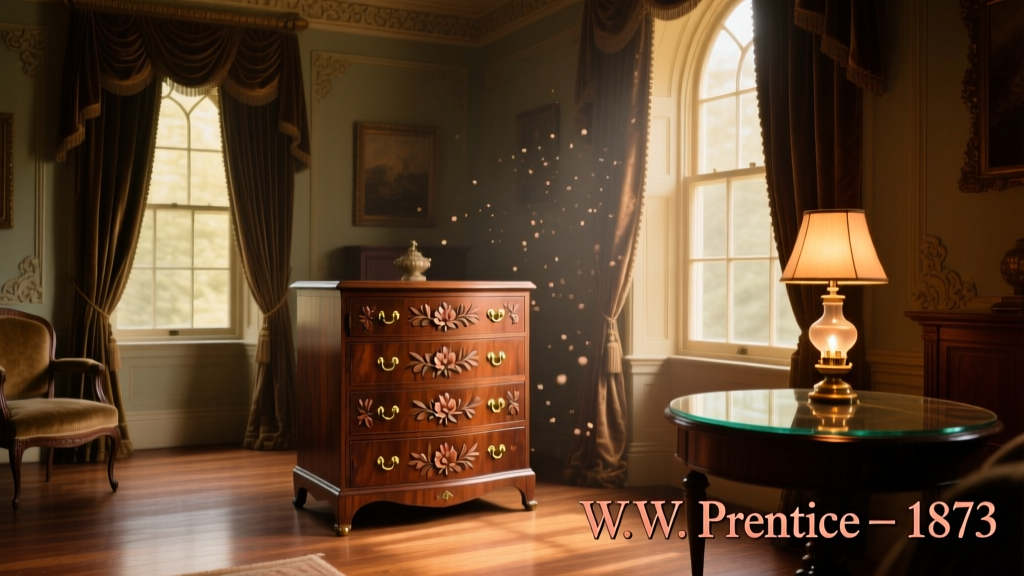
W. W. Prentice: The Forgotten Architect of British Provincial Furniture, 1890–1935
Elfinware Open Salt Cellar in Moss White, Green & Blue: Identification, Provenance, and Conservation Guidelines