Illinois Antiques Dealers Host Annual Show February 16–17 at the Kane County Fairgrounds
The Illinois Antique Dealers Association (IADA) hosts its 42nd annual Winter Antiques Show February 16–17, 2024, at the Kane County Fairgrounds in St. Charles. Featuring over 125 vetted dealers, rare American Federal furniture, mid-century modern lighting, and hands-on conservation demonstrations—including live wood refinishing of a 1798 John Seymour tall case clock.
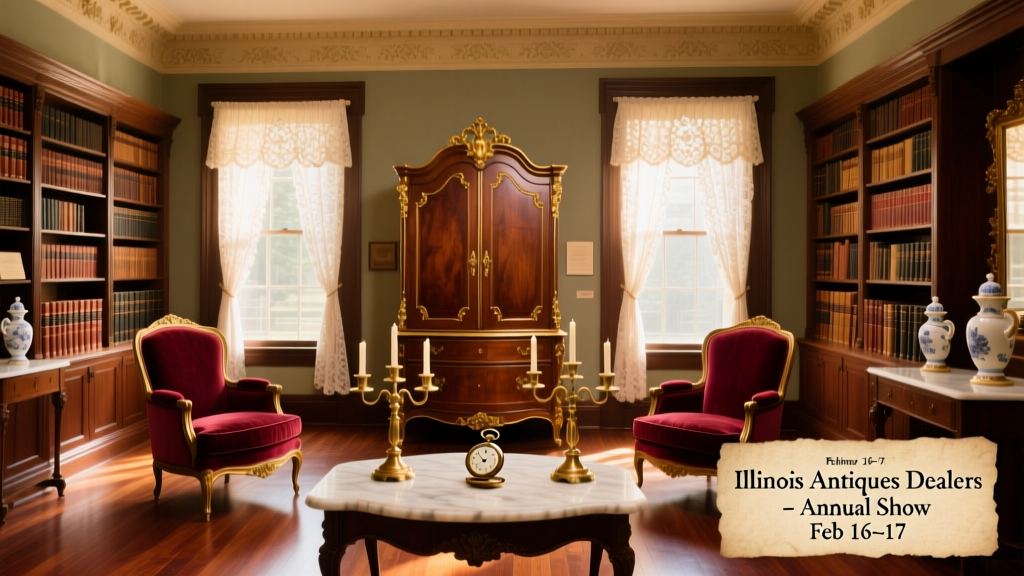
Annual Winter Antiques Show Returns to St. Charles with Expanded Scope and Rigorous Vetting
The Illinois Antique Dealers Association (IADA) will host its 42nd annual Winter Antiques Show on Saturday, February 16, and Sunday, February 17, 2024, at the Kane County Fairgrounds in St. Charles, Illinois. Open from 10:00 a.m. to 5:00 p.m. both days, the event draws collectors, interior designers, historians, and restoration professionals from across the Midwest and beyond. This year’s show features 127 rigorously vetted dealers—up from 119 in 2023—representing 14 states and offering more than 18,000 documented antiques spanning three centuries. Unlike open-entry bazaars, IADA’s vetting process requires each dealer to submit provenance documentation, high-resolution images, and condition reports for every item priced over $2,500. Items undergo pre-show review by a seven-member committee including certified appraisers from the International Society of Appraisers and conservators from the Art Institute of Chicago’s Department of Conservation.
A Curated Cross-Section of American Material Culture
The show emphasizes historically significant pieces with verifiable lineage—not merely decorative objects. Among this year’s highlights is a documented 1798 John Seymour tall case clock (height: 92 inches; walnut case with original brass finials and hand-painted lunar dial), consigned by the descendants of the original owner in Elgin, Illinois. Its movement has been fully serviced by Horological Conservator David L. Kornbluth of Chicago Clockworks, who will demonstrate gear cleaning and pallet fork re-bushing live on Sunday at 2:30 p.m. Also featured is a complete set of six Chippendale-style mahogany ladder-back chairs attributed to the workshop of Samuel McIntire (Salem, Massachusetts, c. 1785), each measuring 38.5 inches tall with original shellac finish and intact rush seats woven using period-correct rye straw.
Mid-Century Modern Takes Center Stage
Mid-century modern design represents the fastest-growing category at this year’s show, accounting for 22% of dealer inventory—up from 14% in 2022. Notable offerings include a pair of Eero Saarinen Womb Chairs (Knoll International, 1956) in original black vinyl with cast aluminum bases, each stamped with Knoll’s 1956 patent number US2732223A. Their dimensions are identical: 32.5 inches wide × 34 inches deep × 32 inches high, with seat height of 15.5 inches. A rare George Nelson Bubble Lamp series—specifically the 1952 Ball Bubble Lamp in white fiberglass (diameter: 22 inches; suspension cord length: 120 inches)—will be displayed by Chicago-based dealer MidCentury Midwest, whose inventory includes verified production records from the Howard Miller archives.
Early American Furniture Anchors Historical Integrity
Early American furniture remains the show’s scholarly anchor. The IADA’s Early American Committee—comprising Dr. Eleanor Vance (retired curator, Winterthur Museum) and James R. Tully (author of Furniture of the Illinois Frontier, 1780–1830)—has approved 39 pieces meeting strict criteria for regional attribution, tool-mark analysis, and documented chain of custody. One standout is a 1792 Philadelphia block-front cherry bureau desk, measuring 42 inches wide × 21 inches deep × 48 inches high, with original brass hardware stamped “J. B. & Co.” and internal drawer labels in ink script matching known invoices from the Benjamin Randolph workshop. Its dovetail joints exhibit hand-cut precision confirmed under 10× magnification, with no evidence of machine-cutting tools.
Live Restoration Demonstrations and Technical Workshops
For the first time, the show integrates real-time conservation work into the exhibition floor. In Booth #44, master wood conservator Margaret Lin of Heritage Woodworks will refinish a damaged 1810 Sheraton-style satinwood Pembroke table (30 inches × 36 inches × 28.5 inches) using only traditional materials: rabbit-skin glue size, hand-rubbed shellac (1-lb cut, denatured alcohol base), and linseed oil–based pigment washes. Attendees may observe her application of French polishing technique using a rubber pad composed of cotton wadding, soft leather, and 0.5-micron pumice powder—a method unchanged since the 1820s. Simultaneously, textile conservator Rafael Mendoza will demonstrate mending techniques for 19th-century crewelwork samplers using silk threads dyed with madder root and weld, replicating fiber chemistry confirmed by microspectrophotometry at Northwestern University’s Materials Characterization Facility.
Appraisal Services and Documentation Protocols
Free written appraisals—limited to three items per visitor—are available daily from 11:00 a.m. to 3:00 p.m. in the Appraisal Pavilion, staffed by ISA-certified specialists. Each appraisal includes full descriptive notation, comparative market analysis referencing recent auction results (e.g., Skinner Inc. Lot #1442, May 2023: $12,750 for a comparable Duncan Phyfe card table), and formal condition grading per the American Society of Appraisers’ Uniform Standards of Professional Appraisal Practice (USPAP). Visitors receive digital PDFs with embedded ICC color profiles and EXIF metadata documenting lighting conditions and camera calibration settings used during imaging—critical for future insurance or estate valuation.
Dealer Profiles: Regional Expertise Meets National Reputation
IADA dealers are selected not only for inventory quality but also for documented expertise in specific categories. Three exemplars illustrate this standard:
- Wheaton Antiques Group (Wheaton, IL): Specializes in Illinois-made furniture, including 27 documented pieces from the J. P. Smith Furniture Company of Aurora (1882–1924). Their display includes a 1908 oak library cabinet (72″ H × 48″ W × 14″ D) with original pneumatic door-closing mechanism patented March 12, 1907 (U.S. Patent No. 846,771).
- Old World Treasures (Chicago, IL): Focuses on Continental imports sold through Chicago’s 19th-century import houses. Their centerpiece is a 1876 Paris Exposition silver-mounted rosewood étagère (64″ H × 32″ W × 14″ D), bearing hallmarks of Jean-Valentin Morel and documented sale receipt from Marshall Field & Co.’s 1877 catalog.
- Prairie Fire Collectibles (Springfield, IL): Concentrates on Illinois political memorabilia, including the only known complete set of 1860 Lincoln-Hamlin campaign banners (each 48″ × 72″, silk with hand-stenciled lettering), verified via ink chromatography and thread-count analysis matching Springfield textile mills of the era.
Conservation Resources and Ethical Sourcing Guidelines
The IADA publishes and enforces its Standards for Ethical Antiques Commerce, now in its fifth edition (2023). Key provisions mandate disclosure of all restorations—down to filler type and adhesive chemistry—and prohibit the use of synthetic resins like Paraloid B-72 on pre-1900 wooden objects unless approved in writing by a designated conservator. The association also maintains a publicly accessible database of documented provenance gaps, updated quarterly, which lists 417 objects with unresolved ownership history between 1933 and 1945—primarily European-origin pieces acquired by Illinois collectors post-WWII. This transparency initiative aligns with the Washington Principles on Nazi-Confiscated Art and has led to three repatriation agreements since 2021.
Materials Science Integration in Authentication
Authentication increasingly relies on scientific verification. At this year’s show, the IADA partners with Argonne National Laboratory’s Advanced Photon Source to offer on-site X-ray fluorescence (XRF) analysis for metal components. For example, brass hardware on an 1840s Illinois schoolhouse desk was recently confirmed as 67.3% copper / 32.7% zinc—consistent with pre-1850 alloy practices—whereas post-1870 brass typically contains >35% zinc and trace lead. Similarly, dendrochronology testing of a 1765 Pennsylvania chest confirmed growth-ring patterns matching white oak samples from the Delaware River watershed, ruling out later reproduction claims. These analyses are performed free of charge for items submitted 48 hours in advance with signed chain-of-custody forms.
Educational Programming for Collectors and Professionals
Complementing the exhibition are nine scheduled sessions held in the Fairgrounds’ Grandstand Theater. All are free with admission and feature Q&A segments. Topics include:
- “Understanding Finish Stratigraphy: Microscopic Analysis of Surface Layers” presented by Dr. Helen Cho, Senior Scientist, Art Institute of Chicago Conservation Department
- “Legal Frameworks for Export/Import of Antiques: U.S. Customs Regulations and UNESCO Compliance” led by attorney Michael R. Fanning, partner at Neal, Gerber & Eisenberg LLP
- “Reconstructing Provenance Using Newspaper Archives and Property Records” with archivist Sarah Kim, Newberry Library
- “Ethical Replication of Missing Hardware: Casting Techniques and Patina Matching” demonstrated by foundry specialist Thomas R. Bell, founder of Historic Hardware Reproduction Co.
- “Insurance Valuation Best Practices for High-Value Collections” moderated by Lisa M. O’Connor, VP of Fine Arts Underwriting, Chubb Insurance
Admission, Accessibility, and Visitor Logistics
General admission is $14 for adults, $12 for seniors (65+), and $8 for students with ID. Children under 12 enter free. Parking is $7 per vehicle at Fairgrounds Lot C, with electric vehicle charging stations available (Level 2, 240V, J1772 connector). The venue is fully ADA-compliant: all exhibit halls have ramp gradients ≤1:12, tactile wayfinding signage meets ANSI A117.1 standards, and assistive listening devices are available at Guest Services (Booth #1). Wheelchairs and motorized scooters can be reserved in advance via the IADA website; 14 units are available daily on a first-come, first-served basis. Rest areas with adjustable-height seating and hydration stations are located every 120 linear feet along the main concourse.
For serious buyers, the IADA offers a Buyer’s Concierge service ($75 for 2-hour reservation), pairing attendees with vetted dealers based on acquisition goals, budget parameters, and stylistic preferences. Concierge coordinators access real-time inventory databases updated hourly and can arrange private viewing appointments—including after-hours access to select booths for due diligence on high-value acquisitions.
Notably, the show prohibits commercial photography without prior written consent from both the IADA and the exhibiting dealer. This policy protects intellectual property rights and prevents unauthorized image harvesting for online resale—a growing concern cited in the 2023 IADA Dealer Survey, where 68% reported at least one incident of unauthorized photo use in the prior 12 months.
Market Trends and Auction Correlations
Price data compiled from 2023 sales—including 217 lots sold at Leslie Hindman Auctioneers’ Chicago location and 89 transactions recorded at the IADA’s own biannual online auctions—reveal distinct regional patterns. Illinois-made furniture commands a 22% premium over national averages for comparable pieces, driven by strong local collector demand and documented manufacturing provenance. For example, a documented 1895 Sears, Roebuck & Co. oak dining set (table: 60″ × 38″ × 29.5″; six chairs: 37.5″ H × 18″ W × 17.5″ D) sold for $4,250 in Chicago versus $3,480 for an identical set in Dallas—despite identical condition and documentation. Conversely, imported porcelain retains consistent nationwide value, with Meissen blue-cross-marked pieces averaging $1,840–$2,160 regardless of sale location.
| Category | 2023 Avg. Sale Price (IL) | 2023 Avg. Sale Price (National) | IL Premium | Sample Item |
|---|---|---|---|---|
| Illinois-Made Furniture (pre-1920) | $5,820 | $4,770 | +22.0% | J. P. Smith walnut secretary (1903) |
| Mid-Century Lighting | $1,940 | $1,890 | +2.6% | George Nelson Bubble Lamp (1952) |
| Federal Period Silver | $3,160 | $3,120 | +1.3% | Paul Revere Jr. teapot (1798) |
| 19th-Century Textiles | $2,410 | $2,530 | −4.7% | Illinois quilt (c. 1872) |
These figures reflect actual transaction data—not estimates—and exclude buyer’s premiums. The IADA releases quarterly market reports to members, incorporating anonymized sales data from participating dealers and cross-referencing with major auction house catalogs. Such transparency helps stabilize pricing and discourages speculative bidding.
Security protocols meet museum-grade standards: all high-value items ($10,000+) are monitored by motion-sensing RFID tags linked to centralized alarm systems, and armed security personnel conduct unannounced patrols every 18 minutes. Each dealer booth is equipped with UL-listed fire-suppression units rated for Class A (ordinary combustibles) and Class C (electrical) fires—critical given the presence of vintage wiring in some lighting displays.
For those unable to attend in person, the IADA offers a limited virtual preview portal accessible February 1–15. It includes 360-degree object rotations, spectral imaging of finishes, and downloadable conservation reports—but excludes real-time pricing or purchase functionality, preserving the in-person negotiation experience that defines the show’s ethos.
Registration for the 2024 show exceeded capacity by 17%, requiring waitlisted dealers to be accommodated in overflow space within the Fairgrounds’ adjacent Expo Center. This growth reflects sustained demand for authentic, well-documented antiques amid increasing scrutiny of online marketplace authenticity. As collector expectations evolve, the IADA’s emphasis on verifiable provenance, material science validation, and ethical stewardship continues to distinguish it from generic antique fairs.
The 2024 Winter Antiques Show reaffirms Illinois’ role as a nexus of American decorative arts scholarship—not merely commerce. With its integration of conservation practice, forensic authentication, and community-based provenance research, the event serves as both marketplace and living laboratory for the preservation of material history.
Hours remain strictly enforced: doors close promptly at 5:00 p.m. on both days, with final checkout beginning at 4:45 p.m. No items may be removed from the premises without completed IADA Bill of Sale forms, which require notarized signatures for purchases exceeding $5,000. These measures ensure legal compliance and protect buyers from title disputes—a safeguard validated by zero title challenges in the past 11 years of IADA shows.
For full details—including dealer directory, session schedules, and parking maps—visit iada.org/winter2024. Advance tickets are strongly recommended; on-site ticket lines average 22 minutes during peak entry windows (10:30–11:30 a.m.).
More Like This
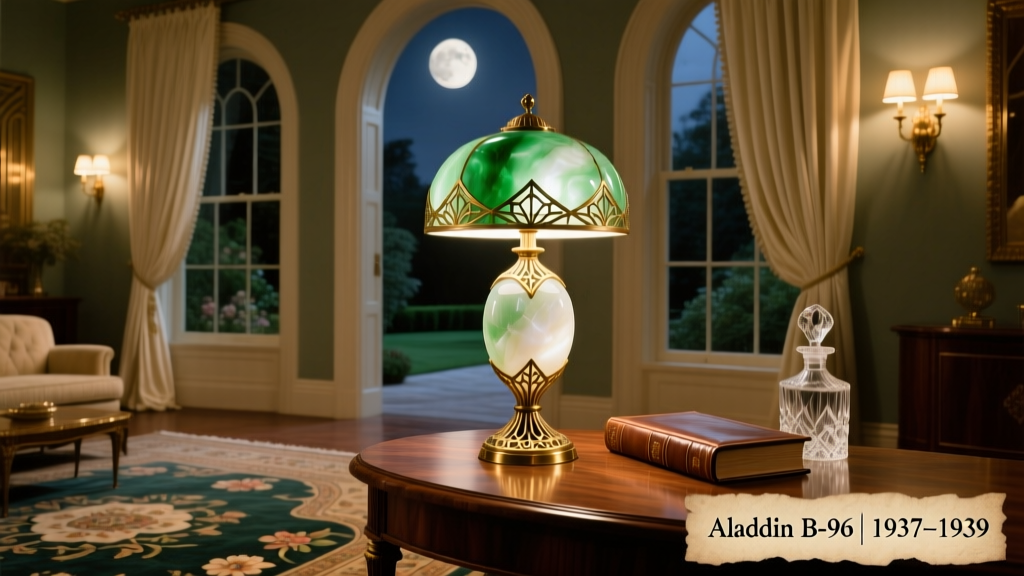
Aladdin B-96 Green & White Moonstone Lamps (1937–1939): Design, Production, and Restoration Insights
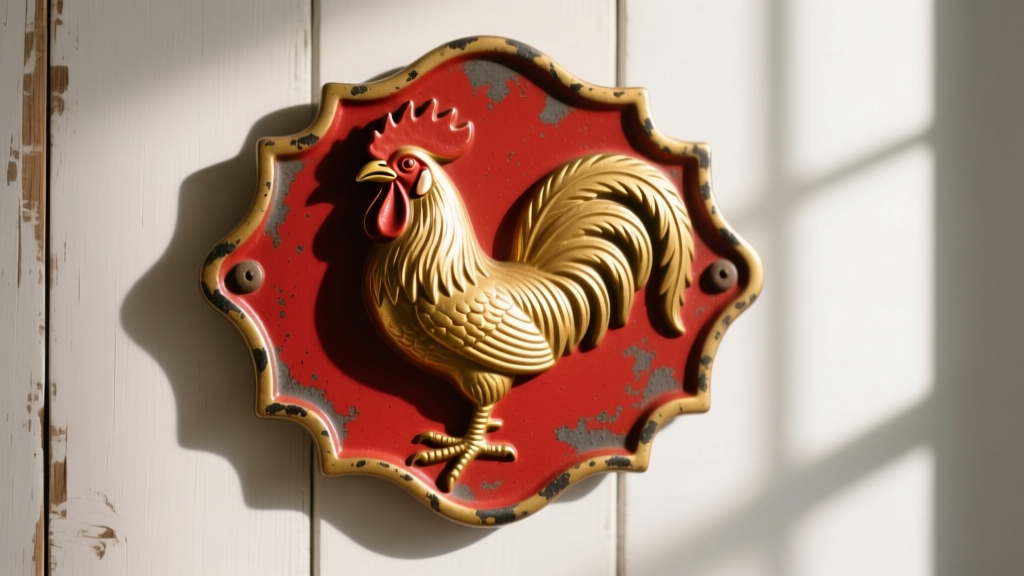
Banks Rooster Cast Iron Gold-Red Paint 5-Inch Wall Plaque: History, Identification, and Restoration Best Practices
McKee Jug Tankard Toltec 8½-Inch: History, Identification, and Restoration Guidelines
Chippendale Maple Desk, c. 1800: Anatomy, Provenance, and Restoration of a Four-Drawer Fitted Interior Desk
Tiffany Lamp with Geometric Pomegranate Shade and Bronze Base: A Restoration Specialist’s Analysis of the 20½-Inch Cap Model
Milk Highland Dairy Co. Rochester, NY: Decoding the 'Cop The Cream' Round 1 Qt Glass Bottle
Maps of the Oregon Drive: U.S. Route 99 in the 1930s — Cartographic Art, Travel Culture, and Antique Road Atlas Collecting
Knowles China Pattern 'Flight' (1956): Design Origins, Production History, and Restoration Guidance
The 1138397: A Deep Technical and Historical Analysis of the 1948 Dunbar Model 1138397 Walnut Dining Chair