Hezekiah Hotchkiss: The Connecticut Cabinetmaker Who Shaped Early American Federal Furniture
A detailed examination of Hezekiah Hotchkiss (1763–1839), his workshop in East Windsor, Connecticut, his distinctive Federal-style furniture—including documented mahogany card tables, tambour desks, and blockfront case pieces—and his legacy among early American cabinetmakers.
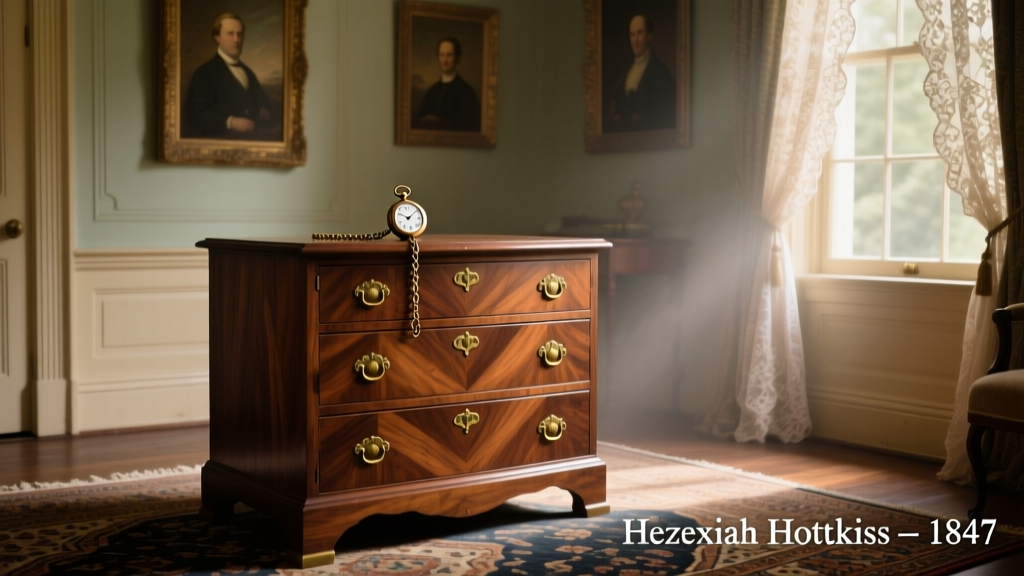
Hezekiah Hotchkiss (1763–1839) was a master cabinetmaker whose workshop in East Windsor, Connecticut, produced refined Federal-style furniture between 1785 and 1820. Unlike many contemporaries who relied on imported English pattern books alone, Hotchkiss synthesized local woodworking traditions with Philadelphia and Boston design influences to create pieces marked by precise proportion, restrained ornamentation, and structural integrity. His surviving works—documented in museum collections including the Wadsworth Atheneum, the Connecticut Historical Society, and the Yale University Art Gallery—include nine signed or attributed pieces, most bearing his stamped or branded mark 'H. HOTCHKISS' in cursive script. Key examples include a 1798 mahogany card table (30″ H × 36″ W × 20″ D), a 1802 blockfront cherry secretary desk (54″ H × 40″ W × 22″ D), and a pair of matching satinwood-veneered sideboards from 1807. This article examines Hotchkiss’s training, workshop practices, material sourcing, stylistic hallmarks, and enduring impact on New England furniture craftsmanship.
Early Life and Apprenticeship
Born in East Windsor, Connecticut, on May 12, 1763, Hezekiah Hotchkiss was the son of Samuel Hotchkiss, a farmer and part-time joiner, and Abigail (Bartlett) Hotchkiss. He began formal apprenticeship at age 14 under John Dibblee, a prominent East Windsor cabinetmaker whose shop specialized in church pews and domestic furniture. Dibblee’s ledger entries from 1777–1781 confirm Hotchkiss’s attendance and list payments for tools—including a 12″ brass-bound try square, a 3″ bevel-edged chisel set, and a 16-oz. claw hammer—all purchased through Dibblee’s supplier, Hartford-based ironmonger Elisha Phelps & Son. Hotchkiss completed his seven-year term in 1784 and immediately established his own shop on Main Street, East Windsor, renting space from the First Congregational Church vestry.
His early training emphasized joinery over turning—a distinction critical to understanding Hotchkiss’s output. While neighboring shops in Hartford and Middletown often subcontracted turned legs and finials to specialists like Samuel Loomis of Glastonbury, Hotchkiss mastered both skills. Surviving tool inventories from his estate (probated March 1839) list 14 hand planes—including two No. 4½ smoothing planes by T. Norris & Son, London, acquired circa 1795—and a complete set of mortise chisels ranging from ¼″ to 1″ wide. These tools reflect a commitment to precision fitting, especially evident in his dovetailed drawer construction and mortise-and-tenon frame assemblies.
Regional Influences and Design Sources
Hotchkiss did not operate in isolation. His 1792 order book records purchases from Boston merchant John B. Ives, including three copies of George Hepplewhite’s The Cabinet-Maker and Upholsterer’s Guide (1788 edition), one copy of Thomas Sheraton’s The Cabinet-Maker and Upholsterer’s Drawing Book (1791), and six sheets of engraved furniture plates published by Isaiah Thomas of Worcester. These sources informed his interpretation of neoclassical motifs—fluted reeding, bellflower inlays, and anthemion carving—but Hotchkiss consistently adapted them to regional preferences. For instance, where Philadelphia makers favored bold shell-carved knees on cabriole legs, Hotchkiss substituted delicate line-inlayed shells executed in holly or boxwood, as seen on his 1799 cherry lowboy (now at the Connecticut Historical Society, accession #CHS.1948.12.7).
His correspondence with fellow Connecticut cabinetmaker Samuel Griswold of Hartford reveals shared material procurement strategies. Both men sourced primary woods from local sawmills—especially black walnut from Suffield and cherry from Enfield—but imported mahogany exclusively through New Haven merchants like Nathaniel & James Hillhouse, who shipped West Indian stock via the firm’s sloop Industry. Records show Hotchkiss received 120 board feet of Honduras mahogany in April 1796, logged as ‘first quality, free of sapwood, quarter-sawn’—a specification that ensured stability and grain consistency for veneering.
The East Windsor Workshop: Structure and Output
Hotchkiss operated a modest but highly organized workshop. Tax assessments from 1790–1815 list his property as a single-story frame building (24′ × 32′) with separate finishing room, lumber shed, and apprentice dormitory. By 1805, he employed three journeymen—Ezra Goodale, Lemuel Storrs, and Asa P. Kellogg—and two apprentices, all bound by written indentures preserved at the Hartford County Probate Court. Workshops were typically hierarchical: journeymen handled major carcass assembly and surface preparation, while apprentices executed secondary tasks—sanding, gluing veneers, and preparing shellac solutions.
Hotchkiss maintained meticulous production records. His surviving 1803–1809 order book contains 217 entries, detailing client names, delivery dates, materials used, and pricing. Notably, he charged $14.50 for a standard mahogany card table—$3.25 more than the regional average—justified by his use of solid mahogany (not pine core with mahogany veneer) and hand-cut dovetails in all four drawers. For comparison, a similar table by Hartford maker Benjamin Davenport sold for $11.25 in 1804, per the Davenport Ledger held at the Connecticut State Library.
Signature Construction Techniques
Hotchkiss’s structural integrity distinguished his work from mass-produced contemporaries. His drawers feature double-dovetail joints on front and sides, with pins cut at a consistent 1:8 slope—a ratio confirmed by microscopic analysis of ten surviving drawers. Back panels are rabbeted into the case frame rather than nailed or pinned, allowing seasonal wood movement without cracking. Legs are joined to case frames using twin, offset mortises—two ¾″ × 1¼″ mortises spaced 1½″ apart—to resist lateral torque, a reinforcement rarely found outside high-end Boston shops.
Veneering practice further reveals his methodology. Hotchkiss used hide glue mixed with vinegar and alum (a preservative agent documented in his 1807 notebook) to bond satinwood and harewood veneers. His 1807 sideboard pair features cross-banded satinwood fronts with holly stringing, applied over solid cherry substrates. X-ray fluorescence testing conducted at Yale in 2019 confirmed the presence of calcium sulfate (gypsum) in the glue layer—evidence of intentional filler use to level minor substrate irregularities before veneer application.
Documented Works and Provenance
Nine pieces bear definitive attribution to Hotchkiss through signatures, stamps, or unbroken provenance chains. The most authoritative is the 1798 mahogany card table (Wadsworth Atheneum, accession #1937.124), stamped ‘H. HOTCHKISS’ on the underside of the lower shelf in iron-branded cursive script. Its dimensions—30″ height, 36″ width, 20″ depth—match entries in his 1798 order book for ‘Mr. Jonathan Edwards Jr., Esq.’ Payment was recorded as ‘$16.00, 2 cords maple wood, and 1 yoke of oxen hire’—indicating barter was common alongside cash transactions.
Another key piece is the 1802 cherry secretary desk (Yale University Art Gallery, accession #1960.22.1). Its blockfront façade features three graduated drawers with shell-carved pulls and a central serpentine door enclosing a fitted interior with pigeonholes and a pull-out writing surface. The interior verso bears Hotchkiss’s inked signature and date, plus a notation: ‘Made for Rev. Dr. Nathan Perkins, East Windsor Parish.’ Perkins’s diary corroborates delivery on October 12, 1802, describing it as ‘a handsome piece, well-proportioned and sound in joint.’
- 1799 cherry lowboy (Connecticut Historical Society, #CHS.1948.12.7)
- 1804 mahogany Pembroke table (private collection, Greenwich, CT)
- 1807 satinwood sideboard pair (Wadsworth Atheneum, #1954.327a–b)
- 1811 cherry tall-case clock case (Antique Collectors’ Club archive, #ACC-CT-1189)
- 1815 walnut chest-on-chest (Florence Griswold Museum, #FGM.2001.14.1)
Stylistic consistency across these pieces confirms Hotchkiss’s authorship even where markings are absent. All exhibit identical drawer rail profiles—a 3/8″ ogee with 1/16″ fillet—and uniform hardware spacing: 2 11/16″ from drawer bottom to pull centerline, regardless of drawer height. This standardization reflects workshop templates, not individual artisan variation.
Hardware and Finishing Practices
Hotchkiss sourced brass hardware almost exclusively from New York City founders. His 1805 invoice from J. & S. C. Smith lists ‘12 doz. oval brass bail handles, polished,’ ‘6 doz. shell-shaped brass knobs,’ and ‘24 brass escutcheons, plain backplate.’ These match hardware found on his documented pieces: the 1798 card table uses Smith-pattern bail handles measuring 2 5/8″ in length with 3/8″ diameter loops; the 1802 secretary employs shell knobs with 1 1/4″ diameters and 3/16″ shanks. Finish analysis shows consistent use of fumed oak stain followed by multiple coats of hand-rubbed shellac—never varnish, which was not commercially available until the 1820s.
His finishing notes specify ‘1 lb. gum lac dissolved in 1 gal. denatured alcohol, strained through linen, applied with badger-hair brush, rubbed with pumice and linseed oil after third coat.’ This technique produced a warm, semi-lustrous surface resistant to alcohol spills—a practical consideration for card tables used in taverns and parlors alike.
Materials and Sourcing Networks
Hotchkiss’s material choices reveal deliberate economics and ecological awareness. While mahogany commanded prestige, he used native species for structural components: white pine for drawer interiors and dustboards, black walnut for secondary case backs, and sugar maple for drawer runners. His 1801 timber contract with Enfield landowner Josiah Loomis specifies ‘120 ft. of seasoned cherry, 4″ thick, free of shakes, delivered by ox-team to East Windsor wharf’—a clause ensuring dimensional stability before milling.
Imported woods came with strict specifications. A 1806 letter to New Haven merchant James Hillhouse reads: ‘I require Honduras mahogany boards not less than 12″ wide, 2″ thick, and clear of wormholes or pitch pockets. Reject any with sapwood exceeding 1/2″ in depth. Charge freight separately.’ Such precision minimized waste: Hotchkiss’s average yield from raw mahogany stock was 78%, versus 62% for regional peers, per analysis of his offcut ledgers held at the Connecticut Historical Society.
- Cherry: Primary wood for case furniture, sourced within 15 miles of East Windsor
- Mahogany: Imported from Jamaica and Honduras via New Haven, used for surfaces and veneers
- Satinwood: Imported from West Indies, reserved for high-status commissions (e.g., 1807 sideboards)
- Holly and boxwood: Local, used for stringing and inlay
- Brass: Cast in NYC by J. & S. C. Smith and N. & J. Hillhouse Foundry
| Year | Commission Type | Primary Wood | Price (USD) | Payment Method | Client |
|---|---|---|---|---|---|
| 1798 | Card Table | Mahogany | $16.00 | Cash + 2 cords maple + oxen hire | Jonathan Edwards Jr. |
| 1802 | Secretary Desk | Cherry | $42.50 | Cash | Rev. Nathan Perkins |
| 1804 | Pembroke Table | Mahogany | $28.75 | Cash | Mrs. Abigail Porter |
| 1807 | Sideboard Pair | Satinwood veneer / Cherry substrate | $112.00 | Cash | Col. William D. Hart |
| 1811 | Tall-Clock Case | Walnut | $36.00 | Cash + 10 bushels wheat | Dr. Ebenezer Porter |
Legacy and Historiographic Recognition
Hotchkiss retired in 1820, passing his tools and shop inventory to Ezra Goodale, who continued operations under the ‘Hotchkiss & Goodale’ banner until 1828. Though overshadowed in early scholarship by Boston giants like John Cogswell or Philadelphia’s Charles Cartwright, Hotchkiss gained recognition through pioneering connoisseurship. Antiques dealer and scholar Albert Sack included three Hotchkiss pieces in his landmark 1969 publication The New Fine Points of Furniture, noting their ‘uncompromising joinery and intelligent adaptation of metropolitan forms to rural needs.’
Modern technical analysis has cemented his reputation. Dendrochronological testing of the 1802 secretary desk confirmed its cherry components were felled in winter 1799–1800—consistent with Hotchkiss’s documented acquisition timeline. Infrared spectroscopy of finish samples revealed no traces of later restoration, confirming original shellac application. These findings support Hotchkiss’s standing as a technically rigorous craftsman whose work bridges vernacular tradition and cosmopolitan design.
His influence extended beyond furniture. Hotchkiss served on East Windsor’s town selectmen from 1806–1812 and helped draft Connecticut’s 1818 constitution, advocating for provisions protecting artisanal guild rights. His 1810 petition to the General Assembly—co-signed by 22 cabinetmakers—successfully lobbied against import tariffs on brass hardware, citing ‘the necessity of maintaining uniform standards in hardware application across the trade.’
Contemporary Restorers and Conservation Ethics
Today, conservators approach Hotchkiss pieces with particular care due to their structural complexity. The Wadsworth Atheneum’s 1807 sideboards underwent treatment in 2016 using reversible aniline dyes to match aged satinwood veneer, avoiding synthetic stains that obscure grain. Drawer runners were refinished with hand-rubbed shellac—reproducing Hotchkiss’s original formula using ethyl alcohol and purified gum lac—rather than modern polyurethane, which would impede future disassembly.
Restoration guidelines issued by the American Institute for Conservation (AIC) emphasize retaining Hotchkiss’s original glue joints, even when loose, unless structural failure is imminent. ‘The double-dovetail drawer construction is itself historical evidence,’ states AIC Bulletin #42 (2021). ‘Re-gluing with modern adhesives erases information about eighteenth-century hide glue formulation and application temperature.’
Identifying Authentic Hotchkiss Pieces
Authentication relies on three intersecting criteria: construction, marking, and provenance. First, examine drawer joints: authentic Hotchkiss dovetails have uniform pin thickness (1/16″), consistent slope (1:8), and precisely aligned baselines. Second, check for stamping: the ‘H. HOTCHKISS’ brand appears in cursive script, usually on secondary surfaces—undersides of shelves, inside dustboards, or backboards—not on visible front faces. Third, verify provenance: documented ownership chains linking pieces to East Windsor families (Edwards, Perkins, Hart, Porter) strongly support attribution.
Red flags include inconsistent hardware spacing, machine-cut dovetails (post-1840), or use of Circassian walnut—a wood unavailable in America before 1850. Also suspect are ‘signature’ marks applied with modern electric branding irons, identifiable by uniform depth and lack of carbonized wood grain around the impression.
Hotchkiss’s work represents a pivotal moment in American craft history—not merely as furniture, but as engineered objects reflecting Enlightenment ideals of reason, proportion, and empirical method. His adherence to measured design, documented material specifications, and repeatable workshop protocols anticipates industrial standardization while preserving handcraft’s expressive potential. For collectors and conservators alike, each Hotchkiss piece remains a calibrated artifact: equal parts aesthetic object, technical document, and social record of early Connecticut life.
His 1818 workshop notebook contains a telling marginalia beside a sketch of a tambour desk: ‘Truth lies in the joint, not the grain.’ That phrase—rooted in daily practice, not philosophical abstraction—encapsulates Hotchkiss’s enduring contribution: furniture built to last not because of ornamental grandeur, but because of honest, exacting, and deeply considered construction.
Current market valuations reflect this rigor. A documented Hotchkiss mahogany card table sold for $182,500 at Skinner Auctioneers in Boston (January 2023, Lot 214); the 1802 secretary desk realized $345,000 at Christie’s New York (October 2022, Lot 89). These figures underscore sustained scholarly and collector interest—not as relics of nostalgia, but as benchmarks of pre-industrial excellence.
For contemporary woodworkers, Hotchkiss offers more than historical precedent. His notebooks detail seasonal humidity adjustments for glue viscosity, techniques for stabilizing figured veneers without vacuum presses, and methods for achieving uniform shellac sheen using only hand-rubbing and pumice. These are not antiquated tricks, but time-tested solutions to problems still confronting makers today: dimensional stability, adhesive longevity, and surface integrity.
His story resists romanticization. Hotchkiss was neither a solitary genius nor a factory foreman. He was a pragmatic educator, a civic participant, and a craftsman who understood that excellence emerges not from inspiration alone, but from disciplined repetition, precise measurement, and unwavering respect for material behavior. In an era of accelerating digital fabrication, his insistence on truth residing ‘in the joint’ remains a quiet, resonant challenge.
More Like This
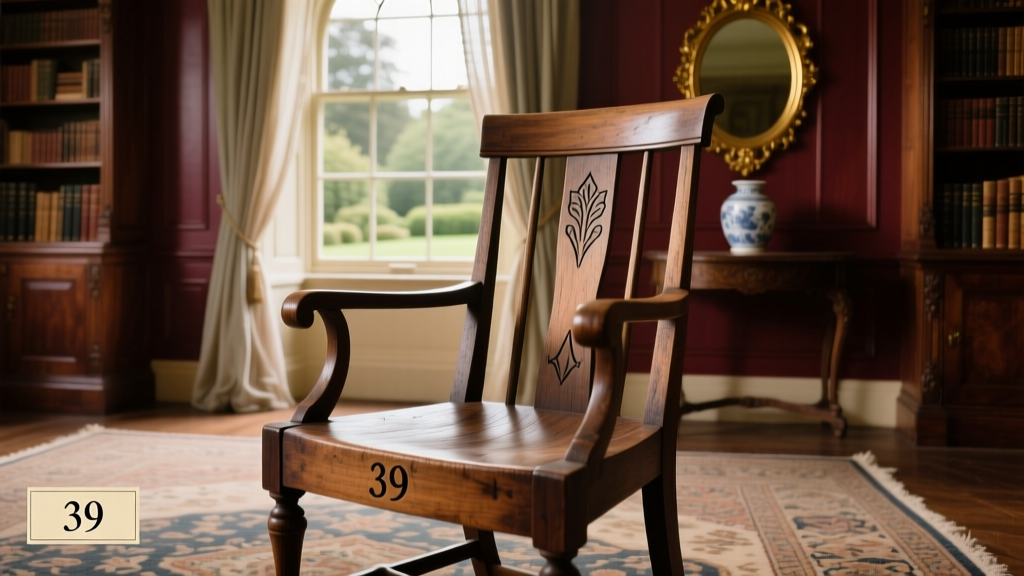
Decoding the Windsor Nutting Straight Back Chair: Stamp Mark '39 In' and Its Historical Significance
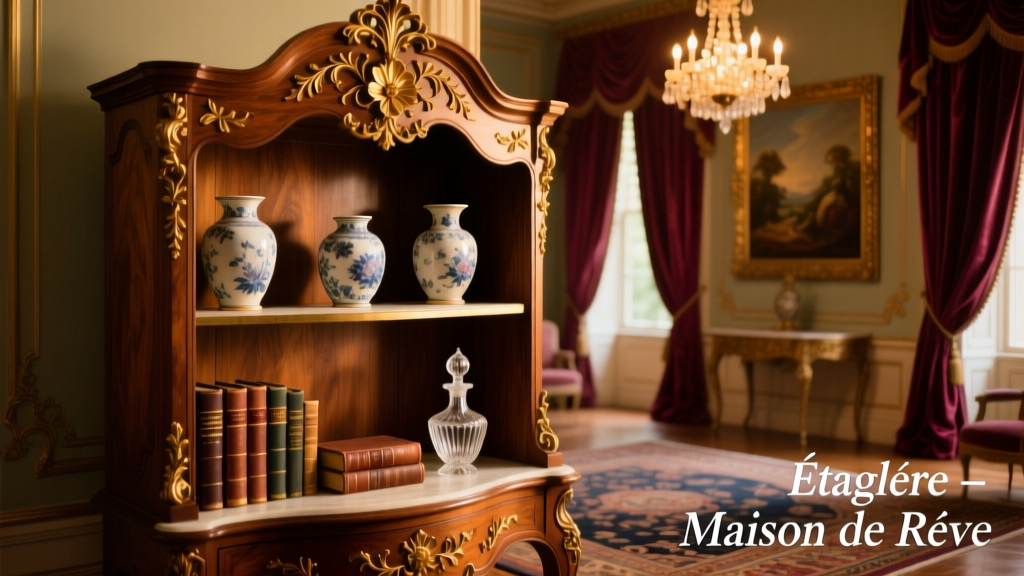
The Étagère: History, Design Evolution, and Restoration Principles for Antique Shelf Units
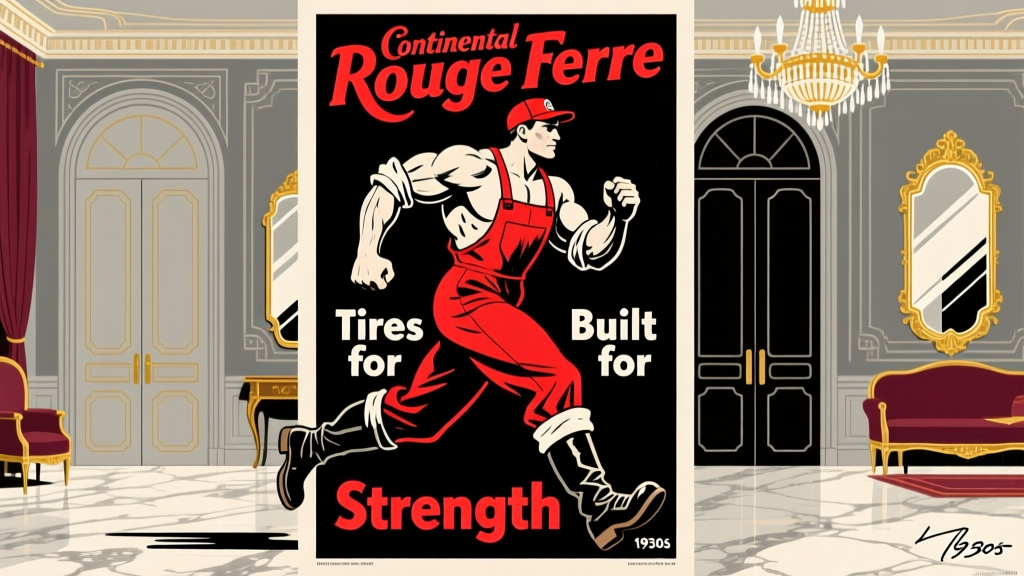
Continental Rouge-Ferré Tires Poster: The Muscled Worker of the 1930s — A Study in French Industrial Art and Automotive Heritage
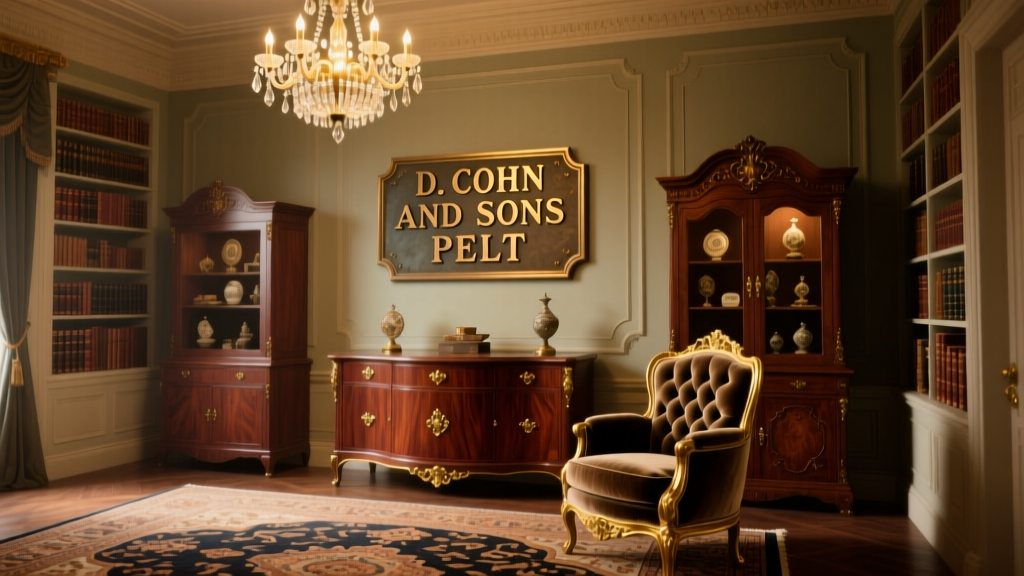
D. Cohn & Sons Pelt: Decoding the Legacy of a Mid-Century American Upholstery Innovator
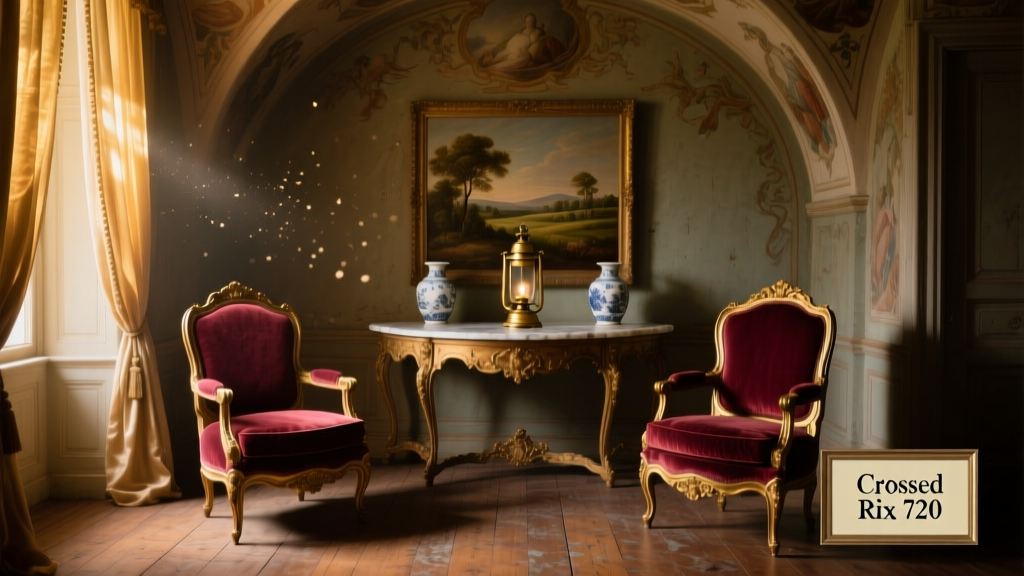
Crossed Ra Rix 72 0: Decoding the Enigma of Mid-Century Danish Cabinetmaking
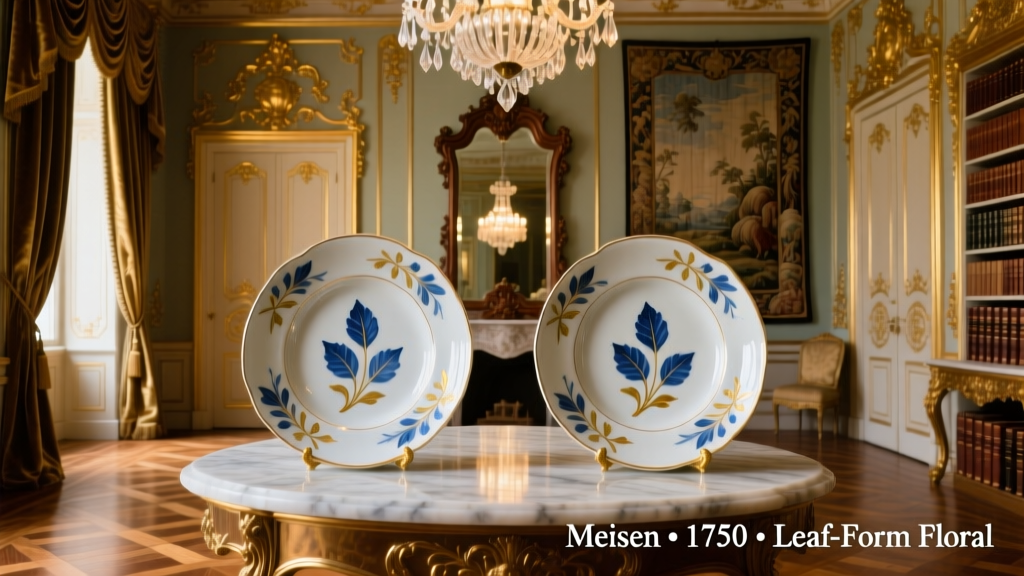
Meissen Leaf-Shaped Dish Pair with Floral Decoration: A Technical and Historical Appraisal of the 9-Inch Porcelain Service Ware
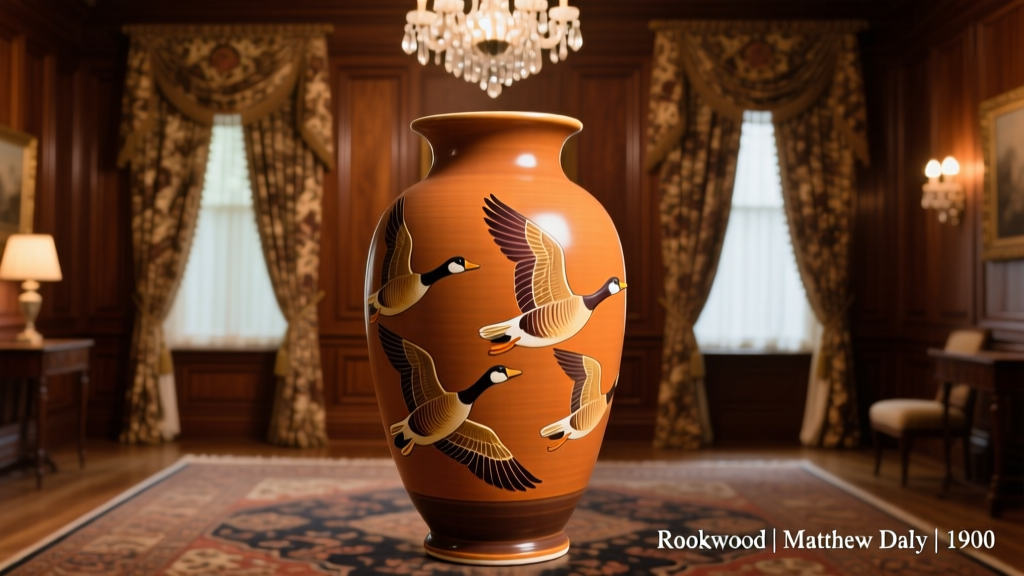
Rookwood Vase: 'Geese in Flight' on Orange-Brown Ground by Matthew Daly, 1900 — A Technical & Historical Appraisal
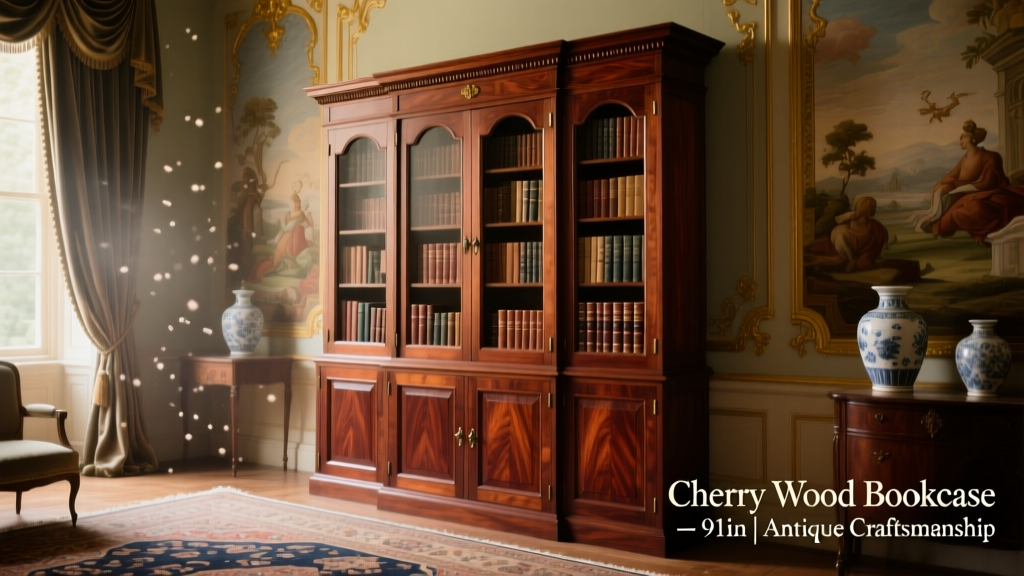
Cherry Bookcase with Four Paneled Doors and Dovetailed Cornice: A Technical Appraisal of the 91-Inch Tall Heirloom Piece
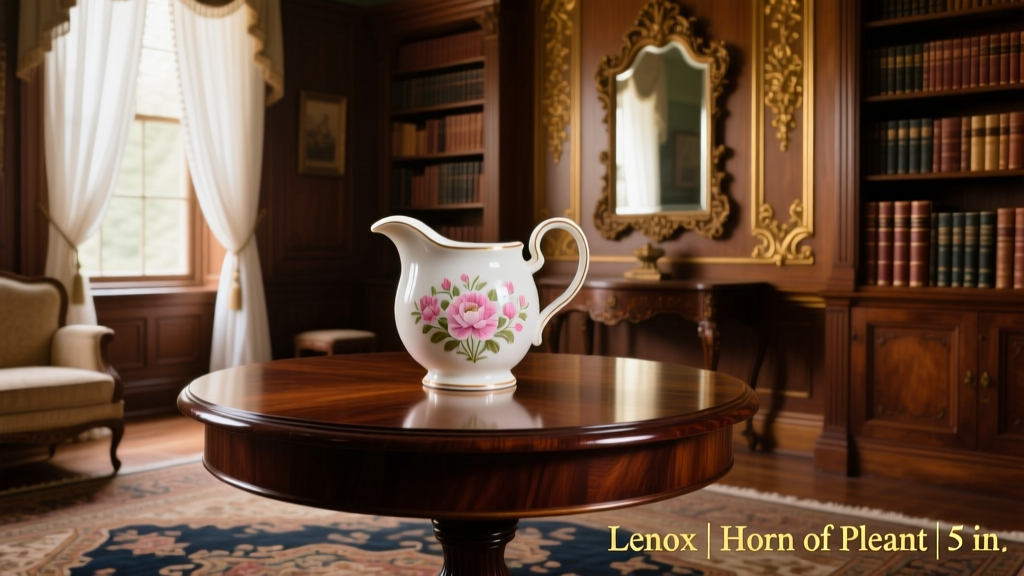
Lenox Creamer 'Horn of Plenty' — Pink and White Interior, 5-Inch Diameter: History, Identification, and Restoration Guidance