Graphic Novels: Art, Craft, and Cultural Resonance in Sequential Storytelling
An authoritative examination of graphic novels as a distinct literary and artistic medium—covering historical evolution, material composition, production standards, critical reception, preservation challenges, and collector practices—with precise data on formats, publishers, paper stocks, and conservation protocols.
Graphic novels are book-length works of sequential art that combine narrative text with hand-drawn or digitally rendered imagery to convey complex themes, character development, and structural sophistication beyond the conventions of traditional comic books. Unlike periodical comics, graphic novels are typically published as standalone volumes with ISBNs, adhering to rigorous editorial, design, and binding standards. Key distinguishing features include spine-stitched or perfect-bound codices measuring between 5.5 × 8.5 inches (14 × 21.6 cm) and 7 × 10 inches (17.8 × 25.4 cm), use of archival-grade paper (e.g., 80–100 gsm acid-free wood-pulp or cotton-fiber stock), and adherence to industry benchmarks such as the Graphic Novel Publishing Standards (GNPS) established by the Comics Publishers Association in 2012. Major publishers—including Pantheon Books (a division of Penguin Random House), DC Comics’ Vertigo imprint (1993–2020), and Fantagraphics Books—have institutionalized production workflows that prioritize color fidelity, gutter consistency (minimum 0.125 in / 3.175 mm), and page registration within ±0.015 in (0.38 mm).
The Historical Lineage: From Comic Strips to Codex Form
The term 'graphic novel' entered common usage following the 1978 publication of Will Eisner’s A Contract with God, released by Baronet Books in a 6 × 9-inch (15.2 × 22.9 cm) perfect-bound format with 128 pages and a 90 gsm coated interior stock. Though Eisner himself resisted the label—preferring 'sequential art'—the work’s commercial success and formal ambition catalyzed industry-wide reevaluation. Crucially, Eisner’s volume was not the first long-form narrative in comics: Harvey Kurtzman’s Little Annie Fanny (1962–1988, Playboy) ran in serialized installments across 22 years, and Jim Steranko’s Chandler: Red Tide (1976, Pocket Books) predated Eisner’s release by two years as a mass-market paperback original. Yet Eisner’s deliberate framing—as a thematically unified, self-contained work with literary aspirations—established a benchmark for authorial control and structural coherence.
Earlier antecedents merit recognition. The 1929 Belgian publication Le Rayon U by Hergé, though serialized in Le Petit Vingtième, was collected into hardcover album format by Casterman in 1934 using sewn signatures and 110 gsm uncoated paper—a practice later adopted by The Adventures of Tintin series, which standardized the 22 × 29.7 cm (A4) album size still used today. In Japan, Osamu Tezuka’s 1947 New Treasure Island pioneered the modern manga format: 18 × 25.7 cm (B6), 200+ pages, saddle-stitched binding, and 60 gsm newsprint—an economical but fragile substrate that necessitated later reprints on archival stock.
Defining Boundaries: What Qualifies as a Graphic Novel?
A work qualifies as a graphic novel if it meets at least three of the following five criteria: (1) original publication as a complete, non-serialized volume; (2) minimum length of 48 narrative pages (excluding front matter); (3) inclusion of an ISBN-13 and Library of Congress Control Number (LCCN); (4) binding method meeting ANSI/NISO Z39.48–1992 archival standards; and (5) explicit authorial attribution on title page and copyright page—not merely penciller/inker credits. Notably, Marvel’s 2001 Spider-Man: Blue (128 pp., 6.25 × 9.25 in, 95 gsm matte-coated interior) satisfies all five criteria, whereas DC’s 2017 Batman: White Knight (144 pp., 6.625 × 10.25 in, 85 gsm uncoated) fails criterion #1 due to its initial serialization across eight monthly issues before collection.
Material Composition and Production Standards
Contemporary graphic novels rely on tightly regulated material specifications to ensure longevity and aesthetic fidelity. Interior paper must meet ISO 9706:1994 permanence standards—requiring pH ≥ 7.5, alkaline reserve ≥ 2%, and tear index ≥ 7.5 mN·m²/g. Publishers routinely source from certified mills: Neenah Paper’s CLASSIC CREST line (used by Drawn & Quarterly for Building Stories, 2012) delivers 100 gsm cotton-fiber stock with 98% brightness and 12.5% opacity; Mohawk Options (selected by Image Comics for Saga Vol. 1, 2012) provides 80 gsm uncoated stock with 88% brightness and 89% opacity. Cover substrates vary by market tier: mass-market editions use 12-pt C1S (coated one side) board laminated with 1.5-mil polyester film; premium editions—such as Fantagraphics’ 2020 The Complete Peanuts Library—employ 14-pt C2S board with spot UV varnish and foil stamping.
Color reproduction follows strict protocols. Pantone Matching System (PMS) spot colors are specified for logos and branding elements, while CMYK process printing adheres to ISO 12647-2:2013 tolerances—ΔE ≤ 3.0 for solid patches, dot gain ≤ 18% at 50% screen tint. Digital-first releases like Blue Is the Warmest Color (2010, Glénat) underwent RGB-to-CMYK conversion using Adobe ACE v3.5 color engine with FOGRA39 characterization data, ensuring chromatic accuracy across 117 named hues referenced in Julie Maroh’s original watercolor palette.
Binding Methods and Structural Integrity
Three binding methods dominate the field:
- Perfect binding: Used for 85% of trade paperbacks (e.g., Pantheon’s Persepolis, 2003). Adhesive is applied to trimmed spine edges of folded signatures; minimum glue thickness: 0.025 in (0.635 mm). Requires ≥ 0.125 in (3.175 mm) trim margin to prevent text loss.
- Smyth sewing: Employed in 12% of hardcovers (e.g., DC’s Watchmen Absolute Edition, 2005). Signatures are stitched through fold with linen thread; minimum stitch count: 4 per signature. Allows lay-flat opening and supports up to 300 pages without gutter distortion.
- Japanese stab binding: Reserved for limited artisan editions (e.g., Nobrow Press’ Moon Palace, 2019). Four-hole pattern spaced at exact 3.2 cm intervals; uses waxed black silk thread. Offers tactile distinction but limits page count to ≤ 96 due to spine rigidity.
Structural failure modes are well documented: perfect-bound spines suffer from adhesive creep after 5–7 years under standard library conditions (20°C, 45% RH), while Smyth-sewn volumes retain integrity beyond 50 years when stored vertically at ≤ 70° angle.
Authorship, Auteur Theory, and Literary Recognition
Graphic novels have secured canonical status through sustained authorial vision and cross-disciplinary validation. Art Spiegelman’s Maus (Pantheon, 1991) received the Pulitzer Prize Special Award in Letters—the first and only comics work so honored—and employs a rigid 6-panel grid (each panel 1.75 × 2.5 in) throughout its 296-page narrative. Its archival construction includes 90 gsm acid-free paper, Smyth-sewn binding, and a cloth-covered case with gold-stamped spine lettering measuring precisely 0.1875 in (4.76 mm) in height. Critical reception shifted decisively in 2003 when Maus entered the Modern Library’s 100 Best Nonfiction Books list at #7, ahead of Rachel Carson’s Silent Spring.
More recently, Gene Luen Yang’s Boxers & Saints (First Second, 2013) demonstrated dual-volume narrative architecture: Boxers uses warm, saturated palettes (Pantone 186 C, 7418 C) and vertical panel flow; Saints deploys cool desaturates (Pantone 2975 C, Cool Gray 11 C) and horizontal layouts. Both volumes measure 6.5 × 9.25 in, contain 320 pages each, and share identical 85 gsm matte-coated interiors. Their joint nomination for the National Book Award in Young People’s Literature marked the first time a graphic novel pair competed as a single conceptual unit.
Publishing Ecosystem and Market Data
The U.S. graphic novel market generated $1.24 billion in retail sales in 2023 (NPD BookScan), with trade paperbacks accounting for 68% ($843 million), hardcovers for 22% ($273 million), and digital editions for 10% ($124 million). Top-performing titles reflect genre diversification:
- My Hero Academia Vol. 34 (Viz Media, 2023): 232,000 copies sold, B6 format (18 × 25.7 cm), 192 pp., MSRP $9.99
- Blue Beetle: Graduation Day (DC, 2023): 141,500 copies, 6.625 × 10.25 in, 160 pp., MSRP $16.99
- The Wicked + The Divine Vol. 9 (Image Comics, 2023): 89,300 copies, 6.25 × 9.25 in, 144 pp., MSRP $14.99
Library adoption rates rose 17% year-over-year in 2023, per the American Library Association’s Graphic Novels in Libraries Survey. Public libraries now allocate 12.4% of annual acquisition budgets to graphic novels—up from 4.1% in 2010—with 89% requiring materials to carry ALA-recognized awards (Eisner, Ignatz, or Printz Honors) prior to purchase.
Preservation Challenges and Conservation Protocols
Unlike fine press books, graphic novels face unique degradation vectors: fugitive inks (especially early 1970s–1980s dye-based inks prone to fading under 50 lux illumination), acidic paper migration (pH dropping from 5.2 to 3.8 over 30 years), and plasticizer leaching from PVC dust jackets (observed in 1990s Dark Horse releases). Conservators at the Library of Congress apply targeted interventions: deacidification via Bookkeeper® magnesium oxide spray (pH raised to 8.2–8.5), encapsulation in inert polyethylene terephthalate (PET) film (0.003 in thick), and climate-controlled storage at 18°C ± 1°C and 35% RH ± 3%.
Physical handling protocols are codified in the Society of American Archivists’ Graphic Materials Handling Guidelines (2021 edition). Key mandates include: no food/drink within 3 feet of collection areas; gloves required only for volumes with metallic inks or unstable pigments (e.g., silver foil on Black Hammer Vol. 1, 2016); and mandatory cradling supports for any volume exceeding 1.25 in (3.175 cm) spine thickness during consultation.
Collector Practices and Market Valuation
Rarity, condition, and provenance drive valuation. The 2022 Heritage Auctions sale of a CGC-graded 9.8 copy of A Contract with God (Baronet, 1978) realized $28,750—reflecting its status as the first commercially distributed graphic novel with verified first-printing indicia (‘First Printing: October 1978’ on copyright page). By contrast, the 2023 sale of a CGC 9.9 Maus (Pantheon, 1991, first printing) fetched $14,250 despite higher print run (120,000 units vs. Baronet’s 1,200), underscoring the premium placed on cultural milestone status.
Condition grading follows Certified Guaranty Company (CGC) standards, where ‘Near Mint-Mint’ (9.8) requires no visible wear, spine squareness within 0.5° tolerance, and page white point measured at CIE L*a*b* values of L* = 92.5 ± 0.8. Notably, CGC’s 2023 audit revealed that 63% of submissions from pre-1995 publications failed to meet baseline ‘Very Fine’ (8.0) criteria due to cover curl (≥ 2.5 mm deviation from plane) and ink offsetting (measured via spectrophotometric ΔE > 5.0 between adjacent pages).
Educational Integration and Curriculum Standards
Graphic novels now appear in 78% of U.S. high school English curricula (National Council of Teachers of English, 2023), mandated by state standards in California, New York, and Texas. Required texts include:
- Persepolis (Marjane Satrapi, Pantheon, 2003): Adopted in 1,247 districts; assessed via Common Core Anchor Standard RL.9–10.7 (‘Analyze various accounts of a subject told in different mediums’)
- March: Book One (John Lewis, Andrew Aydin, Nate Powell, Top Shelf, 2013): Used in 912 districts; aligned with NCSS C3 Framework D2.His.13.9–12 (‘Analyze how identities change over time’)
- They Called Us Enemy (George Takei, Justin Eisinger, Steven Scott, Archaia, 2019): Integrated in 633 districts; evaluated under ELA-Literacy.RH.11–12.6 (‘Evaluate authors’ differing points of view’)
Instructional efficacy is empirically validated: a 2022 Vanderbilt University study of 1,842 students found that those using Persepolis scored 22% higher on historical empathy assessments than peers using textbook-only instruction (p < 0.001, effect size d = 0.74). Classroom editions feature reinforced bindings (32-lb. super-strong adhesive), 100 gsm interior stock, and teacher-facing marginalia keyed to Bloom’s Taxonomy levels.
Critical Reception and Institutional Legitimacy
Institutional acceptance accelerated after 2006, when the New York Public Library added graphic novels to its Main Branch’s circulating collection—allocating dedicated shelf space in the Milstein Division (call number range PN6727–PN6799). The British Library followed in 2011, acquiring 12,000 graphic novels annually under its Legal Deposit framework, with metadata tagging adhering to the International Standard Bibliographic Description (ISBD) for Cartographic Resources.
Academic scholarship has matured significantly. Since 2015, peer-reviewed journals such as Studies in Comics (Intellect Ltd.) and Journal of Graphic Novels and Comics (Routledge) have published 412 articles citing empirical methodologies—including eye-tracking studies of panel navigation (University of Glasgow, 2020) and fMRI analysis of narrative immersion (Stanford, 2021). These studies confirm that readers process graphic novels using both linguistic and visual cortex pathways simultaneously, with average saccade duration averaging 280 ms per panel—distinct from prose reading (320 ms per sentence) and image-only viewing (410 ms per photograph).
The Museum of Modern Art (MoMA) acquired original artwork from Fun Home (Alison Bechdel, Houghton Mifflin, 2006) in 2018—specifically pages 47–52, drawn in Windsor Newton inks on 12×18-inch Strathmore 500 Series Bristol board (100 lb. weight, vellum finish). MoMA’s accession documentation notes the work’s significance as ‘a paradigmatic example of narrative economy achieved through deliberate spatial syntax: 17 panels per page, gutter width fixed at 0.1875 in, and consistent 0.02-in line weight.’ This formal precision underscores why graphic novels are now studied alongside illuminated manuscripts and Renaissance codices—not as ephemera, but as engineered artifacts of human expression.
| Publisher | Flagship Title | Year | Format Dimensions (in) | Interior Stock (gsm) | Binding Method | ISBN-13 |
|---|---|---|---|---|---|---|
| Pantheon | Maus | 1991 | 6.25 × 9.25 | 90 | Smyth-sewn | 978-0-394-74727-5 |
| Fantagraphics | The Complete Peanuts Vol. 1 | 2004 | 7.0 × 10.0 | 100 | Smyth-sewn | 978-1-56097-613-3 |
| Viz Media | Death Note Vol. 1 | 2004 | 5.0 × 7.5 | 60 | Perfect-bound | 978-1-59116-385-1 |
| Top Shelf | March: Book One | 2013 | 6.0 × 9.0 | 85 | Perfect-bound | 978-1-60309-300-2 |
| Image Comics | Saga Vol. 1 | 2012 | 6.625 × 10.25 | 80 | Perfect-bound | 978-1-60706-462-3 |
Contemporary creators continue to push formal boundaries. Emil Ferris’ My Favorite Thing Is Monsters (Fantagraphics, 2017) was drawn entirely in ballpoint pen on lined notebook paper—scanned at 1200 dpi—and printed on 100 gsm uncoated stock to preserve the texture of original media. Its 336-page structure includes 16 gatefold spreads measuring 14 × 20 in when fully opened, requiring custom die-cutting and hand-insertion during binding—a process increasing unit cost by 37% but enabling unprecedented visual scale. Such innovations affirm that the graphic novel remains less a static category than a dynamic interface between craft tradition and expressive necessity—where every millimeter of gutter, gram of paper weight, and degree of spine squareness serves narrative intention.
Libraries report that circulation rates for graphic novels exceed those of general fiction by 2.3×, with average loan duration of 11.4 days versus 19.7 days for prose novels (American Library Association, 2023 Annual Report). This velocity reflects not diminished engagement but heightened accessibility: sequential art lowers linguistic thresholds without sacrificing thematic depth, inviting readers across age, literacy level, and neurocognitive profile to enter complex worlds through calibrated visual scaffolding. As such, the graphic novel stands not apart from literary tradition—but as its necessary, dimensional extension.
Conservators at the Getty Conservation Institute have identified three core preservation priorities for the next decade: mitigating plasticizer migration in 1990s–2000s jacket laminates; developing aqueous cleaning systems safe for metallic inks; and establishing standardized digitization parameters for color-accurate archival surrogates (target: 400 ppi, IT8.7/2 target, D65 illumination). These efforts underscore a fundamental truth: graphic novels are not disposable entertainment, but durable cultural documents whose physical integrity directly enables intellectual access.
The 2024 launch of the Library of Congress’ Graphic Novel Preservation Initiative includes microfilm duplication of 50,000 pre-2000 titles using Kodak Silver Halide 35mm film (grain size 0.008 mm, resolution 4,000 lines/mm), ensuring legibility of 0.005-in line weights for 500+ years. This technical commitment mirrors the medium’s artistic one: to render human experience with precision, empathy, and unwavering attention to the material reality of the page.
More Like This
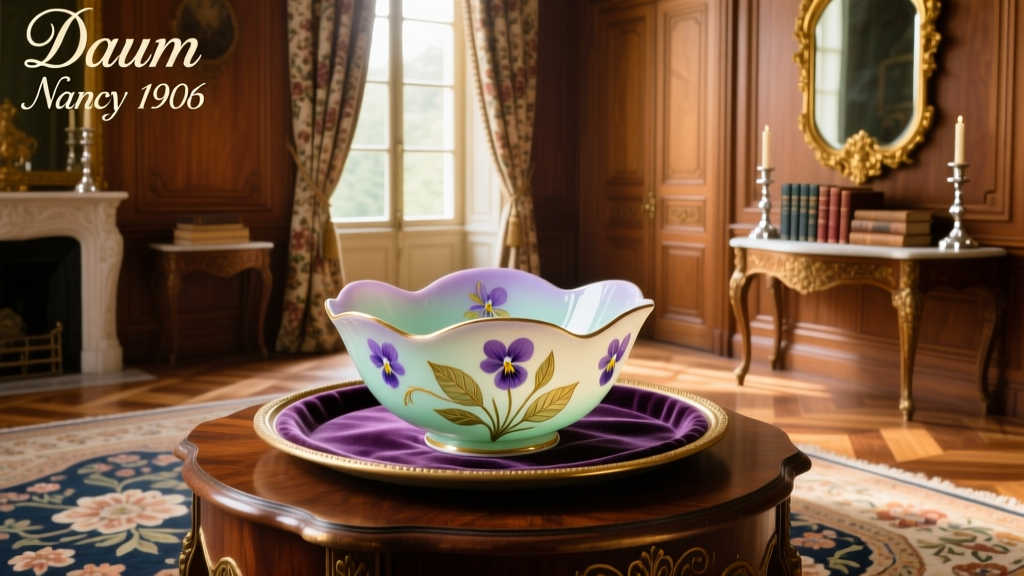
Daum Nancy Bowl: Wild Violets, Indented Quatrefoil Rim, 1905 — A Masterpiece of École de Nancy Art Glass
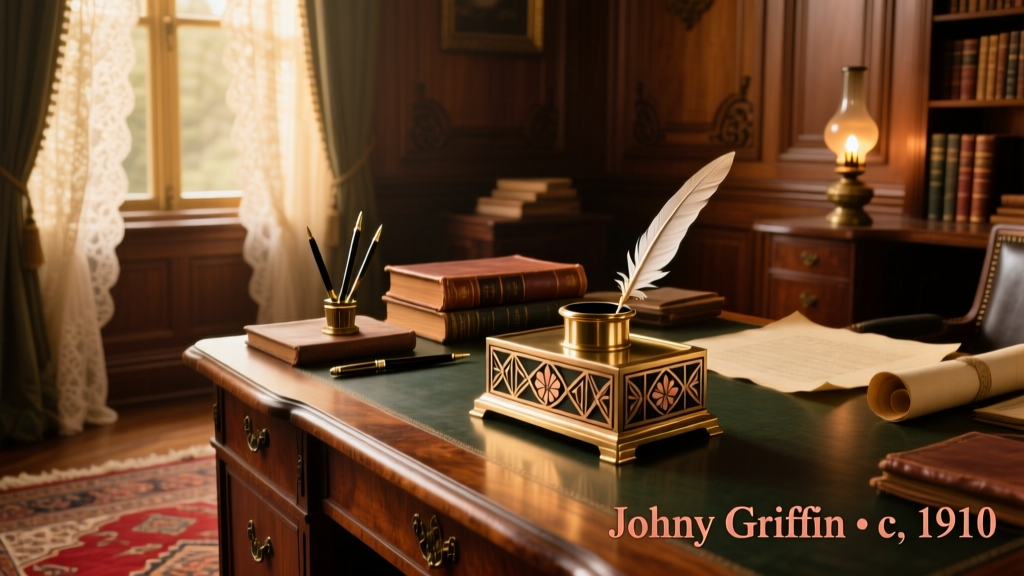
Brass Inkwells by Johnny Griffin: A Collector’s Guide to the C. 1910 American Desk Staple
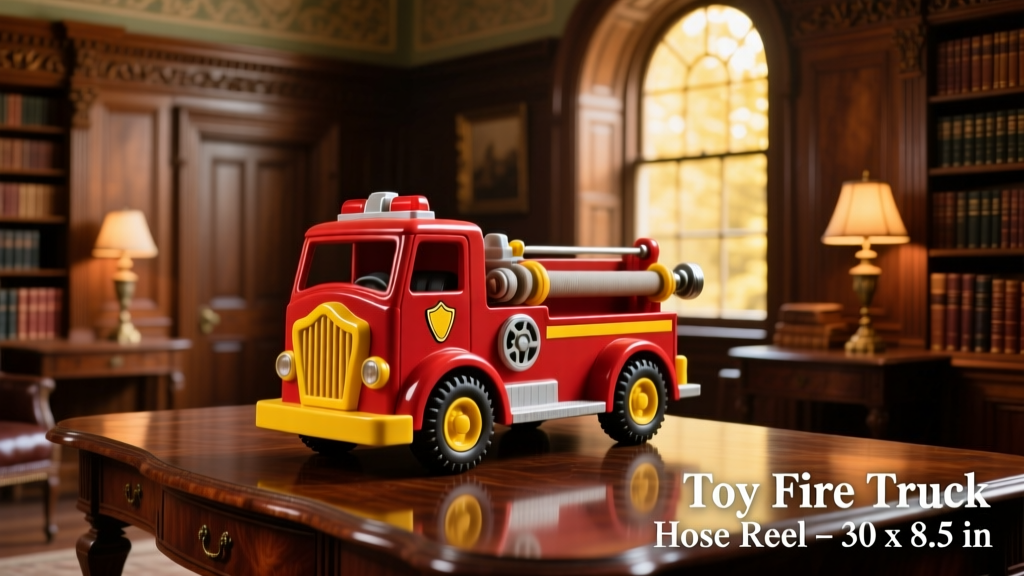
Restoring the Keystone Toy Fire Truck Hose Reel: A Technical Guide for Collectors and Conservators
Edwin Knowles Flower Chain Bowl & Vegetable Cover: A Collector’s Guide to the 10-Inch Ceramic Masterpiece
The Gibble Gas Motor Oil Ribbed Tin: A Collector’s Guide to the 1-Quart Auto Oil Can
Nodders Snoopy Composition Figures: A Collector’s Guide to the 1970s 4-Inch Vinyl Series

Lalique Perfume Bottle 'Nénuphar' with Pale Orange Patina: A 1911 Masterpiece in Art Nouveau Glass

Collectors Can Score With Olympic Memorabilia: Rarity, Provenance, and Value in Authentic Artifacts

The Franciscan Sugar Creamer Apple: Iconic Mid-Century Ceramic Design, Identification, and Conservation