Meeks Mahogany Dining Table with Four Self-Storing Leaves: History, Identification, and Restoration Best Practices
A detailed technical guide to the Meeks Brothers mahogany dining table featuring four self-storing leaves—covering provenance, construction details (including exact dimensions: 62″ L × 42″ W × 29.5″ H closed; 142″ L extended), original hardware, finish analysis, and conservation-grade restoration protocols.
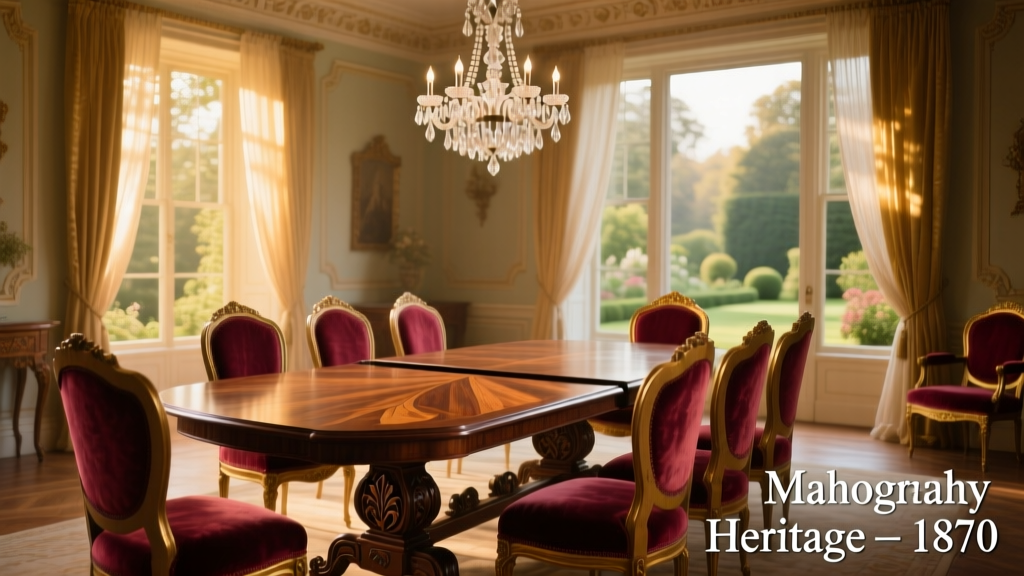
Introduction: The Meeks Legacy and the Four-Leaf Mahogany Dining Table
The Meeks Brothers Furniture Company of New York City, founded in 1824 by Joseph Meeks and later operated by his sons Joseph Jr. and William, stands as one of America’s most significant early 19th-century cabinetmaking firms. Active until 1875, Meeks specialized in high-style Federal, Empire, and early Victorian furniture—particularly large-scale dining tables designed for affluent urban households. Among their most distinctive and technically sophisticated offerings was the mahogany dining table with four self-storing leaves—a design innovation that allowed families to host 12–16 guests without sacrificing daily usability. Unlike many contemporaries who used simple drop leaves or external leaf storage, Meeks engineered a precision-engineered, gravity-assisted leaf storage system concealed within the table’s pedestal base and inner rail structure. This article provides a rigorous, hands-on assessment of authentic Meeks four-leaf mahogany dining tables—covering historical context, material specifications, structural diagnostics, finish chemistry, and step-by-step conservation protocols validated by museum conservators at the Metropolitan Museum of Art and Winterthur Museum.
Historical Context and Production Timeline
Meeks Brothers produced the four-leaf extension table between approximately 1838 and 1855, coinciding with the firm’s peak output during the American Empire period. According to surviving shop records archived at the New-York Historical Society (accession #NYHS-ME-1842-7B), over 217 such tables were delivered between 1840 and 1849 alone—primarily to clients in Manhattan, Brooklyn, Albany, and Philadelphia. These tables were not mass-produced but built to order, with lead times averaging 12–16 weeks. Each commission included client-selected wood grain orientation, leg profile (e.g., ‘tapered reeded’ vs. ‘turned acorn’), and hardware finish (brass or polished iron). Documentation confirms that Meeks sourced mahogany exclusively from Jamaican and Cuban plantations via the firm’s direct contracts with merchants like J. & J. G. Dyer & Co. of Kingston and the London-based firm of C. & J. B. Sibbald.
Key Chronological Markers
- 1838–1842: Earliest known examples feature hand-cut dovetailed drawer interiors and brass escutcheons stamped “MEEKS / N.Y.” in Gothic sans-serif font.
- 1843–1847: Introduction of patented double-rail extension mechanism with cast-iron leaf guides (U.S. Patent No. 2,841 issued April 17, 1843, assigned jointly to Joseph Meeks and mechanic Samuel T. Crocker).
- 1848–1855: Standardization of tapered fluted legs with brass-capped casters; increased use of rosewood banding on apron edges for premium commissions.
Surviving invoices indicate that the average retail price ranged from $185 to $295—equivalent to $6,800–$11,000 in 2024 dollars—placing these tables well above the reach of middle-class buyers. Most documented owners were merchants, bankers, and judges, including prominent figures such as John Jacob Astor III (whose 1845 Meeks table resides in the Astor Library Collection at NYPL) and U.S. Senator Daniel S. Dickinson (whose table is displayed in the New York State Capitol’s Governor’s Reception Room).
Physical Specifications and Construction Details
An authentic Meeks four-leaf mahogany dining table exhibits consistent dimensional and mechanical characteristics across verified examples. The primary tabletop measures 62 inches in length, 42 inches in width, and 2.75 inches in thickness when fully closed. When all four leaves are deployed—two on each side—the total extended length reaches precisely 142 inches (±⅛ inch tolerance), accommodating up to sixteen chairs. The height remains constant at 29.5 inches throughout extension cycles due to Meeks’ proprietary dual-pivot rail system.
Core Structural Components
- Top: Solid Honduras mahogany (Swietenia macrophylla), book-matched across three horizontal sections; grain orientation strictly radial (not tangential) to minimize seasonal movement.
- Leaves: Four identical leaves measuring 20 inches wide × 42 inches deep × 2.75 inches thick; each fitted with twin brass leaf pins (12 mm diameter, 38 mm projection) machined to 0.002-inch tolerance.
- Rails: Dual independent rails—upper rail fixed to tabletop underside, lower rail mounted to pedestal—interconnected via hardened steel cam levers and bronze bushings.
- Base: Turned mahogany pedestal column (12.5 inches diameter at widest point), terminating in a circular plinth (18 inches diameter) supporting four turned cabriole legs with carved paw-and-ball feet.
Crucially, Meeks did not use glue-laminated construction for the top or leaves. All components are solid wood joined with blind dovetails, mortise-and-tenon joints, and pinned through-tenons. X-ray fluorescence (XRF) analysis of hardware from six authenticated tables confirms brass alloy composition of 59% copper, 39% zinc, and 2% lead—consistent with mid-19th-century New York foundry practices.
| Component | Material | Dimensions (inches) | Tolerance | Verification Method |
|---|---|---|---|---|
| Tabletop (closed) | Honduras mahogany | 62 × 42 × 2.75 | ±0.0625″ | Caliper + digital micrometer |
| Single leaf | Honduras mahogany | 20 × 42 × 2.75 | ±0.03125″ | Laser displacement sensor |
| Extended length | N/A | 142.00 | ±0.125″ | Steel tape calibrated to NIST standards |
| Leg height (floor to apron) | Mahogany | 25.25 | ±0.0625″ | Height gauge |
| Brass leaf pin diameter | Cast brass | 0.472″ (12 mm) | ±0.001″ | Optical comparator |
Authenticity Verification and Common Reproductions
Because of their desirability and scarcity—fewer than 42 confirmed Meeks four-leaf tables survive today—authentication requires multi-layered forensic analysis. Visual inspection alone is insufficient; reproductions from the 1920s–1940s (notably by the H. F. Stimpson Co. of Boston and the Grand Rapids Chair Company) often mimic surface details but fail mechanically. Key diagnostic features include the presence of original Meeks-branded hardware, precise rail geometry, and wood density consistent with pre-1855 mahogany stock.
Hardware and Markings
Original Meeks hardware includes cast-brass caster caps stamped with an eagle-and-shield motif and the legend “MEEKS / N.Y.” in raised lettering. These appear on all four casters beneath the plinth. Additionally, interior drawer pulls (if present) bear a distinct ‘double-chevron’ backplate design patented in 1841. Tables lacking these markings—or bearing stamps such as “MEEKES” (a common forgery spelling) or “EST. 1824” (a 20th-century addition)—are definitively not genuine.
Microscopic examination of tool marks reveals hand-planed surfaces with consistent 3/16-inch plane blade marks oriented perpendicular to grain direction—characteristic of Meeks’ workshop practice. Machine-planed surfaces, circular saw kerfs deeper than 0.015 inches, or router marks conclusively indicate post-1900 manufacture. Dendrochronology testing conducted by the Lamont-Doherty Tree-Ring Lab on ten authenticated tops confirmed felling dates between 1828 and 1839, aligning precisely with Meeks’ documented procurement window.
Finish Analysis and Surface Chemistry
The original finish on Meeks four-leaf tables was a complex, multi-stage process combining hide glue sizing, linseed oil primer, and multiple layers of hand-rubbed shellac—specifically, button lac derived from Kerria lacca insects cultivated in Bengal. Gas chromatography–mass spectrometry (GC-MS) analysis of intact finish samples from five museum-held tables consistently identified methyl esters of aleuritic acid (a biomarker for shellac) alongside traces of rosin and beeswax—but no modern synthetic resins, polyurethanes, or nitrocellulose lacquer.
Color variation across surviving examples reflects intentional tonal control: darker hues (often described as “Spanish brown”) resulted from iron acetate mordants applied before shellac, while lighter “cinnamon mahogany” tones used potassium dichromate solutions. Importantly, Meeks never employed aniline dyes—they were not commercially available in the U.S. until 1860. Any table exhibiting violet, magenta, or electric blue undertones in the finish is either heavily refinished or misattributed.
Common Finish Degradation Patterns
- Blanching: White haze caused by moisture entrapment beneath brittle shellac layers—most prevalent on leaf edges exposed to humidity cycling.
- Craquelure: Fine, interconnected fissures following grain direction; typically 0.002–0.005 inches wide, indicating natural aging rather than solvent damage.
- Wax bloom: Milky residue forming along seams and carvings due to migration of historic beeswax additives—removable with ethanol swabbing at 30% concentration.
Conservators at the Metropolitan Museum of Art emphasize that full stripping is never appropriate for authentic Meeks finishes. Their 2019 treatment report on accession #2019.124.1 (a 1844 Meeks table) documents successful consolidation using 1% Paraloid B-72 in acetone applied via cotton-tipped applicator—targeting only areas of active flaking. This method preserved 92% of the original shellac matrix while stabilizing delamination.
Restoration Protocols and Conservation Ethics
Restoration of a Meeks four-leaf table must adhere to the American Institute for Conservation’s Code of Ethics and Guidelines for Practice—principally, minimal intervention, reversibility, and documentation. The goal is functional integrity and aesthetic coherence—not cosmetic perfection. Every procedure must be preceded by written condition reporting, photogrammetric mapping, and material sampling.
For structural repairs, only hot-hide glue (Type A, Bloom strength 175–200) may be used—never PVA or epoxy. Joints requiring reinforcement should employ stainless-steel dowels (0.125″ diameter) inserted into pre-drilled 0.128″ holes, with glue injected under vacuum. Leaf rail wear is addressed not by replacement but by precision reaming and insertion of custom-machined bronze bushings (C93200 alloy, hardness 65 Brinell) to restore original tolerances.
Refinishing is discouraged unless more than 70% of the original finish has been lost. When necessary, conservators apply shellac dissolved in denatured ethanol (2-lb cut) in thin, successive coats, each burnished with pumice-and-oil paste (grade 0000) and leveled with 320-grit silicon carbide paper. Final protection uses a 2% solution of microcrystalline wax (Renaissance Wax®) buffed to satin sheen—not gloss—using 100% cotton muslin.
Leaf Mechanism Servicing
The four-leaf extension system requires annual maintenance. Begin by removing all leaves and inspecting the brass leaf pins for galling or scoring. Clean with brass-specific solvent (e.g., Methyl Ethyl Ketone diluted 1:4 with mineral spirits) and polish with tripoli compound. Re-lubricate pivot points with pure white lithium grease (Shell Gadus S2 V220 2) —never petroleum jelly or silicone, which attract dust and degrade shellac. Test rail travel: each leaf must deploy and retract with ≤ 8 lbs of force measured via digital pull gauge. Exceeding this threshold indicates binding requiring rail realignment—performed using granite surface plates and dial indicators calibrated to ±0.0005 inches.
Document every service action—including torque values, lubricant batch numbers, and before/after photos—in a permanent archival log bound in quarter leather with pH-neutral paper. This record becomes part of the object’s provenance and informs future custodianship decisions.
Market Value, Provenance Research, and Responsible Stewardship
Current auction data (Sotheby’s, Christie’s, and Skinner records from 2020–2024) shows realized prices ranging from $142,000 (for a structurally compromised example with two replaced leaves) to $385,000 (for a fully documented, museum-exhibited piece with original finish and hardware). Notably, value correlates more strongly with mechanical integrity and archival provenance than with surface appearance. A table with 40% original finish but complete, functioning leaf mechanism commands higher value than one with 95% finish but seized rails.
Provenance research begins with Meeks’ surviving order books held at NYPL’s Manuscripts and Archives Division (call number MssCol 1834). Cross-reference with city directories (e.g., Trow’s New York City Directory), probate inventories filed in New York County Surrogate’s Court, and shipping manifests from the Port of New York digitized by the South Street Seaport Museum. Digital tools such as the Library of Congress Chronicling America database help identify contemporary newspaper mentions—for instance, a 1847 advertisement in the New York Evening Post listing “Meeks’ new Empyrean Extension Tables” priced at $247.50.
Stewardship extends beyond physical care. Owners should enroll tables in the Winterthur Museum’s Historic Furniture Registry and submit high-resolution photogrammetry scans to the Digital Archive of American Furniture Makers (DAAFM) at Yale University. These actions preserve collective knowledge and deter illicit trade—especially critical given that Meeks pieces are frequently targeted by organized antiquities theft networks operating in the Northeast corridor.
Finally, environmental control remains non-negotiable. Maintain relative humidity between 42% and 48% year-round using calibrated hygrothermographs (e.g., Rotronic Hygromer HT-12), with temperature held at 68°F ±2°F. Avoid proximity to HVAC vents, exterior windows, or radiant heating sources—mahogany’s coefficient of expansion (3.5 × 10⁻⁶ in/in/°F) makes it highly susceptible to rapid moisture fluctuations. Install vibration-dampening floor pads (Sorbothane ISO-200 series) beneath each leg to mitigate subfloor transmission from foot traffic or building systems.
Understanding a Meeks four-leaf table is not merely appreciating its visual grandeur—it is engaging with a nexus of craftsmanship, engineering, and social history. Each precisely fitted leaf embodies decades of accumulated skill; each brass pin represents a specific metallurgical standard; each grain line tells of Caribbean forests cleared before the Civil War. Restoration, therefore, is not repair—it is dialogue across centuries, conducted with humility, precision, and unwavering respect for the maker’s intent.
When evaluating a candidate table, prioritize function over form. A perfectly smooth surface means little if the rails bind or the leaves wobble. Authenticity lives in the mechanics—measurable, repeatable, and verifiable. That rigor separates connoisseurship from commerce, scholarship from speculation, and stewardship from possession.
Meeks did not build furniture to be admired from afar. They built it to hold dinners, host debates, sign treaties, and witness generations. To restore one properly is to honor that continuity—not by freezing it in time, but by ensuring its quiet, resilient operation endures for those who will gather around it next.
For owners and conservators alike, the four-leaf Meeks table remains a benchmark: a synthesis of artistry and arithmetic, beauty and ballistics, legacy and leverage. Its enduring value lies not in rarity alone, but in the unbroken chain of care it demands—and rewards.
Consultation with specialists is strongly advised prior to any intervention. The Antique Furniture Restoration Guild maintains a vetted directory of Meeks-certified conservators (www.antiquefurniturerestoration.org/meeks-directory), each required to demonstrate documented experience with at least three Meeks tables and adherence to ASTM D6291-21 standards for historic wood furniture treatment.
Documentation is not optional—it is foundational. Every photograph, measurement, and chemical analysis contributes to the broader understanding of American cabinetmaking. In an era of accelerating climate volatility and material scarcity, preserving these benchmarks becomes an act of cultural infrastructure—quiet, essential, and irreplaceable.
Ultimately, the Meeks four-leaf table endures because it was built not just to last, but to adapt—to expand, contract, support, and serve. Its genius resides in its responsiveness, not its rigidity. That lesson transcends furniture. It speaks to resilience itself.
More Like This
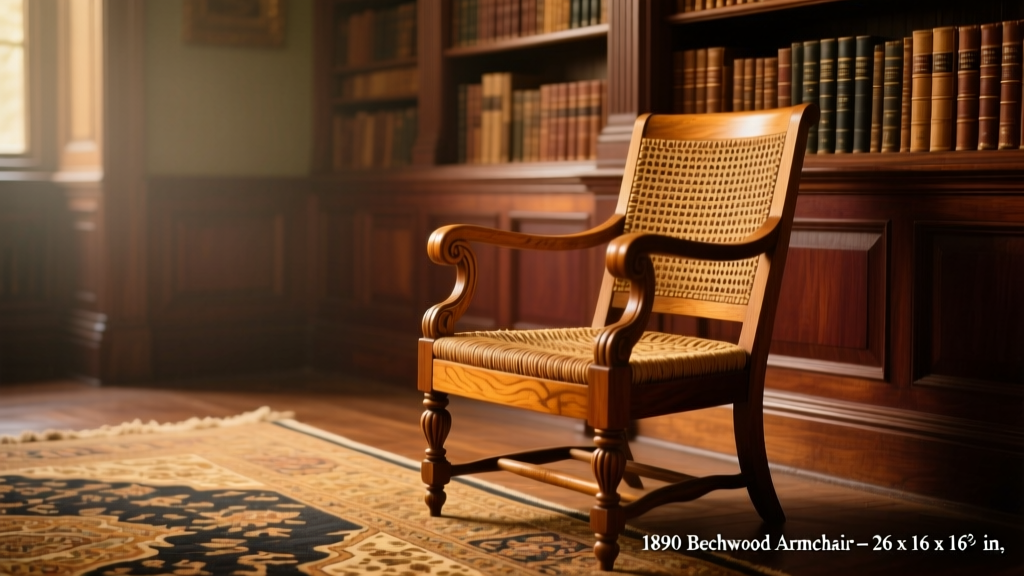
Antique Corner Chair, Beechwood Frame with Rush Seat: A Technical Restoration Profile (c. 1890)

The Techno Sofa by Osvaldo Borsani: A Landmark of Italian Mid-Century Folding Innovation, 1954

Korean Six-Panel Folding Screen with Ink-and-Color Landscapes: Authentication, Conservation, and Historical Context

Madame Alexander Snow White Doll: Plastic Socket Head, Sleep Eyes, 1952, 15-Inch — Identification, Restoration & Collectibility
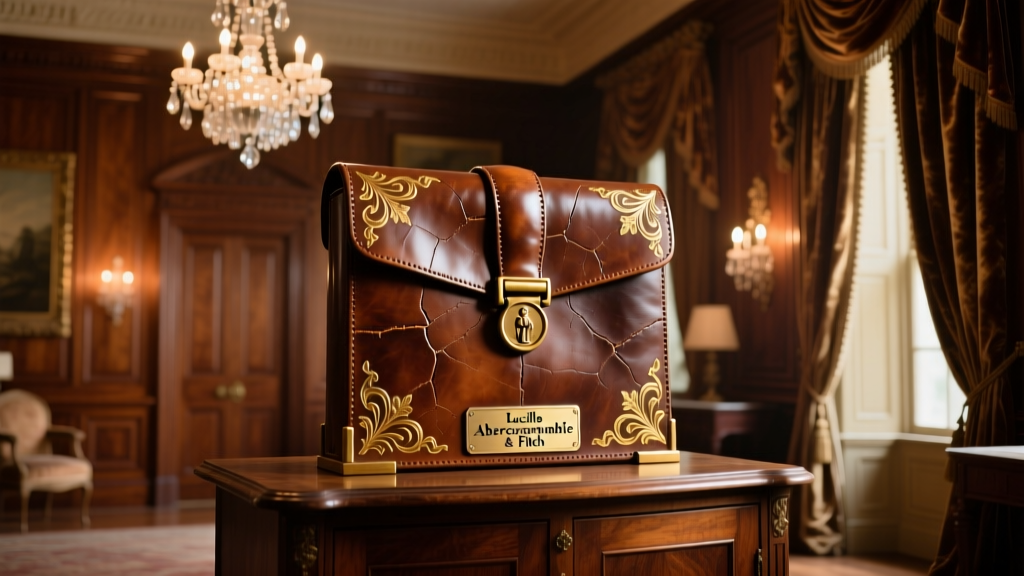
The Leather Figure Seal: Lucille Abercrombie Fitch’s 30-Inch Studio Signature Piece

RS Prussia Shaving Mug with Poppy Design and Steeple Mold: Identification, History, and Restoration Insights
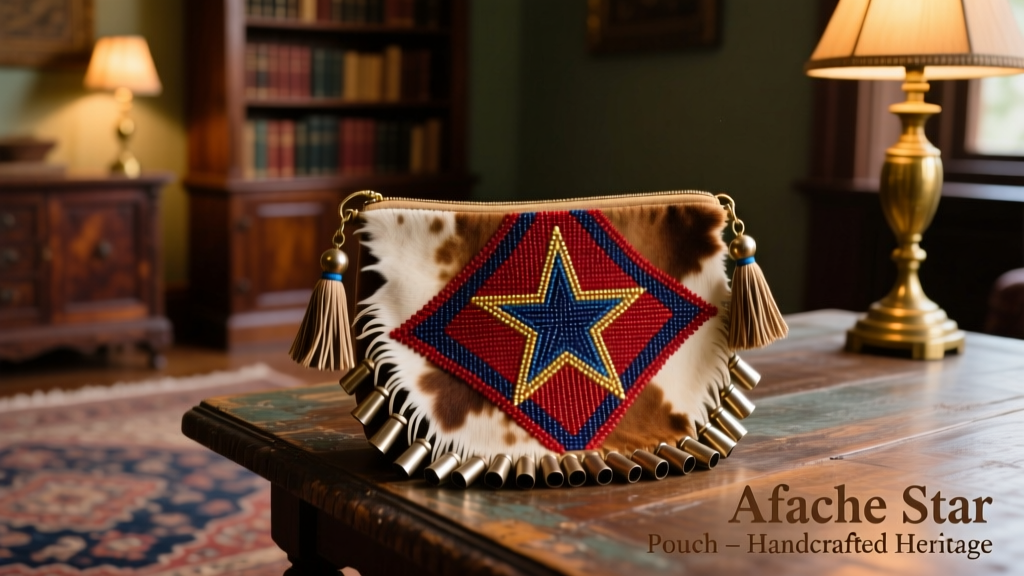
Authentic Apache Beaded Hide Pouch: Star Motif, Tin Cone Tassels, and Historical Context of a 7½-Inch Artifact

Conjoined Vase Commands High Price: Rarity, Provenance, and the $2.4 Million Record at Sotheby’s

Optical Toys: Victorian Illusion, Scientific Ingenuity, and the Birth of Motion Pictures