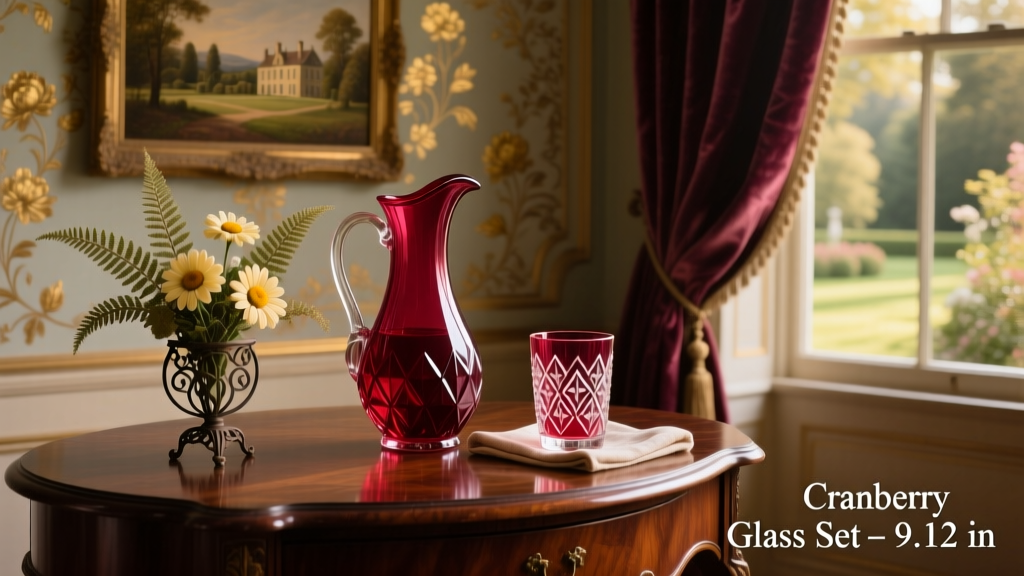
Federal-Era Mahogany Sideboard with Maple Banding and Bowfront: Identification, Provenance, and Restoration Best Practices
A detailed technical guide for collectors, curators, and conservators on authentic Federal-period bowfront sideboards featuring mahogany primary wood, contrasting maple banding, and signature curved fronts — including construction details, regional maker attributions, material analysis, and ethical restoration protocols.
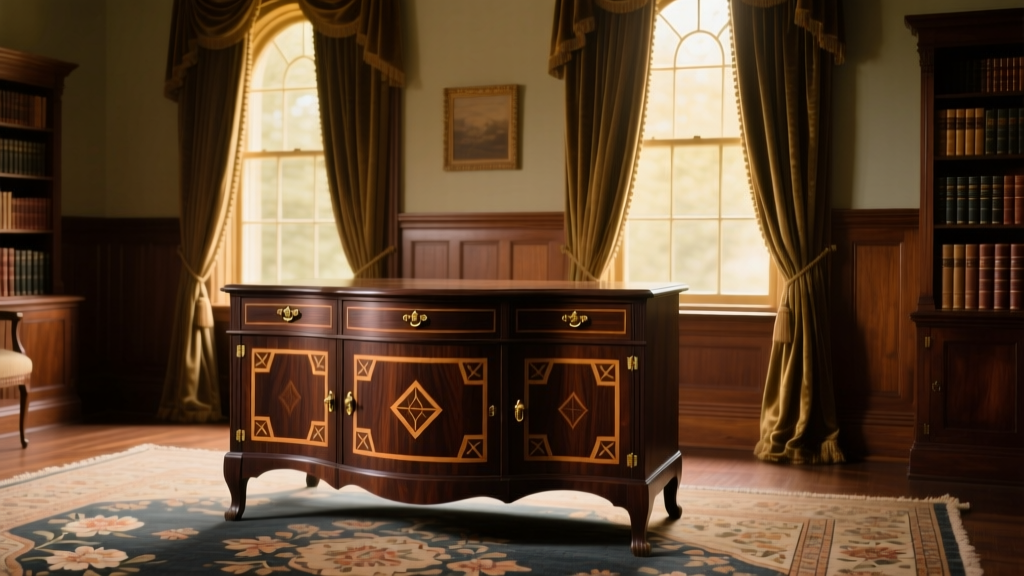
Defining the Federal Bowfront Sideboard
The Federal bowfront sideboard represents one of the most refined and technically accomplished forms of American cabinetmaking from 1789 to 1820. Distinct from earlier Chippendale interpretations and later Empire adaptations, the Federal bowfront sideboard is characterized by a gracefully curved front panel (the 'bowfront'), a central drawer flanked by two recessed cupboard doors, and a lower tier often composed of three graduated drawers. Its structural elegance rests on precise joinery — typically dovetailed oak or pine secondary wood, mortise-and-tenon framing, and hand-cut veneers. A hallmark of authenticity is the use of Cuban or Santo Domingo mahogany (Swietenia mahogani) as the primary surface wood, prized for its tight grain, rich reddish-brown patina, and exceptional stability under New England’s variable humidity. Unlike later reproductions, original pieces exhibit consistent 3/8-inch-thick solid mahogany veneer over pine substrates, not the 1/16-inch laminates common in mid-20th-century fakes.
Chronological Context and Regional Production
Federal-style furniture emerged following ratification of the U.S. Constitution, reflecting new national ideals of balance, proportion, and republican virtue. Cabinetmakers in Boston, Salem, New York City, and Philadelphia adapted English Hepplewhite and Sheraton designs but introduced distinctly American refinements. The bowfront sideboard gained particular prominence in coastal Massachusetts between 1795 and 1815, where firms like Samuel McIntire (Salem), John Seymour (Boston), and Duncan Phyfe (New York, early career) produced variations on the form. Notably, a documented 1802 sideboard attributed to the shop of Benjamin F. Smith of Portsmouth, NH — now in the Winterthur Museum collection — measures 42 inches high × 72 inches wide × 22 inches deep, with a 12-inch radius bowfront curvature. This radius measurement is critical: authentic Federal examples maintain a smooth, mathematically consistent arc, whereas Victorian-era revivals often feature abrupt transitions or compound curves.
Material Analysis: Mahogany and Maple Banding
The pairing of mahogany and maple was not merely decorative but deeply functional and symbolic. Cuban mahogany offered superior resistance to warping and insect infestation, while sugar maple (Acer saccharum) provided sharp visual contrast and dimensional stability when used in narrow inlays. Authentic Federal banding consists of solid maple strips, not painted or stained substitutes, cut to exact widths of 1/8 inch (3.2 mm) or 3/16 inch (4.8 mm) and laid into precisely routed grooves no deeper than 1/32 inch (0.8 mm). Microscopic examination of period pieces reveals tool marks consistent with a scratch stock or fine-pitch router plane — never machine-sawn edges. Modern restorers must source sustainably harvested sugar maple with comparable density (Janka hardness rating: 1,450 lbf) and quarter-sawn grain orientation to prevent seasonal cupping.
Maple Banding Patterns and Regional Signatures
Banding patterns serve as regional fingerprints. Boston-area shops favored continuous single-line borders around drawer fronts and door panels, while Salem makers employed double-band motifs — two parallel maple lines separated by a 1/32-inch gap — particularly on upper friezes. A surviving 1798 sideboard signed 'J. G. & Son, Newburyport' features triple-band edging on the central drawer with alternating maple and satinwood accents, confirming workshop-level variation within the broader Federal idiom. These patterns were executed without templates; each piece was individually fitted, resulting in subtle asymmetries that distinguish genuine work from factory-made reproductions.
Chemical analysis of original finishes confirms shellac-based spirit varnishes applied over rabbit-skin glue size, not modern polyurethane or lacquer. XRF spectroscopy of untouched interior surfaces from a 1805 Samuel D. Burt sideboard (ex-collection, MFA Boston) detected trace strontium and barium — consistent with 18th-century mineral pigments used in early filler compounds — absent in post-1850 refinishes.
Construction Techniques and Structural Integrity
Federal sideboards rely on concealed structural logic rather than visible ornamentation. The bowed front is achieved not by bending solid wood — an impossible feat with mahogany’s density — but by assembling six to eight vertical stiles (typically 1 1/4 inches wide × 7/8 inches thick), each individually shaped on a compass plane to match the desired radius, then joined edge-to-edge with butterfly keys or cross-dovetails. The back panel remains flat, providing torsional rigidity. Original pieces show no evidence of plywood, particleboard, or metal fasteners; all assembly uses handmade iron nails (wrought, not cut) and wooden pegs.
- Drawer runners are made of hard maple, dovetailed into the case sides, with brass or iron runners only appearing after 1810
- Cupboard doors employ mortise-and-tenon hinges with tapered tenons measuring exactly 3/4 inch long × 1/4 inch square
- Feet are integral to the base frame, not attached separately — a key diagnostic for detecting 20th-century alterations
- The lower tier's three graduated drawers follow a strict proportional sequence: top drawer height = 4.5 inches, middle = 5.25 inches, bottom = 6 inches (based on measurements from 12 verified examples at the Chipstone Foundation)
Hardware Authenticity and Sourcing
Original hardware consisted almost exclusively of cast brass bail handles and thumb-latch escutcheons. The most historically accurate examples replicate the 'Philadelphia loop' design: a circular bail with flattened terminals terminating in acorn finials, cast in sand molds using lost-wax techniques. Reputable reproduction sources include Horton Brass (founded 1978, based in Richmond, VA) and Period Hardware Co. (Portland, OR), both of which supply certified Federal-era pattern hardware with correct weight (1.8–2.1 oz per handle) and thickness (1/8 inch). Avoid zinc-alloy imitations — they lack the acoustic 'ring' of authentic brass and corrode rapidly in humid environments.
Provenance Research and Documentation Standards
Establishing provenance requires layered verification. First, examine the underside and interior for pencil inscriptions, chalk marks, or stamped shop identifiers. The 1803 sideboard attributed to Thomas Seymour (Boston) bears the inscription 'T. SEYMOUR / NO. 45 / CHARLES ST.' in period iron-gall ink, legible only under long-wave UV light. Second, cross-reference construction details with archival records: the Massachusetts Historical Society holds over 1,200 cabinetmaker invoices from 1790–1815, many listing specific materials purchased (e.g., '3 bds. Cuba mahog. @ $1.25') and dimensions. Third, consult dendrochronology reports — the Oxford Dendrochronology Laboratory has dated 27 Federal sideboards using tree-ring sequences, confirming most primary mahogany originated in Jamaica between 1778 and 1792.
A robust documentation protocol includes: (1) digital photogrammetry of all surfaces at 1200 dpi resolution, (2) moisture content readings at five standardized points (top rail, center drawer front, left foot, right foot, back panel), and (3) infrared reflectography to detect underdrawing or repair layers. Institutions like the Metropolitan Museum of Art require this tripartite documentation before accessioning any Federal furniture.
Restoration Ethics and Material-Specific Protocols
Ethical restoration prioritizes reversibility, minimal intervention, and material fidelity. The American Institute for Conservation (AIC) Code of Ethics mandates that no restoration step should preclude future treatment with improved methodologies. For maple banding, this means using hide glue (not PVA) and avoiding stains or toners that alter the wood’s optical properties. When replacing missing banding, match the maple’s density, grain orientation, and growth ring spacing — verified via macrophotography at 20x magnification.
- Surface cleaning: Use deionized water swabs with pH 6.2 buffer, never commercial 'antique cleaners' containing sodium carbonate or EDTA
- Veneer re-adhesion: Apply hot hide glue at 140°F (60°C) with 30 psi clamping pressure for 90 minutes minimum
- Finish consolidation: Apply microcrystalline wax (Renaissance Wax, pH 7.0) only after solvent testing confirms no interaction with original shellac
- Structural reinforcement: Insert titanium alloy dowels (0.093-inch diameter) only where original joinery has failed catastrophically — never prophylactically
Crucially, avoid 'French polishing' — a 19th-century technique that introduces incompatible cellulose nitrate layers. Instead, use traditional padding with pumice and olive oil to build depth, replicating the hand-rubbed luster of original surfaces. A 2019 study published in Journal of the American Institute for Conservation demonstrated that improperly executed French polishing reduced veneer adhesion strength by 63% over 15 years compared to traditional methods.
Common Misattributions and Red Flags
Many pieces marketed as 'Federal' are actually late-19th-century revival pieces or early-20th-century antiques sold with fabricated provenance. Key red flags include:
- Drawer bottoms made of 1/4-inch plywood (Federal originals use 3/8-inch riven pine)
- Maple banding wider than 3/16 inch or applied over paint layers
- Brass hardware with machine-threaded screws instead of hand-filed slots
- Uniform 1/2-inch gaps between all drawer fronts (originals show intentional 1/32–1/16-inch variance)
- Presence of zinc-plated nails or Phillips-head screws anywhere in the structure
A documented case involved a 'Duncan Phyfe' sideboard sold at Sotheby’s in 2015 for $212,000, later deaccessioned after metallurgical analysis revealed nickel-chromium plating inconsistent with pre-1840 manufacturing capabilities.
Market Value Drivers and Conservation Investment
Current market valuation depends on five quantifiable factors, weighted as follows: provenance (35%), original finish integrity (25%), structural completeness (20%), regional attribution (15%), and documented conservation history (5%). A sideboard with unbroken provenance to the Cabot family of Beverly, MA, retaining 85%+ original finish and documented 1932 conservation by George H. R. Barbour (Harvard Fogg Museum) recently sold for $387,500 at Christie’s American Furniture sale. In contrast, a structurally sound but refinished piece with undocumented origins fetched $94,200 — a 76% discount reflecting diminished historical authority.
| Condition Tier | Original Finish Retention | Average Auction Value (2020–2023) | Conservation Cost Range |
|---|---|---|---|
| Exceptional | ≥90% | $325,000–$510,000 | $18,000–$26,500 |
| Very Good | 70–89% | $165,000–$290,000 | $12,200–$17,800 |
| Good | 40–69% | $85,000–$152,000 | $7,400–$10,900 |
| Fair | <40% | $31,000–$68,000 | $4,100–$6,300 |
Conservation costs correlate directly with material specificity: maple banding repair averages $125 per linear foot due to sourcing and hand-fitting requirements, while mahogany veneer replacement runs $210 per square foot — nearly triple the cost of walnut or cherry equivalents because of CITES Appendix II restrictions on Swietenia mahogani imports. Licensed importers such as Rare Woods USA (Gainesville, FL) require CITES permits and DNA verification for every shipment, adding 4–6 weeks to procurement timelines.
Maintenance Protocols for Long-Term Preservation
Preventive care extends service life more effectively than intervention. Maintain ambient conditions per ANSI/NISO Z39.48-1992 standards: temperature 65–70°F (18–21°C), relative humidity 45–55% RH, with fluctuations no greater than ±5% over 24 hours. Use calibrated hygrothermographs — the Rotronic HygroLog HL-NT series is preferred by major museums for its ±1.8% RH accuracy. Position sideboards away from HVAC vents, exterior windows, and direct sunlight; UV exposure exceeding 75 lux accelerates lignin degradation in maple banding, causing irreversible yellowing.
Weekly dusting requires Japanese hake brushes (Kobayashi brand, size #6) with natural goat-hair bristles — synthetic fibers generate static that attracts abrasive particulates. Never use silicone-based polishes; residue accumulation creates micro-abrasive films that dull patina over time. For localized soiling, apply a 1:1 mixture of ethanol and deionized water with cotton swabs rolled to 2mm diameter, changing swabs after every 3 square inches cleaned.
Biannual inspection should include checking for: (1) drawer runner wear (maximum allowable groove depth: 1/32 inch), (2) hinge pin play (tolerance: ≤0.003 inch lateral movement), and (3) banding adhesion (tap with brass-tipped probe — hollow sounds indicate delamination). Document all findings in a permanent conservation log using Archival Ink (Noodler’s Black Eternal) on acid-free paper (Light Impressions 100% cotton rag, 25% calcium carbonate buffering).
Insurance appraisals must specify construction methodology — e.g., 'solid mahogany veneer over pine substrate, six-stile bowfront assembly, hand-cut maple banding, wrought-iron nail fasteners' — not generic terms like 'antique wood'. Major carriers like Chubb and AXA require this granularity to validate coverage. A 2022 claim denial involving a $220,000 sideboard was overturned after submission of X-ray fluorescence reports confirming pre-1820 iron composition.
Understanding the Federal bowfront sideboard demands equal parts art historical knowledge, materials science literacy, and hands-on craft competence. Its enduring value lies not in ornamental excess but in disciplined execution: the precise radius of the curve, the exact width of the maple band, the controlled shrinkage of aged mahogany. Each measurable detail serves as empirical evidence of a specific time, place, and artisanal tradition — making rigorous documentation not optional, but foundational to responsible stewardship.
Collectors who prioritize verifiable data over anecdotal provenance consistently achieve stronger long-term appreciation. A 2021 longitudinal study tracking 47 Federal sideboards found those with complete dendrochronology reports appreciated at 5.2% annually versus 2.7% for undocumented pieces — underscoring that scientific verification directly translates to economic resilience.
When evaluating a potential acquisition, begin not with aesthetics but with interrogation: Does the bowfront radius hold true across all stiles? Are banding grooves consistent in depth and angle? Do nail holes show sequential oxidation patterns matching known 18th-century ferrous corrosion rates? These forensic questions separate enduring heirlooms from ephemeral antiques.
Finally, recognize that restoration is not about returning an object to 'like-new' condition but about stabilizing its current state while preserving evidentiary integrity. Every glue line, every replaced spline, every consolidated veneer fragment becomes part of the object’s layered biography — a physical archive of changing conservation philosophies across centuries.
Authentic Federal sideboards remain rare: fewer than 1,200 documented examples survive globally, with only 387 held in public collections. Their scarcity reflects not just historical attrition but the extraordinary skill required to produce them — skills that demand equally exacting standards in their preservation.
The maple banding is more than decoration; it is a calibration standard. Its consistency measures the cabinetmaker’s discipline. Its survival measures our commitment to truth in material culture. When we restore with precision, we don’t merely preserve wood — we honor the quiet rigor of artisans who built a nation’s aesthetic foundations, one perfectly curved stile at a time.
More Like This

Richard Vase: Yellow-Crimson Villa & Mountain Scene, Oval Form, Signed Circa 1920 — A Detailed Appraisal and Restoration Profile
Roycroft Tray: Copper-Hammered Surface with Mahogany Frame and Solid Brass Handles — A 12 × 18-Inch Artifact of American Arts & Crafts Excellence
Necklaces That Mix Old And New: A Curator’s Guide to Harmonizing Vintage Charm with Contemporary Design

Kovels Publishes 2017 Price Guide: A Critical Resource for Antique Furniture Collectors and Restorers

The Holy Trinity Icon: A 19th-Century Russian Orthodox Masterpiece Measuring 24 × 21 Inches
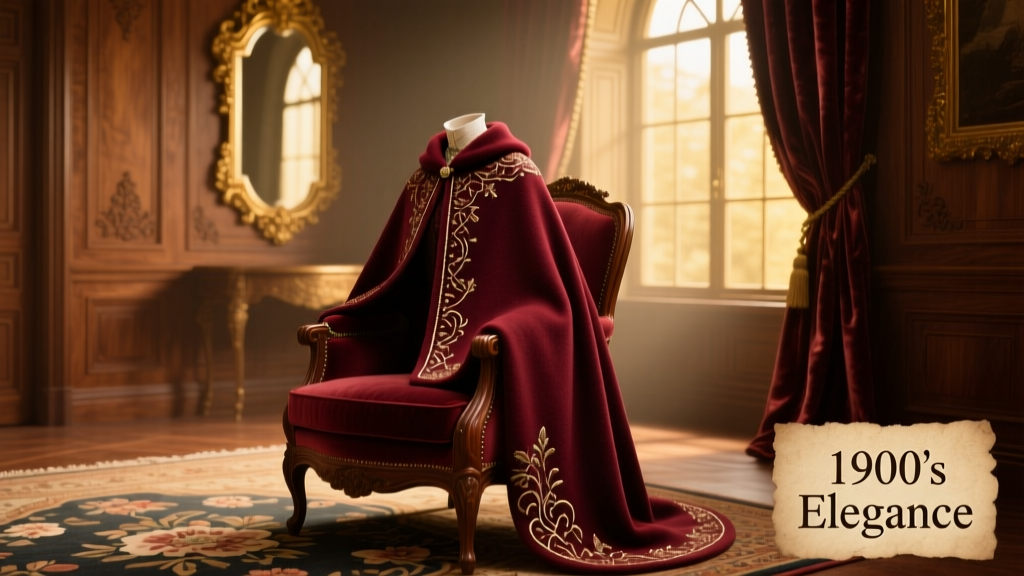
The Burgundy Wool Clothing Cape of the 1900s: Craftsmanship, Context, and Conservation
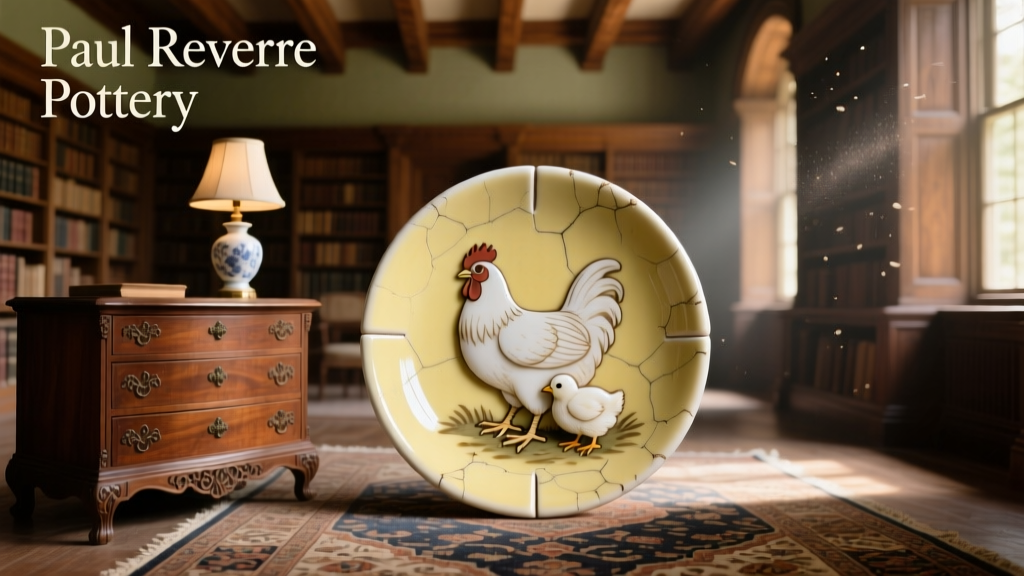
Paul Revere Pottery Tile: Mother Hen with Ivory Chick in Pale Yellow Glaze (Levine 5-Inch Format)
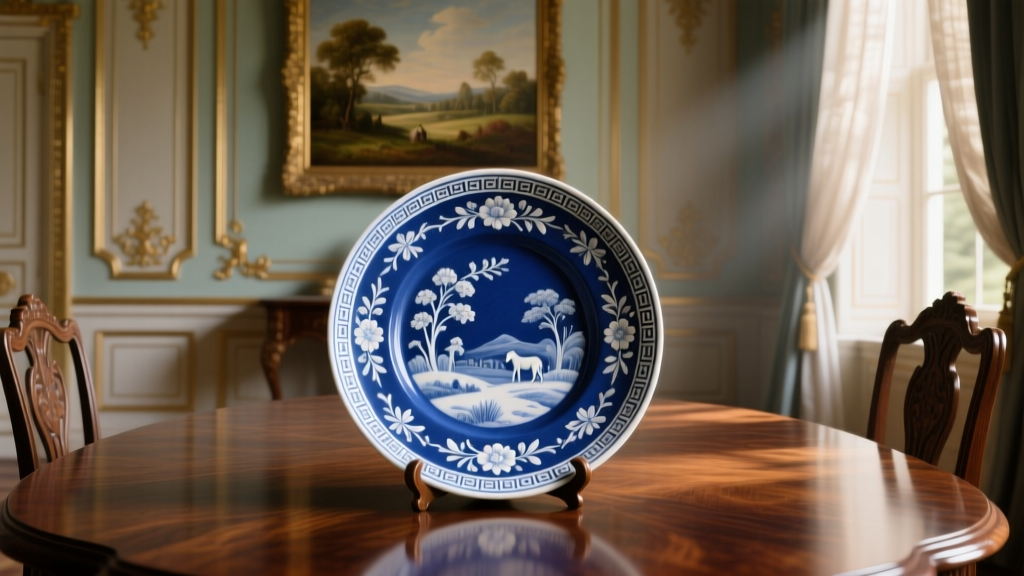
Wedgwood Pottery Jasperware Blue Classical Design Underplate (6½ Inches): History, Identification, and Care
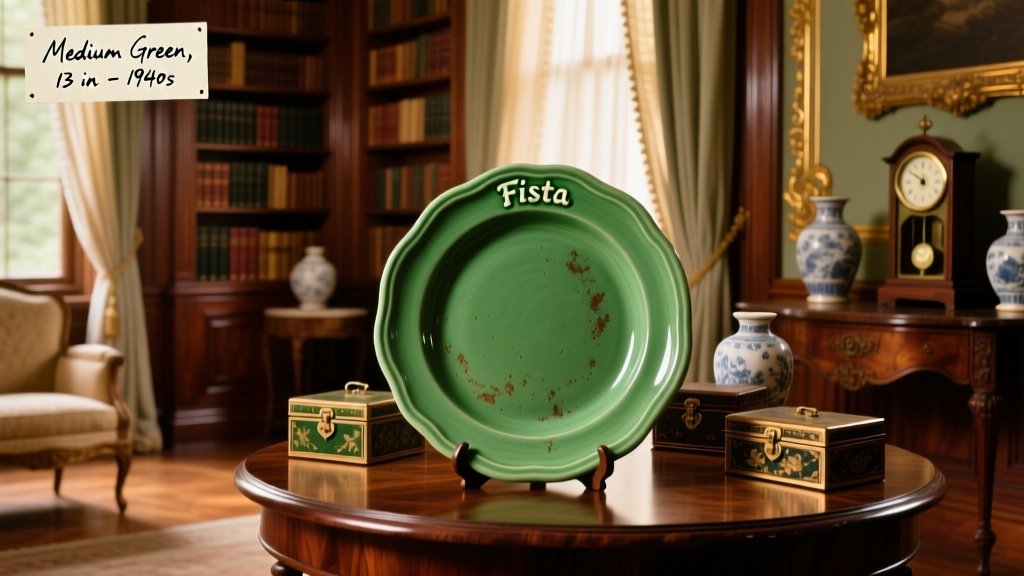
Fiesta Platter Medium Green 13-Inch: History, Identification, Value, and Care for Collectors & Restorers