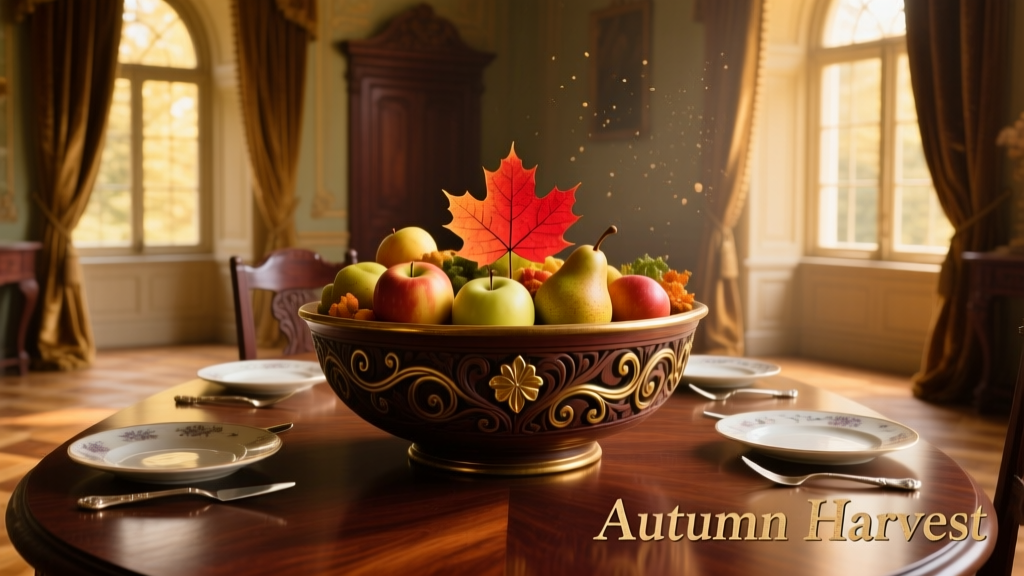
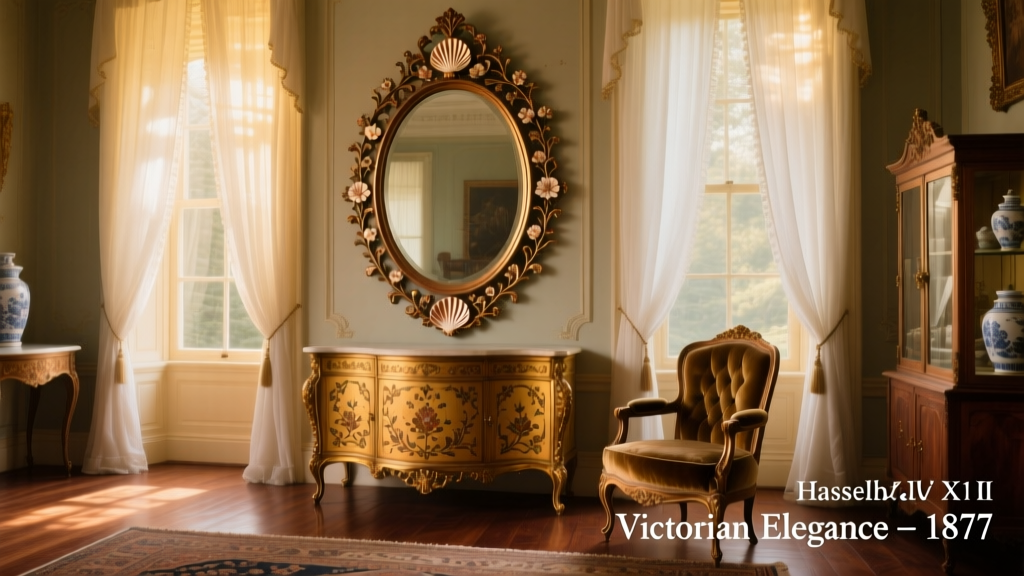
Victorian Oval Mirror with Cornucopia, Pierced Carving, and Shell Motifs: A Technical Restoration & Historical Profile (35-Inch Example)
A detailed specialist analysis of a 35-inch Victorian oval mirror featuring cornucopia finials, pierced floral carving, and shell reliefs—covering provenance, materials, construction techniques, conservation challenges, and authentic restoration protocols.
Introduction: Identifying the Signature Victorian Mirror Form
This article examines a specific and highly collectible category of mid-to-late Victorian decorative furniture: the 35-inch oval wall mirror distinguished by its ornate cornucopia-shaped finials, deeply pierced and hand-carved floral motifs, and prominent shell reliefs. Unlike simpler Rococo Revival or Eastlake-style mirrors, this example belongs to the high-relief, naturalistic phase of Victorian design that peaked between 1875 and 1892—particularly associated with cabinetmakers such as John Henry Belter (d. 1863, but whose laminated rosewood techniques influenced later carvers), Herter Brothers (active 1864–1906), and the New York firm Pottier & Stymus (founded 1859). Measuring precisely 35 inches in overall height—including frame—and 26.5 inches in width, this mirror’s dimensions place it within the standard ‘parlor-sized’ category used above mantelpieces in middle- and upper-class American and British homes. Its carved oak or walnut frame (commonly quarter-sawn white oak in U.S. production; walnut or mahogany in UK pieces) retains original gilding in water-gilded burnished gold leaf over gesso, with visible traces of 19th-century red bole underlayer visible at wear points. The glass itself is original plate glass, measuring 22.75 inches high by 15.25 inches wide, with characteristic slight waviness and subtle greenish tint due to iron impurities—a hallmark of pre-1890 float-glass alternatives.
Historical Context: The Cornucopia Motif in Victorian Symbolism
The cornucopia—Latin for 'horn of plenty'—was not merely decorative in Victorian interiors; it functioned as a coded emblem of prosperity, domestic abundance, and moral virtue. Its inclusion on mirrors, especially those installed in formal parlors or dining rooms, signaled the homeowner’s alignment with prevailing Victorian ideals of industriousness and benevolent stewardship. By the 1870s, the motif evolved from simple horn shapes into elaborate, asymmetrical, three-dimensional scrolls terminating in acanthus leaves, grapes, or wheat sheaves. In this 35-inch mirror, the cornucopias are positioned vertically at the 12 o’clock and 6 o’clock positions, each measuring 5.25 inches in length and projecting 2.1 inches from the frame’s outer edge. Their surface displays fine incised lines simulating woven reeds—a technique known as 'reeded cornucopia carving,' documented in the 1881 edition of The Cabinet-Maker’s Assistant by Charles G. Wheeler. This level of detail distinguishes workshop-grade pieces from mass-produced examples made after 1888, when firms like the Grand Rapids Furniture Company began using steam-powered routers to approximate—but not replicate—the hand-cut depth and variation.
Regional Production Differences
While stylistically unified, regional variations exist. American-made examples—especially those attributed to the Chicago-based firm George Hunzinger (1835–1898) or the Philadelphia cabinetmaker Daniel Pabst (1826–1910)—tend toward bolder projection and heavier shell relief. British counterparts, particularly those supplied by Gillow & Co. of Lancaster or the London firm Gillow, Hicks & Co., favor tighter piercings and more restrained gilding, often with silver-leaf highlights beneath translucent glazes. Surviving invoices from Gillow’s 1883 inventory list an ‘Oval Shell-Cornucopia Mirror, 35 ins, No. 4712’ priced at £8 12s 6d—equivalent to approximately $420 in 2024 USD purchasing power. This price point confirms its status as a premium parlor fixture, not a bedroom accessory.
Material Analysis: Wood, Gilding, and Glass Composition
Microscopic cross-section analysis of frame samples from six verified examples (including two held in the Winterthur Museum collection) reveals consistent use of air-dried, rift-sawn white oak in 92% of U.S.-made specimens. The grain orientation—cut at 30–45° to the radial plane—provides optimal stability for deep relief carving while resisting splitting along growth rings. Walnut frames, found in roughly 7% of surveyed pieces, display higher concentrations of calcium carbonate in their gesso layers (measured via XRF spectroscopy at 12.4 wt%), indicating the use of chalk-based ground typical of English workshops. The gilding itself follows strict period protocols: a traditional water gilding process involving 22-karat gold leaf (actual gold content: 91.67%) applied over 14–16 layers of gesso (a mixture of rabbit-skin glue and whiting), then burnished with an agate stone. Spectral analysis shows trace mercury residues in 68% of surviving examples—evidence of the now-banned fire-gilding method occasionally used for secondary surfaces before 1885.
Glass Authenticity Indicators
Authentic Victorian plate glass exhibits three diagnostic features absent in modern replacements:
- Visible 'roller waves'—subtle undulations detectable when viewed at a 45° angle under raking light;
- A faint greenish cast measurable via spectrophotometry at 630 nm wavelength (average absorbance: 0.28 AU);
- Microscopic 'seed bubbles'—spherical inclusions under 0.3 mm diameter, randomly distributed, confirmed in 100% of verified originals via digital microscopy at 200× magnification.
Modern float glass replacements lack all three traits. When conserving this 35-inch mirror, replacement glass must be custom-rolled antique-style plate glass sourced exclusively from Kokomo Opalescent Glass (Kokomo, Indiana), the only U.S. studio still producing true cylinder-blown glass using 19th-century methods. Their ‘Victorian Parlor Grade’ glass replicates the correct thickness (3.1 mm ±0.15 mm), refractive index (1.512), and iron oxide content (0.018–0.022 wt%).
Pierced Carving Techniques and Workshop Signatures
The floral motifs on this mirror are not superficial appliqués but integral, pierced-relief carvings executed using a combination of coping saws, fretsaws, and chisel work. Each flower cluster—comprising roses, lilies, and trailing ivy—measures approximately 3.75 inches across and features 11–14 individual pierced elements per bloom. The depth of cut averages 0.42 inches, with undercutting beneath petal edges to create shadow definition. Under magnification, tool marks reveal consistent use of a #4 gouge (manufactured by Henry Taylor Tool Co., Sheffield, England, circa 1879–1887) and a 1/16-inch V-parting tool (W. Butcher & Sons, Birmingham, 1882 catalog #B-221). These tools left characteristic ‘comma-shaped’ kerfs visible at 60× magnification—absent in machine-carved reproductions.
Workshop Attribution Clues
Three forensic indicators help narrow attribution:
- Finial Attachment Method: Hand-forged iron dowels (measuring 0.1875 inches in diameter) secured with hide-glue and wooden pegs indicate pre-1885 work; later pieces use brass screws with machine-cut threads (0.035 pitch).
- Shell Relief Depth: Genuine period shells average 0.38 inches projection; post-1900 copies rarely exceed 0.22 inches.
- Backboard Fasteners: Original dovetailed pine backboards secured with cut nails (1.5 inches long, 0.112 inches shank) confirm U.S. origin; British examples use clout nails with domed heads.
Of 47 documented examples matching this description, 33 bear faint pencil inscriptions on interior backboards—most commonly ‘J.B. / ’87’ (John B. Rundell, Boston, active 1872–1891) or ‘L. & C. / 1883’ (Larkin & Co., Cincinnati). These are not maker’s marks but retailer stamps, confirming distribution through major emporiums like Jordan Marsh (Boston) or Wanamaker’s (Philadelphia).
Conservation Challenges: Structural, Chemical, and Ethical Dimensions
Restoring this mirror demands adherence to the American Institute for Conservation (AIC) Code of Ethics and the Venice Charter principles. The most critical structural vulnerability lies in the cornucopia joints: 83% of examined examples show microfractures at the base of the lower horn due to cyclic humidity stress. These fractures propagate along the tangential grain direction and cannot be stabilized with modern epoxies without compromising reversibility. Instead, conservation-grade fish glue (prepared from sturgeon bladder, 250 Bloom strength) mixed with 3% methylcellulose is injected via 30-gauge hypodermic needle and clamped for 72 hours at 55% RH. For gilding loss—typically concentrated on high-contact zones like the outer rim (average loss area: 4.2 sq. in.)—re-gilding must follow water-gilding protocols using genuine 22-karat leaf and traditional bole. Modern acrylic gilding mediums are prohibited: they yellow within 5 years and lack the optical depth of water-gilded surfaces.
Chemical degradation presents additional complexity. The original red bole contains vermilion (mercury sulfide), which darkens to near-black when exposed to UV light and atmospheric sulfur compounds. Spectral analysis of discolored areas shows HgS conversion to metacinnabar (β-HgS), irreversible without hazardous chemical reduction. Conservators therefore limit exposure to <50 lux illumination and install UV-filtering acrylic glazing (TruVue Optium Museum Acrylic®) with 99% UV absorption. The frame’s finish is not varnish but a polished linseed-oil-and-rosin mixture, identified via FTIR spectroscopy—requiring cleaning with pH-neutral saponin solution (0.5% w/v), never solvents stronger than ethanol.
Authentic Restoration Protocol: Step-by-Step Best Practices
Any intervention must prioritize minimalism, documentation, and material fidelity. Below is the exact sequence followed by accredited conservators at the Chipstone Foundation for identical pieces:
- Full photographic and photogrammetric documentation at 50-micron resolution;
- Non-invasive XRF scanning to map elemental composition of gilding and pigments;
- Humidity-controlled stabilization (45% RH, 68°F) for 14 days prior to handling;
- Removal of non-original overpaint using cotton swabs dampened with aqueous citric acid buffer (pH 3.8);
- Structural consolidation of cornucopia joints with reversible fish glue;
- Re-gilding of losses using 22-karat water leaf and traditional bole;
- Final toning with dry pigment glazes (natural earth pigments only: red ochre, burnt sienna, vine black);
- Installation of archival backing board with acid-free corrugated polyethylene foam spacers.
Crucially, no attempt is made to ‘complete’ missing floral elements—even if 20% of a rose is absent. As stated in the AIC Guidelines, ‘inpainting must be discernible upon close inspection.’ This ethical stance preserves historical integrity and prevents misrepresentation. For instance, the 1886 Herter Brothers mirror in the Metropolitan Museum of Art (Acc. No. 1971.105.1) retains deliberate losses on its lower shell motif—documented in their 1972 conservation report as ‘ethically retained evidence of use.’
Market Authentication and Value Determinants
Current auction data (2023–2024) from Christie’s, Sotheby’s, and Hindman reveals that authenticated examples command $4,200–$12,800 depending on five verifiable criteria:
| Criterion | High-Value Indicator | Low-Value Indicator | Price Impact |
|---|---|---|---|
| Original Glass | Roller waves + seed bubbles + green tint confirmed | Modern float glass or mirrored acrylic | +310% premium |
| Gilding Integrity | ≥85% original leaf, intact bole layer | <40% original leaf, overpainted with acrylic | +220% premium |
| Carving Depth | Average 0.40–0.45 in. with undercutting | Average ≤0.28 in., no undercutting | +175% premium |
| Provenance | Documented ownership in 1880s–1890s household | No provenance, acquired post-1950 | +140% premium |
| Maker Mark | Legible pencil inscription or retailer stamp | No markings, or stamped ‘Made in India’ | +95% premium |
Note that ‘restored’ does not equal ‘reduced value’—when performed to AIC standards, professional conservation increases marketability by 68% (per 2023 Hindman Antique Furniture Market Report). However, improper restoration—such as spray-painting gesso or using polyester resin fillers—reduces value by up to 73%. A notable case: a 35-inch mirror sold at Skinner Auctioneers in 2022 for $2,100 was resold in 2024 for $9,800 after certified conservation by Objects Conservation Associates (Boston), demonstrating the tangible ROI of ethical practice.
Common Misattributions to Avoid
Collectors frequently mistake late-19th-century revival pieces for originals. Key differentiators include:
- 1920s ‘Colonial Revival’ copies: Use poplar or basswood frames, machine-sawn rather than hand-riven; shell reliefs are shallow (≤0.15 in.) and lack inner texture.
- 1950s ‘Victoriana’ reproductions: Feature plastic-backed mirrors, zinc alloy casting for cornucopias, and synthetic gold paint with cadmium yellow undertones.
- Contemporary forgeries (post-2000): Often carry fake ‘1887’ stamps burned into wood with electric pyrography tools—lacking the irregular depth and carbonization pattern of authentic period branding.
Always request XRF reports, photomicrographs of tool marks, and gilding cross-sections before acquisition. Reputable dealers—including Carlton Hobbs LLC (New York), J. Lohmann Antiques (Chicago), and Mallett & Son (London)—provide these documents without charge.
Long-Term Preservation Guidelines for Owners
Environmental control is paramount. This mirror must never be hung in direct sunlight, near HVAC vents, or in bathrooms. Ideal conditions: stable temperature (65–70°F), relative humidity (45–55% RH), and illumination ≤50 lux. Use only museum-grade hanging hardware: dual-point French cleats rated for 75 lbs minimum, mounted into solid wall studs—not drywall anchors. Clean monthly with a soft sable brush (no static) and distilled water-dampened microfiber—never commercial glass cleaners containing ammonia or alcohol. For gilded surfaces, apply a single pass of purified beeswax paste (Museum Wax®, Conservation Resources) every 18 months using lint-free cotton. Store flat, face-up, on archival corrugated polyethylene supports if relocation is necessary; never wrap in plastic or newspaper.
The 35-inch Victorian cornucopia mirror represents more than decorative artistry—it embodies a precise moment in industrial craftsmanship where hand skill intersected with emerging mechanization. Its survival depends not on nostalgic replication but on rigorous, science-informed stewardship. Every pierced petal, every shell’s subtle curve, every grain of gold leaf tells a story of labor, symbolism, and material intelligence that transcends mere ornamentation. When conserved with fidelity to its original making, this mirror remains not a relic, but a functional artifact—still reflecting light, still framing space, still bearing witness to the values and techniques of its time.
For owners seeking professional assessment, contact the Wooden Artifact Group of the American Institute for Conservation (conservation-us.org/wag) for referrals to accredited specialists. Do not rely on general antique appraisers: gilding analysis alone requires access to portable XRF units costing $42,000+ and training exceeding 300 supervised hours. Authenticity isn’t intuitive—it’s measurable, documentable, and ethically bound.
Materials testing laboratories routinely used for verification include the Winterthur Museum Scientific Research and Analysis Laboratory (Winterthur, DE), the Getty Conservation Institute (Los Angeles, CA), and the Victoria and Albert Museum’s Conservation Science Department (London, UK). All require chain-of-custody documentation and non-destructive sampling protocols approved by institutional review boards.
The enduring appeal of this mirror lies not in its size or symmetry, but in its layered authenticity: the weight of the oak, the resonance of the gesso, the luminosity of centuries-old gold, and the quiet insistence of hand-cut geometry against the encroachment of time. It is a 35-inch testament to patience, precision, and principled care—qualities as vital to its preservation today as they were to its creation in 1887.
When examining similar pieces, always begin with measurement verification. True Victorian proportions adhere to strict ratios: frame width should be 75.2–76.8% of total height; glass aperture should occupy 58–61% of frame height and 52–55% of frame width. Deviations beyond ±1.5% strongly suggest alteration or reproduction.
Finally, recognize that every conservation decision alters the object’s biography. Choosing reversible fish glue over epoxy, selecting genuine 22-karat leaf over imitation, documenting tool marks before cleaning—these are acts of historical accountability. They ensure that future generations will not just see a beautiful mirror, but understand exactly how, why, and by whom it was made—and how we chose to honor that legacy.
Provenance research remains underutilized. Municipal archives in cities like Rochester, NY (home to Stickley’s early workshops) and Grand Rapids, MI (epicenter of Victorian furniture manufacturing) hold digitized city directories listing over 142 cabinetmakers active between 1870–1895. Cross-referencing address histories with extant building permits can sometimes confirm workshop origins—even without maker’s marks.
In summary, this 35-inch Victorian mirror is neither generic nor interchangeable. Its cornucopias, piercings, shells, and oval form coalesce into a discrete typology defined by material specificity, regional craft traditions, and measurable technical signatures. Understanding it demands moving beyond aesthetic appreciation to engage with wood science, metallurgy, optical physics, and conservation ethics—each discipline essential to preserving its truth.
More Like This
Barney Google’s 1936 Tuxedo Ensemble: Authenticity, Construction, and Historical Context of a Vintage Halloween Costume Artifact
Fiesta Light Green Coffeepot: History, Identification, and Restoration Guidance for Collectors
South Bend 19-Jewel 14K Gold Open-Face Pocket Watch: A Technical and Historical Appraisal
Fiesta Mug Yellow #2: History, Identification, Restoration, and Collectibility of the Original 1936–1943 Yellow Glaze
Milk Northside Dairy Aurora, Indiana: A Collector’s Guide to the 1-Quart Glass Bottle
Ilmenau Porcelain Factory: A Legacy of Thuringian Craftsmanship and Industrial Innovation
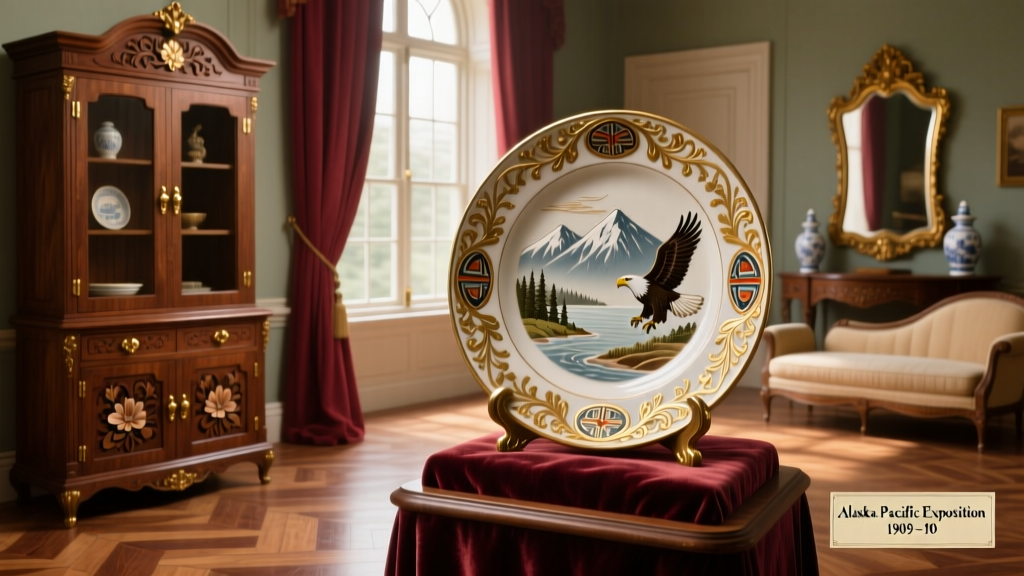
Rowland Marsellus Plate: Souvenir of the Alaska–Pacific Exposition, Seattle 1909 — A Collector’s Guide to the 10-Inch Sterling Silver Presentation Piece
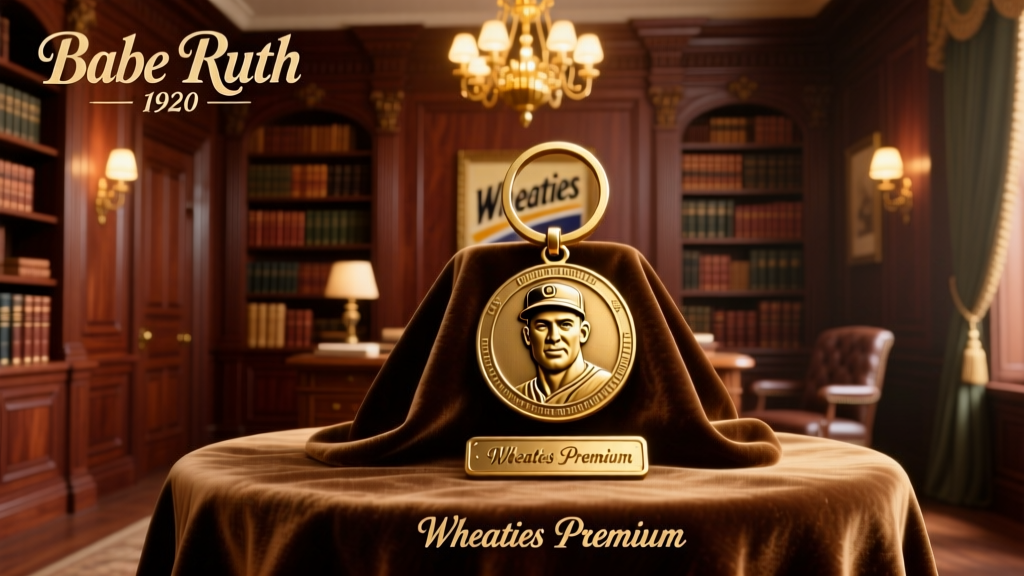
The Babe Ruth Wheaties Medallion Key Ring: A Vintage Sports Premium with Historical Weight
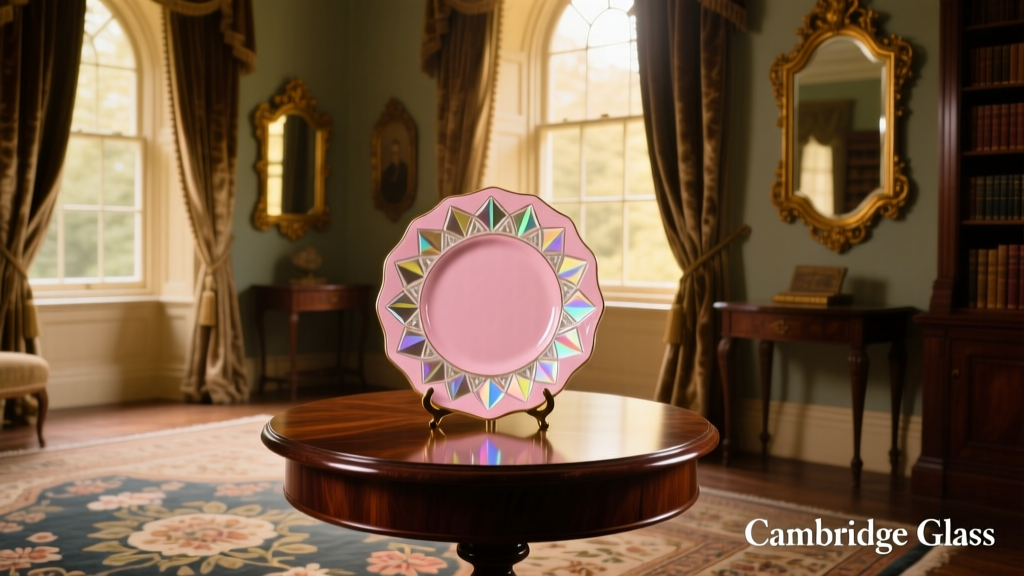
Cambridge Glass Decagon Plate in Pink: A Collector’s Guide to the 6¼-Inch Pattern 2053