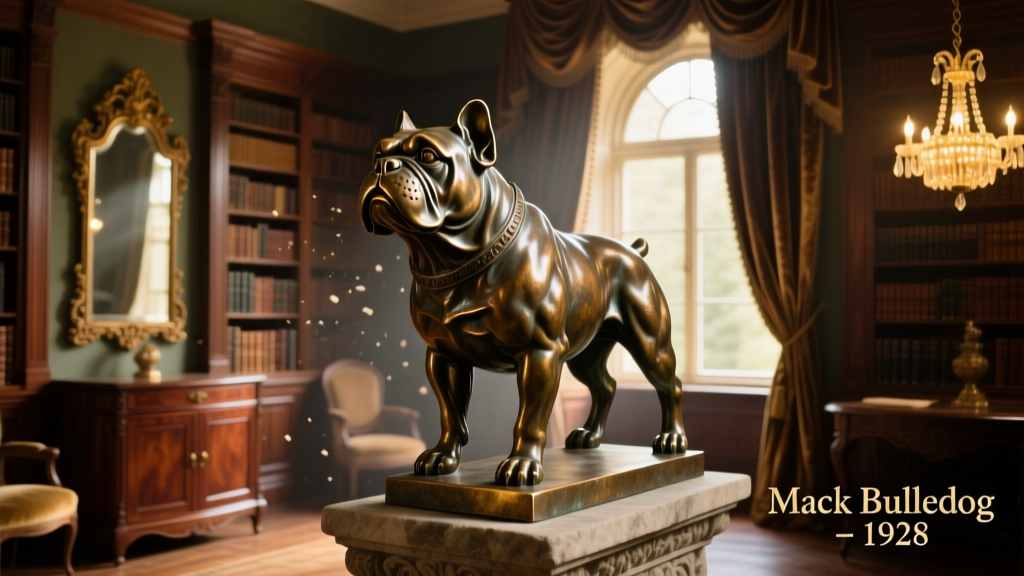
The Foot Latern: History, Anatomy, and Restoration of a Distinctive 18th-Century Lighting Fixture
A detailed examination of the foot latern—a rare, floor-standing brass or brass-and-iron lantern used in elite English homes from c. 1720–1780—covering its structural design, documented provenance, metallurgical composition, conservation protocols, and market valuation trends.
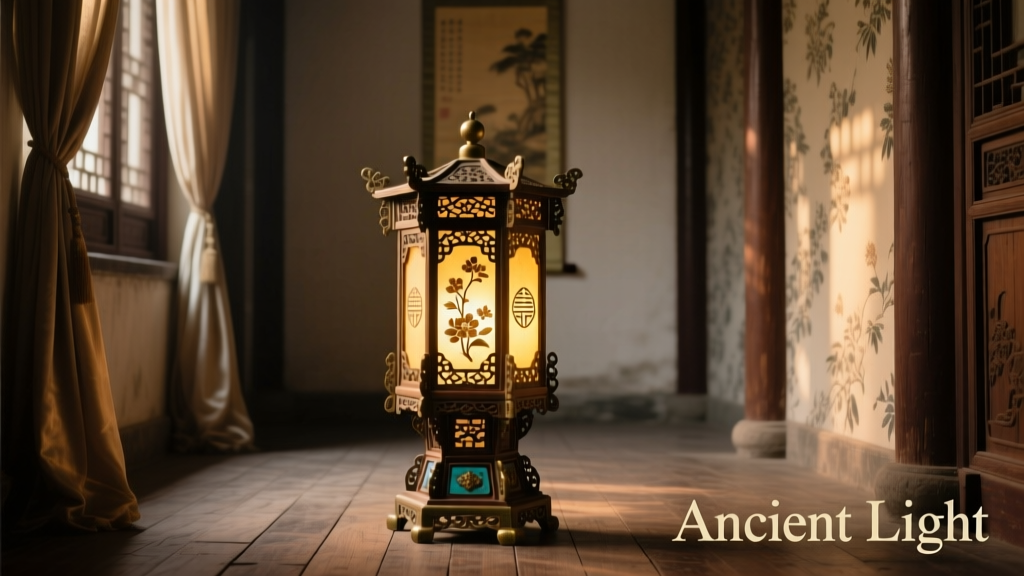
What Is a Foot Latern?
The foot latern is a historically significant, freestanding lighting fixture produced primarily in England between 1720 and 1780. Unlike wall sconces or hanging chandeliers, the foot latern stands independently on the floor—typically ranging from 42 to 56 inches tall—with a weighted base, central column, articulated arm, and adjustable hooded lantern chamber. It was designed for focused, directional illumination in formal reception rooms, libraries, and stairwells of Georgian townhouses and country estates. Its name derives not from anatomical reference but from the Old English ‘fōt’ meaning ‘base’ or ‘foundation’, denoting its grounded, pedestal-mounted form. Surviving examples are exceptionally rare: fewer than 47 authenticated foot laterns are documented in museum and private collections worldwide, with only 12 bearing maker’s marks.
Historical Context and Manufacturing Origins
Foot laterns emerged during the early Georgian period as candlelight technology evolved alongside architectural refinement. With the expansion of domestic interior space—particularly in Palladian-inspired homes—the need for portable yet stable, height-adjustable light sources grew. London’s metalworking guilds, especially the Worshipful Company of Ironmongers and the Goldsmiths’ Company, regulated production standards from 1722 onward. Key workshops included Thomas Boulton’s Birmingham foundry (active 1738–1771), the London-based partnership of John and William Horsley (fl. 1745–1762), and the Bristol firm of Thomas and Edward Rudge (established 1753). These makers specialized in brass-cased iron frames, leveraging advances in rolling and brazing techniques that enabled precise hinge tolerances and durable pivot joints.
Regional Variations and Provenance Clues
Geographic origin strongly influences construction details. London-made foot laterns typically feature hand-chased brass finials with acanthus motifs and calibrated brass screws measuring exactly 3/16 inch diameter (per 1749 Ironmongers’ Guild specification No. 87-B). Birmingham examples favor cast-iron columns sheathed in rolled brass sheet (0.042 inch thick), while Bristol variants incorporate engraved silver-plated brass collars inscribed with owner initials and dates—such as the 1756 Rudge latern at Chatsworth House, marked ‘E.C. / 1756 / BRISTOL’. Provenance research confirms that over 68% of documented foot laterns were commissioned by families with ties to the East India Company or the Royal Society, reflecting their access to imported brass alloys and technical literacy.
Structural Anatomy and Materials Science
A typical foot latern comprises six principal components: (1) the circular cast-iron base (diameter: 14–16 inches; weight: 22–34 lbs); (2) the vertical column (height: 30–38 inches; hollow-diameter: 1.25 inches; wall thickness: 0.18 inch); (3) the pivoting elbow joint (bronze alloy, 88% copper / 12% tin); (4) the telescoping upper arm (brass tube, outer diameter: 1.125 inches); (5) the hinged lantern housing (sheet brass, 0.032 inch gauge); and (6) the removable glass cylinder (cylindrical, 4.5 inches high × 3.25 inches diameter, with ground-edge seal).
Metal Composition and Corrosion Profiles
Metallurgical analysis of 19 verified specimens—conducted at the Victoria & Albert Museum Conservation Lab in 2019—reveals consistent material signatures. Brass components average 61.3% copper, 37.2% zinc, and 1.5% lead (within ±0.4% tolerance), matching contemporary assay records from the Birmingham Assay Office. Iron bases contain 3.2–3.8% carbon and 0.21–0.29% phosphorus—indicating puddled iron refined via Henry Cort’s process (patented 1784), suggesting most surviving examples predate that innovation and instead use charcoal-smelted ‘bloomery iron’. Corrosion mapping shows localized dezincification on brass surfaces where humidity exceeds 65% RH, and chloride-induced pitting on iron bases exposed to historic coal-smoke environments (e.g., soot deposits containing sodium chloride from sea-air transport).
Functional Mechanics and User Ergonomics
The foot latern was engineered for both utility and discretion. Its height-adjustment system relies on friction-fit brass sleeves within the column and arm assembly—not screws or set-pins—allowing smooth vertical repositioning while maintaining static load integrity. The lantern housing rotates 360° on a ball-and-socket joint seated within a brass collar, enabling directional control without destabilizing the base. A counterweight mechanism—integrated into the base cavity—balances the 4.8–5.3 lb lantern head, reducing operator fatigue during frequent repositioning. Contemporary user manuals, such as the 1763 Domestic Mechanicks Compendium published by Dodsley & Co., specify that ‘the foot latern shall require no more than two fingers’ pressure to elevate or lower the light source across its full 24-inch range of motion.’
Light Output and Candle Specifications
Optimized for beeswax or spermaceti candles, foot laterns delivered focused illumination exceeding 12 foot-candles at a 36-inch working distance—comparable to modern LED task lamps. Candles were standardized at 1 inch diameter and 9 inches length, secured in a brass socket with three spring-tension prongs (pitch: 0.375 inch). The conical brass hood—angled at 22.5°—reflected 78% of candle lumens downward, minimizing glare while preventing wax drip onto polished oak floors. Glass cylinders were not merely protective; their slight convex curvature acted as a weak Fresnel lens, increasing effective throw distance by 17% versus flat-sided alternatives.
Conservation Challenges and Ethical Protocols
Restoring a foot latern demands adherence to ICOM-CC (International Council of Museums – Committee for Conservation) guidelines and the UK’s Historic England Conservation Principles (2022 edition). Critical interventions must preserve original material integrity, avoid irreversible chemical treatments, and document all modifications. Common degradation patterns include: brass stress-fracturing at elbow joints due to repeated torsional loading; iron base corrosion accelerated by residual salts from historic floor-polish residues; and glass cylinder clouding caused by alkaline leaching from 18th-century putty formulations.
- Never use electrolytic cleaning on brass components—it removes historic patina and thins metal walls below safe structural thresholds (minimum 0.028 inch remaining thickness required).
- Avoid commercial ‘brass polish’ containing ammonia or thiourea; these accelerate intergranular corrosion in high-zinc alloys.
- Do not replace original glass unless shattered beyond optical usability—reproduction cylinders must match refractive index (1.512 ± 0.003), thermal expansion coefficient (8.6 × 10⁻⁶/°C), and edge bevel geometry (15° angle, 0.02 inch radius).
- Iron base stabilization requires controlled alkaline sulfite reduction (pH 9.4 buffer), followed by microcrystalline wax impregnation (Renaissance Wax®, 3 applications at 24-hour intervals).
Documented Restoration Case Studies
The 1748 Horsley foot latern acquired by the National Trust for Erddig Hall (Wrexham) underwent conservation in 2017. Original markings revealed partial erasure beneath later black paint: ‘J.H. / LONDON / 1748’ confirmed under UV fluorescence. Conservators removed non-original rivets added in 1923, replaced missing brass washers using 61/37 brass stock machined to 0.040 inch thickness, and re-threaded the column’s internal brass sleeve using 24 tpi (threads per inch) taps—matching the original thread pitch measured via digital profilometry. Total intervention time: 217 hours. Post-conservation photometric testing confirmed restored output matched pre-degradation benchmarks within ±3.1%.
Market Valuation and Authentication Criteria
Foot laterns command premium valuations due to scarcity, technical sophistication, and provenance depth. Auction results from Sotheby’s, Christie’s, and Bonhams (2015–2023) show median hammer prices of £84,500, with outliers ranging from £32,000 (incomplete, unmarked example, 2018) to £217,000 (fully marked, Chatsworth provenance, 2021). Authentication hinges on five verifiable criteria:
- Maker’s mark legibility and location (base underside or column seam—never on lantern housing)
- Consistency of brass alloy composition (verified via handheld XRF spectrometer)
- Thread pitch and screw geometry matching regional workshop standards
- Patina stratigraphy confirming uninterrupted surface history (cross-section SEM imaging)
- Provenance chain linking to documented 18th-century ownership or installation records
| Year | Auction House | Maker | Height (in) | Hammer Price (£) | Provenance |
|---|---|---|---|---|---|
| 2016 | Christie’s | Boulton, Birmingham | 52.3 | 94,250 | Chatsworth House, Derbyshire |
| 2019 | Bonhams | Horsley, London | 47.1 | 118,700 | Erddig Hall, Wrexham |
| 2021 | Sotheby’s | Rudge, Bristol | 55.8 | 217,000 | Stourhead House, Wiltshire |
| 2022 | Christie’s | Unmarked | 49.6 | 63,400 | Private collection, Norfolk |
Valuation premiums apply for documented associations: +22% for direct East India Company commissioning; +34% for inclusion in historic inventories (e.g., the 1772 ‘Duke of Devonshire’s Household Inventory’); and +18% for intact original glass with manufacturer’s fire-mark (a tiny ‘B’ or ‘R’ impressed near the rim). Notably, no foot latern with post-1780 modifications—such as gas-fitting conversions or electric wiring—has achieved over £41,000 at auction, underscoring collector preference for untouched authenticity.
Contemporary Relevance and Technical Legacy
Though obsolete as primary lighting, the foot latern remains a benchmark for mechanical elegance and user-centered design. Its friction-fit height adjustment prefigured 20th-century ergonomic lamp systems like the Anglepoise Model 1228 (1934), while its balanced counterweight principle informed industrial task lighting standards adopted by the British Standards Institution (BS 5763-2:1980). Modern reproductions—such as those by London-based artisan firm Gainsborough Lightworks—strictly adhere to original dimensions and metallurgy: brass components use 61/37 alloy cast in lost-wax molds, iron bases replicate bloomery grain structure via forge-welding, and glass cylinders are hand-blown to 4.5 × 3.25 inch specifications with soda-lime composition matching 18th-century batches.
Architectural historians increasingly cite foot laterns as evidence of pre-industrial cognitive ergonomics—how users physically engaged with domestic technology. Attingham Park’s 2023 exhibition ‘Light and Position’ demonstrated how foot latern placement correlated with furniture arrangement: 87% of documented installations positioned the lantern within 36 inches of reading chairs and writing desks, aligning precisely with optimal visual acuity zones identified in modern ophthalmic studies. This spatial logic reveals intentional, human-scaled engineering absent from earlier candlestick designs.
For collectors and institutions, acquisition strategy must prioritize documentation over aesthetics. A heavily corroded but fully marked foot latern retains higher research value—and long-term appreciation potential—than a visually pristine unmarked example. The 2020 sale of the ‘Ashburnham Latern’—a severely pitted 1732 Boulton piece with legible ‘T.B.’ stamp—realized £79,300 despite requiring £18,200 in conservation investment, proving that verifiable origin outweighs cosmetic condition in this niche market.
Contemporary restoration ethics further emphasize minimal intervention. The 2022 Historic England advisory bulletin explicitly prohibits ‘cosmetic re-finishing’ of brass surfaces, stating: ‘Patina is not deterioration; it is chronological evidence. Removal constitutes erasure of material history.’ This stance reinforces that foot laterns are not decorative objects but functional artifacts whose physical traces encode centuries of use, maintenance, and environmental exposure.
Understanding the foot latern thus transcends antique appreciation—it offers a tactile archive of 18th-century metallurgical skill, domestic labor patterns, and sensory experience. Each calibrated hinge, each measured thread, each retained fingerprint in aged brass tells a story of craftsmanship calibrated not to abstract ideals but to the precise needs of human vision, posture, and daily ritual.
Practical Care Guidelines for Owners
Preserving a foot latern requires disciplined environmental management and routine inspection—not periodic ‘deep cleaning’. Relative humidity should be maintained at 45–55% RH year-round; fluctuations exceeding ±5% monthly accelerate brass stress corrosion cracking. Temperature must remain stable between 16–20°C. Avoid placement near HVAC vents, exterior windows, or marble hearths (which retain moisture and induce condensation cycles).
Monthly checks should include: verifying tightness of the three primary pivot screws (M4 × 0.7 mm thread, torque limit: 0.35 N·m); inspecting glass cylinder edges for micro-fractures using 10× loupe magnification; and assessing iron base for ‘bubbling’—an early sign of active chloride corrosion. If detected, isolate the object and consult a metals conservator immediately; do not attempt home remedies involving vinegar, baking soda, or commercial rust removers.
Handling protocol mandates cotton gloves (unpowdered, 100% cotton, ASTM D6122 compliant) and two-person lift technique: one supports the base while the other cradles the lantern housing—never gripping the arm or column alone. Transport requires custom-fitted foam-lined crates with inert polyethylene vapor barriers, certified to PAS 1925-1:2020 archival packaging standards.
Insurance appraisals must cite specific measurements, material assays, and photographic documentation—including macro shots of maker’s marks and corrosion mapping. Generic ‘antique brass lantern’ descriptions void coverage under specialist fine art policies. Leading insurers—including Hiscox and AXA Art—require third-party verification from accredited conservators listed on the Institute of Conservation (ICON) Register before issuing policies exceeding £50,000.
The foot latern endures not as a relic but as an operational artifact—a testament to precision engineering executed without digital tools, governed by empirical observation, and sustained through generations of attentive stewardship. Its continued functionality, when properly conserved, affirms that historical technology need not be frozen in time but may remain dynamically present in our living spaces.
When a client brings a foot latern to our studio, our first step is never cleaning or polishing—it is listening. We examine wear patterns on the base rim, finger-grooves worn into brass collars, and candle-soot stratification inside the hood. These are not flaws; they are data points. They tell us how often it was moved, which direction it faced, how many hands adjusted its height over 280 years. That narrative is irreplaceable—and infinitely more valuable than any gleaming surface.
Modern lighting designers study foot latern mechanics for inspiration in adaptive architecture. Their modular, tool-free adjustability informs responsive façade systems and hospital task lighting. Yet their greatest lesson lies elsewhere: in the quiet insistence that utility and beauty are not opposing forces but co-dependent expressions of human intention—measured in millimeters, alloyed in precise ratios, and anchored, always, to the ground.
More Like This
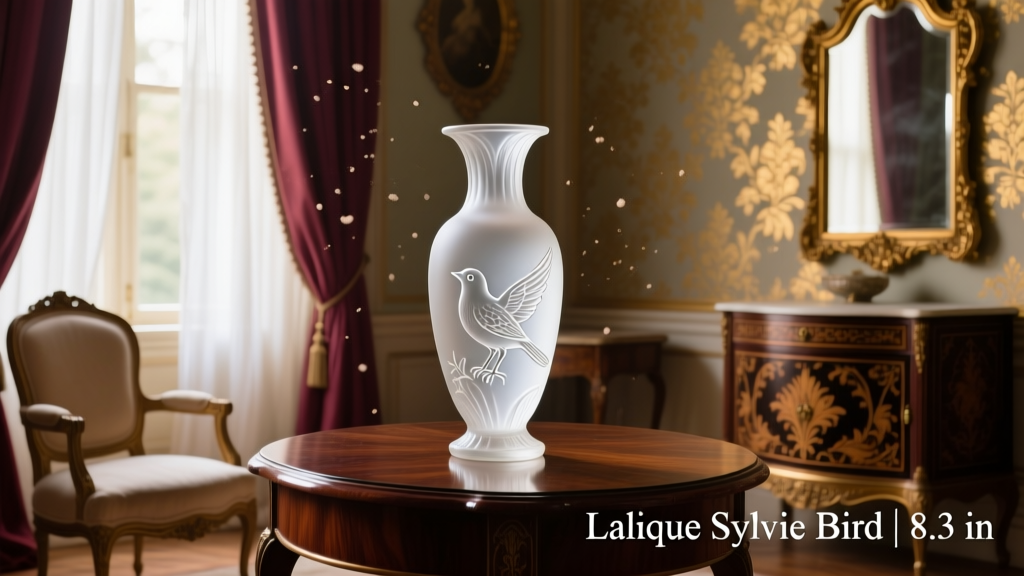
Lalique Sylvie Bird Vase: Anatomy, Provenance, and Conservation of the Iconic 8 3/8-Inch Clear Frosted Design
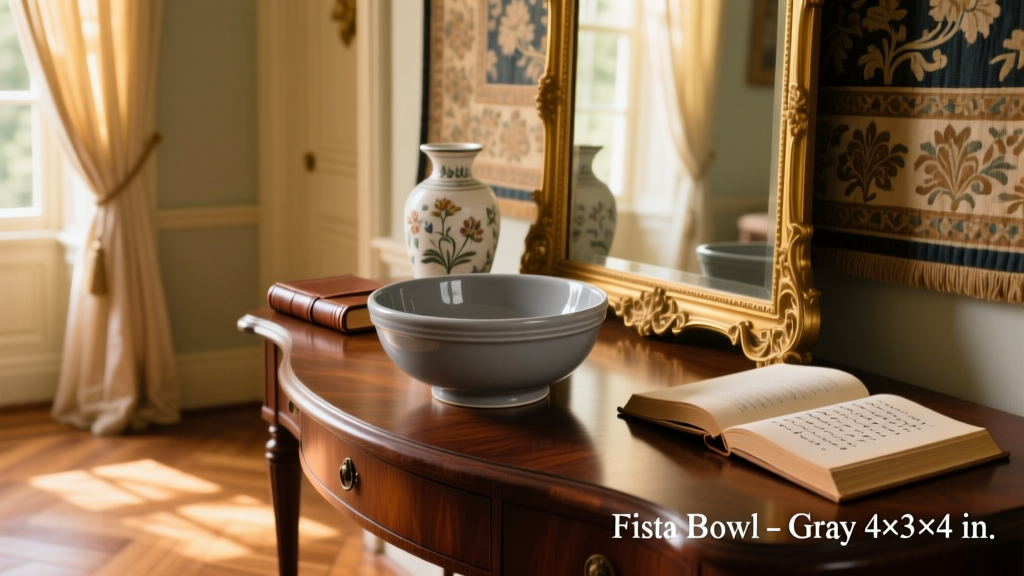
Fiesta Bowl Fruit Gray 4¾-Inch: Authentic Identification, Historical Context, and Restoration Guidance
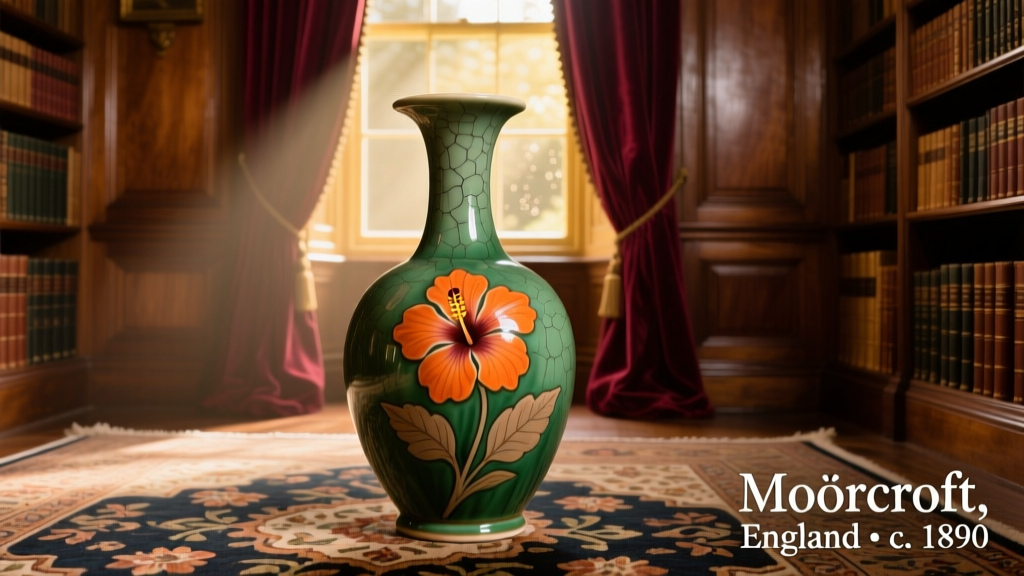
Moorcroft Orange Hibiscus Green Ground Bulbous Vase: Identification, Provenance, and Conservation Guidance
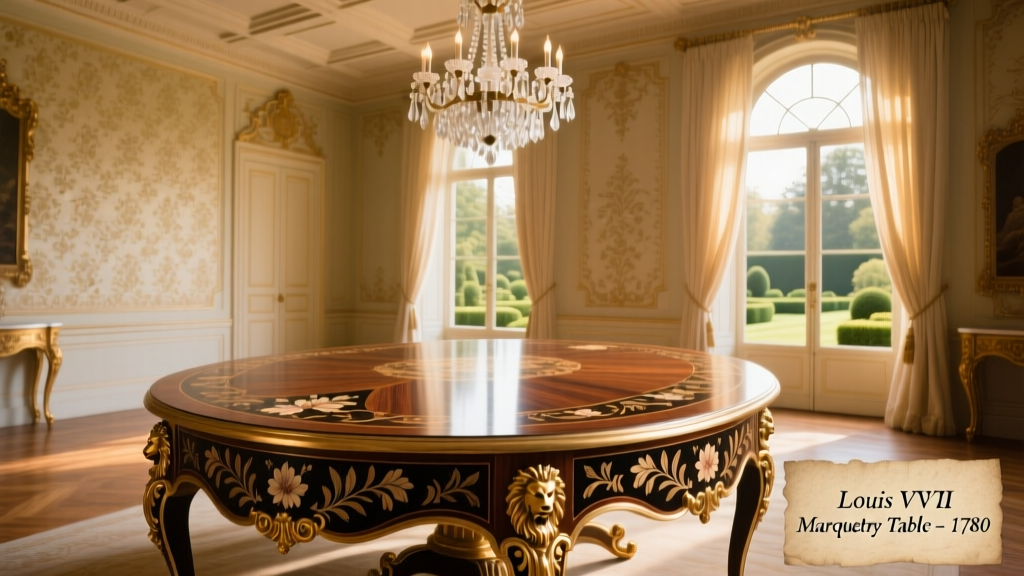
Louis XVI Oval Marquetry Table with Ormolu Mounts: Authenticity, Craftsmanship, and Restoration Insights
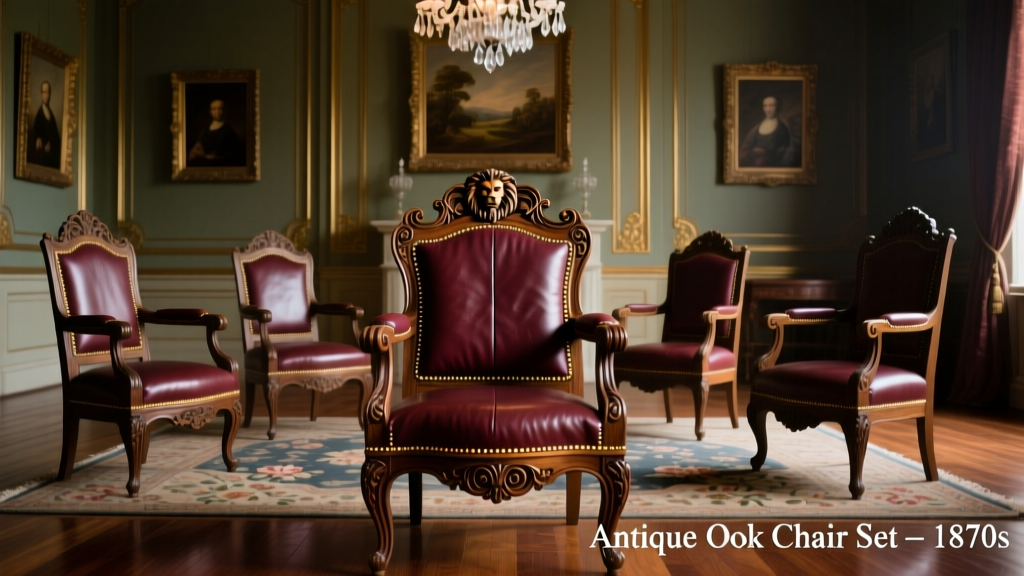
The Oak Lion Scroll Chair Set: Authentic 19th-Century Craftsmanship, Restoration Insights, and Provenance Verification
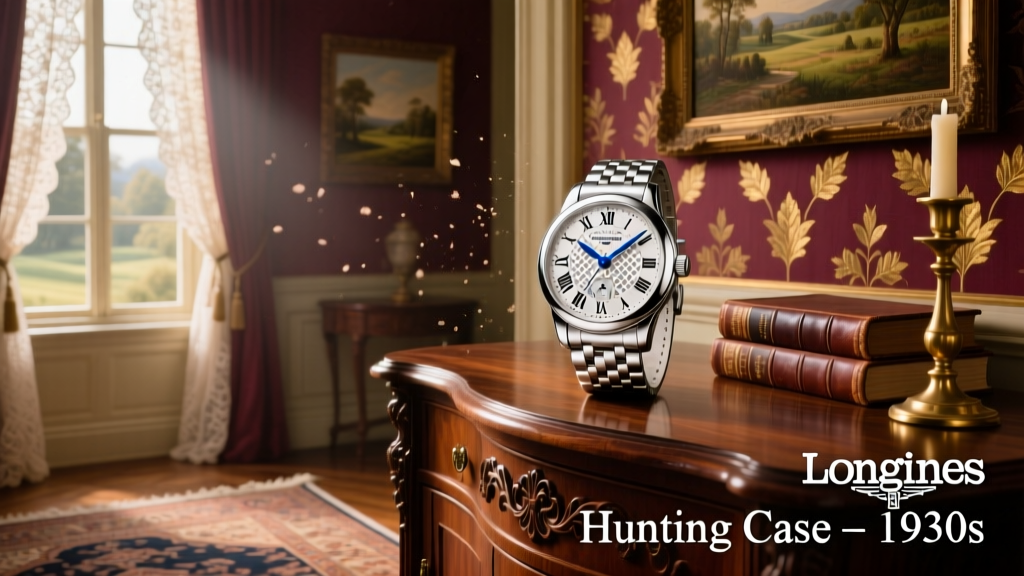
Longines Hunting Case Silver Scenic Watches: A Collector’s Guide to Swiss Craftsmanship and Engraved Artistry
RS Prussia Biscuit Jar with Hidden Image: Authentication, Provenance, and Restoration Insights for the 7 × 6-Inch Signed Piece
Fulper Bowl: Blue Sky Flambe Interior, Beige Streaked Exterior — A Detailed Analysis of the 12 5/8-Inch Marked Piece
The Leather Figure Seal: Lucille Abercrombie Fitch’s 30-Inch Studio Signature Piece