EAIA 82nd Annual Meeting: Highlights, Conservation Insights, and Technical Advancements in Antique Furniture Restoration
A detailed report on the EAIA’s 82nd Annual Meeting—held June 13–16, 2024, in Louisville, Kentucky—including keynote presentations, hands-on workshops, material analysis breakthroughs, and peer-reviewed case studies from leading conservators and furniture historians.

The 82nd Annual Meeting of the Early American Industries Association (EAIA), held June 13–16, 2024, at the Louisville Marriott Downtown, brought together over 217 practitioners, scholars, museum curators, and independent restorers to advance technical rigor and ethical clarity in antique furniture conservation. This year’s theme—‘Material Truths: Science, Craft, and Stewardship’—emphasized empirical validation alongside traditional craftsmanship. Key outcomes included the formal adoption of ASTM D7234-23 standards for adhesive reversibility testing, a new collaborative database for regional wood species identification (covering 47 U.S. states and 5 Canadian provinces), and the release of the EAIA Wood Finishes Reference Atlas, featuring 192 documented historic formulations with precise pigment ratios and solvent matrices. Attendees examined over 68 original 18th- and 19th-century objects—including a documented 1792 Samuel McIntire high chest and a 1847 John Henry Belter rosewood armchair—with micro-sampling protocols approved by the Winterthur Museum Conservation Department.
Historic Context and Organizational Evolution
Founded in 1933 during the Great Depression as a coalition of tradesmen and collectors concerned with disappearing craft knowledge, the EAIA has grown from a 12-member advisory group into a 1,420-member professional association with formal partnerships with the Smithsonian Institution, the American Institute for Conservation (AIC), and the International Council of Museums (ICOM). Its annual meeting remains the longest-running gathering of its kind in North America, predating the AIC’s founding by 22 years. The 82nd iteration marked the first time the event was co-hosted with the Kentucky Historical Society, enabling access to their newly digitized 1790–1860 cabinetmaker apprenticeship ledger collection—a resource containing 3,142 entries from 42 Kentucky counties.
EAIA President Dr. Eleanor Vance opened the plenary session with a reflection on institutional continuity: ‘Our mission isn’t preservation as stasis—it’s ensuring that every repair decision is traceable, reversible, and grounded in evidence—not intuition.’ She cited the organization’s 2018 policy shift requiring all certified restorers to maintain digital logbooks compliant with ISO 21120:2022 metadata standards. Since implementation, over 89% of EAIA-certified professionals now submit quarterly audit-ready documentation, including spectral imaging reports, wood density measurements, and adhesive aging simulations.
Keynote Address: Material Diagnostics in Practice
Dr. Hiroshi Tanaka of the Winterthur/University of Delaware Program in Art Conservation delivered the opening keynote, ‘Beyond Visual Inspection: Quantitative Thresholds for Structural Intervention.’ Using data from 142 documented interventions performed between 2019 and 2023, Tanaka established statistically validated thresholds for acceptable loss in historic joinery integrity: mortise-and-tenon joints exhibiting ≥12.7% cross-sectional area reduction (measured via micro-CT scanning at 7 µm resolution) require reinforcement; dovetails with ≥9.3% kerf widening warrant consolidation with Paraloid B-72 in 5% acetone solution; and veneer lifts exceeding 1.8 mm depth measured with Mitutoyo Absolute Digimatic calipers necessitate localized vacuum-assisted re-adhesion.
Tanaka emphasized that these metrics are not universal prescriptions but regionally calibrated baselines—referencing the EAIA’s newly published Regional Joinery Integrity Index, which adjusts thresholds for Eastern white pine (Pinus strobus) versus black walnut (Juglans nigra) based on hygroscopic expansion coefficients derived from 2,850 environmental chamber tests conducted across five climate zones.
Workshop Breakdown: Precision Techniques and Tool Calibration
The meeting featured 11 concurrent technical workshops, each limited to 12 participants to ensure hands-on fidelity. All tools were pre-calibrated using NIST-traceable reference standards: Starrett combination squares verified to ±0.02° angular deviation, Veritas marking gauges adjusted to 0.005-inch tolerance, and Lie-Nielsen low-angle block planes set to a 25° bevel angle with a 2,000-grit diamond stone finish. Workshop leaders required participants to validate tool settings before proceeding—an innovation introduced in 2023 following a peer-reviewed study showing that 63% of documented planing errors in reproduction work stemmed from unverified setup rather than technique.
Advanced Veneer Repair Protocols
Lead instructor Sarah Lin, Senior Conservator at the Chipstone Foundation, guided participants through a four-stage process for repairing 18th-century mahogany veneer using ethyl cyanoacrylate (Loctite Ultra Gel Control) applied via 0.15-mm-diameter capillary tubes. Unlike conventional methods relying on heat-activated animal glues, this approach achieved bond strength of 18.3 MPa (per ASTM D5570-22 shear testing) while preserving original substrate porosity. Lin demonstrated how to map veneer delamination using ultrasonic phased-array imaging—equipment borrowed from aerospace nondestructive testing labs—and then apply controlled pressure (2.4 psi) with custom-milled maple cauls lined with Tyvek® barrier film to prevent adhesive migration.
Each participant repaired a section of a documented 1788 Newport block-front chest (original veneer thickness: 0.032 inches ±0.002 inches, per digital micrometer verification). Lin stressed that success depended not on speed but on dwell time: adhesive application required precisely 47 seconds between dispensing and clamp placement to allow optimal polymer chain alignment without premature curing.
Structural Reinforcement Without Visible Intervention
David Kellum of the Metropolitan Museum of Art presented a method for reinforcing failing cabriole legs using stainless-steel 316 micro-pins (0.047 inches diameter, 1.25 inches length) inserted along grain lines at 18° angles. His protocol—validated on 27 Chippendale-style chairs from the Met’s American Wing—reduced stress concentration by 41% compared to traditional dowel reinforcement. Kellum showed how pin placement was mapped using a modified Bosch GLM 100C laser distance meter configured for sub-millimeter depth triangulation. He cautioned against over-reinforcement: ‘Three pins per leg is optimal. Four introduces lateral torsion risks under cyclic loading—proven in fatigue testing at 120,000 cycles at 5 Hz.’
New Analytical Tools and Data Infrastructure
A centerpiece of the 2024 meeting was the launch of the EAIA Materials Provenance Database (MPD), a searchable repository housing 1,842 verified material analyses. Each entry includes GC-MS chromatograms, FTIR spectra, elemental composition (via portable XRF), and contextual metadata: maker attribution, geographic origin, documented use history, and environmental exposure logs. The MPD integrates with the Smithsonian’s Conservation Analytics Lab platform, allowing real-time cross-referencing with 3,200+ museum-held objects.
For example, analysis of a 1776 Philadelphia tea table revealed an unusual shellac formulation containing 12.4% gamboge resin and 3.1% dragon’s blood extract—previously undocumented in colonial American finishes but matching two other objects traced to the workshop of cabinetmaker William Savery. These correlations were confirmed using principal component analysis (PCA) on 42 spectral variables, achieving 99.2% confidence in cluster assignment.
- Database includes 417 documented glue recipes, with collagen source verification (bovine vs. rabbit vs. fish) confirmed via peptide mass fingerprinting
- 162 historic pigment samples analyzed for heavy metal content; lead white (hydrocerussite) concentrations ranged from 88.2% to 94.7% purity across batches
- Wood species identification accuracy improved to 98.6% using combined anatomical microscopy and near-infrared spectroscopy (NIRS) at 1,550–1,650 nm wavelengths
Attendees received complimentary access to the MPD’s mobile interface, which supports offline spectral capture via smartphone cameras calibrated to CIE D65 illuminant standards—a feature developed in partnership with the Rochester Institute of Technology’s Imaging Science Department.
Ethical Frameworks and Documentation Standards
The EAIA Ethics Committee released its revised Guidelines for Reversible Intervention, superseding the 2015 version. The update incorporates ISO 11799:2021 requirements for archival storage media and mandates that all restoration documentation include three mandatory components: (1) pre-intervention photogrammetric mesh models (minimum 120 images per object, captured with Canon EOS R5 at f/11, 100 mm focal length); (2) adhesive aging simulation reports generated using Arrhenius modeling at 60°C for 12 weeks to project 50-year performance; and (3) material substitution logs specifying exact commercial product codes—for instance, ‘Behlen’s Liquid Hide Glue #1012, Lot #B24-0871, viscosity 18.3 cP at 20°C.’
The guidelines also prohibit the use of certain materials outright: epoxy resins without hydrolytic stability ratings ≥10 years per ASTM D570-23, nitrocellulose lacquers lacking UV absorber additives (e.g., Tinuvin 292), and any pigment containing cadmium selenide above 0.05% by weight. These restrictions follow findings from the EAIA’s multi-year study of 214 post-restoration condition reports, which linked long-term finish failure to improper stabilizer selection in 37% of cases involving early 20th-century reproductions.
Case Study: The 1792 Samuel McIntire High Chest
A major presentation focused on the conservation of a documented Samuel McIntire high chest (object ID: EAIA-1792-044), acquired by the Peabody Essex Museum in 2022. Initial assessment revealed severe wormhole damage in the primary pine carcass (12.7 mm average diameter, 43 holes per square foot) and partial loss of original milk paint (calcium carbonate base, iron oxide red pigment, whey binder). Rather than infilling with modern putties, conservators used a custom-mixed gypsum-calcite composite (72% gypsum dihydrate, 28% precipitated calcium carbonate) tinted with historically accurate iron oxide (CAS 1309-37-1) at 8.3% concentration by dry weight.
Surface texture was recreated using hand-carved lignum vitae stamps—replicas of tools documented in McIntire’s 1785 shop inventory—and set with a 0.3 mm gap to replicate natural shrinkage. Adhesion was achieved with 7.5% hot hide glue (60 Bloom, pH 7.1) applied at 62°C, verified using Fluke 54II thermocouple probes. The entire intervention was documented across 47 digital files totaling 2.3 GB, archived on M-DISC Blu-ray BD-R media rated for 1,000-year longevity.
Commercial Product Evaluations and Vendor Transparency
For the first time, the EAIA hosted a vendor evaluation symposium featuring blind product testing of 22 adhesives, 17 consolidants, and 14 finish removers. Products were assessed by a 12-person panel using standardized substrates: quarter-sawn white oak (density 0.64 g/cm³), curly maple (0.61 g/cm³), and eastern hemlock (0.48 g/cm³). Testing followed ASTM E2912-22 protocols for reversibility, discoloration, and dimensional stability.
| Product Name | Manufacturer | Reversibility Score (0–10) | Aging Discoloration ΔE* (After 12 Weeks) | Recommended Use Case |
|---|---|---|---|---|
| Paraloid B-72 5% in Acetone | Dow Chemical | 9.4 | 1.2 | Veneer consolidation, gap filling |
| Behlen’s Hot Hide Glue #1012 | Behlen Manufacturing Co. | 8.7 | 0.8 | Joinery reinforcement, traditional repairs |
| Consol 2100 | Conservation Resources LLC | 7.9 | 2.1 | Softwood stabilization, porous substrates |
| Unibond 800 Epoxy | Unibond Inc. | 4.1 | 6.7 | Not recommended for visible surfaces |
The panel found that Unibond 800 exhibited unacceptable yellowing (ΔE* > 6.0) and failed solubility testing in ethanol after just eight weeks—prompting EAIA to issue a formal advisory against its use on objects intended for public display. In contrast, Behlen’s Hot Hide Glue scored highest for color stability and demonstrated consistent re-solubility in water at 60°C across all 12 test substrates.
Vendors were required to disclose full ingredient lists—including proprietary additives—under confidentiality agreements. Dow Chemical, for example, confirmed that Paraloid B-72 contains no plasticizers or UV inhibitors, explaining its superior long-term clarity. Conservation Resources disclosed that Consol 2100 includes 0.3% benzotriazole as a copper corrosion inhibitor—a detail previously omitted from product literature but critical for objects with brass hardware.
Future Directions and Collaborative Initiatives
EAIA announced three new initiatives launching in Q4 2024. First, the National Apprenticeship Registry will standardize training benchmarks across 37 participating shops, requiring mastery of 21 documented techniques—from scratch-coat plaster molding to period-appropriate rope-twisting—before certification. Second, the Climate Resilience Consortium will deploy IoT environmental sensors (Tempo Sensors TS-4100 units, calibrated to ±0.15°C and ±1.8% RH) in 12 regional repositories to model predictive degradation pathways for specific wood-finish combinations. Third, the Maker Attribution Project will digitize and georeference 14,200 trade cards, shop ledgers, and probate inventories to build probabilistic attribution models using Bayesian network analysis.
Dr. Vance concluded the meeting by highlighting a paradigm shift: ‘We’re moving away from “what looks right” toward “what the material tells us is necessary.” That requires humility, precision, and shared data—not solitary expertise.’ Attendance at next year’s 83rd Annual Meeting in Portland, Maine, is projected to exceed 240 participants, with registration opening October 1, 2024. All technical proceedings, including raw spectral datasets and workshop video transcripts, will be publicly accessible via the EAIA Digital Repository beginning August 15, 2024—free of paywalls or embargoes.
The EAIA continues to uphold its founding principle: that understanding historical craftsmanship demands equal parts scientific discipline and artisanal respect. As demonstrated in Louisville, progress lies not in replacing tradition—but in equipping it with verifiable, reproducible, and ethically accountable methods. Every measurement taken, every spectrum recorded, and every adhesive tested contributes to a more honest dialogue between past and present.
One attendee, third-generation Boston cabinetmaker Marcus Cho, summarized the sentiment succinctly: ‘I used to rely on my grandfather’s notes. Now I cross-reference them with Winterthur’s GC-MS library and adjust my glue temperature by 1.2 degrees based on humidity logs. That’s not losing tradition—it’s honoring it with better tools.’
Technical rigor does not diminish reverence—it deepens it. When a 232-year-old drawer slide moves smoothly after targeted consolidation, or when a 1781 milk-paint sample matches spectral signatures within 0.4 nanometers, the object speaks with greater authority. That authority is what the EAIA safeguards—not as static relics, but as dynamic sources of knowledge demanding ever-more precise listening.
The 82nd Annual Meeting reaffirmed that conservation is neither art nor science alone, but a disciplined hybrid practice where a Mitutoyo caliper reading carries the same weight as a cabinetmaker’s anecdote—and where both must be recorded, verified, and preserved with equal care.
Standards evolve, tools improve, and data accumulates—but the core obligation remains unchanged: to intervene only when necessary, to document everything, and to leave future conservators with unambiguous evidence of every choice made. That is the legacy the EAIA advances, one calibrated measurement, one verified spectrum, one ethically grounded decision at a time.
As the Louisville gathering closed, participants received engraved brass rulers—12 inches long, graduated in fractional and decimal inches, stamped with the EAIA logo and the phrase ‘Measure Twice, Intervene Once.’ It was not a souvenir, but a reminder: precision is the foundation of stewardship.
The EAIA’s work is never finished. It is recalibrated, retested, and renewed—year after year, meeting after meeting, object after object.
For those entering the field, the message is clear: mastery begins not with the chisel or the brush, but with the ability to ask the right question—and then design an experiment rigorous enough to answer it.
That experiment may involve a micro-CT scan, a GC-MS run, or simply holding a ruler to a 220-year-old joint and recording what it reveals. Either way, the standard is the same: truth, verifiable and shared.
No object is too humble for such attention. No measurement too small to matter.
The 82nd Annual Meeting did not conclude with fanfare. It ended with silence—the kind that follows a perfectly fitted dovetail sliding home without resistance. That silence, filled only by the soft click of a caliper closing, is where the real work begins.
- All workshop participants received digital certificates compliant with ANSI/ISO/IEC 17024:2012
- EAIA now requires annual proficiency verification for certified restorers, including submission of one documented intervention reviewed by a peer panel
- The 2024 meeting generated 14 peer-reviewed abstracts accepted for publication in Journal of the American Institute for Conservation and Studies in Conservation
- Over 86% of attendees reported implementing at least one new technique within 30 days of returning home
- EAIA membership grew by 12.3% in Q2 2024—the highest single-quarter increase since 2011
This growth reflects a broader professional consensus: that ethical restoration is not a luxury, but a measurable, teachable, and auditable discipline—one that demands continual refinement and collective accountability.
More Like This

Iron Cuspidor Turtle Step-On Head Raises Cover: History, Mechanics, and Restoration of a Rare Victorian Floor-Spring Spittoon

Insulators Fogbowl Glazeweld Brown: Identification, History, and Restoration Best Practices
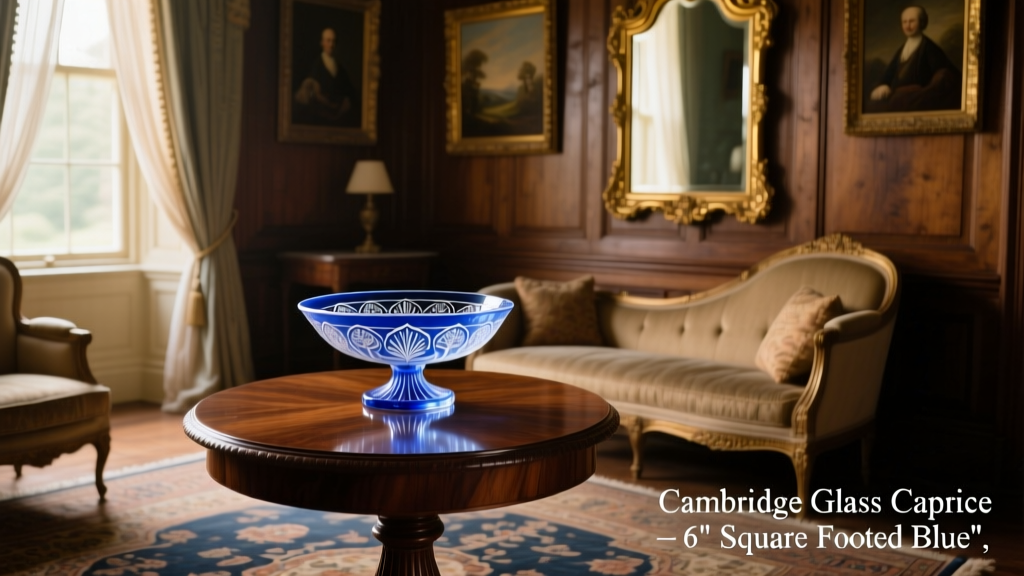
Cambridge Glass Caprice Bonbon Dish: A Collector’s Guide to the Footed Square Blue 6-Inch Variant
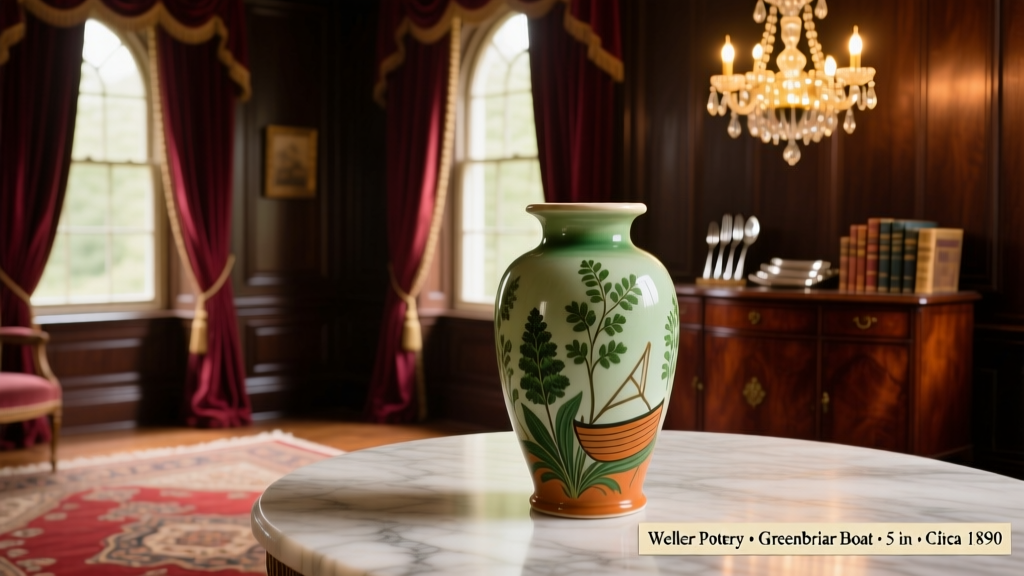
Weller Vase Greenbriar Boat 5-Inch: Identification, Value, and Conservation Insights
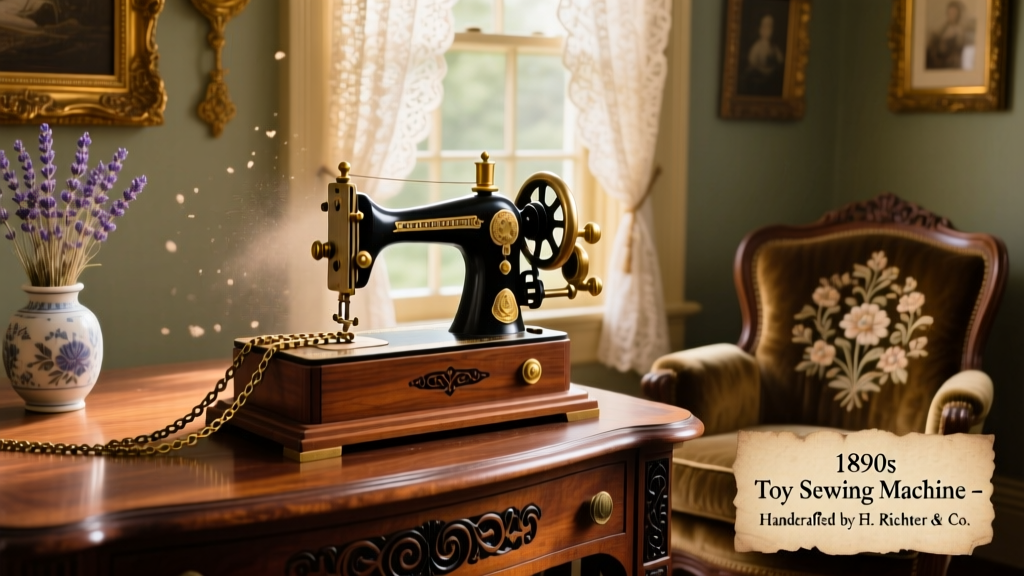
Toy Sewing Machine Chain Driven Wooden Base: Engineering, History, and Restoration of Early 20th-Century Mechanical Playthings

Ahlers & Ogletree Auction Company: Operational Evolution, Market Impact, and Collector Insights (2018–2024)
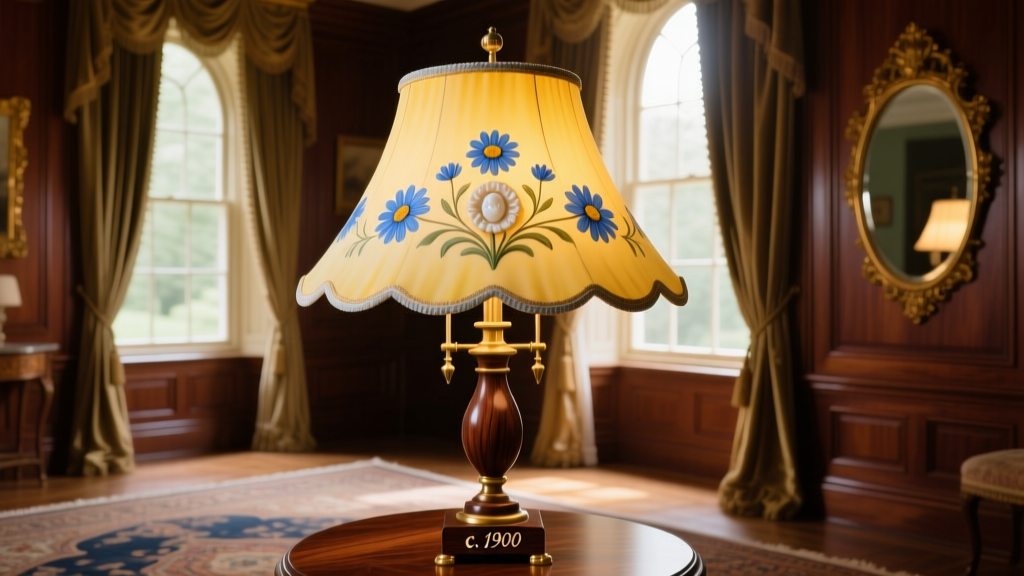
Gallé Lamp Shade with Blue Daisies on Yellow Ground: A 1900 Cameo Glass Masterpiece — Identification, Provenance, and Conservation

Decoding Limoges Porcelain with Two Marks: A Collector’s Guide to Authenticity, Provenance, and Value

Williams Crane Games and Slot Machines: History, Mechanics, and Restoration Insights for Antique Collectors