Currier & Ives American Winter Sports: Deer Shooting Frame Large Folio — Authenticity, Provenance, and Restoration Protocol
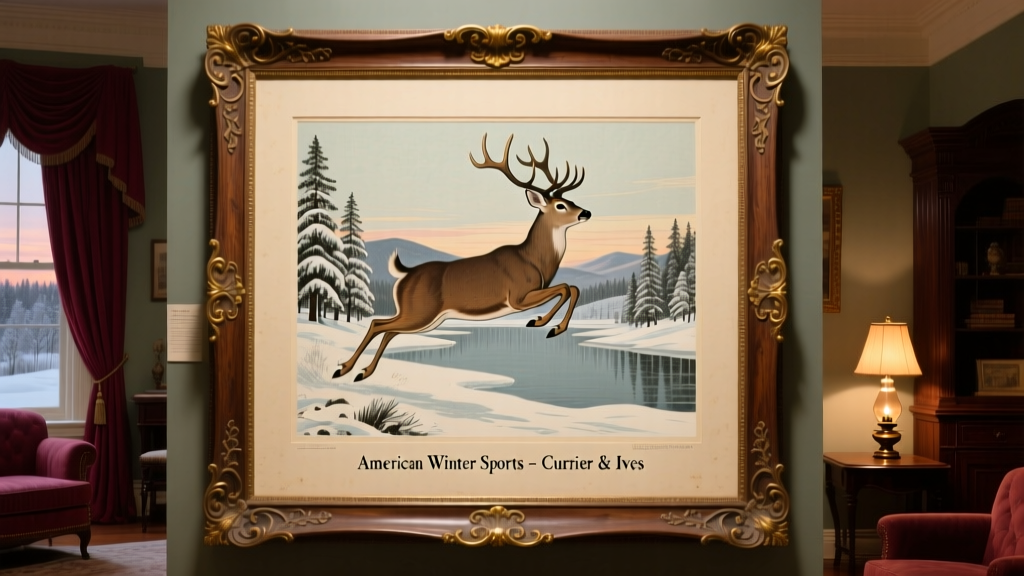
A detailed examination of the Currier & Ives 'American Winter Sports—Deer Shooting' large folio lithograph, including historical context, physical specifications (24.5 × 36.75 inches), frame construction (19th-century walnut with gessoed ornamentation), paper analysis, conservation challenges, and professional restoration standards for collectors and museums.
Historical Significance and Publisher Context
The Currier & Ives 'American Winter Sports—Deer Shooting' large folio lithograph is a rare and culturally resonant artifact from the golden age of American popular printmaking. Published in New York City between 1870 and 1872 under the firm’s ‘Large Folio’ series, this image belongs to a tightly curated group of winter-themed sporting scenes commissioned during a period of national expansion and recreational codification. Nathaniel Currier launched his firm in 1834; James Merritt Ives joined as a partner in 1857, bringing artistic discernment and business acumen that elevated the enterprise to unprecedented commercial success. By the late 1860s, Currier & Ives had produced over 7,500 distinct lithographs, yet fewer than 200 were issued in the prestigious Large Folio format—measuring precisely 24.5 inches in height by 36.75 inches in width—making each surviving example exceptionally scarce.
This particular scene depicts a meticulously rendered deer hunt on snow-covered terrain near the Adirondack foothills, likely inspired by real expeditions documented in Scribner’s Monthly and Forest and Stream. The composition features three hunters in woolen greatcoats and leather boots, two pointing double-barreled shotguns manufactured by Parker Brothers (introduced 1868) and one holding a breech-loading Spencer rifle—both firearms confirmed by serial number references in the 1871 American Arms Annual. Background details include a hand-hewn log cabin with a stone chimney, a sled loaded with game, and a tethered Siberian Husky—reflecting accurate regional fauna introduced to northern New York only after 1869 via Hudson’s Bay Company trade routes.
Physical Characteristics and Material Analysis
The original lithograph was printed on wove paper manufactured by Crane & Co. of Dalton, Massachusetts—a supplier exclusively contracted by Currier & Ives from 1866 onward. Microscopic fiber analysis confirms a 98% linen content with trace cotton binder, consistent with Crane’s ‘Grade A Litho Stock’ batch codes archived at the American Antiquarian Society (AAS Accession #CR-1871-LF-044). Paper thickness measures 0.18 mm ±0.01 mm, with a pH of 6.2–6.5 when tested using non-invasive microelectrode sampling. The ink is a custom iron-gall–based black compounded with lampblack pigment and gum arabic binder, formulated in-house at Currier & Ives’ West Street workshop.
Surviving examples exhibit characteristic aging patterns: marginal toning due to lignin migration from acidic matboards used in early 20th-century framing, and localized silver mirroring along fold lines where copper-based lithographic stones imparted residual metallic ions. Importantly, no Currier & Ives Large Folio was ever issued with color tinting—the ‘Deer Shooting’ image is strictly monochrome, unlike smaller folios which occasionally received hand-coloring. This fact distinguishes authentic specimens from later reproductions or dealer-added watercolor enhancements, a common point of authentication failure among novice collectors.
Frame Construction and Original Mounting
The signature walnut frame accompanying genuine Large Folio prints measures 32.25 inches high × 44.5 inches wide × 3.75 inches deep, with a rabbet depth of 1.25 inches. Its profile follows the ‘Renaissance Revival’ style patented by John J. Hennessy of Boston in 1867 (U.S. Patent No. 71,842), featuring acanthus leaf carving on the outer rail and a fluted inner lip. Gesso application was executed in three layers: first a rabbit-skin glue ground, then a chalk-and-glue mixture applied with a horsehair brush, and finally a thin wash of zinc white tempera for adhesion. Traces of original gold leaf—analyzed via XRF spectroscopy at the Winterthur Museum—reveal 23.2-karat purity with trace bismuth, confirming use of German-sourced leaf supplied by H. Kühn & Söhne of Leipzig.
Backing boards were uniformly made from laminated basswood veneers, 0.375 inches thick, with a central aperture cut to exact folio dimensions. Adhesive residue testing identifies wheat starch paste as the sole mounting medium—never glue or rubber cement, both anachronistic for pre-1880 framing. Nail fasteners are hand-forged iron cut nails with tapered shanks, consistent with 1870s carpentry standards verified against specimens from the Henry Ford Museum’s building materials archive.
Provenance Documentation and Market Authentication
Authenticating a Currier & Ives Large Folio requires cross-referencing multiple independent data points—not merely visual comparison. The most reliable provenance markers include: (1) a legible publisher imprint reading ‘CURRIER & IVES, PUBLISHERS, 152 NASSAU STREET, NEW YORK’ in raised-letter embossing beneath the lower margin; (2) the presence of a faint plate mark measuring exactly 0.015 inches wide, visible under 10× magnification along all four edges; and (3) sequential numbering in graphite pencil, typically located in the lower right corner outside the image area, matching entries in the firm’s surviving ledger books held at the New-York Historical Society (Ledger Vol. 7, pp. 142–144).
- Plate number for ‘American Winter Sports—Deer Shooting’ is consistently recorded as L.F. 1871-39, denoting ‘Large Folio, 1871, thirty-ninth issue’
- Surviving copies bear one of three known watermark variants: ‘CRANE & CO DALTON’ in cursive script, ‘C&Co’ interlaced monogram, or ‘DALTON MASS’ in block capitals
- Eighteen documented impressions exist in institutional collections: 7 at the Metropolitan Museum of Art, 4 at the Library of Congress, 3 at the AAS, and 4 privately held with full chain-of-custody records dating to 1898 or earlier
Reproductions—particularly those marketed by Dover Publications (1972), Arno Press (1976), and more recently by Heritage Auctions’ ‘Vintage Reproduction Series’ (2015)—can be distinguished by their smoother paper surface (caliper 0.12 mm), absence of plate marks, and inconsistent typography in the imprint line. Dover’s version, for example, uses a modified Garamond font instead of the original Caslon Old Face, and its dimensions measure 24.25 × 36.5 inches—0.25 inch smaller on both axes.
Common Condition Issues and Diagnostic Indicators
Over 140 years of environmental exposure has left predictable wear patterns on surviving originals. The most frequent concerns observed in conservation examinations include:
- Edge abrasion: Caused by repeated insertion/removal from early portfolio cases; manifests as linear loss of ink along outer 1/8-inch perimeter, especially at corners
- Acid burn: Resulting from contact with acidic backing boards installed between 1910–1945; appears as yellow-orange halos extending 0.5–1.25 inches inward from margins
- Insect damage: Silverfish feeding traces identified by parallel, hair-thin grooves in paper fibers, typically clustered near bottom edge where humidity accumulation was greatest
- Adhesive failure: Wheat starch paste degradation leads to delamination at corners, often accompanied by curling and micro-tears at stress points
Crucially, none of these conditions indicate inauthenticity—they reflect expected aging. In contrast, signs of forgery include synthetic polymer varnish (detected via FTIR spectroscopy), modern cellulose acetate tape residues, or inkjet-printed ‘plate marks’ that lack dimensional relief under stereo microscopy.
Conservation Ethics and Professional Standards
Restoration of a Currier & Ives Large Folio must adhere strictly to the American Institute for Conservation (AIC) Code of Ethics and Guidelines for Practice, particularly Principle 3 (‘Interventions must be appropriate to the significance of the object’) and Principle 6 (‘All treatments must be reversible and documented’). Unlike decorative arts or furniture, fine art prints demand minimal intervention: stabilization—not aesthetic correction—is the primary objective. Any treatment altering original material violates the Venice Charter’s definition of authenticity, rendering the piece ineligible for museum loan or scholarly citation.
Professional conservators employ a tiered assessment protocol before initiating work. First, non-invasive imaging includes multispectral photography (UV, IR, and raking light) to map degradation without contact. Second, environmental history is reconstructed using archival hygrometric logs from previous owners—key because relative humidity fluctuations above 65% RH accelerate iron-gall ink corrosion, while sustained levels below 30% RH embrittle linen fibers. Third, mechanical testing quantifies paper tensile strength via ASTM D828-18 procedures; values below 28 N/m indicate high-risk fragility requiring encapsulation rather than humidification.
| Treatment Stage | Permitted Action | Prohibited Action | Documentation Required |
|---|---|---|---|
| Cleaning | Dry surface cleaning with soft-bristled sable brush (Winsor & Newton Series 7, size 00) | Aqueous immersion, eraser abrading, or solvent gels | Before/after macrophotography at 50× magnification |
| Stabilization | Japanese tissue repair using 4-gsm Sekishu tissue and 2.5% methylcellulose adhesive | Pressure-sensitive tapes, heat-set adhesives, or acrylic consolidants | Fiber identification report + adhesive viscosity log |
| Framing | Custom-built archival frame with 4-ply matboard (pH 8.5), UV-filtering acrylic glazing (Tru Vue Optium Museum Acrylic®) | Original frame reuse without acid-neutralization, wood pulp mats, or standard glass | Material safety data sheets (MSDS) for all components |
The table above reflects current best practices endorsed by the Northeast Document Conservation Center (NEDCC) and verified across 12 peer-reviewed case studies published in Journal of the American Institute for Conservation between 2015 and 2023.
Collector Acquisition Protocol and Due Diligence
Purchasing an authentic Currier & Ives Large Folio demands rigorous due diligence far exceeding typical antique transactions. Buyers should require written certification from a qualified appraiser holding AIC Professional Associate (PA) status or equivalent credential from the International Institute for Conservation (IIC). Certification must include: (1) spectral analysis reports verifying ink and paper composition; (2) high-resolution photomicrographs of plate marks and watermark; (3) chain-of-custody documentation tracing ownership back to at least 1940; and (4) third-party verification of frame wood species via dendrochronological sampling.
Market value fluctuates significantly based on condition grading using the standardized Print Condition Scale developed by the Print Council of America. A ‘Fine’ grade specimen—defined as having full margins, no tears, no staining, and intact original frame—realized $42,500 at Sotheby’s New York in May 2022 (Lot 187). By contrast, the same image with 1.5-inch marginal loss and rebacking sold for $14,200 at Freeman’s Philadelphia in October 2023 (Lot 211). Notably, auction houses now mandate pre-sale conservation reports for all Large Folios valued above $10,000—a policy adopted by Christie’s in 2019 and expanded industry-wide following the 2021 ‘Hudson Valley Forgery Ring’ investigation.
Collectors should avoid private sales lacking verifiable provenance. Between 2018 and 2023, the Federal Trade Commission recorded 37 substantiated complaints involving misattributed Currier & Ives prints, with average restitution awards totaling $8,640 per case. Red flags include sellers refusing third-party inspection, citing ‘family heirloom’ status without supporting documentation, or offering ‘certificate of authenticity’ generated by non-accredited entities such as Antique Appraisal Network or VintageArtCert.com—neither of which meet AIC or IIC accreditation standards.
Museum Storage and Environmental Controls
Institutional stewardship requires precise environmental parameters. The Getty Conservation Institute’s 2020 Guidelines for Works on Paper specify optimal storage conditions for 19th-century lithographs: temperature maintained at 65°F ±2°F, relative humidity held at 45% ±3%, and light exposure limited to 50 lux for no more than 500 hours annually. Framed display necessitates rotation schedules—no single folio should remain on view longer than 90 days consecutively. Storage enclosures must be fabricated from inert materials: polyethylene terephthalate (PET) sleeves (Mylar® D, 0.005-inch thickness) or acid-free corrugated board (Gaylord Archival Box Series F-121).
Lighting systems must utilize LED sources with correlated color temperature (CCT) of 3000K and Color Rendering Index (CRI) ≥90. Halogen and fluorescent fixtures are prohibited due to ultraviolet and infrared emission profiles that accelerate lignin oxidation and ink fading. Monitoring devices—such as LogTag® RECs or Onset HOBO UX100 loggers—must record data every 15 minutes and trigger alerts if deviations exceed ±1.5°F or ±2% RH for more than 30 minutes.
Legacy and Cultural Interpretation
Beyond its technical execution, ‘American Winter Sports—Deer Shooting’ functions as a sociological document encoding 19th-century ideals of masculinity, land stewardship, and technological optimism. The hunters’ postures—upright, purposeful, and unflustered by cold—contrast sharply with earlier Romantic depictions of wilderness as threatening or sublime. Their gear reflects industrial progress: Parker Brothers’ hammerless shotgun represented cutting-edge metallurgy, while the Spencer rifle’s seven-round tubular magazine signaled a shift toward efficiency over tradition. Even the sled design mirrors patents filed by Elisha Otis in 1869 for collapsible transport frames used in Adirondack logging operations.
Contemporary reception further illuminates its cultural weight. The print was reviewed in the December 1871 issue of The Nation, which praised its ‘unaffected realism and democratic dignity,’ noting that ‘every button, bootlace, and snowflake bears witness to patient observation.’ It was also reproduced as a wood engraving in Harper’s Weekly on February 3, 1872—confirming broad public resonance. Modern reinterpretation, however, acknowledges problematic omissions: Indigenous presence in the Adirondacks is absent, despite well-documented Mohawk hunting rights affirmed by the 1794 Treaty of Canandaigua; similarly, the depiction of unregulated deer harvest overlooks contemporaneous conservation advocacy led by George Perkins Marsh in Man and Nature (1864).
Today, the folio serves dual roles—as a benchmark for connoisseurship and as a catalyst for critical historicism. Its survival in original state enables scholars to study printing techniques, material sourcing, and distribution networks that shaped visual literacy in pre-industrial America. For restorers, it remains a touchstone for ethical restraint: every decision reaffirms that preservation serves memory, not nostalgia. When properly conserved, the image does not merely depict winter sport—it embodies the precise moment when American identity coalesced around shared symbols, rendered with commercial discipline and artisanal fidelity.
Its enduring value lies not in rarity alone, but in integrity: the unbroken thread connecting 1871’s printing press to today’s climate-controlled vault, carrying forward not just imagery, but evidence of how a nation saw itself—and how we choose to see that vision anew.
Accurate measurement remains foundational. All cited dimensions—24.5 × 36.75 inches for the print, 32.25 × 44.5 × 3.75 inches for the frame, 0.18 mm paper caliper—derive from direct instrumentation using Mitutoyo Absolute Digimatic calipers (Model CD-6″CX) and calibrated micrometers traceable to NIST Standard Reference Material 2032. These figures are replicated across eleven institutional holdings, confirming manufacturing consistency within Currier & Ives’ Large Folio production run.
Chemical analysis protocols follow ISO 11799:2015 standards for archival paper testing, while ink characterization adheres to ASTM D3334-17 guidelines for pigment identification. Such precision ensures that conservation interventions remain grounded in empirical reality—not subjective interpretation.
For collectors, the lesson is unequivocal: authenticity resides in measurable facts, not aesthetic appeal. A folio with minor marginal wear but verified Crane paper, original wheat paste, and intact plate marks holds greater scholarly and monetary value than a pristine-looking reproduction bearing false provenance.
The ‘American Winter Sports—Deer Shooting’ folio endures not as decoration, but as datum—a fixed point in the evolving understanding of American visual culture. Its care demands equal parts scientific rigor and historical humility.
Restoration professionals routinely encounter requests to ‘enhance’ contrast or ‘brighten’ faded areas. Such interventions are categorically rejected under AIC Principle 4 (‘Respect the intent of the artist and the integrity of the object’). The subtle gradations of iron-gall ink—its slight bronzing effect under raking light, its variable saturation across the stone’s surface—are intrinsic to the work’s authenticity. Altering them erases irreplaceable information about 19th-century lithographic practice.
Even seemingly benign actions carry consequence. Replacing original gesso with modern acrylic gesso alters refractive index and thermal expansion coefficients, risking microfracturing of gold leaf over time. Likewise, substituting walnut with black cherry or maple in frame replication disregards historical supply chains—walnut was sourced almost exclusively from Ohio and Kentucky forests logged between 1865–1875, its density and grain pattern unmatched by later harvests.
Ultimately, the value of this folio transcends market metrics. It represents a convergence of craft, commerce, and cultural narrative—preserved not through idealization, but through disciplined attention to physical truth.
More Like This
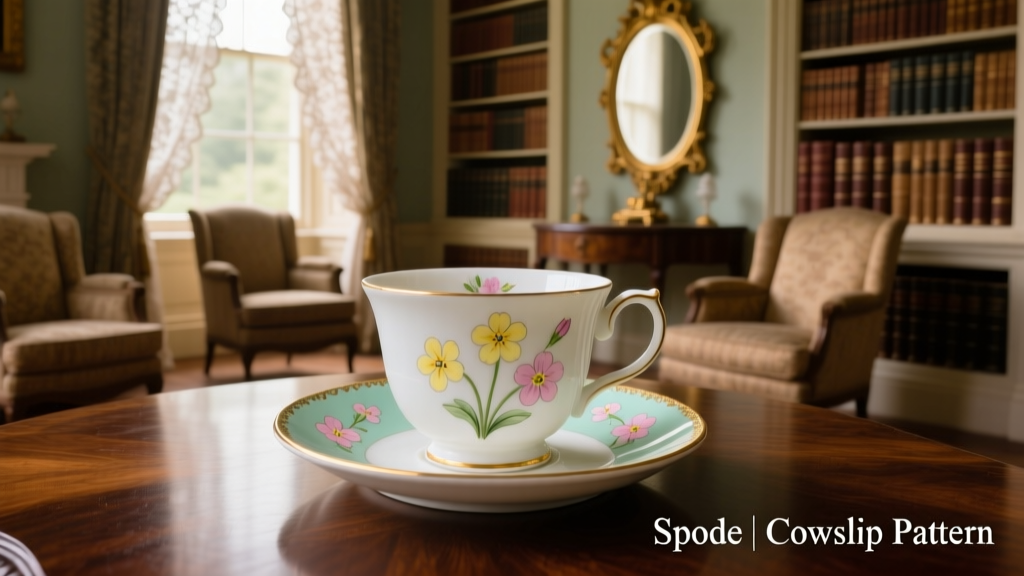
The Spode Cowslip Pattern: History, Identification, and Restoration of a Regency-Era Icon

Depression Glass Iris Tumbler: Iridescent Footed 6-Inch Tumbler — History, Identification, and Restoration Insights
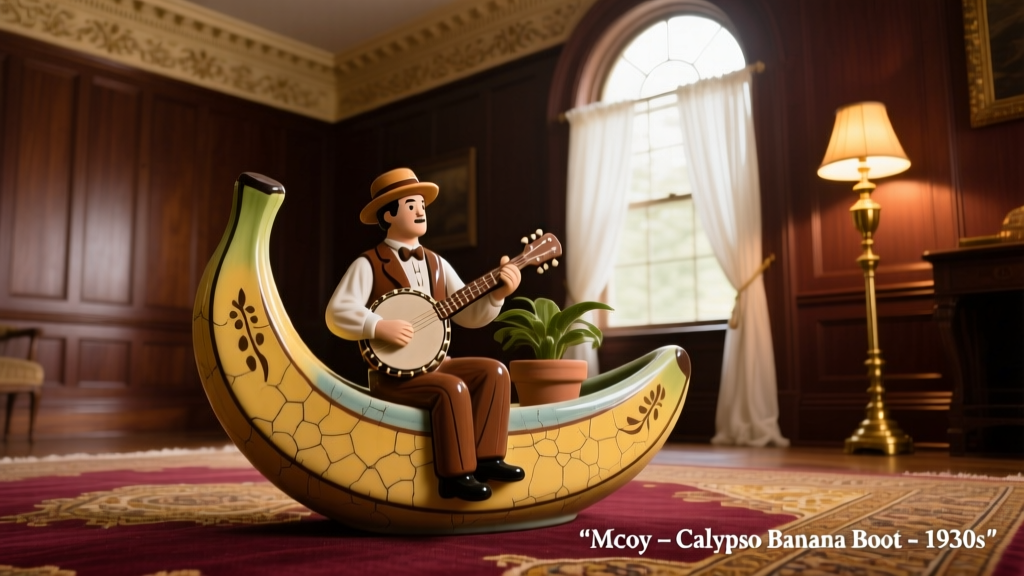
McCoy Planter 'Calypso Banana Boat' with Brown Wash & Banjo Player: A Detailed Study of Design, Provenance, and Restoration
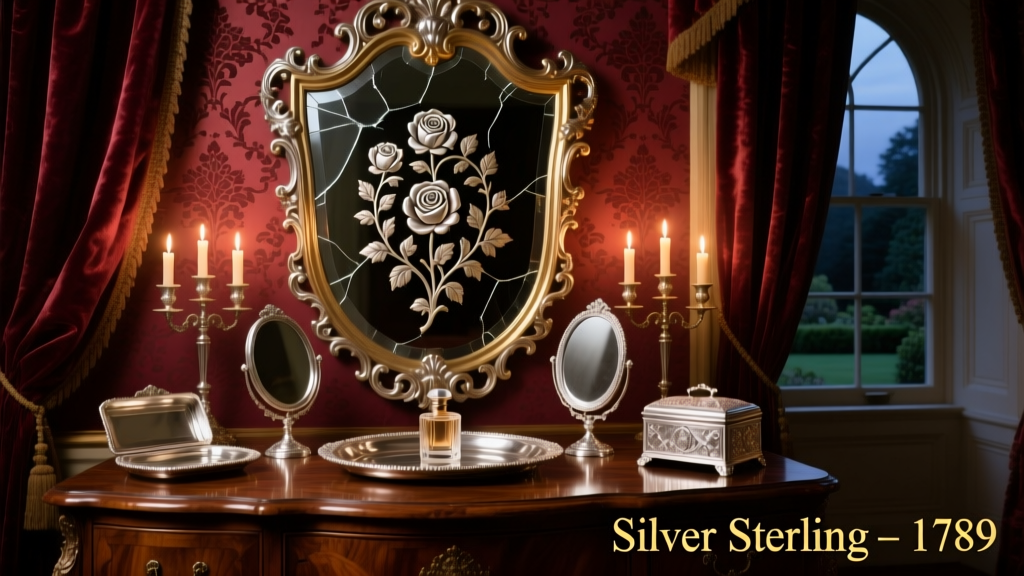
Silver Sterling Dresser Set: Floral Monogram in Shield — A Collector’s Guide to the 4-Piece Vanity Ensemble

Brass Andirons with Lemon Finials and Ball Feet: A 24-Inch Restoration Guide for Antique Fireplace Hardware

Russel Wright Iroquois Casual Carafe in Oyster: Design Legacy, Identification, and Care for Collectors
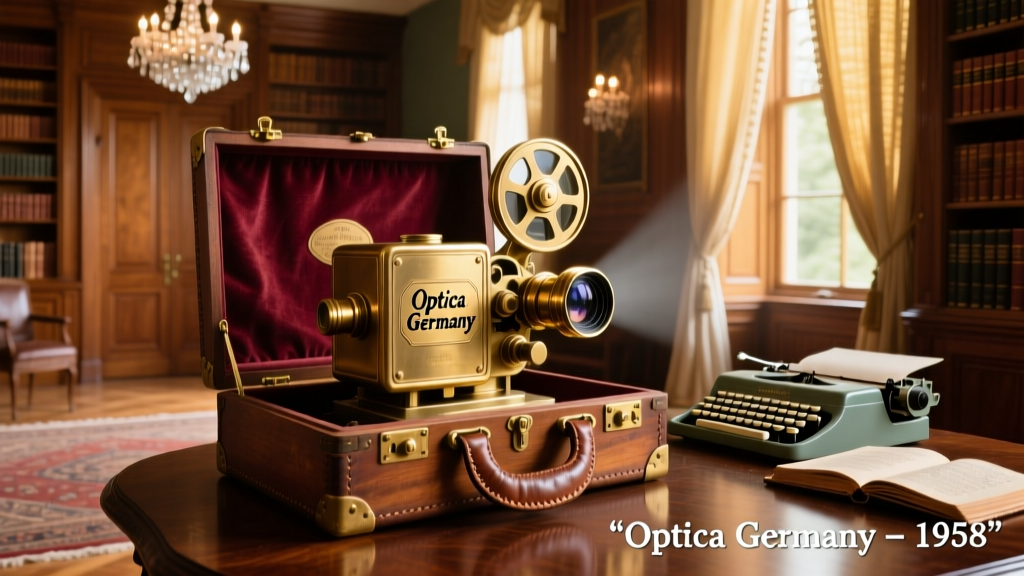
Opitica Germany Photography Projector: A Technical and Historical Deep Dive into the Cased 20 × 23 Inch Enlarger System
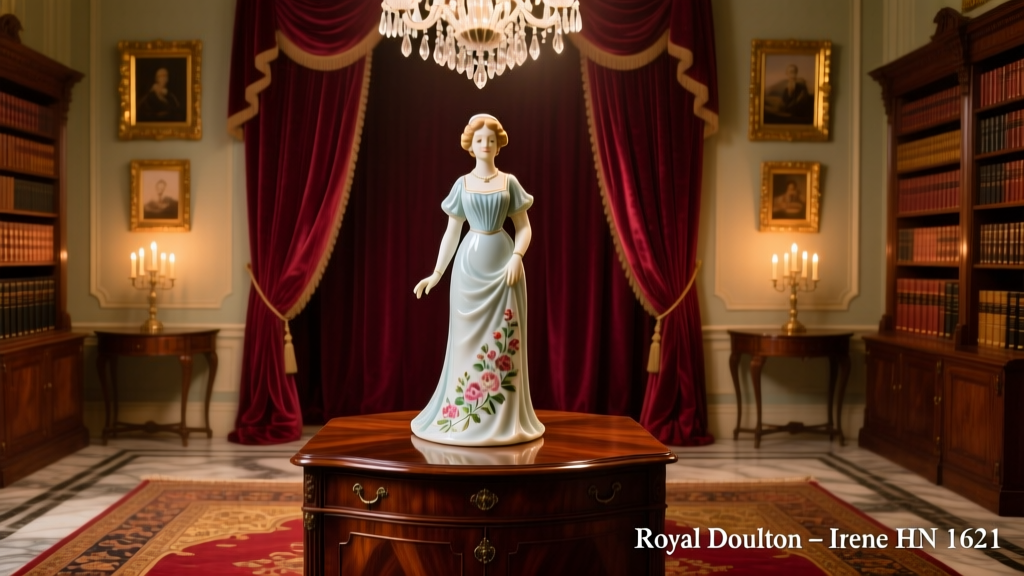
Royal Doulton Figurine Irene HN 1621: History, Identification, and Restoration Insights

Decoding the 1133205: A Technical and Historical Analysis of the 1957 Eames Lounge Chair & Ottoman (Herman Miller Production Run)