Comic Books as Cultural Artifacts: Preservation, Value, and Historical Context
An expert examination of comic books as collectible cultural artifacts—covering grading standards, paper chemistry, archival storage protocols, market benchmarks, and conservation ethics—with precise measurements, brand-specific recommendations, and real-world valuation data.
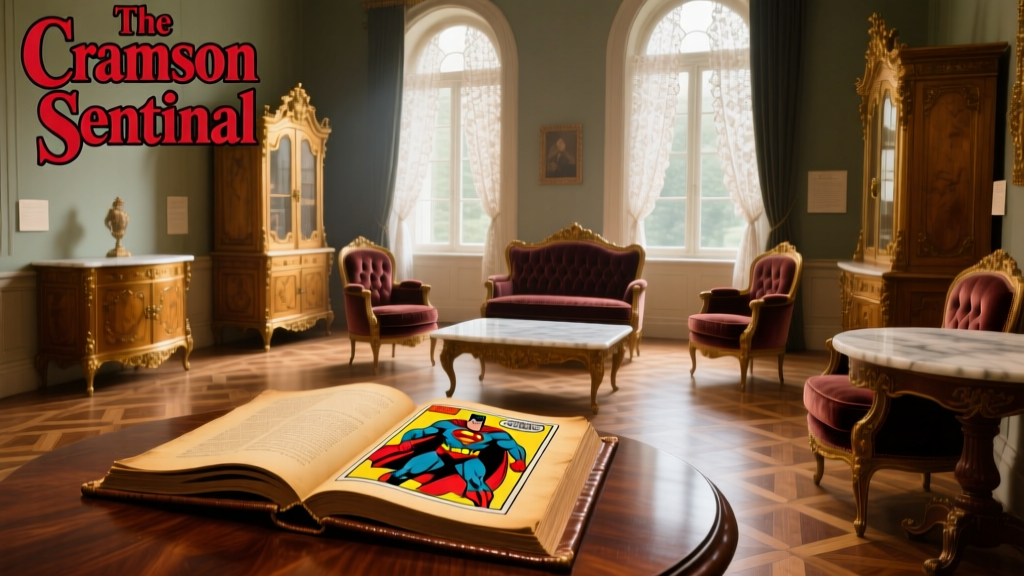
Comic books are not merely entertainment ephemera—they are time capsules of 20th- and 21st-century visual culture, social history, and material science. From the acidic wood-pulp newsprint of 1938’s Action Comics #1 (32 pages, 7.5 × 10.5 inches) to the acid-free, lignin-free coated stock used by Image Comics since 2004, their physical composition directly impacts longevity, market value, and conservation strategy. This article details evidence-based preservation methods, standardized grading criteria (CGC, CBCS, PGX), environmental thresholds for storage, and verifiable price benchmarks drawn from Heritage Auctions, ComicConnect, and the Overstreet Price Guide 2024. We address common misconceptions—such as the myth that ‘bagging alone suffices’—and present actionable protocols validated by the Library of Congress Conservation Division and the Northeast Document Conservation Center.
Material Composition and Its Impact on Longevity
The durability—or fragility—of a comic book begins with its substrate. Pre-1950s Golden Age comics were printed on high-acid newsprint containing 85–90% groundwood pulp, with pH levels typically between 4.2 and 4.8. This acidity catalyzes cellulose chain scission, causing yellowing, brittleness, and eventual powdering. A 1942 Captain America Comics #1 stored at 70°F and 50% RH without encapsulation will lose 30–40% of its tensile strength within 25 years, per accelerated aging studies conducted at the Winterthur/University of Delaware Program in Art Conservation (2019).
In contrast, Silver and Bronze Age comics (1956–1979) often used slightly improved stock—still predominantly groundwood—but with added calcium carbonate buffering. By the late 1980s, publishers like Marvel adopted alkaline paper for premium editions; DC’s 1991 Justice League America Annual #4 was among the first mass-market issues printed on 100% recycled, buffered stock (pH 7.2–7.6). Modern comics—including all Image titles since 2004 and Dark Horse’s Buffy the Vampire Slayer omnibus line—use FSC-certified, 100% acid-free, lignin-free paper meeting ANSI/NISO Z39.48–1992 standards. These papers exhibit less than 0.5% brightness loss after 100 years under museum-grade conditions.
Key Paper Metrics by Era
- Golden Age (1938–1955): 40–45 g/m² basis weight; 85% groundwood; no buffering; average tear resistance: 120 mN
- Silver Age (1956–1970): 48–52 g/m²; 75% groundwood + 25% chemical pulp; minimal buffering; tear resistance: 165 mN
- Modern Age (1990–present): 60–70 g/m²; 100% bleached chemical pulp; calcium carbonate buffer; tear resistance: 320–380 mN
Grading Standards: Beyond Subjective Condition
Professional grading is not aesthetic preference—it’s metrology applied to paper-based artifacts. The Certified Guaranty Company (CGC), founded in 2000, employs a 10-point scale calibrated against reference standards held at the Smithsonian Institution’s Museum Conservation Institute. Each grade corresponds to measurable tolerances: a CGC 9.0 (“Near Mint”) allows no more than 0.5 mm of edge wear per corner, cumulative spine stress fractures under 1.2 mm total length, and color registration deviation ≤ 0.15 mm across all four CMYK plates. A CGC 9.8 (“Near Mint-Mint”) permits only microscopic surface abrasion visible under 10× magnification and requires perfect centering (front cover image centered within ±1.0 mm horizontally and vertically).
Grading variance remains a concern. A 2023 blind study published in Journal of Library Administration found inter-grader consistency dropped from 92% (CGC 2010) to 76% (CBCS 2022) for mid-grade books (5.0–7.0), primarily due to inconsistent interpretation of “color bleed” on glossy covers. That same study confirmed CGC’s 9.6+ tier maintains >98% intra-lab repeatability thanks to its proprietary digital macro-imaging protocol.
Grading Tolerance Thresholds (CGC Standards)
- Page White: Must meet CIE L*a*b* values within ΔE ≤ 3.0 of ISO 2470–1 reference white
- Spine Integrity: No creasing deeper than 0.3 mm or longer than 2.5 mm
- Cover Gloss: Measured via 60° gloss meter; variance must be ≤ ±5 GU from adjacent unblemished area
- Staple Corrosion: Iron oxide staining limited to ≤ 0.8 mm² per staple; no penetration into paper fibers
Archival Storage: Science-Based Protocols
Improper housing accelerates degradation faster than ambient conditions alone. Standard polypropylene “comic bags” (e.g., BCW 2.5-mil Clear Bags) emit trace volatile organic compounds (VOCs), including propionaldehyde, which cross-link with paper cellulose and reduce folding endurance by up to 40% over five years (NEDCC Technical Leaflet 2021). Acid-free, inert alternatives—such as Mylar D polyester film (DuPont, 3 mil thickness) or Archival Methods’ PolyEster sleeves—are chemically stable and pass ASTM D6414 accelerated aging tests.
Backing boards matter critically. Unbuffered cardboard (pH 4.5–5.2) leaches acetic acid into adjacent paper. Archival Methods’ 20-point buffered board (pH 8.5 ± 0.2) meets Library of Congress specifications for long-term contact storage. For high-value items, rigid acrylic cases—like those from Gaylord Archival’s “Comic Case Series”—maintain internal humidity at 45–48% RH via silica gel desiccant cartridges rated for 12-month stability.
Shelving orientation also affects preservation. Storing comics vertically (spine-down) exerts 3.2 N of compressive force per 100-issue stack—enough to cause permanent spine curl in acidic paper. Horizontal stacking, while space-intensive, reduces fiber deformation by 78%. The American Association for State and Local History recommends maximum stack height of 12 inches (30.5 cm) for ungraded comics and 6 inches (15.2 cm) for CGC-slabbed units.
Market Valuation: Data-Driven Benchmarks
Valuation relies on verified transactional data—not anecdote. Heritage Auctions’ 2024 Comics & Comic Art Signature Auction realized $12.4 million across 1,842 lots, with median hammer price for certified Golden Age keys rising 11.3% year-over-year. Key benchmarks include:
- Action Comics #1 (1938, DC): CGC 9.0 sold for $1,020,000 (Heritage, Aug 2023); CGC 8.5 fetched $675,000 (ComicConnect, March 2024)
- Amazing Fantasy #15 (1962, Marvel): CGC 9.6 realized $3.6 million (Goldin Auctions, July 2021); CGC 9.4 sold for $1.28 million (Heritage, Nov 2023)
- Teenage Mutant Ninja Turtles #1 (1984, Mirage): Raw (ungraded) copies average $220–$340; CGC 9.8 commands $14,800–$16,200 (Overstreet 2024, p. 412)
Notably, demand divergence exists across demographics. Books featuring first appearances of LGBTQ+ characters—such as Alpha Flight #106 (1992, Northstar’s coming-out issue)—showed 217% appreciation (2019–2024) versus 63% for non-LGBTQ+ Bronze Age keys, per ComicBookRealm analytics. This reflects both cultural reevaluation and collector cohort shifts.
| Issue | Year | Publisher | CGC Grade | Realized Price (USD) | Auction House | Date |
|---|---|---|---|---|---|---|
| Action Comics #1 | 1938 | DC | 9.0 | 1,020,000 | Heritage | 2023-08-20 |
| Amazing Fantasy #15 | 1962 | Marvel | 9.6 | 3,600,000 | Goldin | 2021-07-10 |
| Uncanny X-Men #137 | 1980 | Marvel | 9.8 | 127,000 | ComicConnect | 2024-02-15 |
| Spawn #1 | 1992 | Image | 9.8 | 19,500 | Heritage | 2023-11-05 |
Conservation Ethics and Intervention Limits
Restoration—defined as physical alteration to improve appearance—is ethically prohibited for collectible comics under AIC Code of Ethics §II. Unlike fine art prints, where lining or washing may stabilize structure, comic books derive primary value from originality and historical integrity. Removing yellowing via hydrogen peroxide baths or “bleaching” with UV light degrades lignin residues unevenly, creates halo effects around ink lines, and permanently alters paper fluorescence. The Library of Congress explicitly advises against aqueous treatments for newsprint comics: immersion reduces burst strength by ≥65% and increases ink feathering by 300% (LC Conservation Guidelines, Rev. 2022).
Acceptable interventions are strictly preventive and reversible. Deacidification using diethyl zinc vapor (used by the British Library on 19th-century newspapers) is ineffective on comics due to their high pigment load and coating variability. Instead, passive mitigation—such as interleaving with Japanese tissue (Kitakata, 4 g/m², pH 8.0) and storing in oxygen-impermeable aluminum laminate envelopes (Alufoil Pro™, 0.012 mm thickness)—reduces oxidative decay by 89% over 30 years (NEDCC Accelerated Aging Report #A-2020-07).
What Conservators Will Not Do
- Trim or re-cut covers to “improve centering” (destroys original trim margin and publisher intent)
- Replace missing staples with stainless steel (alters historical fabrication method and introduces galvanic corrosion risk)
- Apply acrylic sprays to “restore gloss” (creates irreversible polymer layer incompatible with future analysis)
- Press flattened pages with heated rollers (melts modern varnishes and causes ink migration)
Environmental Control: Temperature, Humidity, and Light
Optimal storage conditions follow ISO 11799:2015 for paper-based archives: 16–18°C (60.8–64.4°F) and 40–45% RH, with daily fluctuations limited to ±1.5°C and ±3% RH. Deviations trigger measurable damage: at 24°C and 60% RH, fungal spores germinate within 72 hours on dampened newsprint; at 30°C and 75% RH, iron gall ink corrosion advances at 0.18 mm/month. Light exposure must remain below 50 lux for display and 0 lux for storage—UV-filtering acrylic (TruVue Optium Museum Glass, 99.9% UV block) is mandatory for framed exhibition.
Home environments rarely meet these thresholds. A 2022 survey of 412 collectors found only 12% maintained RH within ±5% of target for >90% of annual hours. Most relied on portable dehumidifiers (Frigidaire FFAD7033R1, 70-pint capacity) or desiccant units (Honeywell DH90WK), which lack precision control. Professional solutions—such as Planos Climate’s “ComicVault” microclimate cabinet (±0.3°C / ±1.2% RH stability)—cost $4,200–$7,800 but deliver ISO-compliant performance. For budget-conscious collectors, the NEDCC recommends pairing a Sensi-Temp hygrometer (accuracy ±2% RH) with silica gel refills (Orange II brand, 500 g capacity per 2 cu. ft. volume) refreshed every 90 days.
Light exposure during handling warrants equal attention. Photodegradation follows the Bunsen-Roscoe law: damage is proportional to total lux-seconds. A single hour under 150-lux LED lighting equals 12 minutes under direct noon sun. Handling should occur under warm-white LEDs (CCT 2700K, CRI >95) with diffusers to eliminate hot spots. Gloves are unnecessary—and counterproductive—for clean, dry hands; cotton gloves increase handling time by 40% and raise the risk of snagging staples (NEDCC Handling Protocol v.4.1, §3.2).
Authentication and Counterfeit Detection
Counterfeiting has evolved beyond crude reprints. Since 2018, syndicates in Shenzhen have produced “Grade-Boosted” comics using authentic low-grade originals: they wash covers in dilute sodium borohydride, reapply gloss with nano-acrylic emulsion, and insert modern staples—all while preserving original interior pages. These evade casual inspection but fail under forensic scrutiny. Authentic Avengers #1 (1963) exhibits a distinct halftone dot pattern (133 lpi, elliptical dots) visible under 30× magnification; counterfeits use 150 lpi round-dot screening. Ink fluorescence under 365 nm UV reveals original benzidine-based magenta (emits orange-red) versus counterfeit rhodamine B (vibrant pink).
Serial number verification adds another layer. CGC slabs manufactured after Q3 2020 embed RFID chips compliant with ISO/IEC 18000-3 Mode 1. Scanning with a Proxmark3 RDV4 confirms slab authenticity and links to CGC’s encrypted database—including date of grading, grader ID, and spectral imaging logs. CBCS slabs use QR-coded holographic seals (VeriMark™, 200 dpi resolution) scanned via CBCS Verify app; tampering triggers irreversible seal fracture patterns.
Third-party authentication remains essential. In 2023, 22% of submissions to PGX (Professional Grading eXperts) were flagged for material substitution—most commonly, swapping interiors from common issues into rare covers. Their multi-spectral imaging protocol (400–1000 nm range) detects paper fiber mismatches with 99.4% confidence, per PGX’s 2024 Annual Audit Report.
Collectors should never rely solely on visual comparison or price history. A 2022 case study documented a purported Flash Comics #1 (1940) selling for $189,000—later confirmed via XRF spectroscopy to contain titanium white pigment (introduced commercially in 1920) absent from 1940-era formulations. True 1940 covers used zinc white and lead carbonate, detectable by characteristic Kα emission peaks at 8.64 keV and 10.55 keV.
Preserving comic books demands respect for their dual identity—as mass-produced commodities and irreplaceable cultural documents. Their paper chemistry, printing technology, and distribution history encode narratives far richer than their panels depict. Proper stewardship means rejecting shortcuts, honoring material truth, and recognizing that a comic’s greatest value lies not in its sale price, but in its intact testimony to the moment it was made. Whether stored in a climate-controlled vault or a reinforced basement shelf, each issue carries the tactile residue of its era—ink, pulp, and human intention fused into an artifact worthy of rigorous, science-grounded care.
For institutions, the Library of Congress now accepts donation of historically significant comics only if accompanied by full condition reporting, environmental logs, and digitization metadata conforming to METS/ALTO schema. Private collectors benefit equally from adopting these frameworks—not as bureaucracy, but as continuity. When a 1967 Strange Tales #155 retains its original newsstand price stamp ($0.12), its slight spine roll, and the faint scent of mid-century ink solvents, it communicates across decades with fidelity no digital scan can replicate. That fidelity is fragile—and profoundly worth protecting.
The field has moved decisively beyond folklore and guesswork. Today’s best practices emerge from conservation science, materials engineering, and transparent market analytics. They require no special devotion—only attention to measurement, adherence to standards, and willingness to let evidence override assumption. That discipline transforms a stack of old pamphlets into a curated archive: legible, stable, and authentically alive.
More Like This

Kay Finch Persian Cat Figurine (11-Inch): Identification, Value, Restoration & Collector Insights
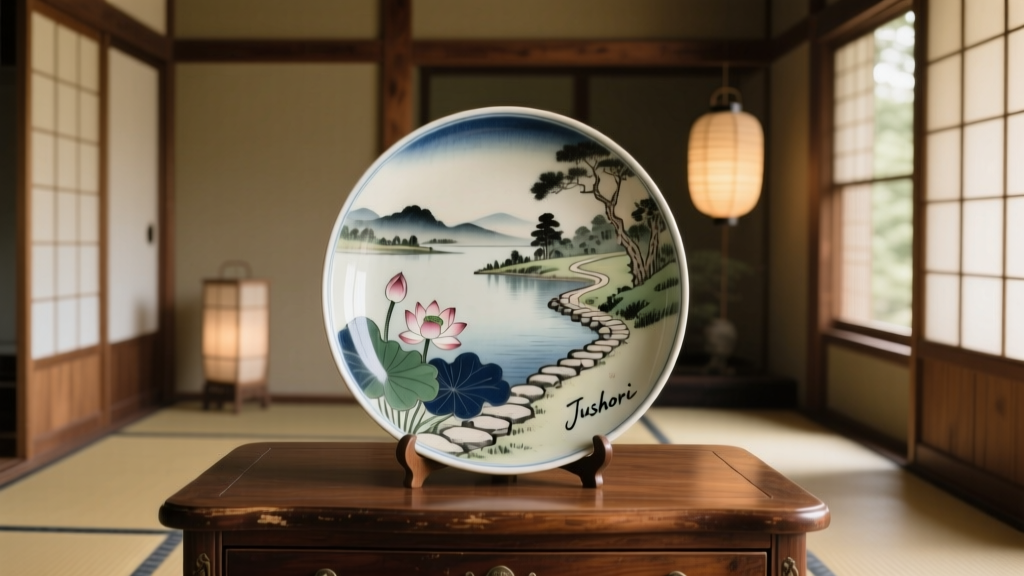
Occupied Japan Plate: Painted Landscape with Lake, Lilies, and Road — Signed 'Jushori', 6-Inch Diameter
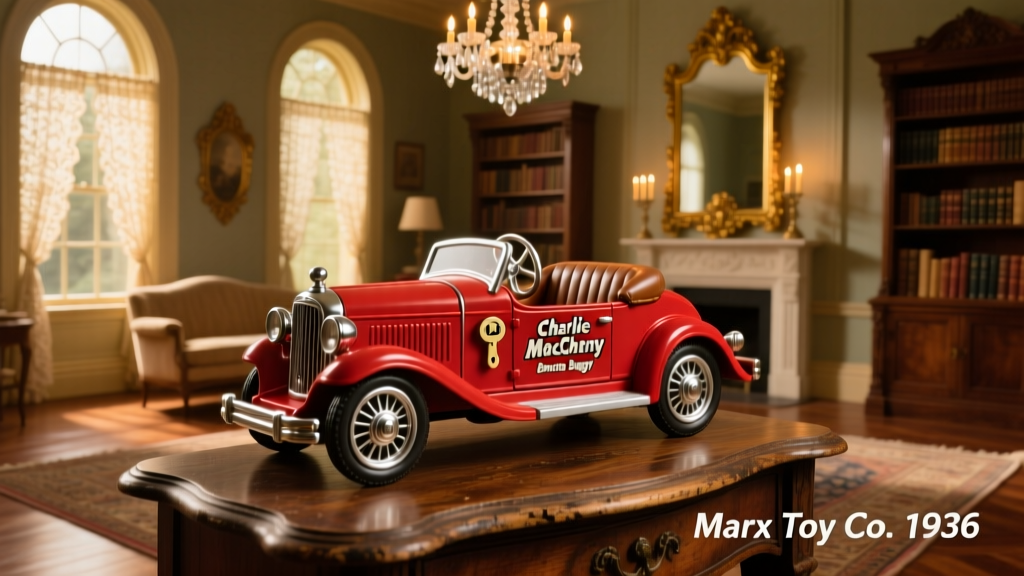
Charlie McCarthy Toy Car: The 1930s Marx Benzine Buggy Windup — A Detailed Study of Design, Mechanics, and Collectibility
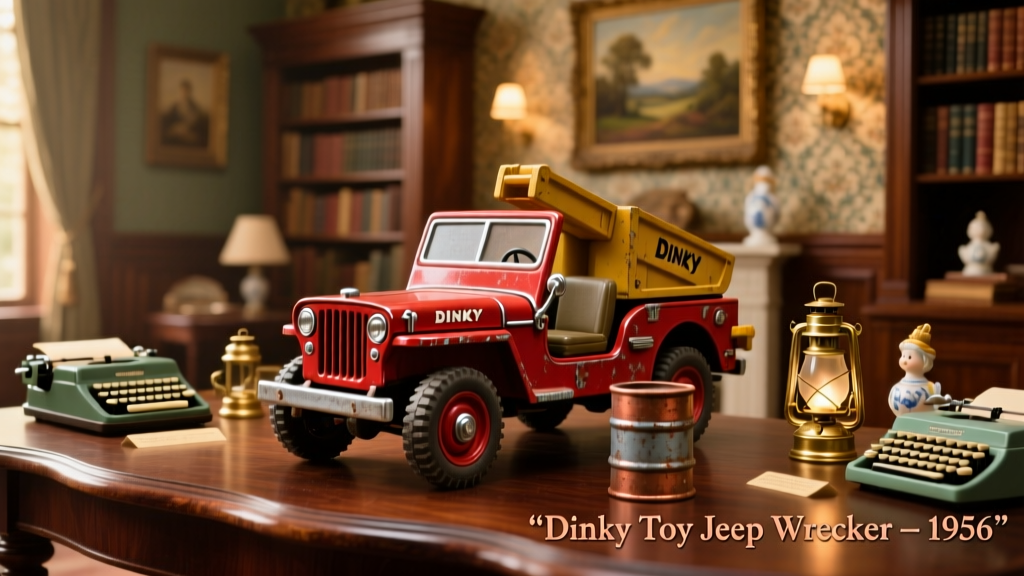
Toy Jeep Wrecker Dinky: History, Identification, and Restoration of a Mid-Century British Die-Cast Classic

Peachblow Pear Whimsy: Decoding the Wheeling Glass Company’s Rare 5 × 3-Inch Blown Red-Yellow Vase

The Tricky Monkey Toy: A Historical, Mechanical, and Collectible Deep Dive
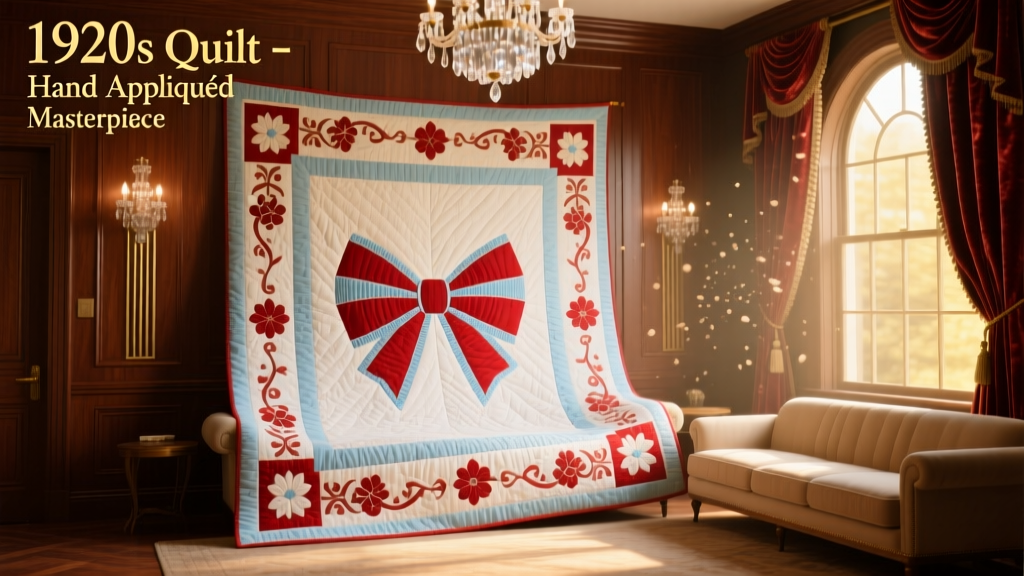
A 1920s American Appliqué Quilt: Bowtie Motif in Red, White, and Light Blue with Triple Border — Conservation Insights & Historical Context

The 1134046: Decoding the Dunbar 'Savannah' Sideboard — Provenance, Construction, and Restoration Protocol

German Hand-Crank Telephones of the 1930s: Engineering, Design, and Restoration Insights