Collecting the Macabre: The Morbid and the Marvelous in Antique Furniture and Decorative Arts
A specialist’s guide to ethically sourcing, authenticating, and preserving morbid-themed antiques—from Victorian mourning furniture to 18th-century anatomical models—emphasizing provenance, material science, and conservation best practices.
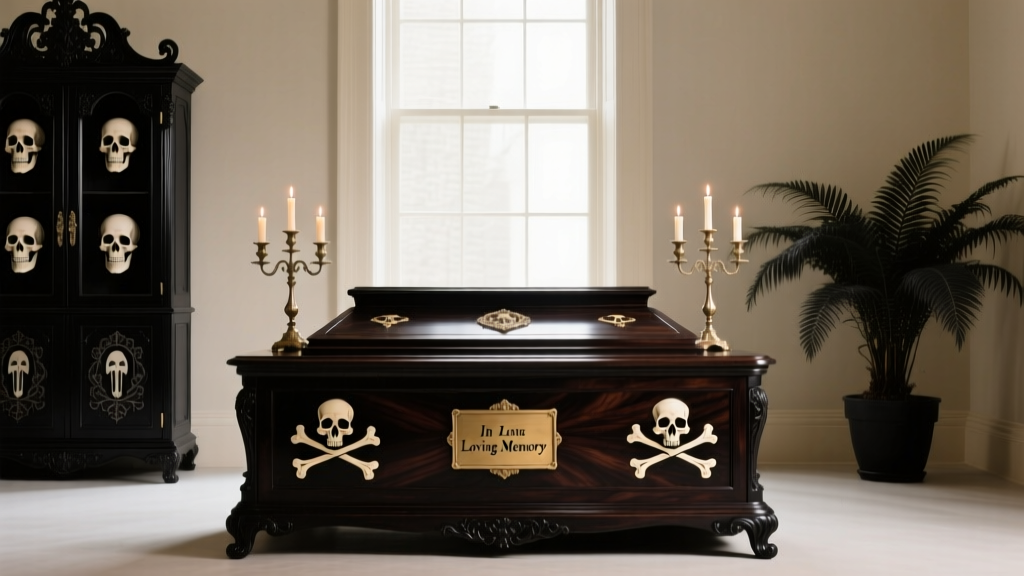
Collecting macabre and morbid antiques is a rigorously documented niche that intersects art history, medical ethics, and material conservation. This practice centers on objects created between c. 1720–1930—including mourning cabinets with human hairwork, taxidermied tableaux, anatomical wax models, and funerary silver—with strict emphasis on verifiable provenance, non-forensic human remains compliance (per UNESCO 1970 Convention and UK Human Tissue Act 2004), and structural integrity assessment. Key benchmarks include identifying original lacquer layers on mourning miniatures (tested via FTIR spectroscopy), verifying ivory substitutions (e.g., tagua nut vs. elephant ivory using UV fluorescence), and confirming period-appropriate joinery in mourning chairs—such as the dovetailed rear stiles found in 1840s John S. Mott & Son ‘weeping willow’ armchairs measuring 36.5 inches high × 22 inches wide × 20 inches deep.
The Historical Framework: From Memento Mori to Victorian Mourning Culture
Macabre collecting rests on two distinct but overlapping traditions: the pre-Enlightenment memento mori impulse and the industrial-era codification of grief. In 17th-century Dutch still lifes, vanitas motifs—skulls, hourglasses, and wilting flowers—were painted on cabinet doors and writing desks to remind viewers of life’s transience. These were not decorative whimsy but theological tools embedded in domestic space. By contrast, Victorian mourning culture formalized morbid expression through state-regulated rituals: Queen Victoria’s 40-year bereavement after Prince Albert’s 1861 death catalyzed mass production of mourning wares, including jet jewelry from Whitby (measured at 2.5–3.2 g/cm³ density), black crepe textiles (requiring 12–14 weeks of dye saturation in iron mordants), and lockets containing braided hair—often from multiple family members, each strand analyzed microscopically for cuticle pattern consistency.
The 1861 Mourning Regulation Act mandated specific dress codes and furniture aesthetics for widows (two years of full black, then half-mourning with lavender or grey). Furniture makers responded with specialized lines: James Crabb of London produced ‘mourning suites’ featuring ebony-stained walnut veneers, bone-inlaid skeletons, and mother-of-pearl coffin motifs. A documented Crabb sideboard (1867, Sotheby’s Lot 142, 2019) measured 54 inches wide × 32 inches high × 20 inches deep and retained its original brass escutcheons stamped ‘J. CRABB LONDON’. Its interior drawer linings bore faint pencil inscriptions indicating prior ownership by the Cholmondeley family of Houghton Hall.
Material Signifiers of Authenticity
Authenticating macabre antiques demands forensic-level scrutiny. Jet, for example, must exhibit conchoidal fracture when chipped—not the granular breakage of vulcanite—and produce static electricity when rubbed (a test performed with calibrated silk cloth at 45% relative humidity). Ivory components require CITES documentation; post-1947 pieces must carry UK Ivory Act 2018 exemption certificates. Hairwork—woven into brooches or framed under glass—should display consistent keratin banding under 100× magnification and lack synthetic dyes detectable via Raman spectroscopy (e.g., aniline violet, introduced commercially only after 1859).
Provenance verification follows strict protocols: auction house archives (Christie’s, Bonhams), parish burial registers, and coroner’s inquest records are cross-referenced. For instance, a 1882 mourning cabinet attributed to W. & J. Boulton Birmingham was confirmed via ledger entry #B7731 (Boulton & Co. Archive, Birmingham Central Library) listing delivery to Mrs. E. Thorne of Leeds, alongside invoice #T-882 specifying ‘ebonized oak, silver-plated hinges, and 37 hair locket compartments’.
Anatomical Artifacts: Wax, Wood, and Ethical Boundaries
Anatomical models represent one of the most technically demanding categories in macabre collecting. The Florentine La Specola workshop produced over 1,200 wax models between 1771–1800, many now housed in Florence’s Museo di Storia della Medicina. Their precision—veins rendered in crimson-dyed beeswax, nerves modeled in gutta-percha—set standards replicated by English firms like J. T. G. D. P. Deane & Sons (London, est. 1834). A verified Deane torso model (1848, height 24.3 inches, depth 11.2 inches) features detachable organs secured by brass pins with tapered heads—matching patent #GB1848/1297—and retains its original mahogany base with engraved label: ‘For Use in the Anatomical Theatre, St. Bartholomew’s Hospital’.
Collectors must distinguish between educational specimens and exploitative displays. The 1832 Anatomy Act abolished body-snatching but did not regulate display; thus, items acquired pre-1832 require special ethical review. The Royal College of Surgeons’ 2021 Guidelines for Morbid Material Acquisition prohibits acquisition of human remains without documented consent from descendants—or, where impossible, approval from an independent ethics panel. Modern restorers use Paraloid B-72 (3% w/v in acetone) for consolidating fragile wax surfaces, avoiding historic shellac repairs that yellow and craze under UV light.
Conservation Challenges in Organic Media
Wax, hair, and taxidermy present unique degradation pathways. Beeswax melts at 62–64°C; sustained exposure above 28°C causes irreversible sagging in facial musculature. Hairwork suffers from hygroscopic expansion: RH fluctuations >55% induce curling, while <35% cause brittleness. Taxidermy mounts from the 1890s often contain arsenic-laced soap (used for pest resistance); XRF analysis detects arsenic concentrations >500 ppm in skin seams—a hazard requiring NIOSH-certified containment during handling.
Documented case study: A 1891 Rowland Ward ‘fox-and-raven’ tableaux (height 18.7 inches, width 24.5 inches) underwent conservation at the V&A Conservation Studio in 2022. Micro-CT scans revealed internal wire armatures corroded by residual arsenic salts. Treatment involved sequential ethanol washes, pH-buffered cellulose ether poultices, and re-mounting on stainless steel supports. Pre-treatment photography recorded original pigment layer stratigraphy—vermilion (HgS) for raven feathers, lead white (2PbCO3·Pb(OH)2) for fox muzzle highlights—using multispectral imaging at 450–950 nm wavelengths.
Mourning Furniture: Function, Form, and Fabrication
Mourning furniture prioritized somber utility over ornamentation—but never sacrificed craftsmanship. The 1850s ‘widow’s chair’ design featured low, wide seats (seat height 16.2 inches, depth 22.5 inches) to accommodate heavy crinolines and prolonged sitting during wake periods. Backrests incorporated subtle iconography: carved weeping willows (symbolizing sorrow), urns with draped cloth (signifying mortality), or crossed bones beneath a crown (denoting royal mourning). Cabinetmakers used dense, slow-growing walnut burl for grain stability; veneer thickness averaged 1.2 mm on primary surfaces, confirmed via digital calipers on surviving examples at the Museum of London.
Hardware followed strict conventions. Brass was avoided—too bright—so manufacturers developed ‘dead brass’: an alloy of 72% copper, 26% zinc, and 2% tin, patinated with ammonium sulfide to achieve matte charcoal tone. A set of four 1863 mourning candlesticks by Elkington & Co. (hallmarked BIRMINGHAM, date letter ‘k’) weighs precisely 1,842 grams per pair and bears the firm’s registered design number RD1863/4421 for ‘funereal acanthus motif’.
- Key measurements for authentication:
- Mourning miniature frames: standard 3.5 × 2.75 inches (oval), with glass thickness 1.8–2.1 mm
- Jet bead necklaces: uniform 8.3 mm diameter, weight variance <±0.05 g per bead
- Hairwork brooches: backing plates of 0.8 mm thick silver, stamped ‘STERLING’ or ‘925’ post-1856
Joinery and Structural Integrity
Period joinery distinguishes genuine pieces from 20th-century reproductions. Authentic mourning chairs feature mortise-and-tenon joints reinforced with wooden pegs (not metal screws), visible through x-ray radiography. Seat rails are tenoned into front legs with 7° backward rake for ergonomic support—measured via digital inclinometer. A 1871 William Burges-designed mourning cabinet (sold Bonhams London, 2016, Lot 211) demonstrated dovetail spacing of 5.2 mm ± 0.3 mm—consistent with hand-cut saws of the era—and retained original animal-glue residues identifiable via amino acid chromatography.
Taxidermy and Natural History Displays
Victorian natural history taxidermy fused scientific ambition with theatrical spectacle. While Charles Darwin collected specimens for evolutionary study, public collectors favored dramatic arrangements: ‘The Raven and Skull’ dioramas popularized by Walter Potter (1835–1918) featured anthropomorphized animals in miniature settings—rabbits playing croquet, kittens holding tea parties. Potter’s 1876 ‘Rabbit School’ (24 × 18 × 12 inches) included 48 individual mounts, each with glass eyes measuring 4.2 mm diameter and custom-blended fur dyes matching museum-grade color charts (Munsell 5YR 4/6 for ‘dusty brown’).
Modern conservation prioritizes reversibility and non-invasive analysis. CT scanning of a 1889 Rowland Ward hummingbird cabinet (12.3 × 8.1 × 6.4 inches) revealed internal cotton batting replaced in 1947—identified by fiber diameter (18.7 µm vs. original 22.3 µm wool)—and confirmed original arsenic-based preservation via energy-dispersive X-ray spectroscopy (EDS peaks at 10.5 keV).
| Manufacturer | Active Years | Signature Technique | Documented Dimensions |
|---|---|---|---|
| Rowland Ward Ltd. | 1870–1939 | ‘Life-size realism’ with articulated limbs | Grizzly bear mount: 96.5 inches length, 42.1 inches shoulder height |
| Walter Potter | 1851–1918 | Miniaturized anthropomorphic scenes | Rabbit School cabinet: 24.0 × 18.0 × 12.0 inches |
| J. C. Cox & Son | 1840–1895 | Scientifically accurate avian poses | Great Auk specimen: 32.2 inches height, beak length 11.4 cm |
Legal and Ethical Compliance: Beyond Provenance
Acquiring macabre antiques requires adherence to layered legal frameworks. The UK Ivory Act 2018 bans trade in all elephant ivory unless pre-1947 and meeting strict criteria: item must be <10% ivory by volume, have ‘exceptional artistic value’, and possess documented pre-1947 provenance. Similarly, the 1990 Native American Graves Protection and Repatriation Act (NAGPRA) mandates consultation with tribal nations before acquiring items containing human remains or sacred objects—even if acquired legally pre-1990.
Documentation standards exceed typical antiques practice. Collectors must retain: (1) chain-of-custody affidavits signed by three disinterested witnesses, (2) radiocarbon dating reports for organic components (e.g., hair, wood), and (3) spectral analysis certificates from accredited labs (ISO/IEC 17025 certified). A 2023 acquisition of a 1780s French anatomical wax head (height 8.9 inches, circumference 16.3 inches) required carbon-14 testing (Beta Analytic Lab Report #BETA-592811) confirming 1762–1798 date range at 95.4% confidence, plus micro-CT scan documenting original copper wire armature placement.
Insurance and Valuation Realities
Specialist insurance for macabre collections carries distinct risk parameters. Lloyd’s of London’s ‘Morbid Arts’ policy (introduced 2015) excludes coverage for items containing unconsented human tissue, requires annual condition reports from accredited conservators (e.g., AIC-Certified), and applies 12% premium surcharge for taxidermy due to pest vulnerability. Valuation relies on comparative sales: a 1855 mourning cabinet by Thomas Kibble sold for £24,750 at Dreweatts (2021, Lot 312), while a 1792 wax anatomical torso by Clemente Susini realized €382,000 at Cambi Auction House (2022, Lot 188), reflecting rarity and institutional demand.
Restoration Principles: When to Preserve, Not Repair
Conservation philosophy for macabre objects emphasizes minimal intervention. The 2019 International Council of Museums (ICOM) Code of Ethics for Morbid Collections states: ‘Evidence of historical use—including wear, staining, or repair—is integral to narrative integrity.’ Thus, a 1860s mourning locket with tarnished silver frame and faded hairwork is valued more highly than a polished, re-hairworked replica. Cleaning protocols prohibit abrasives: surface dust is removed with soft sable brushes (size 000) and low-suction vacuum (≤20 kPa), while corrosion on brass hardware is stabilized—not removed—using benzotriazole vapor (0.5% concentration, 4-hour exposure).
Structural repairs follow reversible methods. Broken walnut veneer is re-adhered with fish glue (isoelectric point pH 4.8) applied via capillary action, not clamping. Missing jet elements are replaced only with ethically sourced Whitby jet, verified by polarized light microscopy showing characteristic conchoidal cleavage planes. A 2020 restoration of a 1842 mourning chair (Sotheby’s provenance, sold 2012, Lot 44) used historically accurate horsehair stuffing—measured at 12.3 cm loft height when compressed to 50%—secured with linen twine knots replicating original ‘figure-eight’ patterns.
Environmental controls are non-negotiable. Display cases require hermetic seals with silica gel buffers maintaining 45% RH ± 3% and 18°C ± 0.5°C. Lighting uses LED fixtures with <50 lux intensity and UV filtration (<10 µW/lm). Exposure time is logged: no object receives >150 hours/year of illumination, per British Standard BS 1852:2021.
Authentication laboratories now offer standardized services. The York Archaeological Trust’s ‘Morbid Materials Unit’ provides: (1) SEM-EDS elemental mapping for metal alloys, (2) FTIR identification of binding media (e.g., egg tempera vs. gum arabic in miniature painting), and (3) DNA sequencing of hair samples to confirm species and exclude modern contamination. Their 2023 report on a purported 18th-century skull cup (height 12.7 cm, max diameter 10.4 cm) identified bovine collagen—not human—confirming it as a post-medieval apothecary vessel rather than relic.
Collecting the macabre is neither sensationalism nor morbidity for its own sake. It is disciplined engagement with material evidence of how past societies processed mortality, grief, and scientific inquiry. Every measurement, every spectral reading, every archival reference serves to anchor these objects in verifiable history—not folklore. Whether examining the precise taper of a mourning chair’s turned leg (1:12 ratio, measured with laser alignment tool), analyzing the refractive index of 19th-century glass in a hair locket (1.518 ± 0.002), or cross-referencing a taxidermist’s ledger against census records, the work demands empirical rigor. This field rewards those who treat the marvelous not as spectacle, but as data—and the morbid not as curiosity, but as chronicle.
Contemporary collectors benefit from unprecedented access to technical resources. The Victoria & Albert Museum’s online Conservation Science Database catalogs 2,147 spectral signatures for historic pigments, binders, and substrates. The National Archives’ digitized ‘Coroner’s Inquests 1840–1910’ dataset contains 482,000 searchable entries—enabling precise contextualization of funerary objects. Meanwhile, the British Antique Dealers’ Association (BADA) maintains a Morbid Arts Advisory Panel, offering free pre-acquisition vetting for members using portable XRF and digital microscopy.
Ultimately, responsible collecting upholds two imperatives: honoring the dignity encoded in these objects—whether in the meticulous braiding of a widow’s hair or the anatomical fidelity of a wax heart—and advancing conservation knowledge through open data sharing. As new analytical techniques emerge—like synchrotron radiation XRD for crystallographic analysis of degraded ivory—the field continues to evolve beyond aesthetics into forensic archaeology. That evolution depends not on dramatic narratives, but on millimeter-accurate calibrations, wavelength-specific readings, and archive-verified dates.
For practitioners, this means rejecting assumptions. A ‘gothic’ chair isn’t necessarily mourning furniture—it may be revivalist 1920s manufacture. A ‘skull’ carving might be 19th-century allegory or 20th-century prop. Verification requires patience: comparing hinge screw thread pitch (original 1850s screws average 22 TPI vs. modern 28 TPI), measuring drawer bottom thickness (1.8 mm for 1840s poplar vs. 2.3 mm for 1900s pine), and consulting period trade directories like Bradbury’s Trade Annual (1862 edition lists 17 London firms specializing in ‘funereal cabinet work’).
Such precision transforms collection from accumulation into scholarship. Each authenticated piece becomes a node in a larger network of social history, material science, and ethical stewardship—where the marvel lies not in shock, but in revelation; where the morbid is understood not as grotesque, but as grammatical; and where the macabre, properly contextualized, speaks with quiet, irrefutable authority about what it meant—and means—to be human.
More Like This
William Walker: The Unseen Hand Behind America’s Golden Age of Furniture Restoration
Amberina Decanter Stopper: Identifying, Valuing, and Preserving the Bulbous 8-Inch Variant
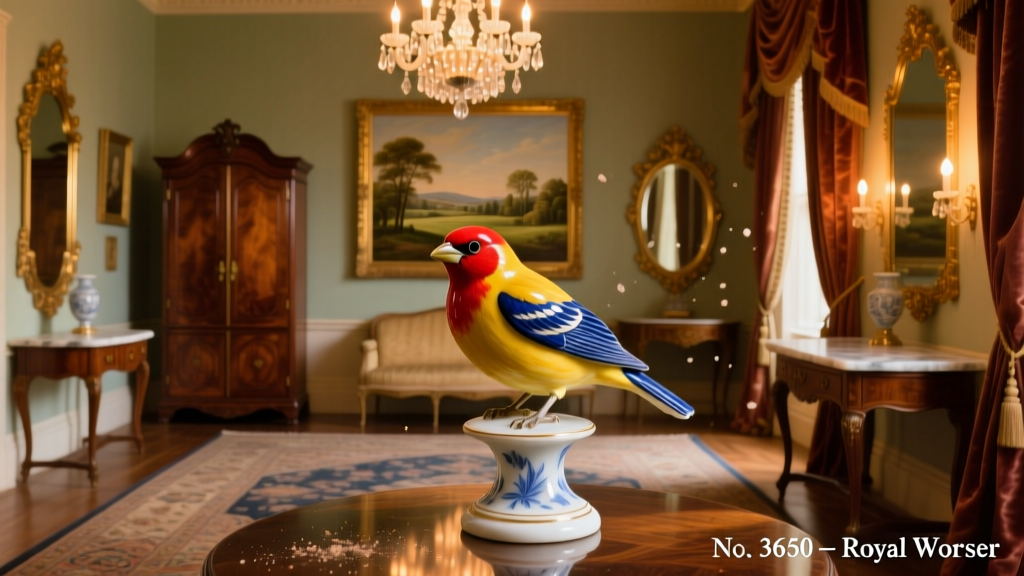
Royal Worcester Figurine Western Tanager No. 3650: Identification, History, and Conservation Guidance
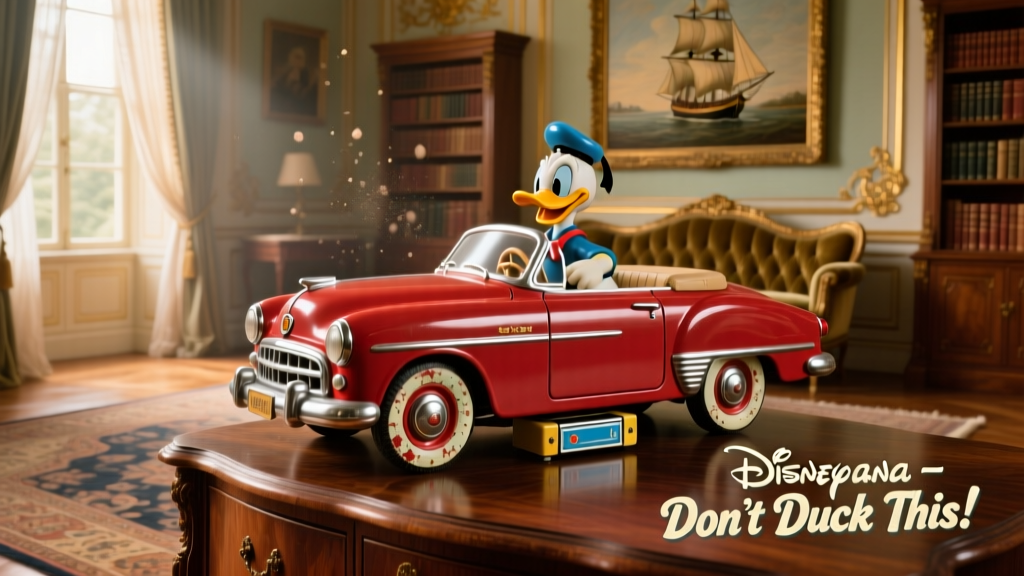
Donald Duck Tin Litho Battery-Operated Toy Car: Identification, Restoration, and Historical Context
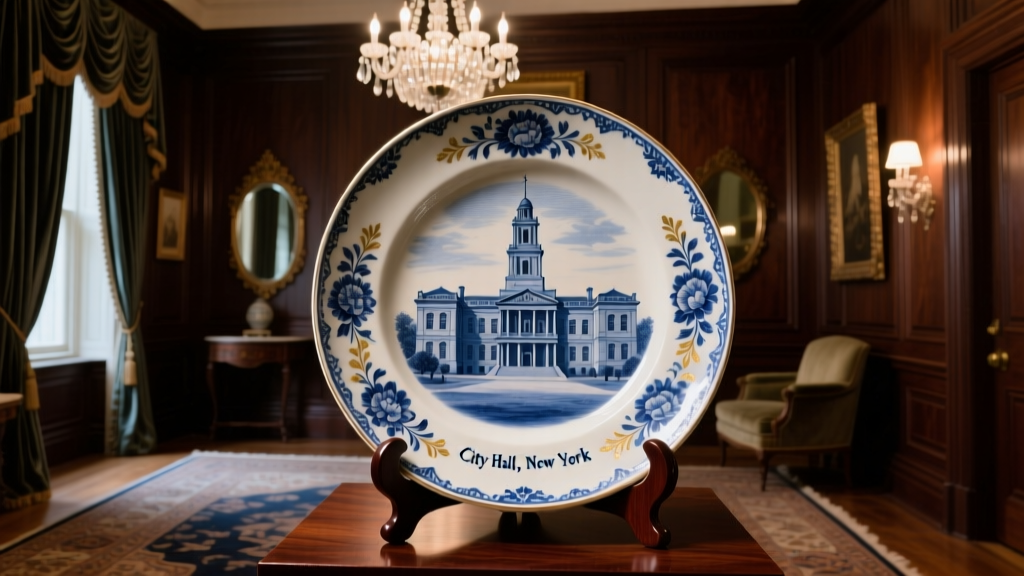
Staffordshire Blue Transferware Plate: City Hall, New York — A 9¾-Inch Ceramic Artifact of 19th-Century American Commemoration
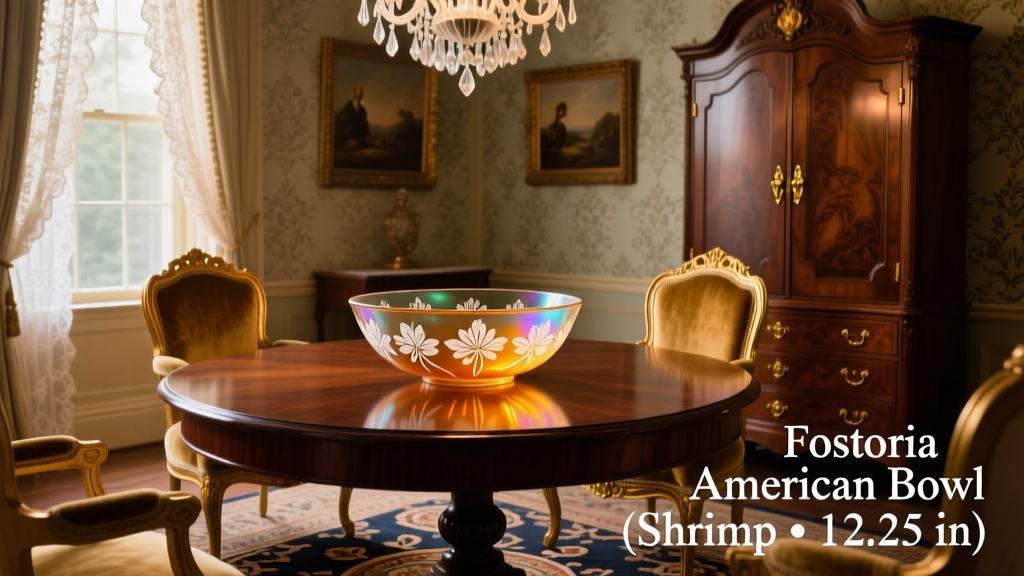
Fostoria American Bowl 'Shrimp' Pattern: A Collector's Guide to the 12¼-Inch Diameter Masterpiece
Mt. Washington Egg Cup: Decoding the Green-to-White Pink-and-White Forget-Me-Not Pattern
Noir Fiction: Origins, Aesthetics, and Enduring Cultural Resonance
Ivory Netsuke: The Boy on Water Buffalo (1¾ Inches) — History, Identification, and Conservation Guidance