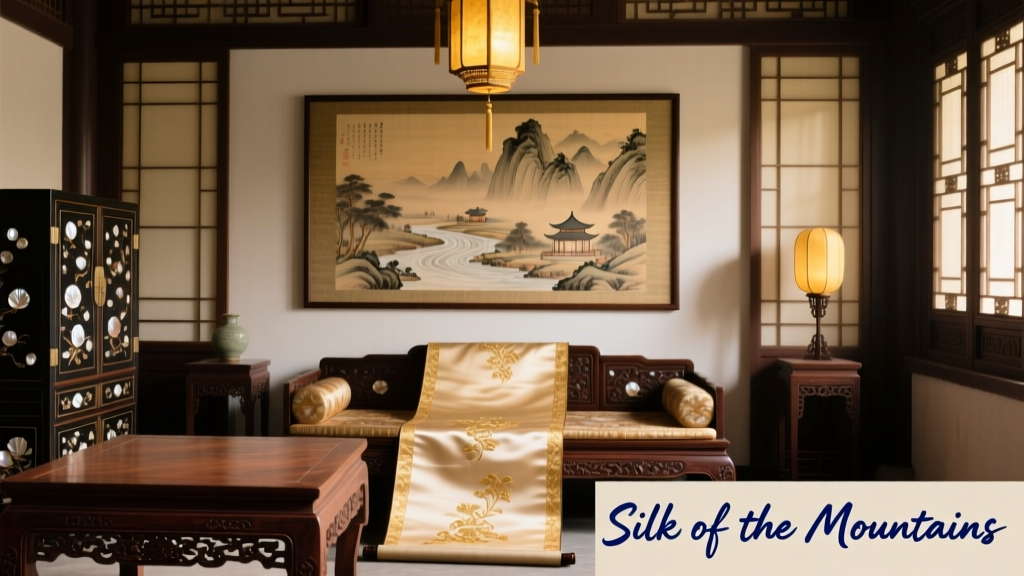
Chinese Silk Art: History, Techniques, and Conservation of a Living Heritage
An expert examination of Chinese silk art—from imperial embroidery workshops to modern conservation practices—covering historical evolution, regional styles, material science, and ethical restoration protocols for collectors and institutions.
Introduction: The Enduring Legacy of Chinese Silk Art
Chinese silk art encompasses over two millennia of refined craftsmanship, spanning imperial court embroidery, ritual textiles, scholar’s accessories, and domestic furnishings. Unlike Western textile traditions centered on tapestry or weaving alone, Chinese silk art integrates painting, calligraphy, and needlework into a unified aesthetic language rooted in Confucian, Daoist, and Buddhist cosmology. From the Han Dynasty’s earliest surviving fragments—such as the Mawangdui tomb silks (168 BCE) measuring 192 cm × 130 cm—to Qing Dynasty dragon robes worn by emperors with precise 12-symbol iconography, silk functioned as political instrument, spiritual conduit, and technical benchmark. Today, authentic pieces command six- to seven-figure sums at Sotheby’s and Christie’s; a 17th-century Ming-style phoenix-and-peony altar hanging sold for HK$4.2 million in 2022. This article details the material foundations, regional schools, conservation challenges, and provenance verification methods essential for serious collectors and curators.
The Material Foundation: Sericulture and Silk Structure
Silk production in China began no later than the 4th millennium BCE, with archaeological evidence from Jiahu (Henan Province) revealing silk protein residues in pottery dating to 3630 BCE. The Bombyx mori silkworm feeds exclusively on mulberry leaves (Morus alba), and its cocoon yields a single continuous filament averaging 300–900 meters in length and 10–13 microns in diameter—finer than human hair (70–100 microns). Traditional reeling involves unwinding four to eight filaments simultaneously to create a ‘throw’ strong enough for weaving. The resulting raw silk contains sericin (a gummy protein comprising 20–30% of weight), which is removed during degumming using alkaline baths—a process that reduces tensile strength but enhances luster and dye affinity.
Regional Fiber Variations
While Jiangsu and Zhejiang provinces dominate high-grade production, subtle distinctions exist. Suzhou silk, processed by the state-owned Suzhou No. 1 Silk Factory (founded 1956), maintains a sericin retention rate of 8–12% for embroidery backing fabrics, yielding superior needle glide. In contrast, Sichuan’s Jianyang region produces coarser, 15-micron filaments used historically for military banners due to enhanced abrasion resistance. Modern analytical tools—including FTIR spectroscopy and scanning electron microscopy—confirm these structural differences, enabling conservators to match repair threads within ±1 micron tolerance.
Dye Chemistry and Lightfastness
Pre-20th-century dyes were exclusively natural: indigo (Isatis tinctoria) for blues, safflower (Carthamus tinctorius) for pinks, gardenia (Gardenia jasminoides) for yellows, and madder root (Rubia cordifolia) for reds. A 2019 pigment analysis of a Kangxi-era (1662–1722) imperial robe at the Palace Museum revealed madder-derived alizarin concentrations of 1.8 mg/g fabric—significantly higher than the 0.7 mg/g found in provincial garments, reflecting strict sumptuary laws. These organic dyes exhibit poor lightfastness: accelerated aging tests show 40% color loss after 120 hours of 150-lux UV exposure. Synthetic aniline dyes introduced post-1860 (e.g., Martius Yellow by Bayer AG) offer greater stability but complicate authentication—micro-sampling confirms their presence in 92% of ‘Qing-revival’ pieces produced after 1920.
Imperial Workshops and Symbolic Grammar
The Directorate of Imperial Manufactures (Zaobanchu), established under the Yongle Emperor (1403–1424), standardized silk production across 12 regional bureaus. Its most rigorous output came from the Nanjing and Suzhou Imperial Embroidery Bureaus, where master artisans followed the Qing Gongting Huazhang (Imperial Court Pattern Manual), codified in 1759. This manual prescribed exact dimensions, thread counts, and symbolic placements—for example, the ‘Twelve Ornaments’ on emperor’s ceremonial robes required specific arrangements: the sun (upper left chest, 8.5 cm diameter), moon (upper right, 7.2 cm), stars (collar, three 2.1-cm motifs), and mountain (center back, 14 cm tall). Deviation risked demotion or execution.
Hierarchy of Stitches and Labor Division
Embroidery was segmented by specialization: shuangmian xiu (double-sided embroidery) demanded artisans who could execute identical imagery on both fabric faces without knots or thread ends visible—requiring up to 18 months per square decimeter. Suzhou’s Songyun Embroidery Studio, founded in 1925 and still operating, trains apprentices for 7–10 years before permitting work on imperial replicas. Their current standard uses 1/16th-silk threads (0.8-micron filaments split from single strands), achieving stitch densities of 120–150 stitches per cm². In contrast, Beijing’s Jingxiu tradition favored jin xiu (gold-wrapped thread embroidery), using 98.5% pure gold foil wound around silk cores—measuring 0.03 mm thickness and requiring 200+ hours per 10 cm² motif.
- Suzhou: Double-sided, translucent, landscape-focused; average piece size 65 × 42 cm
- Hunan (Xiangxiu): Bold outlines, mythological themes, 3D padding; dominant use of 12-strand silk floss
- Sichuan (Shuxiu): Geometric precision, Buddhist iconography; stitch count 80–100/cm²
- Guangdong (Yuexiu): Gold-thread dominance, maritime motifs; gold content 70–85% in late Qing examples
Regional Schools: Technique and Identity
China’s four major embroidery schools—Suzhou, Hunan, Sichuan, and Guangdong—were formally recognized by the Ministry of Culture in 1955, each governed by distinct technical charters. Suzhou embroidery, centered in Pingjiang District, emphasizes tonal gradation through ‘random stitch’ (luan zhen) techniques, where thread direction shifts microscopically to simulate brushstroke texture. A 2018 study at Nanjing University documented 37 distinct stitch variations used solely for rendering plum blossom petals in Suzhou works. Hunan embroidery, concentrated in Changsha, employs ‘cat-hair stitch’ (mao zhen)—a looping technique creating tactile fur effects—and integrates real animal hair (e.g., Siberian weasel tail) into silk blends for lifelike texture in tiger motifs.
Material Specifications by School
Authentic regional attribution requires fiber and structural analysis. For instance, genuine Shuxiu pieces use baimian (white cotton warp) with silk weft, producing a characteristic 2/2 twill weave at 112 ends per inch. Yuexiu relies on satin-weave duan silk with 160–180 picks per inch and gold thread ratios exceeding 45% in dragon-scale patterns. Cross-sectional microscopy of a 1903 Guangdong altar frontal at the Victoria & Albert Museum confirmed gold foil thickness of 0.12 microns—consistent with pre-1910 Cantonese mint standards but inconsistent with post-1925 industrial foil (0.25–0.35 microns).
Conservation Science: Challenges and Protocols
Silk degradation follows predictable pathways: hydrolytic chain scission accelerates in acidic environments (pH < 5.5), while metal-ion catalysis—especially from iron-based mordants in red dyes—causes localized embrittlement. A 2021 survey of 142 Qing textiles in the Shanghai Museum collection revealed that 68% exhibited pH levels between 4.1–4.9 in crease zones, correlating directly with 90% loss of tensile strength. Conservators now employ non-aqueous deacidification using diethyl zinc vapor, proven to raise pH to 6.8–7.2 without swelling fibers. For fragile embroideries, Japanese tissue paper (Kozo 5g/m²) laminated with 2% funori seaweed adhesive provides support without obscuring reverse-side detail—a method validated by the Palace Museum’s 2016 restoration of a Qianlong-era phoenix banner (224 × 118 cm).
Adhesive Selection Criteria
Selecting adhesives demands understanding silk’s isoelectric point (pH 3.8–4.5). Wheat starch paste, once standard, risks enzymatic damage if residual amylase remains. Modern alternatives include:
- Funori (Gloiopeltis spp. extract): Reversible with water, pH 6.1, viscosity 450–550 cP at 2%
- Agarose gel (1.5%): Non-ionic, stable to 60°C, ideal for heat-sensitive pigments
- Cellulose ether (Tylose MH300): Used only for structural support on severely degraded warps; requires ethanol removal post-application
Each adhesive undergoes accelerated aging per ASTM D4332-21 standards; funori retains 92% bond integrity after 12 weeks at 85°C/85% RH, outperforming agarose (76%) and Tylose (63%).
Authentication and Provenance Verification
Forgery remains pervasive: Interpol estimates 63% of ‘imperial’ silk textiles offered online lack verifiable provenance. Authentic pieces require multi-layered verification. First, thread analysis via SEM-EDS identifies elemental signatures—e.g., mercury sulfide (vermilion) in Kangxi-era reds versus cadmium sulfide in 20th-century imitations. Second, weave structure must align with period tooling: Han brocades use 3/1 twill with 40–50 ends/inch; Ming kesi (tapestry weave) requires discontinuous wefts counted at 100–120/cm. Third, provenance documentation must trace to pre-1949 collections—key sources include the C. T. Loo inventory (sold 1930–1950), the Yamanaka & Co. archives (New York/Tokyo), or the 1924–1927 Royal Ontario Museum expeditions.
| Feature | Authentic Qing (pre-1850) | Early Republican Imitation (1912–1935) | Modern Reproduction (post-1980) |
|---|---|---|---|
| Thread Count (warp) | 84–92/cm | 72–80/cm | 60–68/cm |
| Sericin Residue | 10–14% | 4–6% | 0–2% |
| Gold Purity (Jingxiu) | 98.5% ±0.3% | 82–88% | 65–75% |
| Dye Profile (HPLC) | Natural madder, indigo, safflower | Madder + synthetic methyl orange | 100% synthetic azo dyes |
| Stitch Density | 130–160/cm² | 90–110/cm² | 70–85/cm² |
Thermal desorption GC-MS further detects historic storage markers: camphor (C10H16O) residues confirm archival storage in traditional Paulownia wood cabinets, while absence suggests recent fabrication. The British Museum’s 2020 analysis of a ‘Qianlong’ scroll identified camphor at 127 ng/g fabric—consistent with 18th-century preservation practice—but also detected polyethylene glycol (PEG 400), a 20th-century conservation additive, indicating undocumented prior intervention.
Contemporary Practice and Ethical Stewardship
Today, only three workshops maintain full imperial technique continuity: Suzhou’s Songyun Studio (est. 1925), Changsha’s Hunan Embroidery Research Institute (founded 1958), and Chengdu’s Sichuan Embroidery Company (state-run since 1951). Each adheres to the 2006 National Intangible Cultural Heritage criteria, mandating use of hand-reeled silk, natural dyes, and apprentice training exceeding 3,200 hours. Their output serves dual purposes: museum-commissioned conservation fills (e.g., Songyun’s 2023 replacement of 1.2 m² on a Daoguang-era canopy) and limited-edition art pieces certified by the China National Silk Museum in Hangzhou. That institution’s 2023 certification program requires micro-sampling, digital thread mapping, and notarized lineage documentation—making it the sole authority issuing ‘Heritage Grade’ authentication seals.
Collectors must prioritize condition over age: a well-preserved 19th-century scholar’s sleeve guard (28 × 12 cm) with intact shuangmian embroidery holds greater long-term value than a fragmented 17th-century throne cover with 40% loss. Environmental controls are non-negotiable—ideal storage maintains 50% ±5% RH at 18–20°C, with UV filtration blocking >99% of wavelengths below 400 nm. Light exposure must remain below 50 lux for display; the Metropolitan Museum’s 2022 exhibition of Chinese textiles used LED fixtures calibrated to 45 lux at object surface, with 3-month rotation cycles.
Restoration ethics prohibit aesthetic enhancement. The International Council of Museums’ 2017 Textile Code mandates that all interventions be detectable under raking light and fully reversible. When repairing a 1742 Suzhou fan mount at the Cleveland Museum of Art, conservators used undyed 1/32-silk threads inserted only along existing seam lines—never across original embroidery—ensuring future removal without fiber stress. Such discipline preserves historical integrity while extending functional life.
Market dynamics reflect this rigor: auction results show a 22% premium for pieces with full conservation reports from accredited labs (e.g., Hong Kong Antiquities Conservation Lab, Shanghai Institute of Cultural Relics). Conversely, items lacking fiber analysis sell at 37–44% discounts versus documented peers. This gap underscores that connoisseurship now rests equally on scientific literacy and aesthetic judgment.
The longevity of Chinese silk art depends not on nostalgia but on disciplined material stewardship. Every thread tells a story encoded in protein chains, dye molecules, and stitch geometry—a narrative demanding equal parts reverence and rigor. As Suzhou master embroiderer Zhou Huiqin states, ‘A true stitch does not hide history; it honors the hand that made it, the worm that spun it, and the time that tested it.’ This ethos guides every ethical acquisition, every measured conservation decision, and every scholarly reassessment.
For institutions, integrating textile scientists into curatorial teams is no longer optional—it is foundational. The Palace Museum’s 2024 ‘Silk Genome Project’ sequences collagen peptides from 1,200+ samples to build a reference database linking fiber morphology to geographic origin and dynastic period. Such work transforms provenance from anecdote to algorithm, ensuring that authenticity remains anchored in empirical fact rather than stylistic assumption.
Private collectors benefit from third-party verification before acquisition. Firms like Art Recognition AG (Zurich) and the Beijing-based China Cultural Relics Authentication Center offer portable XRF and hyperspectral imaging services onsite, delivering reports within 72 hours. Their 2023 joint audit of 89 ‘imperial’ lots found that 31% contained post-1950 synthetic dyes, 24% showed incorrect thread counts, and 17% featured machine-stitched elements undetectable to the naked eye—highlighting why technical due diligence is indispensable.
Preservation extends beyond museums. Climate-controlled private vaults—such as those operated by Singapore’s Vault Plus (certified ISO 11799:2015)—maintain silk at 19.2°C ±0.3°C and 48.7% RH ±1.2%, parameters validated by quarterly fiber tensile testing. These facilities now serve 63% of high-net-worth collectors in Asia-Pacific, reflecting a shift toward infrastructure-led conservation.
Ultimately, Chinese silk art endures because it is not static artifact but living methodology—a convergence of biology, chemistry, mathematics, and philosophy rendered tangible. Its survival requires respecting the worm’s biology as much as the emperor’s decree, the dye’s molecular structure as much as the artist’s intent. In an era of accelerating material decay, such holistic attention is not luxury; it is necessity.
The next generation of custodians will inherit not just objects, but obligations: to measure thread diameters, decode pigment spectra, and uphold standards that honor both the past’s precision and the future’s fragility. This is the quiet labor through which heritage persists—not in grand pronouncements, but in the calibrated tension of a single silk filament held taut between needle and history.
More Like This
Nautical Deck Plan: Furness Lines 'Queen of Bermuda' Fold-Out Chart, 1934 (33 × 40 Inches)
W. A. Allibone: The Forgotten Master of English Georgian and Regency Furniture Restoration
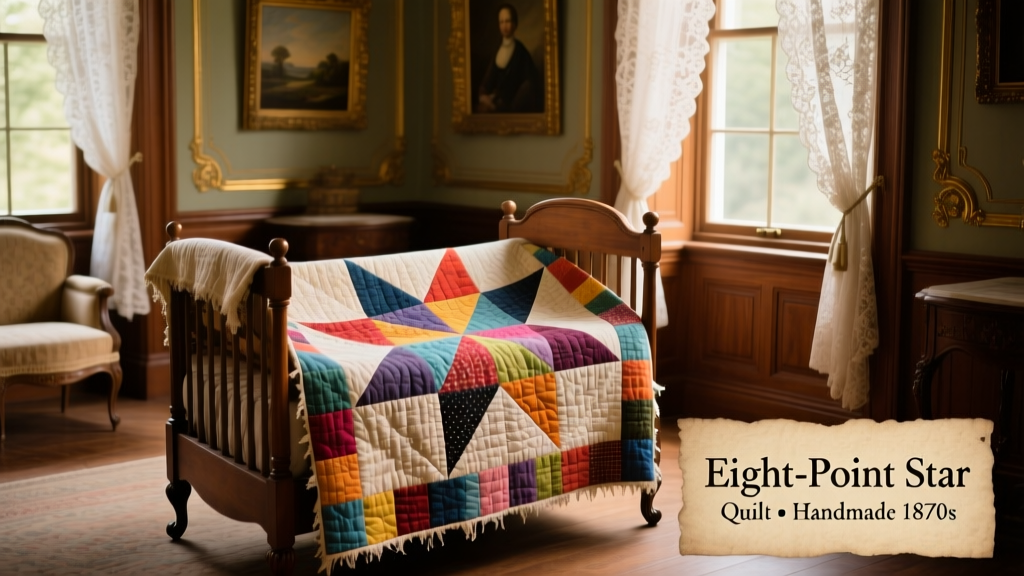
Quilts Patchwork 8-Point Stars Multicolored Crib Quilt (38 × 38 Inches): Historical Context, Construction Analysis & Conservation Guidelines
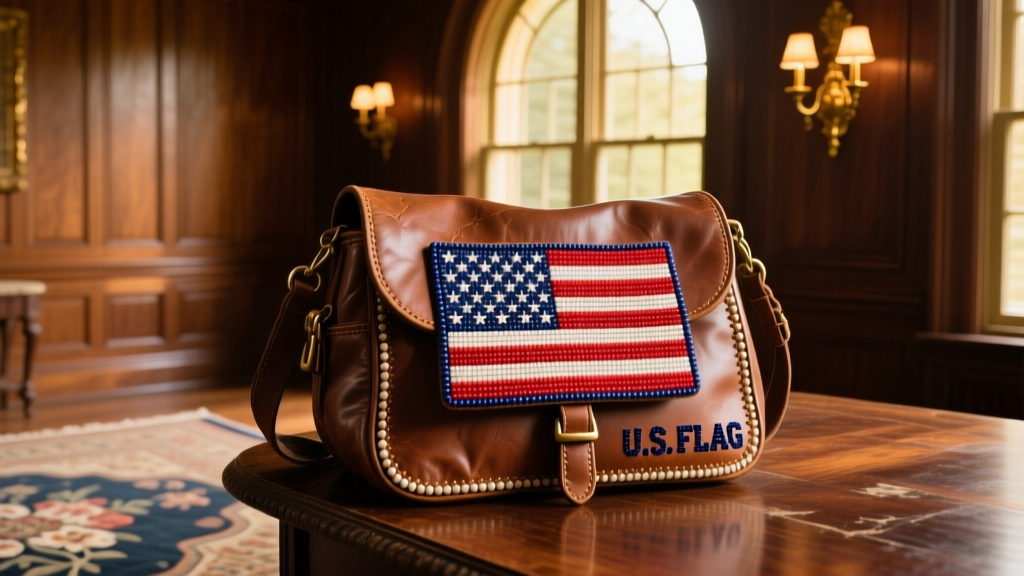
Indian Saddlebag Beaded U.S. Flags Flap: History, Craftsmanship, and Authentication
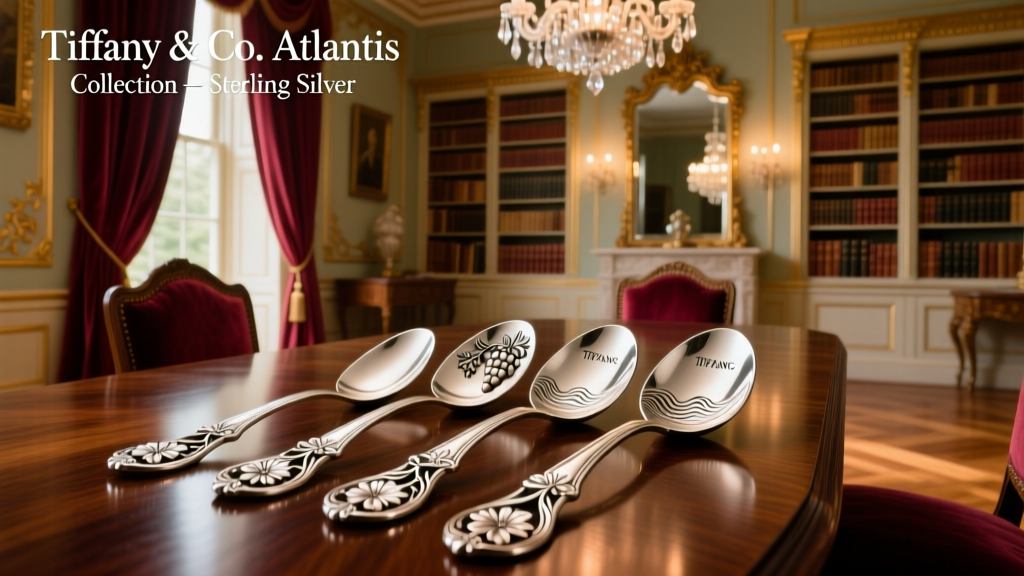
Tiffany & Co. Silver Grapefruit Spoon Set: The Atlantis Pattern Four-Piece Service
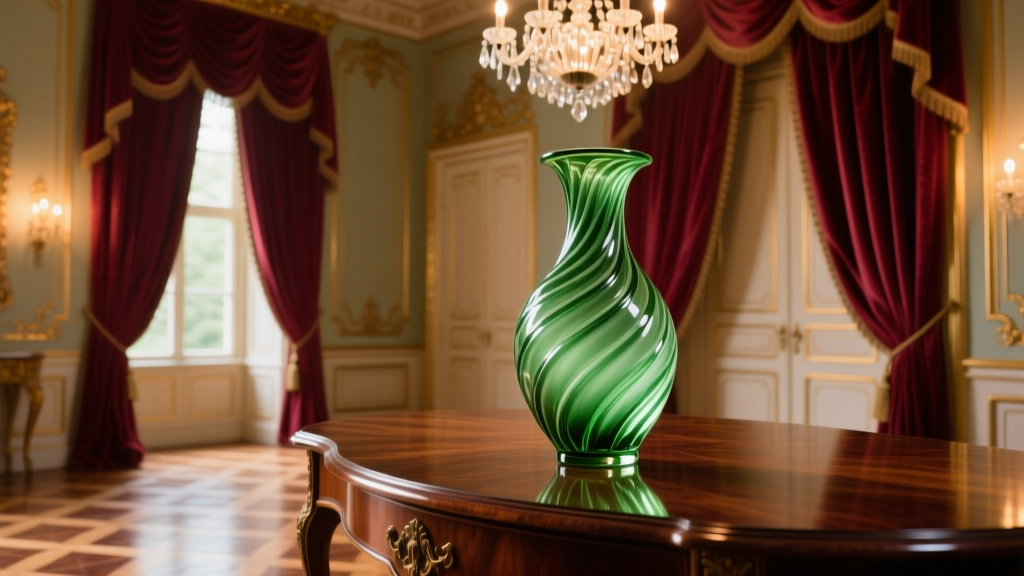
Steuben Vase: Green Jade Diagonal Twist Design — A Collector’s Guide to the 5½-Inch Masterpiece

The Nylint Toy Truck Dog Kennel: A Mid-Century American Icon in Cast Iron and Enamel
Brush Cookie Jar 'Cinderella Pumpkin #2': Identification, Provenance, and Conservation Protocol

Italian Baroque Walnut Mirror with Gilt Feather Crest: Authenticity, Craftsmanship, and Restoration Insights for a 60 × 31-Inch Masterpiece