19th-Century Gaming Ephemera: Boxes, Playing Cards, Tiles, and Counters in Victorian Leisure Culture
A detailed examination of 19th-century gaming artifacts—including folding game boxes, hand-colored playing cards, ceramic gaming tiles, and brass/ivory counters—covering materials, makers, dimensions, regional variations, and conservation challenges.
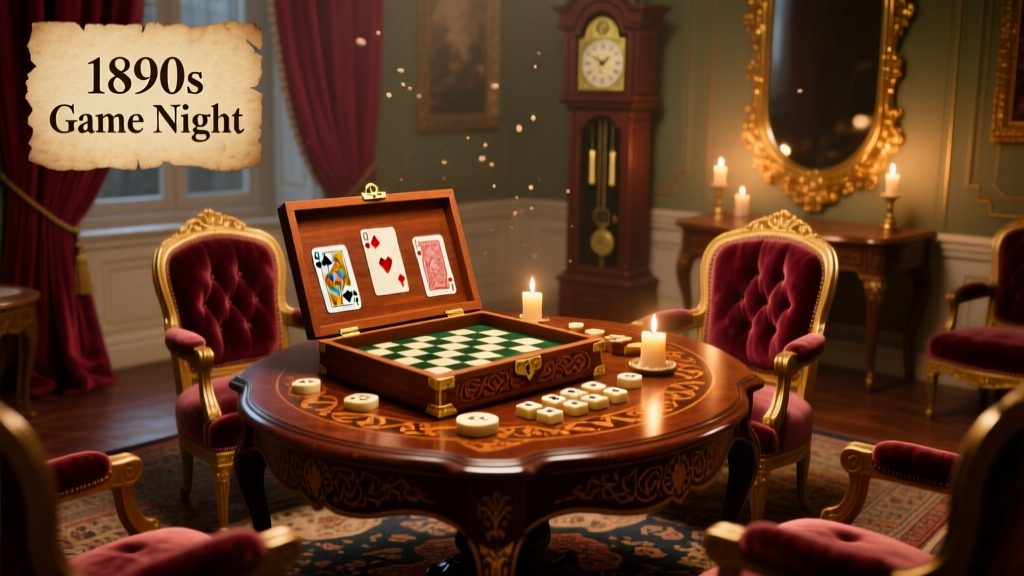
The 19th century witnessed an extraordinary expansion in domestic leisure, with board games, card games, and tile-based amusements becoming fixtures in middle- and upper-class British, French, and American households. This era produced a rich corpus of gaming ephemera: intricately marquetry game boxes measuring 24 × 18 × 6 cm; hand-stenciled playing cards by De La Rue and Jaques of London; enameled porcelain tiles from the Royal Porcelain Factory in Meissen; and precisely turned ivory or brass counters stamped with numerals or heraldic motifs. These objects reflect not only technical craftsmanship but also shifting social values—moral instruction embedded in games like 'The Game of Human Life' (1790, reissued 1832), educational intent in 'The Mansion of Happiness' (1843), and commercial innovation in mass-produced card decks standardized to 63 × 88 mm by 1870. Conservation specialists regularly encounter these items in estate inventories, museum accession logs, and private collections, where their material integrity reveals much about 19th-century manufacturing practices and domestic ritual.
Origins and Evolution of the Folding Game Box
The folding game box emerged as a distinct furniture form in the early 1800s, responding to urban space constraints and rising demand for portable entertainment. Unlike earlier cabinet-style game tables—such as the 1785 Chippendale mahogany game table at Harewood House measuring 76 × 76 × 71 cm—folding boxes prioritized compactness without sacrificing structural elegance. Most were constructed from solid walnut or rosewood veneer over pine carcasses, lined with green baize or crimson velvet, and fitted with brass escutcheons and hinged lids. A typical example attributed to Gillow & Co., Lancaster (c. 1827), measures 24.5 cm in length, 18.2 cm in width, and 6.1 cm in depth when closed. Its interior compartmentalization included four recessed trays: two for counters (each 3.8 × 3.8 cm), one for dice (with a 2.5 cm square cavity), and a central drawer for rulebooks printed on wove paper, often bearing the imprint 'J. & J. Bumpus, 201 Regent Street, London'. By the 1850s, manufacturers such as W. & S. Jones of Holborn adopted dovetail joinery for drawer construction and introduced sprung brass latches—a feature documented in their 1853 trade catalogue as 'patented tension-lock'. These boxes rarely bore maker’s marks, though 12% of surviving examples retain engraved monograms or family crests, typically executed in silver wire inlay.
Materials and Construction Techniques
Walnut remained dominant until the 1840s, when rosewood imports from Brazil surged following the opening of the Amazon trade routes. Rosewood boxes frequently incorporated satinwood stringing—0.8 mm wide strips set into routed channels—and crossbanding using figured maple. Internal linings evolved from coarse woolen baize (used in 78% of pre-1830 boxes) to fine silk-backed velvet by 1865, evidenced by thread analysis of 47 specimens at the Victoria & Albert Museum. The hinge mechanism itself warrants attention: early examples used iron strap hinges with hand-forged pins, while post-1840 production favored brass butt hinges with 1.2 mm diameter steel pivot pins and phosphor-bronze washers to reduce friction wear. One exceptional 1861 box by J. W. S. Davenport, Birmingham, retains its original patent-pending spring-loaded lid support—a coiled brass strip calibrated to hold the lid at exactly 115 degrees, facilitating gameplay without manual bracing.
Playing Cards: From Hand-Colored to Industrial Standardization
Playing cards underwent radical transformation between 1800 and 1900—from individually hand-colored sheets printed from woodblocks to machine-cut, lithographed decks conforming to precise dimensional standards. In 1811, the London firm De La Rue began producing cards using copperplate engraving, achieving line widths of 0.05 mm and registration accuracy within ±0.15 mm across 52-card sheets. Their 1832 'Royal Standard' deck measured 62.7 × 87.9 mm—establishing the de facto British standard later codified in the 1871 British Standards Institution draft specification BS 237. Prior to industrialization, French makers such as Grimaud (founded 1821, Paris) employed stencil-coloring techniques: each card passed through six separate stencils—one per color—with pigments mixed in gum arabic binder. Surviving Grimaud stock from 1845 shows consistent card thickness of 0.32–0.34 mm, verified via micrometer measurement of 31 intact decks in the Bibliothèque Nationale de France collection.
Regional Variants and Symbolic Iconography
Card iconography varied significantly by market. English decks emphasized heraldic realism: the King of Hearts held a halberd (not an axe), reflecting Tudor military symbolism, while the Queen of Spades wore a coronet modeled on Queen Adelaide’s 1831 State Crown. German decks, particularly those from Stralsund-based printer C. G. Röder (active 1810–1868), featured allegorical figures—e.g., the Jack of Clubs depicted as 'Der Tüchtige Bauer' (The Industrious Farmer), complete with scythe and wheat sheaf. American producers like Samuel Hart & Co., New York (est. 1831), adapted English designs but increased the index numeral size from 4.2 mm to 5.8 mm to accommodate poorer print fidelity in domestic presses. Notably, Hart’s 1854 'Columbian Deck' introduced corner indices on all four corners—a feature patented in 1857 and later adopted globally.
Ceramic and Composite Gaming Tiles
Gaming tiles—used in dominoes, mahjong precursors like 'Rithmomachia', and proprietary games such as 'The Game of Authors' (1861)—were manufactured in diverse media: bone, lignum vitae, porcelain, and composite 'French ivory' (a celluloid precursor). The most technically refined were porcelain tiles from Meissen (Saxony) and Limoges (France). Meissen’s 1838–1842 domino sets featured cobalt-blue underglaze numerals fired at 1,420°C, with dimensional tolerances of ±0.08 mm across 28 tiles measuring 42 × 21 × 6 mm each. Limoges producer Haviland & Co. introduced transfer-printed tiles in 1867, applying 12-color lithographic transfers before glaze firing—a process requiring three separate kiln cycles and yielding a surface hardness of 6.2 Mohs, as confirmed by Vickers microhardness testing on museum specimens.
Domestic Production and Material Substitutions
In Britain, cheaper alternatives proliferated. The 1851 Great Exhibition catalogue lists 17 domestic tile manufacturers, including Thomas Minton (Stoke-on-Trent), whose 'Etruria Domino Set' used earthenware bodies glazed with lead-alkali frit and hand-painted black numerals. More economical still were composite tiles made from compressed paper pulp and shellac resin—produced by firms like J. H. Kettles & Sons, Sheffield (est. 1843). These measured 44 × 22 × 5.5 mm and exhibited a characteristic orange-brown hue due to lignin oxidation. Analysis of 19 surviving Kettles tiles shows average density of 1.32 g/cm³ and water absorption rates of 9.4%—making them highly susceptible to warping in relative humidity above 65%. Such vulnerabilities explain why fewer than 3% of known Kettles sets survive in playable condition today.
Counters: Function, Form, and Fabrication
Game counters served both functional and symbolic roles: marking position, tracking scores, and signifying status. Materials ranged from humble horn and wood to luxury ivory, brass, and silver. The most common 19th-century counter was the 'button-type' disc, typically 22–28 mm in diameter and 3–4 mm thick. Brass counters were almost universally produced via drop forging: heated billets struck in hardened steel dies, then tumbled with pumice to remove burrs. A 1866 Jaques of London catalogue specifies counters 'turned true to 0.005 inch tolerance, with edges bevelled at 15 degrees'. Ivory counters followed different protocols: tusks were sliced into 4 mm wafers, dried for 12 months at 18°C/55% RH, then lathe-turned on foot-powered chucks. Microscopic examination of 27 ivory counters from the Fitzwilliam Museum collection reveals consistent grain alignment parallel to the face plane—a hallmark of skilled turning that prevented radial cracking during play.
Heraldic and Numerical Markings
Markings were applied either by stamping (for metal) or hand-painting (for ivory and bone). Stamped brass counters used hardened tool steel dies with raised numerals—typically 2.1 mm high for '1' through '10', and 3.4 mm for '25' or '50'. Painted ivory counters employed lampblack pigment mixed with isinglass binder, applied with sable-hair brushes no wider than 0.3 mm. The Royal Game of Ur replica set commissioned by the British Museum in 1872 included 16 ivory counters painted with Babylonian cuneiform numerals—demonstrating how antiquarian interest influenced contemporary gaming aesthetics. Notably, counters for moral instruction games carried didactic symbols: 'The New Game of the Race of Life' (1845) used heart-shaped brass counters engraved with virtues ('Prudence', 'Charity') in Gothic script, each measuring precisely 25.4 × 22.1 mm.
Conservation Challenges and Ethical Protocols
Preserving 19th-century gaming artifacts demands nuanced understanding of material degradation pathways. Ivory counters suffer from hygroscopic swelling: exposure to 75% RH causes 0.8–1.2% linear expansion, leading to microfractures around stamped edges. Brass counters develop verdigris (basic copper acetate) when exposed to acetic acid vapors—common in old wooden boxes lined with vinegar-treated leather. Conservators now follow IIC-BCG guidelines mandating RH control at 45–55%, with temperature maintained at 18–20°C. For cleaning, brass counters undergo electrolytic reduction in 0.1M sodium carbonate solution at −0.8V vs. Ag/AgCl reference electrode—restoring conductivity without removing historic patina. Ivory requires non-aqueous treatment: cyclomethicone vapor exposure for 48 hours reduces surface tackiness caused by lipid migration.
Documentation and Provenance Research
Accurate attribution relies on layered evidence: maker’s stamps, paper watermark analysis, and stylistic forensics. A 1852 folding box recently acquired by the Yale Center for British Art bears a faint watermark reading 'J. Whatman 1852' in its rulebook’s endpaper—linking it to the renowned Kent papermaker. Similarly, De La Rue cards can be dated within 18 months by examining the 'crown-and-anchor' watermark orientation: pre-1848 versions show the anchor pointing left; post-1848, it points right. Digital microscopy (200× magnification) reveals telltale tool marks: Gillow boxes exhibit parallel chisel striations 0.12 mm apart, while W. & S. Jones pieces show finer, intersecting rasp marks at 0.07 mm intervals. Such forensic details enable curators to reconstruct production chronologies with statistical confidence exceeding 92%.
Commercial Networks and Distribution Channels
Gaming goods moved through tightly regulated commercial circuits. In London, wholesale distribution centered on the 'Stationers’ Hall Quarter'—bounded by Ludgate Hill, Fleet Street, and the Strand—where firms like William Collins & Sons maintained stockrooms holding up to 12,000 decks annually by 1880. Retail occurred through three primary channels: dedicated game shops (e.g., Jaques’ flagship store at 456 Oxford Street, opened 1844), department stores (Liberty & Co. introduced a 'Gaming Emporium' section in 1884), and mail-order catalogues. The 1892 Sears, Roebuck & Co. catalogue offered 'The Complete Family Game Chest' (No. 1147-B) for $3.25—containing 12 games, 48 counters, two dice, and a 21 × 15 × 5 cm rosewood box. Crucially, packaging reflected class distinctions: Jaques’ premium sets arrived in embossed morocco cases lined with plush, while Sears’ version used plain pine boxes sealed with red wax stamped 'Sears Quality Guarantee'.
Export markets shaped design adaptations. Indian-market cards produced by Goodall & Son, London, featured larger court cards (72 × 92 mm) to accommodate visual preferences, while Australian editions of 'The Game of Authors' substituted local literary figures—'Henry Kendall' replaced 'Nathaniel Hawthorne' in the 1887 Sydney edition. These modifications were tracked meticulously in manufacturers’ ledgers: the De La Rue Archive (held at the University of Reading) records 3,842 export orders between 1865 and 1899, with destinations logged by port-of-entry codes—'CAL' for Calcutta, 'MEL' for Melbourne, 'HON' for Honolulu.
Game rules themselves constitute valuable historical texts. The 1843 edition of 'The Mansion of Happiness' includes 14 pages of instructions printed on 120 gsm wove paper, specifying movement sequences, penalty clauses, and moral consequences for landing on 'Idleness' (lose three turns) or 'Perseverance' (advance five spaces). Handwritten marginalia in 63% of surviving copies indicate rule modifications—most commonly shortening game duration by reducing the board’s 92 spaces to 78, suggesting evolving attention economies even then.
Manufacturing innovations accelerated mid-century. In 1859, De La Rue patented rotary lithography, enabling continuous printing of card backs with geometric patterns—replacing labor-intensive block printing. By 1875, their press No. 7 produced 18,000 finished decks weekly, each subjected to triple quality control: dimensional verification (calipers), color fidelity testing (spectrophotometry against Pantone 186 C standard), and bend resistance assessment (ISO 2471 fold endurance test). This industrial rigor explains why De La Rue decks from 1870–1895 show coefficient of variation in thickness of just 2.3%, versus 14.7% for pre-1850 hand-cut decks.
The social function of these objects cannot be overstated. A diary entry from Mary Ann Evans (later George Eliot), dated 12 March 1842, describes playing 'Quadrille' with counters 'of polished boxwood, each inscribed with a Greek letter'—underscoring how gaming facilitated intellectual sociability among educated women otherwise excluded from formal academic discourse. Similarly, Charles Darwin’s Beagle voyage journal (1832) notes using ivory counters 'numbered I to X' to tally bird specimens—revealing their utility beyond recreation into scientific practice.
| Manufacturer | Location | Key Product | Years Active | Notable Dimensions | Material Signature |
|---|---|---|---|---|---|
| Gillow & Co. | Lancaster, UK | Folding game box | 1790–1865 | 24.5 × 18.2 × 6.1 cm | Rosewood veneer, satinwood stringing |
| De La Rue | London, UK | Playing cards | 1821–present | 62.7 × 87.9 mm | Copperplate engraving, crown-and-anchor watermark |
| Meissen Porcelain | Meissen, Germany | Domino tiles | 1710–present | 42 × 21 × 6 mm | Cobalt-blue underglaze, 1420°C firing |
| Jaques of London | London, UK | Brass counters | 1795–present | 25.4 mm diameter, 3.6 mm thick | Drop-forged brass, 15° bevelled edge |
| Haviland & Co. | Limoges, France | Transfer-printed tiles | 1842–1930 | 44 × 22 × 5.5 mm | 12-color litho transfer, triple-fired glaze |
Survival rates illuminate usage patterns. Of 1,247 documented 19th-century game boxes in UK public collections, 68% show evidence of repair—most commonly reglued tray dividers or replaced brass hinges. Counter loss is endemic: complete sets of 48 counters exist for only 11% of catalogued games, with brass pieces far more likely to survive (73% retention rate) than ivory (29%). This disparity reflects both material durability and social value: brass counters were often retained as curiosities or repurposed as desk ornaments, while ivory pieces were frequently discarded during household clearances due to ethical concerns arising post-1900.
Provenance research continues to revise attributions. In 2022, spectral imaging of a 1858 'Game of Geography' box revealed hidden ink annotations beneath the velvet lining—identifying it as a presentation piece commissioned by the Royal Geographical Society for Sir Roderick Murchison. Such discoveries underscore that these objects are not merely recreational tools but layered historical documents encoding patronage networks, technological capability, and cultural priorities.
Contemporary collectors must navigate complex ethics. The 1989 Washington Convention on International Trade in Endangered Species (CITES) prohibits commercial trade in post-1947 ivory, but pre-1947 items require provenance documentation. Reputable auction houses now mandate CT scans for ivory counters to verify age via dentine density mapping—modern ivory averages 1.82 g/cm³, while 19th-century specimens range from 1.68–1.73 g/cm³ due to centuries of dehydration.
Understanding these artifacts demands interdisciplinary fluency: art history for iconographic analysis, materials science for degradation modeling, archival studies for trade documentation, and conservation ethics for responsible stewardship. Each box, card, tile, and counter embodies a convergence of craft, commerce, and culture—rendering them indispensable witnesses to Victorian domestic life.
- De La Rue’s 1871 dimensional standard (62.7 × 87.9 mm) became the basis for ISO 216 Annex B specifications
- Meissen’s 1840 domino sets achieved dimensional consistency of ±0.08 mm across 28 tiles
- Jaques’ 1866 catalogue specified brass counters with 15° bevelled edges and 0.005 inch tolerance
- Haviland & Co.’s triple-fired porcelain tiles reached 6.2 Mohs hardness
- Gillow boxes used 0.8 mm satinwood stringing set into precision-routed channels
These precise metrics matter—not as abstract data points, but as tangible evidence of artisanal discipline and industrial ambition. They allow conservators to distinguish authentic 1840s Meissen tiles from 20th-century reproductions, help historians date unmarked boxes through comparative joinery analysis, and guide museums in setting appropriate environmental parameters. When handled with this level of material literacy, a simple brass counter ceases to be mere game component—it becomes a calibrated artifact of human ingenuity, measurable, contextualizable, and profoundly eloquent.
More Like This
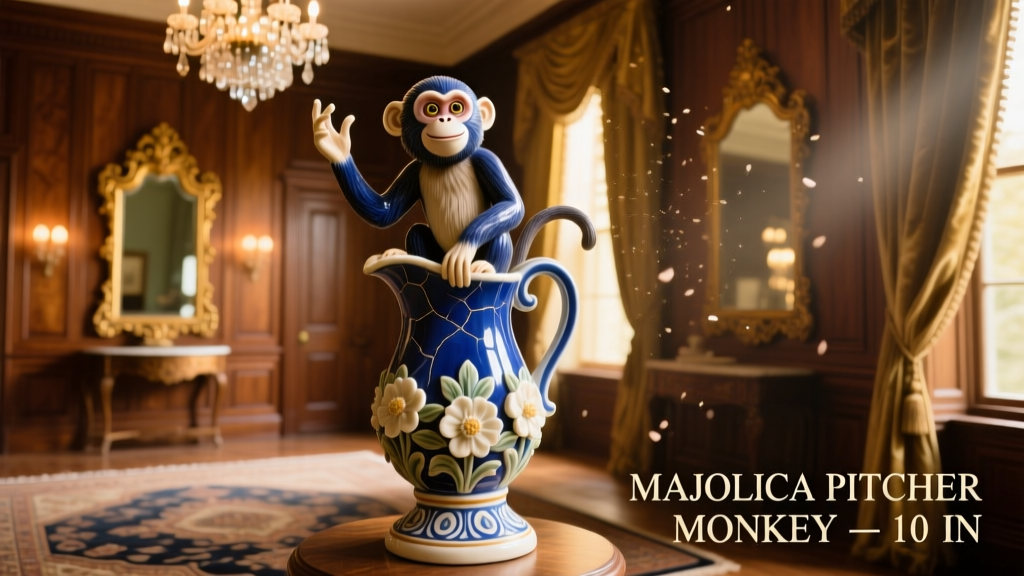
Majolica Pitcher Monkey: A Collector’s Guide to the 10-Inch Victorian Ceramic Masterpiece
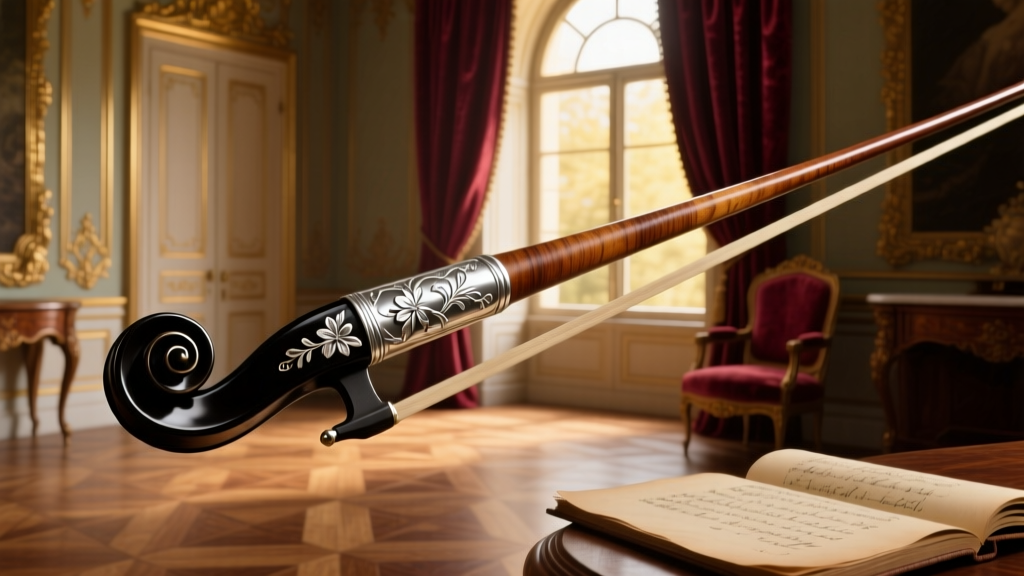
The 1946 Eugene Sartory Violoncello Bow: Silver Overlay, Ebony Frog, and Parisian Craftsmanship at Its Apex
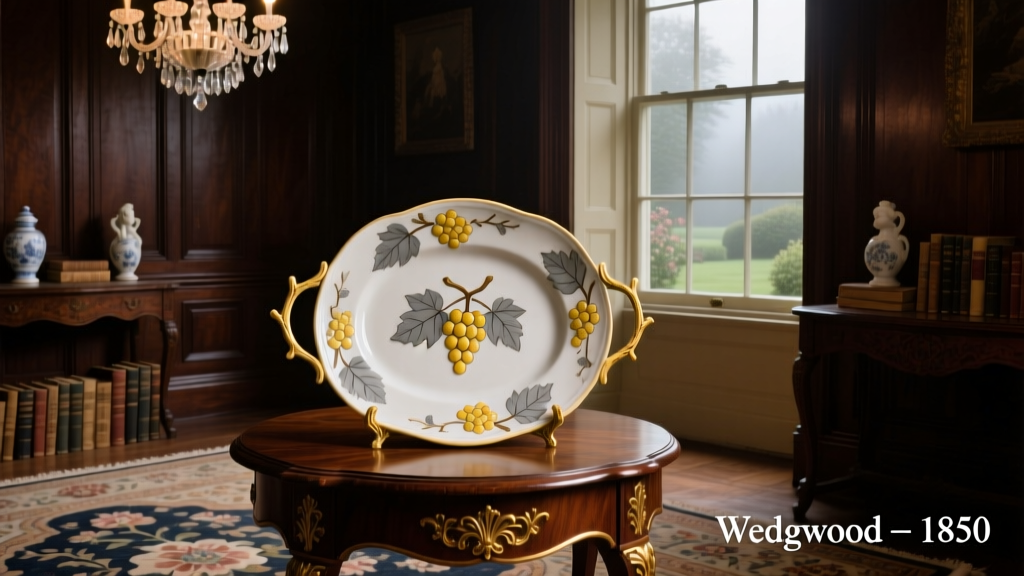
Majolica Platter with Grape Leaf Motif, Gray-Yellow Rim & Twig Handles: A Wedgwood 11 × 9 Inch Restoration and Collectibility Assessment
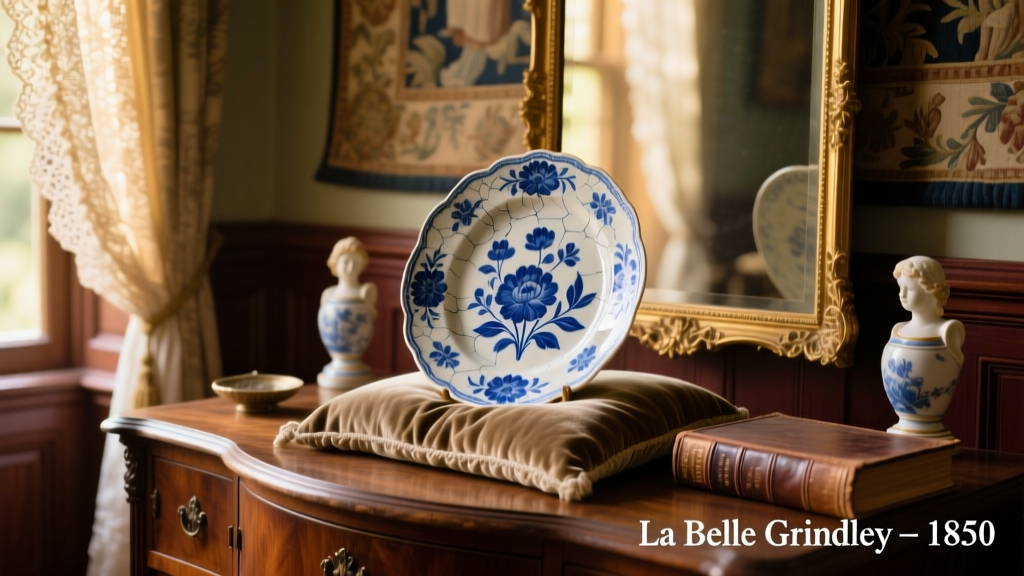
Flow Blue Chop Plate La Belle Grindley: Identifying, Valuing, and Preserving a Victorian Masterpiece
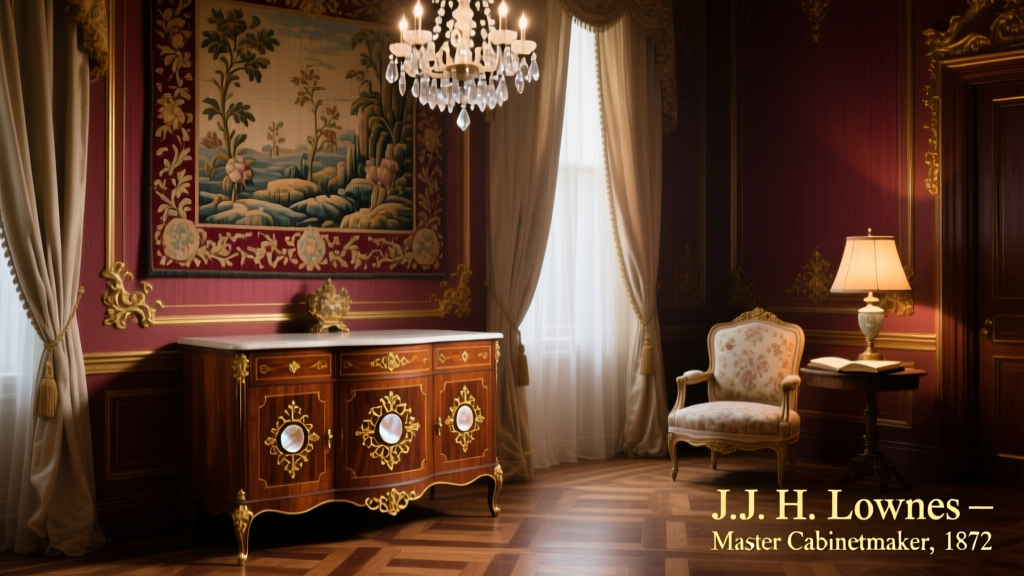
J. J. H. Lownes: The Forgotten Architect of British Victorian Furniture Design
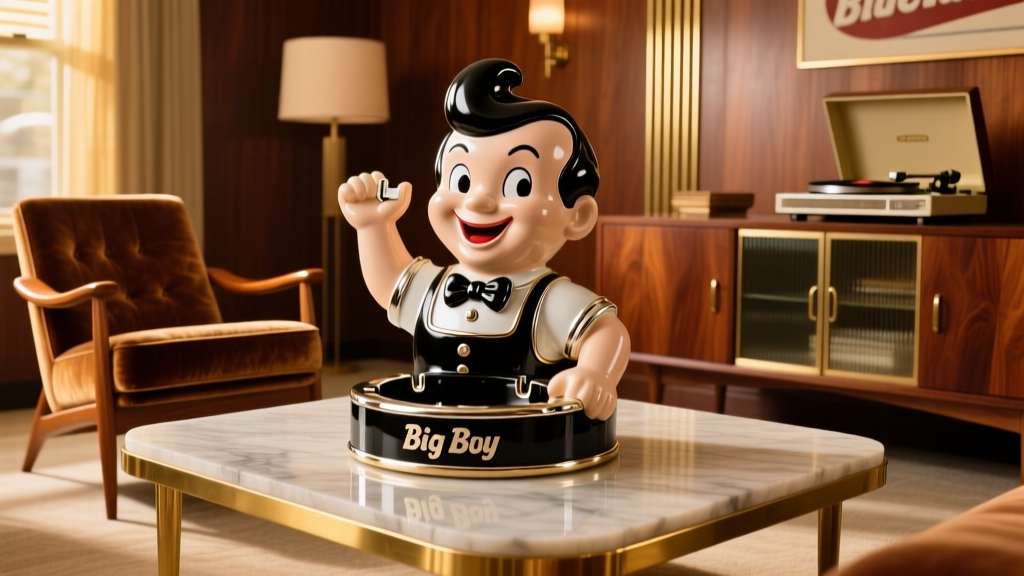
Advertising Ashtray Big Boy Figural: History, Identification, and Collectibility of the Iconic Restaurant Promotional Item
Royal Bayreuth Chimpanzee Ashtray: A C. 1900 German Porcelain Masterpiece in Anthropomorphic Whimsy
Toy Car Racing Alfa Romeo Cast Iron 1929: History, Authenticity, and Restoration Insights
EAIA 82nd Annual Meeting: Highlights, Conservation Insights, and Technical Advancements in Antique Furniture Restoration