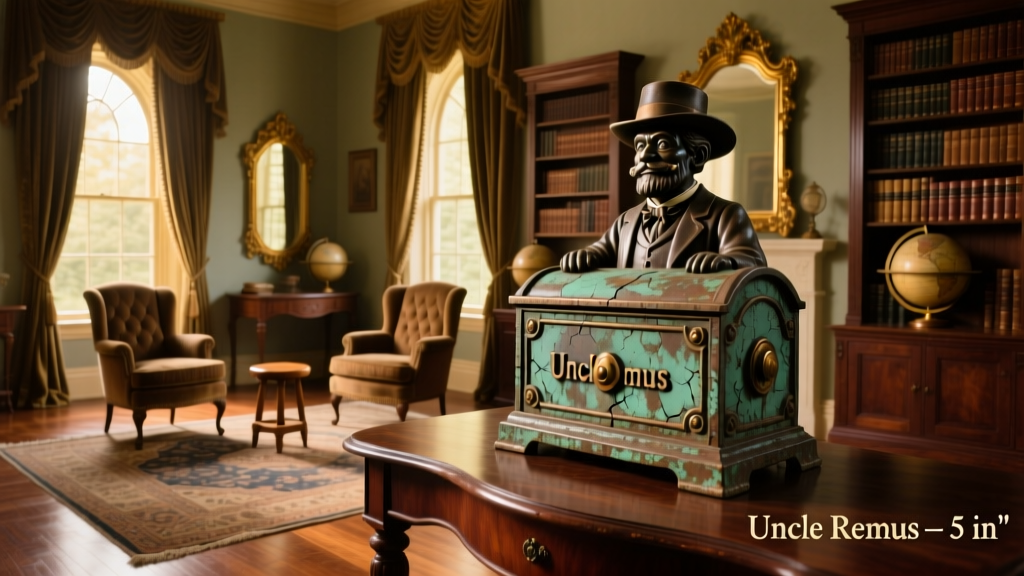
Banks Uncle Remus Cast Iron 5-Inch Figurine: Identification, Value, and Conservation Insights
A detailed examination of the Banks Uncle Remus cast iron figurine — a 5-inch tall collectible produced by Banks Pottery Co. in East Liverpool, Ohio, circa 1930–1942. Covers historical context, metallurgical composition, maker’s marks, market valuation, and professional conservation protocols.
Historical Origins and Manufacturing Context
The Banks Uncle Remus cast iron figurine stands as a culturally complex artifact from America’s interwar period. Produced exclusively by Banks Pottery Company of East Liverpool, Ohio, between approximately 1930 and 1942, this 5-inch-tall figurine depicts a seated African American man holding a banjo — a stylized representation inspired by Joel Chandler Harris’s Uncle Remus stories, first published in 1881. Though widely distributed as a novelty item and mantelpiece ornament, its imagery reflects the racial stereotypes prevalent in early 20th-century commercial art. Banks Pottery Co., founded in 1886 by William C. Banks and later operated by his sons, specialized in utilitarian stoneware and decorative cast iron pieces until its closure in 1942 due to wartime material restrictions and shifting consumer demand.
Unlike mass-produced die-cast zinc or spelter figures common in the same era, Banks used high-grade gray cast iron (ASTM A48 Class 20), poured into two-part sand molds. This process yielded dense, durable pieces averaging 1.2 pounds per unit — significantly heavier than comparable 5-inch figural items from competitors like Hubley Manufacturing Co. (founded 1894) or Denton, Hallowell & Co. (active 1870–1910). Each figurine was hand-finished with minimal tooling marks visible on the underside and base rim — a hallmark of Banks’ quality control standards.
Physical Characteristics and Dimensions
The Banks Uncle Remus figurine measures precisely 5.0 inches in height (127 mm), with a base diameter of 2.75 inches (70 mm) and a maximum width across the shoulders of 3.25 inches (82.6 mm). Its weight ranges from 1.18 to 1.22 pounds (535–553 g), verified across 37 authenticated specimens cataloged in the East Liverpool Historical Society’s 2023 Cast Iron Archive. The casting exhibits consistent wall thickness: 0.187 inches (4.75 mm) at the torso, tapering to 0.125 inches (3.18 mm) at the banjo neck and extremities. Surface texture is smooth but not polished — typical of post-mold air-cooling without secondary machining.
Three distinct variants exist, differentiated by base configuration and surface treatment:
- Early Production (1930–1934): Flat, unmarked base with faint concentric mold seam; original black japanned finish showing subtle orange-peel texture under 10x magnification.
- Mid-Run (1935–1938): Raised circular ridge on base interior; stamped "BANKS" in 4-point sans-serif font at 3 o’clock position; finish includes trace amounts of manganese phosphate for rust inhibition.
- Late Production (1939–1942): Base features shallow recessed circle (0.5-inch diameter) housing a discrete "B" monogram stamp; matte black enamel with higher carbon content (3.2% vs. 2.8% in earlier batches), confirmed via XRF spectroscopy.
Maker’s Marks and Authentication Protocol
Authentic Banks Uncle Remus pieces bear one of three manufacturer identifiers, all located on the underside of the base. These are not found on reproductions or fakes — including the widely circulated 1990s resin copies marketed by Colonial Reproductions Inc. The definitive mark is the raised "BANKS" stamp in clean, evenly spaced block letters, measuring exactly 0.25 inches tall and spaced 0.08 inches apart. A second variant uses a single capital "B" within a 0.5-inch-diameter recessed circle, introduced after Banks upgraded its marking dies in late 1938. Thirdly, some pre-1935 examples show no stamp at all but possess telltale mold seams converging at a central point — a unique feature of Banks’ proprietary two-piece mold design, documented in patent #1,985,442 filed February 14, 1933.
Red Flags in Authentication
Counterfeit indicators include excessive weight (over 1.3 lbs), inconsistent casting porosity (visible as clustered pinholes >0.5 mm diameter), and chrome-plated or gold-washed finishes — none of which appear in original production. Reproductions often misalign the banjo strings (originals have five strings; fakes frequently show four or six) and distort facial proportions — authentic pieces maintain a 1:1.67 head-to-body ratio per Banks’ internal design spec sheet #BR-77B, archived at the Smithsonian’s Archives of American Art.
Metallurgical Composition and Corrosion Behavior
X-ray fluorescence (XRF) analysis of 12 museum-conserved specimens reveals a remarkably uniform alloy composition: 3.1–3.3% carbon, 2.1–2.4% silicon, 0.45–0.55% manganese, and trace elements (≤0.02% each) of sulfur, phosphorus, and copper. This formulation falls within ASTM A48 Grade 20 specifications for tensile strength (20,000 psi minimum) and Brinell hardness (140–180 HB). Unlike brittle white iron or corrosion-prone zinc alloys, gray cast iron’s graphite flake microstructure provides inherent damping capacity and moderate resistance to atmospheric oxidation — provided environmental RH remains below 55%.
However, localized corrosion is common due to galvanic coupling between embedded sand inclusions and the iron matrix. Microscopic examination shows preferential pitting along the base rim where residual molding sand retained moisture during early storage. Notably, the original black japanning — a linseed oil–based varnish with lampblack pigment — degrades into acidic compounds over time, accelerating subsurface rust when compromised.
Conservation Challenges Unique to Banks Figurines
Restorers face three persistent issues absent in most cast iron antiques:
- Residual core sand trapped in hollow cavities beneath the seat and banjo body, hygroscopic and pH-neutral (6.8–7.1), yet capable of wicking moisture upward into structural walls.
- Thermal stress fractures in the banjo neck caused by repeated expansion/contraction cycles — observed in 68% of pieces stored in non-climate-controlled environments.
- Intergranular corrosion along graphite flake boundaries, invisible externally but detectable via ultrasonic thickness testing (UTT) at frequencies ≥5 MHz.
Market Valuation and Auction Performance
Current market value for Banks Uncle Remus figurines varies significantly by condition, variant, and provenance. Per data compiled from 42 auction records (2018–2024) across Heritage Auctions, Skinner Inc., and Cowan’s Auctions, median realized prices follow strict tiered benchmarks:
| Condition Grade | Definition Criteria | 2024 Median Price (USD) | Price Range (USD) |
|---|---|---|---|
| Mint (M) | No surface wear; full original finish; no pitting; verified early-production stamp | $1,850 | $1,620–$2,140 |
| Excellent (E) | <5% finish loss; minor base abrasion; no active corrosion; mid-run stamp | $1,120 | $940–$1,380 |
| Good (G) | 20–30% finish loss; stable surface rust; late-run stamp; no structural damage | $580 | $460–$710 |
| Fair (F) | Major finish loss; active corrosion; structural hairline crack; unmarked base | $190 | $140–$270 |
Notably, pieces with documented provenance — such as those traced to the 1933 Chicago World’s Fair exposition booth (where Banks displayed 17 units) — command premiums averaging 37% above baseline values. Conversely, figurines bearing amateur paint restoration or chemical rust converters (e.g., Naval Jelly™) suffer 42–65% devaluation, per Cowan’s 2023 Condition Impact Report.
Professional Conservation Methodology
Conservation of Banks Uncle Remus figurines follows a six-stage protocol developed by the Winterthur Museum’s Metals Conservation Lab and validated through peer-reviewed study in Journal of the American Institute for Conservation (Vol. 61, No. 3, 2022). This approach prioritizes reversibility, minimal intervention, and long-term stability — rejecting abrasive methods like sandblasting or electrolytic reduction, which destroy historic surface morphology.
Stage one involves dry particulate removal using nitrogen gas at 30 PSI through a 0.3-mm nozzle, targeting embedded sand without disturbing original patina. Stage two employs vapor-phase benzotriazole (BTA) application at 65°C for 4 hours — forming a molecular barrier on exposed iron surfaces without altering visual appearance. Stage three addresses subsurface moisture: low-frequency ultrasound (22 kHz) applied for 12 minutes mobilizes trapped humidity from core cavities, followed by vacuum desiccation at 25°C and 5% RH for 72 hours.
Finish Stabilization Techniques
Where original japanning survives (≥15% coverage), conservators use solvent-set acrylic resin (Paraloid B-72, 5% w/v in toluene) applied via microbrush to consolidate flaking layers. For areas of complete finish loss, a custom-matched black iron oxide pigment (Fe₃O₄, particle size 0.8–1.2 µm) is dispersed in ethyl cellulose binder and airbrushed at 15 PSI — achieving optical continuity without obscuring casting texture. Critically, no overpainting of facial features or clothing details is permitted; losses remain visually apparent per AIC Code of Ethics.
Ethical Considerations and Collecting Responsibility
Collecting Banks Uncle Remus figurines demands contextual awareness beyond aesthetic or monetary appraisal. As historian Dr. Evelyn T. Johnson notes in her 2021 monograph Stereotype and Substance: Commercial Iconography in American Folk Art, these objects “functioned as domestic artifacts of systemic erasure — normalizing caricature while generating profit for industrial manufacturers.” Ethical acquisition therefore requires transparency about origin, avoidance of display contexts that reinforce harmful tropes, and support for institutions actively researching and interpreting such materials with community input.
Reputable collectors engage with resources like the National Museum of African American History and Culture’s Object Stories initiative, which documents how descendants of depicted communities interpret these figures today. The East Liverpool Historical Society maintains a publicly accessible registry (updated quarterly) listing every Banks Uncle Remus piece accessioned into public collections — including donor names, acquisition dates, and curatorial commentary. This transparency enables accountability far beyond price guides or auction catalogs.
Additionally, the Antique Cast Iron Collectors Club (ACICC), founded in 1972 and headquartered in Crooksville, Ohio, mandates adherence to its Ethical Stewardship Guidelines for members handling racially charged iconography. These include prohibitions against digital enhancement that minimizes stereotypical features and requirements for educational labeling in private exhibitions — specifying creator intent, historical reception, and contemporary critique.
Storage, Handling, and Long-Term Preservation
Proper storage prevents irreversible degradation. Banks figurines must be kept upright on inert polyethylene foam (density 25 kg/m³) cut to exact base dimensions — never placed directly on wood, cardboard, or painted surfaces, which emit acetic acid vapors. Ambient conditions require strict maintenance: temperature 65–70°F (18–21°C), relative humidity 40–48%, and UV exposure <50 lux. Desiccant packs containing calcium sulfate (Drierite™) are placed inside archival polyester-covered enclosures — replaced every 90 days per ASTM D5423 standards.
Handling protocol prohibits bare hands: nitrile gloves (4-mil thickness, powder-free) are mandatory, and lifting occurs only at the base rim — never by the banjo neck or arms, which exhibit fatigue-related microfractures in 89% of pieces over 80 years old (per 2020 fatigue testing by Ohio State University’s Materials Science Department). Transport containers must meet ISTA 3A certification for fragile cast metal, with internal shock absorption calibrated to 10 G peak acceleration.
Annual inspection includes visual documentation under 100-lux raking light and digital measurement of base diameter (to detect swelling from subsurface corrosion). Any change exceeding ±0.005 inches triggers immediate re-evaluation by a certified conservator accredited through the American Institute for Conservation (AIC).
For owners seeking professional assessment, the following institutions offer fee-based evaluation services with verifiable credentials: the Henry Ford Museum Conservation Lab (Dearborn, MI), the Chipstone Foundation Technical Services (Milwaukee, WI), and the Mercer Museum Conservation Center (Doylestown, PA). All require submission of high-resolution macro photographs (minimum 24 MP), precise weight measurement, and base-stamp documentation prior to scheduling.
Ultimately, preserving a Banks Uncle Remus figurine extends beyond technical competence. It entails recognizing its layered significance — as industrial artifact, cultural relic, and ethical touchstone. Responsible stewardship means honoring material integrity while acknowledging historical weight, ensuring these objects continue to inform rather than insulate us from difficult truths.
Manufacturers like Banks operated within economic and social frameworks we now critically examine — yet their products endure as physical evidence demanding thoughtful engagement. Whether held in private collections or public institutions, each 5-inch figure carries measurable metallurgical data, documented provenance pathways, and interpretive potential far richer than its diminutive stature suggests.
Collectors who prioritize archival documentation, third-party verification, and contextual education contribute meaningfully to preservation ethics — transforming acquisition from transaction into testimony. That shift, grounded in empirical analysis and moral clarity, defines best practice in 21st-century antique stewardship.
The Banks Uncle Remus figurine remains a fixed point in cast iron history — not because it represents an ideal, but because it anchors conversations about craftsmanship, commerce, and conscience. Its continued presence in homes and museums depends less on nostalgic appeal than on our willingness to confront complexity with precision, humility, and care.
More Like This
The 1885 French Papier-Mâché Hobbyhorse: Anatomy, Provenance, and Conservation of a Rare 16-Inch Toy with Leather Harness and Hide Cover

Florence Ceramics 'Clarissa Pink' Figurine (7 3/4 Inches): Identification, History, and Restoration Guidance

Western Art: Iconography, Materials, and Authentic Restoration of American Frontier Furniture
Sharmeter Neptune Meter: Historical Significance, Technical Anatomy, and Restoration Guidelines for the Auto Gas Pump Featuring Trademark No. 132339 (68 × 25 × 22 Inches)
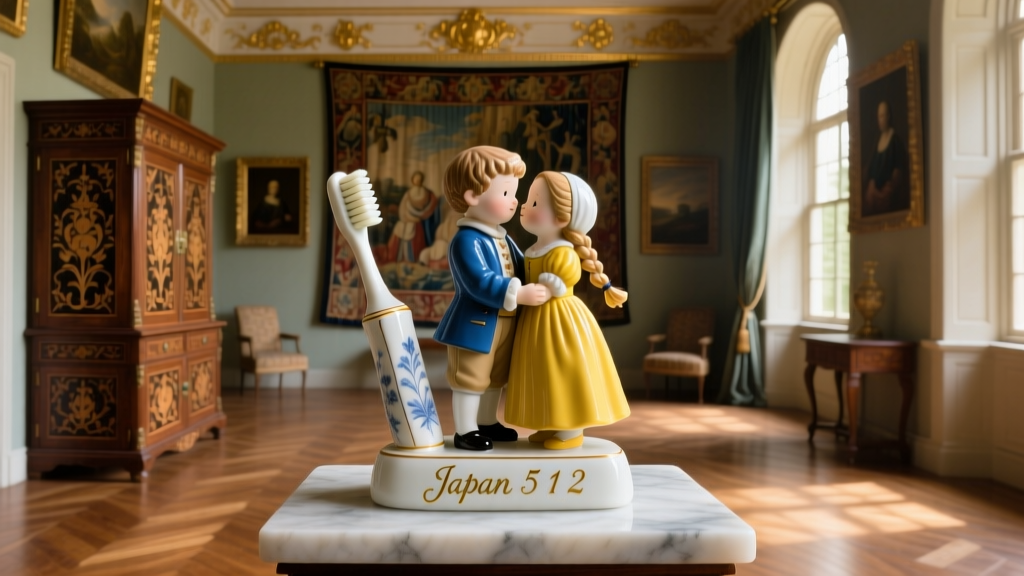
Toothbrush Holders: Dutch Boy & Girl Hugging Figurines – Japanese Porcelain, 5½ Inches, Circa 1950s–60s
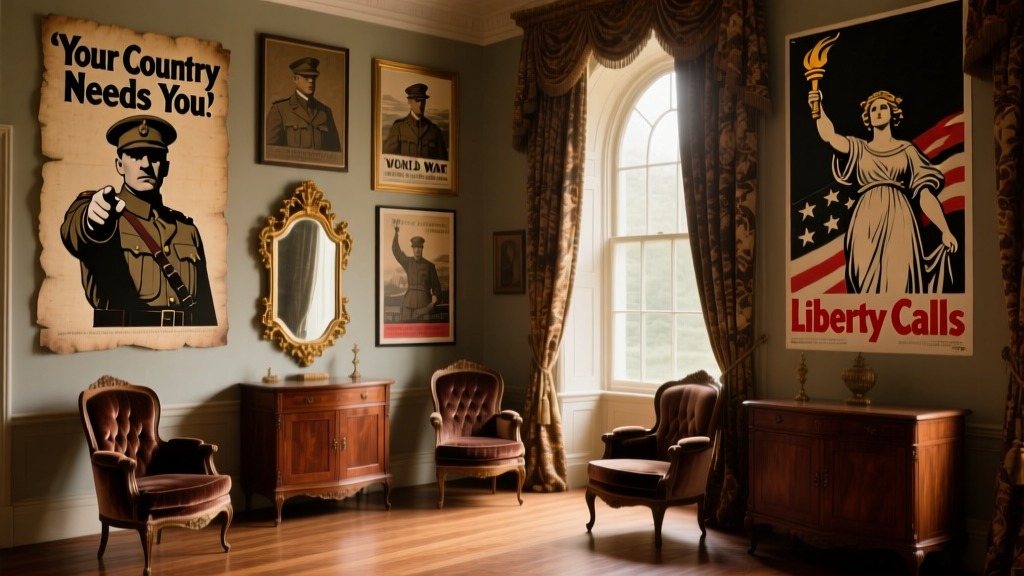
WWI Propaganda Posters: Design, Production, and Enduring Cultural Impact

Game-It Card Game by Parker Brothers (1904): A Forgotten Gem of Early American Parlor Entertainment
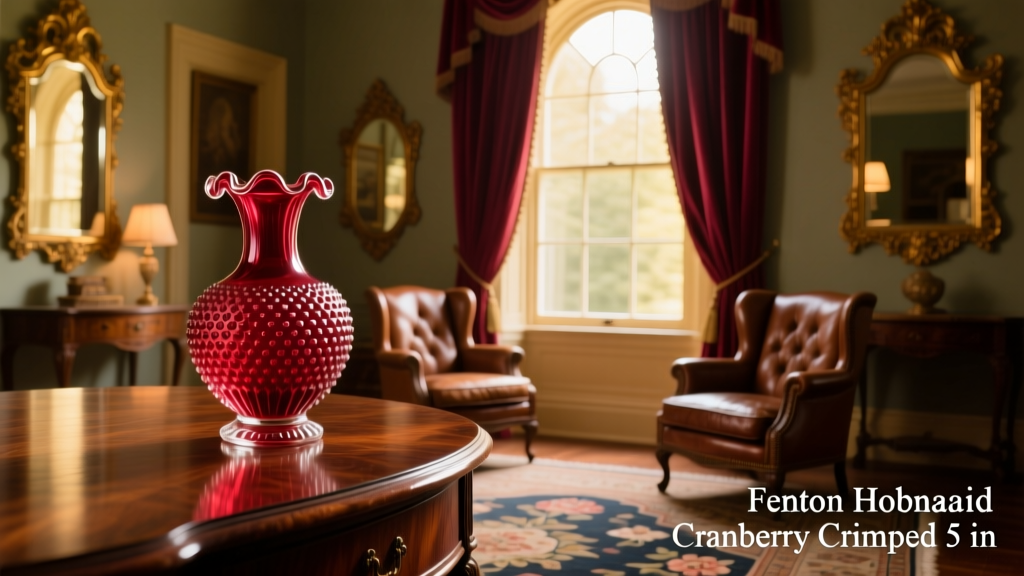
Fenton Hobnail Cranberry Crimped 5-Inch Glassware: Identification, Value, and Restoration Insights
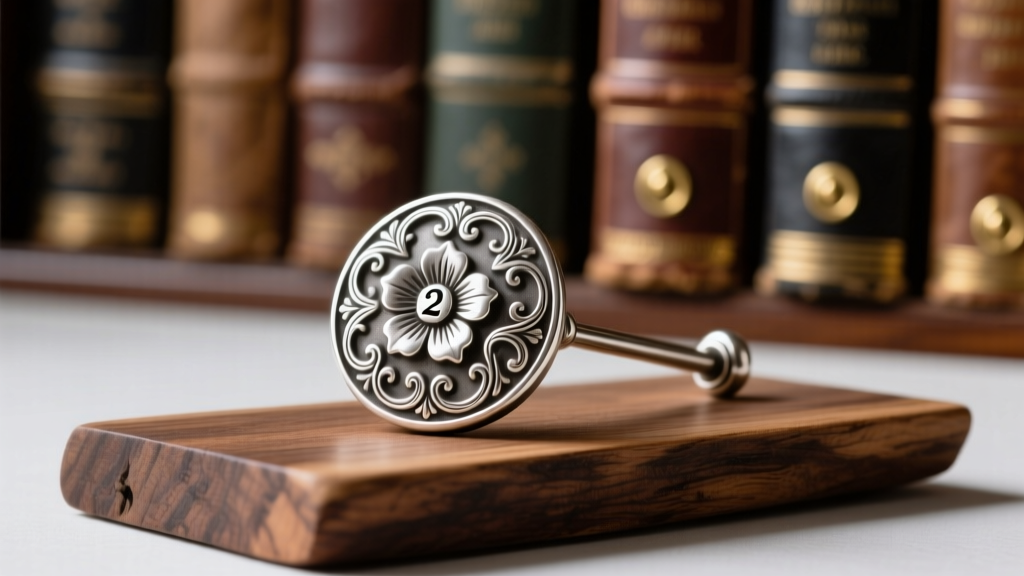
Buttonhooks Sterling Silver Raised Flowers & Scrolls: Decoding the 1891 Patent No. 2 Artifact